Leave Your Message
-
E-mail
-
Whatsapp
-
Message
State-of-the-art electronic assemblies engineered for harsh automotive environments
The rapid transition from internal combustion engine (ICE) vehicles to electric vehicles (EVs) has revolutionized automotive electronic architectures. At the heart of this electric revolution lies the EV Powertrain, a complex system encompassing the Traction Inverter, Battery Management System (BMS), On-Board Charger (OBC), and DC-DC Converters. Because these components operate under extreme conditions—specifically high voltage, high currents, continuous thermal cycling, and intense mechanical vibrations—the integrity of their electronics is paramount. Assembly soldering is no longer just a connectivity step; it is a critical engineering process that dictates the performance, safety, and lifespan of the entire vehicle.
In the automotive industry, solder joint failure is not an option. A single microscopic crack in a traction inverter's power module or a BMS monitoring board can lead to system shutdown, loss of vehicle propulsion, or thermal runaway. Consequently, assembly soldering for EV powertrains demands specialized materials, advanced thermal profiling, and strict compliance with automotive standards like IATF 16949 and IPC-A-610 Class 3.
The global EV powertrain market is experiencing unprecedented growth, driven by stringent emissions regulations and consumer demand for longer range and faster charging. The industry is currently transitioning from 400V architectures to 800V and even higher voltage systems. This shift enables faster charging times and lighter vehicle wiring, but it exerts immense electrical and thermal stress on electronic components.
To handle higher power densities, manufacturers are increasingly adopting Wide Bandgap (WBG) semiconductors, such as Silicon Carbide (SiC) and Gallium Nitride (GaN). These chips operate at significantly higher temperatures (often exceeding 175°C) and switching frequencies than traditional silicon. Traditional lead-free solders like SAC305 are reaching their physical limits under these conditions. Consequently, the commercial landscape is shifting toward advanced soldering alloys (such as Innolot and other high-reliability doped alloys) and alternative joining technologies like silver sintering. Nonetheless, precision reflow and selective soldering remain the workhorse technologies for assembling the control, driver, and sensing boards within the powertrain.
Continuous exposure to temperatures ranging from -40°C to 150°C+ requires solder joints with high creep resistance and low fatigue rates.
Automotive electronics must withstand sustained road vibrations and mechanical shocks without developing micro-cracks in solder joints.
Soldering for EV powertrains introduces unique manufacturing challenges that do not exist in consumer electronics:
Assembly soldering is optimized differently across the various sub-systems of the EV powertrain:
The BMS monitors and manages the state of charge, health, and safety of the battery pack. BMS boards feature highly dense layouts with numerous microcontrollers, analog front-ends, and connectors. Precision SMT (Surface Mount Technology) reflow soldering is critical here. Solder joints must exhibit extremely high reliability to prevent false sensor readings or communication dropouts, which could trigger vehicle safety mode.
The traction inverter converts DC power from the battery into AC power for the electric motor. It contains the control board, gate driver board, and power module. The driver board requires highly reliable selective soldering to connect heavy-duty components and connectors to the control circuitry, ensuring seamless signal transmission under high electromagnetic interference (EMI) environments.
These units manage AC-to-DC charging and step down high voltage to run 12V auxiliary systems. They utilize a mix of surface mount components and heavy through-hole components (such as large inductors and transformers). Mixed assembly processes—combining SMT reflow, wave soldering, and selective soldering—are deployed to guarantee mechanical strength and electrical efficiency.
As EV technology matures, several manufacturing trends are shaping the future of assembly soldering:
1. Transition to Low-Voiding and High-Reliability Alloys: The industry is moving away from standard SAC305 toward specialized alloys containing elements like Bismuth, Antimony, and Nickel (e.g., Innolot). These dopants refine the microstructure of the solder joint, enhancing its resistance to thermal fatigue and vibration.
2. Vacuum Reflow Technology: Vacuum-assisted reflow ovens are becoming standard in EV PCBA lines. By drawing a vacuum during the liquidus phase of the reflow cycle, trapped gases are pulled out of the solder joints, reducing voiding in power components to less than 5%.
3. Advanced Selective Soldering: For assemblies containing both high-density SMT and heavy through-hole components, selective soldering offers precise control over solder time, temperature, and nozzle positioning. This prevents thermal damage to adjacent sensitive SMT parts while ensuring complete hole fill for power connectors.
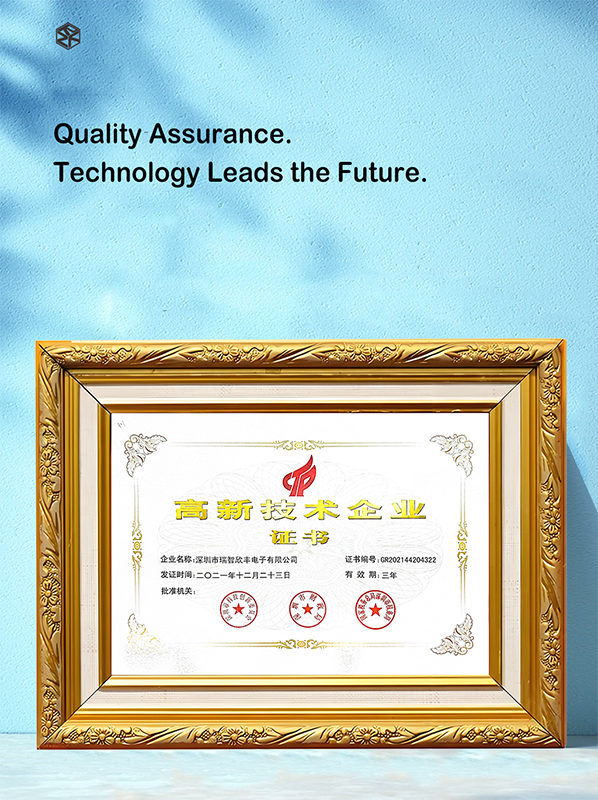
Based in China and looking at the global market, Shenzhen Rich Full Joy Electronics Co., Ltd. has been committed to industry development for 20 years. The company is a national high-tech innovative enterprise that combines focus and expertise. It’s also an important enterprise incubation base in China. We specialize in providing customers with one-stop intelligent electronic manufacturing services, including scientific research, PCB design, PCB manufacturing, PCB assembly (including SMT, DIP, Programming and testing) and component selection.
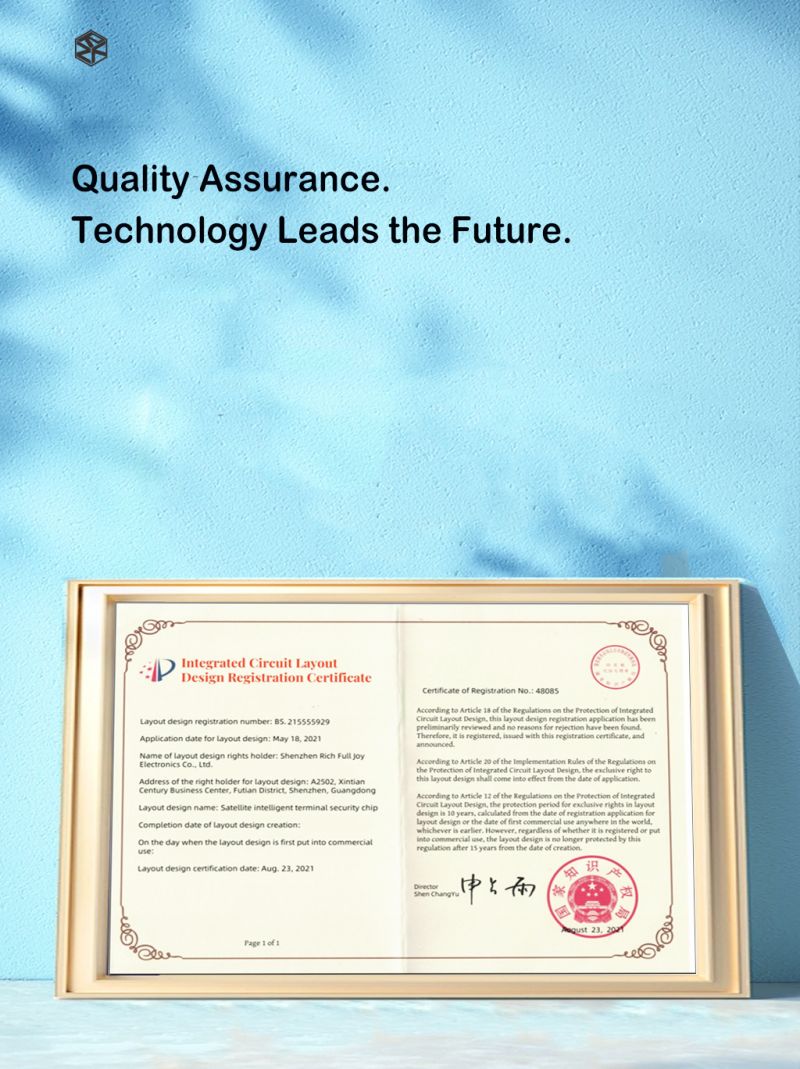
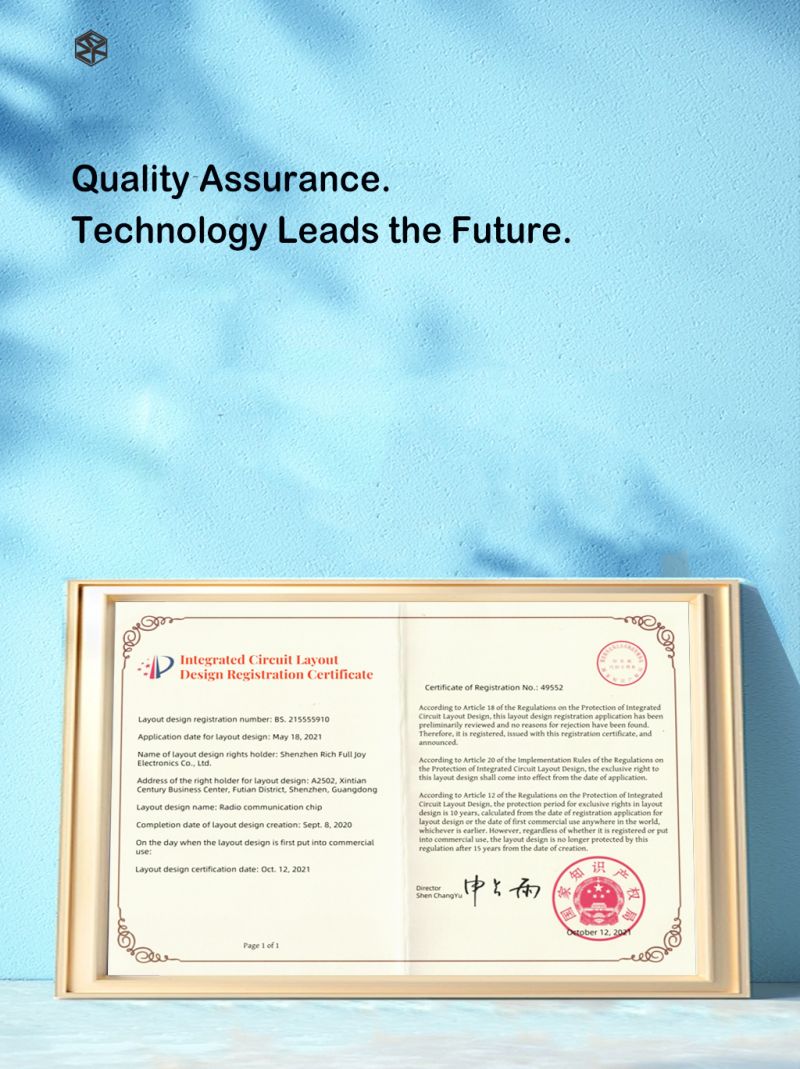
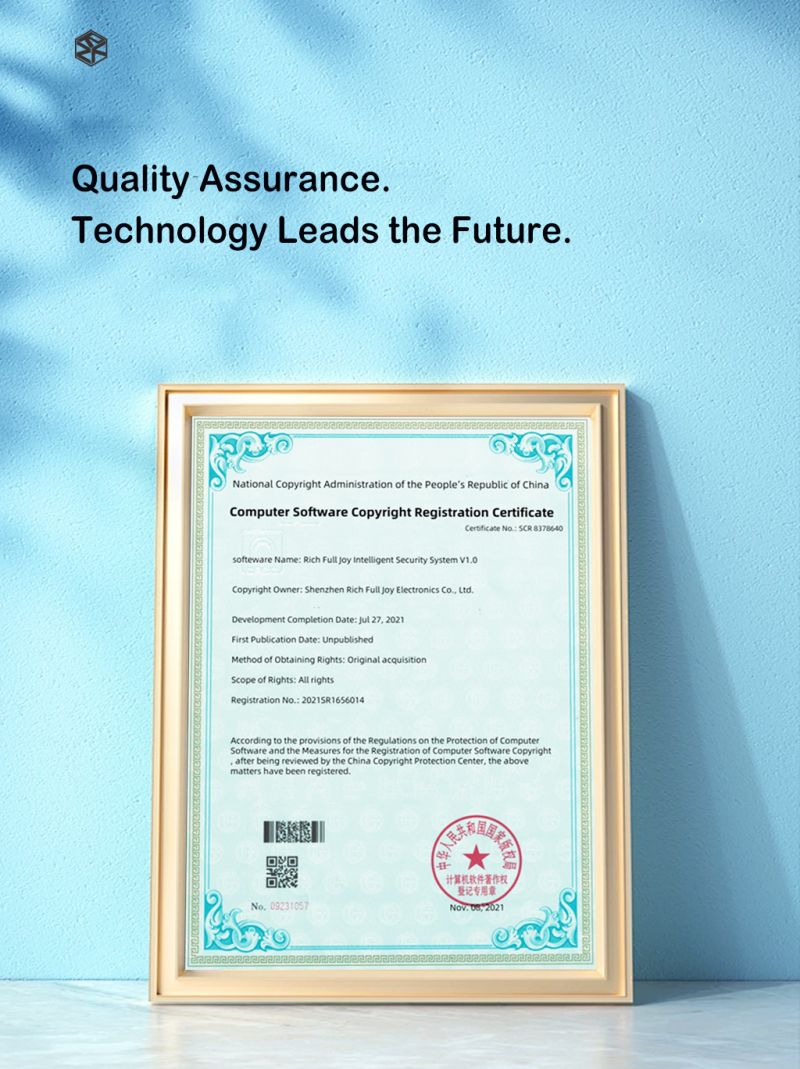
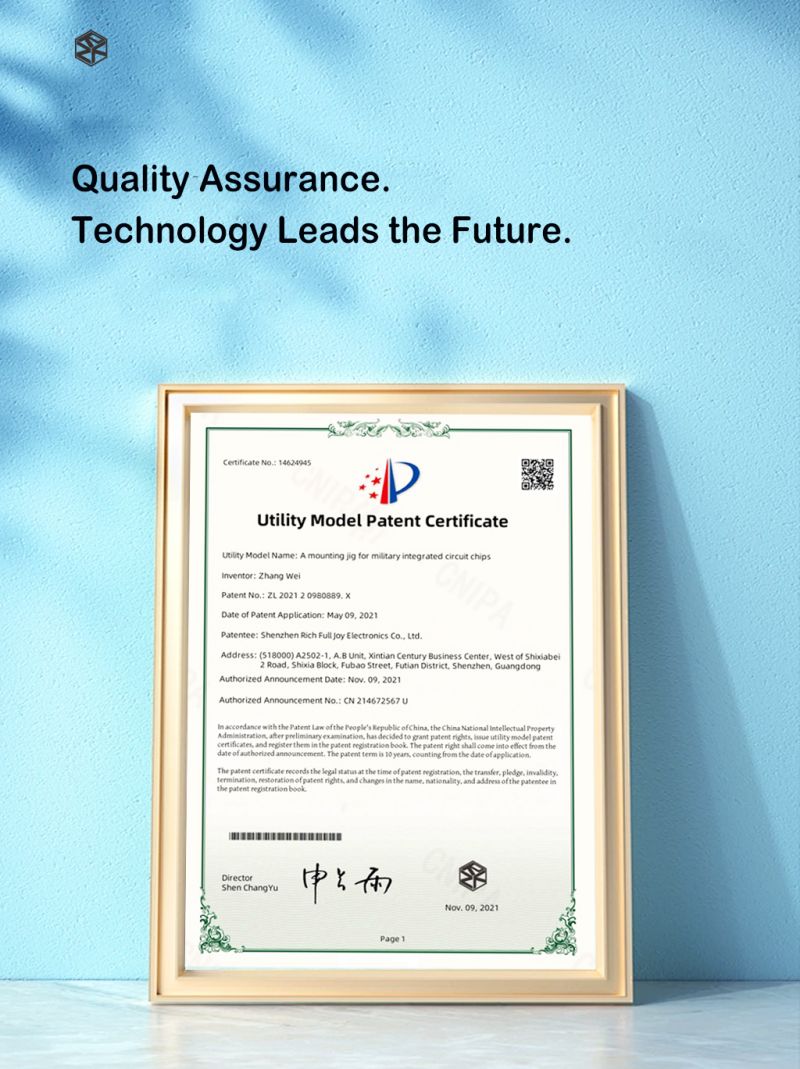
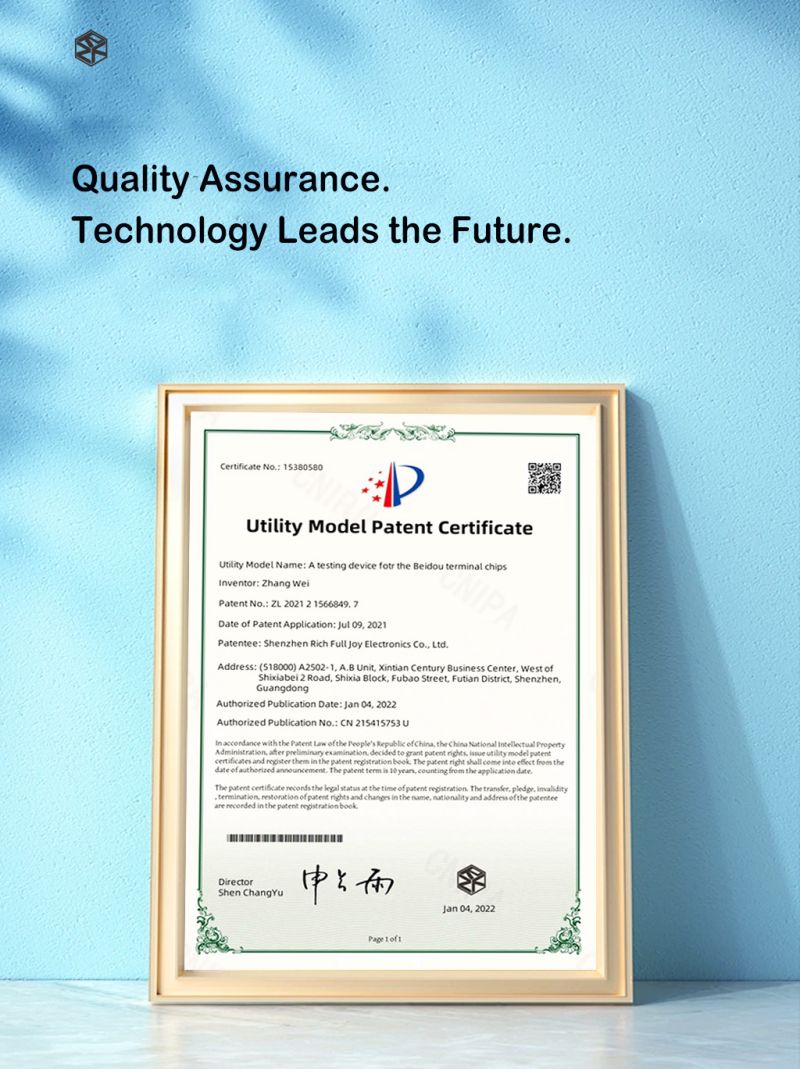
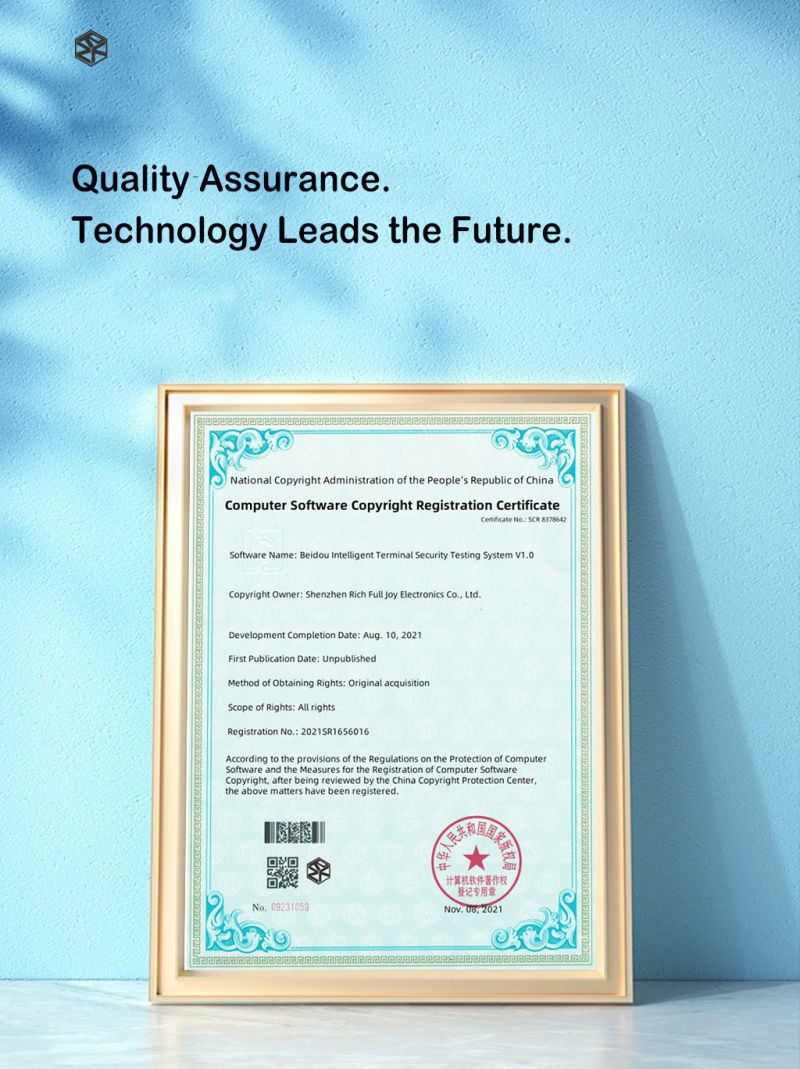
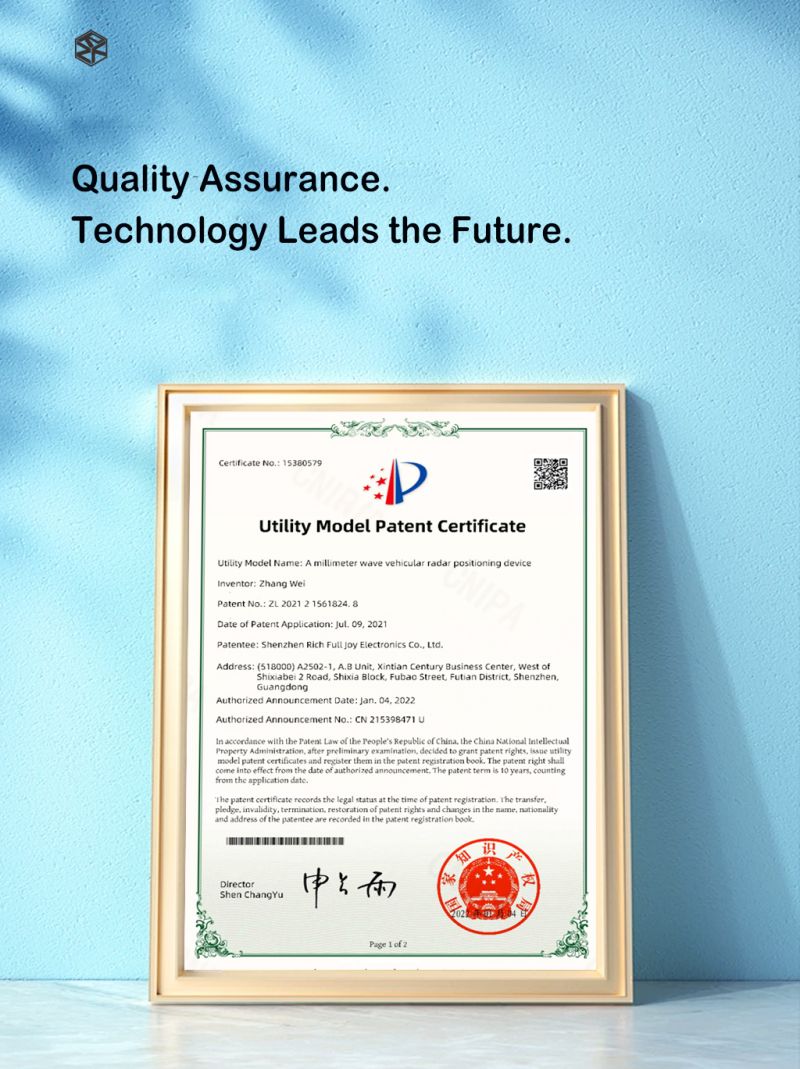
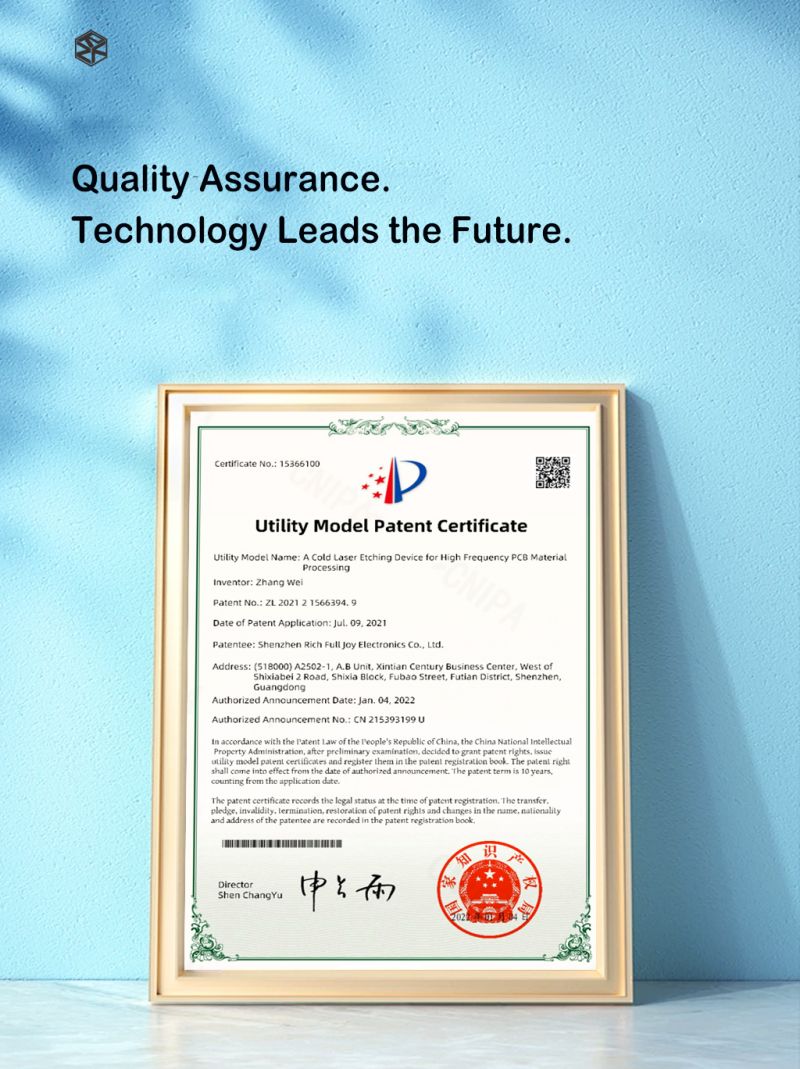
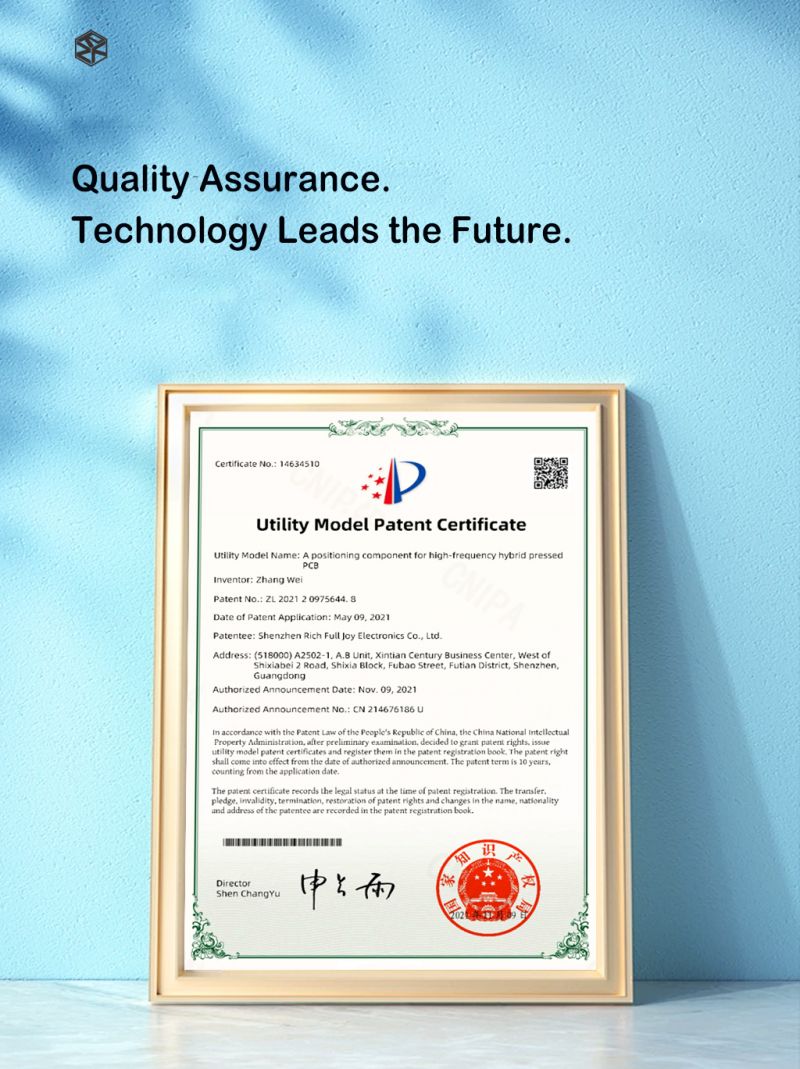
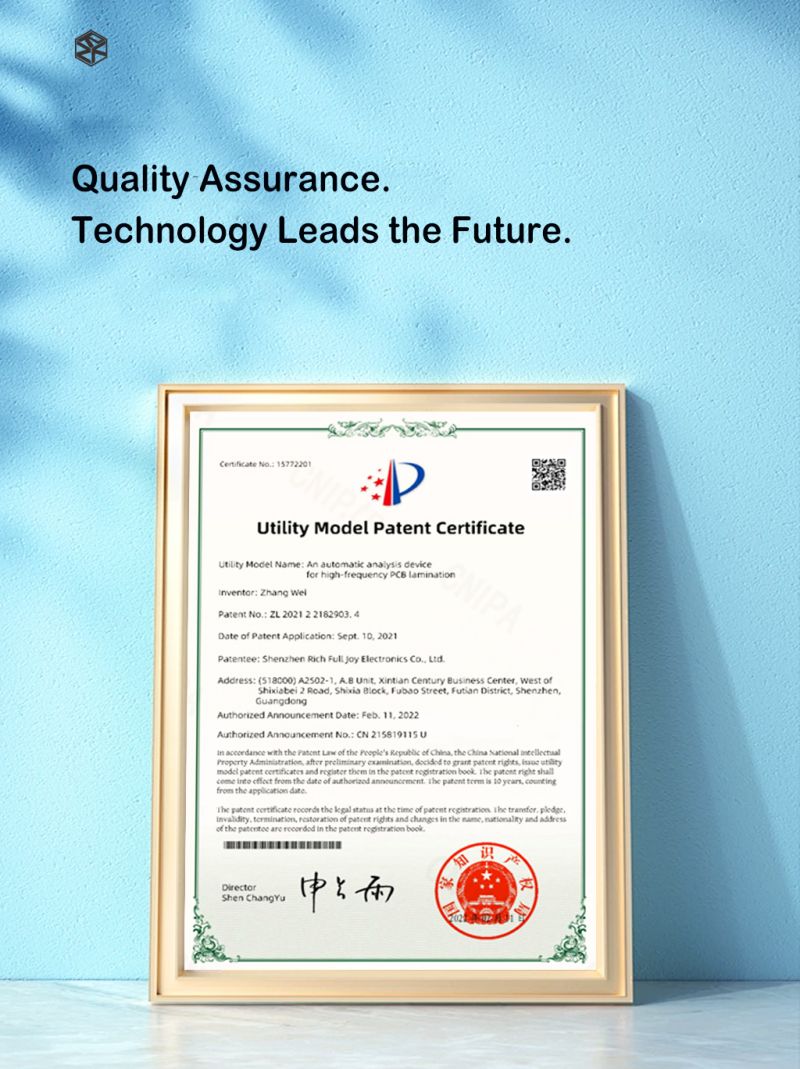
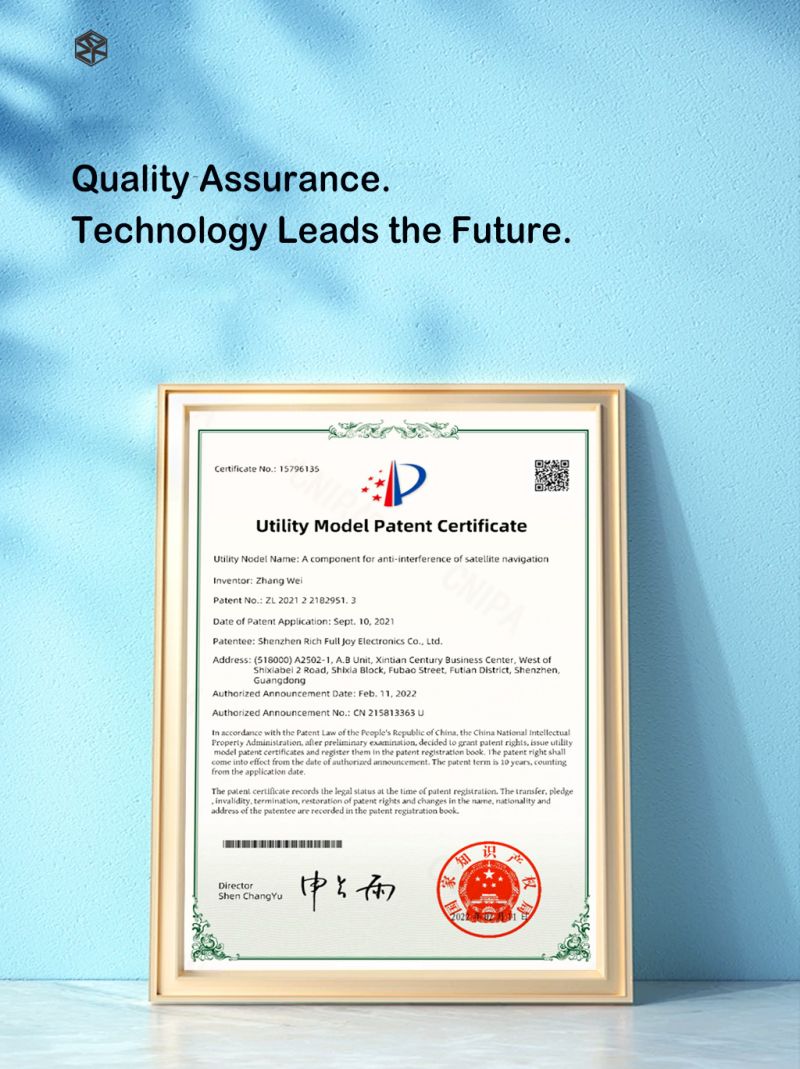
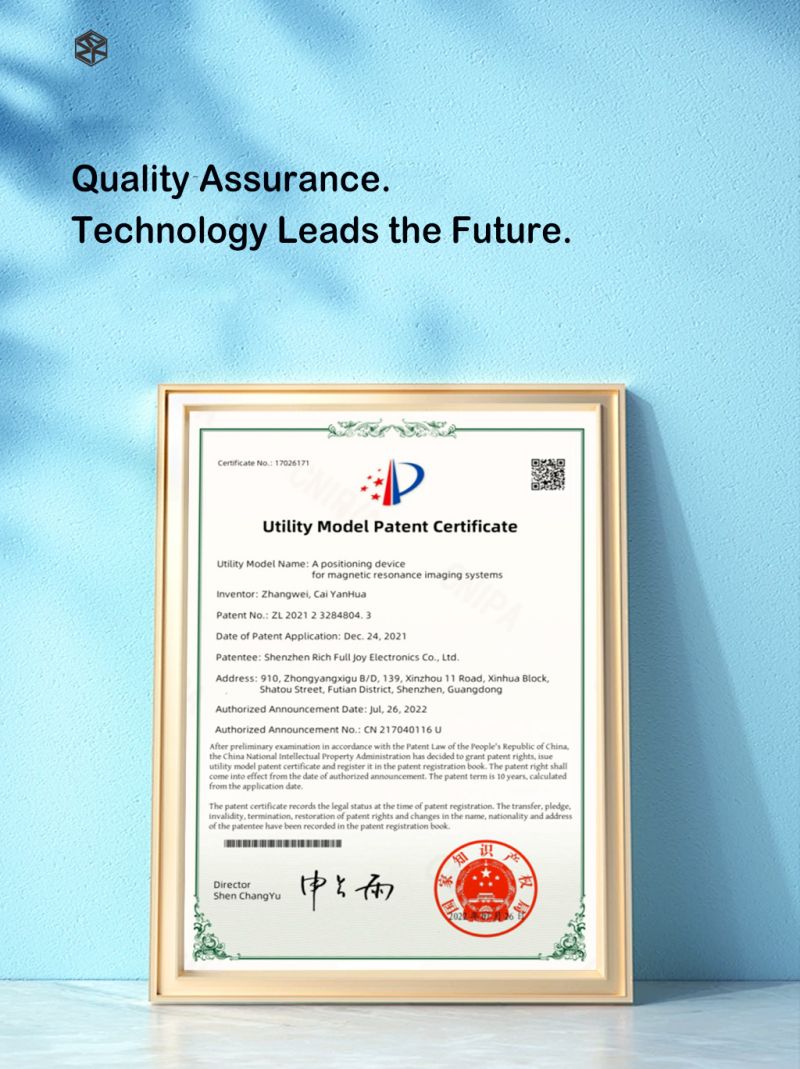
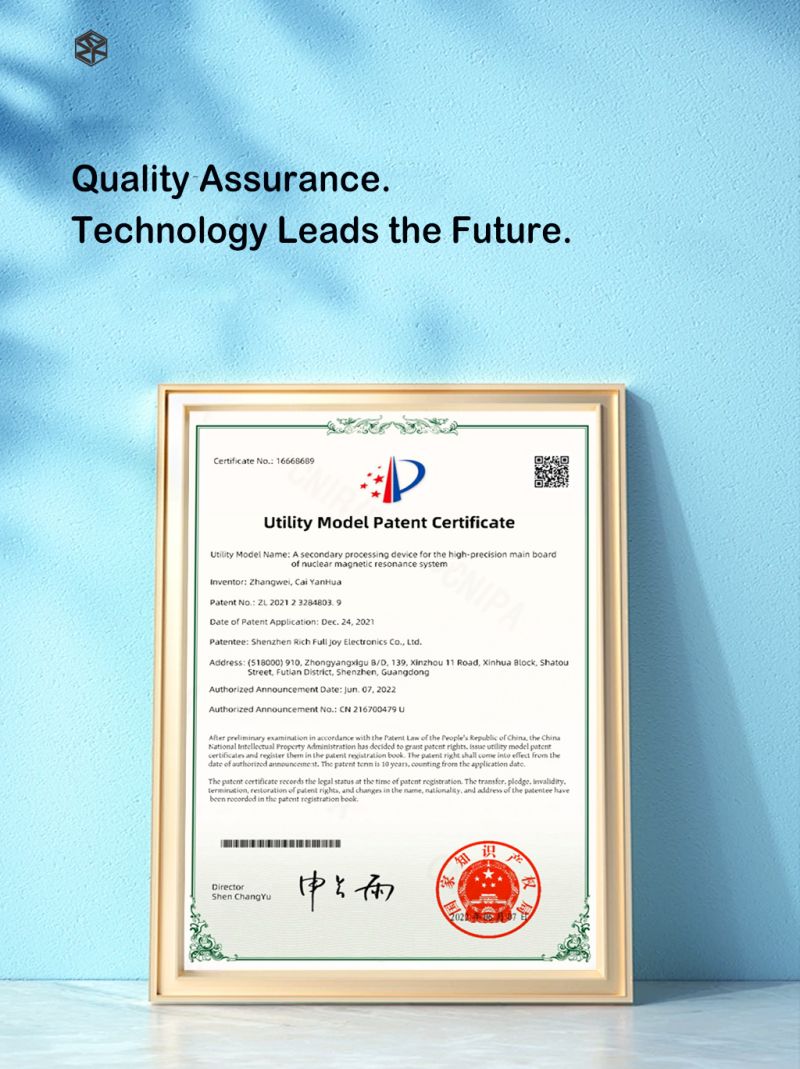
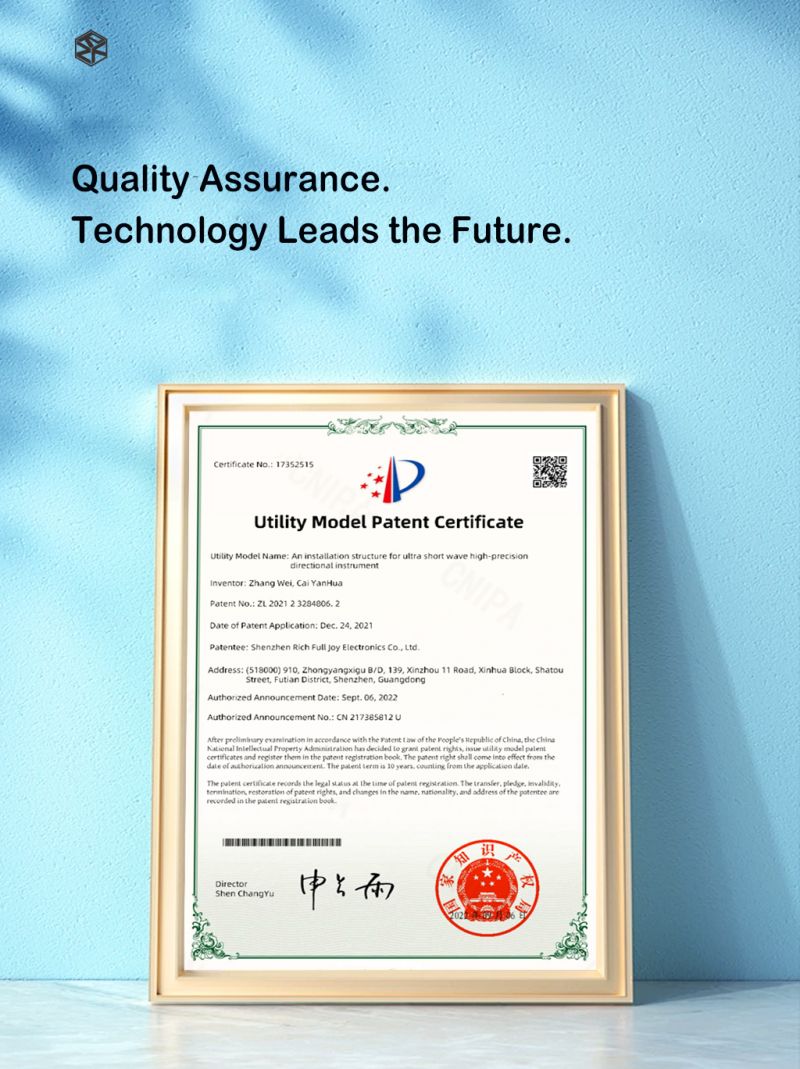
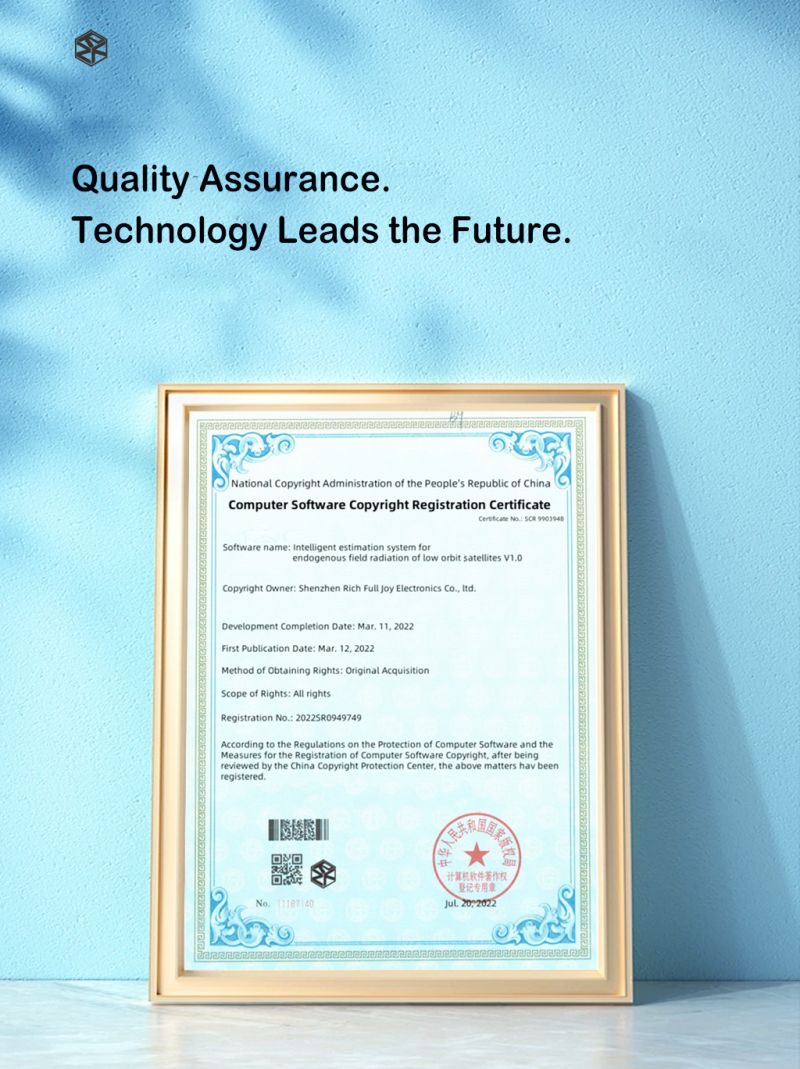
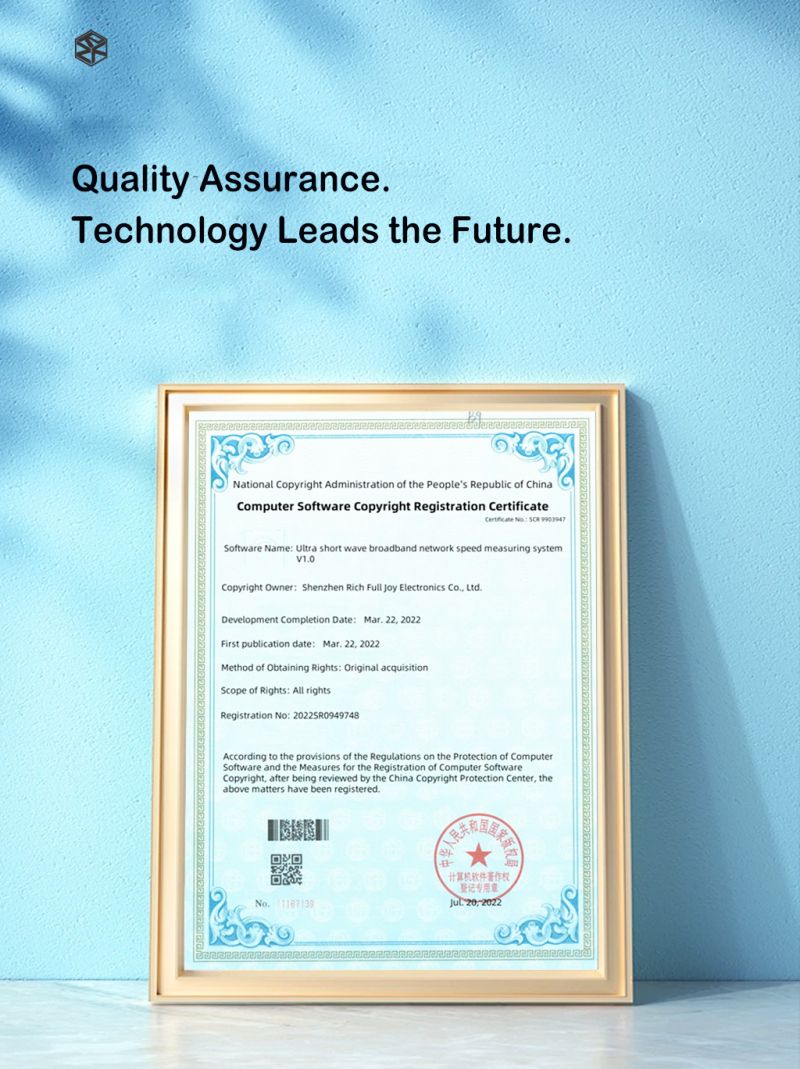
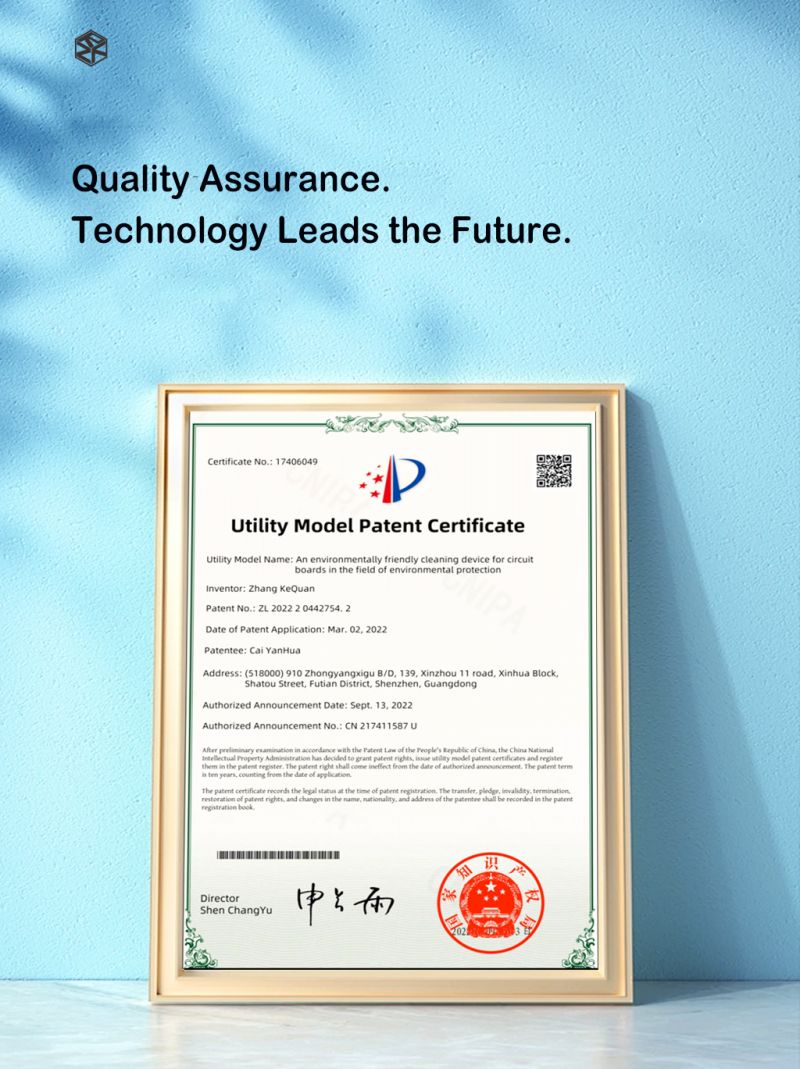
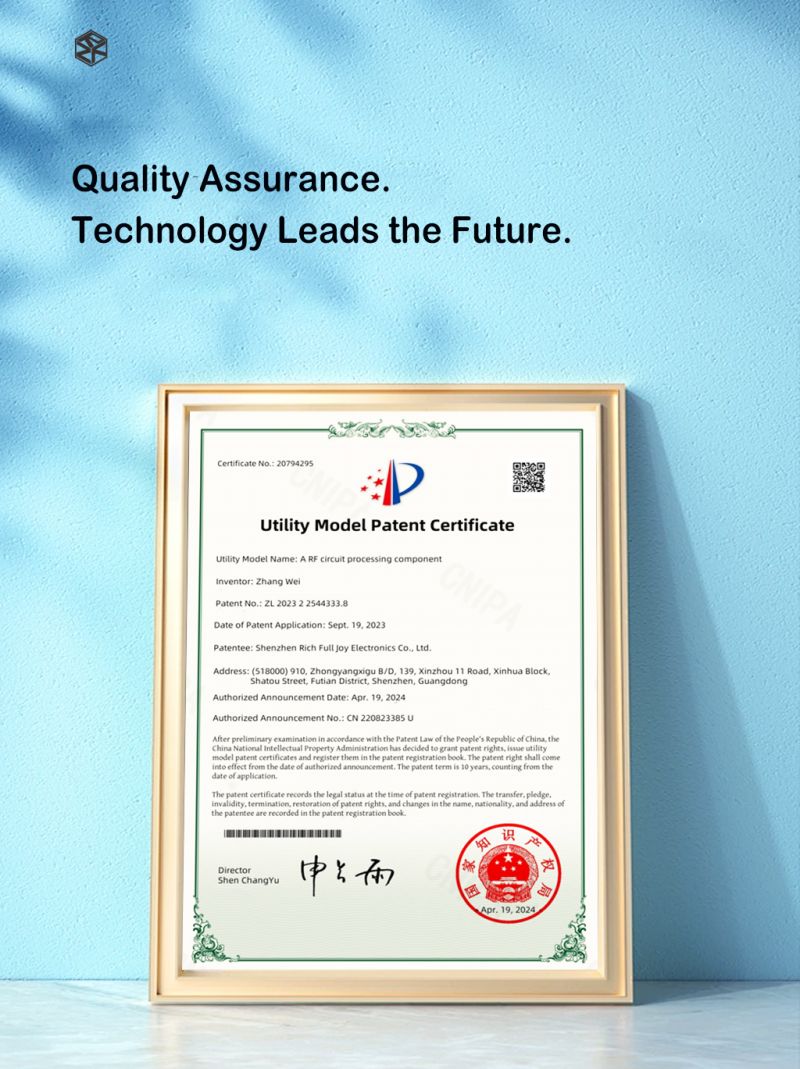
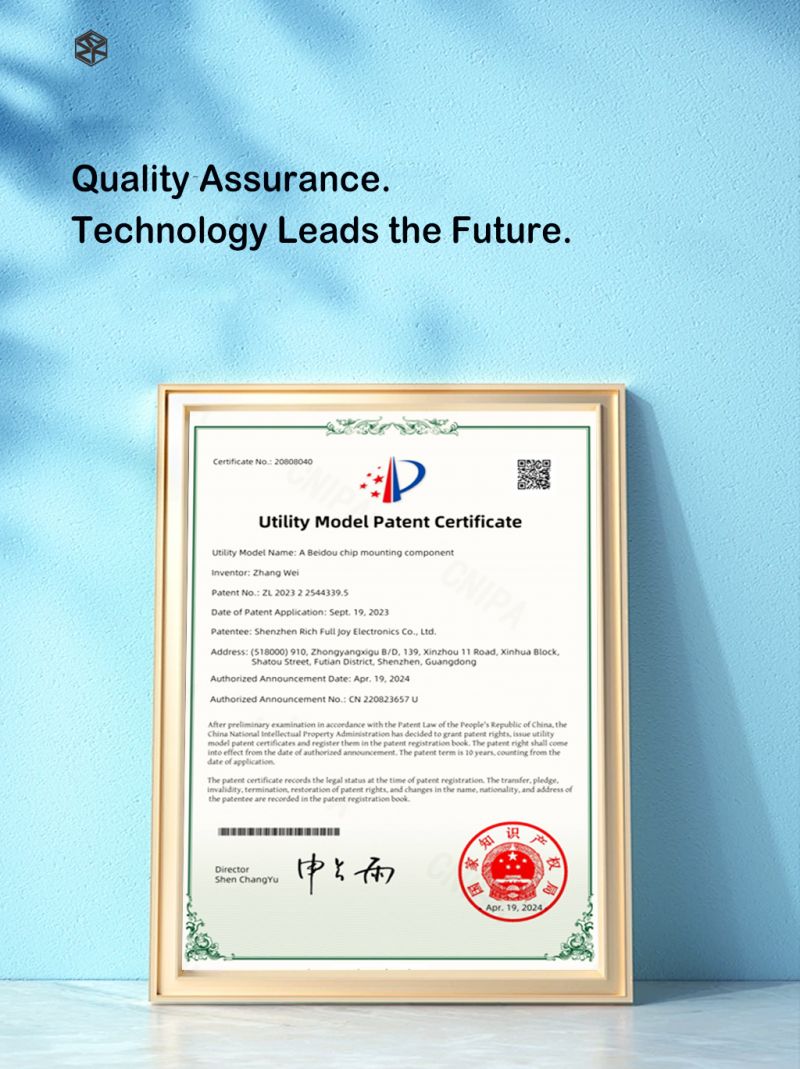
Technological innovation is the core competitiveness of enterprises. We’ve obtained multiple invention and utility model patents, and has passed various international standard certifications such as ISO9001, IATF16949, ISO14001, UL, CQC, REACH, RoHS, COC, as well as the GJB9001C-2017 standard certification for weapon and equipment quality management system. We’ve provided high-quality and reliable products to multiple research institutions, universities, and assisted customers in identifying design issues and providing reasonable suggestions and processing parameters. We not only publish technical papers, but also actively participate in domestic and overseas technology exchange conferences to spread academic value and cutting-edge technological innovation. We regularly communicate with customers and strive to provide them with the best solutions.


Explore our diverse electronics manufacturing capabilities for EV powertrains, aerospace, and industrial control