

PCB Knowledge
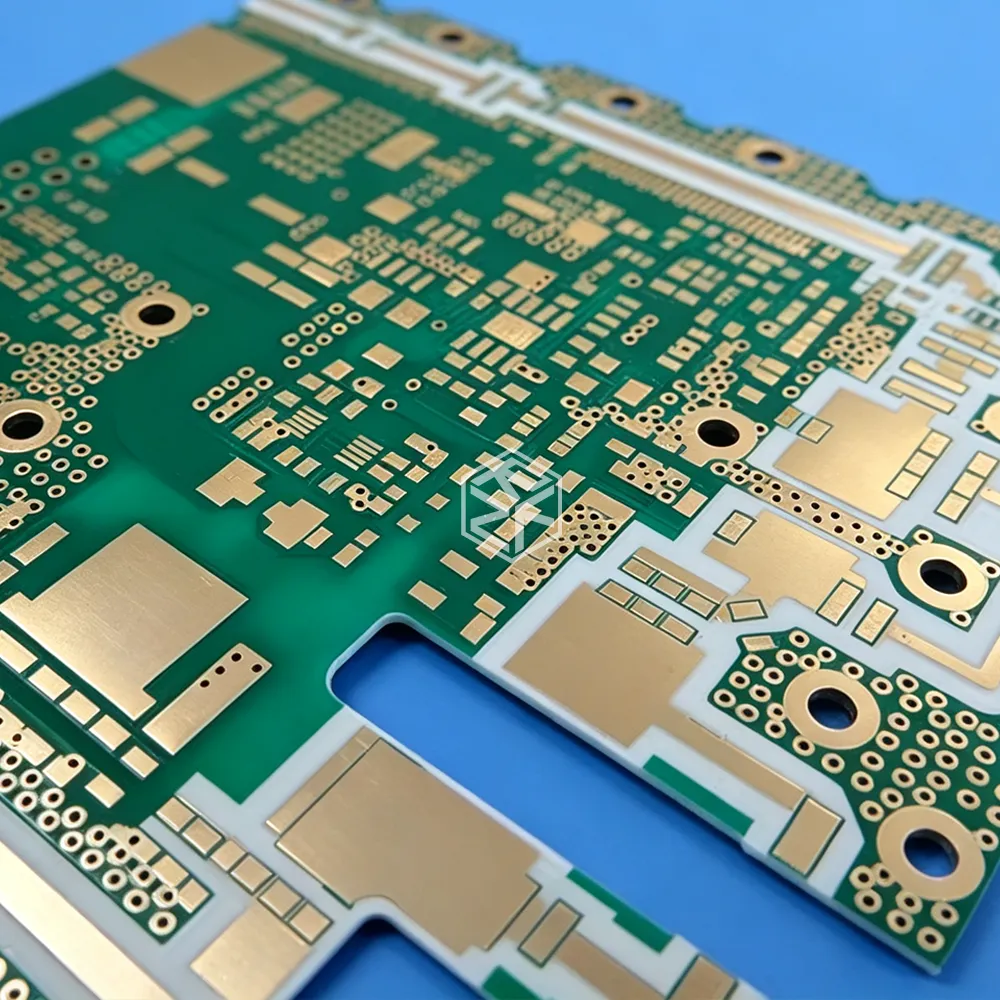
RF PCB Temperature Compensation: Hybrid Stack-Up Strategy with Negative and Positive TCDk Materials
Why hybrid stack-ups combining negative and positive TCDk materials are the key to RF PCB temperature compensation. RO3003 (-3 ppm/°C) + RO4835 (+50 ppm/°C) — how opposing Dk temperature coefficients cancel drift.
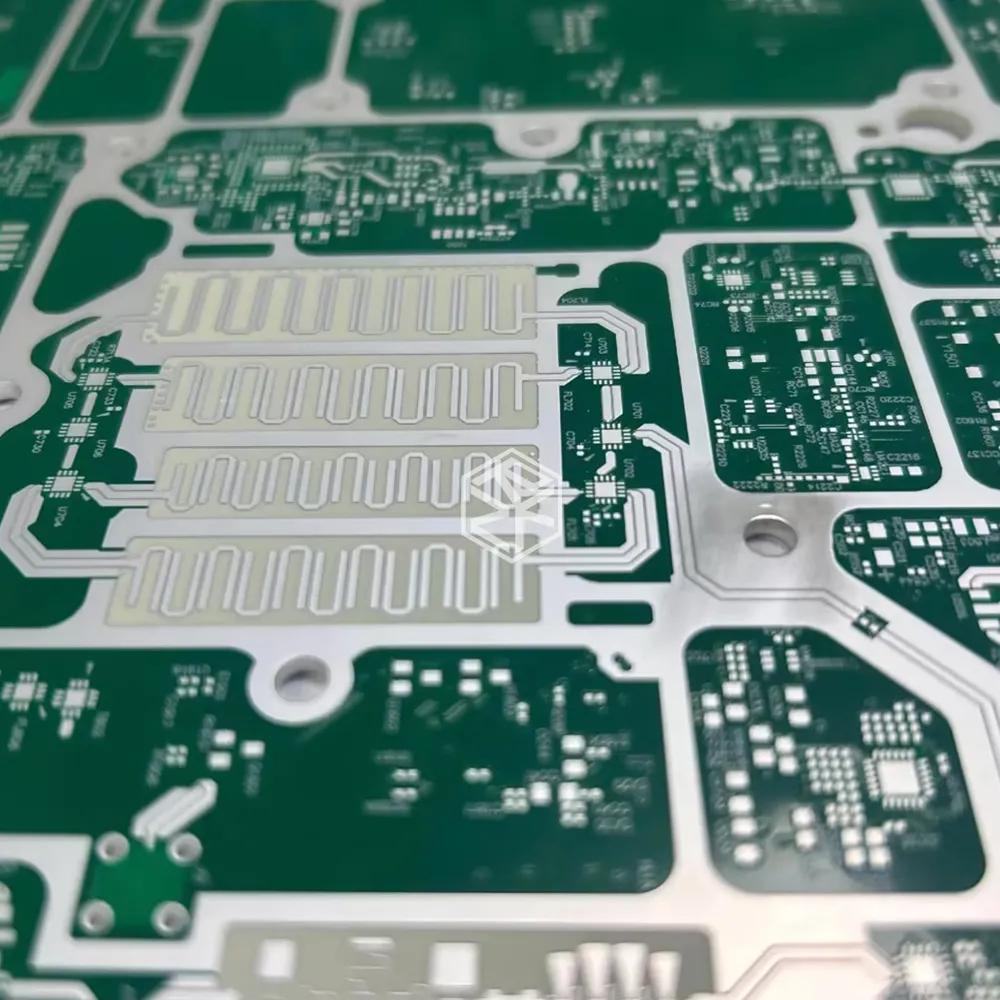
RF PCB Spiral Inductor: Line Width Tolerance Accumulation Shifts Resonant Frequency by 5%
Why accumulated line width tolerances in PCB spiral inductors shift resonant frequency by up to 5%. Manufacturing variation mechanisms, inductance sensitivity, and design strategies for RF precision.
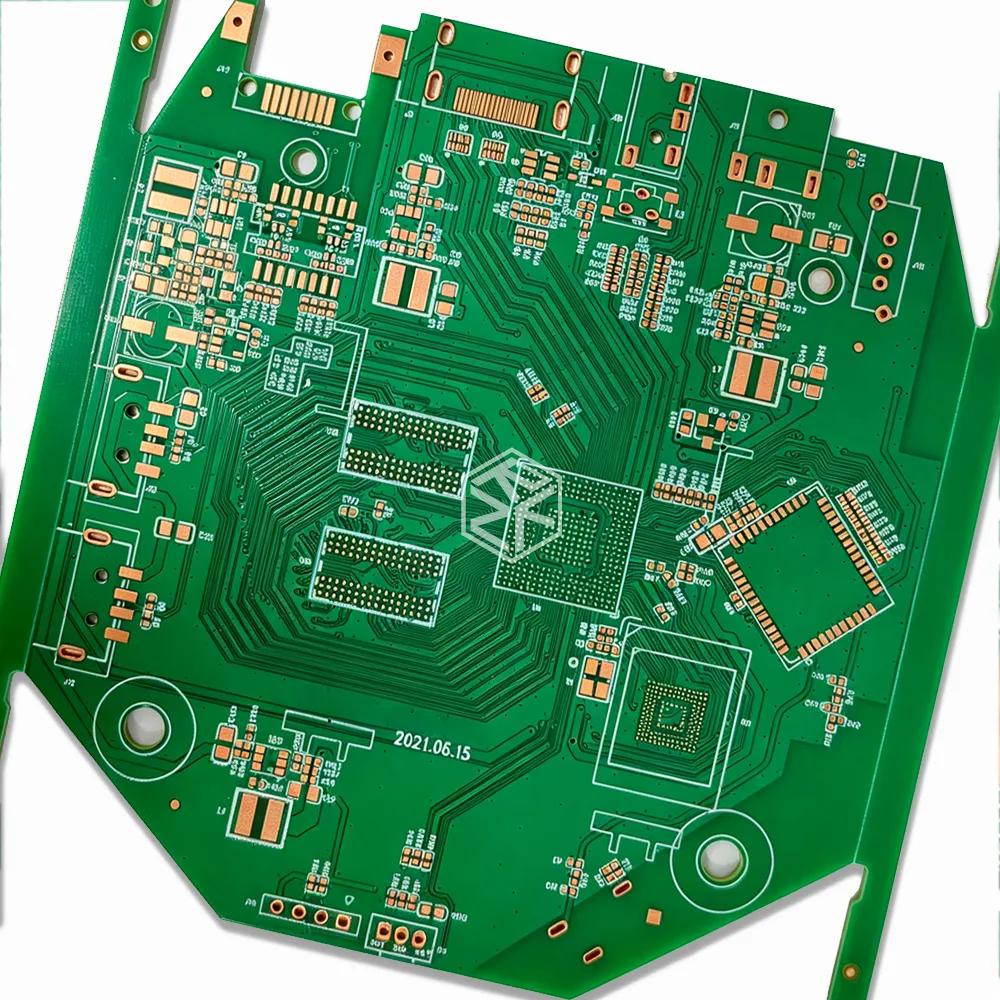
RF PCB Isolation: Layer-to-Layer Registration Misalignment ±2mil vs ±4mil — 10dB Isolation Difference
Why ±2mil vs ±4mil layer registration makes a 10dB difference in RF PCB isolation. How misalignment degrades isolation, coupling mechanisms, and design rules for high-frequency multilayer boards.
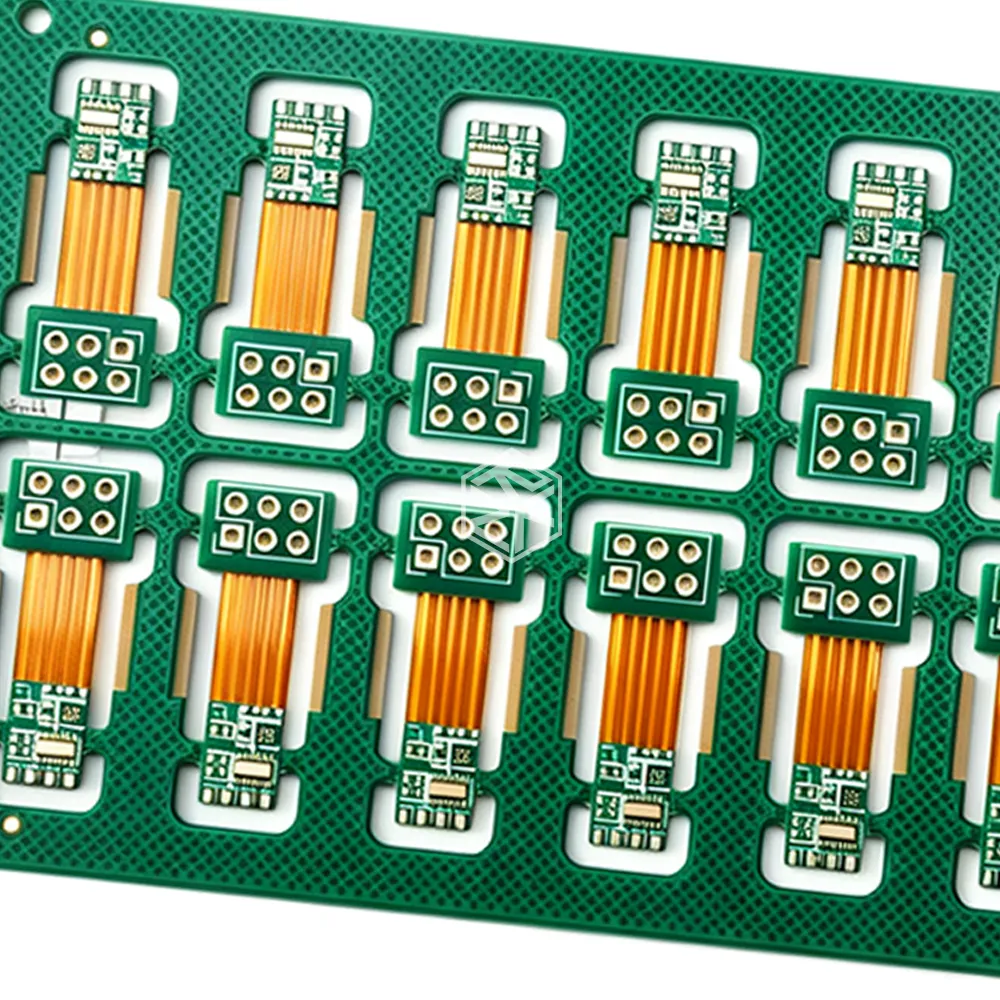
Rigid-Flex Coverlay Opening Copper Protection: ENIG Thickness Requires Special Control
Why ENIG thickness at coverlay openings in rigid-flex PCBs requires special control. Nickel brittleness, cracking mechanisms, high-phosphorus ENIG, and design rules for reliable flex circuits.
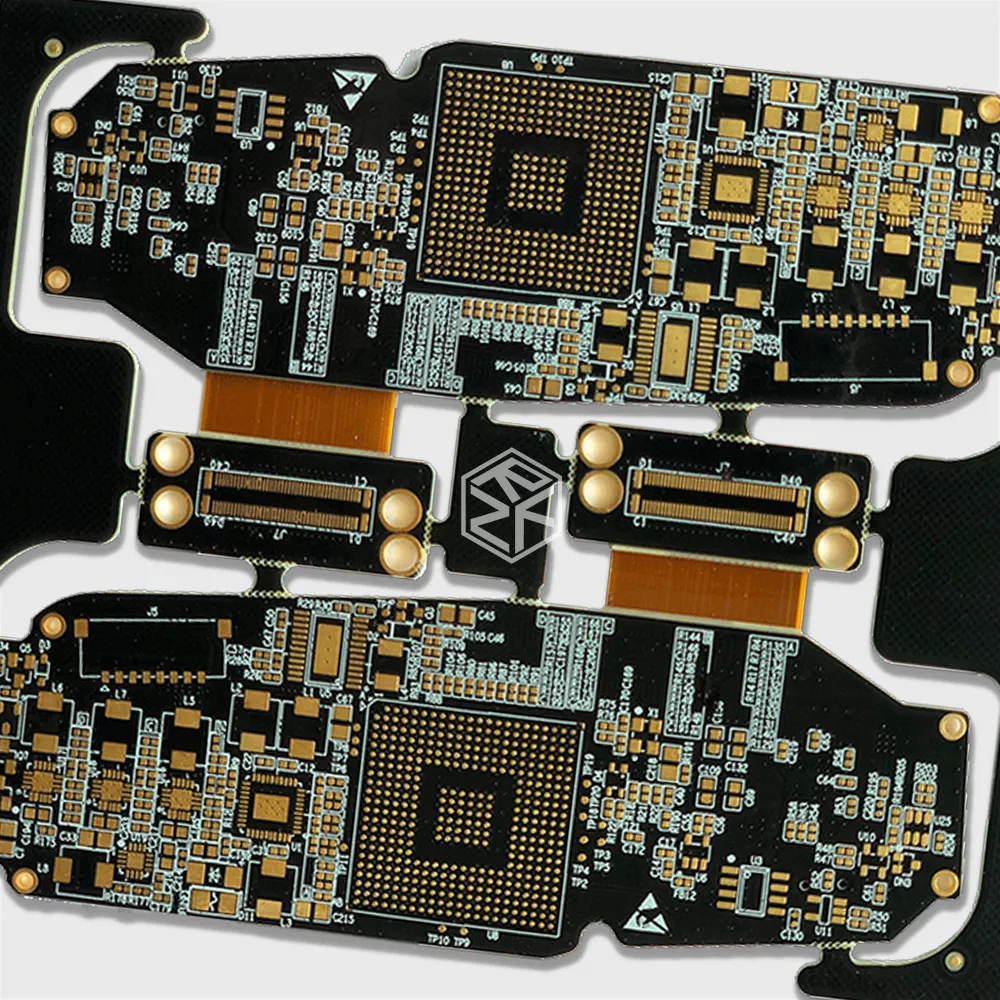
Rigid-Flex PCB Post-Bend Testing: Real-Time Impedance Monitoring Methods During Dynamic Bending
Real-time impedance monitoring during dynamic bend testing of rigid-flex PCBs — methods, standards, and design guidelines for detecting dynamic failures. How TDR monitoring reveals failures that post-test inspection misses.
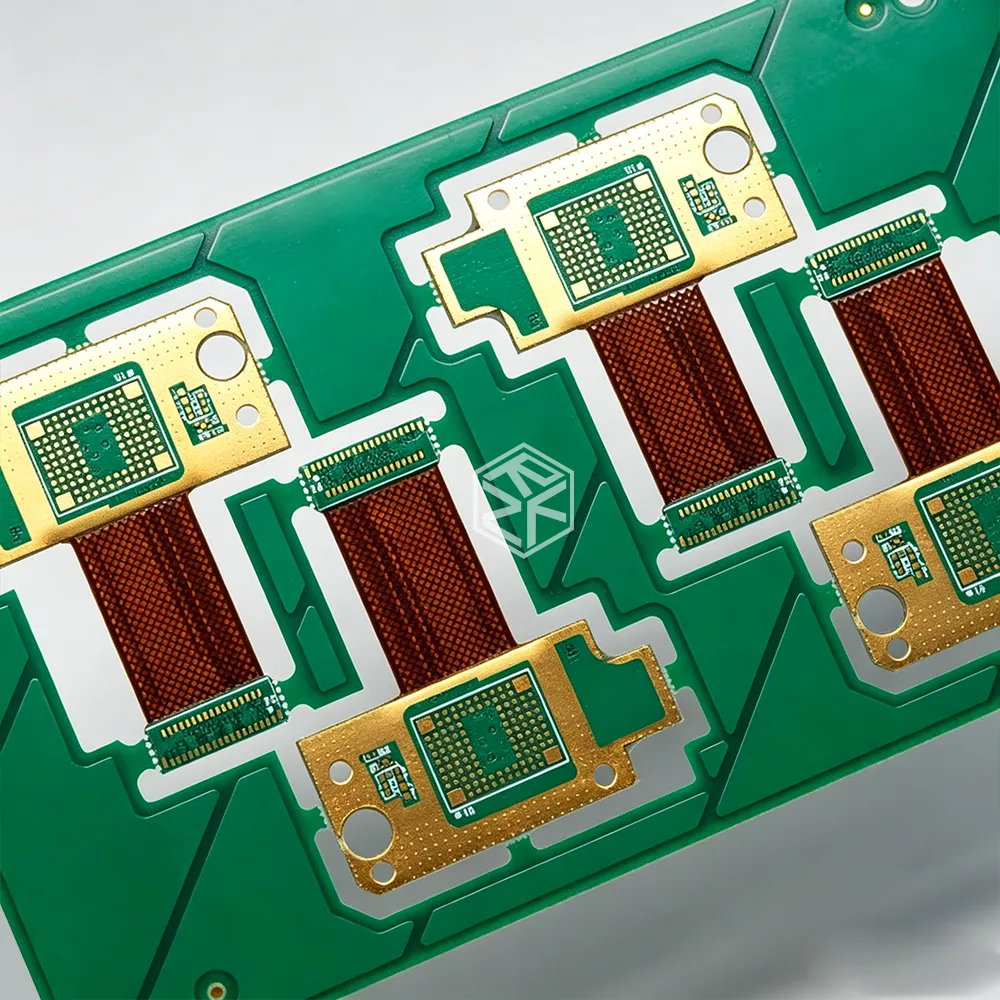
Rigid-Flex PCB CAF Risk: CAF Pathways in the Flex Area Are Different from Those in the Rigid Area
Conductive anodic filament (CAF) failure in rigid-flex PCBs — why CAF pathways in the flex area differ fundamentally from rigid sections. Mechanisms, failure modes, and design strategies for CAF-resistant rigid-flex designs.
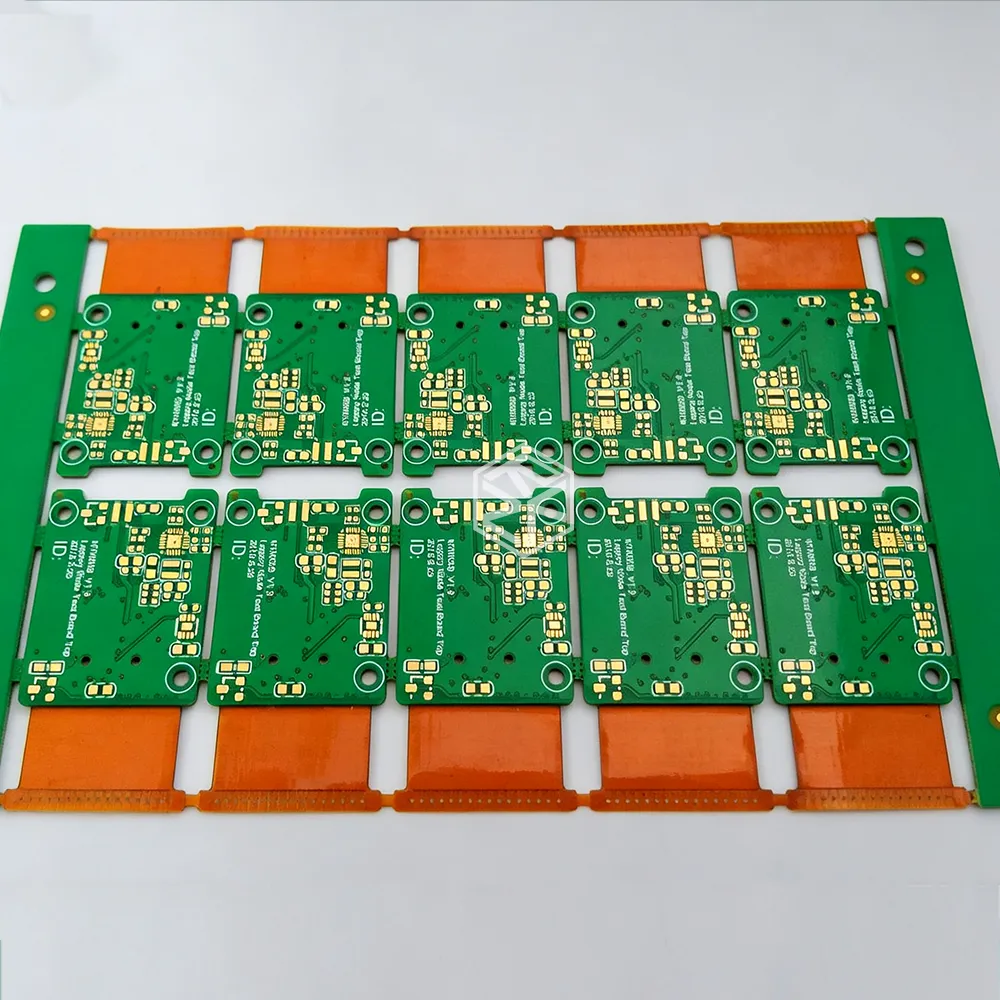
Rigid-Flex PCB Electromagnetic Shielding: Flex Area Shield Layer Design — Critical Considerations Often Overlooked
EMI shielding in rigid-flex PCB flex areas is critical yet often neglected in design. Copper hatch patterns, shielding films, grounding strategies, and design rules for effective electromagnetic protection in flexible circuits.
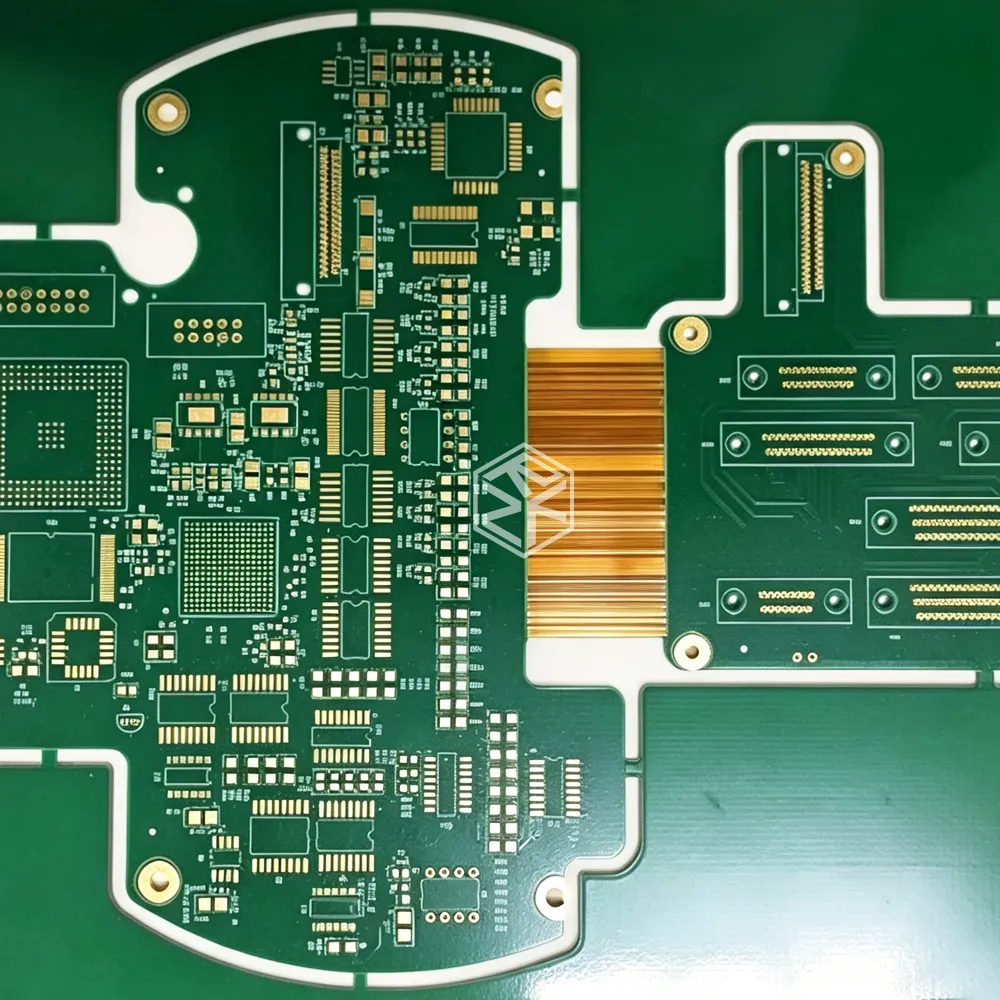
Rigid-Flex Flex Area Routing: How Arc vs. 45° Corners Impact Dynamic Bend Life
Arc corners vs. 45° corners in rigid-flex flex zone routing — why rounded traces reduce stress concentration by 40% and extend dynamic bend life from 10,000 to 200,000+ cycles. IPC-6013 design guidelines.
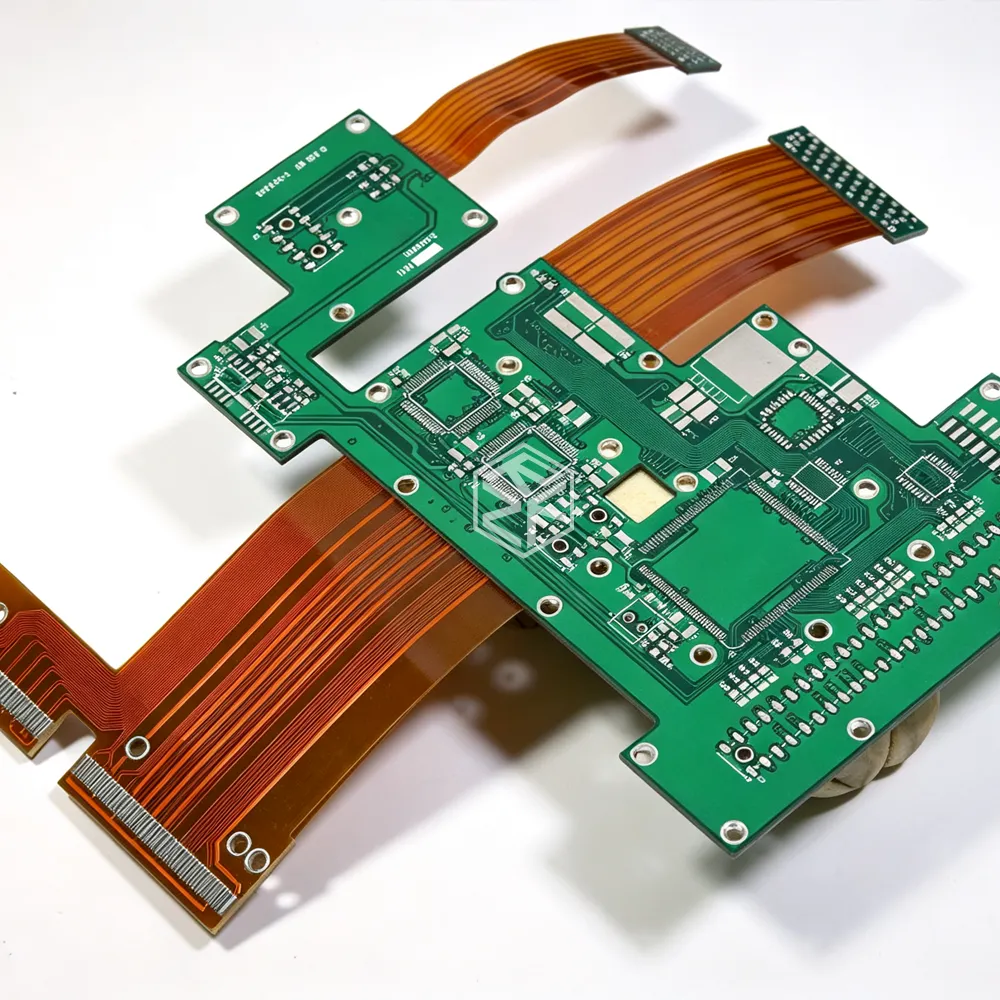
Rigid-Flex PCB Bend Radius Limits: Dynamic vs Static Flex Life Differs by an Order of Magnitude
Why does dynamic flex life fall an order of magnitude short of static designs? IPC-2223 bend radius rules, RA copper requirements, and design guidelines for 100K+ cycle reliability.
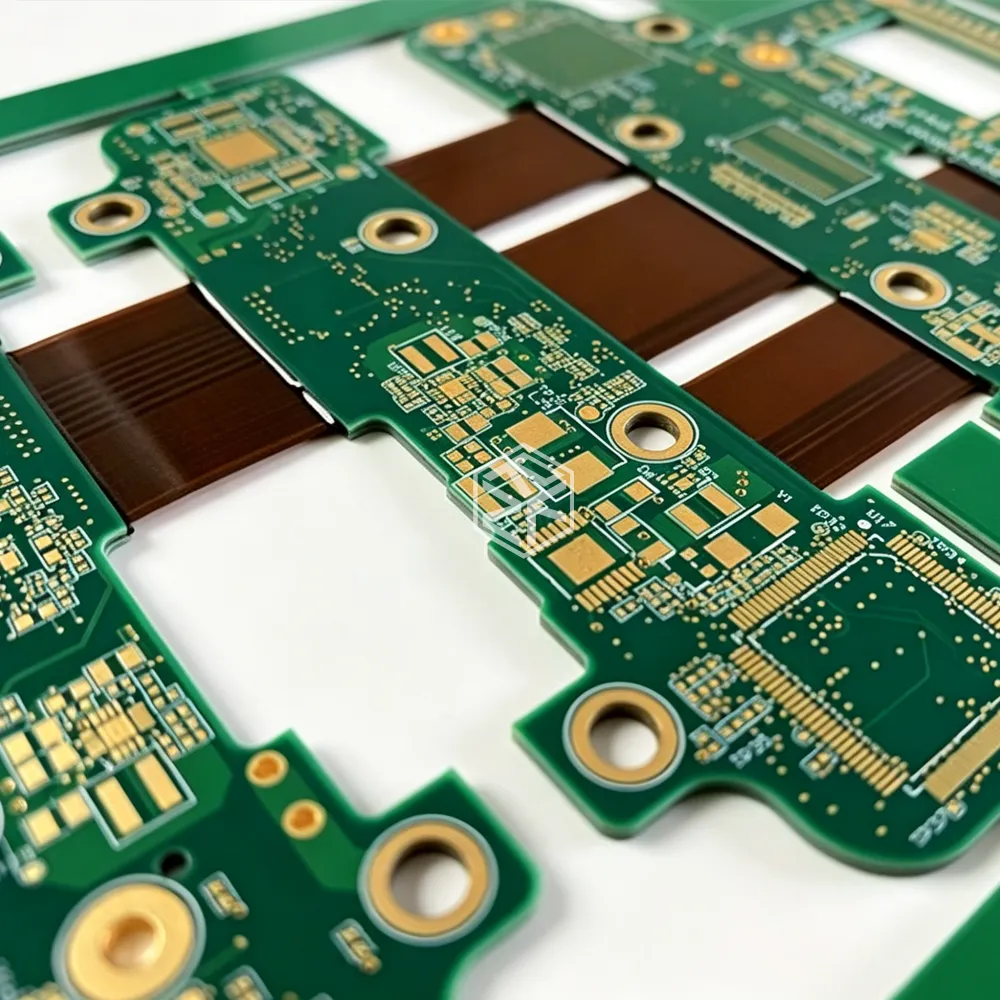
Copper Grain Direction vs. Bending Axis: The First Principle Determining Dynamic Flex Life of Rigid-Flex PCBs
Why does copper grain orientation determine rigid-flex dynamic bending life? RA vs. ED copper microstructure, rolling direction (RD) alignment with bend axis, and design rules for 100k+ flex cycles.