Leave Your Message
*Name Cannot be empty!
* Enter product details such as size, color,materials etc. and other specific requirements to receive an accurate quote. Cannot be empty

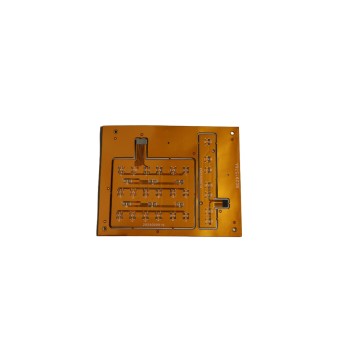
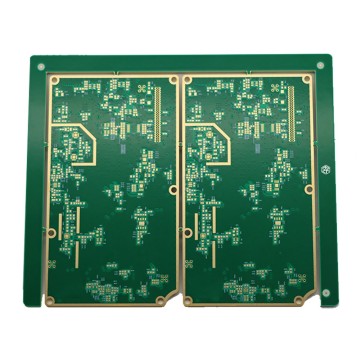
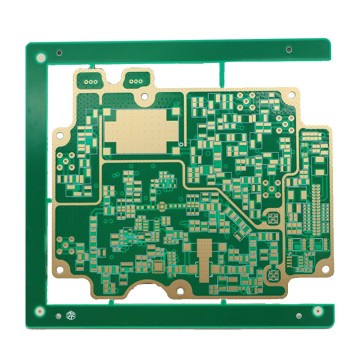
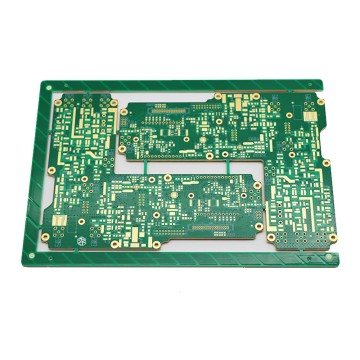
Advanced HDI Rigid - Flex PCB Assembly for Robots: Empowering Precise Movements and Smart Operations

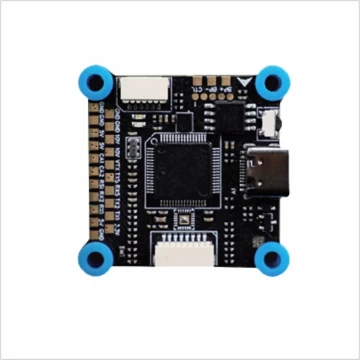
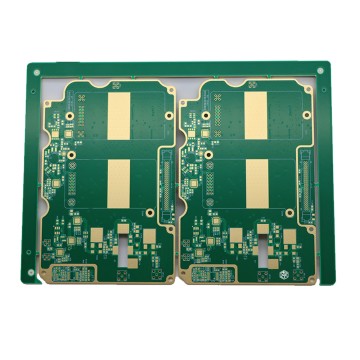
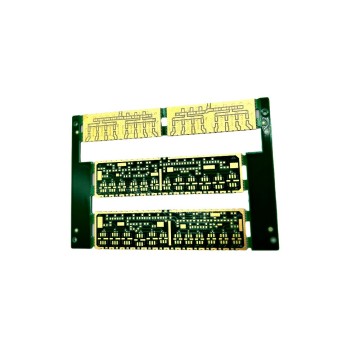
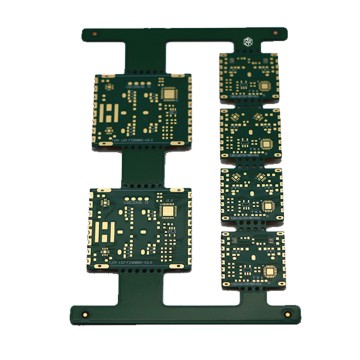
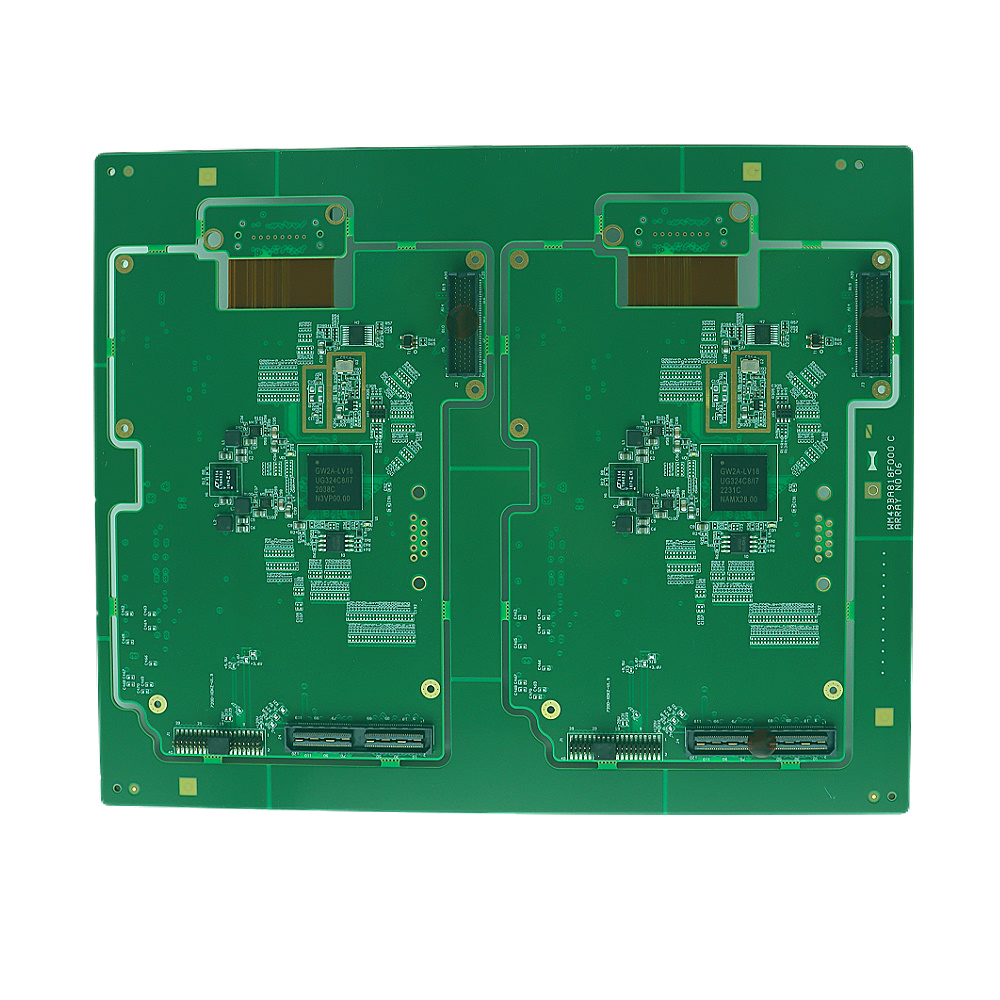
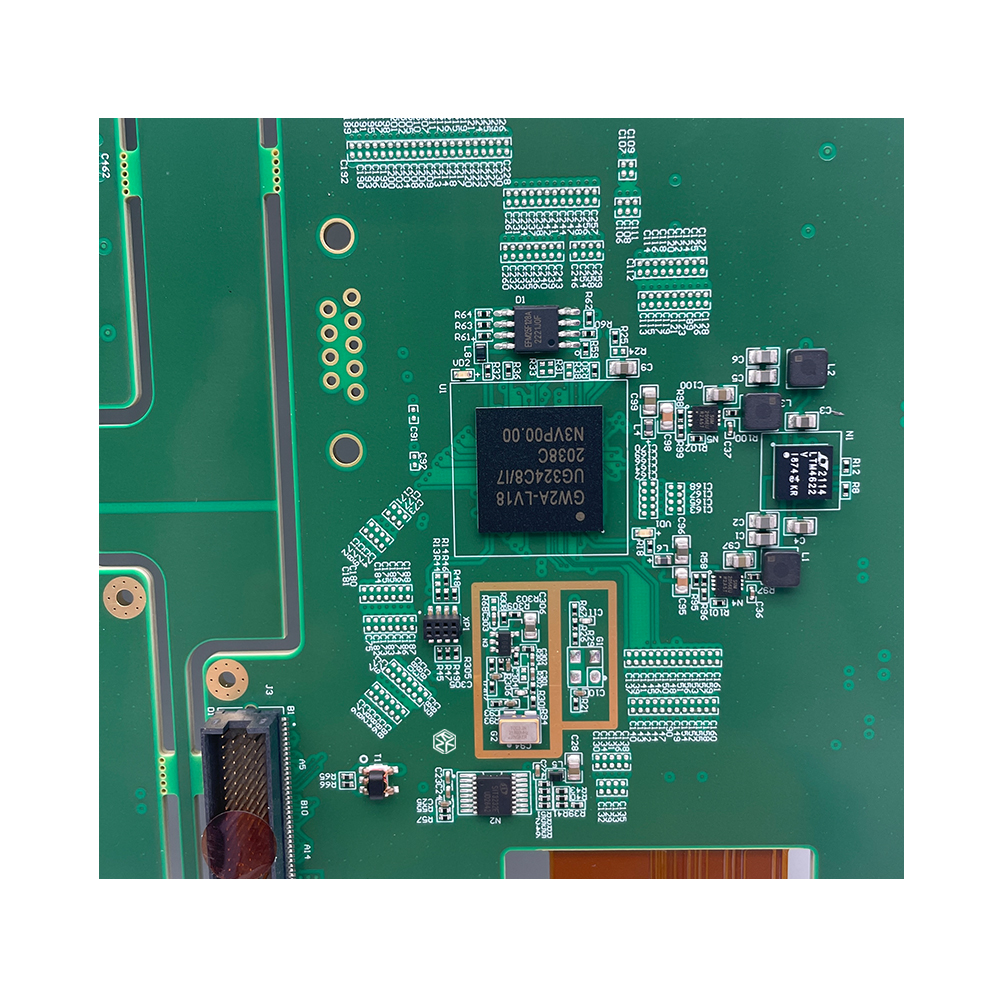
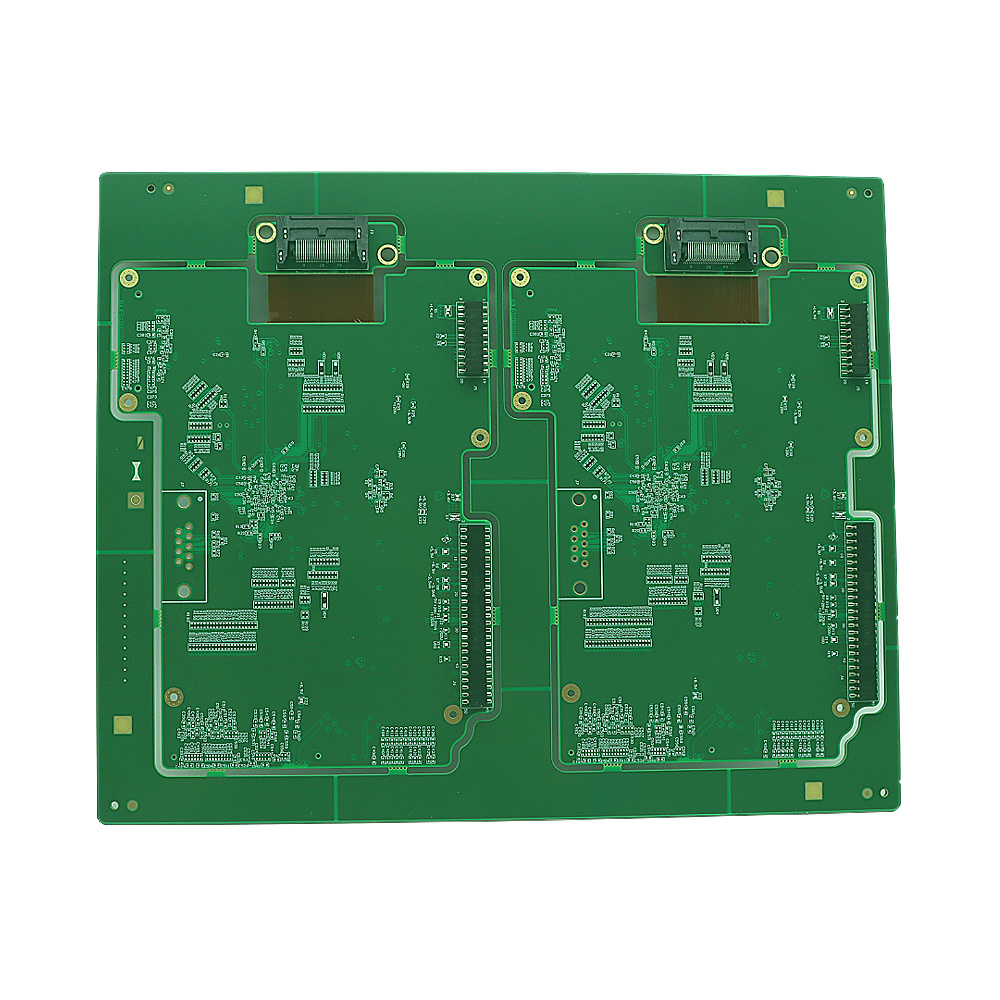
In the robotics industry, which is advancing at a breakneck pace, HDI rigid-flex PCB assembly (PCBA) serves as the linchpin for robots to achieve precise motion control and intelligent sensing. These applications demand that PCBs feature high-density interconnects and incorporate specialized processes. For instance, a 12-layer PCB with a thickness of just 1.0 achieves an ultra-thin profile, while also utilizing laser drilling and high-density pin component mounting. The integration of multiple intricate processes endows the PCBs with outstanding flexibility and robust thermal management capabilities, guaranteeing reliable operation across diverse robotic working environments.

    quote now

    What is HDI Rigid - Flex PCB Assembly in Robotic Applications?

    HDI Rigid Flex PCB  factory

    HDI rigid - flex PCB assembly 
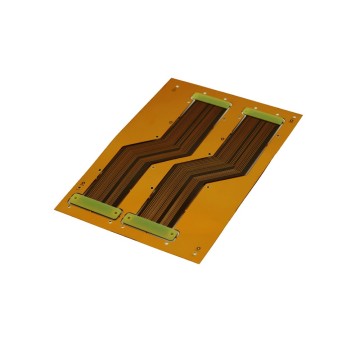
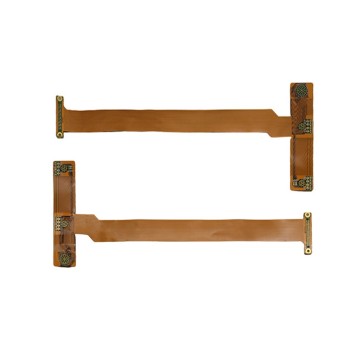
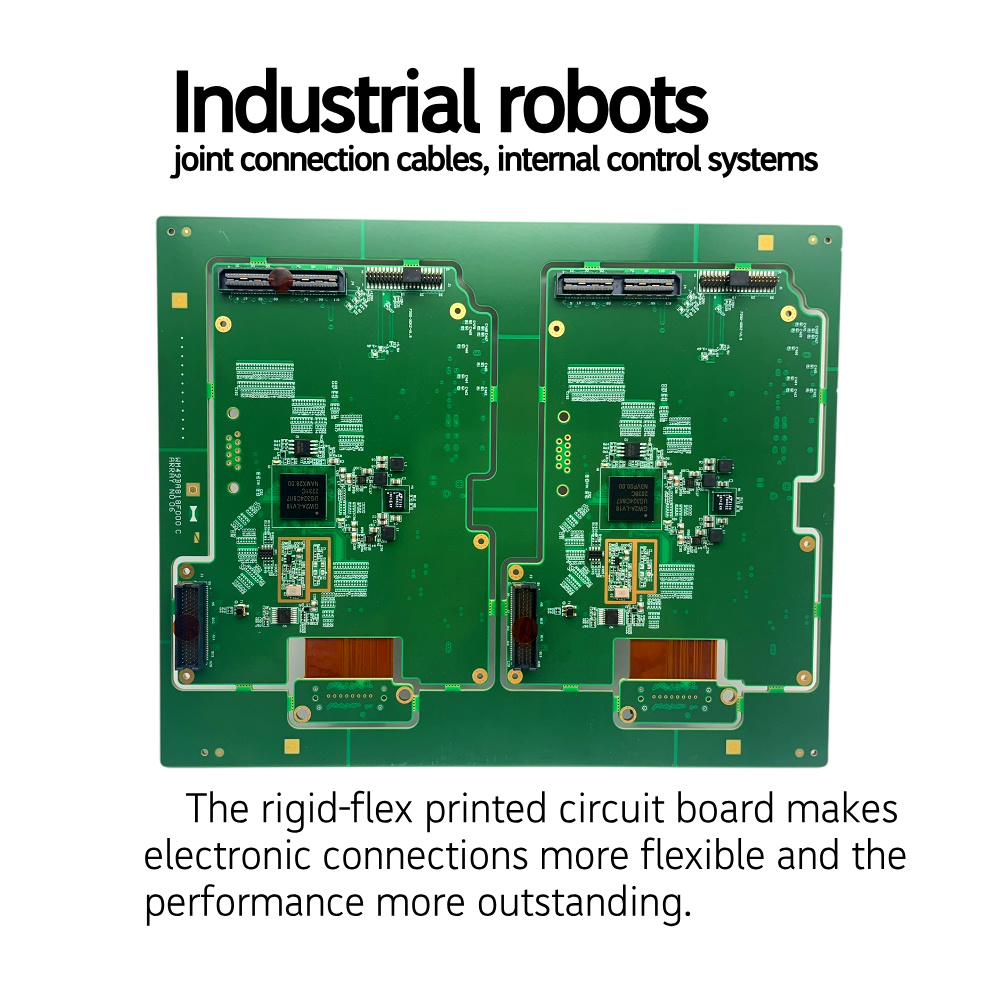
    combines the advantages of high - density interconnect technology and the flexibility of rigid - flex boards. HDI technology allows for a high density of circuit connections in a limited space, with fine - pitch traces and vias for efficient signal transmission. The rigid - flex feature means that the PCB has both rigid parts for stable component mounting and flexible parts that can adapt to the complex motion structures of robots, such as the joints of robotic arms.
    In robotic applications, PCBA serves as the "nervous system" and "intelligent brain." It integrates various components like high - performance processors, motion control chips, and sensor interfaces. For motion control, it accurately drives the motors of robots, enabling smooth and precise movements. In terms of intelligent sensing, it processes data from multiple sensors, such as vision sensors and force sensors, allowing robots to perceive their environment and make real - time decisions.
    Key Benefits of HDI Rigid - Flex PCB Assembly for Robotic Applications

    Enhanced Motion Control Precision:The high - density circuit design and precise component placement ensure accurate control signals are sent to the robotic motors. This results in highly precise movements, which are crucial for tasks like robotic welding, assembly, and pick - and - place operations.

    Superior Intelligent Sensing:With its ability to handle high - speed data from multiple sensors, HDI rigid - flex PCBA enables robots to quickly process and analyze environmental information. This allows robots to respond promptly to changes in their surroundings, improving their adaptability and decision - making capabilities.

    ●Flexibility and Durability:The flexible parts of the rigid - flex PCB can withstand repeated bending and twisting during the robot's movement, reducing the risk of circuit breakage. This flexibility, combined with the durability of the rigid parts, ensures the long - term reliability of the PCBA in harsh robotic working conditions.

    ●Efficient Thermal Management:Robotic components generate heat during operation. The advanced thermal management design of HDI rigid - flex PCBA, such as the use of heat - conducting vias and thermal pads, helps to dissipate heat effectively, maintaining the optimal operating temperature of components and extending the lifespan of the PCBA.

    Quality Control and Testing for Robotic HDI Rigid - Flex PCBA

    ●Quality control is of utmost importance in robotic HDI rigid - flex PCBA manufacturingOur PCBA undergoes rigorous testing to meet the strict requirements of robotic applications. Tests include:


    ●Electrical Performance Testing:To ensure accurate signal transmission, proper impedance matching, and stable power supply. This includes testing for signal integrity, voltage stability, and current - carrying capacity.

    Mechanical Flexibility Testing:To verify that the flexible parts of the PCB can withstand a specified number of bending cycles without failure. This is crucial for the long - term durability of the PCBA in robotic applications.

    Thermal Cycling Tests:To confirm that the PCBA can endure extreme temperature variations in robotic working environments, ensuring its reliability under different thermal conditions.

    Environmental Stress Tests:To ensure the PCBA remains reliable under vibrations, humidity, and electromagnetic interference (EMI), which are common in robotic operation environments.

    ●These tests ensure that our PCBA will perform flawlessly in your robotic applications.

    Why Choose Us for Your Robotic HDI Rigid - Flex PCBA Needs?

    ●Deep Expertise in Robotic Electronics:With over [X] years of experience in designing and manufacturing PCBs for robotic applications, we have a profound understanding of the unique challenges in this field. Our team of experts is well - versed in the latest technologies and trends, enabling us to provide tailored solutions.

    Customized Solutions:Each robotic application has distinct requirements. We offer customized PCB designs based on your specific needs, whether it's for industrial robots, service robots, or collaborative robots. Our solutions are optimized for performance, size, and cost.

    Unparalleled Quality and Reliability:Our PCBs are built to withstand the harsh conditions of robotic operation. We implement strict quality control measures at every stage of production, from material selection to final assembly. Each PCBA undergoes comprehensive testing to meet the highest standards of quality and reliability.

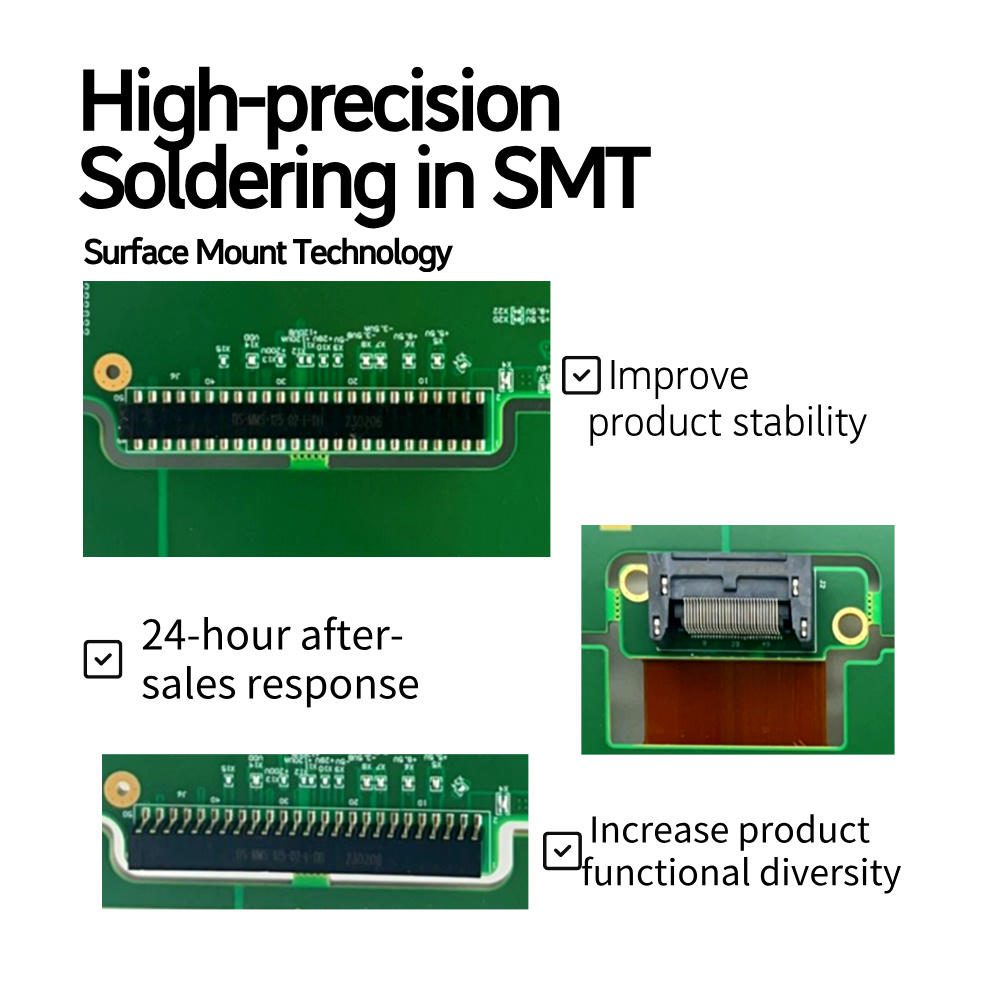
    State - of - the - Art Manufacturing Facilities:We utilize the latest manufacturing technologies, such as high - precision laser drilling, automated surface - mount technology (SMT), and advanced inspection equipment. Our facilities are equipped with automated production lines to ensure consistent quality and high - volume production.

    Timely Delivery and Global Support:We understand the importance of timely delivery in the robotics industry. With a well - organized supply chain and a global service network, we ensure that your PCBs are delivered on time. Our after - sales support team is available 24/7 to assist you with any technical issues.

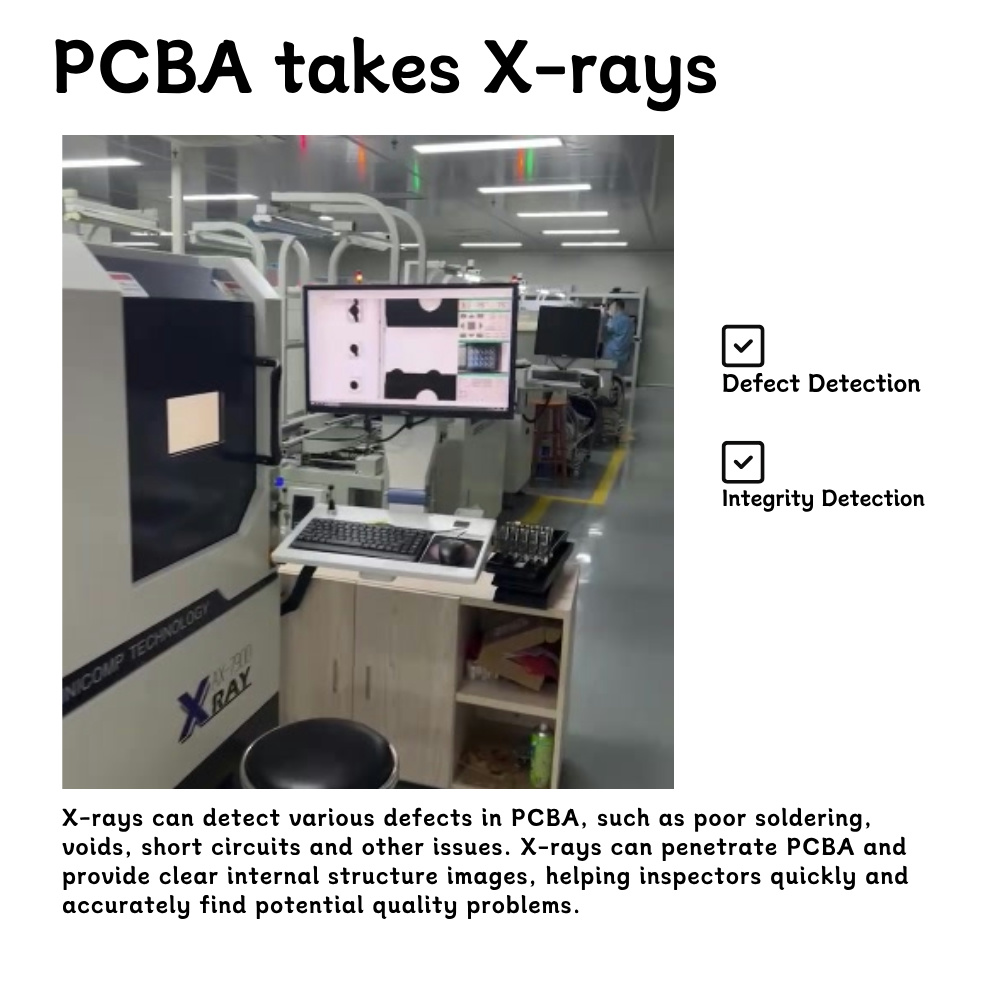
    PCB Assembly X-rays

    Manufacturing Process for Robotic HDI Rigid - Flex PCBA

    ●Material Selection:For robotic HDI rigid - flex PCBs, we use high - performance materials. Rigid layers often employ materials with high mechanical strength and good electrical insulation, such as FR - 4. Flexible layers are made of materials like polyimide, which offer excellent flexibility, low dielectric loss, and high thermal stability. These materials are carefully selected to meet the specific requirements of robotic applications.

    PCB Fabrication:Our advanced fabrication process ensures that every PCB is manufactured to exact specifications. We use laser drilling for creating micro - vias with high precision, and the etching process is carefully controlled to achieve the desired trace widths. Multi - layer stacking is carried out with strict alignment to ensure proper electrical connections and mechanical stability.

    Component Assembly:The component assembly process uses automated SMT and through - hole technology. Precise soldering techniques are employed to ensure strong and reliable connections. We also perform in - process inspections to detect any assembly defects early and guarantee the quality of the final product.

    Testing and Quality Control:To guarantee top - notch performance and reliability, every PCBA undergoes a comprehensive testing process. This includes:

    Electrical Performance Testing:To verify signal integrity, impedance matching, and power - related parameters.

    Mechanical Flexibility Testing:To check the durability of the flexible parts under repeated bending.

    Thermal Cycling Tests:To evaluate the PCBA's performance under extreme temperature changes.

    Vibration and Stress Testing:To ensure the PCBA can withstand the mechanical stress in robotic operation.

    Environmental Tests:To test the PCBA's resistance to humidity, dust, and electromagnetic interference.

    Final Inspection and Packaging:Each PCBA undergoes a final inspection to ensure all aspects meet the required specifications. We package the PCBs carefully to prevent any damage during transport, ensuring they reach our clients in perfect condition.

    Design Considerations for HDI Rigid - Flex PCBA in Robotic Electronics
    Impedance Control:Proper impedance matching is crucial for minimizing signal reflection and ensuring high - speed data transmission. Our design process includes precise impedance control techniques to guarantee the reliable operation of robotic systems.

    Signal Routing and Layer Stack - Up:Given the complex signal requirements in robotic applications, careful design of signal routing and layer stack - up is essential. We use multi - layer designs to separate different types of signals, reducing interference and ensuring signal integrity.

    Thermal Management:Effective thermal management is vital in robotic environments. We incorporate features like heat sinks, thermal vias, and high - thermal - conductivity materials to dissipate heat efficiently, maintaining the PCBA's performance under high - load conditions.

    Miniaturization and Integration:As robots become more compact, our design solutions focus on miniaturization while maintaining performance. By integrating components and reducing the overall board size, we can fit more functionality into limited spaces, meeting the space - constrained requirements of robotic applications.

    HDI rigid - flex PCB assembly plays a crucial role in the development of robotic technology, enabling robots to perform complex tasks with high precision and intelligence. By offering superior performance, reliability, and advanced design capabilities, we provide robotic manufacturers with the essential PCBs needed to drive innovation in the robotics industry.

    ●When you choose us for your robotic HDI rigid - flex PCBA needs, you are selecting a partner with the experience, expertise, and resources to deliver innovative and reliable solutions for your next - generation robotic applications.

    Frequently Asked Questions (FAQ)

    Robotic PCB Manufacturing

    What is the role of HDI rigid - flex PCB assembly in robots?
    HDI rigid - flex PCB assembly serves as the nerve center and intelligent core of robots. In terms of motion control, it accurately transmits control signals to the robotic motors. The high - density interconnects in the HDI part ensure fast and precise signal delivery, allowing robots to perform complex movements with extreme accuracy. For example, in industrial robotic arms used for welding, the HDI rigid - flex PCB assembly enables the arm to move with sub - millimeter precision, ensuring high - quality welds.

    Regarding intelligent sensing, it processes data from various sensors such as cameras, ultrasonic sensors, and force sensors. The flexible part of the PCB can be easily integrated into the robot's structure near the sensors, reducing the length of signal transmission paths and minimizing signal interference. This enables robots to quickly analyze environmental information, make real - time decisions, and adapt to different working scenarios. For instance, service robots equipped with HDI rigid - flex PCB assemblies can use sensor data to navigate through complex indoor environments, avoiding obstacles and interacting with humans safely.

    Q1: How does HDI technology improve the performance of robotic PCBA?
    HDI technology enhances the performance of robotic PCBA in multiple ways. Firstly, it allows for a higher density of circuit connections in a limited space. This means more components can be integrated onto the PCB, enabling robots to have more complex functions. For example, advanced robotic vision systems can incorporate more high - resolution image sensors and powerful processing chips due to the compact circuit layout provided by HDI technology.

    ●Secondly, the fine - pitch traces and vias in HDI technology enable high - speed data transmission. Robots rely on quick data transfer between different components, such as from sensors to processors. HDI technology reduces signal transmission delays, ensuring that the robot can respond promptly to changes in its environment. In autonomous mobile robots, this high - speed data transmission is crucial for real - time obstacle avoidance and path planning.
    Finally, HDI technology contributes to better signal integrity. By minimizing signal interference and crosstalk through precise circuit design, it ensures that the signals transmitted on the PCB are accurate and stable. This is essential for the reliable operation of robotic control systems, as incorrect signals could lead to malfunctioning of the robot.

    Q2: What materials are commonly used in HDI rigid - flex PCBs for robots?

    For the rigid parts of HDI rigid - flex PCBs in robots, materials like FR - 4 are frequently used. FR - 4 is a fiberglass - reinforced epoxy laminate that offers good mechanical strength, excellent electrical insulation properties, and relatively high thermal stability. It can effectively support the components on the PCB and maintain stable electrical connections under normal operating conditions.
    In the flexible parts, polyimide is a popular choice. Polyimide has outstanding flexibility, which allows the PCB to bend and twist without breaking the circuits. It also has low dielectric loss, which is beneficial for high - frequency signal transmission. Additionally, polyimide can withstand high temperatures, making it suitable for the harsh operating environments that robots may encounter.

    Some high - performance HDI rigid - flex PCBs for robots may also use advanced composite materials. These materials are designed to have a combination of excellent mechanical, electrical, and thermal properties. For example, ceramic - filled polymers can enhance the thermal conductivity and mechanical stiffness of the PCB while maintaining good electrical performance.

    Q3: How is signal integrity maintained in HDI rigid - flex PCBs for robots?

    Maintaining signal integrity in HDI rigid - flex PCBs for robots involves several key strategies. One important aspect is impedance control. By carefully designing the impedance of the circuit traces, ensuring they match the impedance of the connected components, signal reflection can be minimized. Specialized software tools are used to calculate and optimize the impedance during the PCB design phase.

    Another strategy is proper signal routing. Signals are separated based on their types, such as digital and analog signals, to prevent interference. High - speed signals are routed on dedicated layers with appropriate shielding. Additionally, the length of the signal traces is optimized to reduce signal attenuation.

    The use of high - quality materials also plays a significant role. As mentioned before, materials with low dielectric loss, like polyimide in the flexible parts and high - grade FR - 4 in the rigid parts, help to maintain signal integrity. These materials reduce signal distortion during transmission.

    Finally, strict manufacturing and quality control processes are implemented. Precise manufacturing techniques, such as laser drilling for accurate via formation and controlled soldering processes, ensure that the physical structure of the PCB does not introduce signal - degrading factors. Thorough testing, including signal integrity testing, is carried out to detect and correct any potential issues before the PCBA is assembled into the robot.

    Q4: Can HDI rigid - flex PCBs be used for different types of robots?

    Yes, HDI rigid - flex PCBs are highly versatile and can be used for a wide range of robots. In industrial robots, they are essential for precise motion control and high - speed data processing. For example, in robotic manufacturing lines, HDI rigid - flex PCBs enable robots to perform tasks such as pick - and - place operations with high accuracy, improving production efficiency and product quality.

    Service robots also benefit from HDI rigid - flex PCBs. These robots often need to interact with humans and their environment in complex ways. The flexible design of the PCB allows for easy integration into the robot's body structure, and the high - density interconnects support the complex sensor and control systems required for functions like navigation, object recognition, and human - robot interaction.

    In the field of autonomous mobile robots, such as delivery robots and agricultural robots, HDI rigid - flex PCBs are used to manage the large amount of data from various sensors, including LiDAR, cameras, and ultrasonic sensors. The high - speed data transmission and excellent signal integrity provided by HDI technology are crucial for real - time mapping, obstacle avoidance, and path planning.

    Even in space - based robots and underwater robots, HDI rigid - flex PCBs can be customized to meet the specific requirements of these extreme environments. Their flexibility allows for better adaptation to the unique mechanical constraints, and the high - performance materials can withstand the harsh conditions such as radiation in space or high - pressure underwater.

    Q5: What is the typical frequency range for signals in robotic HDI rigid - flex PCBs?

    The frequency range of signals in robotic HDI rigid - flex PCBs can vary depending on the specific functions and applications of the robot. For basic motion control signals, such as those used to drive the motors of robotic joints, the frequencies are usually in the range of a few hertz to several hundred hertz. These low - frequency signals are mainly used to control the speed and position of the motors, ensuring smooth and precise movements.

    When it comes to sensor signals, especially those from high - speed sensors like cameras and LiDAR, the frequencies can be much higher. Camera sensor data, for example, may require frequencies in the megahertz (MHz) range to transmit high - resolution images in real - time. LiDAR sensors, which emit and receive laser signals to create 3D maps of the environment, operate at even higher frequencies, often in the gigahertz (GHz) range.

    In addition, communication signals for wireless connectivity in robots, such as Wi - Fi or Bluetooth signals, also operate in specific frequency bands. Wi - Fi signals commonly use frequencies around 2.4 GHz or 5 GHz, while Bluetooth typically operates in the 2.4 GHz ISM (Industrial, Scientific, and Medical) band.

    Overall, robotic HDI rigid - flex PCBs need to support a wide range of frequencies to meet the diverse requirements of different components and functions within the robot.

    Q6: How do you ensure the durability of HDI rigid - flex PCBs for robotic use?

    To ensure the durability of HDI rigid - flex PCBs for robotic use, we implement a series of measures. First, in material selection, we choose high - quality materials with excellent mechanical and electrical properties. As mentioned earlier, for the rigid parts, materials like high - grade FR - 4 offer good mechanical strength and thermal stability, while for the flexible parts, polyimide provides outstanding flexibility and heat resistance.

    During the manufacturing process, we use advanced fabrication techniques. High - precision laser drilling is employed to create vias with minimal damage to the surrounding materials, ensuring reliable electrical connections. Automated surface - mount technology (SMT) and through - hole technology are used with strict quality control to ensure proper component placement and soldering, reducing the risk of loose connections or solder joints failures.

    After manufacturing, rigorous testing is carried out. Mechanical flexibility testing is done to ensure that the flexible parts of the PCB can withstand a large number of bending cycles without breaking. Thermal cycling tests expose the PCB to extreme temperature variations to simulate the harsh operating environments that robots may encounter, checking for any potential issues such as delamination or component failures. Vibration and shock tests are also conducted to verify the PCB's ability to withstand the mechanical stress during robot operation.

    Finally, we provide comprehensive after - sales support. If any durability - related issues occur during the use of the PCBA, our technical team will quickly respond, diagnose the problem, and provide solutions, including repair or replacement services.


    How to evaluate the technical strength of HDI rigid-flex PCB (PCBA) suppliers?

    1. Professionalism of the R & D Team

    The professional quality of the R & D team is one of the core indicators for measuring the technical strength of HDI rigid-flex PCB assembly suppliers. A professional and diverse team is the key to dealing with complex technical challenges. In the design and production process of HDI rigid-flex PCBs, electronic engineers are responsible for designing complex circuit schematics to ensure the stability and functionality of signal transmission. Circuit designers focus on layout planning, rationally arranging various electronic components and optimizing the circuit routes to achieve high-density circuit integration. Material experts, with their professional knowledge, select suitable rigid and flexible materials, balancing the electrical, mechanical properties, and costs of the materials.

    Checking the educational backgrounds of team members, those graduated from well-known universities in relevant majors such as electronic engineering and materials science usually have a solid theoretical foundation. Rich industry experience is also crucial. Members who have participated in the R & D of large-scale projects in well-known enterprises have accumulated valuable experience in dealing with practical problems. In terms of professional qualifications, having a senior engineer title means that their technical capabilities in the professional field have been recognized by the industry. By comprehensively considering these factors, a relatively accurate judgment can be made on the team's ability to solve complex technical problems.

    2. Technical Achievements and Innovation Capability

    Technical achievements are an intuitive manifestation of a supplier's technical strength. The number of patents is an important indicator to measure its technological innovation. Suppliers with multiple patents related to HDI rigid-flex PCBs, such as patents in key technologies like micro-via processing of HDI boards and stress optimization of rigid-flex boards, indicate that they have invested a large amount of R & D resources in these fields and achieved substantial technological breakthroughs. Technical awards are a high recognition of a supplier's technological innovation by the industry. Winning well-known technical awards means that its technical achievements are leading in the industry. In addition, published academic papers demonstrate the depth and breadth of the supplier's technical research. Through academic exchanges, they can absorb cutting-edge technical concepts and promote the continuous development of their own technologies.

    It is equally important to pay attention to the R & D speed of a supplier's new products and technologies. With the increasing performance requirements for PCBAs in industries such as industrial robots, suppliers with rapid R & D capabilities can promptly introduce products with higher integration levels and stronger performances to meet the dynamic needs of the market. This reflects their continuous innovation ability, enabling them to keep up with industry development trends and provide competitive solutions for customers.

    3.Advancement of Production Equipment and Processes: Advanced production equipment is the foundation for ensuring product quality and production efficiency. High-precision laser drilling machines can create smaller and more precise blind and buried vias, increasing the wiring density of HDI boards. Fully automatic chip mounters can achieve high-speed and high-precision component placement, ensuring placement accuracy and consistency. It's necessary to find out whether the supplier adopts advanced manufacturing processes, such as special lamination processes for rigid-flex boards and surface treatment processes. These processes directly affect the electrical, mechanical, and reliability performance of PCBAs.

    4.Completeness of the Quality Control System: A sound quality control system can ensure the stable and reliable quality of products. Check whether the supplier follows international standards and industry specifications during production, such as the ISO 9001 quality management system and relevant IPC standards. Pay attention to the inspection items and standards in each link, from raw material inspection, in-line inspection during the production process, to the final testing of finished products. For example, conducting 100% electrical performance tests on key electronic components and using advanced inspection methods like X-ray inspection and 3D AOI inspection to comprehensively test PCBAs can effectively screen out defective products and guarantee product quality.

    5.Technical Service Capability: High-quality technical services can provide strong support for customers. During the product selection stage, it's important to see if the supplier can offer professional technical advice based on customer requirements to help them choose suitable HDI rigid-flex PCB assembly products. When technical problems occur during the product use process, the supplier's response speed and problem-solving ability are crucial. If a supplier can provide 7×24-hour technical support services and quickly solve problems encountered by customers through remote guidance or on-site services, it reflects the professionalism and timeliness of its technical services.

    Applications of Arbitrary Interconnect PCBs

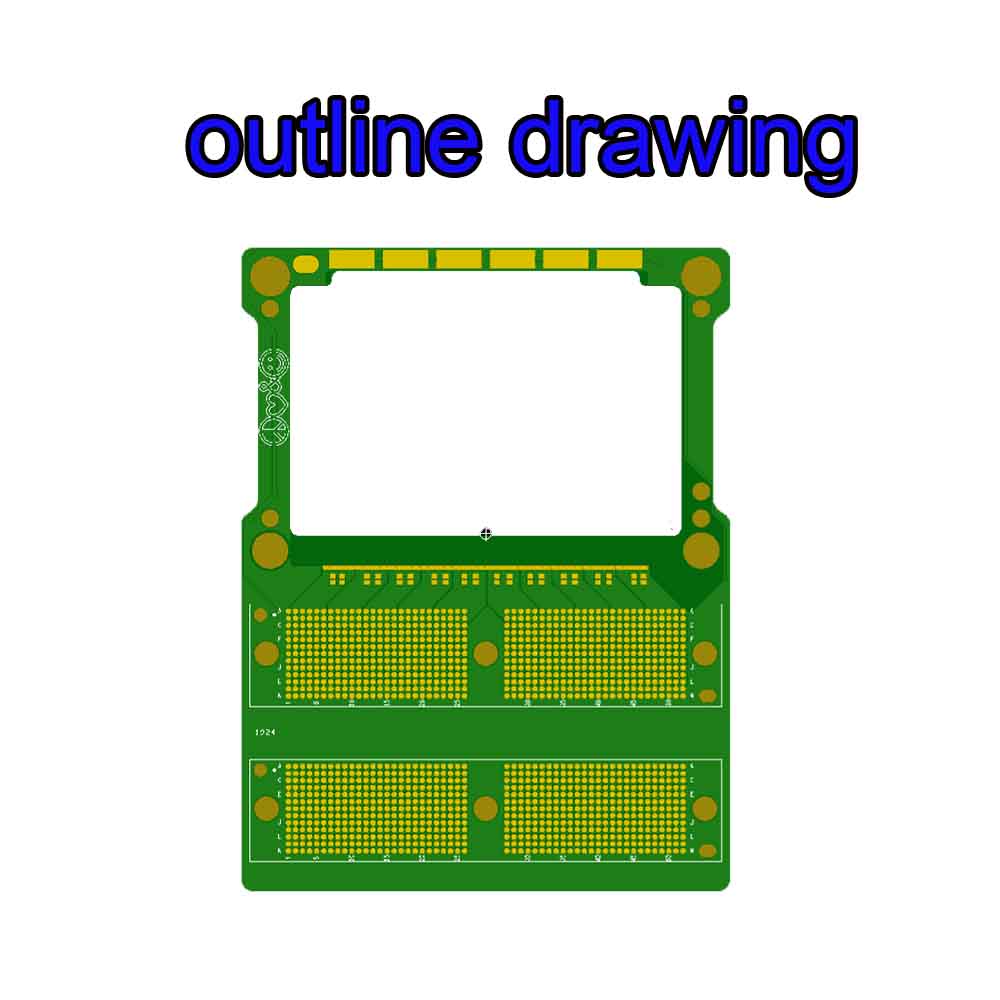
    outline drawinglx9

    Arbitrary interconnect PCBs (typically referring to PCBs with flexible routing capabilities) are widely used in various electronic products due to their advantages in flexible routing and high-density integration. Here are some typical application areas:

    Smartphones and Tablets
    In smartphones and other mobile devices, arbitrary interconnect PCBs are used to achieve complex internal connections and support high-density component layouts. This PCB design meets the stringent requirements for performance and miniaturization.

    Computer Motherboards
    Computer motherboards use arbitrary interconnect PCBs to enable complex connections between the processor, memory, storage devices, and other peripheral components. This design provides high data transfer speeds and stable performance.

    Communication Equipment
    In communication equipment such as routers, switches, and base stations, arbitrary interconnect PCBs support high-frequency signal transmission and processing. These PCBs require precise routing and high-frequency performance to ensure signal quality and system stability.

    Medical Devices

    In medical devices such as electrocardiogram (ECG) machines, ultrasound scanners, and monitors, arbitrary interconnect PCBs provide complex circuit connections to ensure high-precision measurements and data processing capabilities.


    Automotive Electronics

    Various electronic systems in modern vehicles, such as infotainment systems, navigation systems, and advanced driver-assistance systems (ADAS), rely on arbitrary interconnect PCBs to handle large amounts of sensor data and control signals. These PCBs need to withstand high temperatures and vibrations.


    Industrial Control Systems

    In industrial automation and control systems, arbitrary interconnect PCBs are used to connect sensors, actuators, and control units. These PCBs manage complex control logic and signal processing tasks.


    Consumer Electronics

    This includes products like televisions, audio systems, and smart home devices, which often require high-density routing to support multiple functions and interfaces. Arbitrary interconnect PCBs provide flexible design solutions for these requirements.


    Military and Aerospace

    Military and aerospace equipment demands high reliability and performance. Arbitrary interconnect PCBs are used in these fields for complex electronic systems, ensuring stable operation in extreme environments.

    These application areas demonstrate the wide applicability and importance of arbitrary interconnect PCBs in meeting the demands of high-density and complex routing requirements.

    Design Challenges of Arbitrary Interconnect PCBs

    Designing arbitrary interconnect PCBs presents several challenges:


    Signal Integrity

    Complex routing can lead to signal issues like interference and delay. Precise signal path management is crucial, especially in high-frequency applications, to ensure signal clarity and stability.


    Electromagnetic Compatibility (EMC)

    Dense routing can cause electromagnetic interference (EMI). Effective shielding, grounding, and filtering are essential to meet EMC standards and minimize interference with other devices.


    Thermal Management

    High-density designs may lead to heat buildup between components. Proper thermal distribution and cooling solutions, such as heat sinks, are necessary to prevent overheating and ensure circuit performance.


    Routing Complexity

    Managing intricate connections and layer crossings adds difficulty to design and manufacturing. Clear and reliable routing is needed to avoid short circuits and production issues.

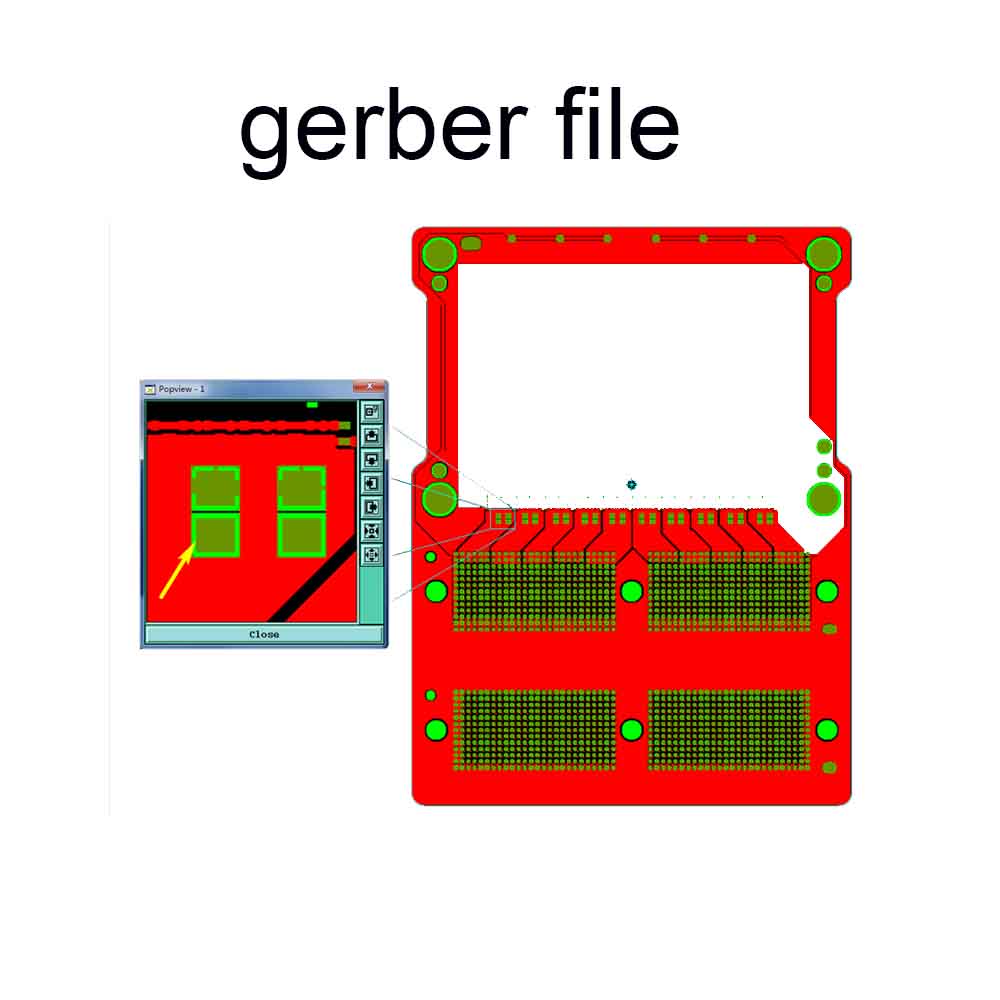
    gerber file4x1

    Layer Stack-Up Design

    Multi-layer PCBs require precise control of layer insulation, copper thickness, and alignment to ensure proper electrical isolation and mechanical stability.


    Manufacturing Tolerances

    High-density PCBs demand strict manufacturing tolerances. Any minor deviations can affect functionality, so design must account for production capabilities and tolerances.


    Cost Control

    Complex designs often increase material, processing, and testing costs. Balancing performance requirements with budget constraints is crucial.


    Testing and Debugging

    Complex routing complicates testing and debugging. Design-for-testability (DFT) techniques help simplify these processes.

    These challenges require experienced designers and advanced tools to ensure high-performance and reliable arbitrary interconnect PCBs.

    Unveiling the Power of High-Density Interconnect PCB Technology

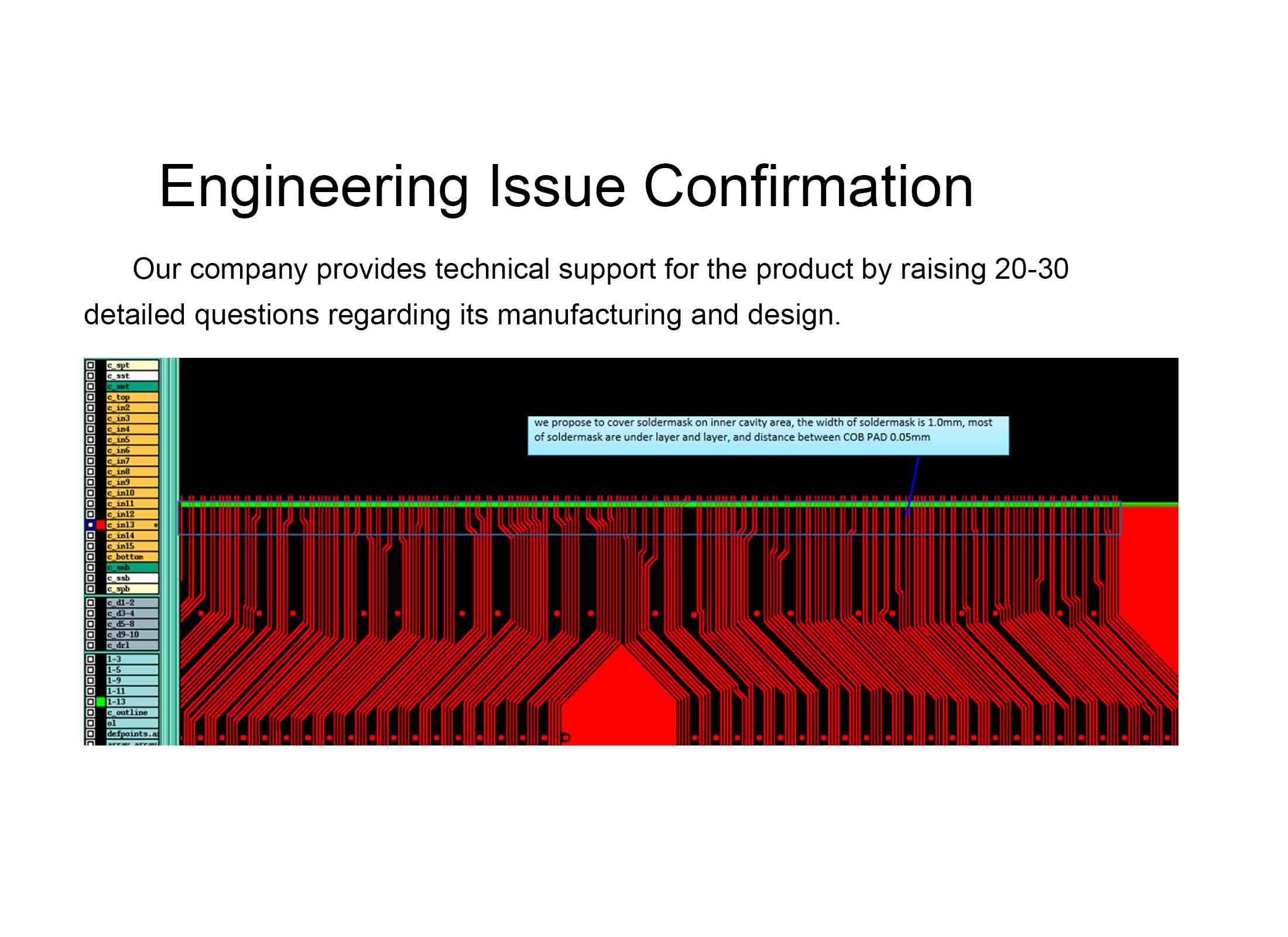
    Engineering Issue Confirmationtt7

    In the rapidly advancing world of electronics, High-Density Interconnect PCB (HDI PCB) technology stands out as a game-changer. HDI PCB Manufacturing has revolutionized how complex electronic systems are designed and produced, offering unparalleled benefits in terms of performance and efficiency.


    Understanding HDI Technology

    HDI Board Design focuses on enhancing the interconnectivity of electronic components. The HDI Technology involves advanced techniques like microvias and blind/buried vias, which allow for more complex circuit designs and improved signal integrity. This technology supports High-Density Interconnect Technology, enabling the creation of compact, high-performance circuit boards.


    Key Features and Benefits

    HDI PCB Features include increased component density, improved electrical performance, and reduced board size. The Advanced HDI PCB design integrates these features, providing significant HDI PCB Benefits such as enhanced reliability and better thermal management. HDI Circuit Boards are designed to handle high-speed signals with minimal interference, making them ideal for cutting-edge applications.


    Manufacturing and Process

    The HDI PCB Process involves several critical steps, including precision drilling for microvias and meticulous layer stacking. HDI PCB Fabrication requires advanced equipment and expertise to ensure high-quality results. Microvias in HDI PCBs play a crucial role in connecting different layers within the PCB, contributing to the overall functionality and reliability of the board.


    Applications and Capabilities

    HDI PCB Applications span various industries, including telecommunications, automotive, and medical devices. The HDI PCB Capabilities allow for the integration of complex circuits in smaller form factors, making them suitable for modern electronic devices that demand high performance and compact size.


    In summary, HDI PCB technology represents a significant leap forward in the field of electronics, offering superior performance, reliability, and design flexibility. As HDI PCB Manufacturing continues to evolve, it paves the way for more advanced and efficient electronic solutions.