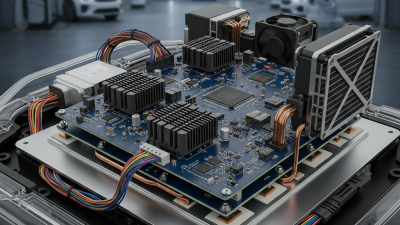
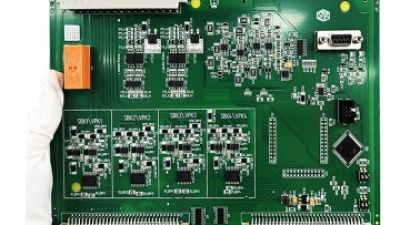
You know, as electric vehicles keep gaining popularity, the demand for DC fast chargers is really taking off. I read a recent report from MarketsandMarkets, and it predicts that the global EV charging market could hit around $30 billion by 2027 – that’s pretty wild. And when it comes to these fast chargers, the role of PCB (that little circuit board) is absolutely critical. High-quality PCBs are what make these chargers work smoothly, ensuring efficient power delivery and good overall performance.
Big names like ABB, Siemens, and Schneider Electric are totally stressing how important reliable PCBs are for their charging stations. Honestly, the right PCB design can seriously improve both how durable the chargers are and how fast they can charge. But here’s the catch – many manufacturers struggle to find PCBs that meet strict safety and performance standards.
If you look at industry trends, it’s clear that not everyone in this space is up to the task. A Frost & Sullivan study pointed out that lots of companies have trouble maintaining quality control during production. That’s why it’s so important to consider things like OEM services for fast PCB production. They help make sure that suppliers deliver products you can actually trust. Moving forward, following top-notch manufacturing practices will be key if we want to keep pushing towards a more electrified, sustainable future.
Overview of PCB (Printed Circuit Board) Technology in Fast Chargers
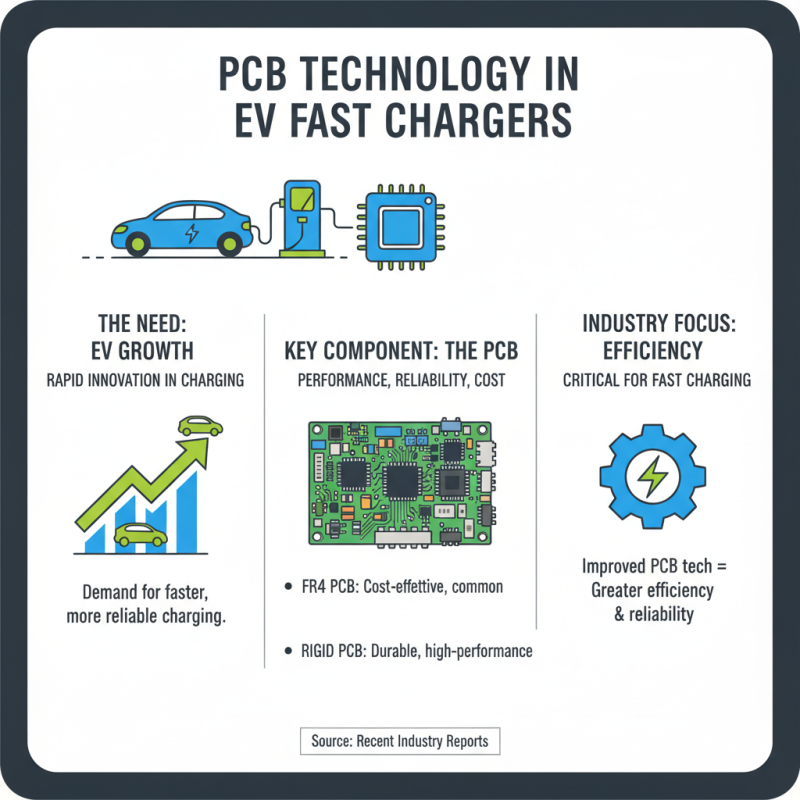
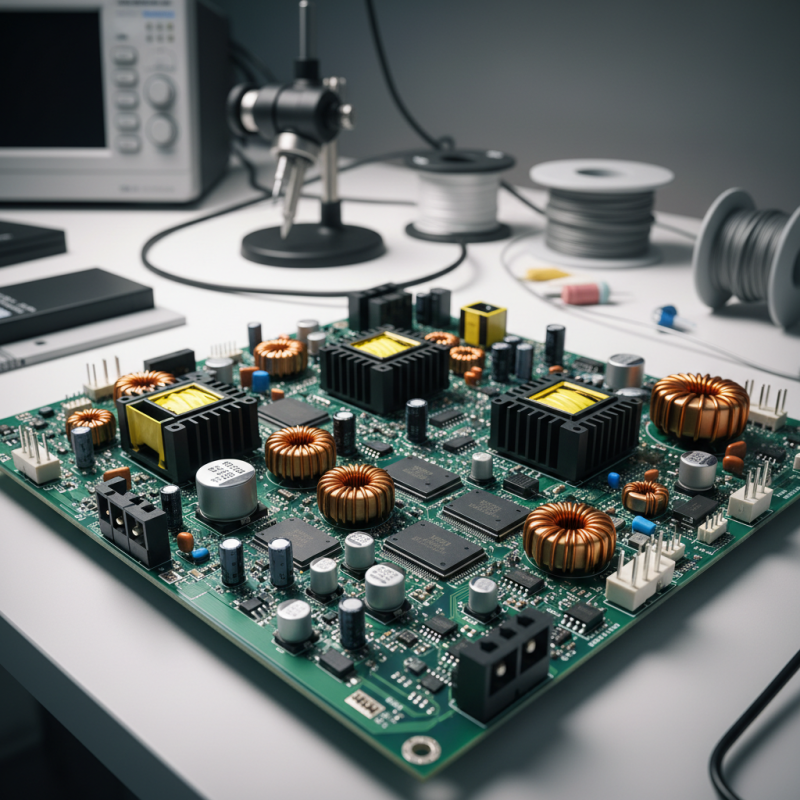
The rapid growth of electric vehicles (EVs) drives innovation in charging technology. A critical component in DC fast chargers is the printed circuit board (PCB). The choice of PCB significantly affects performance, reliability, and cost. Among popular options, FR4 PCB and rigid PCB variants are widely adopted. According to recent industry reports, improving PCB technology is essential for efficiency in fast charging systems.
The design of PCBs for fast chargers must handle high power levels. Thermal management is crucial. Effective heat dissipation can prevent failures. High-quality materials are necessary to reduce the risk of short circuits. Rigid PCBs provide structural support, ensuring longevity in demanding environments. A study found that well-designed PCBs improve the overall efficiency of chargers by up to 25%.
Tips for manufacturers include focusing on thermal management features. Regularly reassessing material choices can lead to better performance. Always keep potential design flaws in mind. Investing in advanced PCB technology can yield significant returns. Using FR4 PCB can be a step toward greater durability and reliability in fast charger applications. Attention to these details can truly define the effectiveness of charging solutions in the global market.
Key Specifications Required for DC Fast Charger PCBs
When designing PCBs for DC fast chargers, several key specifications must be considered. These include thermal management, signal integrity, and power density.
Efficient heat dissipation is crucial for maintaining performance and longevity. Ensure adequate spacing between components to prevent overheating.
Signal integrity is essential for the reliable operation of fast chargers. High-speed data signals must travel with minimal interference.
Use proper routing techniques and impedance control to minimize losses. Pay attention to ground planes and shielding, as these can greatly enhance performance.
Tip: Regular testing of prototypes can help identify potential issues early on. Consider using different materials to optimize performance.
A thorough review process can reveal hidden pitfalls in your design approach. Small adjustments can lead to significant improvements in both functionality and efficiency.
Balancing these specifications is challenging but critical for successful PCB design in DC fast chargers.
Leading Global Suppliers of PCBs for DC Fast Charging Solutions
As the demand for DC fast charging solutions rises globally, selecting the right printed circuit board (PCB) becomes crucial. Leading suppliers focus on creating reliable and efficient PCBs. These boards support the high voltages and currents required for rapid charging. An ideal PCB must endure thermal stress while maintaining performance. Suppliers often prioritize durability, ensuring that their products withstand the rigors of daily usage.
The design of these PCBs is intricate. Factors such as trace width, material selection, and thermal management play significant roles. Rf Pcb (Radio Frequency Pcb) technology is gaining traction in this sector. This technology can enhance signal integrity, aiding in faster communication between components. The integration of advanced materials also contributes to improved efficiency and reduced energy loss.
However, challenges persist. Ensuring quality control during production remains vital. Suppliers must find a balance between cost and performance. Rapid developments in technology introduce frequent changes, making adaptability essential. Continuous innovation in PCB design is necessary, yet not all suppliers keep pace. This inconsistency urges stakeholders to seek reliable partners capable of meeting evolving needs.
Comparative Analysis of PCB Materials for Fast Charging Applications
When it comes to fast charging applications, selecting the right PCB materials is crucial. High thermal conductivity and low dielectric loss are essential. Materials like polyimide and FR-4 are commonly used. However, their thermal performance can vary significantly. Polyimide excels at higher temperatures, while FR-4 may struggle under extensive heat.
Another factor is the manufacturing process. Different materials can affect production costs and timelines. For instance, ceramic materials provide excellent thermal management but come with a higher price tag. On the other hand, standard materials offer cost-effective solutions but may compromise on efficiency.
Building safe and efficient PCBs requires experience and a deep understanding of material properties. Designers must experiment and reflect on their choices. Balancing performance with cost often leads to imperfect solutions. It's essential to evaluate long-term reliability in a rapidly evolving market. Achieving the best outcome in PCB design is an ongoing challenge.
Design Considerations for High-Efficiency DC Fast Charger PCBs
When designing high-efficiency PCBs for DC fast chargers, several critical factors need careful consideration. The choice of materials plays a significant role. High-frequency PCBs differ from regular PCBs in material composition and signal integrity. Using materials like FR-4 may not suffice for high-frequency applications. Instead, advanced laminates improve performance and heat dissipation, crucial for fast-charging efficiency.
Thermal management is another essential aspect. High-power components generate heat, which can compromise performance. Implementing robust thermal vias and copper pours can enhance heat spreading. Designers must ensure effective airflow and consider the layout of components. Failure to do so may result in reduced efficiency or failure during peak operation.
In addition, the layout of traces influences electrical performance. Shorter, wider traces can reduce resistance and inductance. However, this requires balancing space constraints and complexity. Designers often grapple with optimizing space while maintaining electrical integrity. Thoughtful placement of components allows for cleaner signal paths, directly impacting charging speed. Ensuring excellent grounding practices is also vital, as poor grounding can lead to EMI issues. Each design decision should strive for reliability and efficiency in the fast-evolving landscape of electric vehicle infrastructure.
Trends and Innovations in PCB Technology for Electric Vehicle Charging
The demand for electric vehicle (EV) charging is driving innovation in PCB technology. As global suppliers seek efficiency, several trends are shaping this landscape.
High-frequency applications are becoming commonplace. These require PCBs that can handle increased thermal management. Smart designs integrating sensors and connectivity are also on the rise.
One significant trend involves using advanced materials that enhance conductivity and reduce losses. These materials help manage heat dissipation more effectively.
Additionally, miniaturization is a key focus. Smaller PCBs allow for compact charging units, which is crucial for urban environments where space is limited.
Tips: Prioritize thermal management in your PCB design. This will enhance reliability and performance. Furthermore, consider the progression of eco-friendly materials. They not only benefit the environment but can also improve your product's marketability. Always be ready to adapt to new technologies. The evolving landscape of EV charging presents both opportunities and challenges.
Challenges and Solutions in PCB Manufacturing for Fast Chargers
The manufacturing of PCBs for DC fast chargers presents unique challenges. One of the key hurdles is managing thermal performance. Fast chargers generate significant heat during operation. This necessitates the use of advanced materials and designs that can dissipate heat effectively. Design engineers need to consider the layout carefully. From trace width to layer stack-up, every detail matters in thermal management.
Another challenge is the complexity of the circuitry. Fast charging systems require high-frequency operations. This often leads to intricate designs that demand precision. Hf Pcb (High-Frequency Pcb) technology can offer solutions. These PCBs help maintain signal integrity at high speeds, but they are more challenging to produce. Manufacturers must ensure that the materials used can handle high-frequency signals without degrading.
In addition, supply chain issues can impact PCB production. Reliable sourcing of quality materials is critical but often problematic. The industry must be adaptable and resilient. Learning from past experiences is essential. Manufacturers might need to rethink their approaches to sourcing and production to remain competitive in this rapidly evolving market.
Best PCB for DC Fast Chargers for Global Suppliers
| Parameter |
Specification |
Challenges |
Solutions |
| Material Type |
High-Frequency Laminates |
Thermal Management |
Use Thermal Via and Copper Pour |
| Layer Count |
6 to 12 Layers |
Signal Integrity Issues |
Impedance Control Techniques |
| Trace Width |
50 to 100 mils |
Current Capacity Challenges |
Wider Traces and Additional Layers |
| Surface Finish |
ENIG (Electroless Nickel/Immersion Gold) |
Corrosion and Solderability |
Quality Control of Surface Treatments |
| PCB Thickness |
1.6 mm standard |
Mechanical Stress |
Material Selection for Durability |
Leveraging Expert Inverter & Industrial Control PCBA Solutions: Unveiling Trends and Market Insights from Recent Industry Reports
In the rapidly evolving landscape of industrial technology, the demand for sophisticated inverter and industrial control PCBA solutions has surged. Companies are increasingly recognizing the significance of leveraging expert services that ensure quality and compliance through meticulous production processes. Our comprehensive approach starts with the development of high-quality PCBA solutions, which are crafted based on deep industry expertise and innovative design practices. Each stage, from circuit board design to component procurement, is executed with precision, guaranteeing that the end products meet the stringent requirements of modern industrial applications.
Central to our offerings is the assurance of stability, reliability, and efficiency in challenging operational environments. By employing advanced technologies and drawing from extensive experience in the field, we provide robust PCBA solutions that not only enhance the performance of inverters and industrial control systems but also contribute to overall operational excellence. Our commitment to sourcing components from reputable suppliers further strengthens our ability to deliver high-performance solutions that empower businesses to achieve their production and control objectives in an increasingly competitive market. The insights from recent industry reports underscore the importance of these trends, illustrating the growing reliance on expert PCBA manufacturing in achieving industrial success.
FAQS
: Advanced laminates are crucial. Regular materials like FR-4 may not perform well.
High-power components generate heat. Poor management can lead to reduced efficiency or failure.
Shorter, wider traces reduce resistance and inductance. However, space constraints complicate the design.
Robust thermal vias and copper pours enhance heat spreading. The layout is critical for effective airflow.
High-frequency PCB technology is necessary. It ensures signal integrity but increases manufacturing complexity.
Thermal performance and supply chain reliability are significant hurdles, impacting overall production efficiency.
Poor grounding can lead to EMI issues, compromising the efficiency of fast charging systems.
Thoughtful placement creates cleaner signal paths, directly impacting charging speed and performance.
It enables them to adapt their sourcing and production strategies in a rapidly evolving market.
Balancing design complexity with the need for high-frequency operations requires precision and careful planning.
Conclusion
The article provides a comprehensive overview of PCB for DC Fast Chargers, highlighting the crucial role that printed circuit board technology plays in enhancing charging efficiency for electric vehicles. It discusses key specifications required for these specialized PCBs, including thermal management, electrical performance, and reliability.
Furthermore, the article delves into leading global suppliers, offering insights into the comparative analysis of different PCB materials suited for fast charging applications. Design considerations are also emphasized, ensuring high efficiency and safety in charger performance. Recent trends and innovations in PCB technology for electric vehicle charging are explored, along with the challenges faced in PCB manufacturing, offering potential solutions to meet the growing demands of the fast-charging infrastructure.