In the fast-changing world of automotive electronics, having effective and reliable thermal management is more important than ever. As cars become more sophisticated, packed with complex electronic systems that boost performance, safety, and comfort, the role of Thermal Management PCBs for Automotive Electronics really can’t be overstated. These little boards are crucial—they keep things cool and ensure that electronic parts don’t overheat, which helps prevent system failures and keeps everything running smoothly.
You know, with the rise of electric vehicles and advanced driver-assist features, the demand for better thermal solutions is higher than ever. A well-designed Thermal Management PCB doesn’t just extend the lifespan of those electronic systems—it also makes the whole vehicle more energy-efficient. Good thermal management isn’t just about performance; it’s about safety and reliability too, especially in such a fast-moving industry. That’s why using the right materials and smart design strategies for these components really matters.
Manufacturers are under pressure to meet strict regulations and to deliver vehicles that perform well and last long, so investing in top-notch thermal management solutions has become a must. Getting a deeper understanding of how heat moves around and the crucial role of these PCBs is key to innovation. Honestly, it’s what’s going to shape the future of automotive tech and keep us moving forward with confidence.
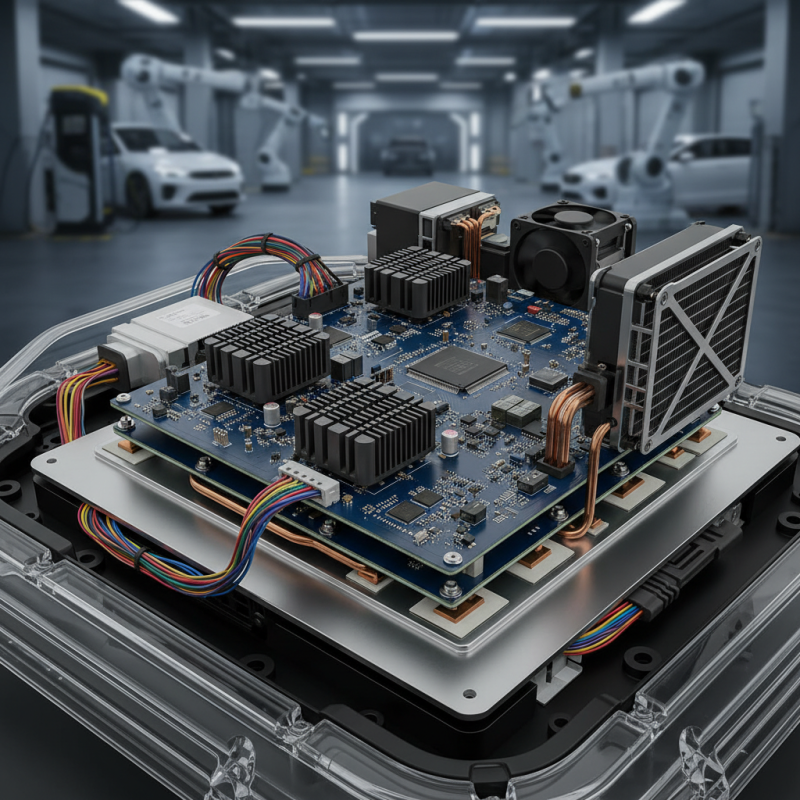
Significance of Thermal Management in Automotive Electronics Performance
Thermal management in automotive electronics has become increasingly critical as vehicles rely more on advanced electronic systems to enhance performance and safety. With the automotive market projected to reach over $70 billion in automotive electronics by 2027, effective thermal management is no longer optional; it is essential. Studies indicate that nearly 60% of automotive electronics failures are attributed to overheating. This emphasizes the importance of managing heat generated by components such as power supplies, microcontrollers, and advanced driver-assistance systems (ADAS) to ensure reliable operation.
One key aspect of thermal management is the design of printed circuit boards (PCBs) that can effectively dissipate heat. With component densities increasing and power levels rising, PCBs must incorporate innovative materials and designs to improve thermal conductivity. According to a report from the International Journal of Thermal Sciences, optimizing thermal management strategies can enhance the lifespan of automotive components by up to 50% and significantly reduce the risk of system malfunctions. Furthermore, effective thermal management can improve the performance of electric vehicles by maintaining battery efficiency, which is critical as the industry shifts toward electrification.
In conclusion, as the complexity of automotive electronics continues to grow, so does the necessity for advanced thermal management strategies. Implementing these practices not only ensures the reliability and safety of vehicles but also supports the ongoing innovation and performance enhancements that manufacturers aim to achieve in an ever-competitive market.
Impact of Excessive Heat on Electronic Component Longevity and Reliability
Excessive heat can significantly undermine the longevity and reliability of electronic components in automotive applications. As vehicles increasingly rely on sophisticated electronic systems, the demand for efficient thermal management becomes imperative. When electronic components, such as sensors and control modules, operate at elevated temperatures, they may experience accelerated wear and degradation. For instance, semiconductors often have a specified operational temperature range, and exceeding this range can lead to reduced performance, increased failure rates, and ultimately, costly repairs or replacements.
Moreover, heat affects not only the electronic components themselves but also their surrounding materials. High temperatures can cause solder joints to weaken, leading to mechanical failures and unreliable connections. Additionally, insulation materials may degrade, compromising the protection of sensitive components from environmental conditions. Effective thermal management in printed circuit boards (PCBs) ensures that temperatures remain within safe limits, thereby enhancing the reliability and lifespan of automotive electronics.
By implementing advanced thermal management solutions, manufacturers can safeguard the integrity of electronic systems, ensuring that they perform optimally throughout the lifespan of the vehicle.
Industry Standards for Thermal Management in Automotive Applications
In the realm of automotive electronics, thermal management is an essential component that directly influences the performance, reliability, and safety of vehicles. Industry standards for thermal management in automotive applications, such as ISO 26262 for functional safety, emphasize the need for effective temperature control to ensure seamless operations of electronic systems.
According to the SAE International J2716 standard, which addresses the thermal performance of automotive electronic components, systems must be designed to mitigate thermal risks that could jeopardize vehicle functionality and passenger safety.
Moreover, a report by the International Automotive Component Manufacturers (IACM) indicates that over 75% of automotive electronics failures are attributed to thermal degradation. This statistic underlines the crucial role of thermal management in preventing potential malfunctions over a vehicle's lifecycle.
To comply with these standards, automotive engineers must incorporate advanced thermal management solutions, such as heat sinks and phase change materials, which have demonstrated effectiveness in maintaining optimal operating temperatures. Implementing these solutions not only fulfills compliance requirements but also enhances the overall performance and longevity of automotive electronic systems, aligning with industry expectations for durability and safety.
Thermal Management Techniques Used in Modern Automotive PCBs
Thermal management is a critical aspect of modern automotive PCB design, as it directly impacts the performance, reliability, and longevity of electronic components. In automotive applications where high temperatures are common, such as near engines and battery systems, effective thermal management techniques are essential. Various methods are employed to dissipate heat and maintain optimal operating temperatures, helping to prevent overheating and subsequent failures.
One widely used technique is the implementation of thermal vias in PCB construction. These vias facilitate heat transfer from heat-generating components to heat sinks, which can distribute heat more evenly across the PCB. This is often coupled with the use of heat spreaders or sinks made from thermally conductive materials that enhance heat dissipation. Additionally, the design of the PCB layout plays a crucial role; strategically placing heat-sensitive components away from high-heat areas and using larger copper planes can significantly improve thermal performance.
Another effective method involves the use of thermal interface materials (TIMs) that enhance the contact between heat-generating components and cooling solutions. These materials fill microscopic gaps and improve the efficiency of heat transfer. Active cooling methods, such as integrating fans or cooling systems into the vehicle design, may also be employed when passive methods alone are insufficient to manage heat effectively. By utilizing these advanced thermal management techniques, automotive PCBs can achieve higher performance levels, ensuring the reliability of critical electronic systems in vehicles.
Effects of Temperature Variation on Sensor Accuracy in Vehicles
The accuracy of sensors in automotive applications is significantly influenced by temperature variations. As vehicles operate under diverse environmental conditions, ranging from icy mornings to scorching afternoons, the components within the automotive electronic systems must maintain precise temperature ranges to ensure reliable sensor functionality. Even slight fluctuations in temperature can lead to sensor errors, affecting critical performance parameters like speed, braking, and navigation.
Implementing effective thermal management in printed circuit boards (PCBs) is vital for mitigating these temperature variations. This involves using materials and designs that can dissipate heat effectively and maintain optimal operating conditions for sensors. For instance, thermal vias and heat sinks can help manage excessive heat buildup, ensuring that sensors remain within their operational tolerances. By optimizing thermal pathways, manufacturers can enhance the overall reliability and accuracy of the sensors.
Tips for ensuring efficient thermal management include regularly monitoring temperature data during vehicle testing and maintenance, investing in high-quality thermal interface materials, and considering the layout of electronic components to facilitate better heat dissipation. Additionally, integrating temperature sensors strategically within the PCB can provide real-time feedback, enabling timely adjustments to thermal management systems.
Impact of Temperature Variation on Sensor Accuracy in Automotive Electronics
Innovations in Materials for Enhanced Thermal Conductivity in PCBs
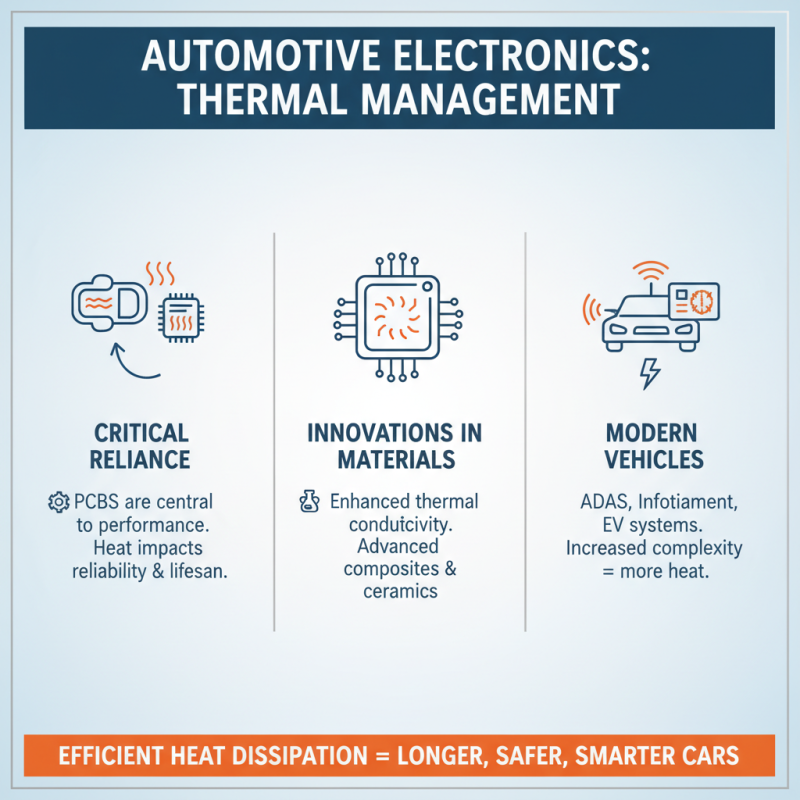
The performance of automotive electronics heavily relies on effective thermal management, particularly in the design and function of printed circuit boards (PCBs). Innovations in materials have significantly enhanced thermal conductivity in PCBs, addressing the critical need for efficient heat dissipation in modern vehicles. With the increasing complexity and functionality of automotive electronics, including advanced driver-assistance systems (ADAS) and infotainment units, managing heat is essential to ensure reliability and longevity.
Recent advancements in materials such as aluminum-based composites, metal core PCBs, and thermally conductive epoxy resins have shown promising results in improving thermal management. These materials not only provide superior thermal conductivity but also maintain structural integrity under varying thermal conditions. Furthermore, the integration of phase-change materials and thermal interface materials is becoming more common, allowing for better heat spread and reduction of hotspots. Such innovations are crucial for maintaining optimal operating conditions, minimizing the risk of failure, and ultimately enhancing the performance of automotive electronics in demanding environments.
Case Studies: Success Stories of Effective Thermal Management Solutions
Effective thermal management is increasingly critical in the automotive electronics landscape due to the rising demands for efficiency and performance. For instance, studies indicate that over 40% of automotive failures are attributed to thermal issues, which highlights the significance of robust thermal management solutions. In one case, a leading automotive manufacturer implemented advanced thermal management strategies in their electric vehicle lineup, resulting in a 25% increase in battery life and a dramatic reduction in thermal-related failures. Such success stories emphasize the direct correlation between effective thermal management and enhanced vehicle performance.
Another compelling example involves the development of innovative thermal interface materials (TIMs) integrated into power electronics. Research shows that optimized TIMs can enhance heat dissipation efficiency by up to 30%. This improvement has a profound impact on the longevity and reliability of critical components such as power inverters and battery management systems. By employing these solutions, manufacturers not only reduce the risk of overheating but also ensure compliance with stringent automotive thermal requirements, significantly enhancing overall vehicle safety and performance metrics.
These case studies illustrate that strategic thermal management is not just a technical necessity but a cornerstone for ensuring the success of modern automotive electronics.
FAQS
: Thermal management is essential in automotive electronics because nearly 60% of electronic failures are attributed to overheating. As vehicles become more reliant on advanced electronic systems, effective thermal management ensures reliable operation and enhances safety.
Optimizing thermal management strategies can enhance the lifespan of automotive components by up to 50%, significantly reducing the risk of system malfunctions.
PCBs are crucial for managing heat in automotive electronics. They must be designed to effectively dissipate heat, especially as component densities and power levels rise.
Innovations such as aluminum-based composites, metal core PCBs, and thermally conductive epoxy resins have significantly improved thermal conductivity, addressing the need for efficient heat dissipation.
Advanced materials provide superior thermal conductivity while maintaining structural integrity under various thermal conditions, which is vital for the reliability and longevity of automotive electronics.
Phase-change materials and thermal interface materials help to better spread heat and reduce hotspots, which is crucial for maintaining optimal operating conditions in automotive electronics.
Effective thermal management maintains battery efficiency, which is essential for the performance of electric vehicles, especially as the industry moves towards greater electrification.
Inadequate thermal management can lead to overheating, increased component failures, and ultimately compromise vehicle reliability and safety.
Advanced thermal management strategies not only ensure reliability and safety but also support ongoing innovation and performance enhancements in a competitive automotive market.
The automotive market for electronics is projected to exceed $70 billion by 2027, highlighting the importance of effective thermal management as the complexity and reliance on electronic systems grow.
Conclusion
Effective thermal management is essential for ensuring the performance and reliability of automotive electronics. This is particularly crucial as excessive heat can adversely affect the longevity of electronic components, making the role of Thermal Management PCB for Automotive Electronics increasingly significant. Industry standards underscore the importance of maintaining optimal thermal conditions, while a variety of techniques, such as heat sinks and thermal interface materials, are employed in modern automotive PCBs to mitigate thermal issues.
Additionally, temperature variations can impact sensor accuracy, which is vital for vehicle functionality and safety. Innovations in materials aimed at enhancing thermal conductivity also play a key role in optimizing thermal management solutions. Through various case studies, it is evident that effective thermal management practices significantly improve the operational efficiency and reliability of automotive electronics, highlighting the necessity of robust thermal management strategies within the industry.