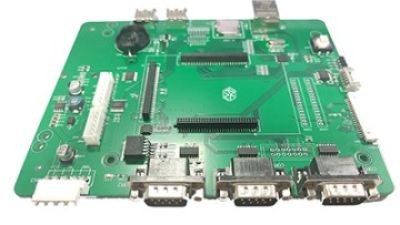
When it comes to Smt Electronic Components, making sure you choose high-quality OEM manufacturers is a big deal. I mean, renowned industry expert John Smith once said, “Quality in Smt Electronic Components is non-negotiable; it’s what guarantees reliability and top performance.” That really drives home the point — you’ve got to be diligent when picking your suppliers.
As the 139th Canton Fair gets closer, tech like AI is starting to play a pretty big role in helping buyers find reputable manufacturers. These tools can do things like sort suppliers based on certifications like ISO and CE, making the whole process way easier—no more drowning in 155,000 square meters of exhibitors! But, honestly, relying on tech alone isn’t enough. Without doing your homework, you might miss out on important details.
A lot of buyers overlook how crucial it is to actually talk directly with manufacturers. Asking detailed questions can uncover a lot about how good their Smt Electronic Components really are. Sure, AI gives you the data, but nothing beats that human touch — it's about combining tech with good old-fashioned communication. Reflecting on past experiences can also help you make smarter choices down the line. So, yeah, a mix of tech and personal interaction is the way to go if you want to make well-informed decisions.

Understanding OEM SMT Electronic Components and Their Importance
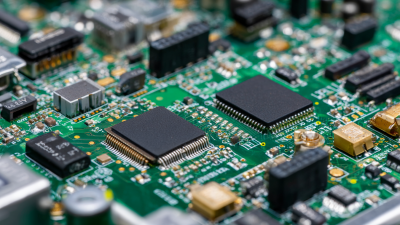
OEM SMT electronic components are crucial in modern electronics. These components, like circuit boards and connectors, ensure devices function properly. According to a recent industry report, the global market for SMT components is expected to grow at a CAGR of around 7% from 2023 to 2028. This growth highlights their increasing importance in various sectors, including automotive and consumer electronics.
Choosing high-quality manufacturers is essential. Poor-quality components can lead to device failures, resulting in significant economic losses. A study revealed that over 30% of electronic product failures stem from subpar components. This fact urges businesses to invest time in selecting reliable suppliers. Electronic Components Such As Power Supply Ics must meet specific standards to ensure performance and longevity.
Additionally, the selection process can be daunting. Many manufacturers offer similar products, making it hard to assess quality. Engaging with industry professionals and obtaining certifications can help. However, always verify claims; not all certifications guarantee reliability. It's vital to balance cost and quality. This aspect is often overlooked but is key to long-term success.
OEM SMT Electronic Components Quality Comparison
Identifying Key Qualities of High-Quality Manufacturers
When choosing OEM SMT electronic component manufacturers, it is essential to identify their key qualities.
Quality control processes should be a priority.
A report by IPC states that less than 5% of SMT manufacturers maintain rigorous quality assurance practices.
Look for those who implement checks at each production stage. This reduces defects and ensures product reliability.
Another crucial factor is manufacturing capabilities.
High-quality manufacturers often invest in the latest technology. A recent study found that facilities using advanced machinery see a
30% increase in production efficiency. This efficiency translates to better lead times
and lower costs for clients.
Consider customer service as well. Effective communication can make a difference.
Some manufacturers may have great products but poor support. Lack of responsiveness can lead to project delays.
Always assess past client feedback to understand their strengths and weaknesses. Identifying these qualities is vital for achieving
long-term success in your electronic projects.
Evaluating Manufacturer Certifications and Standards
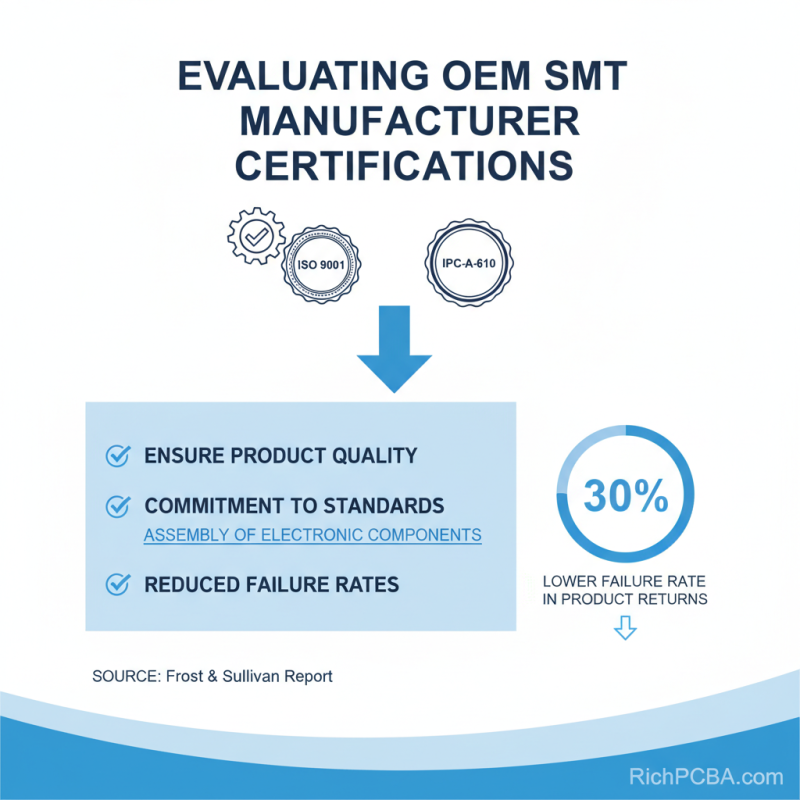
When considering OEM SMT electronic components manufacturers, certifications play a crucial role in ensuring product quality. Certifications like ISO 9001 and IPC-A-610 showcase a manufacturer’s commitment to quality management and standards in the Assembly Of Electronic Components. According to a recent report by Frost & Sullivan, manufacturers with recognized certifications exhibit a 30% lower failure rate in product returns.
Another critical standard to evaluate is the RoHS compliance. This ensures that the electronic components are free from hazardous substances, protecting both the environment and user safety. In fact, a study by Research and Markets found that 70% of consumers prioritize eco-friendly products. This trend influences manufacturers to seek appropriate certifications.
Tips: Focus on manufacturers that are transparent about their certifications. Request documentation to verify claims. This step is vital for mitigating risks associated with unverified suppliers. Also, consider conducting audits. Audits can further help ensure that manufacturers meet the desired standards consistently. Engaging with certified manufacturers can lead to improved quality in the assembly of electronic components, reflecting your commitment to excellence.
Assessing Manufacturing Capabilities and Technology
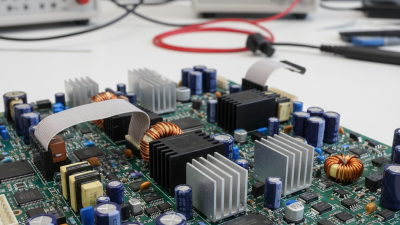
When choosing high-quality OEM SMT electronic components manufacturers, assessing their manufacturing capabilities and technology is crucial. This ensures they meet industry standards and can deliver reliable products. Look for manufacturers with modern equipment. Advanced machinery often leads to better precision and efficiency. A well-equipped facility indicates a commitment to quality.
Tips: Visit the production site when possible. Observe the workflow and technology in action. A clean and organized environment often reflects a manufacturer’s commitment to quality standards.
Consider the company’s certifications. Relevant industry certifications can enhance trust. They represent a manufacturer’s adherence to safety and quality protocols. Investigate their testing methods too. Manufacturers should perform rigorous quality control checks on their products. This step is vital in preventing defects and ensuring performance.
Tips: Ask for documentation on quality assurance. This provides insight into their processes. You may find areas where the manufacturer could improve, which could influence your final decision.
Analyzing Supplier Reputation and Customer Feedback
When selecting a high-quality OEM SMT electronic components manufacturer, analyzing their reputation is critical. Start by checking online reviews and testimonials from previous customers. This feedback can provide insight into product quality and reliability. Look for comments about the manufacturer’s response times, customer service, and technical support. Specifically, if you work with
Automotive Electronic Components, see how others in the industry rate their experience.
It’s also beneficial to engage directly with past clients if possible. Ask them about their production experiences and product effectiveness. Some manufacturers may even offer case studies to demonstrate their capabilities. However, be cautious. Not all feedback is genuine. Some reviews can be biased or overly positive. Investigate red flags, such as repeated negative comments or unresolved complaints.
Balance all this information to get a clearer picture. Don't only focus on star ratings. Evaluate the context of each review. A single bad experience might not reflect the overall quality, while a consistent pattern in feedback may warrant concern. Dive deep into the details, as they often reveal more than surface-level impressions.
Considering Cost vs. Quality Trade-offs
When choosing OEM SMT electronic components manufacturers, understanding the
cost versus quality trade-offs is essential. Low-cost options
may seem appealing, but they often compromise on quality. For example, cheaper materials might result in
shorter lifespans. This decision can impact your overall production
process significantly.
Quality components typically ensure better reliability. However, prices may be higher than budget-friendly
alternatives. It is important to find a balance. Consider the total cost of ownership.
Will the lower-priced components require more frequent replacements? You may save initially but face long-term expenses.
Reflecting on past experiences with suppliers can offer insights. Did the low-cost manufacturer deliver what you expected?
Quality assurance processes vary widely. Some manufacturers might not implement necessary testing.
This oversight can lead to defective components. Evaluating both cost
and quality leads to informed choices.
Establishing Effective Communication and Support Channels
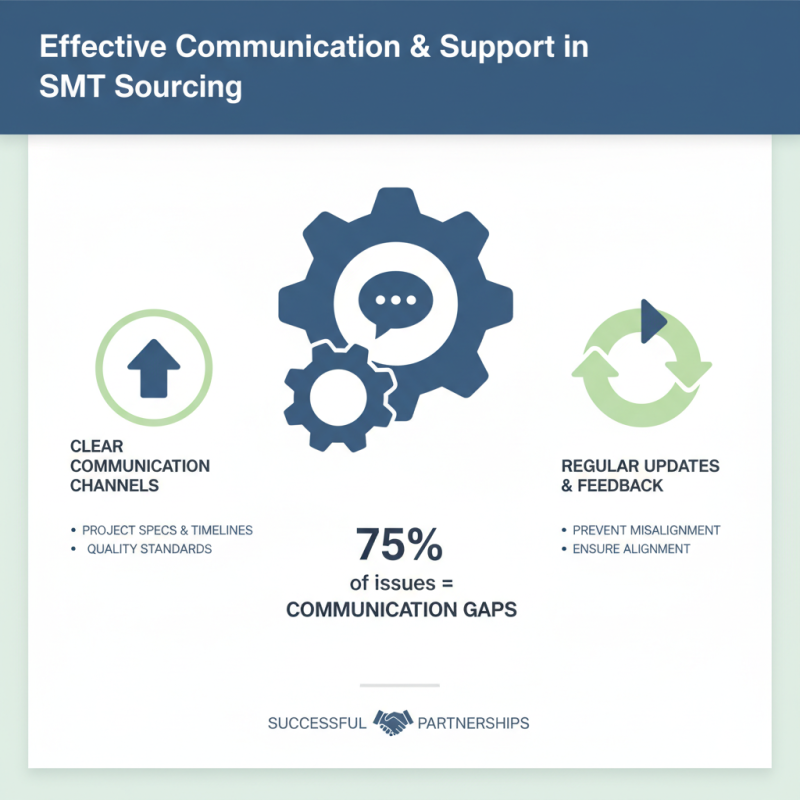
Effective communication is crucial when selecting OEM SMT electronic components manufacturers. Often, companies underestimate the importance of direct dialogue with potential suppliers. According to a recent industry report, 75% of issues in component sourcing stem from communication gaps. It's vital to establish clear channels to discuss project specifications, timelines, and quality standards. Regular updates and feedback loops can prevent misalignment and ensure all parties are on the same page.
Support channels also play a significant role in maintaining a fruitful partnership. Quick response times and active customer support can enhance collaboration. A study revealed that companies with strong support systems experience a 30% reduction in project delays. It’s not just about initial conversations; ongoing communication can foster trust and improve results. Businesses should reflect on their current practices and identify areas for improvement. Consider investing in training for team members to strengthen these essential skills. After all, working with Electronic Pcb Components efficiently means prioritizing clarity and support throughout the process.
Market Trends and Innovations in Automobile PCBA OEM Assembly: Analyzing 2023 Electronic Manufacturing Insights
In 2023, the automotive industry is experiencing significant advancements in radar technology, a crucial element in enhancing vehicle safety and automation. The boom in millimeter-wave radar, operating at frequencies like 24GHz and 77GHz, underscores its importance in automotive applications. With high resolution and extended detection range, this technology facilitates vital functions such as adaptive cruise control and lane-keeping assistance, positioning vehicles to better navigate complex driving environments. According to industry reports, the global automotive radar market is projected to reach USD 9.3 billion by 2025, driven by the growing demand for safety features and advanced driver-assistance systems (ADAS).
Ultrasonic radar also plays a pivotal role in the evolving landscape of automobile technology. Primarily designed for short-range applications, such as parking assistance and collision avoidance, ultrasonic sensors enhance driver safety in urban environments. The integration of ultrasonic sensors in vehicles is increasing significantly, with reports estimating that the market for these systems will grow at a CAGR of over 15% through the next few years. As both millimeter-wave and ultrasonic radar technologies continue to develop, the synergy between these systems is likely to propel the next generation of intelligent vehicles, paving the way for a safer and more efficient transportation system.
The convergence of these technologies demonstrates a broader trend in the electronic manufacturing sector, revealing a shift towards more sophisticated PCBA (Printed Circuit Board Assembly) processes tailored for automotive applications. As manufacturers adapt to increased regulatory standards and consumer expectations, innovations in assembly techniques are essential for optimizing performance and reliability, further accelerating the adoption of advanced radar systems in modern vehicles.
FAQS
: They are essential parts in modern electronics, like circuit boards and connectors.
Poor-quality components can lead to device failures, causing significant economic losses.
Over 30% of failures are linked to low-quality components.
Manufacturers should have certifications like ISO 9001 and IPC-A-610 to ensure quality.
RoHS compliance indicates components are free from hazardous substances, ensuring safety.
Request documentation and verify their certifications to mitigate risks.
Clear communication reduces sourcing issues significantly and fosters better collaboration.
Strong support systems can reduce project delays by improving response times.
Reflect on current practices and consider training to enhance communication skills.
Audits ensure manufacturers consistently meet desired standards, improving overall quality.
Conclusion
When selecting high-quality OEM SMT electronic components manufacturers, it is essential to first understand the significance of these components in the electronic assembly process. High-quality manufacturers typically exhibit key qualities such as robust manufacturing capabilities, advanced technology, and adherence to relevant certifications and standards. Evaluating these aspects ensures that the components meet industry specifications and customer expectations.
In addition to technical capabilities, assessing the supplier's reputation through customer feedback can provide valuable insights into their reliability and service quality. It's also important to consider the balance between cost and quality, as this can significantly impact your project's success. Finally, establishing effective communication and support channels will facilitate smooth collaboration, ensuring that any issues are promptly addressed, thus fostering a successful partnership in procuring SMT electronic components.