Leave Your Message
0%

As the electric vehicle (EV) market keeps booming, it’s pretty clear that optimizing Power Electronics PCBs for EVs is more important than ever. I came across a report from Grand View Research that says the whole global EV market is expected to hit around $1.18 trillion by 2027, growing at an impressive rate of about 22.6% annually. With numbers like these, it’s essential to develop smarter design strategies—especially those that boost efficiency and help manage heat better in power electronics. After all, these factors are key to making EVs perform well and last longer. At Shenzhen Rich Full Joy Electronics Co., Ltd., we’re right in the middle of this tech wave. We’re constantly pushing forward with new thermal management tech and focusing on the latest PCB design trends to meet the rapidly rising demands of the EV world. Our goal? To support more sustainable transportation and help keep international climate goals on track.
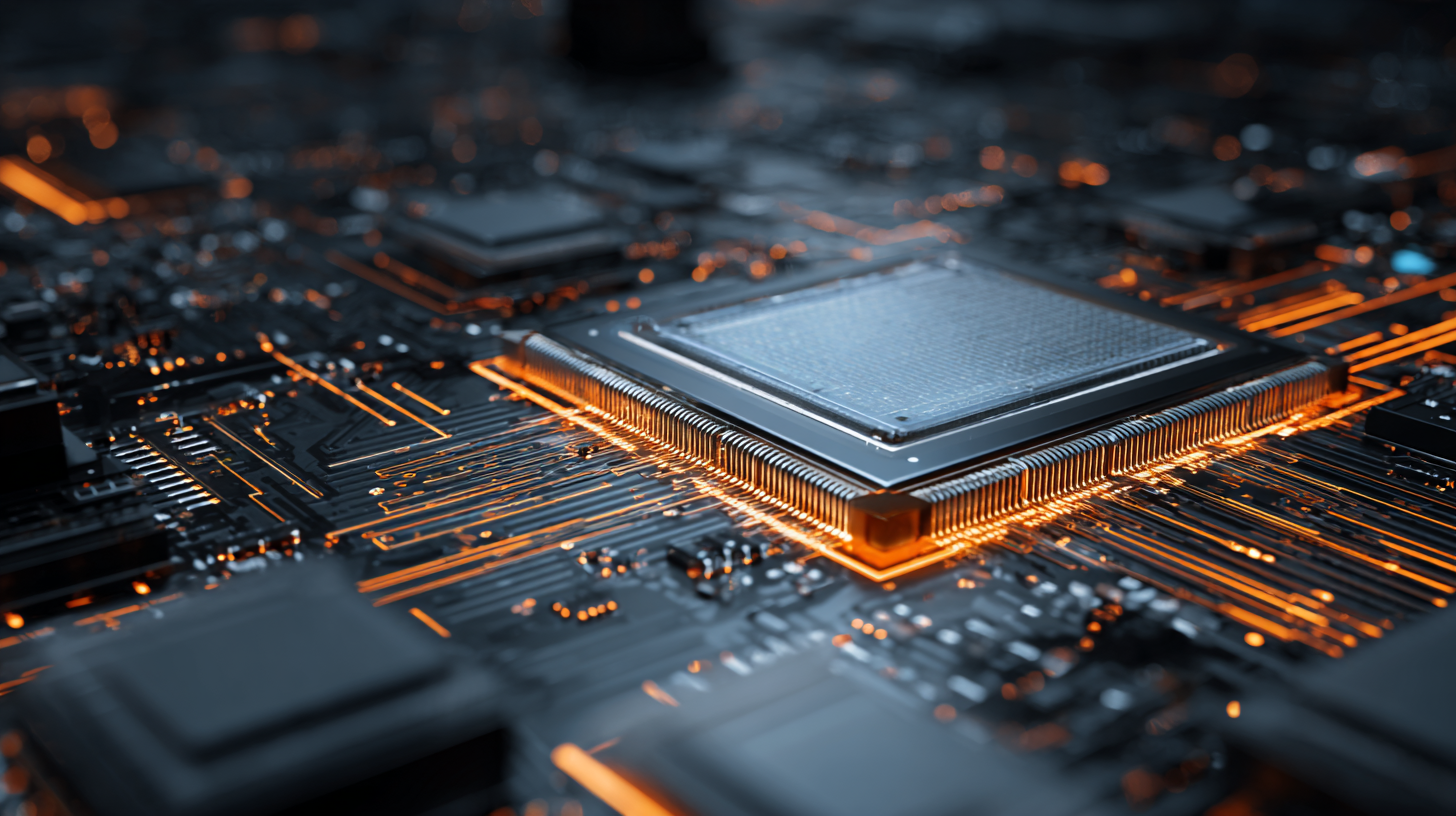
How to Optimize Power Electronics PCB for EVs: Enhancing Efficiency with Advanced Thermal Management

Understanding the Role of Power Electronics in Electric Vehicles

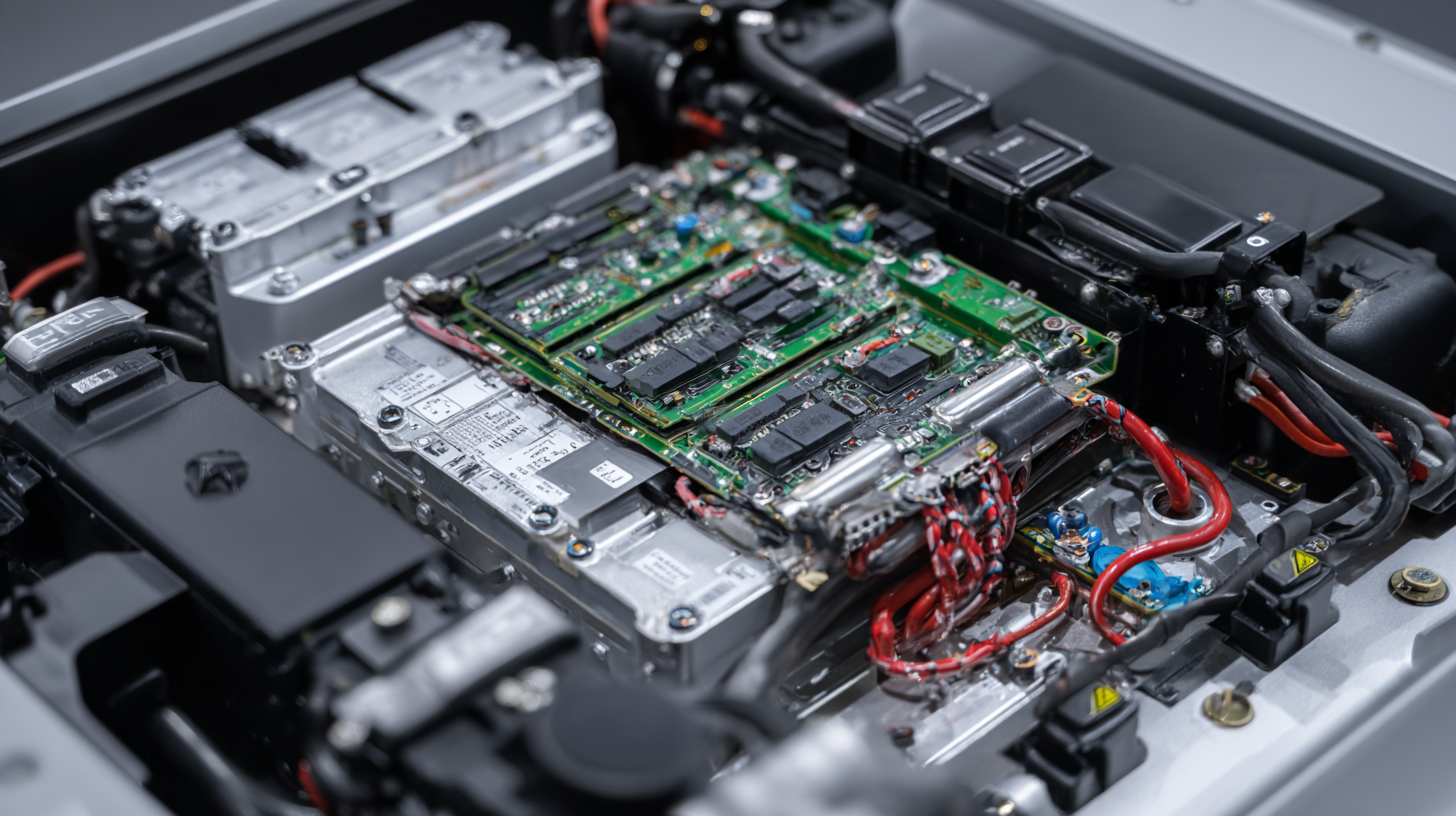
Power electronics are honestly at the heart of how well electric vehicles (EVs) perform and how efficient they are. Basically, they control the flow of electricity from the battery to the motor, making sure voltage and current are just right so the car runs smoothly. As EV tech keeps improving, it’s super important to find ways to make these power electronics even more efficient, especially when it comes to managing heat — because how well they handle temperature really affects their lifespan and how well the whole system works.

Sometimes, using advanced materials like silicon carbide (SiC) or gallium nitride (GaN) in your PCB design can make a big difference. These materials can handle higher voltages and temps, which helps boost efficiency and keeps things cool. And don’t forget about thermal management — things like heat sinks or special thermal interface materials can really help keep components at the right temperature, which means they last longer and work better.

Getting the thermal part right isn’t just about performance; it also means you can make EVs more energy-efficient overall. Engineers often use simulation tools during the design phase to predict how things will behave thermally, catching potential issues early on. That way, the final systems are not only more reliable but also more efficient — it’s all about making those power electronics work smarter, not harder.

Key Design Considerations for High-Efficiency PCB Layouts

When it comes to designing PCBs for electric vehicles, making sure everything runs as efficiently as possible is a big deal—especially in power electronics. One thing you really want to pay attention to is reducing thermal resistance within the layout. I recently came across a report from the International Energy Agency (IEA), and it pointed out that good thermal management can boost the efficiency of power converters by up to 5%. That might not sound huge, but in the world of EVs, it can really make a difference for range and overall performance.

How to Optimize Power Electronics PCB for EVs: Enhancing Efficiency with Advanced Thermal Management

And then there's the matter of component placement. Basically, putting high-power components in spots where they can get better airflow can seriously help keep temperatures down. A study published in the Journal of Power Electronics even found that using cool tricks like advanced thermal vias and copper planes can improve heat transfer by around 30%. All these little design choices don't just help with cooling—they also make the parts last longer and stay reliable, which is super important as the auto industry shifts more toward greener tech.

Integrating Advanced Thermal Management Techniques

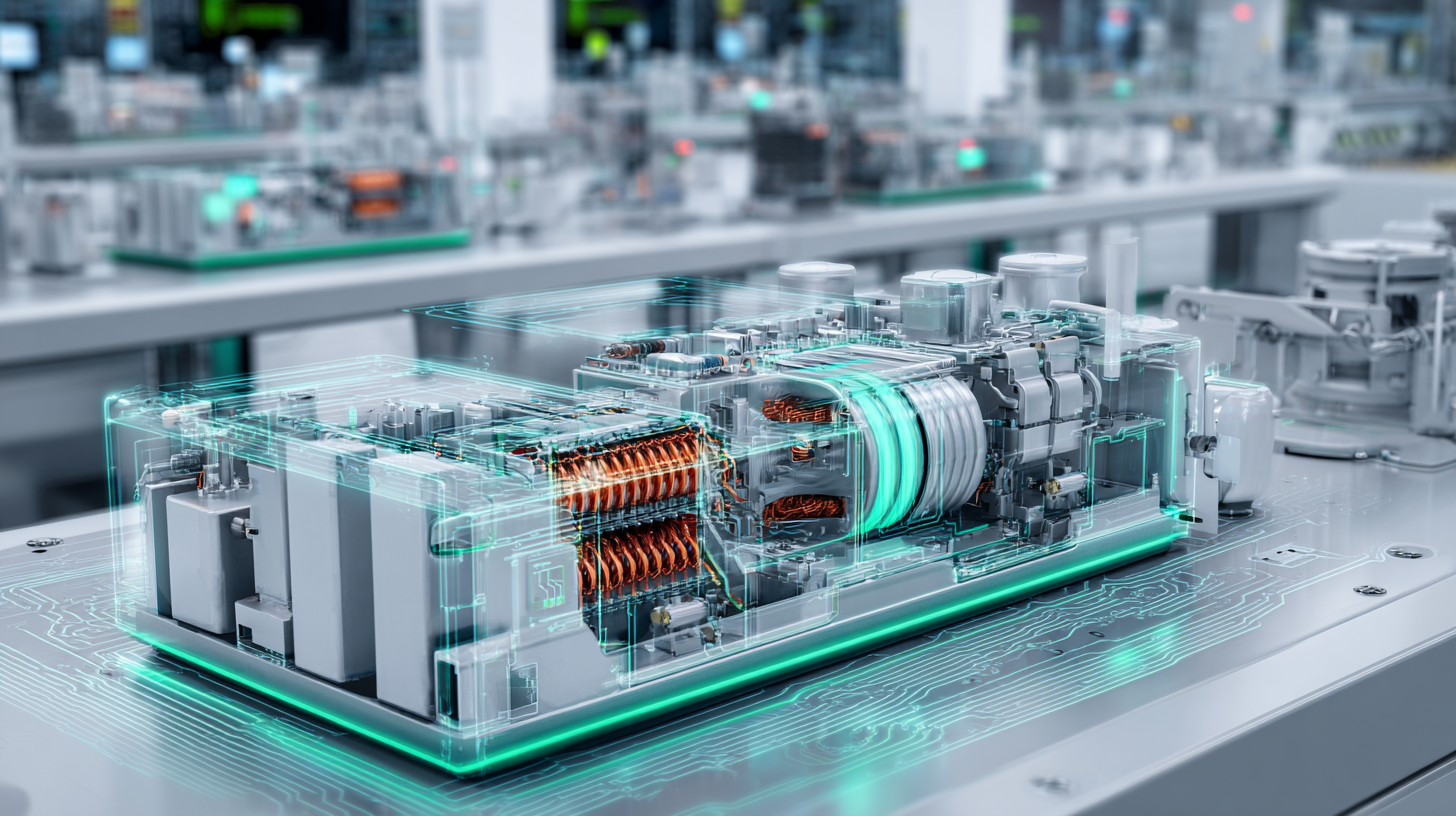
When it comes to power electronics PCBs for electric vehicles, good thermal management really isn’t something to overlook. As folks push for better efficiency and higher performance, using some advanced thermal tricks has become pretty much essential. One of the main ways to boost how well heat moves away from hot parts is by using high-quality thermal interface materials, or TIMs for short. These guys act like connectors—it’s like filling in the tiny gaps between the heat-making components and heat sinks, so heat can escape quickly and the system stays cool and happy.

A couple of tips: When you're picking out a TIM, check out its thermal conductivity and how long it'll last under different conditions—these details really matter. Also, taking some time to properly prepare the surface before applying the TIM can make a huge difference in how well it works.

Another neat trick is designing the PCB to include embedded heat sinks. This not only saves space but also helps spread heat more evenly across the board. And if you add some forced air cooling—like fans—it can seriously boost the cooling performance by improving airflow and knocking down those pesky hotspots.

Just a quick tip: when laying out the PCB, make sure there’s enough space for airflow and that the components that generate the most heat are placed where cooling is most effective. Small details like this can really make a difference in keeping everything running smoothly.

Selecting Appropriate Materials for Optimal Heat Dissipation

Choosing the right materials is super important when it comes to managing heat in power electronics on EV PCBs. Materials like copper and aluminum are often the go-to because they’re great at spreading out heat quickly. Using these metals in your PCB design can really help keep temperatures in check during operation, which means your components last longer and work more reliably. Oh, and don’t forget about thermal interface materials—things like thermal pastes or pads—they kinda fill in the gaps between heat sources and heat sinks, making heat transfer way more efficient.

Another thing to consider is picking advanced dielectric materials that not only insulate well but also handle heat like a champ. High-performance polymers and ceramics are perfect for this—they stay stable at high temps and don’t break down easily. Adding these to your PCB design can really boost heat dissipation while also cutting down on weight, which is a big deal for EV performance. When you choose the right materials carefully, it’s much easier to prevent thermal headaches and keep your power electronics running smoothly and efficiently in EVs.

How to Optimize Power Electronics PCB for EVs: Enhancing Efficiency with Advanced Thermal Management - Selecting Appropriate Materials for Optimal Heat Dissipation

Material Thermal Conductivity (W/m·K) Dielectric Strength (kV/mm) Operating Temperature (°C) Cost (USD/m²)
Copper 401 17 200 15
Aluminum Nitride (AlN) 170-200 20 300 80
Silicon Carbide (SiC) 120 25 400 120
Beryllium Oxide (BeO) 200-250 15 600 250
Thermal Interface Material (TIM) 1-5 >20 150 30

Testing and Validation Methods for Enhanced Efficiency

When it comes to power electronics for electric vehicles, testing and validation are real game-changers. As EV tech keeps evolving so fast, making sure these systems run smoothly and reliably in different conditions is more important than ever. I read recently from the International Energy Agency that by doing thorough testing—like thermal cycling, checking electrical performance, and long-term reliability—you can boost the efficiency of EV power electronics by about 10%. These tests give us really valuable insights into how the PCB designs hold up under real-world stresses.

And let's not forget about thermal management—it's a huge deal if we want power electronics to be more efficient. Using tools like Computational Fluid Dynamics (CFD) simulations helps engineers see how heat flows and plan better cooling solutions, like heat sinks, even before building physical prototypes. A study from Frost & Sullivan even points out that good thermal management can extend the lifespan of these components by around 25%. That’s pretty impressive, especially since demand for sustainable transportation is skyrocketing. All in all, adopting these advanced testing and validation methods not only ensures safety but also pushes these parts closer to hitting the efficiency goals we need for a greener future of transport.

How to Optimize Power Electronics PCB for EVs: Enhancing Efficiency with Advanced Thermal Management

Future Trends in Power Electronics for Electric Vehicle Applications

The future of power electronics in electric vehicles (EVs) is changing pretty fast—thanks to the constant push for better efficiency and higher performance. I recently came across a market research report by Grand View Research, and it predicts that the global market for EV power electronics could hit around $40.5 billion by 2027. That’s a pretty hefty jump from 2020, with a compound annual growth rate (CAGR) of about 22.3%. What’s driving this surge? Mainly, advances in semiconductor tech and smarter thermal management solutions that boost how well power converters and inverters—those key parts in EV systems—perform.

One of the coolest trends right now is the shift toward wide-bandgap (WBG) semiconductors like silicon carbide (SiC) and gallium nitride (GaN). These materials are a game changer because they can handle higher voltages and temperatures, plus they heat up less, compared to the traditional silicon stuff we’ve been using. For example, a study from the Electric Power Research Institute shows that swapping in SiC transistors could boost energy efficiency by over 10%, which could seriously extend an electric car’s range. And to keep these systems running smoothly, integrating advanced cooling methods—like liquid cooling and high-tech heat sinks—will be crucial. All of this together means EVs will become more reliable, efficient, and pretty exciting to drive in the near future.

Power Electronics PCB Efficiency in Electric Vehicles

This chart illustrates the efficiency improvements in power electronics PCB designs for electric vehicles over recent years. The data reflects advancements in thermal management techniques and their impact on overall efficiency.

Comprehensive Guide to Smart Wearable Device PCBA Solutions: Elevating Precision in PCB Assembly Services

In the ever-evolving world of wearable technology, achieving precision in PCB assembly is paramount. Richfulljoy stands at the forefront as a premier smart wearable device PCBA manufacturer in China, bringing over 20 years of expertise to the realm of high-performance wearable electronics. Our commitment to innovation is evident through our advanced PCB manufacturing capabilities, encompassing custom designs, state-of-the-art SMT assembly, and stringent quality control measures. This dedication ensures that our solutions not only meet but exceed the demanding requirements of devices such as smartwatches, fitness trackers, medical wearables, and AR glasses.

At Richfulljoy, we understand that the compact and lightweight nature of wearable technology necessitates specialized PCB solutions. We offer a comprehensive range of services supporting from 1 to 68 layer PCBs, high-frequency designs, and flexible PCB options that cater to various design needs. Our ISO9001, IATF16949, and UL-certified processes guarantee that every PCB we produce is of the highest reliability and durability. From initial prototyping to mass production, we provide one-stop services that include design support, component sourcing, and functional testing, all designed to facilitate fast turnaround times and efficient solutions. Richfulljoy is your trusted partner for navigating the complexities of wearable technology PCB assembly, ensuring that your innovations are powered by precision engineering.

FAQS

: Why is high efficiency important in PCB designs for electric vehicles (EVs)?

: High efficiency is crucial in PCB designs for EVs to enhance overall performance and range, particularly in power electronics applications.

How can optimizing thermal management improve power converter efficiency?

Optimizing thermal management can improve the overall efficiency of power converters by up to 5%, which is significant for EV performance.

What is the impact of component placement on PCB thermal management?

Strategically placing high-power devices to maximize airflow can substantially reduce operational temperatures, enhancing thermal efficiency.

How can advanced thermal vias and copper planes improve thermal conductivity?

Implementing advanced thermal vias and copper planes can enhance thermal conductivity by up to 30%, aiding in better heat dissipation.

What are thermal interface materials (TIMs) and their importance?

TIMs are high-performance materials that bridge the gap between heat-generating components and heat sinks, ensuring rapid heat dissipation and optimal operating temperatures.

What factors should be considered when selecting TIMs?

When selecting TIMs, one should consider their thermal conductivity rating, operational lifespan under various conditions, and ensure proper surface preparation before application.

How can embedding heat sinks in PCB designs be beneficial?

Embedding heat sinks directly into the PCB design saves space and allows for efficient heat spreading across the board.

What role does forced air cooling play in thermal management systems?

Coupling heat sinks with forced air cooling promotes airflow, reduces hotspots, and further enhances the thermal management system's effectiveness.

What layout considerations should be made for effective thermal management?

The PCB layout should accommodate adequate airflow paths, and components generating the most heat should be strategically positioned for optimal cooling efficiency.

Conclusion

Hey, so this article really sheds light on how crucial Power Electronics PCBs are for electric vehicles. It dives into some pretty solid strategies on how to get the most out of them performance-wise. If you focus on designing high-efficiency PCB layouts, you can seriously boost how well EVs run. The article also emphasizes the importance of hot-off-the-press thermal management techniques — basically, choosing the right materials to help keep things cool and running smoothly. Plus, don’t forget, thorough testing and validation are key if you really want to crank up the efficiency of these power systems.

Looking ahead, it’s exciting to see how new trends in power electronics will keep shaping the future of EVs. Companies like Shenzhen Rich Full Joy Electronics Co., Ltd. — a recognized high-tech innovator — are playing a big part in pushing these tech boundaries and coming up with fresh, innovative solutions for the industry.
Liam

Liam

Liam is a dedicated marketing professional at Shenzhen Ruizhixinfeng Electronics Co., Ltd., where he leverages his extensive expertise in the electronics industry to drive the company's communication strategy. With a deep understanding of the latest technological advancements and market trends,......
Previous Future Trends in High Frequency Pcb Technology for Global Buyers