Leave Your Message
-
E-mail
-
Whatsapp
-
Message
It has become increasingly prominent for the latest high-quality printed circuit boards (PCBs) to play such a key role in today's evolving and rapidly changing landscape in electronics. The production standards that PCB manufacturers lay down are vital for the reliability and performance of electronic devices. The global PCB market will reach USD 82.69 billion by 2025 owing to increased demand from different sectors such as automotive, healthcare, and consumer electronics; this is according to a Market Research Future report. But, as the industry grows, there are challenges before the Pc Board Makers change from complying with the rules and regulations to managing supply chain complexities.
Shenzhen Rich Full Joy Electronics Co., Ltd has now found itself at the forefront of such challenges and is rapidly giving innovative solutions as a national high-tech enterprise. Our commitment to excellence has made us one of the key players in the PCB industry, but helps combat production irregularities and sustainable practices. In this blog, we will explore the challenges faced by PCB manufacturers worldwide, point out some of the best practices in the industry, and elaborate on how companies like ours can adjust to keeping adherence to high production standards that would subsequently help move the industry forward.

In an increasingly globalized environment, an understanding of the worldwide PCB production standards will aid an electronics manufacturer in remaining competitive. The printed circuit board serves as the backbone of the modern electronic device, thereby obligating manufacturers to apply rigorous production standards that will guarantee quality, reliability, and safety. These differing standards cover many areas that can even have an impact on the selection of raw materials or considerations for environmental compliance. One of the foremost obstacles that a PCB manufacturer must face arises from the complexity of the international standards. The IEC and IEEE provide all the rules and guidelines regarding acceptable performance and safety grades for the PCBs. Therefore, such standards not only differ from region to region but also keep evolving with the technology: fast enough for a manufacturer to keep his knowledge updated and adept in his practices. Quality assurance, too, is a huge factor affecting production conformance with global standards. To test and validate their goods according to both local and international standards, manufacturers need to apply thorough testing and validation steps. Such testing sometimes calls for new technology and permanent employee training to reduce defects and improve the efficiency of production-lines, putting the companies in a better position to compete globally. While the firms transform in the face of these challenges, the ideology of standardization ultimately spurs innovation and develops techniques that serve to share benefits across the industry.
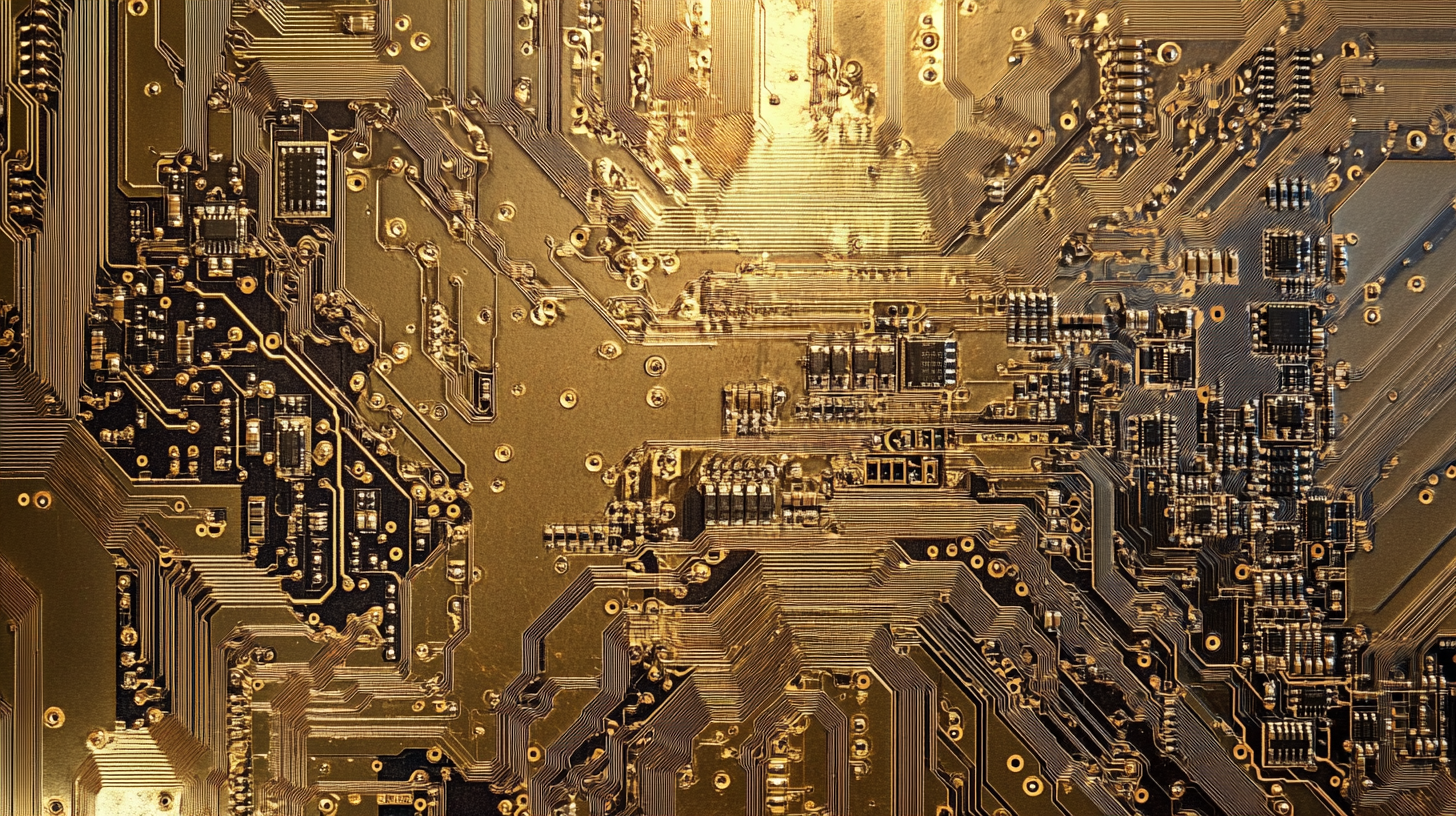
PCB makers today are faced, by a fast-moving technological environment, with huge hurdles that directly impact their production standards. One pressing issue remains the evolving technological requirements. With devices becoming smaller and more complex, manufacturers must strive to constantly improve their processes and equipment in order to fulfil newly set specifications. To falter in this aspect could mean higher production costs, alongside the possible loss of customers wanting the latest designs.
Also, another widespread challenge is the strict regulatory environment in which the electronics industry operates. They are constantly obliged to comply with an array of standards, which differ from one region to another, and are frequently updated. This increases the operational complexity of the PCB industry and thus its costs, particularly for smaller manufacturers who cannot absorb compliance into their normal operating budgets. Another layer of complication for PCB production is added by environmental regulations concerning material use and waste management.
Supply chain interruptions have constituted additional challenges for PCB manufacturers. Global events have highlighted vulnerabilities in supply chains and have contributed to extended lead times and shortages of critical materials. Manufacturers now have to think about adopting resilient supply chain strategies, including the options of varying suppliers and investing in local sourcing. Addressing these common challenges will position PCB manufacturers much better to grow in a fiercely competitive global business environment.

Today's PCB manufacturing landscape is multidimensional, with so many countries demanding compliance with various international standards. PCB manufacturers need to be guided through increasingly rickety regulatory guidelines that keep changing, proving a hindrance to productivity and quality assurance. The more significant challenge of such a situation lies in tracking and complying with the different regulations which vary significantly across regions. IPC standards differ in the USA, EN standards in Europe, while JIS standards apply in Japan. Companies wishing to 'go global' will have spent a lot of money and time understanding all these different requirements to meet their product compliance standards.
One more thing that PCB manufacturers need to consider with respect to the above will be the impact of the quality management systems, which will be required to cater to the norms. Such kind of thing is usually accomplished by having innovative technology and processes that not only help in legal compliance but also in achieving top-notch operations. Automation and real-time monitoring tend to be vital for process validation with regard to international standards when it comes to avoiding human error. The current direction towards global digital transformation in manufacturer operations makes compliance check-in production workflow unavoidable.
Effective collaboration with global partners can lead to valuable benefits in determining the way out regarding these regulations. Manufacturers can always share best practices and lessons learned, hence, proper audits, inspections, and swift changes to the regulatory picture can also be put to use. Education and continuous training are very important to keep people updated on compliance issues. All these would ensure that all who have anything to do with production appreciate the importance of regulatory standards in firm reputation and product integrity.

Quality control measures are always necessary to ensure that manufacturers are able to attain the high standards that are now required in today's advanced technological scene. Reliability and precision in printed circuit boards(PCBs) are at an all-time high with increasing complexity of electronic designs. These quality control approaches start with approval of proper raw materials, components that meet equal specifications and standards. Manufacturers usually subjects raw materials to strict tests to avoid any defects that will affect the desired performance of the end product.
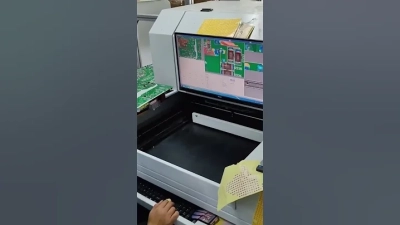
Continuous monitoring of the assembly process during production is very important. This includes inspection done in real time and statistical process control techniques for performance data collection. Automated Optical Inspection (AOI) systems help catch PCB layout defects so that any such aberrant behavior can be captured early on. Operators are also trained to look for solder joint quality or proper placement of components and things like that, which improves the quality from production.
Final testing forms the last part of the quality control journey. Manufacturers perform functional testing, which inspects whether the PCB complies with design specifications under working conditions. Environmental testing, often an adjunct to this, evaluates how the PCB will work under extreme conditions. Aluminum PCBs that utilize such rigorous quality control measures throughout production can forge an environment of trust and satisfaction among customers, in addition to complying with international standards.
Emerging technologies are making a big impact in altering the PCB manufacturing scenario while addressing multiple challenges in production efficacies and product quality. IPC mentions that the global PCB market is expected to be around $82 billion by 2025, supported by improvements in manufacturing practices and a growing demand for high-performance circuit boards. Innovations such as advanced materials, automation, and Industry 4.0 practices are pushing the growth frontier while enabling the manufacturers to keep pace with very demanding production standards.
Perhaps one of the most impactful technologies would be in the areas of automation and robotics for PCB assembly. ResearchAndMarkets has reported that the PCB automation market is expected to grow at a compound annual growth rate of 8.6% between 2021 and 2026. It reduces production time and ensures more output quality by minimizing human error. Smart manufacturing techniques such as IoT and AI unite for real-time production monitoring and data analytics to better respond to manufacturing challenges or demand shifts.
The other aspect that is changing or influencing PCB manufacturing is the emergence of sustainable materials and processes. The Electronic Industry Citizenship Coalition reported that some 80% of manufacturers are now adopting eco-friendly practices. This shift accommodates regulations, but it is also due to the fact that consumers have now begun to show preference for greener products. Investment in innovative materials and recycling technologies can lessen the environmental footprint of PCB manufacturers while being compliant with stricter regulations.
In conclusion, it is indeed in emergent technologies that resolve the obstacles confronting PCB manufacturing today. Thus, these technologies, as they grow in trend and relevance, are poised to help in the production capacity, as well as align the manufacturers with market demands and sustainable programs.
As the manufacturers of PCBs from around the world are trying to deal with the in-house production standards in supply line disruptions, it is fast becoming a major issue at hand. The supply chains have affected by geopolitical landscapes with these tensions resulting in increased risks. Reports state that companies, including Apple and Google, will close out their supply chains from China so that they may diversify when geopolitical uncertainties arise. Notably, this shift has evidently favored countries like Vietnam, which have now emerged as viable alternative manufacturing settings.
To add insult to injury, the current COVID situation in China continues to threaten that continuity of production. According to economists, China's determination to pursue a zero-COVID policy will couple grave dislocations to the global supply chain with shortages, increased prices, and breakages. Such adverse effects that this recent pandemic has left on global value chains, according to the United Nations Conference on Trade and Development, suggest that adaptation should be the order of the day for most manufacturers; otherwise, they would be out-competed in a market that is becoming increasingly volatile.
PCB manufacturers have to reconceptualize the way they manufacture and supply themselves. Indeed, with emerging reports about food insecurity resulting from climate change, aggravated by urban overexposure, the manufacturing sector has environmental upholding to be factored into its planning. This will be necessary in a world where industries confront the identical challenges, to maintain competitive edge within the electronics market through such an approach: establishing manufacturing standards while exacerbating as little damage in the supply chain as possible.
Customarily the PCB manufacturers fast-paced realm and production standard maintenance are the crux elements toward ensuring quality and reliability. A new IPC survey states almost 70% of all electronic failures can almost always trace back to PCB manufacturing process issues. Such statistics indicate how vital it is to ensure quality assurance measures are seriously regarded during the entire production flow.
Implementing strict quality control measures in every phase of production stands out as one of the best practices observed among PCB manufacturers. For this reason, regular inspection and testing of products should be undertaken, supported by advanced technologies such as automated optical inspection (AOI) and test cycle analysis. In the end, the manufacturers will be able to minimize human error and enhance detection accuracy by automating such systems. As per a recent study conducted by the European Institute of Circuit Boards, companies that applied AOI had a reduction of defects in the range of 30% as opposed to companies doing only manual inspections.
Another element of paramount importance is the adoption of internationally recognized standards such as IPC-A-600 for acceptability of printed boards. This will help manufacturers align with global expectations and hence improve their competitiveness in the market. Added to that, constant training and development programs for employees could raise their skills and awareness of their quality standards, which will benefit overall production excellence. According to reports, companies that invested in employee training increased efficiency by 25% and reduced costs for rework drastically.
With such practices in place, PCB manufacturers can address production standards and operational efficiencies that can respond to growing customer demands in the global electronic marketplace.
Development of the printed circuit boards (PCBs) is certain to keep pace within the rapidly growing electronics industry and thus calls for global alignment in production standards. Future trends in PCB manufacturing indicate several areas which would be enhanced to redefine the industry. One of the trends would be concerted efforts toward automatic and smart manufacturing. Advanced robotics and artificial intelligence enable adoption into production processes, increasing efficiency, decreasing defects, and ensuring a higher consistency of quality associated with products.
One of the major trends would be implementing green practices in the manufacture of PCBs. Manufacturers are now investigating eco-friendly materials and processes to reduce their environmental footprint. It is important to note that not only consumers are pushing for such transitions, but even regulations also demand greener products. An example of mind-altering innovations that are gaining traction includes bio-based substrates and recyclable components, which will enable greener manufacturing methods in PCB manufacturing.
In addition, standardization efforts are going to be instrumental to the PCB production in the future. Given the globalizing nature of the industry, it is likely that production standards are harmonized across regions to ensure compatibility and interoperability. Universal quality bench-marking initiatives would be essential in proving the essential collaboration of manufacturer and diverse market needs. This focus on standardization will, indeed, improve reliability of PCB products, while facilitating smoother international trade ties to the benefit of the industry.
Global PCB production standards are crucial for manufacturers as they ensure quality, reliability, and safety in the production of printed circuit boards, which form the backbone of modern electronic devices.
Organizations such as the International Electrotechnical Commission (IEC) and the Institute of Electrical and Electronics Engineers (IEEE) establish guidelines that dictate performance and safety levels for PCBs.
Regulatory standards vary by region and are subject to frequent updates, which can lead to operational complexities and increased costs, particularly for smaller manufacturers.
PCB manufacturers must continuously upgrade their processes and equipment to meet rapidly evolving technology requirements, as device specifications become more compact and complex.
Quality assurance is essential for ensuring PCBs meet local and international criteria, often requiring manufacturers to invest in advanced technology and continuous employee training.
Supply chain disruptions, such as those caused by the COVID-19 pandemic, have led to increased lead times and material shortages, prompting manufacturers to develop more resilient supply chain strategies.
Environmental regulations regarding material use and waste management add complexity to production processes, requiring manufacturers to adhere to strict compliance measures.
By addressing challenges such as rapid technology changes, regulatory compliance, and supply chain resilience, manufacturers can improve practices, leading to innovation and a competitive edge.