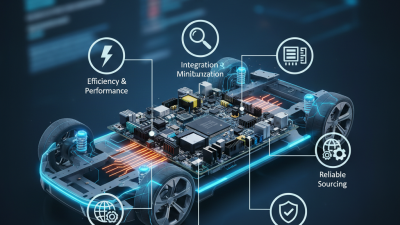
Hey there! As the electric vehicle (EV) world keeps changing so fast, one thing that really stands out is the importance of inverter PCB assemblies when it comes to boosting performance and efficiency. Dr. Sarah Thompson from EV Innovations, who's pretty much a go-to expert in the field, points out that "the efficiency of an EV’s inverter really hinges on the quality of its PCB setup." That just goes to show how crucial a good inverter design is to making electric cars successful overall.
So, what’s inverter PCB assembly all about? Basically, it’s the detailed process of putting together those printed circuit boards (PCBs) that are in charge of controlling the electric motor. These little assemblies do a lot — they turn power from one form to another, keep things running smoothly in terms of heat, and ensure everything stays reliable. But if the PCB isn’t well-made? Well, that can lead to all sorts of troubles—like poor performance or even early breakdowns, which no one wants.
Paying attention to the small stuff during assembly is key. For example, if an inverter integrated circuit isn’t assembled right, it might overheat, lose signals, or—even scarier—cause safety hazards. That’s why companies should always be double-checking and refining their processes. Honestly, it’s all about focusing on quality. Only then can manufacturers really make sure their EVs are durable and efficient. Because at the end of the day, every detail in inverter PCB assembly matters—no room for shortcuts here, folks!
Overview of Inverter PCB Assembly in Electric Vehicles
Inverter PCB assembly plays a critical role in electric vehicles (EVs). This complex process involves creating printed circuit boards that manage power conversion and drive motor functions. The efficiency of these assemblies directly impacts vehicle performance, battery life, and overall energy consumption. A poorly designed PCB can lead to inefficiencies or even failures in the EV system.
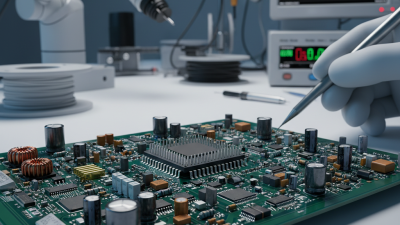
The assembly process consists of precision soldering, component placement, and thorough testing. Each step requires meticulous attention to detail. Even a small mistake could result in significant issues down the line, such as overheating or erratic behavior in power delivery. The reliability of these assemblies hinges on the experience and expertise of the engineering teams involved. Their capability ensures that the PCBs meet stringent industry standards.
As the demand for electric vehicles grows, the importance of inverter PCB assemblies becomes ever more pronounced. Continuous improvements and innovations are necessary to keep pace with advancements in EV technology. However, challenges remain. The materials used must withstand higher temperatures and fluctuating electrical loads. Balancing cost with performance is also a concern. Ensuring the quality of every component is critical to the success of the overall vehicle design.
Key Components of Inverter PCBs for EV Applications
Inverter PCBs are crucial for electric vehicles (EVs). They control the power conversion from batteries to the electric motor. Key components include power semiconductors, capacitors, and inductors. Each plays a vital role in performance and efficiency. According to a recent report by MarketsandMarkets, the global inverter market for EVs is expected to reach $14 billion by 2026. This growth highlights the importance of quality PCB assemblies.
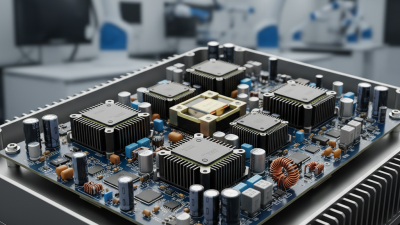
Power semiconductors, such as IGBTs and MOSFETs, are essential for managing high voltage and current. They help in minimizing energy loss during power conversion. Capacitors store and stabilize energy, ensuring smooth operation. Inductors filter out noise and improve the reliability of the circuit. While these components are crucial, the quality of the PCB design directly affects performance. A flawed design can lead to inefficiencies and failures.
Tips: When designing inverter PCBs, consider thermal management. Ensure adequate spacing between components. This reduces heat buildup, which can harm performance. Regular testing and validation of your PCB can prevent costly issues. An iterative approach in testing designs helps identify issues early, allowing for refinements before production.
The Role of Inverter PCBs in Electric Vehicle Performance
Inverter PCBs play a crucial role in the performance of electric vehicles (EVs). They manage the conversion of DC power from batteries to AC power for electric motors. This process is essential for delivering smooth acceleration and enhancing the overall efficiency of the vehicle. According to a report by the International Council on Clean Transportation, inverter technology can improve electric motor efficiency by up to 5%. This directly impacts vehicle range and driving experience.
The design of inverter PCBs involves intricate layouts and thermal management strategies. These circuits must withstand high currents and voltages, which can generate significant heat. Effective cooling solutions are vital to prevent overheating and ensure reliability. Recent trends in the industry highlight the importance of Quick Turn Pcb Assembly methods. They allow for faster prototyping and testing of new designs, ensuring that components meet performance standards efficiently.
However, even the most advanced inverter PCBs are not without challenges. Issues such as electromagnetic interference and signal integrity can arise, affecting performance. Manufacturers must continuously refine their designs to address these concerns. As EV adoption grows, optimizing inverter PCBs will be key to enhancing vehicle performance and meeting consumer expectations.
Manufacturing Processes for Inverter PCB Assembly
Inverter PCB assembly is crucial for electric vehicles (EVs). The manufacturing process involves several key steps that ensure efficiency and reliability. First, design engineers create a schematic using specialized software. This schematic becomes a blueprint for the printed circuit board. Next, materials selection is vital. High-quality substrates are required to withstand the heat produced during operation.
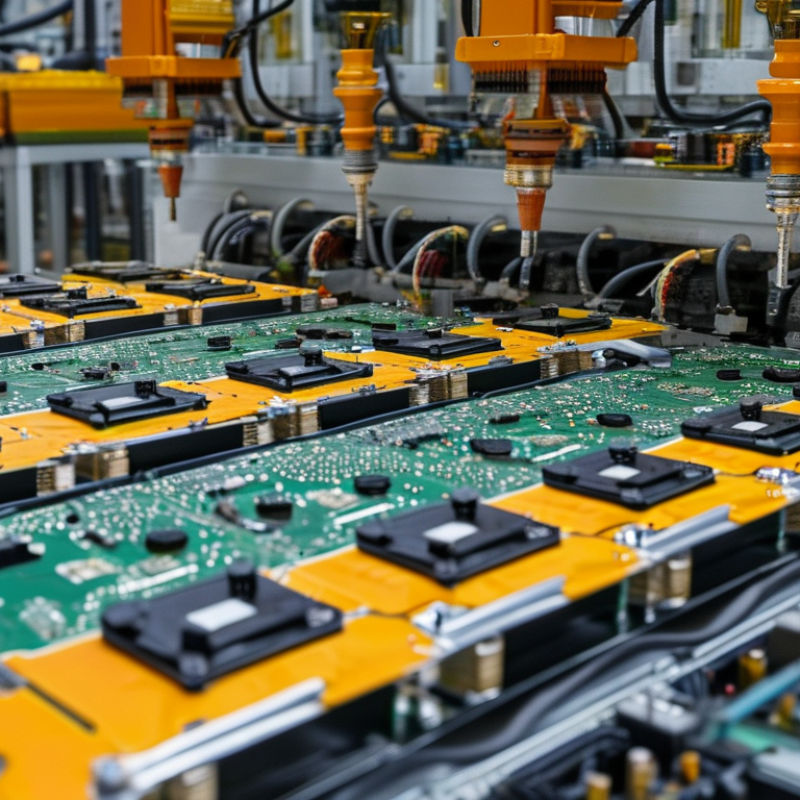
After finalizing the design, the assembly begins. Surface Mount Technology (SMT) is typically used for placing components on the board. This process includes soldering thousands of tiny components with precision. Automated machines often handle this stage, enhancing speed and accuracy. However, human oversight is necessary to prevent errors.
Testing follows assembly. Every PCB must undergo rigorous testing processes to evaluate performance and safety. Inconsistencies can arise from temperature fluctuations or material defects. These factors can compromise the inverter’s functionality. Addressing these challenges is essential for the overall reliability of EVs. Continuous improvement in manufacturing processes can lead to more dependable and efficient inverter systems.
Challenges in Inverter PCB Design and Production
Inverter PCB design for electric vehicles (EVs) presents notable challenges. High density of components requires precision layout. It's crucial to balance thermal management and electromagnetic compatibility. Overheating can lead to failures, affecting vehicle performance. Engineers must address this by integrating robust cooling solutions into their designs. Additionally, the high-frequency operations of inverters can induce noise, complicating the design further.
Production of inverter PCBs adds another layer of complexity. Stencil For Pcb Assembly must be meticulously designed to ensure accurate solder paste application. Misalignment can result in poor connections. The challenge escalates with the miniaturization of components. Automated assembly lines can struggle with smaller parts, introducing a risk of defects. Continuous quality control is essential to catch issues early, but this can increase costs. Managing tight tolerances in production can also lead to yield problems.
Collaboration between design and production teams is vital. They must communicate openly to tackle these obstacles effectively. Sharing feedback can lead to improvements in both design specifications and manufacturing processes. As technology evolves, adapting to these changes is necessary. Engineers must embrace these challenges to enhance the reliability of inverter PCBs in EVs, ensuring they meet performance standards.
Importance of Quality Control in Inverter PCB Assembly
Quality control is critical in inverter PCB assembly for electric vehicles (EVs). This process directly affects the vehicle's performance and longevity. Inverter PCBs are responsible for converting DC power from the battery to AC power for the electric motor. Any defect here can lead to inefficiency or even failure. Studies show that high-quality assemblies can improve the reliability of EVs by up to 30%.
Efficiency starts with robust manufacturing practices. However, common issues exist, such as solder joint failures or component misalignment. A report from the International Journal of Electrical Engineering highlights that 15% of PCBs face quality issues during assembly. Implementing strict quality control measures can mitigate these risks. Techniques like automated optical inspection (AOI) are crucial for detecting faults before they escalate.
The importance of quality control goes beyond production. It impacts warranty costs and customer satisfaction. Poor quality in Main Pcb Assembly might lead to expensive recalls. Moreover, addressing these concerns early can enhance brand trust. The EV industry is under pressure to improve reliability as demand grows. Effective quality control can not only reduce defects but also optimize performance in the long run. Investing in quality translates into a more sustainable and trustworthy product.
Future Trends in Inverter PCB Technology for EVs
In recent years, inverter PCB technology for electric vehicles (EVs) has rapidly evolved. This transformation is vital for enhancing energy efficiency and overall performance. Manufacturers are focusing on improved heat dissipation and compact designs. These advancements make the inverter more reliable, which directly impacts vehicle range and charging speed.
One emerging trend is the integration of IoT capabilities in inverter PCB assemblies. Smart features allow for real-time monitoring and diagnostics. This innovation can help in quickly identifying faults and optimizing performance. However, implementing these technologies requires careful design consideration.
Tips: Ensure that your Surface Mount Pcb Assembly process incorporates robust testing protocols. Conduct regular assessments to verify component reliability. Also, stay updated with industry standards to avoid pitfalls in design.
The shift toward more sustainable materials in PCB construction is another growth area. These eco-friendly alternatives can reduce environmental impact. Still, they may pose challenges regarding performance and cost. It’s crucial to balance sustainability with efficiency to meet market demands.
Innovative Applications of High-Quality Flexible Printed Circuit Boards in Diverse Industries
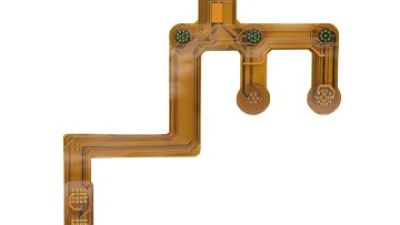
The innovative applications of high-quality flexible printed circuit boards (PCBs) are revolutionizing multiple industries, thanks to their unique properties and adaptability. Flexible PCBs are crafted from bendable materials like polyimide, making them an ideal choice for applications where standard rigid circuits would fail to provide the necessary performance. Their flexibility facilitates integration into compact spaces, allowing for significant advancements in the miniaturization of electronic devices.
In the consumer electronics sector, flexible PCBs are instrumental in enabling the development of slim, portable gadgets that maintain high functionality. These circuits also thrive in the medical device industry, where adaptability is critical for wearable health monitors and other medical technology that must conform to the human body. Additionally, the automotive sector increasingly relies on flexible PCBs for sophisticated systems, including sensors and control units, which demand high-temperature resistance and durability to withstand the rigors of vehicle operation.
The versatility of flexible PCBs extends beyond these initial applications, as they are becoming integral to innovative designs across various fields. Their capacity to support dynamic applications not only enhances performance but also promotes sustainable design practices by reducing material waste during the manufacturing process. As industries continue to prioritize efficiency and functionality, the demand for flexible printed circuit boards is set to grow, paving the way for new technological advancements.
FAQS
: Inverter PCB assembly manages power conversion and motor functions. Its efficiency impacts vehicle performance and battery life.
Precision is crucial because a small mistake can cause significant issues like overheating or erratic power delivery.
Engineers must balance thermal management, electromagnetic compatibility, and component density. This makes designs complicated and error-prone.
Robust cooling solutions prevent overheating. They are essential to maintaining vehicle performance and reliability in high-frequency operations.
Open communication helps tackle challenges effectively. Feedback can improve both design specifications and manufacturing processes.
Integrating IoT capabilities allows real-time monitoring. This innovation helps identify faults and optimize inverter performance.
Regular assessments and robust testing protocols are vital. Ensuring quality can prevent pitfalls in the assembly process.
Sustainable materials reduce environmental impact but may affect performance and cost. Balancing these aspects is crucial for market demands.
Conclusion
Inverter PCB Assembly for EVs plays a crucial role in the performance and efficiency of electric vehicles. It encompasses a detailed process that includes various key components essential for managing power conversion and ensuring optimal operation. The assembly process involves sophisticated manufacturing techniques designed to meet the specific demands of EV applications, while also addressing challenges related to design and production.
Quality control is paramount in Inverter PCB Assembly for EVs, as it directly affects vehicle reliability and functionality. As the automotive industry evolves, advancements in inverter PCB technology are poised to enhance performance metrics, reduce costs, and support the growing demand for electric vehicles. Future trends indicate a focus on integrating smarter designs and materials that will further optimize the efficiency and sustainability of electric powertrains.