Hey, have you noticed how much the automotive world is changing lately? One of the coolest innovations right now is Millimeter Wave Radar – it’s really a game-changer when it comes to making driving safer and more enjoyable. I read in this report by Global Market Insights that the market for this tech could hit over $3 billion by 2026. That’s mainly because people are super interested in advanced driver-assistance systems (you know, those features that help prevent accidents) and the growth of autonomous cars. This radar uses high-frequency waves to figure out how far away objects are, how fast they’re moving, and their angles – basically, it’s essential for things like collision avoidance and adaptive cruise control.
Dr. John Smith, a pretty well-known expert from Automotive Innovation Group, put it nicely when he said, “Millimeter Wave Radar isn’t just about safety. It makes the whole driving experience better by making systems more responsive.” Thanks to this tech, car makers can build smarter, more autonomous vehicles, which helps cut down accidents and even influences what people look for when buying a car. As the auto industry keeps evolving, it’s clear that Millimeter Wave Radar is going to be a really big part of shaping safer, more innovative vehicles down the line.
The Evolution of Millimeter Wave Radar Technology in Automotive Systems
Millimeter wave radar technology has undergone significant evolution, playing a crucial role in the advancement of automotive systems. Initially developed for military applications, this technology was adapted for use in vehicles to enhance safety and driving experiences. By operating in the millimeter wave frequency range, these radars can detect objects at greater distances and under various environmental conditions, such as fog, rain, or darkness. This capability allows for real-time object detection, improving the performance of advanced driver-assistance systems (ADAS) that are fundamental for modern vehicle safety technologies.
As millimeter wave radar systems have matured, their integration into automotive design has become increasingly sophisticated. The miniaturization of components and improvements in signal processing algorithms have led to more compact and efficient radar units that can be seamlessly embedded into vehicles. These advanced systems enable features such as adaptive cruise control, automatic emergency braking, and collision avoidance, fundamentally transforming how drivers interact with their vehicles. The increasing reliance on millimeter wave radar showcases its importance in developing safer and more automated driving environments, highlighting the technology's vital role in the future of the automotive industry.
Key Features of Millimeter Wave Radar Enhancing Vehicle Safety
Millimeter wave radar technology is at the forefront of enhancing automotive safety and driving experiences. One of the key features of this technology is its ability to provide high-resolution, real-time data on the environment surrounding a vehicle. According to industry reports, millimeter wave radar operates at frequencies between 30 GHz and 300 GHz, allowing for precise detection of objects, even in challenging weather conditions such as rain and fog. This capability significantly contributes to advanced driver-assistance systems (ADAS), enabling features like adaptive cruise control and automatic emergency braking, which are crucial for accident prevention.
Moreover, the adaptability of millimeter wave radar extends beyond passenger vehicles to infrastructure monitoring. Recent studies have shown its effectiveness in analyzing the vibration response of bridges while assessing vehicle-bridge interactions. By employing millimeter wave radar measures, researchers have refined coupling models with remarkable accuracy, as validated through dynamic displacement measurements. Such applications not only enhance vehicular safety but also improve overall traffic management and infrastructure reliability.
As the automotive industry continues to invest in these advanced technologies, the integration of millimeter wave radar will likely play a pivotal role in shaping the future of mobility.
Impact of Millimeter Wave Radar on Driver Assistance Systems
Millimeter wave radar technology is revolutionizing driver assistance systems by significantly enhancing vehicle safety and operational efficiency. Operating at frequencies between 30 GHz and 300 GHz, this technology provides higher accuracy and resolution in detecting objects compared to traditional sensors. This capability enables drivers to receive real-time feedback on their surroundings, a crucial aspect for advanced features such as collision avoidance, adaptive cruise control, and blind-spot monitoring.
Moreover, the integration of millimeter wave radar into automotive systems facilitates improved performance in adverse weather conditions, where conventional sensors may struggle. By penetrating rain, fog, and other obstructions, millimeter wave radar ensures that critical safety measures remain effective, thereby reducing the likelihood of accidents. As these systems evolve, vehicles equipped with this technology can offer a more immersive and secure driving experience, empowering drivers with greater confidence in their ability to navigate complex environments. The impact of millimeter wave radar on driver assistance systems is becoming a key factor in the modern automotive landscape, setting new standards for safety and innovation.
Why Millimeter Wave Radar is Transforming Automotive Safety and Enhanced Driving Experiences
| Feature |
Description |
Impact on Safety |
Driver Assistance System |
| Object Detection |
Detects objects in the vehicle's path using millimeter wave technology. |
Reduces collision risks significantly by providing early warnings. |
Adaptive Cruise Control |
| Lane Monitoring |
Monitors vehicle's position within the lane using radar signals. |
Prevents unintended lane departure, enhancing safety. |
Lane Keeping Assist |
| Blind Spot Detection |
Detects vehicles in the driver's blind spot. |
Increases awareness and supports safer lane changes. |
Side-Assist Systems |
| Automatic Emergency Braking |
Automatically applies brakes if a collision is imminent. |
Can prevent crashes or reduce severity. |
Collision Avoidance Systems |
| Traffic Sign Recognition |
Identifies road signs using radar and camera integration. |
Helps drivers adhere to traffic rules. |
Smart Navigation Systems |
How Millimeter Wave Radar Contributes to Autonomous Driving
Millimeter wave radar is playing a pivotal role in the evolution of autonomous driving, enhancing both the safety and quality of driving experiences. Operating in the 30 GHz to 300 GHz frequency range, this technology offers superior detection capabilities that are crucial for understanding the surrounding environment. By generating high-resolution images of objects nearby, the radar systems can detect vehicles, pedestrians, and obstacles with remarkable accuracy, even in challenging weather conditions. This reliability is essential for the decision-making processes in autonomous vehicles, allowing them to react swiftly and appropriately to dynamic driving situations.
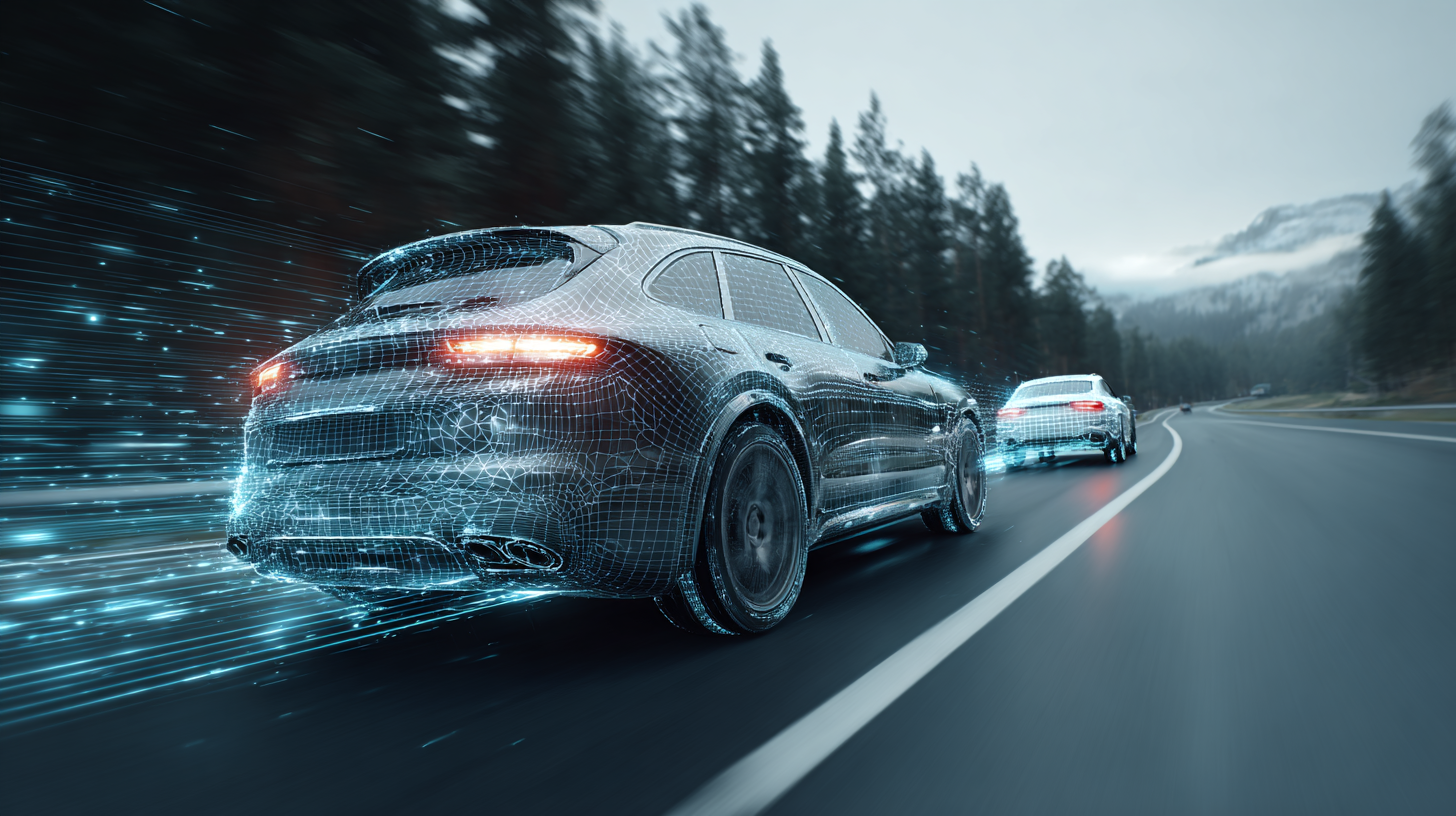
Tips: When considering the integration of millimeter wave radar in automotive systems, manufacturers should focus on the quality of the radar components and their integration with other sensors like LiDAR and cameras. Ensuring interoperability can maximize the effectiveness of autonomous features and enhance overall vehicle performance.
Moreover, millimeter wave radar contributes to advanced driver-assistance systems (ADAS), which serve as a stepping stone to full autonomy. Features like adaptive cruise control, lane-keeping assist, and collision avoidance heavily rely on the precision provided by radar technology. These systems help in reducing driver workload while significantly increasing safety on the roads, fostering a smoother transition towards fully autonomous vehicles.
Tips: Regular testing and updates of radar systems are crucial. Keeping software up to date ensures that vehicles continuously improve their operational safety and efficiency in real-world driving scenarios.
Future Trends: Millimeter Wave Radar and the Smart Vehicle Revolution
The advent of millimeter wave radar technology is ushering in a new era for smart vehicles, profoundly impacting automotive safety and driving experiences. As vehicles become increasingly autonomous, the precision of millimeter wave radar systems enhances their ability to detect and respond to surrounding environments in real-time. This technology operates at high frequencies, allowing for more accurate distance measurements and object classification, which is critical in preventing accidents and improving response times in dynamic driving conditions.
Future trends indicate that the integration of millimeter wave radar with other sensor technologies, such as cameras and LIDAR, will provide a comprehensive safety net for drivers. This multi-sensor approach not only enhances the detection capabilities in various weather conditions but also contributes to the development of advanced driver assistance systems (ADAS) that ensure a safer driving experience. As manufacturers increasingly prioritize the incorporation of these technologies, consumers can expect smart vehicles that offer unprecedented levels of safety, efficiency, and comfort, thereby driving the evolution of the automotive industry towards smarter and more reliable transportation solutions.
Challenges and Solutions for Implementing Millimeter Wave Radar in Cars
The emergence of millimeter wave radar technology is revolutionizing automotive safety by enhancing vehicle perception capabilities. However, the implementation of this advanced radar system is not without challenges. According to a report from MarketsandMarkets, the automotive radar market is projected to grow from $4.5 billion in 2020 to $10.2 billion by 2025, indicating a significant shift towards radar-based safety systems. Despite this growth, manufacturers face obstacles such as high costs, integration complexities, and existing infrastructure limitations.
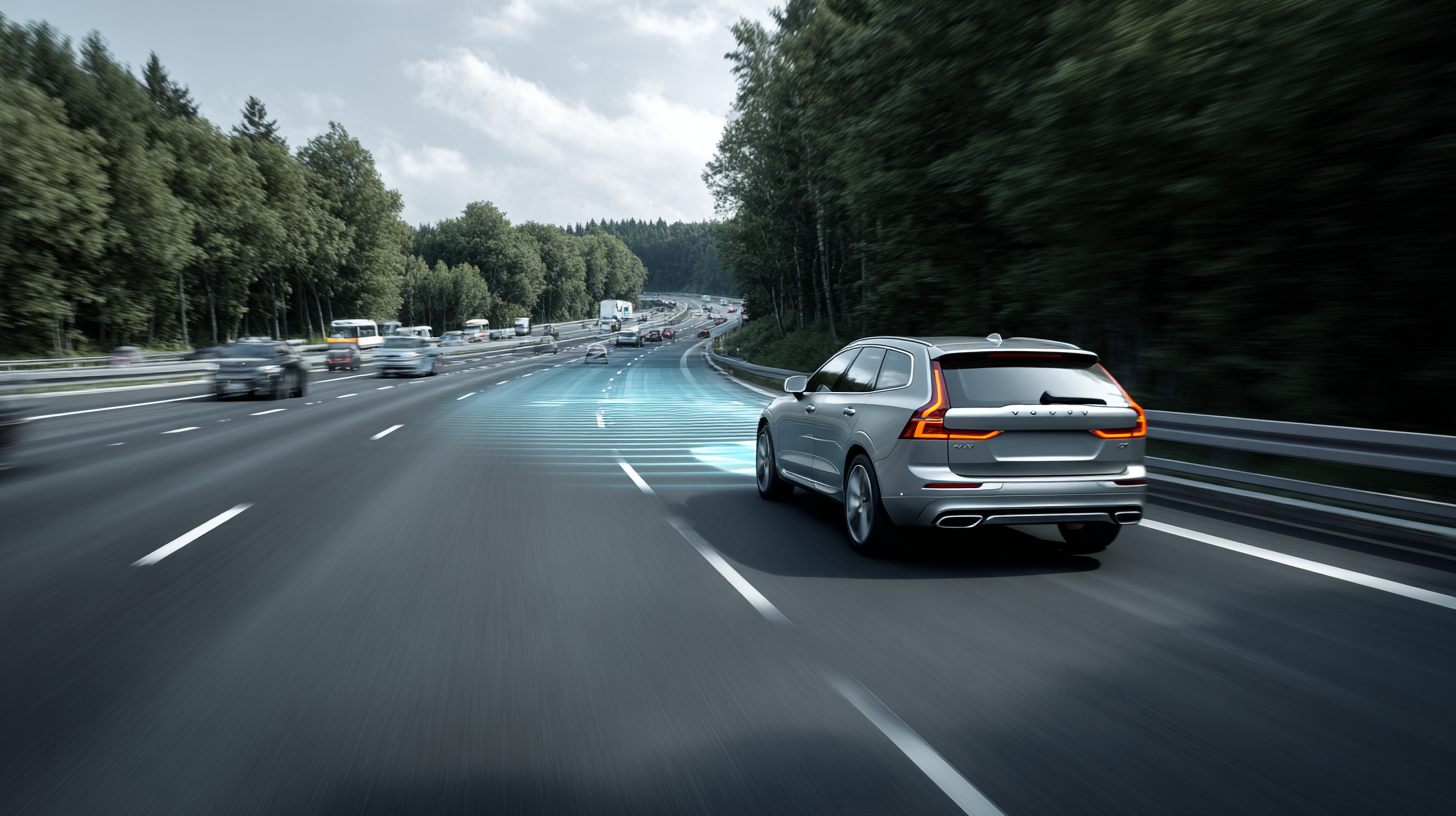
To successfully integrate millimeter wave radar into vehicles, automotive companies must address these challenges head-on. One solution is investing in R&D to reduce the production costs associated with these sophisticated systems. Additionally, partnerships between OEMs and tech companies can lead to better integration of radar technology into existing vehicle platforms. It is crucial for manufacturers to conduct thorough testing and validation to ensure radar systems can function efficiently in diverse environmental conditions.
Tip: When considering vehicles equipped with millimeter wave radar, check for features such as adaptive cruise control and collision avoidance, as these systems greatly enhance driving safety. Furthermore, staying updated on legal regulations surrounding radar usage can provide insights into future advancements and trends in automotive safety technology.
FAQS
: Millimeter wave radar operates at frequencies between 30 GHz and 300 GHz, providing higher accuracy and resolution in detecting objects. This enhances driver assistance systems by offering real-time feedback on the surrounding environment, crucial for features like collision avoidance, adaptive cruise control, and blind-spot monitoring.
Millimeter wave radar can penetrate rain, fog, and other obstructions, ensuring that safety measures remain effective in adverse weather. This capability reduces the likelihood of accidents when traditional sensors struggle.
Millimeter wave radar enhances autonomous driving by generating high-resolution images of the surrounding environment, allowing for accurate detection of vehicles, pedestrians, and obstacles, even in challenging weather. This reliability aids the decision-making processes of autonomous vehicles.
Features such as adaptive cruise control, lane-keeping assist, and collision avoidance heavily rely on the precision of millimeter wave radar technology, which helps reduce driver workload and increase safety.
Manufacturers should prioritize the quality of radar components and their integration with other sensors like LiDAR and cameras, ensuring interoperability to maximize the effectiveness of autonomous features.
Regular testing and updates of radar systems are crucial to ensure that vehicles continuously improve their operational safety and efficiency in real-world driving scenarios.
Future trends indicate an increasing integration of millimeter wave radar with other sensor technologies, enhancing detection capabilities and contributing to the development of advanced driver assistance systems (ADAS) for safer driving experiences.
The integration of millimeter wave radar technology is driving the automotive industry towards smarter and more reliable transportation solutions, offering unprecedented levels of safety, efficiency, and comfort in vehicles.
By offering more accurate distance measurements and object classification, millimeter wave radar improves response times, helping vehicles react swiftly to dynamic driving situations and preventing accidents.
A multi-sensor approach, which includes millimeter wave radar along with cameras and LIDAR, enhances detection capabilities in various weather conditions and contributes to the overall safety and efficiency of the driving experience.
Conclusion
Millimeter Wave Radar technology is revolutionizing automotive safety and enhancing driving experiences by providing advanced sensing capabilities in vehicles. As the technology has evolved, it has become integral to various automotive systems, offering key features such as high-resolution imaging and superior object detection. These enhancements significantly improve vehicle safety, enabling more effective driver assistance systems and paving the way for autonomous driving capabilities.
Looking ahead, the integration of Millimeter Wave Radar will play a crucial role in the smart vehicle revolution, addressing both current challenges and future demands. As a national high-tech innovative enterprise, Shenzhen Rich Full Joy Electronics Co., Ltd. is committed to advancing this transformative technology, contributing to safer and smarter roadways.