Leave Your Message
-
E-mail
-
Whatsapp
-
Message
Lately, there’s been a huge jump in how much folks are looking for innovative electronic solutions. This has really pushed the market for Semi Flexible PCBs to new heights. I read in a report from Research and Markets that the global market for flexible printed circuit boards might hit around USD 25.42 billion by 2025 — pretty crazy, right? That’s mainly thanks to tech rushing forward and more compact gadgets becoming super common. One company that’s really making waves in this space is Shenzhen Rich Full Joy Electronics Co., Ltd. They’re a high-tech enterprise that’s all about crafting top-notch Semi Flexible PCBs. With so much know-how and a real passion for quality, they’re helping shape the future of electronics. These PCBs bring all kinds of benefits—lighter weight, more flexibility, and better performance in circuits. As we look into why Semi Flexible PCBs are such a game-changer, it’s clear they’re not just a part of modern gadgets but also a stepping stone for upcoming, innovative projects.
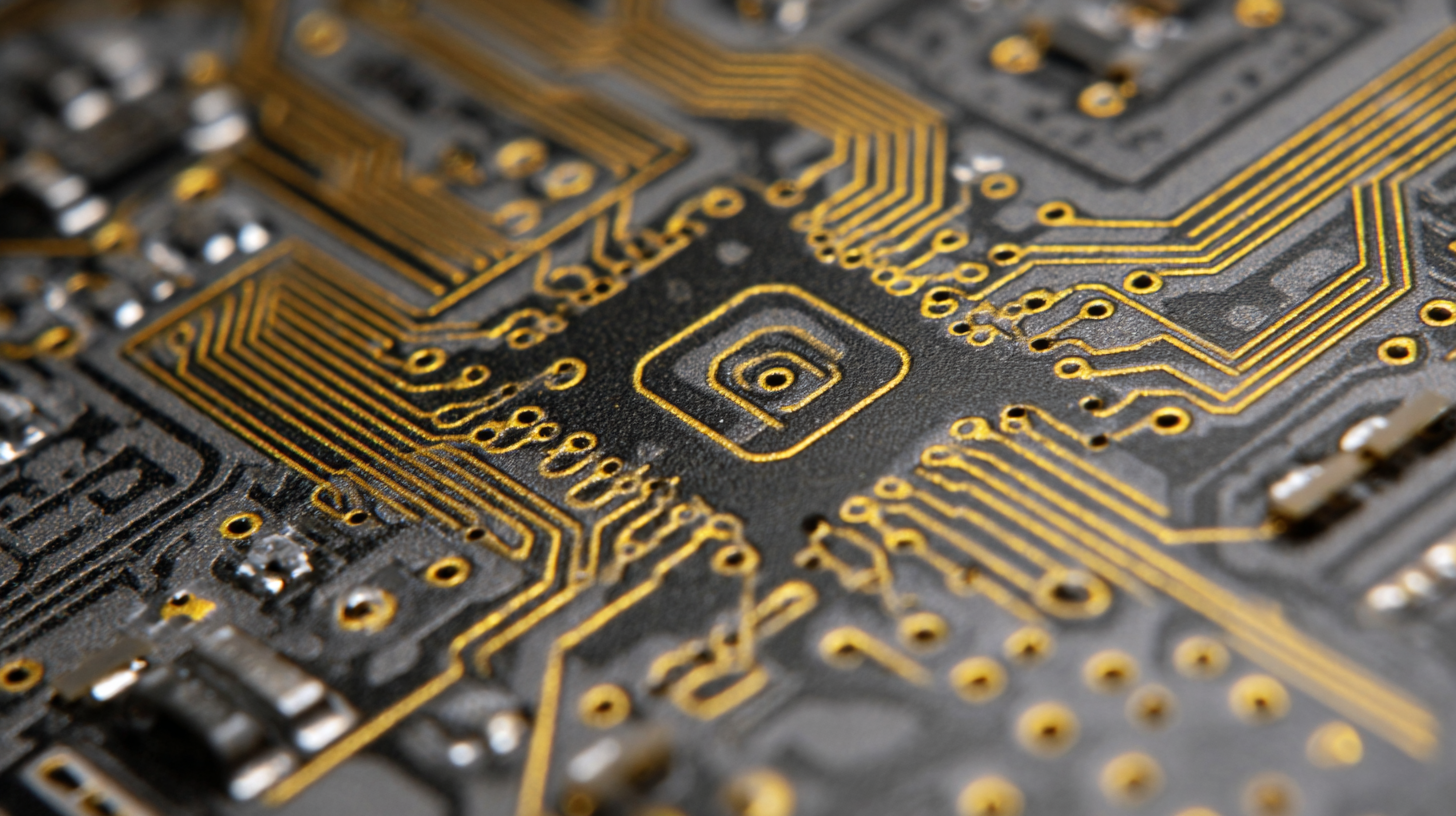
Semi-flexible printed circuit boards, or PCBs for short, are really gaining traction in today’s tech world. Why? Well, they offer this cool combo of flexibility and rigidity that you just don’t get with the standard rigid boards. Unlike the traditional ones that are pretty much inflexible, semi-flexible PCBs can actually bend and flex a bit — making them perfect for tight spaces or devices that move around a lot. If you’ve seen reports lately, like one from MarketsandMarkets, they’re saying the flexible PCB market could hit around $40 billion by 2025. That’s mainly because of the new wave of portable gadgets and cars packed with tech. It just shows how crucial semi-flexible PCBs are becoming in tackling today’s design challenges.
One of the best things about these PCBs is how well they handle complex circuit layouts while still being durable. They often have a kind of hybrid structure—sort of a mix between stiff and flexible—that makes them pretty versatile. And if you look at recent research, like from Research and Markets, the rise of IoT devices—those small, lightweight gadgets we’re all obsessed with—means a bigger demand for semi-flexible PCBs. Plus, they’ve got solid thermal and electrical performance, which makes them a great fit for high-frequency stuff. As electronics keep evolving, these semi-flexible boards are definitely set to play a major role in pushing tech forward across all sorts of sectors.
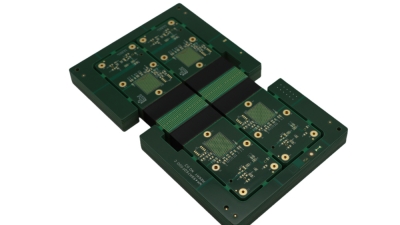
Exploring HDI Rigid-Flex PCBs: The Future of Advanced Soft-Hard Combination Technology for High-Density Applications
As the demand for miniaturization and high-performance electronics surges, the evolution of HDI (High-Density Interconnect) rigid-flex PCBs has emerged as a game-changer in various high-density applications. The integration of 2nd-generation HDI technology with rigid-flex PCB design enhances signal integrity while maintaining an optimal balance between flexibility and robustness. According to a report by MarketsandMarkets, the rigid-flex PCB market is projected to grow at a CAGR of 14.7% from 2022 to 2027, underscoring the increasing adoption of such advanced technologies across several industries.
The 10-layer 2nd-Generation HDI Rigid-Flex PCB stands out as a leading solution in environments where reliability is paramount. Features such as impedance control and resin insertion ensure that these PCBs can withstand the rigors of demanding applications, including 5G communications, automotive systems, aerospace technology, and medical devices like CT scanners. The unique design of this PCB allows for more compact assembly while minimizing signal loss, making it ideal for next-generation products that require high performance in limited spaces. Insights from industry experts emphasize that the adoption of rigid-flex technologies can enhance product longevity and performance, further driving innovation in sectors where failure is not an option.
In the realm of critical applications, the reliance on cutting-edge rigid-flex technology is more prominent than ever. With the growth of sectors such as IoT, automotive, and telemedicine, the demand for solutions like our advanced HDI rigid-flex PCBs is expected to escalate. As a leader in manufacturing rigid-flex PCBs for CT scanners and other sophisticated devices, we are committed to delivering unparalleled technology that meets the rising expectations of today's high-density applications. This convergence of reliability, performance, and innovative design positions HDI rigid-flex PCBs at the forefront of future electronic advancements.
: The demand is experiencing notable growth due to advancements in technology and the rise of compact and lightweight electronic devices, particularly in wearables, medical devices, and automotive applications.
They allow manufacturers to achieve seamless designs while maintaining functionality, ensuring durability and enhancing efficiency in the manufacturing process.
Advanced techniques like laser etching and precision printing can lead to better-quality boards, so it's essential to partner with manufacturers experienced in these technologies.
Certain applications, especially in healthcare and automotive industries, require compliance with stringent standards, and ensuring your supplier meets these regulations can mitigate risks.
Requesting samples of their previous work can provide insight into their quality and workmanship, helping you understand how well they meet specific design and performance criteria.
It's important to communicate your production schedule and budget constraints upfront to align expectations and prevent potential delays.
Consider manufacturers that offer flexible payment terms or can scale production based on project phases to effectively manage costs while ensuring quality and speed.
The manufacturer's experience in producing semi-flexible circuits is paramount as they will be familiar with the unique processes and requirements involved in production.
By integrating semi-flexible PCBs, manufacturers can streamline production processes and improve the overall durability and performance of electronic devices.
Choosing the appropriate materials and trustworthy suppliers significantly influences the overall success of the project, affecting both quality and compliance.
In our 'Ultimate Guide to Sourcing Semi-Flexible PCBs for Your Next Project,' we dive into what makes Semi Flexible PCBs so important in today’s electronics world. With demand climbing in 2023, it’s more crucial than ever to stay on top of market trends so you can make smart sourcing choices. We chat about how costs play a role—finding that sweet spot between quality and budget—and share some key tips for choosing a trustworthy PCB manufacturer.
Material choice really matters when it comes to how well Semi Flexible PCBs perform and how long they last. Plus, sticking to strict quality standards, including testing and certifications, helps ensure you're getting reliable products. With the right expertise and a passion for innovation, Shenzhen Rich Full Joy Electronics Co., Ltd. stands out as a trusted partner for sourcing top-notch Semi Flexible PCBs—perfect for meeting the demands of modern electronic projects.