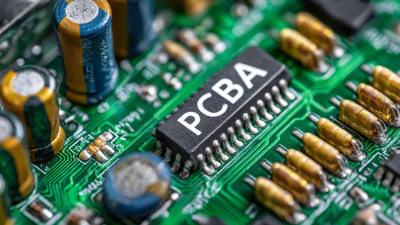
You know, in the fast-paced world of electronics manufacturing, getting top-notch results in Industrial Control PCBA production is super important for companies that want to stay ahead of the game. A recent report from ResearchAndMarkets suggests that the global market for industrial control PCBA is really about to take off, thanks to all the advances in automation and growing demand for smarter manufacturing solutions. At Shenzhen Rich Full Joy Electronics Co., Ltd., we're all about innovation. With our deep know-how and laser focus, we're tackling the complexities and challenges that come with this industry. Our commitment to innovation not only boosts the quality of our products but also helps us shine as a key player in the enterprise incubation scene in China. We’re totally ready to take on the issues that come with Industrial Control PCBA production!
Emerging Technologies Shaping Industrial Control PCBA in 2025
Hey there! As we get closer to 2025, there’s a lot happening with emerging technologies that are really going to shake up the world of industrial control PCBA (that’s printed circuit board assembly, for those who might not be familiar!). According to a market report from MarketsandMarkets, the industrial automation scene is expected to hit a whopping $214 billion by 2025. A big part of that growth is coming from the cool advances in smart manufacturing and the Internet of Things (IoT). These innovations are doing wonders by allowing real-time data collection and analytics, which, in turn, boosts our efficiency and precision in PCBA production.
Now, one of the big players in all this is artificial intelligence, or AI for short. It’s really stepping up by smoothing out design and manufacturing workflows. With AI-driven predictive analytics, manufacturers can actually see potential equipment failures coming and tweak maintenance schedules accordingly—a report from Deloitte backs this up.
Plus, robotics are becoming a game-changer on PCBA assembly lines too! They’re helping cut down on errors and pumping up production output. The global robotics market is projected to shoot up at a crazy rate of 26.7% every year from 2020 to 2025. So, companies that jump on this bandwagon are likely to pull ahead of the competition! As we stride into an even more connected and automated future, harnessing these cutting-edge technologies will be absolutely crucial for excelling in industrial control PCBA production.
Best Practices for Quality Assurance in PCBA Production
You know, in the fast-changing world of electronics manufacturing, getting top-notch results in PCB Assembly (PCBA) production really calls for a solid quality assurance setup. A recent report by IPC even suggests that the global PCB market could hit a whopping $84 billion by 2027! That really shows just how important it is to keep our production processes up to the highest standards. Here at Shenzhen Rich Full Joy Electronics Co., Ltd., we see ourselves as trailblazers in the industry, and we make sure to stick to best practices that boost both reliability and safety in our PCBA outputs.
To keep our quality assurance on point, we use some pretty intense testing methods, like Automated Optical Inspection (AOI) and X-ray inspection, which help catch any defects early on in the manufacturing process. These techs are super important since studies in the industry have shown that finding defects early can slash production costs by as much as 30%!
Here are a couple of tips for those interested:
1. Make sure to have continuous training programs for your staff so they’re always up to speed with the latest tech and standards.
2. It’s also a good idea to regularly check and maintain your machinery; this cuts down on downtime and helps keep your production quality consistent.
By embracing these strategies, companies can seriously boost their production quality and also keep that competitive edge in the super-fast electronics market.
Top Strategies for Achieving Excellence in Best Industrial Control PCBA Production - Best Practices for Quality Assurance in PCBA Production
| Strategy |
Description |
Implementation Challenges |
Expected Outcomes |
| Automation in Testing |
Integrating automated testing systems to enhance reliability and efficiency. |
High initial investment and need for skilled personnel. |
Reduced test time and increased fault detection rates. |
| Regular Training |
Continuous education and upskilling of employees to keep up with new technologies. |
Time away from production and varying levels of employee engagement. |
Improved employee competency and overall product quality. |
| Supplier Quality Management |
Establishing strict quality criteria for suppliers to ensure high-quality components. |
Dependence on supplier reliability and potential sourcing limitations. |
Enhanced material quality and reduced defects in the production process. |
| Data-Driven Decision Making |
Utilizing data analytics for monitoring production processes and quality controls. |
Need for data management systems and potential resistance from staff. |
Informed decision-making and enhanced operational efficiencies. |
| Lean Manufacturing Principles |
Implementing lean practices to minimize waste and maximize value. |
Cultural shift required and initial disruption during implementation. |
Lower operating costs and faster production cycles. |
Leveraging Automation to Improve Efficiency in PCBA Manufacturing
You know, in the world of PCBA manufacturing, jumping on the automation bandwagon has really become essential for boosting efficiency and upping the game in production processes. Automated systems cut down on the need for human handling, which means fewer mistakes and a lot more consistency in every production cycle. By bringing in some high-tech machinery and robotics, manufacturers can really fine-tune their workflows, making it super easy to adapt to changing production needs—all without skipping a beat.
**Tip 1:** Think about investing in automated inspection systems. These bad boys can spot quality issues in real time, giving operators instant feedback and helping to ensure only the best products hit the shelves. It’s all about catching those little discrepancies before they become bigger problems!
And hey, don’t forget about using automated software for sorting out your inventory and supply chain. It can really ramp up your operational efficiency. These tools shine a light on real-time data, helping you forecast demand, manage your resources effectively, and keep stock levels just right. That, in turn, can save you a good chunk of time and money.
**Tip 2:** You might also want to throw some machine learning algorithms into your automation mix. They’re great for sifting through production data and spotting trends, so you can nip potential issues in the bud. This way, you're always on top of your production flow, ready to make adjustments before anything goes sideways.
By zeroing in on automation, PCBA manufacturers aren’t just cranking up efficiency—they’re also putting themselves in a great position to react quickly to market shifts and customer demands. It really cultivates an atmosphere where striving for excellence just becomes second nature.
Top Strategies for Achieving Excellence in Best Industrial Control PCBA Production
Sustainable Practices in PCBA Production: Strategies for the Future
You know, in the fast-changing world of electronic manufacturing, it’s becoming super important to embrace sustainable practices, especially in PCBA (Printed Circuit Board Assembly) production. With companies feeling the heat to shrink their environmental impact, going green isn't just the right thing to do—it’s a must for staying competitive.
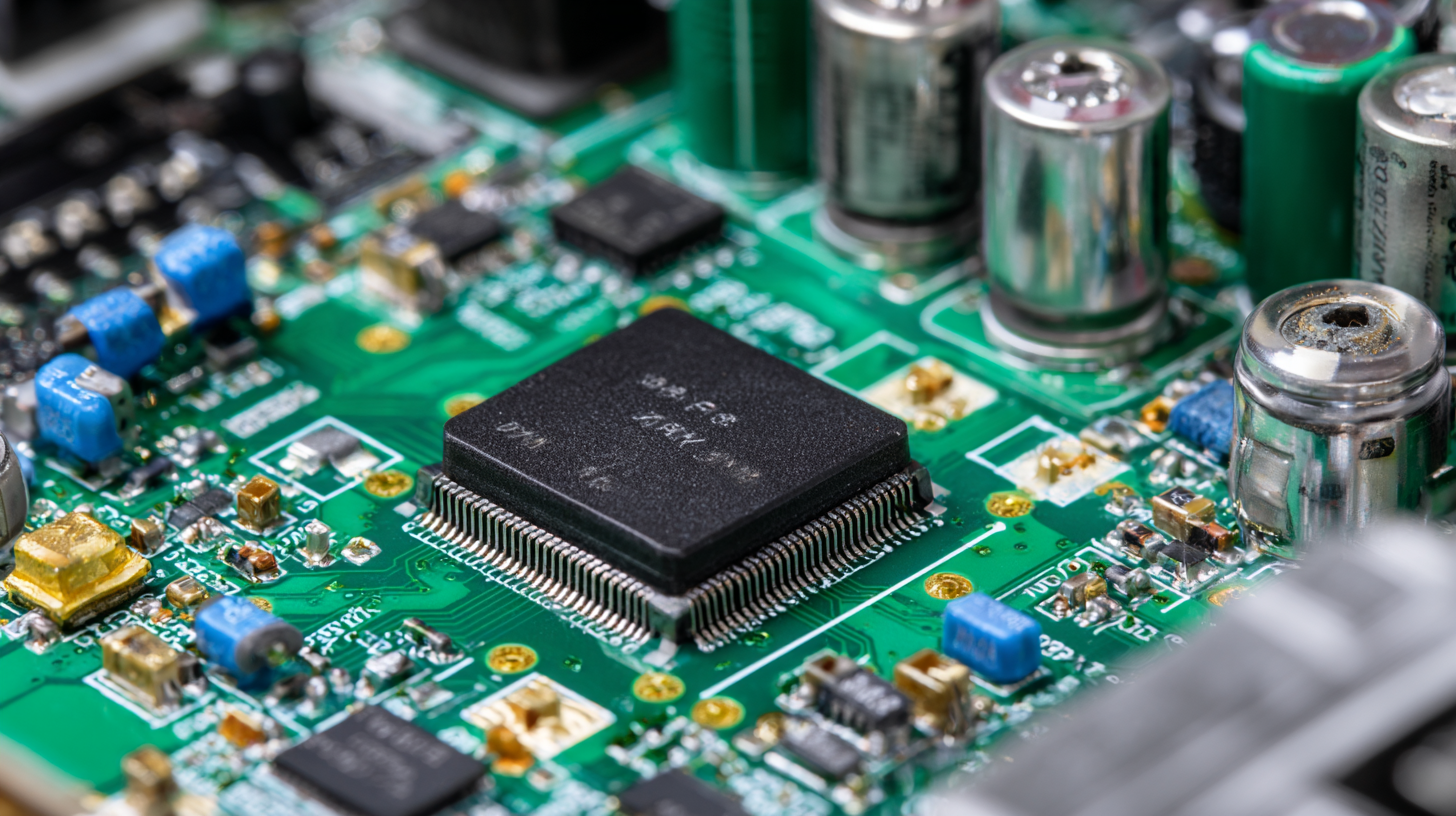 Take energy-efficient processes, for instance. By tweaking their manufacturing gear to use less energy, businesses can save a bundle while also lowering their carbon footprint at the same time. And let’s not forget about sourcing materials! Choosing suppliers who are on the same sustainability page means that the whole supply chain gets on board with those eco-friendly goals.
Then there’s the whole waste reduction angle. You know, using lean manufacturing techniques can really help cut down on scrap and save on materials. Companies can get creative with recycling and reusing components, building a sort of circular economy right in their own production lines. Plus, when manufacturers and designers team up, they can whip up products that are easier to take apart and recycle, which is just more good news for sustainability.
So, as more firms start embracing these green practices in their PCBA production, they’re not only doing their bit for the planet but also getting a leg up in a market that really values corporate responsibility.
The Role of Data Analytics in Enhancing PCB Assembly Processes
You know, the way data analytics has been woven into the PCB assembly process is really shaking things up in the world of industrial control PCBA production. It's not just about getting stuff done; it's about doing it better and faster. According to a report by IPC, they're predicting that the global PCB market could hit a whopping $75 billion by 2025, and a big chunk of that growth is thanks to companies embracing data-driven strategies. By tapping into real-time data, manufacturers can keep an eye on production metrics, foresee equipment failures, and tweak designs to make them easier to manufacture. This means less downtime and fewer defects, which in turn boosts profits and keeps customers happy—win-win, right?
But that's not all. Data analytics also helps create a solid feedback loop throughout the production cycle. For example, by using stuff like statistical process control (SPC) techniques, companies can dive into the variances in their assembly processes and take action before small issues blow up. A study from McKinsey even shows that manufacturers who utilize data for decisions can see their operational efficiency jump by as much as 20%! That’s huge! It not only makes workflows smoother but also sharpens the accuracy of production forecasting, which leads to better inventory management and shorter lead times in tough markets.