Leave Your Message
-
E-mail
-
Whatsapp
-
Message
From LiDAR signal processing boards to millimeter-wave radar PCBA, our assembly components are engineered to meet the rigorous demands of autonomous driving sensor systems.
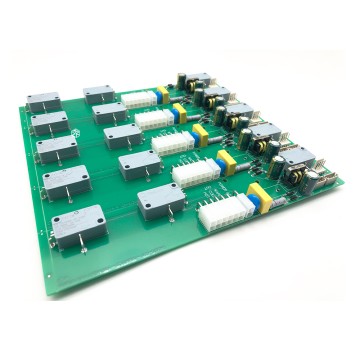
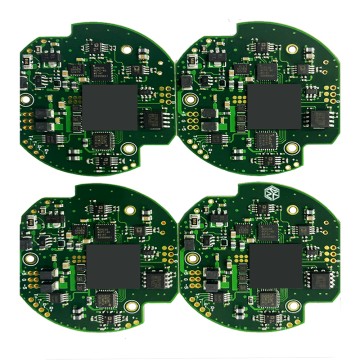
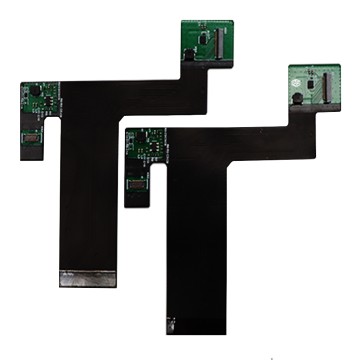
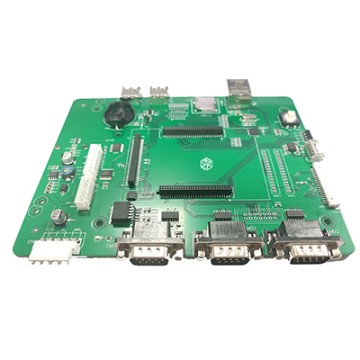
The global autonomous vehicle sensor market is experiencing explosive growth. As self-driving technology matures, the demand for high-reliability, high-precision assembly components has never been greater.
The autonomous driving revolution is reshaping the electronics manufacturing landscape. Understanding these key trends is essential for staying competitive in the sensor assembly supply chain.
Modern autonomous driving sensors demand increasingly compact assembly components. Advanced HDI PCB technology, micro-BGA packaging, and fine-pitch SMT assembly are now standard requirements, enabling sensor modules to shrink while delivering superior performance in LiDAR, radar, and camera systems.
Post-pandemic disruptions have accelerated the shift toward regionalized supply chains for critical sensor assembly components. Tier-1 automotive OEMs and autonomous driving startups alike are prioritizing suppliers with vertically integrated capabilities — from PCB design through final assembly and testing — to reduce lead times and ensure continuity.
Artificial intelligence and machine vision are transforming PCB assembly quality assurance for sensor components. Automated optical inspection (AOI), X-ray inspection, and AI-powered defect detection systems now achieve sub-micron accuracy, ensuring that every sensor assembly component meets the zero-defect standards required by automotive safety regulations.
Autonomous driving sensors are safety-critical components, subject to ISO 26262 functional safety standards. Assembly manufacturers must demonstrate full traceability, process control, and compliance with IATF 16949 automotive quality management systems. This raises the bar significantly for PCB assembly suppliers entering the autonomous driving supply chain.
Millimeter-wave radar sensors operating at 77GHz and above require specialized high-frequency PCB materials such as Rogers, PTFE, and hybrid laminates. Precise impedance control, via-in-pad design, and controlled-depth drilling are critical assembly skills that differentiate leading sensor component manufacturers from commodity suppliers.
Automotive OEMs globally are enforcing strict environmental compliance requirements throughout their supply chains. Assembly components for autonomous driving sensors must meet RoHS, REACH, and halogen-free standards. Manufacturers investing in lead-free processes, eco-friendly cleaning systems, and energy-efficient production are gaining competitive advantages.
Our precision PCBA manufacturing capabilities serve a diverse range of autonomous driving sensor applications, from consumer robotaxis to industrial autonomous mobile robots.
LiDAR systems are the cornerstone of autonomous perception, generating millions of data points per second. The PCBA at the heart of a LiDAR unit must handle ultra-high-speed signal processing with minimal latency. Our assembly components for LiDAR applications feature high-speed differential pair routing, controlled impedance traces, and thermal management solutions that maintain signal integrity even in harsh automotive environments ranging from -40°C to +125°C.
Automotive radar sensors operating at 77GHz provide reliable object detection in all weather conditions — rain, fog, and snow — where cameras and LiDAR may struggle. Assembling radar front-end modules requires Rogers 4350B or similar high-frequency substrates, precision antenna pattern etching, and flip-chip component placement with micron-level accuracy. Our millimeter-wave radar PCBA assembly capabilities support both short-range and long-range radar configurations used in ADAS and full autonomous driving systems.
Multi-camera surround-view systems require high-bandwidth image signal processors (ISPs) connected via MIPI CSI-2 or GMSL2 interfaces. The assembly components in these vision sensor boards must support data rates exceeding 6 Gbps per lane while maintaining EMI compliance. Our flexible PCB assembly solutions enable compact camera module integration with minimal connector interfaces, reducing potential failure points in safety-critical vision systems.
Precise localization in autonomous vehicles relies on tightly coupled IMU and GNSS sensor fusion. The PCBA for these systems demands exceptional vibration resistance, low-noise analog circuit design, and shielding against electromagnetic interference. Our high-precision inertial navigation system PCBA solutions support 9-axis IMU configurations with MEMS accelerometers and gyroscopes, providing centimeter-level positioning accuracy essential for autonomous driving in GPS-denied environments like tunnels and urban canyons.
The central sensor fusion electronic control unit (ECU) aggregates data from LiDAR, radar, cameras, and IMU systems to build a comprehensive 360° environmental model. This compute-intensive board requires advanced thermal management — including heat spreaders, vapor chambers, and precision thermal interface material application — alongside high-density BGA assembly for automotive-grade SoCs like NVIDIA DRIVE Orin or Qualcomm Snapdragon Ride. Our assembly capabilities support up to 20-layer PCBs with blind and buried vias for these complex sensor fusion platforms.
Beyond passenger vehicles, autonomous mobile robots in warehouses, logistics centers, and manufacturing facilities rely on the same sensor technologies. Our assembly components for industrial AMR sensor arrays are designed for continuous 24/7 operation, with conformal coating options for humidity and dust resistance. From obstacle detection ultrasonic sensor boards to 2D/3D LiDAR interface modules, we provide turnkey PCBA solutions that enable the next generation of industrial automation.
From initial design consultation to final delivery, our streamlined 5-step process ensures every assembly component meets the exacting standards of autonomous driving sensor applications.
Signal integrity analysis, impedance control planning, thermal simulation
High-frequency laminates, HDI, blind/buried vias, controlled impedance
Fine-pitch SMT, BGA rework, selective soldering, conformal coating
AOI, X-ray, ICT, functional testing, burn-in validation
Firmware flashing, anti-static packaging, global logistics support
Specialized in Rogers, PTFE, and hybrid laminate PCB assembly for 77GHz radar and mmWave sensor applications with tight impedance tolerance of ±5%.
0201 and 01005 component placement capability, flip-chip bonding, and wafer-level package assembly for miniaturized sensor modules.
IATF 16949 certified manufacturing with full PPAP documentation, FMEA analysis, and SPC process control for zero-defect sensor assembly delivery.
Advanced thermal interface material application, heat spreader integration, and thermal simulation support for high-power sensor ECU assemblies.
Full component-level traceability from raw material to finished assembly, with barcode/QR tracking systems compliant with automotive supply chain requirements.
From 5-piece engineering samples to 100,000+ unit production runs, our flexible manufacturing lines scale seamlessly to match your autonomous driving program milestones.
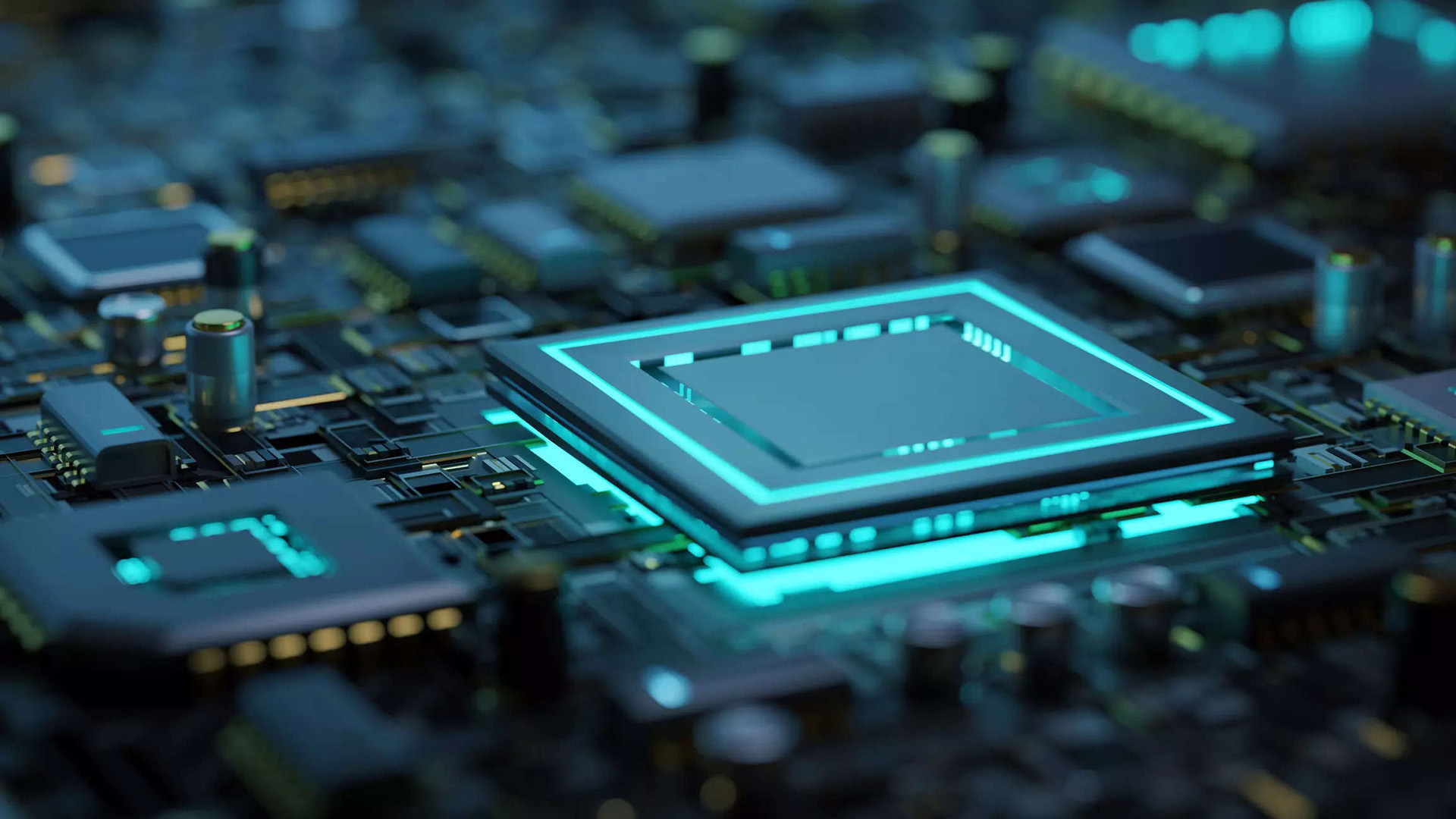
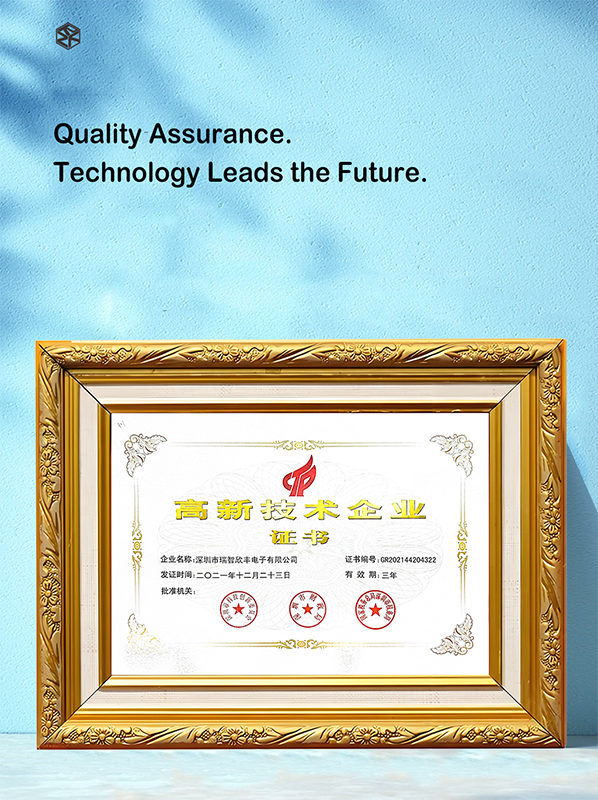
Based in China and looking at the global market, Shenzhen Rich Full Joy Electronics Co., Ltd. has been committed to industry development for 20 years. The company is a national high-tech innovative enterprise that combines focus and expertise. It's also an important enterprise incubation base in China. We specialize in providing customers with one-stop intelligent electronic manufacturing services, including scientific research, PCB design, PCB manufacturing, PCB assembly (including SMT, DIP, Programming and testing) and component selection.
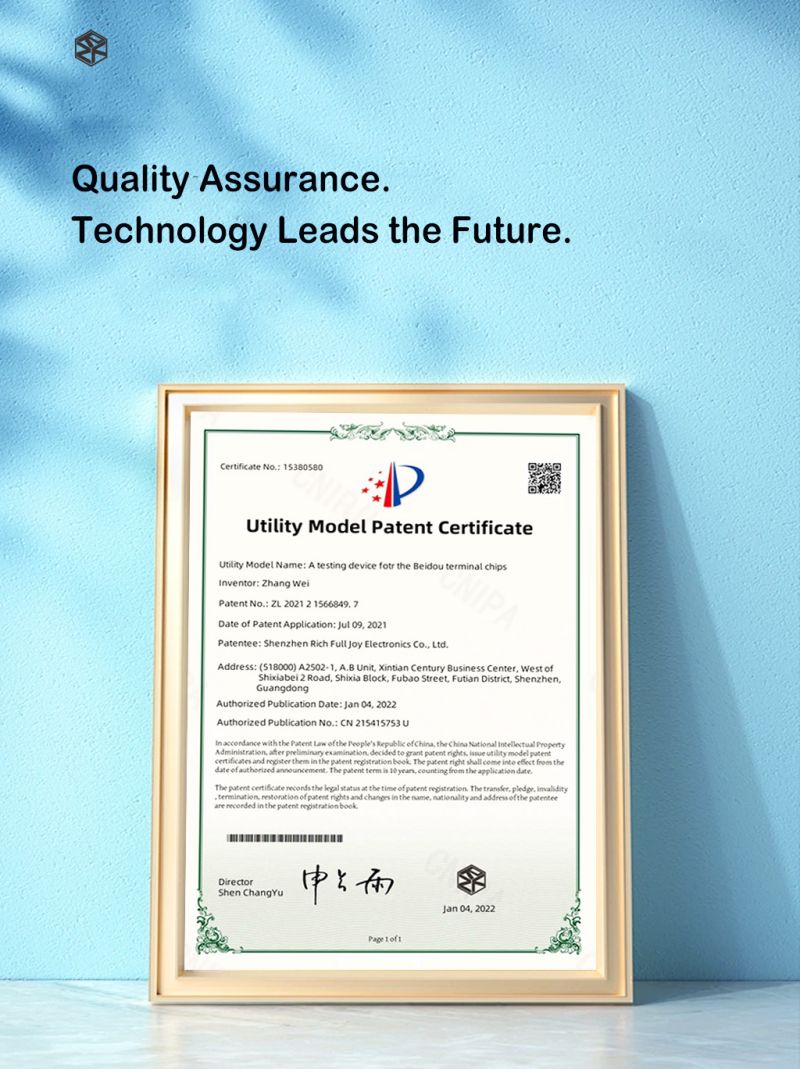
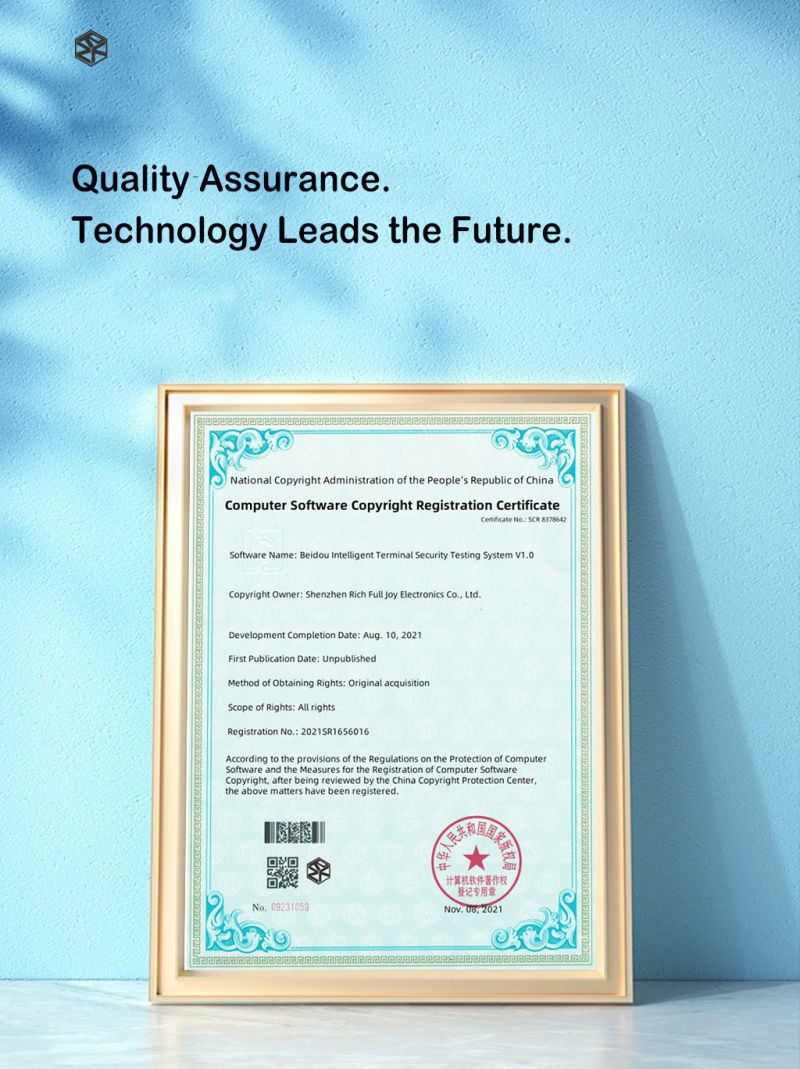
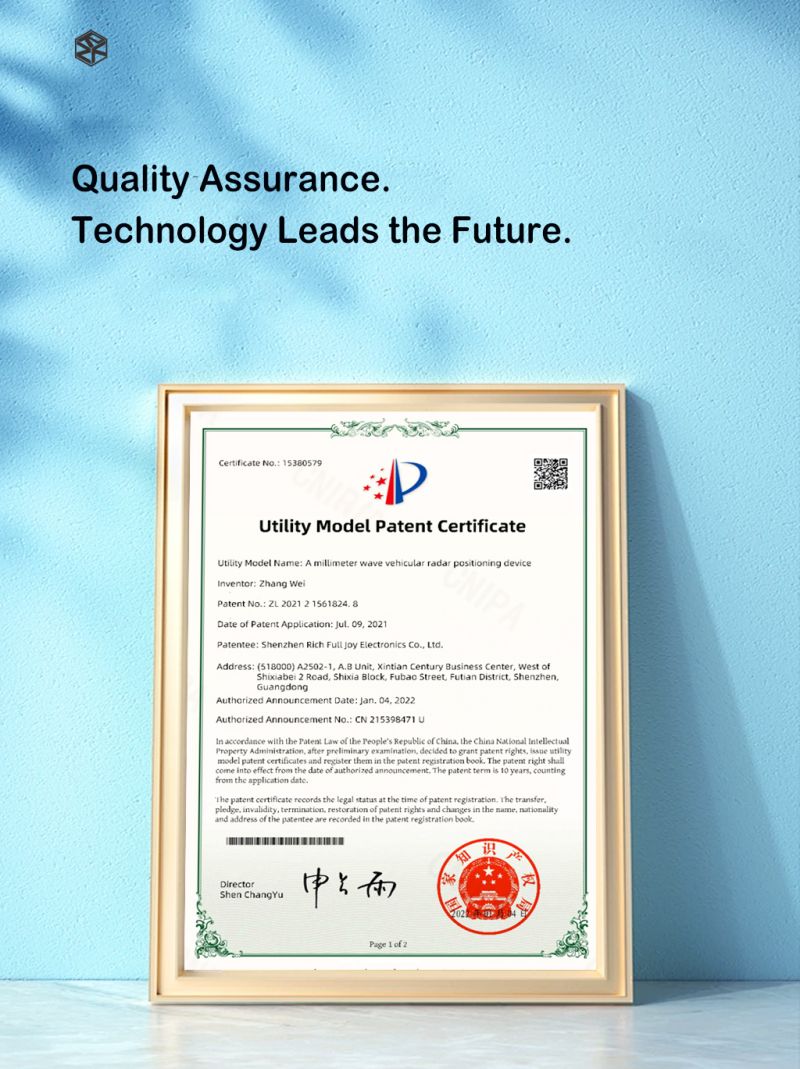
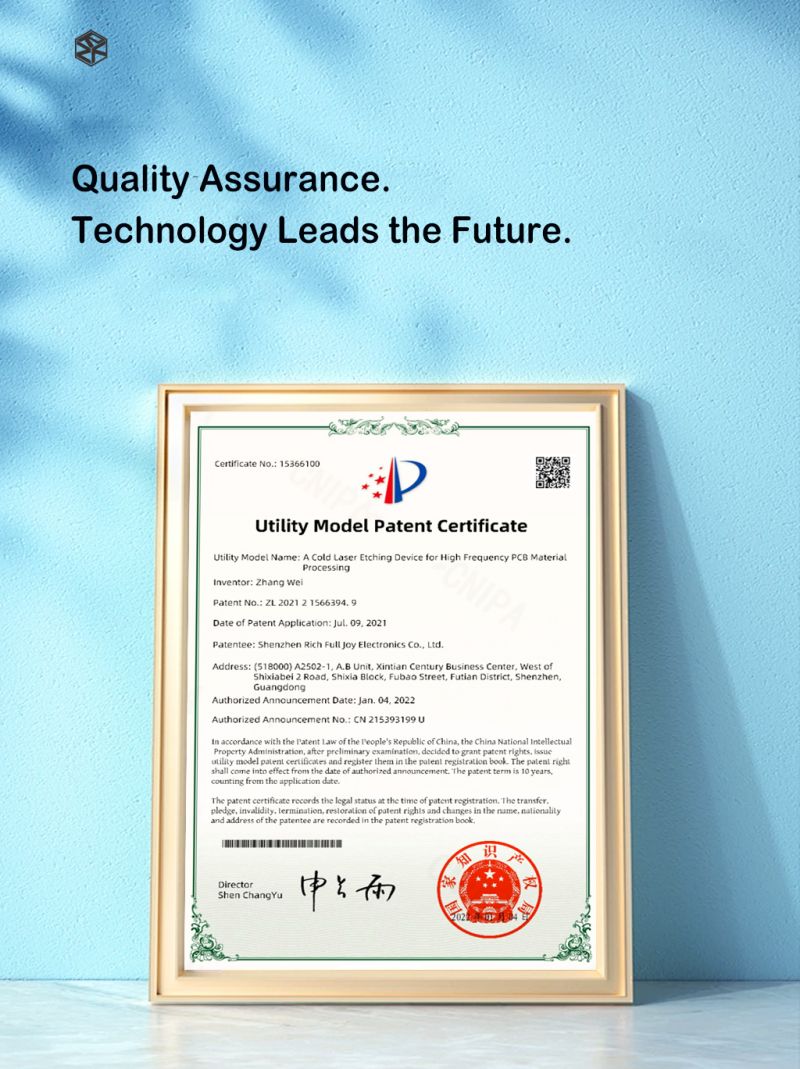
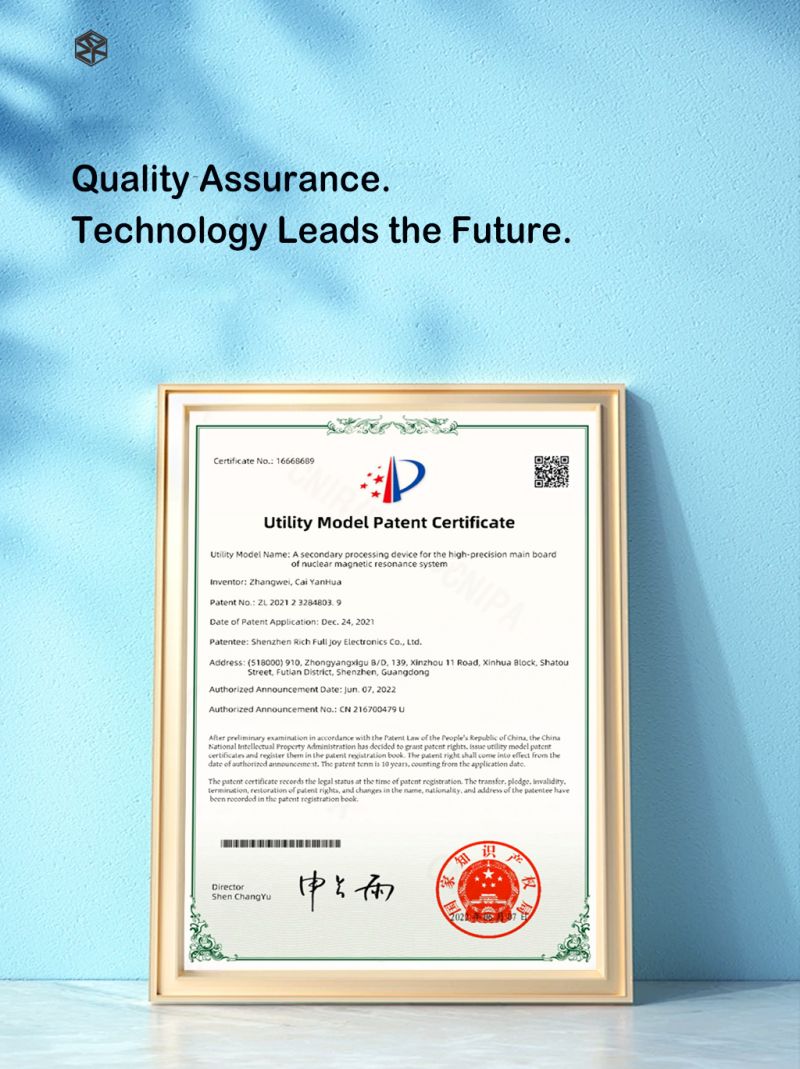
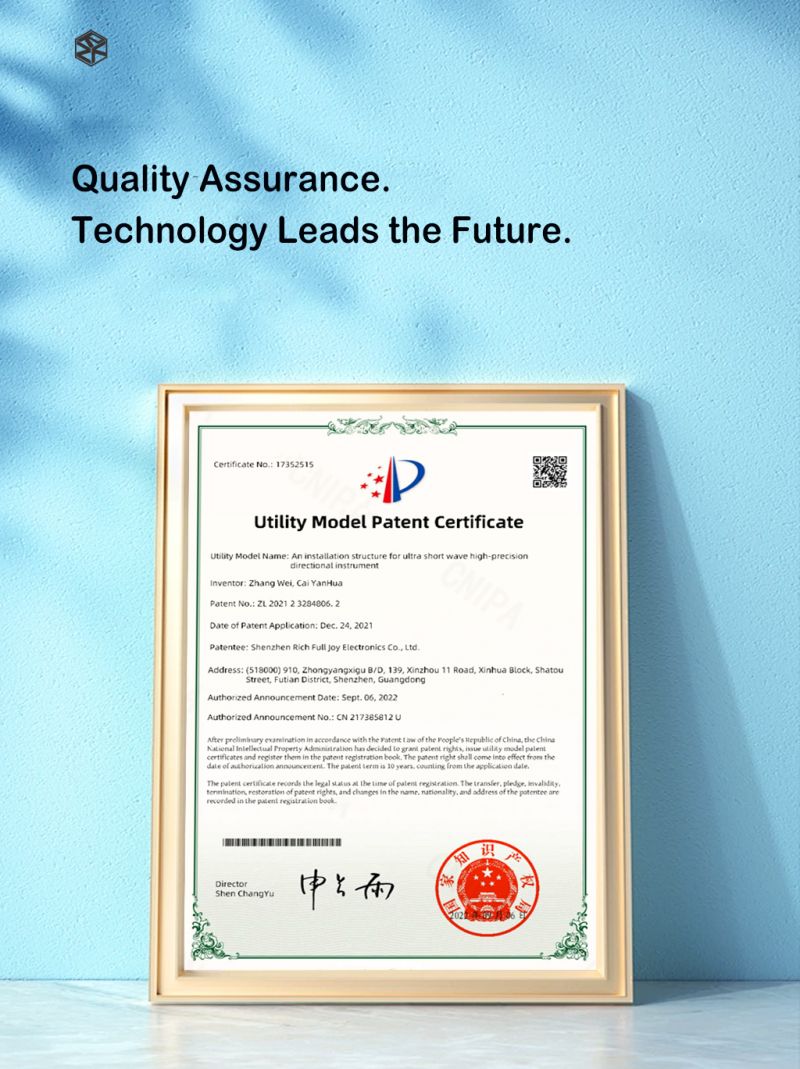
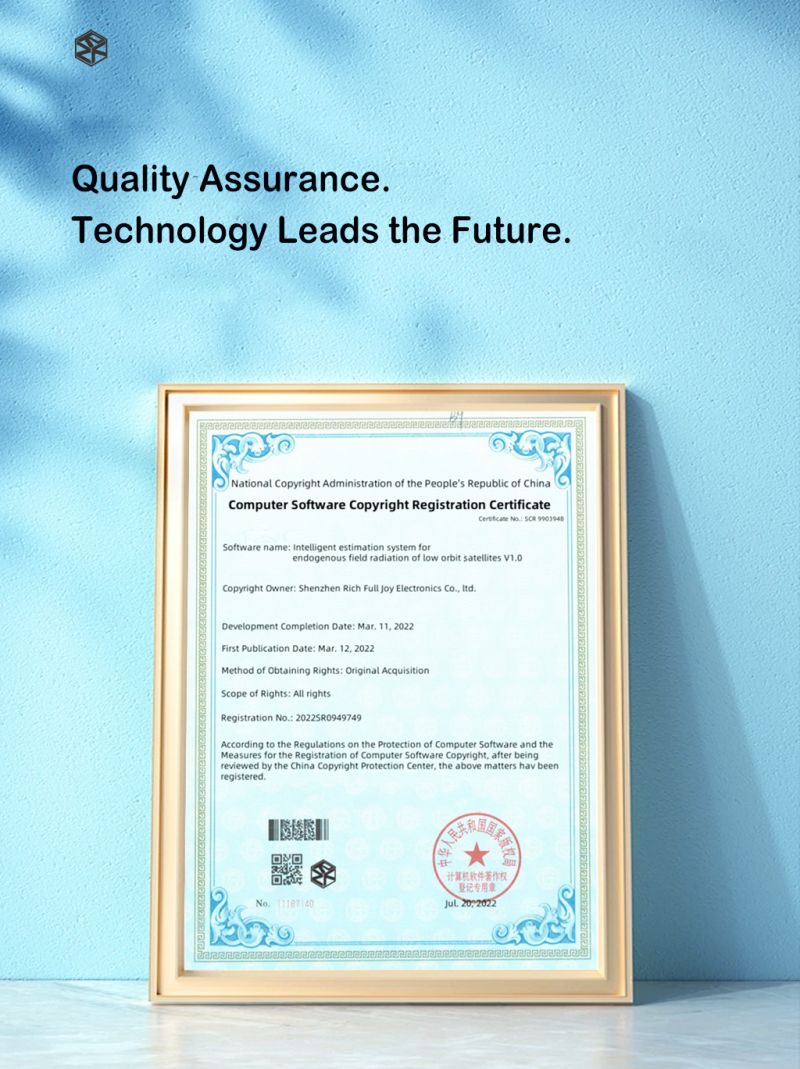
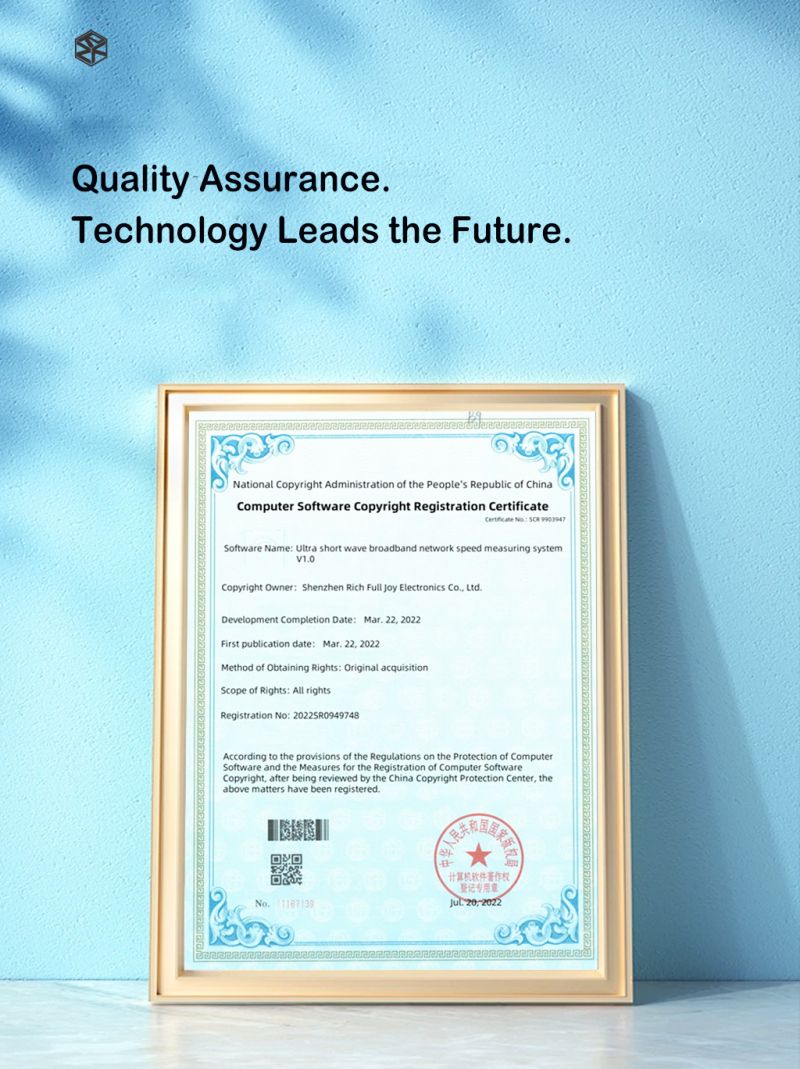
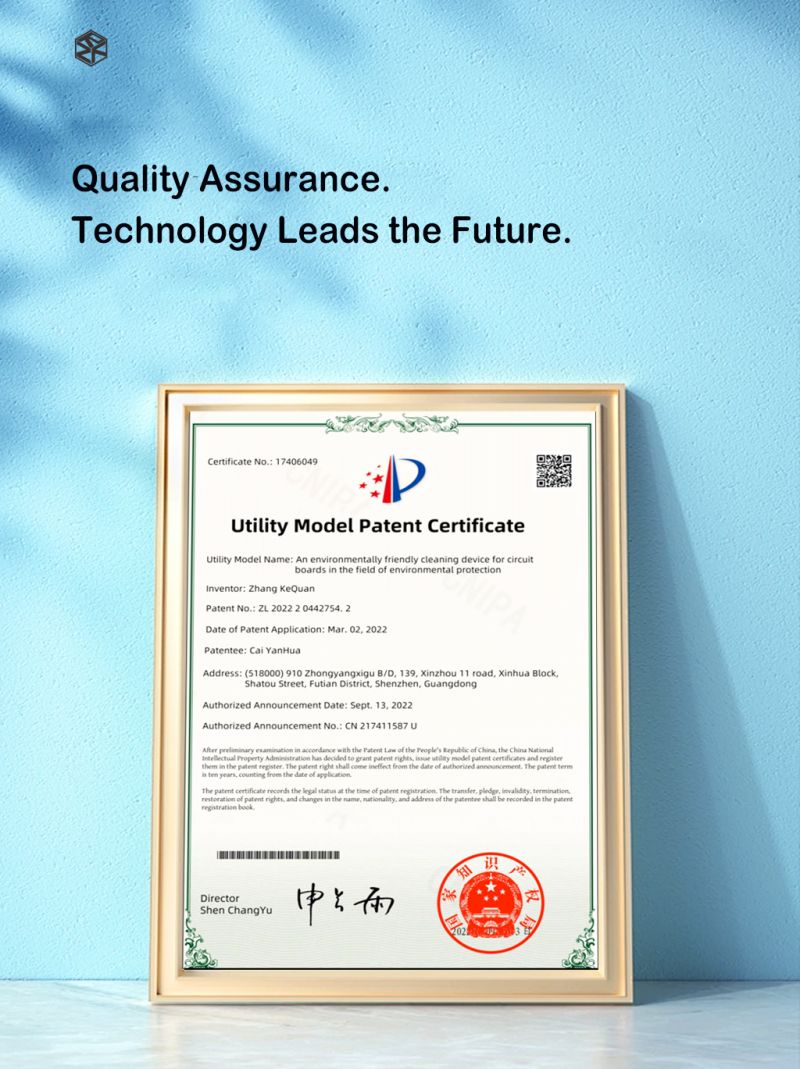
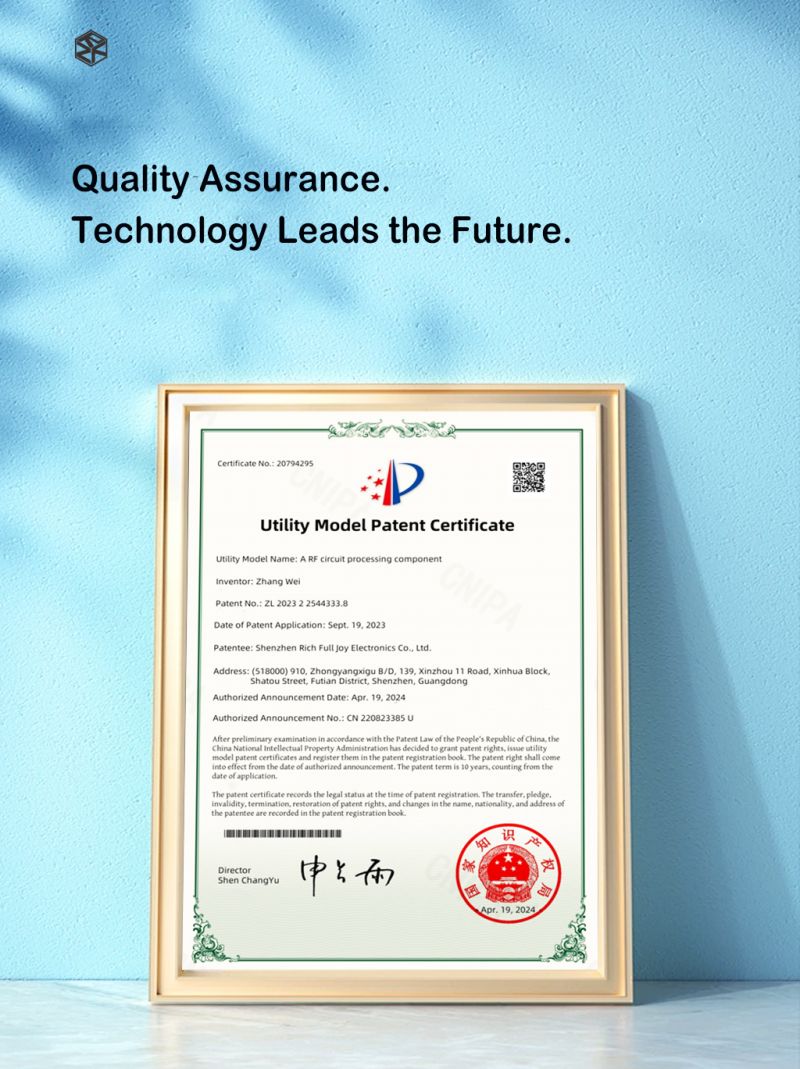
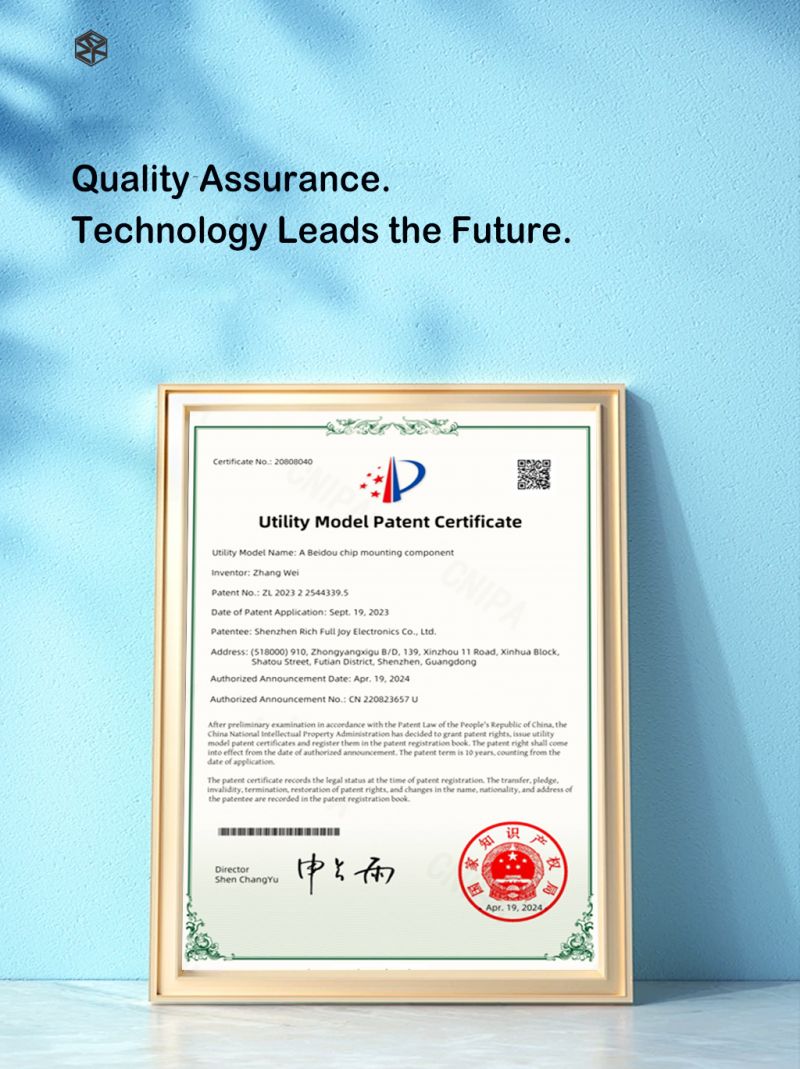
Technological innovation is the core competitiveness of enterprises. We've obtained multiple invention and utility model patents, and has passed various international standard certifications such as ISO9001, IATF16949, ISO14001, UL, CQC, REACH, RoHS, COC, as well as the GJB9001C-2017 standard certification for weapon and equipment quality management system. We've provided high-quality and reliable products to multiple research institutions, universities, and assisted customers in identifying design issues and providing reasonable suggestions and processing parameters.
We not only publish technical papers, but also actively participate in domestic and overseas technology exchange conferences to spread academic value and cutting-edge technological innovation. We regularly communicate with customers and strive to provide them with the best solutions.
Our commitment to R&D has resulted in numerous patents directly relevant to autonomous driving sensor assembly technologies, from millimeter-wave radar positioning devices to satellite navigation anti-interference components.
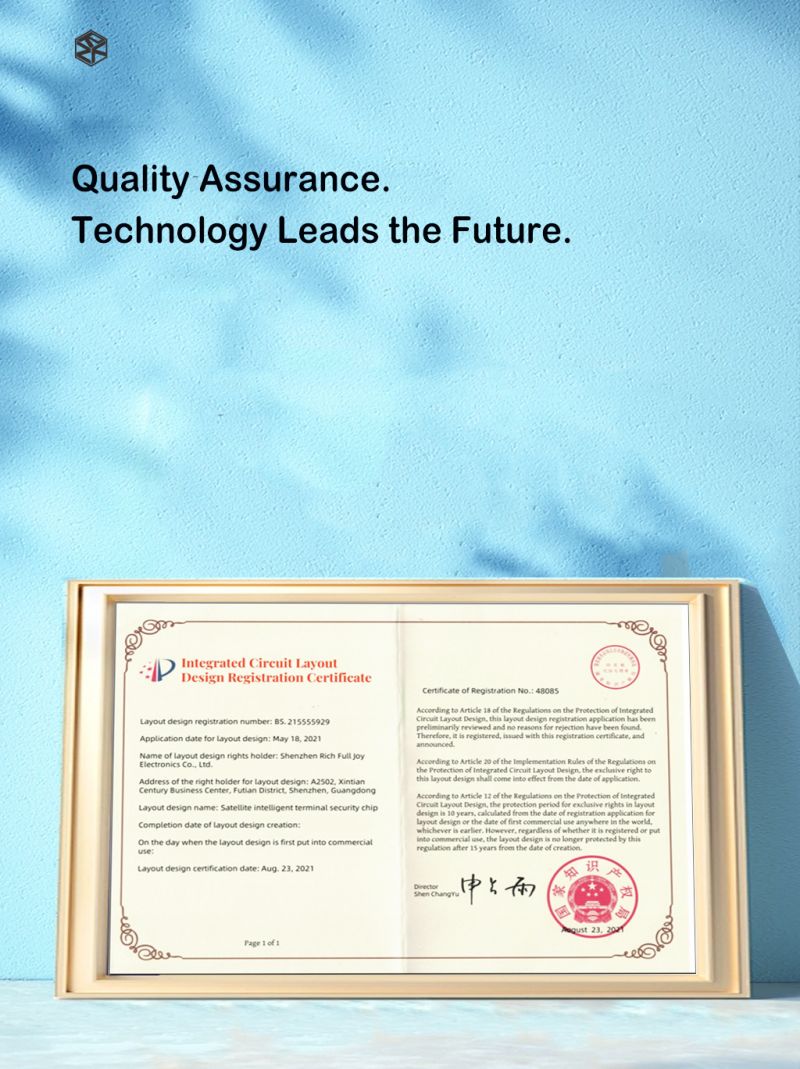

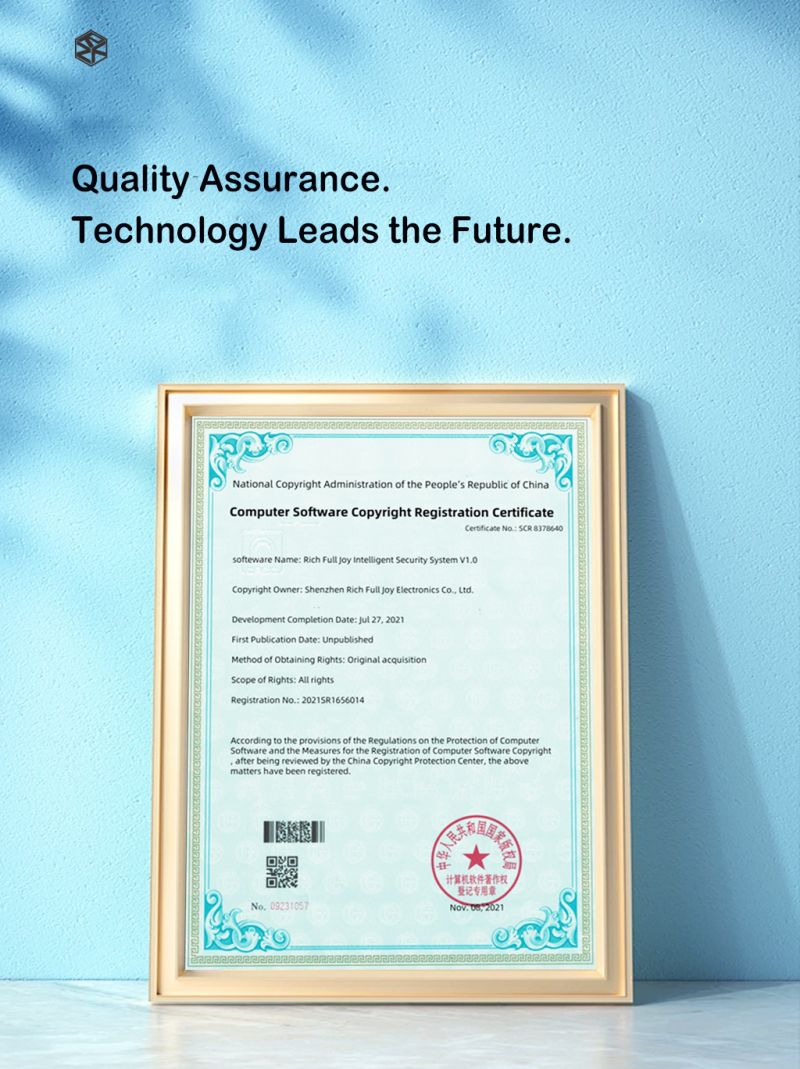
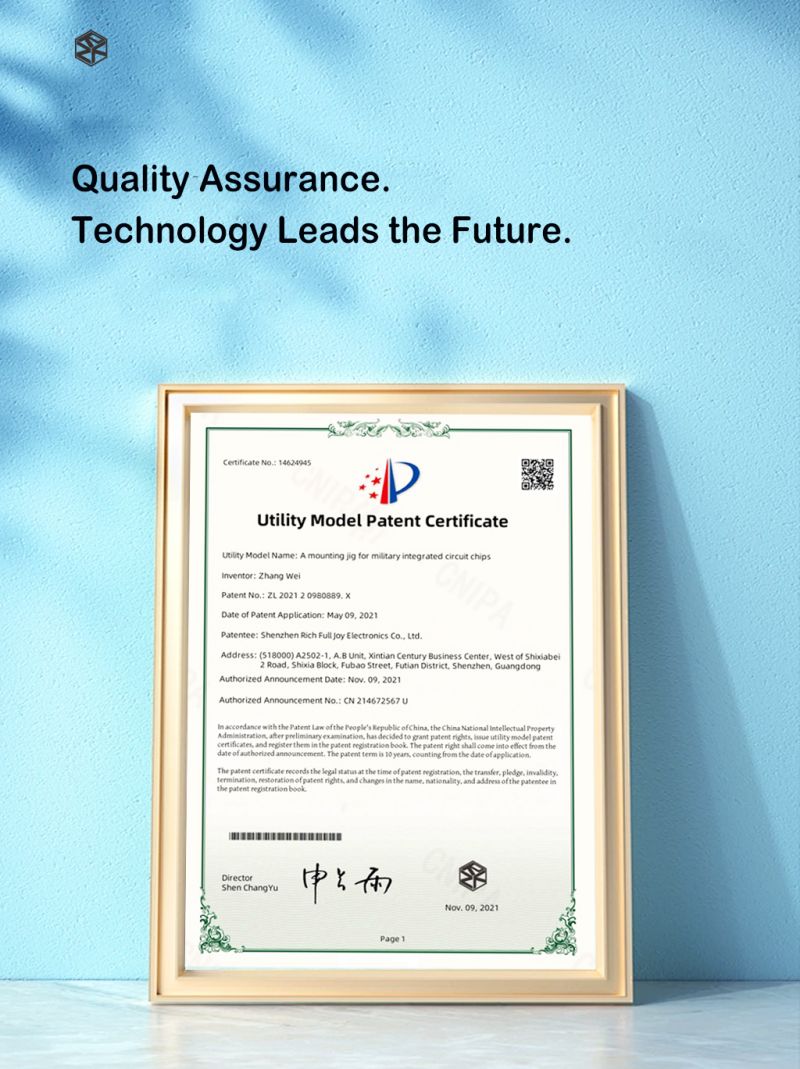
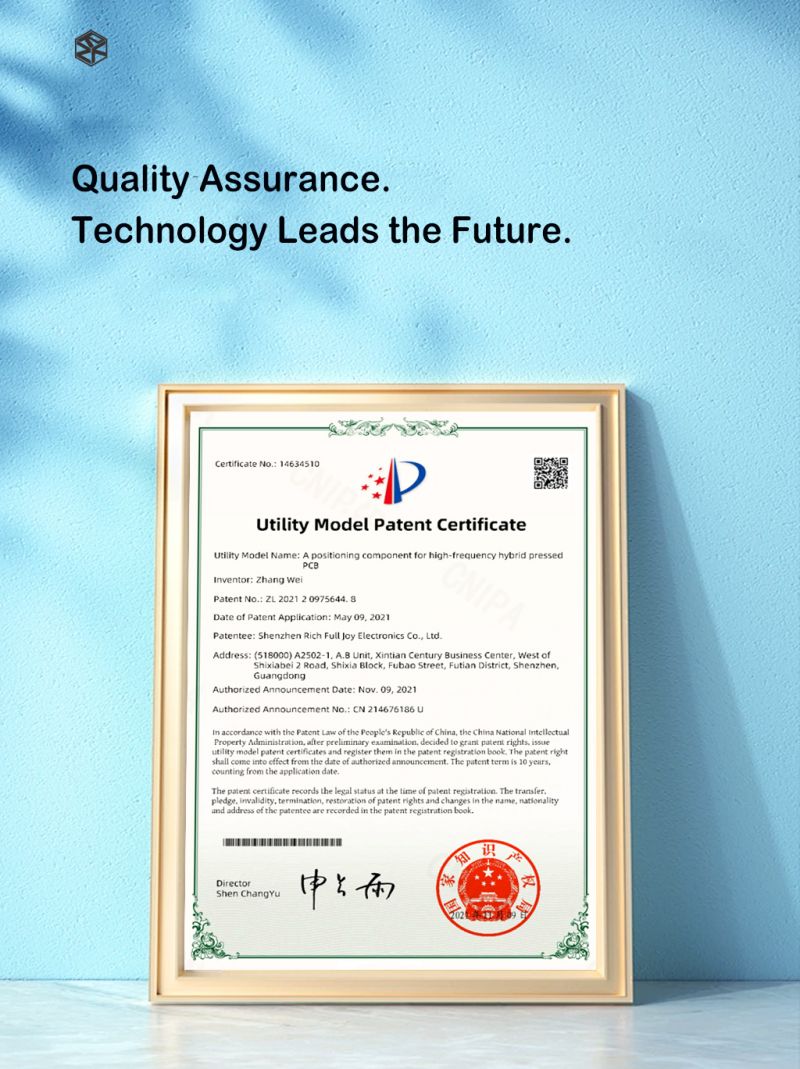
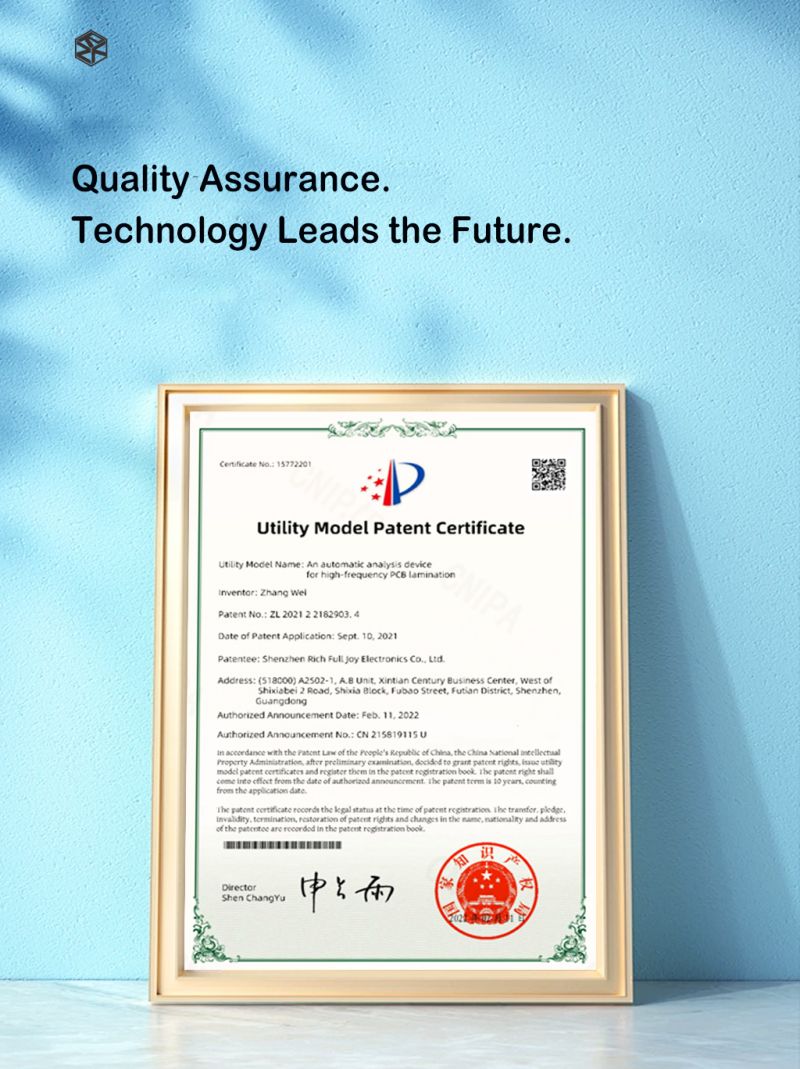
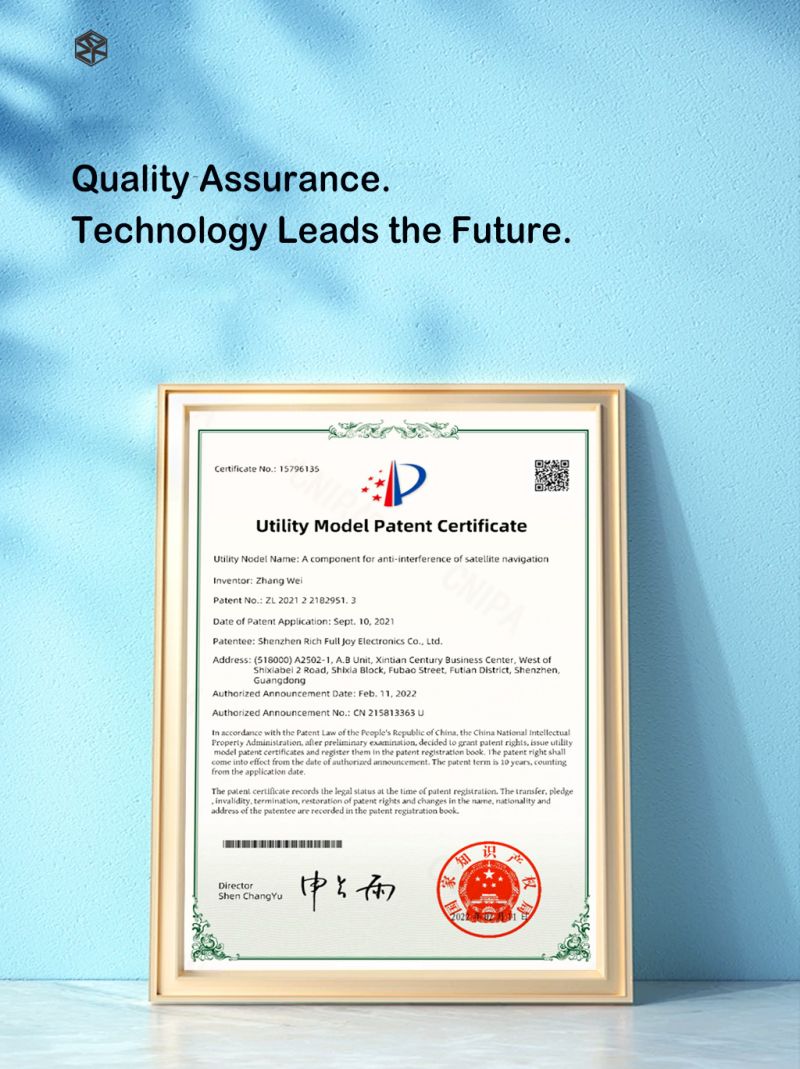
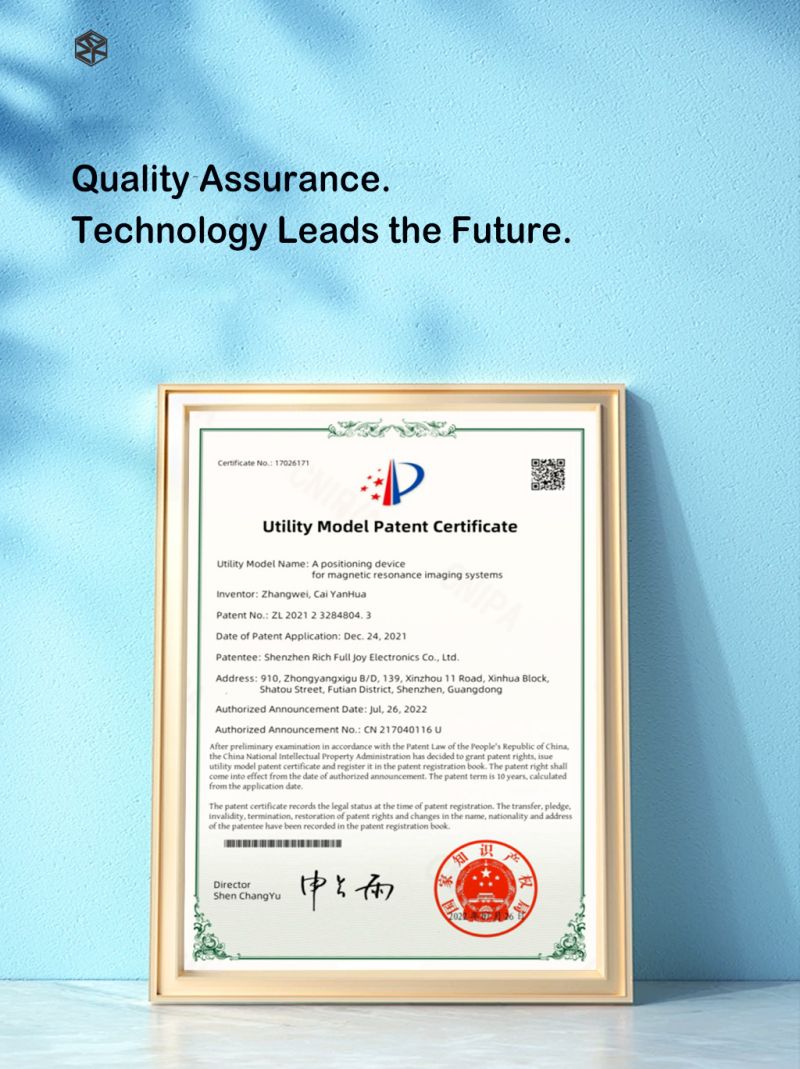


Partner with Shenzhen Rich Full Joy Electronics for precision PCBA assembly components that meet the highest automotive quality standards. From prototype to mass production — we deliver on time, every time.
Get a Free Quote TodayExplore our full range of PCBA manufacturing services spanning autonomous driving, AI systems, industrial robotics, and advanced defense electronics.