

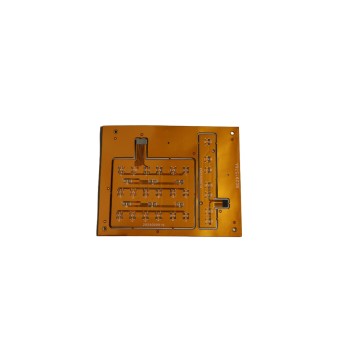
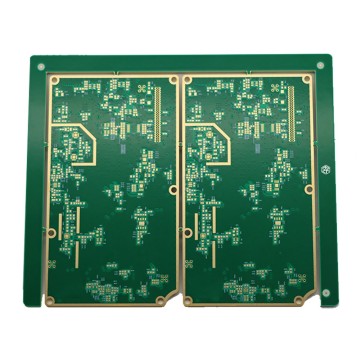
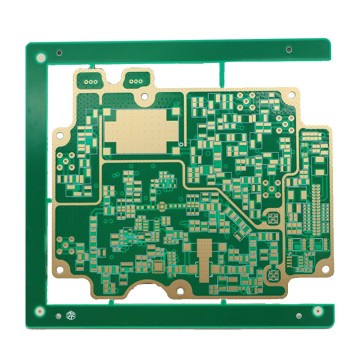
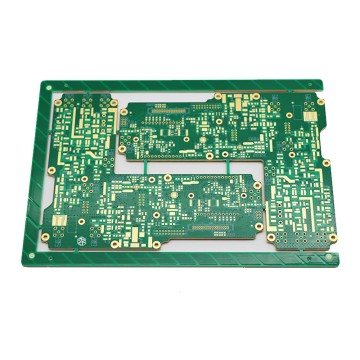
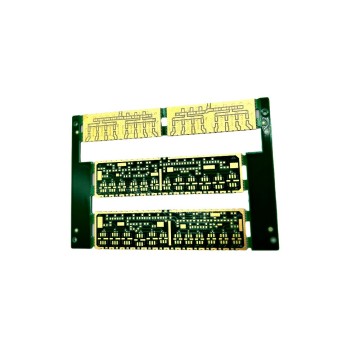
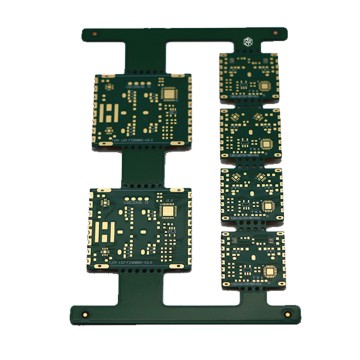
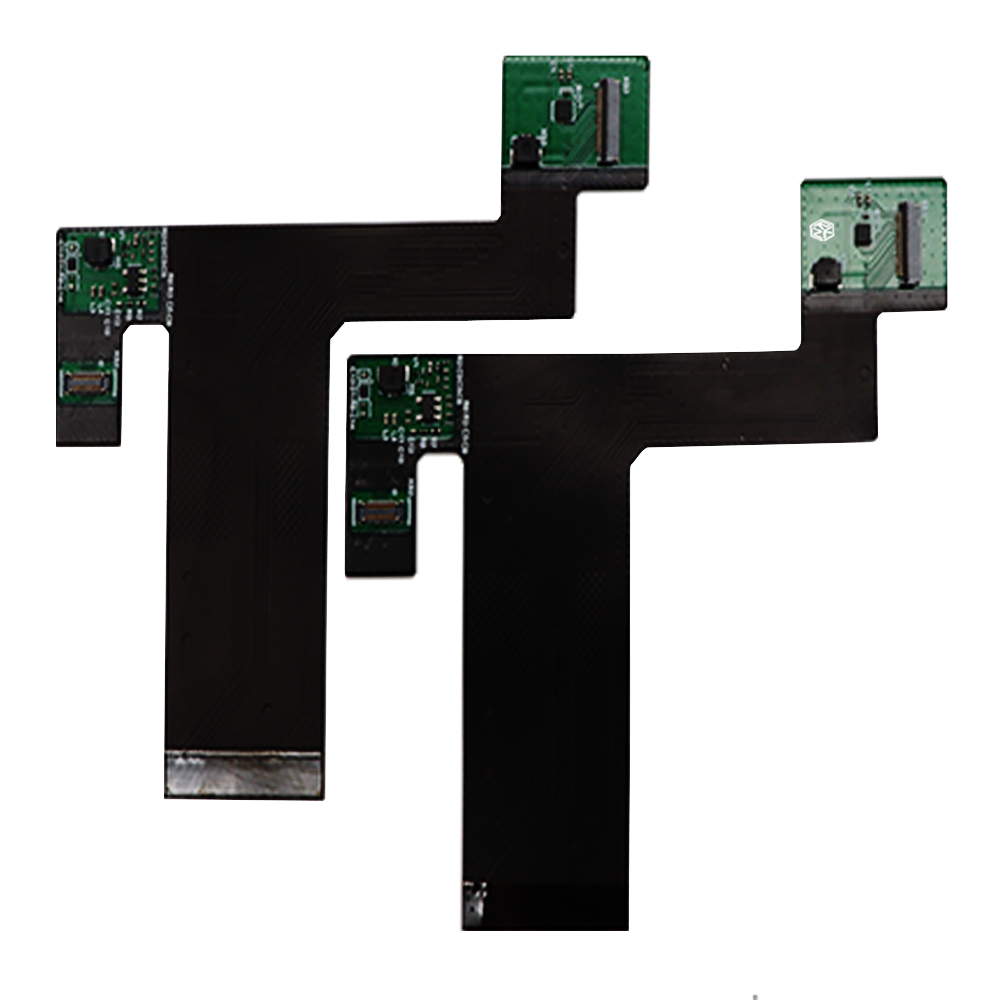
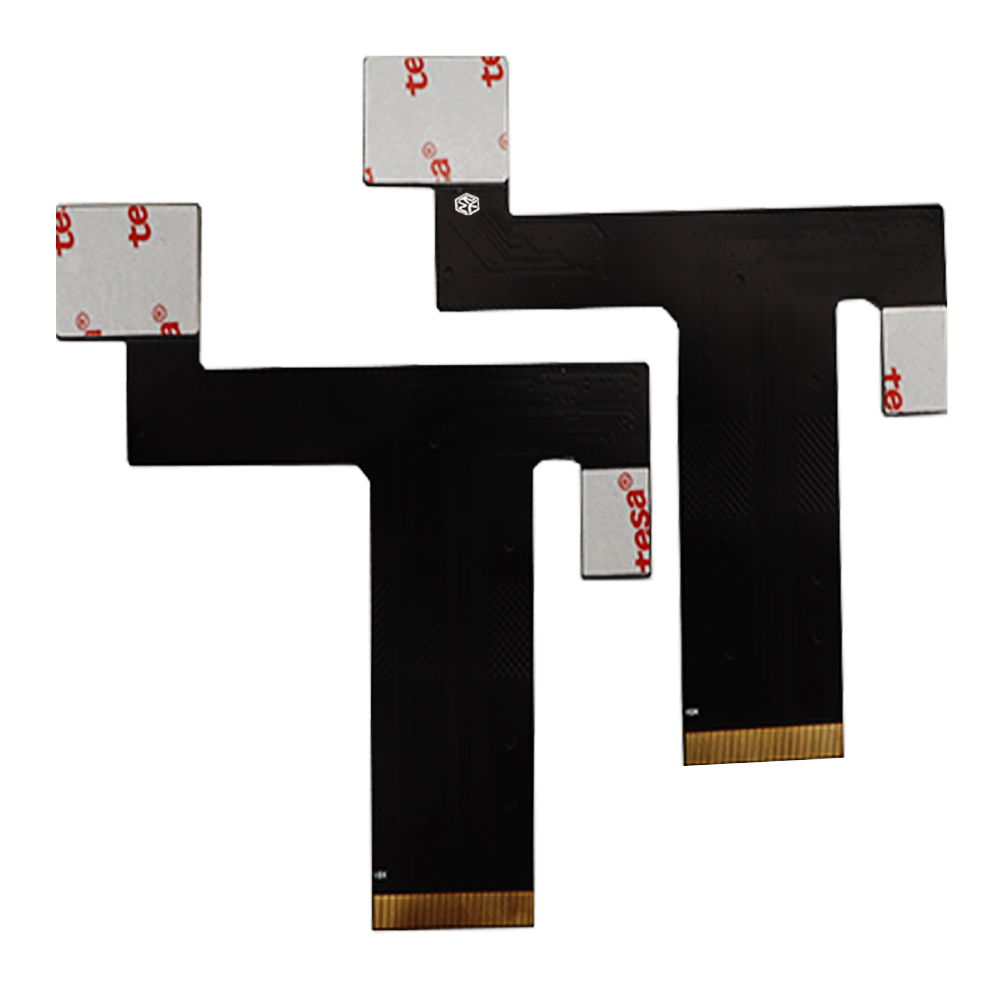
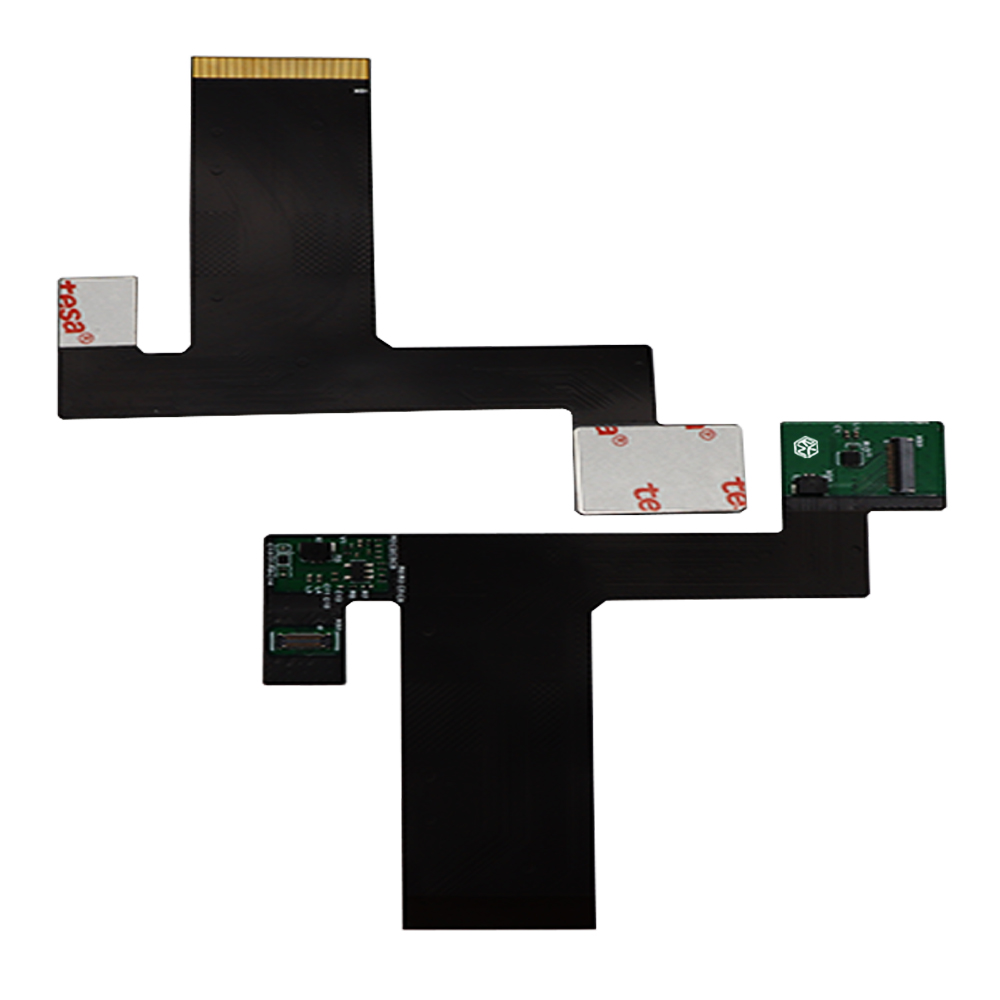
Flexible PCB Assembly Solutions | 8-Layer High Performance FPC for Varied Applications


Product manufacturing instructions
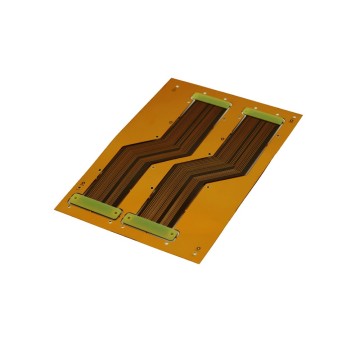
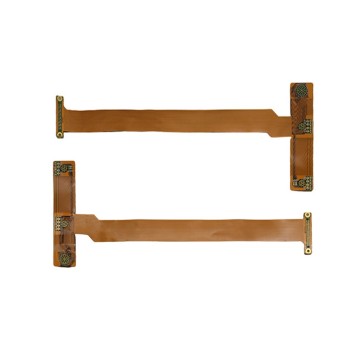
| Type | Double-sided FPC |
| Materia | SYTECH SF202、Polyimide、TG320 non adhesive rolled copper |
| Number of layer | 4L |
| Board Thickness | 0.15mm |
| Single size | 80.02*83.5mm/1PCS |
| Surface finish | ENIG |
| Inner copper thickness | / |
| Outer copper thickness | 18um |
| Color of solder mask | black coverlay |
| Silkscreen color | white(GTO,GBO) |
| Via treatment | solder mask |
| Density of mechanical drilling hole | 9W/㎡ |
| Density of laser drilling hole | / |
| Min via size | 0.2mm |
| Min line width/space | 6/4mil |
| Aperture ratio | 1mil |
| Pressing times | 1 time |
| Drilling times | 1 time |
| PN | B0490941A |
Understanding PCB Stacking Structure: A Comprehensive Guide
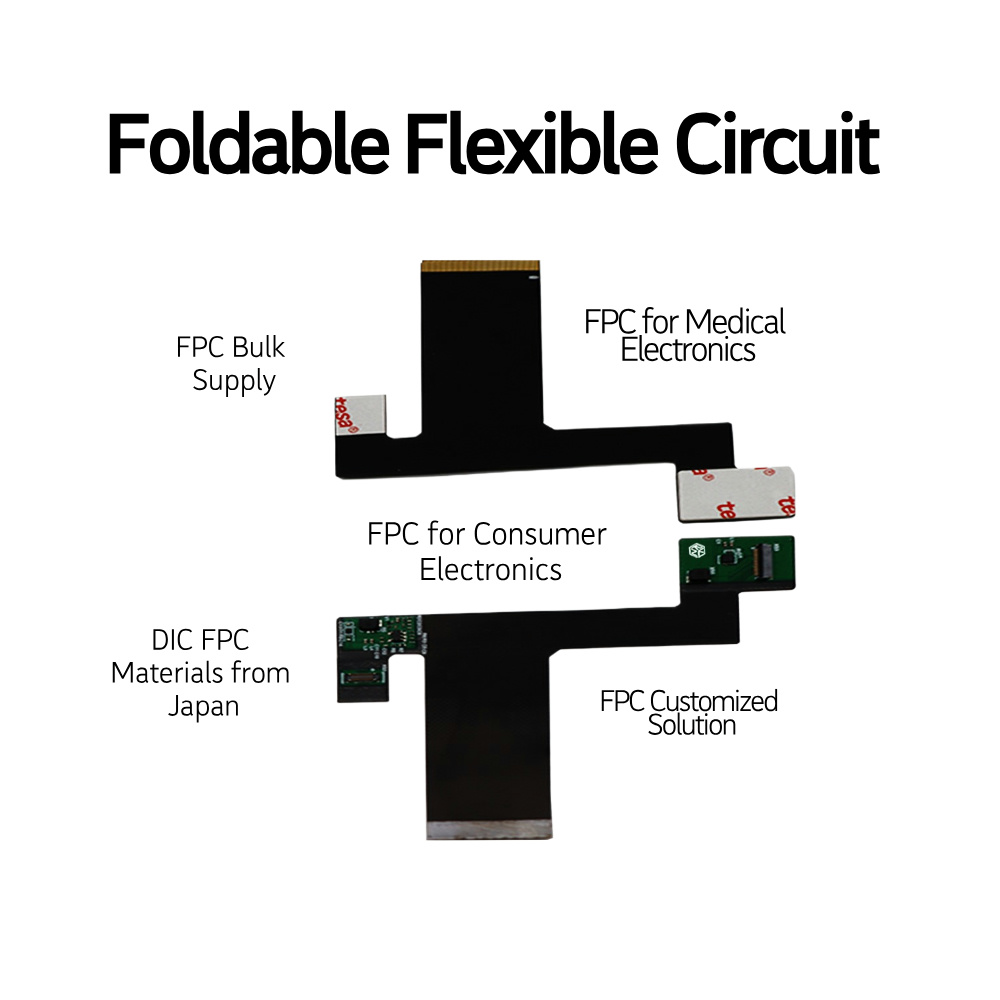
Superior Bendability: Our highly bendable FPCs can withstand repeated bending and folding, making them suitable for dynamic application scenarios.
Lightness and Thinness: These ultra-thin FPCs are designed to be lightweight, reducing the overall weight of the final product while maintaining excellent performance.
High Reliability: We provide highly reliable FPC solutions with long-life characteristics. Our FPCs are carefully engineered to withstand harsh environments and mechanical stresses.
Electromagnetic Shielding Performance: Our FPCs have strong electromagnetic shielding and electromagnetic compatibility, which can effectively prevent interference and ensure the stable operation of electronic devices.
High Integration Degree: Our 8-layer FPCs are highly integrated in density and multi-functional, providing a compact solution for complex electronic systems.
In terms of materials, we use high-quality polyimide (PI) and other advanced materials. Our high-temperature-resistant polyimide FPCs, with a high-insulation PI substrate, can ensure excellent performance even in high-temperature environments. The copper foil used in our FPCs has a high purity, providing thick copper foil with high conductivity for efficient signal transmission.
We can provide customized solutions for foldable phones, surgical robots, and electric vehicle battery modules. We also offer a free Design for Manufacturability (DFM) analysis within 6 hours to ensure the best design for your products.
Detailed Product Description
High Flexibility: Made from polyimide or other flexible materials, our 8-layer FPCs are highly bendable, with features like 360-degree bendability and high flexibility. They can bend, twist, and conform to tight spaces without breaking, being the perfect example of bendable flexible circuits and high flexibility flexible circuits.
Multi-Layer Capability: Our flexible circuit assemblies, especially the 8-layer FPCs, support multi-layer designs for complex electronics, making them suitable for high-density integrated applications.
High-Temperature Resistance: Our high-temperature-resistant polyimide FPCs and other FPCs with good thermal properties are resistant to high temperatures, making them ideal for demanding applications in industries like aerospace, automotive, and medical.
Lightweight and Compact: Our ultra-thin and light FPCs provide a space-saving solution, reducing weight and optimizing the form factor, being representative of lightweight flexible circuits.
Durability: Our FPC assemblies, including the 8-layer models, are engineered to endure mechanical stresses and environmental exposure, offering long-lasting performance, which is a key feature of high reliability FPC flexible circuits.
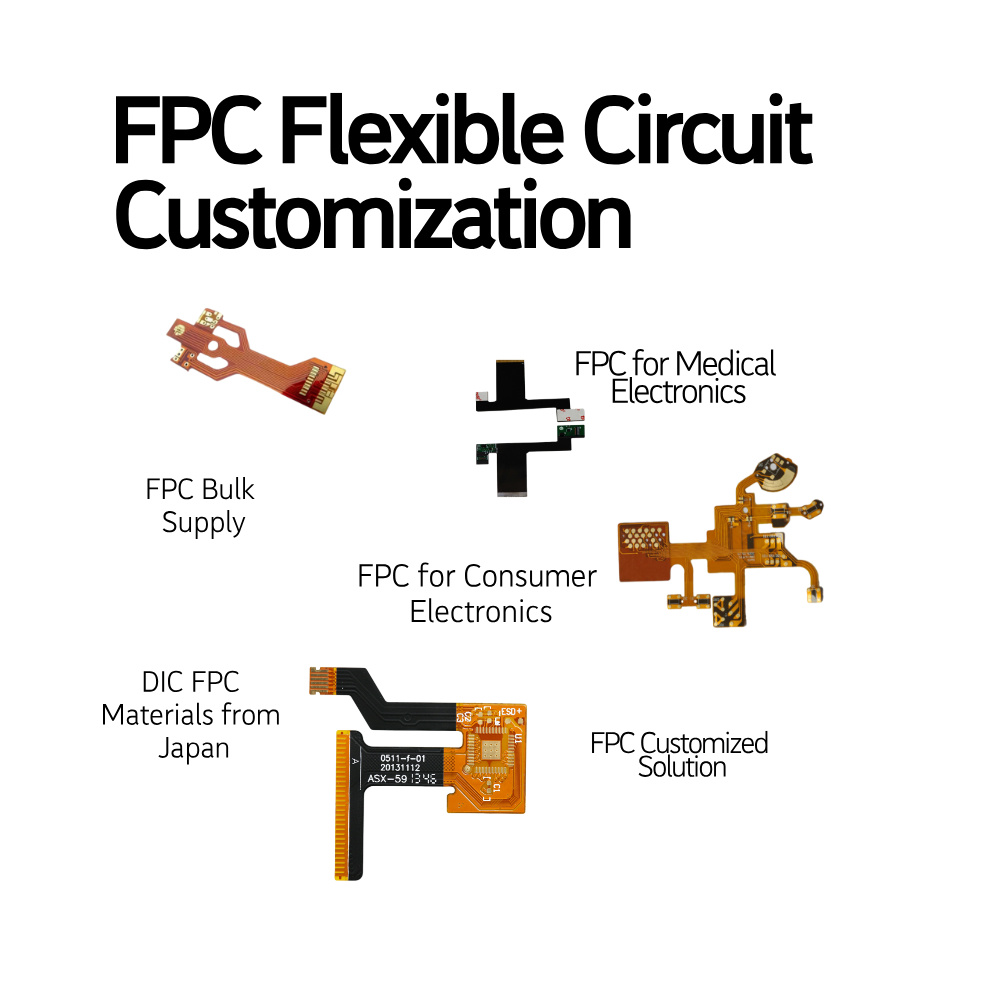
Customization: We offer fully customized solutions for flex circuit board assembly based on client needs, including material selection, component placement, and circuit design. Whether you need a flexible circuit for a consumer electronic product or a high-reliability solution for a medical device, we can provide you with the most suitable FPC products.
Product Features:
●High Flexibility: Made from polyimide or other flexible materials, our flexible PCBs can bend, twist, and conform to tight spaces without breaking.高
●Multi-Layer Capability: Our flexible circuit assemblies support multi-layer designs for complex electronics
●High-Temperature Resistance: Flexible circuits are resistant to high temperatures, making them ideal for demanding applications in industries like aerospace, automotive, and medical.
●Lightweight and Compact: Flexible PCBs provide a space-saving solution, reducing weight and optimizing the form factor.
●Durability: Our flexible PCB assemblies are engineered to endure mechanical stresses and environmental exposure, offering long-lasting performance.
●Customization: We offer fully customized solutions for flex circuit board assembly based on client needs, including material selection, component placement, and circuit design.
FPC(Flexible Printed Circuit)Assembly Production Process
The production process of FPC assembly involves several detailed and meticulous steps, from designing the flexible circuit to assembling the final product. Below is a breakdown of the key steps involved in the FPC assembly process, especially for our 8-layer FPC flexible circuit boards:
Designing the Flexible PCB (FPC)
Design Layout: The first step in FPC assembly is designing the circuit board. Designers use CAD tools (like Altium Designer or AutoCAD) to create the layout. The design specifies the copper traces, vias, pads, and placement of components. For our 8-layer FPCs, special attention is paid to the layer arrangement and component placement to ensure high integration and flexibility.
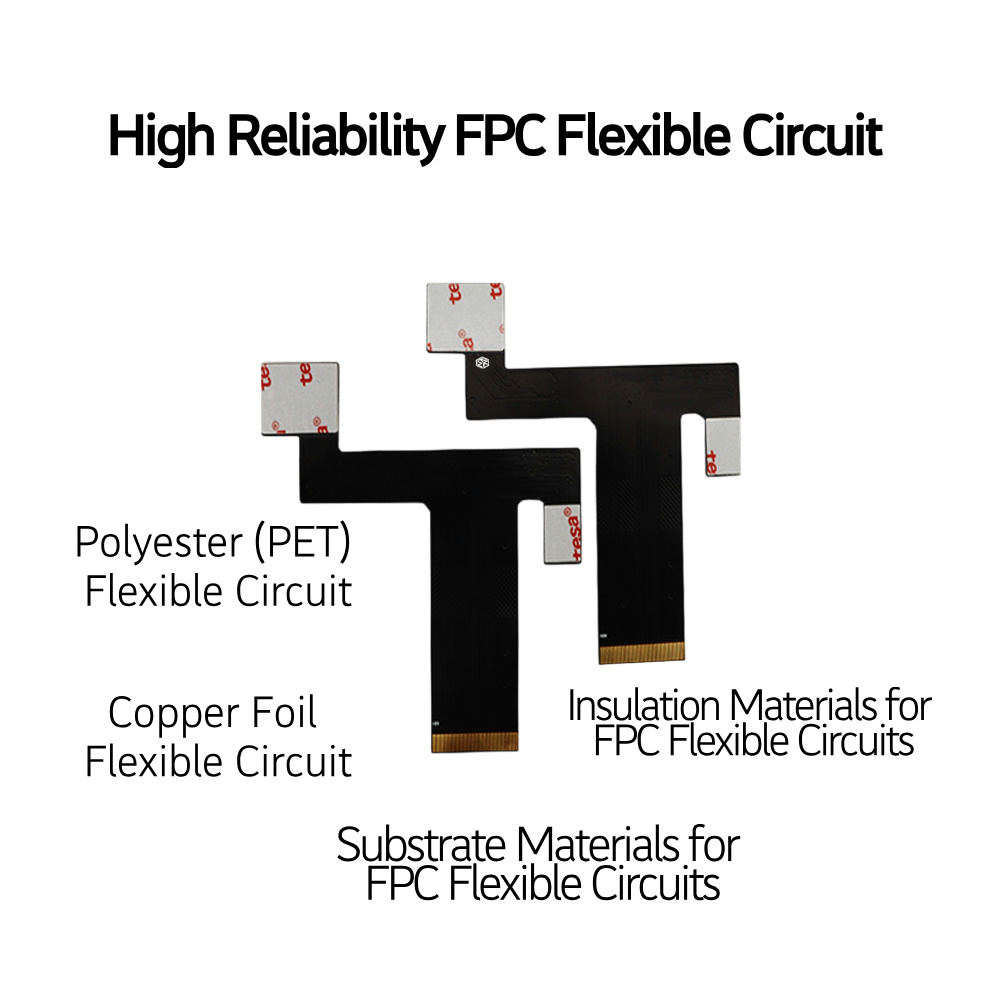
Material Selection: Flexible substrates such as Polyimide (Kapton) or PET (Polyester) are chosen based on the application requirements. Our 8-layer FPCs often use high-quality polyimide for its excellent properties, such as high-temperature resistance and high insulation. The material needs to support flexibility while ensuring durability and thermal resistance.
Layering and Structure: The number of layers (in our case, 8 layers) is determined based on the circuit’s complexity. FPCs often include stiffeners for support in areas where rigidity is required (e.g., connectors or chip pads). For our 8-layer FPCs, the layering and structure are carefully designed to balance flexibility and strength.
Printing and Etching
Copper Clad Laminate: A thin copper sheet is laminated onto the flexible base material (Polyimide, PET). This creates the initial copper layers. For our 8-layer FPCs, high-purity copper foil is used to ensure good conductivity.
Photoresist Application: The copper-clad material is coated with a photoresist layer that hardens when exposed to ultraviolet (UV) light. The circuit design pattern is transferred onto the material using photolithography.
Etching: The unwanted copper is removed from the material using an etching process, leaving behind the desired copper traces for the circuit. In the production of our 8-layer FPCs, precise etching techniques are used to ensure the accuracy of the circuit patterns.
Drilling Vias
Laser Drilling: For multi-layer FPCs like our 8-layer models, small holes (vias) are drilled to create electrical connections between layers. Laser drilling is used for precise, small-diameter holes.
Mechanical Drilling: In some cases, mechanical drilling may also be used, though it is less common than laser drilling for finer details in FPC assembly.
Plating and Copper Deposition
Electroless Copper Plating: The drilled vias are plated with copper to establish electrical conductivity between the layers. This step ensures that the vias can carry electrical signals between the flexible layers.
Copper Electroplating: Additional copper is deposited to form the outer conductive layers that will be used for connections to components. Our 8-layer FPCs use thick copper foil with high conductivity for better electrical performance.
Solder Mask Application
Solder Mask Coating: A solder mask (typically green or other colors) is applied to the FPC to prevent accidental soldering on areas where components won’t be placed. The solder mask helps protect the copper traces from oxidation and damage.
UV Exposure: The solder mask is exposed to UV light, and areas where components will be soldered are left exposed for easy connection.
Component Placement
Pick-and-Place: Automated machines are used to place components (such as resistors, capacitors, ICs) onto the circuit. These machines pick the components from reels or trays and place them on the correct positions on the flexible circuit. For our 8-layer FPCs, high-precision pick-and-place machines are used to ensure accurate component placement.
Manual Placement: For small production runs or highly complex components, manual placement may be necessary.
Soldering
Reflow Soldering: The assembled FPC is passed through a reflow oven where the solder paste on the component leads is melted, forming strong electrical and mechanical connections.
Wave Soldering (if necessary): If the FPC includes through-hole components, the circuit may go through a wave soldering process where the solder is applied to the board in a flowing wave.
Inspection and Quality Control
Visual Inspection: The FPC assembly is visually inspected for any defects in the component placement or solder joints. High-magnification microscopes may be used to check for fine details. For our 8-layer FPCs, strict visual inspection is carried out to ensure the quality of the assembly.
Automated Optical Inspection (AOI): AOI systems are used to check the placement and alignment of components on the FPC, ensuring there are no misalignments or soldering defects.
X-ray Inspection: For multi-layer FPCs with hidden vias, X-ray systems may be used to inspect the inner layers and vias to ensure there are no hidden defects or poor connections.
Testing
Functional Testing: The FPC assembly is subjected to functional testing to ensure that it works as intended. This may include testing the electrical signals, checking for shorts, open circuits, or other faults. Our 8-layer FPCs are tested rigorously to ensure their high reliability.
In-Circuit Testing (ICT): This method is used to check for defects in the FPC assembly by testing the components and connections while the board is powered up.
Final Inspection and Packaging
Final Visual Inspection: After functional testing, the FPC undergoes a final visual inspection to ensure all components are correctly placed and soldered, and there are no physical defects.
Packaging: The FPC assemblies are carefully packed to prevent damage during shipping. The packaging is typically anti-static to protect sensitive components.
Each of these steps is critical for producing high-quality 8-layer FPC flexible circuit boards that can be used in various applications, including wearable electronics, automotive systems, medical devices, and consumer electronics. The precision in design and quality control ensures that the final product will meet all necessary performance and reliability standards.
FAQs About Flexible Circuit Board Assemblies
Applications of Flexible PCB Assemblies
6.Industrial Applications: Flexible circuit assemblies are used in industrial robots, control systems, and sensors, where dynamic movement and space-saving designs are critical.
7.Flexible Displays: Flexible PCBs play a vital role in the development of flexible OLED screens, allowing bending and folding without compromising performance.
8.RFID and IoT Devices: Flexible circuits are widely used in RFID tags and IoT devices, offering lightweight and adaptable designs for wireless communication.
9.Lighting Systems: Flexible PCBs are used in LED strip lighting, where they provide flexibility and ease of integration into complex designs.
10.Power Electronics: Flexible circuit assemblies are employed in power converters, battery management systems, and other power-related applications where compact and reliable solutions are required.
As a leading flexible PCB board assembly factory, we offer custom solutions for your flexible circuit needs, whether it's a simple design or a complex, multi-layer assembly. Our commitment to precision, durability, and customer satisfaction ensures that you receive high-quality flexible circuit board assemblies suitable for any application. Reach out to us today to discuss your project!