

0102030405
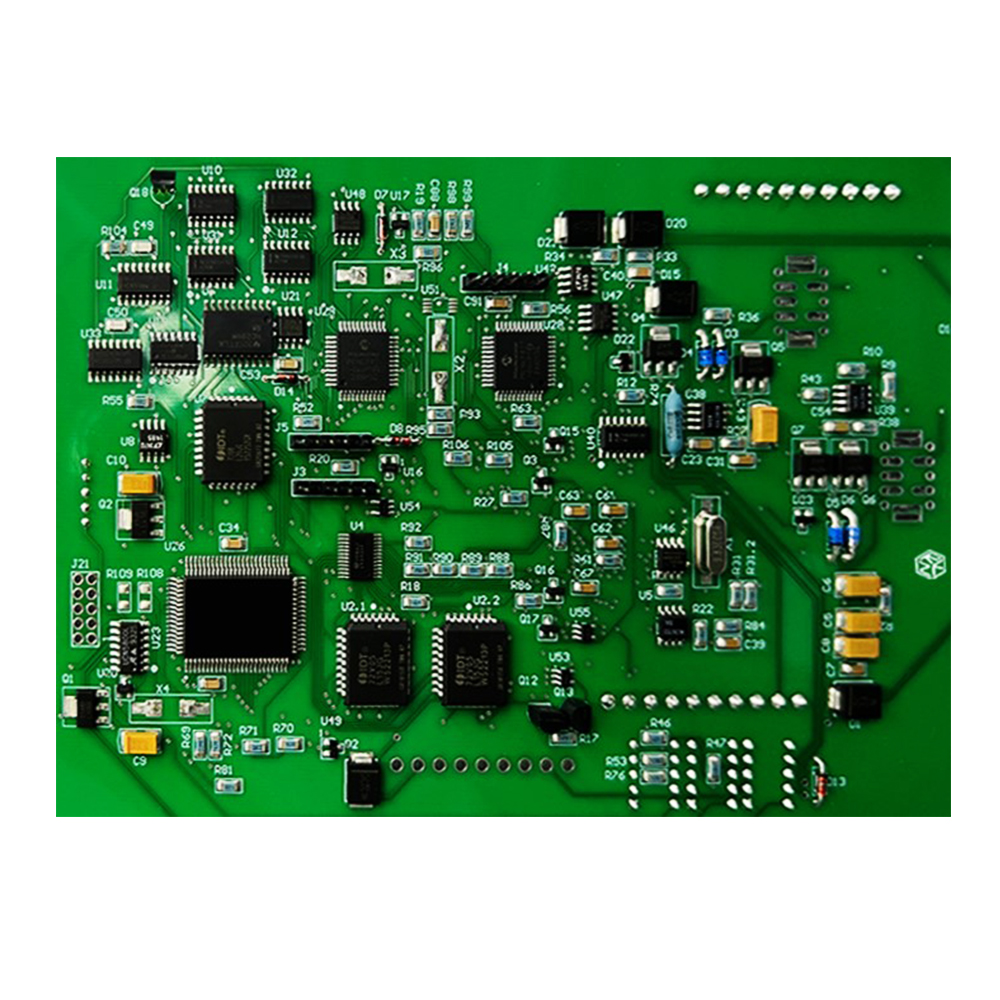
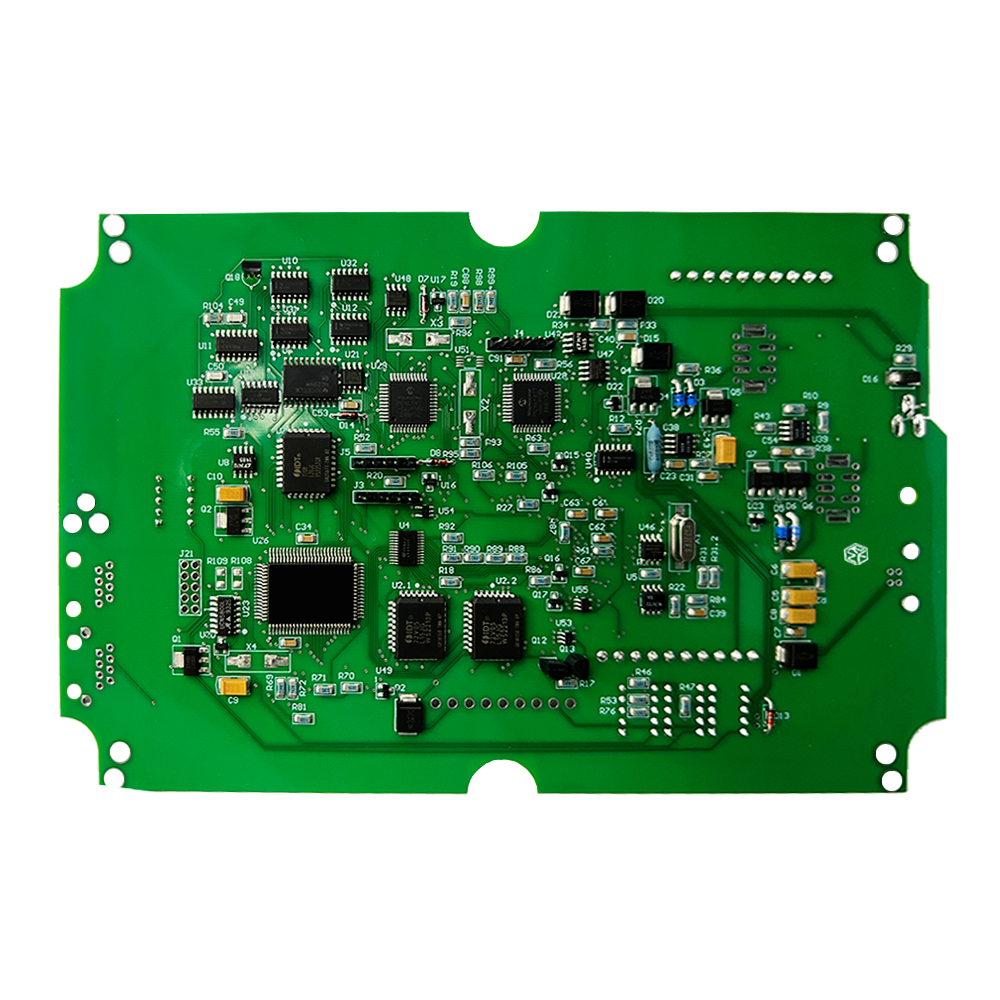
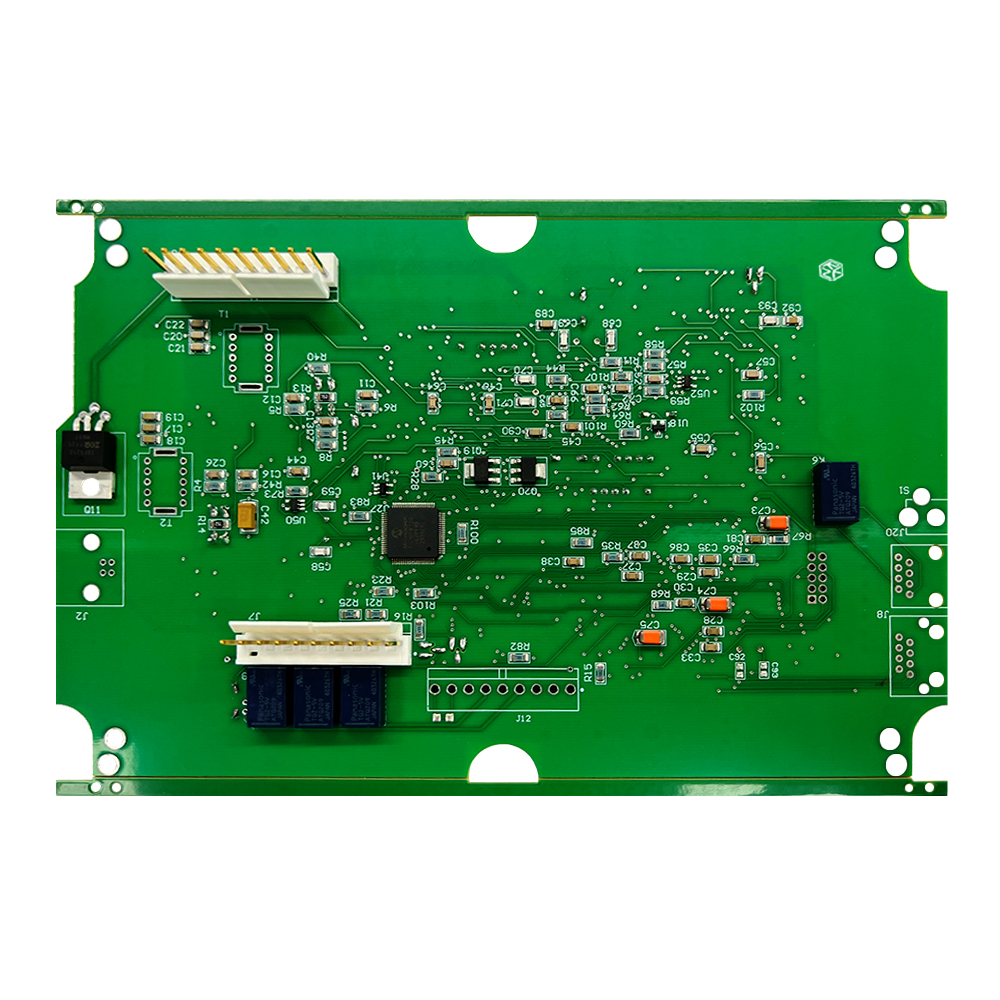
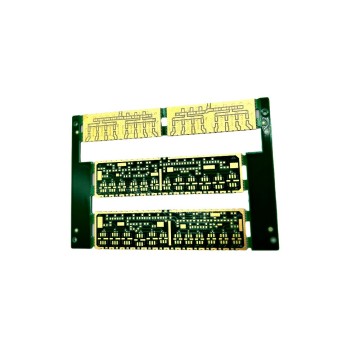
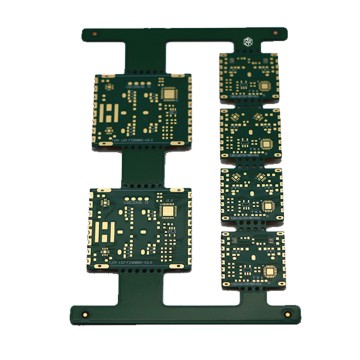
AI PCB Assembly & Smart Devices PCBA Solutions: Powering the Future of Electronics


Product Features
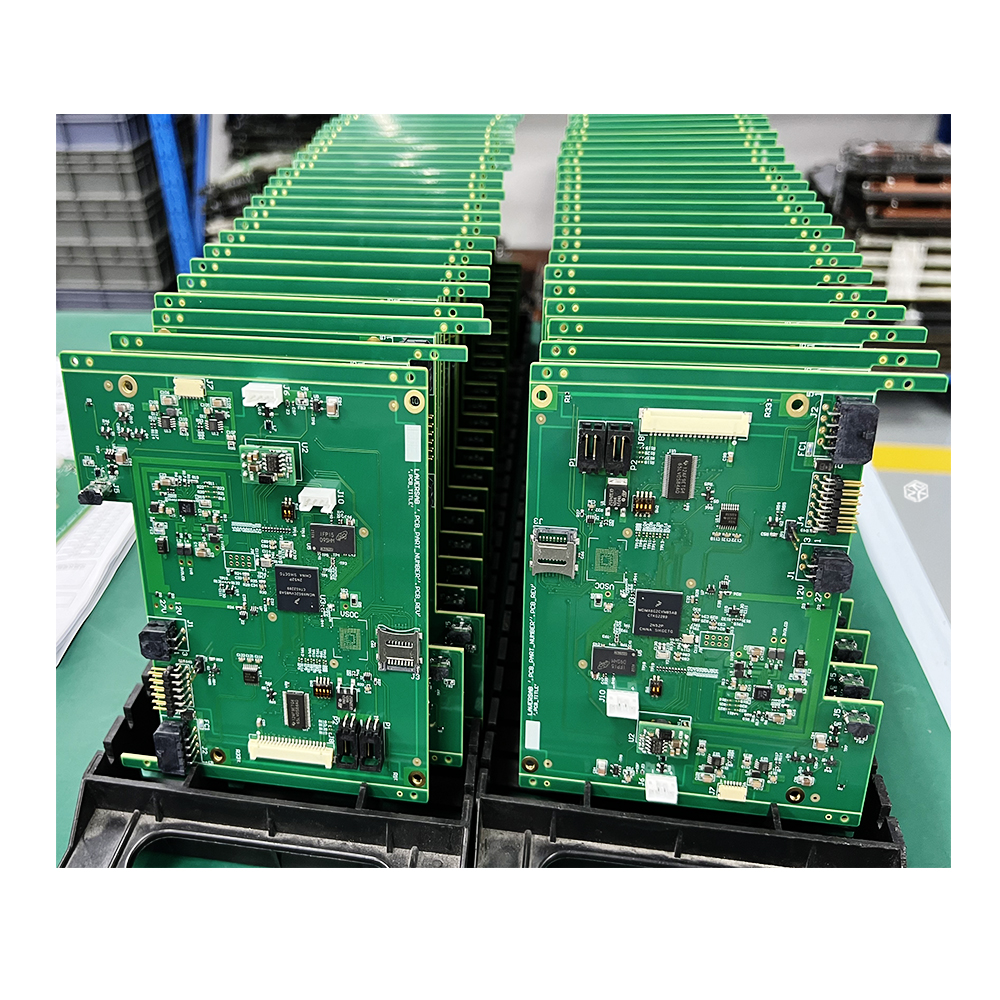
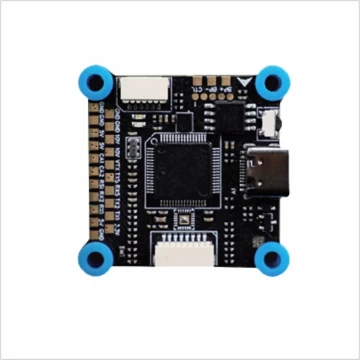
In today’s fast-paced technological world, smart devices and artificial intelligence are at the forefront of innovation. As consumer electronics become more advanced, the role of PCBA (Printed Circuit Board Assembly) is critical in ensuring these devices perform at their peak
Whether it’s for a smartphone, IoT device, or an AI-powered system, the design and assembly of these circuit boards require precision, reliability, and advanced technologies. The AI PCBA process is optimized to support the complex needs of AI applications, ensuring that each component is perfectly aligned to handle data processing, machine learning, and real-time decision-making.
The Role of PCBA in Smart Device Design:
For smart devices, such as wearable technology, connected appliances, and advanced communication systems, PCBA plays a pivotal role in bringing these devices to life. These boards act as the communication backbone for the intricate sensors and processors integrated into modern smart electronics.
The assembly of Smart Devices PCBA involves multiple layers of complexity, including compact designs, low power consumption, and high reliability. Whether it’s an AI PCB Assembly for a voice assistant or a smart thermostat, precision in design and assembly is essential to meet the performance requirements of today's devices
Design and Manufacturing of AI - Enabled PCBA for Smart Devices
Designing AI - enabled PCBs for smart devices demands meticulous consideration of multiple factors to guarantee peak performance. These factors are as follows:
1.Material Selection:
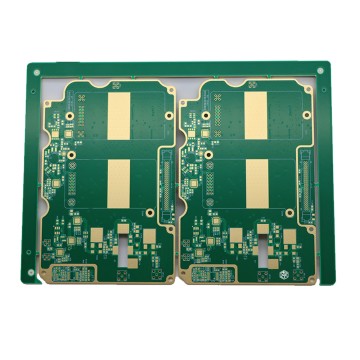
AI - powered smart devices often require high - speed data processing and reliable signal transmission. Thus, materials with low dielectric loss (Df) and stable dielectric constants (Dk) are essential. Popular materials like Rogers, Teflon, and PTFE - based laminates are frequently utilized to uphold signal integrity during high - speed data transfer, which is crucial for the seamless operation of AI algorithms within smart devices.
2.Impedance Control:
For high - speed applications in smart devices, especially those involving AI - related data processing, controlling impedance is of utmost importance. It helps prevent signal reflections and losses that could otherwise disrupt the accurate functioning of AI - enabled features. Precise trace width and spacing calculations are indispensable during the design phase to ensure smooth data flow.
3.Design Layout:
Smart devices typically operate with a variety of communication protocols and complex AI - based functions simultaneously. The PCB layout design must ensure optimal routing of power and signal traces. This is to minimize interference between different components and communication channels, thereby maintaining the integrity of the signals and enabling the efficient operation of AI algorithms.
4.Miniaturization and Integration:
AI - enabled smart devices are designed to be compact and user - friendly. High - performance PCBs in these devices need to fit within small form factors. Multi - layer PCB designs play a vital role in integrating all the necessary components, such as high - speed processors for AI computations, memory modules, and communication chips, while keeping the overall size of the device small.
5.Manufacturing Process:
Precision in manufacturing is the key to ensuring that AI - enabled PCBs meet the strict requirements of smart devices. Advanced PCB fabrication techniques, including micro - via drilling, laser drilling, and precise lamination, are essential for producing high - quality, reliable PCBs. These techniques contribute to the accurate placement of components and the integrity of electrical connections, which are crucial for the reliable operation of AI - related functions.
6.Testing and Validation:
Once fabricated, AI - enabled PCBs undergo comprehensive testing. Signal integrity tests, thermal management analysis, and power consumption testing are carried out to ensure that the PCBs can support the high - speed data processing and power - hungry operations required by AI in smart devices. This ensures that the PCBs meet the necessary standards for reliable and efficient performance.
Quality Control in AI - Enabled PCBA for Smart Devices
To ensure the high reliability and top - notch performance of AI - enabled PCBs used in smart devices, strict quality control processes are implemented throughout the design and manufacturing stages.
1.Impedance Testing:
Ensuring that the impedance of the PCB is within the required range is crucial for maintaining signal integrity, especially in high - speed AI - related data transmission scenarios. Incorrect impedance can lead to signal degradation and errors in AI - based operations.
2.Signal Integrity Analysis:
This involves time - domain reflectometry (TDR) tests and eye pattern testing. These tests are essential to guarantee that the PCB can perform effectively in high - speed data - processing environments, which are common in smart devices with AI capabilities. Signal integrity is vital for the accurate transfer of data for AI algorithms to function correctly.
3.Thermal Stress Testing:
AI - enabled PCBs often handle complex computations and high - speed data processing, which generate heat. Thermal cycling tests are conducted to ensure that the PCBs can operate under varying temperatures without sacrificing performance or reliability. This is crucial for the long - term stability of smart devices.
4.Electrical Testing:
Functional testing ensures that all electrical components on the PCB, such as AI - specific processors, sensors, and communication modules, are working as intended. High - speed electrical testing is also carried out to ensure that the PCB can handle the high - speed data transfer and communication protocols required by AI - enabled smart devices.
5.Visual Inspection:
Visual inspection is performed to identify any physical defects in the PCBs, such as short circuits, faulty solder joints, or other issues that could potentially affect the device’s functionality. Physical defects can disrupt the operation of AI - related components and lead to malfunctions in smart devices.
Why Choose AI PCB Assembly?
With the rise of AI technology, the demand for AI PCB Assembly has dramatically increased. This specialized assembly process integrates advanced techniques to ensure that boards are optimized for AI-related tasks such as data analysis, automation, and adaptive learning.
The integration of AI into PCB design allows for smarter, more efficient products. It ensures that AI PCB Assemblies can handle complex algorithms, process large datasets, and maintain low latency while keeping the power consumption in check—essential for all modern AI-powered systems.
The Future of Smart Devices and AI PCBA:
The market for AI PCBs and smart devices continues to grow as more industries adopt AI-driven solutions. From self-driving cars to smart homes, the demand for more sophisticated PCBA designs that can handle intricate systems will only rise. As this sector advances, so will the need for AI PCB Assembly services that can keep up with the pace of change.
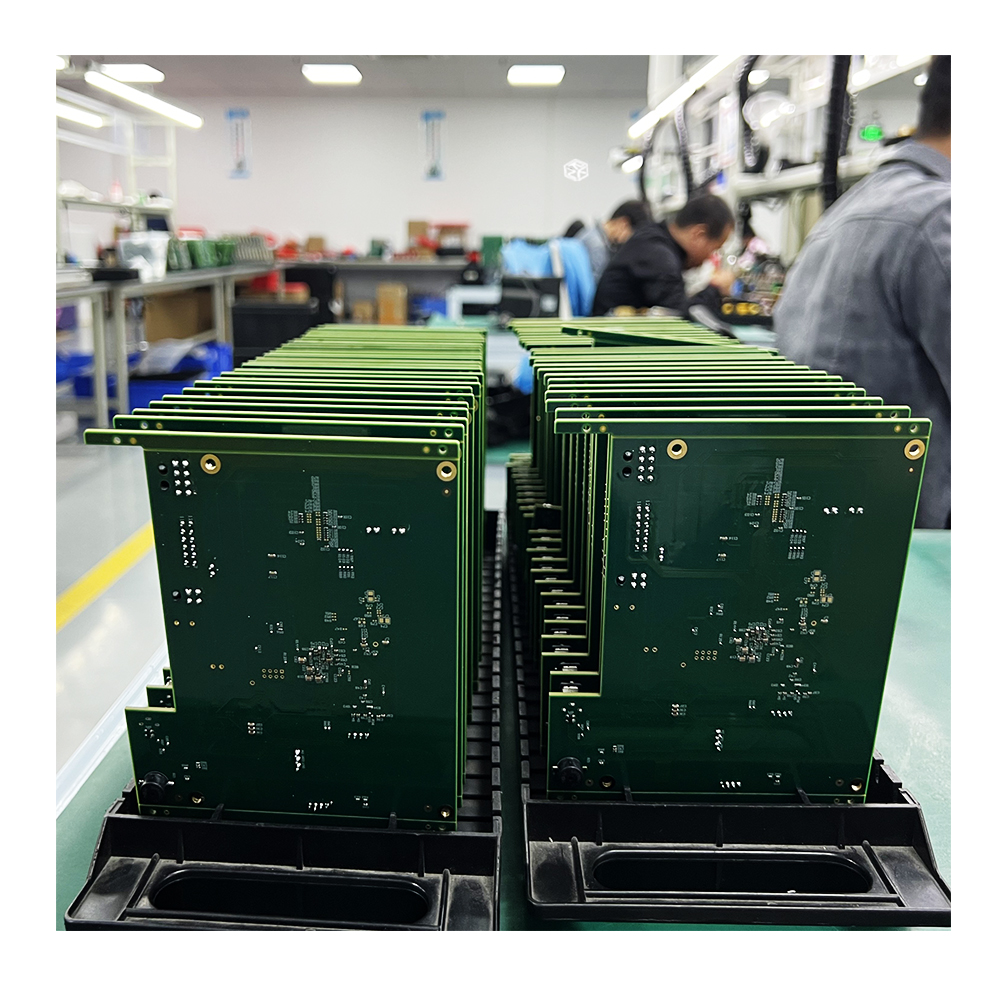
FAQ: AI - Enabled PCBA in Smart Devices
1.What is AI - enabled PCBA?
AI - enabled PCBA refers to printed circuit boards designed to support the operations of artificial intelligence within smart devices. These boards are engineered to handle high - speed data processing, low - latency communication, and efficient power management, which are essential for running AI algorithms and applications in smart devices.
2.Why are AI - enabled PCBs important for smart devices?
AI - enabled PCBs are crucial for smart devices as they ensure fast and accurate data processing for AI - based functions such as image recognition, voice assistant operations, and intelligent decision - making. They also enable seamless communication between different components within the smart device and with external networks, enhancing the overall functionality and user experience.
3.What are the key features of AI - enabled PCBs in smart devices?
Key features include high - speed data processing capabilities, efficient power management to support the energy - intensive AI computations, excellent signal integrity for reliable data transfer, thermal management to handle the heat generated by AI operations, and miniaturization to fit into compact smart device designs.
4.What materials are used for AI - enabled PCBs?
Materials like Rogers, Teflon, and PTFE - based laminates are commonly used due to their low dielectric loss and stable dielectric constant. These properties help in maintaining signal integrity during high - speed data transfer, which is critical for AI - related operations in smart devices.
5.What is impedance control in AI - enabled PCBs?
Impedance control in AI - enabled PCBs is the process of ensuring that the PCB maintains the correct impedance levels. This is vital to prevent signal reflections and losses that can disrupt the high - speed data transfer required for AI algorithms to function properly in smart devices.
6.How do AI - enabled PCBs support AI - related functions like image recognition and voice assistant operations?
AI - enabled PCBs support these functions by providing a stable and high - speed data transfer environment. They ensure that the data from sensors (such as cameras for image recognition or microphones for voice assistant operations) is accurately and quickly transmitted to the AI - processing units. Additionally, they support the communication between different components involved in the AI - based operations, minimizing latency and ensuring smooth performance.
7.Can AI - enabled PCBs be miniaturized for small smart devices?
Yes, AI - enabled PCBs can be miniaturized for compact smart devices without sacrificing performance. Through advanced multi - layer PCB designs and precise manufacturing techniques, all the necessary components for AI operations can be integrated into a small form factor while still maintaining high - speed data processing and communication capabilities.
8.What quality control measures are taken in AI - enabled PCB manufacturing?
Quality control measures include impedance testing, signal integrity analysis, thermal stress testing, electrical testing, and visual inspection. These measures ensure that the AI - enabled PCBs meet the high - performance requirements of smart devices and can operate reliably under various conditions.
9.How do AI - enabled PCBs help in thermal management?
AI - enabled PCBs are designed with materials and structures that can efficiently dissipate the heat generated during AI - related operations. This is achieved through the use of heat - conducting materials in the PCB layers and proper component placement to ensure good heat dissipation, preventing the smart device from overheating and maintaining optimal performance.
10.What are the challenges in designing AI - enabled PCBs for smart devices?
Challenges include maintaining high - speed signal integrity during complex AI - related data processing, effectively managing the heat generated by AI operations, and ensuring that the PCB can fit into the small form factors required for compact smart devices while still providing all the necessary functionality for AI algorithms to operate.
Applications of AI - Enabled PCBA in Smart Devices
AI - enabled PCBs are of great significance in the following smart device applications:
1.Smart Cameras with AI - based Image Recognition
AI - enabled PCBs in smart cameras enable real - time image recognition and analysis. For example, they can quickly identify faces, objects, and events. This is achieved through high - speed data processing and efficient communication between the camera sensor and the AI - processing unit on the PCB, ensuring that the smart camera can provide accurate and timely responses.
2.Voice - Controlled Smart Assistants
In voice - controlled smart assistants like Amazon Echo or Google Home, AI - enabled PCBs play a crucial role. They support fast data transmission and real - time voice recognition, allowing the smart assistants to respond promptly to user voice commands. The high - speed data processing capabilities of the PCBs enable the quick analysis of voice data and the retrieval of relevant information.
3.Intelligent Security and Surveillance Systems
Security cameras and surveillance devices with AI - enabled features rely on AI - enabled PCBs to transmit video data with minimal latency. These PCBs also support AI - based object detection and motion analysis, enhancing the security system's effectiveness. For instance, they can automatically detect and alert when an unauthorized person enters a monitored area.
4.Smart Home Automation Hubs
AI - enabled PCBs in smart home automation hubs facilitate seamless communication between various smart devices in the home. They can process and analyze data from different sensors and devices, enabling intelligent decision - making for home automation. For example, based on the data from temperature sensors, motion sensors, and smart appliances, the hub can automatically adjust the home environment for optimal comfort and energy efficiency.
5.AI - Powered Wearable Devices
In wearable devices such as smartwatches with AI - based health monitoring features, AI - enabled PCBs are essential. They support the high - speed data transfer from various sensors (like heart rate monitors, step counters) to the AI - processing unit. This allows for real - time health data analysis, providing users with personalized health insights and alerts.
6.Smart Agricultural Irrigation Systems
In the field of smart agriculture, the AI - enabled PCBA provides powerful technical support for smart irrigation systems. It is connected to soil moisture sensors and weather - monitoring equipment to collect real - time environmental data, including soil moisture content, rainfall, temperature, and humidity. The AI algorithms in the PCBA comprehensively analyze this data. According to the growth needs of different crops and real - time environmental conditions, it accurately calculates the optimal irrigation time, water volume, and irrigation method. For instance, during high - temperature and drought periods, the system can automatically increase the irrigation volume; while when there is sufficient rainfall, it pauses irrigation to avoid water waste. Meanwhile, the PCBA can also communicate with the remote - control center to achieve remote monitoring and management, allowing farmers to precisely control farmland irrigation regardless of their location, thus improving agricultural production efficiency and water - resource utilization.
7.Smart Industrial Robots
The AI - enabled PCBA is the crucial brain of smart industrial robots. It coordinates the movement of each joint of the robot to achieve precise motion control. By connecting with various external sensors such as vision sensors and force sensors, the PCBA can obtain real - time environmental information around the robot. Using advanced AI algorithms, the robot can perform object recognition, path planning, and task decision - making. For example, on the assembly line, the robot can quickly identify the shape and position of parts, accurately grasp and complete the assembly task; in logistics warehousing, the robot can autonomously plan the optimal handling path according to the storage location of goods and order requirements, improving logistics efficiency. In addition, the PCBA also supports the remote operation and status monitoring of the robot. Engineers can remotely debug and maintain the robot through the network to ensure its stable operation.
8. Smart Educational Tablets
In the field of smart education, the AI - enabled PCBA brings a personalized learning experience to smart educational tablets. The PCBA integrates a high - performance processor and an AI chip, which can quickly process a large amount of educational resources and student learning data. Through the built - in camera and microphone, the tablet can capture students' learning behaviors in real - time, such as facial expressions, attention levels, and voice responses. AI algorithms evaluate students' learning status and knowledge mastery based on this data and develop personalized learning plans for each student. For example, when it detects that a student has difficulty understanding a certain knowledge point, the tablet will automatically push relevant review materials, practice questions, or explanatory videos. At the same time, the PCBA also supports connection to online education platforms, allowing students to access rich educational resources at any time and interact with teachers and other students.
9.Smart Air Purifiers
For smart air purifiers, the AI - enabled PCBA enables efficient air purification and intelligent control. It is connected to various air - quality sensors, such as PM2.5 sensors, formaldehyde sensors, and TVOC sensors, to monitor indoor air quality in real - time. The AI algorithms in the PCBA calculate the concentration and composition of pollutants in the air based on the sensor data and automatically adjust the working mode and wind speed of the air purifier accordingly. For example, when the indoor PM2.5 concentration exceeds the standard, the purifier will automatically increase the wind speed to quickly purify the air; when the air quality reaches an excellent standard, it will automatically reduce the wind speed to save energy. In addition, the AI - enabled PCBA also supports linkage with the smart home system. According to the indoor human activities and environmental changes, it can intelligently control the start - stop and operation status of the air purifier, creating a healthy and comfortable indoor environment for users.
In conclusion, AI - enabled PCBA technology is revolutionizing the world of smart devices across diverse industries. From enhancing the accuracy of health - monitoring in smart mattresses to optimizing resource utilization in smart agriculture, and from enabling precise operations in industrial robots to providing personalized learning experiences in educational tablets and ensuring clean air in smart air purifiers, the applications are far - reaching. As technology continues to evolve, the demand for high - performance, miniaturized, and energy - efficient AI - enabled PCBA in smart devices will only grow. Businesses and consumers alike are increasingly seeking smart devices with advanced AI - enabled PCBA solutions, making terms like "high - performance AI - enabled PCBA for smart industrial robots", "energy - efficient AI - enabled PCBA in smart air purifiers", and "miniaturized AI - enabled PCBA for smart health - monitoring mattresses" more relevant than ever in the rapidly expanding smart device market.