Leave Your Message
-
E-mail
-
Whatsapp
-
Message
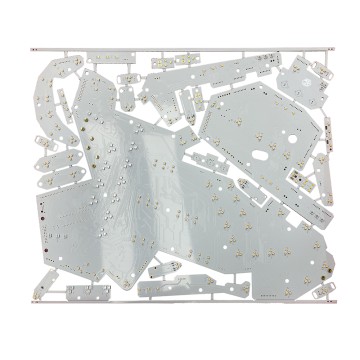
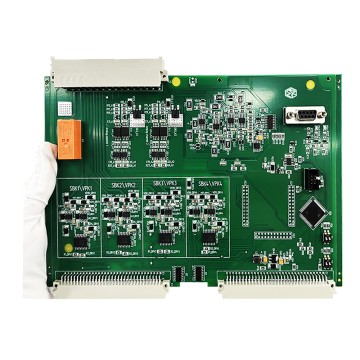
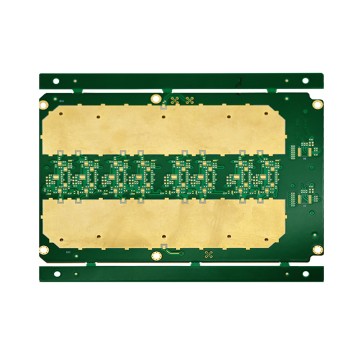
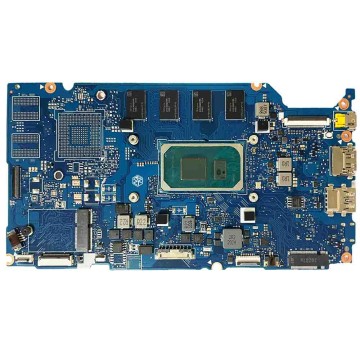
Explore our featured automotive-grade circuit board products engineered for EV lighting applications — from flexible PCBs to high-frequency multilayer boards.
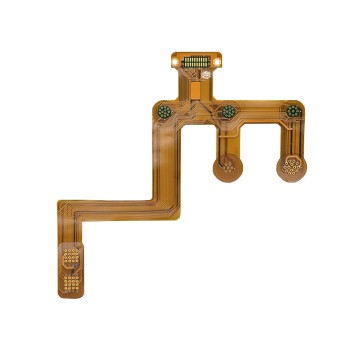
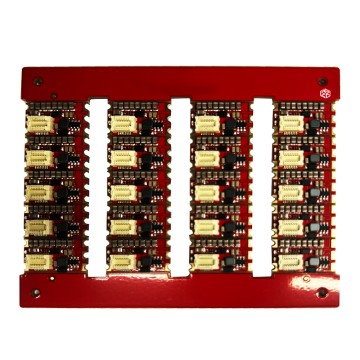
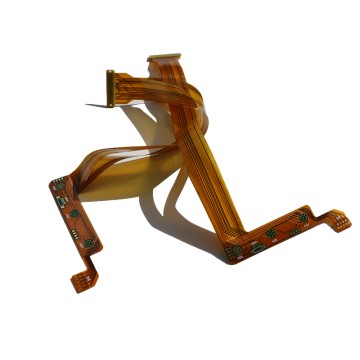
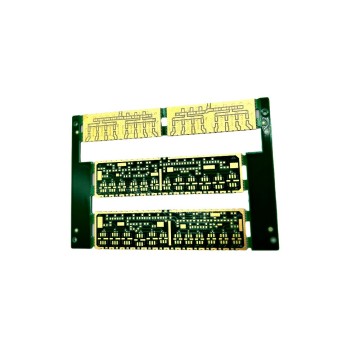
As electric vehicles (EVs) rapidly reshape the global automotive landscape, the demand for sophisticated, high-performance automotive circuits specifically designed for EV lighting systems has surged to unprecedented levels. From intelligent adaptive headlights to dynamic ambient interior illumination, EV lighting circuits represent one of the most technically demanding segments in modern automotive electronics manufacturing.
The global EV lighting circuit market is projected to surpass $8.2 billion by 2030, driven by mandatory LED adoption regulations across the EU, North America, and Asia-Pacific. OEM manufacturers are increasingly integrating multi-zone lighting ECUs that demand multilayer PCBs with up to 16 layers, tight impedance control, and thermal management capabilities exceeding 150°C continuous operation.
Automotive-grade EV lighting circuits must comply with AEC-Q100/Q200 reliability qualifications, IATF 16949 quality management systems, and IPC-A-610 Class 3 assembly standards. High-volume production lines now integrate AOI, X-ray inspection, and flying probe testing to achieve defect rates below 10 PPM — a non-negotiable benchmark for tier-1 automotive suppliers.
Advanced EV lighting PCBs increasingly utilize aluminum-core substrates (Al-CCL) and metal-core PCBs (MCPCBs) to efficiently dissipate heat from high-power LED drivers. Rogers RO4350B high-frequency laminates are being adopted for LiDAR-integrated lighting modules, while embedded component technology reduces board footprint by up to 40% in constrained automotive packaging environments.
The convergence of autonomous driving, vehicle-to-everything (V2X) communication, and energy efficiency mandates is accelerating transformative changes in how automotive circuits for EV lighting are designed, manufactured, and integrated.
Modern EV lighting circuits are evolving beyond simple on/off switching into intelligent, AI-governed systems. Microcontroller-based PCBs now incorporate machine learning inference engines that dynamically adjust beam patterns, luminosity, and color temperature based on real-time road conditions, weather data, and driver behavior analytics. These circuits require high-speed signal integrity at 25Gbps+ and ultra-low latency response under 2ms.
Next-generation EV lighting circuits are being co-designed with Advanced Driver Assistance Systems (ADAS). High-frequency hybrid PCBs combining Rogers and FR4 materials enable simultaneous handling of LiDAR pulse signals and LED driver currents on a single board — dramatically reducing system complexity, weight, and electromagnetic interference in the 77GHz radar frequency band.
EV manufacturers face stringent range-per-charge targets, compelling circuit designers to develop ultra-efficient LED driver topologies with conversion efficiencies exceeding 95%. Multi-phase buck converters, GaN (Gallium Nitride) power transistors, and synchronous rectification architectures are being implemented on compact automotive PCBs to minimize parasitic losses across the entire lighting bus voltage range of 12V to 800V.
The proliferation of matrix LED and micro-LED headlight systems demands PCB designs with thousands of individually addressable LED zones per headlamp unit. This requires flexible printed circuit boards (FPCBs) with sub-100μm trace widths, ultra-fine pitch BGA component placement, and robust thermal vias to manage localized heat flux densities exceeding 15W/cm². Our FPC manufacturing capabilities directly address these extreme design requirements.
Automotive lighting circuits in EVs must achieve ASIL-B or ASIL-D safety integrity levels per ISO 26262. This mandates redundant circuit topologies, hardware fault tolerance, and diagnostic coverage exceeding 99% for safety-critical lighting functions such as brake lights and daytime running lights. PCB layout must incorporate systematic EMC shielding and surge protection compliant with ISO 7637-2 transient immunity standards.
Software-defined vehicles are driving demand for lighting ECUs with over-the-air (OTA) update capability. These circuit boards integrate wireless communication modules (CAN-FD, LIN, Ethernet AVB) alongside lighting drivers, requiring multi-functional PCBs that manage both high-current LED paths and sensitive RF signal traces with careful isolation strategies — a design challenge where our RF PCB expertise delivers measurable advantages.
High-resolution matrix headlamps utilize multilayer automotive PCBs with integrated LED driver ICs, CAN bus transceivers, and thermal sensors. The circuit architecture supports pixel-level beam steering with up to 1,024 individually controlled LED segments, enabling glare-free high-beam operation that enhances both safety and driving experience in autonomous EV platforms.
EV cabins increasingly feature multi-zone RGB ambient lighting systems controlled by flexible PCBs routed along complex 3D interior surfaces. These FPCBs must withstand continuous bending radii down to 3mm, temperature cycling from -40°C to +85°C, and UV exposure — specifications that demand specialized polyimide substrates and ENIG surface finishes for long-term contact reliability.
OLED-based rear lighting panels represent a breakthrough in EV styling, but introduce unique circuit challenges: uniform current distribution across large-area emissive surfaces, precise dimming control with
Daytime Running Light (DRL) and brand signature lighting circuits in EVs serve dual purposes: safety visibility and brand identity. These require automotive PCBs with PWM dimming frequencies above 1kHz to eliminate flicker perception, automotive-grade TVS diode protection against load dump transients up to 40V, and conformal coating for IP69K environmental sealing in exposed exterior locations.
EV charging interfaces incorporate illuminated port rings and status indicator circuits that communicate battery state-of-charge, charging rate, and fault conditions through color-coded LED sequences. These circuits must operate reliably across the full EV battery voltage range and interface with the Battery Management System (BMS) via isolated communication channels — a specialized application where our industrial control PCBA expertise proves invaluable.
Premium EVs increasingly feature architectural lighting elements beneath the vehicle body and within wheel arches. These circuits demand exceptional vibration resistance (IEC 60068-2-64 random vibration), chemical resistance to road wash contamination, and waterproof PCB assembly with IP67-rated enclosures — driving demand for specialized conformal coating processes and ruggedized SMT assembly techniques.
Every photon emitted by an EV lighting system traces its origin back to a circuit board decision made at the design stage. Trace width tolerances of ±10μm, impedance control accuracy of ±5Ω, and solder joint reliability through 1,000+ thermal cycles are not abstract specifications — they are the engineering foundations that separate vehicles that illuminate the road ahead from those that fail safety audits. Our automotive circuit expertise ensures your EV lighting systems achieve the highest standards of performance, compliance, and longevity.
Over 20 years of PCB R&D, design and production. With a team of over 800 design engineers, striving for excellence, our service network has spread all over the world.
Supporting mainstream design tools: Allegro, POWERPCB, Altium Designer, Mentor Expedition, PROTEL99se — enabling seamless collaboration with global EV OEM engineering teams on automotive lighting circuit projects.
Design types include: High Speed, Analog, Data Mixing; High Density, High Voltage, High Power, RF; Backboard, ATE; FPCB, R/F PCB; Al CCL — covering every circuit typology required in modern EV lighting system architectures.
Up to 68-layer design capability with 25Gbps differential signal support over 100cm. Design fields span network communication, energy, healthcare, aerospace, and automotive electronics — with dedicated EV lighting circuit specialization.
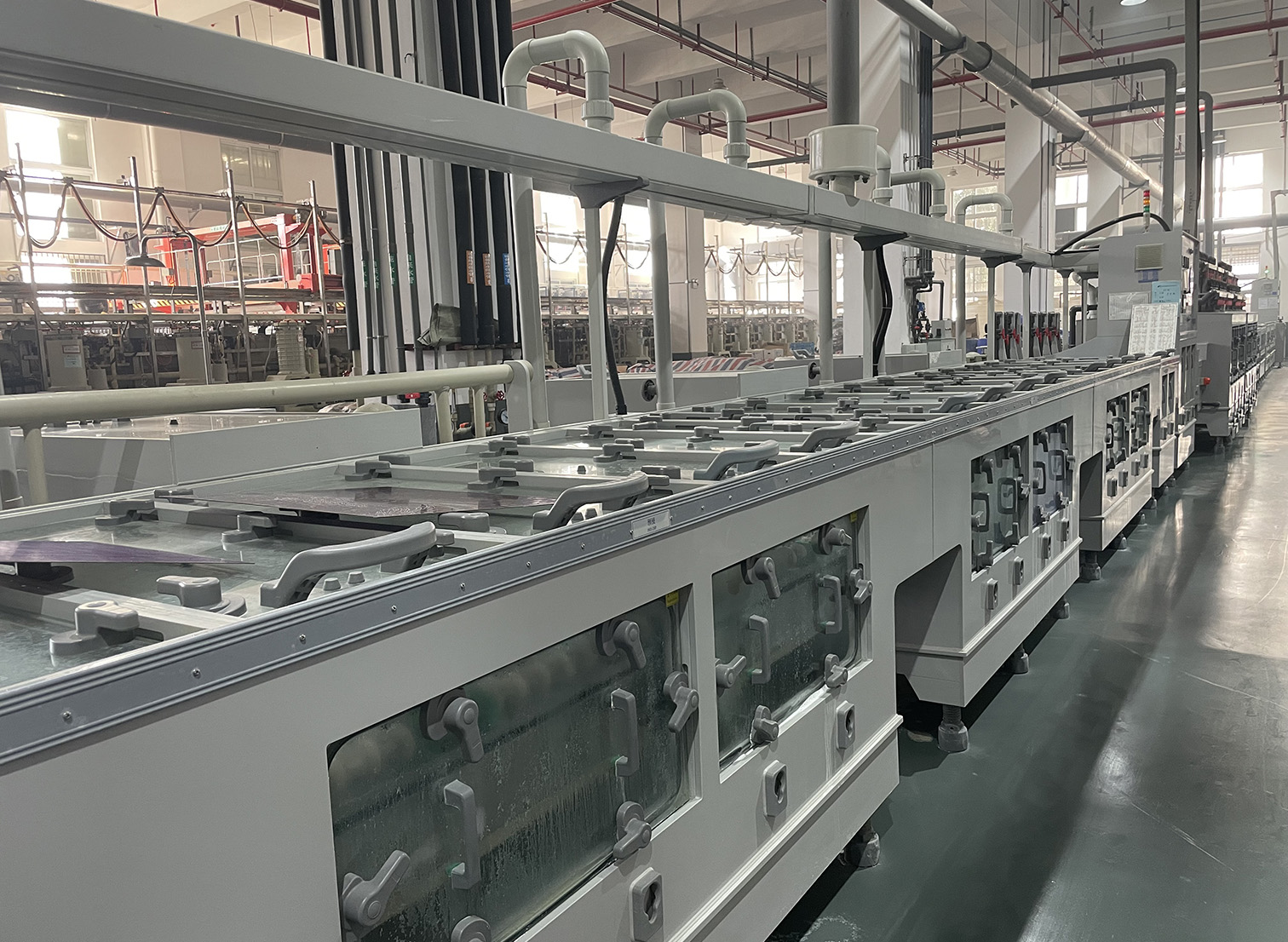
As a company involved in the development and design of multiple scientific research products, our products are widely applied in various fields such as aviation, aerospace, automotive electronics, medical devices, industrial control, mobile terminal devices, servers, smart homes, AI applications, new energy, mini LED and testing instruments, etc.
We have a high-quality and highly capable technology R&D team, adhering to the development concept of high-end brands and products, and serving global customers. Our products are exported to various regions of the world.
We continue to lead in the production of small batches, multiple varieties, high difficulty and high-precision products in differentiated market competition. We have complete sets of advanced automatic production and testing equipment, strictly control every process, and are committed to the meticulous and perfect quality of products.
We uphold the spirit of craftsmanship to build intelligent manufacturing, leading the industry with technology and driven by technological innovation. We'll strive for excellence and become a leader in the industry, continuously strengthening our core competitiveness and establishing a leading position in various fields.
In the context of EV lighting circuit manufacturing, our value proposition is clear: delivering automotive-grade PCB solutions that meet the most stringent reliability, performance, and safety requirements demanded by global EV manufacturers — on time, at scale, and without compromise.

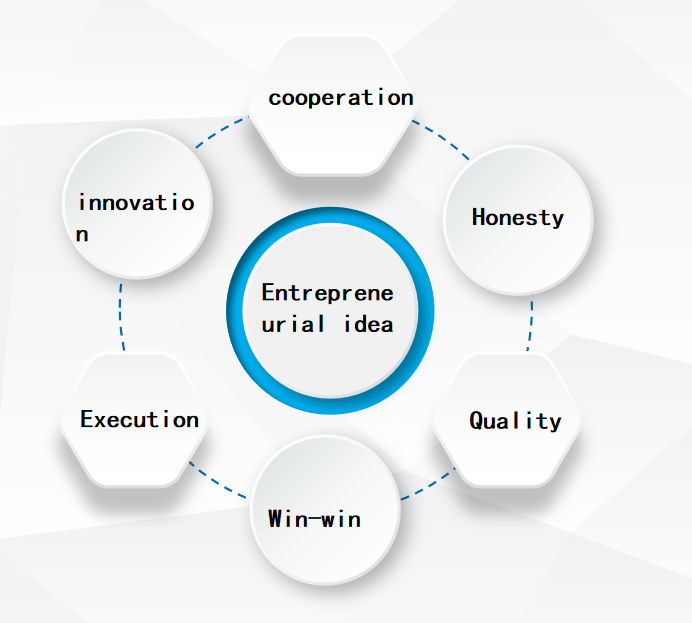
Discover our complete range of automotive-grade PCB and circuit board solutions designed to meet the diverse demands of EV lighting system engineering.