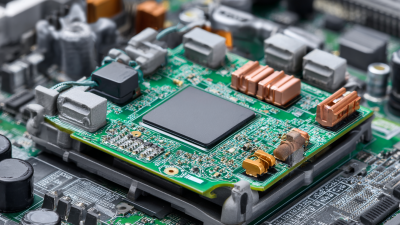
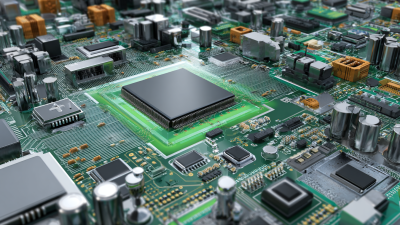
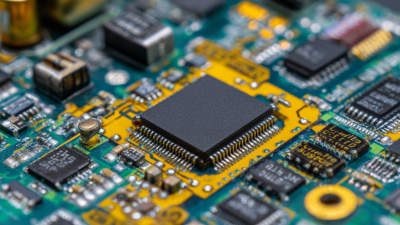
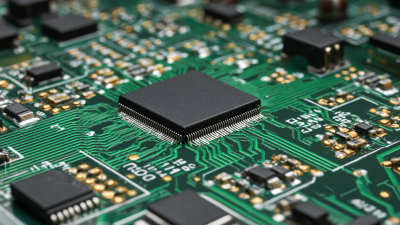
As the electric vehicle (EV) market keeps growing rapidly, the need for smarter and more efficient EV Charging Module PCB designs is becoming more important than ever. Did you know that, according to a recent report from the International Energy Agency (IEA), global electric car sales shot up to over over 6.6 million units in 2021? That’s a huge jump of 108% compared to the year before! This kind of explosive growth really pushes the industry to develop better charging infrastructure, and high-performance PCB designs are at the heart of making charging faster, safer, and more reliable.
One company that’s really leading the charge—pun intended—is Shenzhen Rich Full Joy Electronics Co., Ltd. They’re a high-tech innovator based in China, always pushing the envelope when it comes to PCB design, especially for EV charging modules. Industry experts are saying that by 2025, improvements in materials and design methods will make EV charging systems even more reliable and efficient. That’s a big deal for companies like Rich Full Joy, which are committed to cutting-edge tech and making sure their customers come first.
In this article, we’re going to take a look at the top five trends shaping the future of EV Charging Module PCB design. We’ll pull insights from latest industry reports and peek into what’s coming next in this exciting field. As more EVs hit the roads and charging stations become more widespread, it’s crucial for everyone involved—makers, investors, and users alike—to stay in the know about these key developments. After all, understanding these trends can really help you make the most of what’s ahead in this rapidly evolving market.
Emerging Materials Revolutionizing EV Charging Module PCB Design
The evolution of electric vehicle (EV) charging module PCB design is significantly influenced by the advent of emerging materials. These innovations not only enhance the performance and efficiency of charging modules but also play a crucial role in addressing the thermal management challenges associated with high-power applications. Materials such as advanced ceramics and high thermal conductivity polymers are gaining traction, enabling better heat dissipation and increasing the overall reliability of charging systems.
Moreover, the shift towards eco-friendly materials represents a paradigm shift in the PCB industry. Bio-based substrates and alternatives to traditional epoxy laminates are being explored to minimize environmental impact without compromising performance. These materials not only support sustainable practices but also accommodate the growing demand for lightweight and compact designs, which are essential for modern EV applications. As these emerging materials continue to revolutionize PCB design, they pave the way for more efficient and reliable EV charging solutions, ultimately accelerating the adoption of electric mobility.
Integrating AI & Machine Learning for Enhanced Charging Efficiency
As electric vehicles (EVs) gain traction in the global market, the integration of AI and machine learning into EV charging module PCB design is set to revolutionize the industry. These advanced technologies can analyze vast amounts of data from charging stations to optimize performance and improve energy efficiency. By leveraging machine learning algorithms, designers can predict charging patterns and user behaviors, allowing for more effective load management and reduced energy costs.
Tip: Use predictive analytics to determine peak charging times and adjust power distribution accordingly. This not only enhances charging efficiency but also ensures a smoother user experience.
Moreover, AI can facilitate real-time diagnostics and monitoring, identifying potential issues before they escalate. Integrating these smart solutions into PCB design will help manufacturers create charging modules that are not only efficient but also adaptable to the evolving landscape of EV technology.
Tip: Invest in simulation tools that incorporate AI capabilities to test various design scenarios, ensuring that your PCBs can handle varying loads and conditions effectively. This proactive approach will lead to more reliable and sustainable charging solutions.
Advanced Thermal Management Techniques in PCB Design for EVs
As electric vehicles (EVs) continue to rise in popularity, the design of printed circuit boards (PCBs) for EV charging modules must prioritize advanced thermal management techniques. Proper heat dissipation is essential to ensure the efficiency and longevity of EV components, particularly in high-power applications. By integrating materials with superior thermal conductivity and incorporating heat sinks or spreaders in the PCB design, manufacturers can significantly enhance performance and reliability.
Tips for thermal management in PCB design include using thermal via arrays to facilitate heat transfer away from critical components, and optimizing layer stack-up to balance thermal and electrical performance. Additionally, employing thermal simulation tools during the design phase can help identify potential hotspots and allow for adjustments before production.
Innovative materials such as metal-core PCBs (MCPCBs) can also play a pivotal role in managing heat. These materials provide a robust platform for high-power applications while maintaining lower thermal resistance compared to traditional FR-4 substrates. By embracing these advanced techniques and materials, designers can contribute to the development of safer, more efficient EV charging solutions that meet the growing demands of the electric vehicle market.
2025 Top 5 Trends in EV Charging Module PCB Design: Data Insights & Innovations
| Trend |
Description |
Impact on Performance |
Adoption Rate (%) |
| Advanced Thermal Management |
Utilization of innovative materials and designs to improve heat dissipation. |
Enhanced reliability and efficiency of EV charging modules. |
65% |
| Integrated Power Solutions |
Consolidation of multiple functions into a single PCB to save space and costs. |
Improved cost-effectiveness and space efficiency. |
70% |
| Multi-layer PCB Designs |
Utilizing multi-layer designs to enhance performance and minimize electromagnetic interference. |
Significant reduction in noise and improved signal integrity. |
60% |
| Smart Charging Capabilities |
Incorporating communication protocols for adaptive charging. |
Enhanced user experience and energy management. |
75% |
| Sustainability Practices |
Focus on eco-friendly materials and recycling practices in PCB manufacturing. |
Positive environmental impact and compliance with regulations. |
80% |
Impact of Miniaturization on PCB Design for Faster Charging Solutions
The impact of miniaturization on PCB design is becoming increasingly pronounced, particularly in the realm of electric vehicle charging solutions. As the demand for faster charging increases, designers are turning to innovations like standing ceramic circuit boards (S-CCBs), which leverage advancements in micro-3D printing technology to produce high-resolution, high aspect-ratio components. These S-CCBs not only enhance performance but also facilitate rapid prototyping, allowing for quicker iterations in design and development.
Recent industry reports indicate that the miniaturization of PCBs has led to a significant reduction in weight and size, which is crucial for the efficiency of electric vehicles. For instance, miniaturized PCB designs can contribute to a decrease in power loss by as much as 30%, directly impacting the speed and efficiency of charging stations. As companies continue to innovate in this space, we can expect to see even more streamlined solutions that enhance reliability and user experience.
Tips: When designing PCBs for electric vehicle applications, consider focusing on thermal management solutions to address the heat generated during rapid charging. Additionally, exploring alternative materials for PCB construction can improve performance and durability. Lastly, integrating smart technologies into your PCB designs can provide real-time diagnostics, improving maintenance and user efficiency.
Smart Grid Integration: A New Frontier for EV Charging Modules
The integration of smart grid technology represents a transformative shift in the design and functionality of EV charging modules. As electric vehicles become increasingly prevalent, the synergy between charging infrastructure and smart grids can enhance efficiency and improve user experience. Smart grids enable real-time communication between EV chargers and the electrical grid, allowing for better load management and reduced stress on the power supply during peak demand times. This integration not only facilitates the deployment of renewable energy sources but also optimizes energy use, making EV charging a more sustainable endeavor.
Furthermore, smart grid integration allows for demand-response strategies, which can further reduce operational costs for both utility companies and EV owners. By leveraging data insights, charging modules can dynamically adjust their power consumption based on grid conditions and energy prices, encouraging users to charge their vehicles during off-peak hours. Innovations in PCB design for EV charging modules are key to enabling these advanced functionalities, as they require higher levels of connectivity and energy efficiency. The future of EV charging relies heavily on this integration, paving the way for a smarter and more resilient energy ecosystem.
Sustainability Trends Driving Innovation in EV Charging PCB Solutions
The emergence of electric vehicles (EVs) has placed significant emphasis on the development of sustainable practices in the production of charging module PCB (Printed Circuit Board) solutions. As the global push for greener transportation intensifies, industry reports indicate that the EV market is projected to grow at a staggering CAGR of 22% from 2023 to 2030. This surge is not merely about increasing the number of EVs but also about enhancing how we charge them sustainably. For instance, recent data from the International Energy Agency reveals that the total number of public EV charging points reached 1.8 million globally in 2022, and this is expected to more than double by 2025, indicating an urgent need for innovative PCB designs optimized for efficiency and sustainability.
Innovations in materials play a critical role in this evolution, with a growing trend towards the use of eco-friendly substrates and components that reduce waste throughout the manufacturing process. Reports suggest that PCBs developed with sustainable practices can reduce carbon footprints by up to 30% compared to traditional methods. Moreover, integrating smart technologies into EV charging modules, such as real-time load management and grid interaction, not only enhances efficiency but also aligns with the principles of sustainability. Data from the Smart Electric Power Alliance indicates that nearly 50% of EV owners are likely to use smart charging solutions, further promoting a sustainable approach in PCB design and production. As the industry marches towards 2025, these trends underscore a significant shift towards integrating sustainability in every facet of EV charging infrastructure.
2025 Trends in EV Charging Module PCB Design
FAQS
: Emerging materials enhance performance and efficiency, improve thermal management, and increase reliability in EV charging systems.
Eco-friendly materials like bio-based substrates minimize environmental impact while supporting lightweight and compact designs necessary for modern EV applications.
Proper thermal management is essential to ensure the efficiency and longevity of EV components, especially in high-power applications, preventing overheating and improving reliability.
Techniques include using thermal via arrays, optimizing layer stack-ups, and employing heat sinks or spreaders. Thermal simulation tools can also identify potential hotspots before production.
MCPCBs provide a robust platform for high-power applications with lower thermal resistance compared to traditional FR-4 substrates, enhancing heat management.
Miniaturization leads to reduced weight and size of PCBs, resulting in decreased power loss and improved charging speed and efficiency for electric vehicles.
S-CCBs leverage micro-3D printing to produce high-resolution components, enhancing performance and enabling faster prototyping for EV charging solutions.
Focus on thermal management, explore alternative materials for improved performance, and integrate smart technologies for real-time diagnostics to enhance maintenance and efficiency.
The use of bio-based and alternative materials supports sustainable practices while ensuring high performance, reducing the environmental footprint of EV charging systems.
Innovations in PCB design are expected to result in safer, more efficient EV charging solutions that better meet the demands of the growing electric vehicle market.
Conclusion
The article "2025 Top 5 Trends in EV Charging Module PCB Design: Data Insights & Innovations" explores crucial advancements shaping the future of electric vehicle (EV) charging technologies. It highlights the role of emerging materials that are revolutionizing EV Charging Module PCB Design, enabling more efficient and durable products. Additionally, the integration of AI and machine learning is discussed as a method to enhance charging efficiency, while advanced thermal management techniques are essential for optimizing performance and safety in EV application.
Moreover, the impact of miniaturization on PCB design is examined, promoting faster charging solutions critical for consumer satisfaction. The article also delves into smart grid integration, presenting new opportunities for EV charging modules, and emphasizes sustainability trends driving innovation in this field. As Shenzhen Rich Full Joy Electronics Co., Ltd. positions itself as a national high-tech enterprise, these insights reflect the company's commitment to advancing EV Charging Module PCB Design in alignment with cutting-edge industry developments.