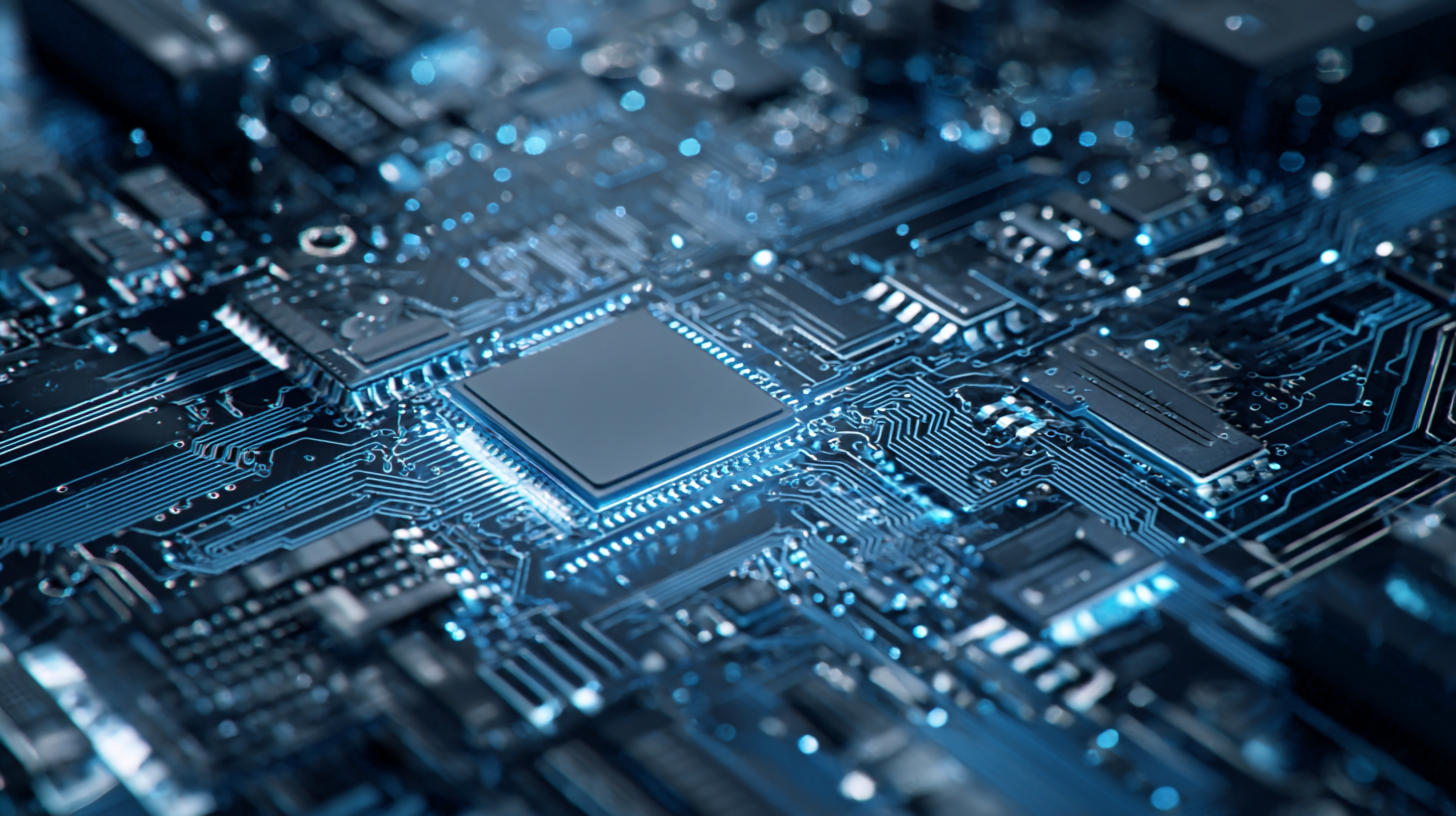
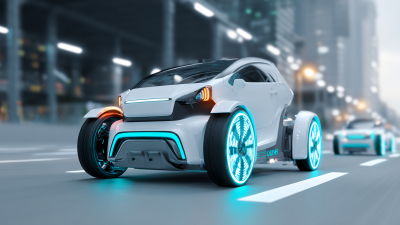
You know, in the fast-moving world of electric vehicles (EVs), having reliable and efficient powertrain components has honestly never been more important. Experts are saying that by 2030, the global EV market might hit over 26 million units—that’s a ton of electric cars on the road! One tech detail that's really making a difference is the High-Current PCB for EV Powertrains. It’s a key piece of tech that helps these high-tech systems run smoothly without a hitch. Here in Shenzhen, Rich Full Joy Electronics is really stepping up — they’re a high-tech company pushing the boundaries to create top-notch solutions for high-performance EVs.
In this blog, I’ll share ten key insights about these High-Current PCBs, showing how they’re crucial for boosting performance, keeping things safe, and powering the next wave of electric mobility. It’s pretty exciting stuff!
Benefits of High Current PCBs in Electric Vehicle Powertrains
High-current PCBs—those are the Printed Circuit Boards you really need when developing electric vehicle powertrains. They’re basically the backbone that can handle all the serious power modern EVs demand. According to a report by MarketsandMarkets, worldwide, the demand for these high-current PCBs is expected to grow at a pretty steady pace—about 6.5% annually from 2021 to 2026. The main driver? The push toward more efficient electric drives, which need better heat management and thermal performance to stay cool and reliable.
One of the coolest things about high-current PCBs is that they can help cut down weight without sacrificing power. A smartly designed PCB can save space and make the whole vehicle lighter—trust me, that’s a big win for improving range and overall efficiency. To get the most out of these boards, you wanna pick materials that are excellent at conducting electricity and managing heat. For example, using copper-infused substrates can really boost both performance and dependability.
Pro tip: When you're choosing a high-current PCB, don’t forget to think about how well it handles heat. Good heat dissipation can prevent future mishaps and extend the lifespan of your powertrain components. Also, make sure your PCB layout minimizes loop inductance—that’s fancy talk for making sure everything runs smoothly and reliably. Spending a little extra time on the design phase really pays off in the long run, helping your vehicle perform better and last longer.
Benefits of High Current PCBs in Electric Vehicle Powertrains
This chart illustrates the various benefits of high current PCBs in EV powertrains, highlighting key parameters such as thermal management, weight reduction, and improved reliability.
Improved Thermal Management for Enhanced Performance
Good thermal management is super important for making sure high-current PCBs in electric vehicle powertrains perform well and stay reliable. As the power loads get higher, it’s really crucial to keep these components cool enough—not too hot—because overheating can kill efficiency and even cause failures. By using advanced materials and smart design tricks, we can boost heat dissipation and keep everything running safely.
Here's a handy tip: think about applying thermal interface materials (TIMs) that have high thermal conductivity. They fill in tiny gaps between the chips and heat sinks, helping transfer heat more efficiently and keeping your PCB cooler during busy operation.
Also, adding heat sinks or thermal vias into your PCB layout can make a big difference. Heat sinks can be placed exactly where heat tends to build up, helping it escape faster, while thermal vias act like little thermal bridges, channeling heat away from hot spots to cooler parts of the board.
And don’t forget—it's a good idea to simulate how your design handles heat right from the start. Tools like computational fluid dynamics (CFD) can predict how heat will behave under different conditions. This way, you can tweak your design before you build it, making sure your thermal management plan is solid and practical.
10 Essential Insights on High Current PCB for EV Powertrain - Improved Thermal Management for Enhanced Performance
| Insight |
Description |
Impact on Performance |
Thermal Management Improvement |
| Material Selection |
Using advanced materials for improved conductivity. |
Enhanced electrical efficiency leading to improved range. |
Reduces heat generation under high load. |
| Layer Count Optimization |
Finding the right balance of layers for performance. |
Improves signal integrity and reduces EMI. |
Supports better heat dissipation. |
| Thermal Via Design |
Incorporating thermal vias for heat transfer. |
Lowers component temperatures during heavy loads. |
Enhances cooling efficiency in critical areas. |
| Copper Thickness |
Utilizing thicker copper for high current scenarios. |
Increases current carrying capacity without overheating. |
Minimizes thermal hotspots on the PCB. |
| Thermal Interface Materials (TIM) |
Implementing effective TIM between component and PCB. |
Improves heat transfer to cooling systems. |
Reduces thermal resistance. |
| Trace Design |
Optimizing trace widths for heat management. |
Reduces overheating risks along traces. |
Improves overall thermal performance. |
| Cooling Solutions |
Integrating active and passive cooling methods. |
Maximizes reliability and component lifespan. |
Enhances heat dissipation significantly. |
| Testing & Simulation |
Utilizing thermal simulations during design phase. |
Identifies potential thermal issues early. |
Adds confidence in thermal management strategies. |
| Compliance with Standards |
Adhering to thermal and electrical safety standards. |
Ensures vehicle safety and performance. |
Promotes reliability and longevity of components. |
Minimized Signal Loss for Increased Efficiency
In the fast-changing world of electric vehicles (EVs), the performance of powertrains really depends a lot on
high-quality printed circuit boards (PCBs). Keeping
signal loss to a minimum is super important—because even a tiny bit of loss can really affect how well
everything works. I recently read a report in the International Journal of Electronics that highlighted how
cutting down signal loss in PCB designs can boost overall system efficiency by up to 15%.
That’s a pretty strong reason to pay extra attention to optimizing PCB setups for EVs.
One way to do this is by choosing the right materials. Using low-loss dielectrics and fine-tuning trace
geometries are crucial steps. Also, making sure to use high-quality copper—thicker than
2 oz—can really cut down resistive losses. And don’t forget about via
stitching; it helps spread out the current evenly and manages heat better, which is especially important when
dealing with high currents.
Pro tip: Make sure to run detailed simulations during the design process. Catching potential
signal issues early on can save you a lot of headaches down the line.
On top of that, designers should explore advanced techniques like differential signaling and controlling
impedance carefully. These methods can reduce crosstalk and increase the reliability of high-speed data transfer—both
pretty vital for EV powertrains.
Another tip: Keep revisiting and updating your design standards to match the latest industry
advancements. Staying on top of these changes helps you stay competitive in this super fast-paced market.
Robust Design Features to Withstand Harsh Environments
When you're designing high-current PCBs for EV powertrains, it’s pretty clear that durability in tough environments is a must. I mean, these circuits face crazily high temperatures, constant vibrations, and exposure to moisture and chemicals—stuff that can seriously mess with their performance and reliability if you're not careful. So, a solid design starts with picking the right materials—things that can handle the heat like a champ and won’t break down under stress. Materials like polyimide or specialized FR-4 laminates with protective coatings are often the go-tos because they help these boards last longer and stay stable, even in harsh conditions.
Another thing that’s super important is managing heat properly. Good heat dissipation techniques—like thermal vias and well-placed copper layers—help keep everything cool and running smoothly. Plus, it’s smart to design for mechanical strength too—think reinforced edges or flexible layouts—to better handle vibrations and shocks that happen in rougher environments. When you pay attention to these details, you can really boost the reliability of those high-current PCBs, making sure they work efficiently and safely in the demanding world of electric vehicles.
Cost-Effectiveness and Manufacturing Scalability
As the electric vehicle (EV) market keeps growing, everyone's really starting to pay more attention to high-current printed circuit boards (PCBs) for powertrains. It’s a pretty big deal now, especially if we want to keep costs down and scale up production easily. Industry reports are pointing out that the global EV market is expected to grow at an impressive compound annual growth rate (CAGR) of over 22% between 2023 and 2030. That’s a clear sign we need smarter manufacturing solutions for those electrical components. These high-current PCBs aren’t just about handling a lot of power—they also need to be cost-effective. Luckily, recent advances in manufacturing, like automated fabrication and more streamlined assembly methods, are making it possible to produce these boards more cheaply without sacrificing performance or reliability.
Plus, we’re seeing innovations in other areas that show how scalable solutions can totally benefit PCB manufacturing for EV powertrains. Take battery swapping tech, for example — it’s a game-changer because it shows how building scalable and affordable infrastructure can really speed up EV adoption. This, in turn, highlights how crucial high-performance components like PCBs really are. By adopting modular designs and flexible manufacturing processes, the industry can better keep up with the fast-changing demands of EVs. The goal is to produce high-current PCBs efficiently, while still meeting strict performance standards and regulations. All in all, embracing these scalable manufacturing strategies isn’t just about today — it’s about fueling sustained growth and sparking innovation in the entire EV sector.
Future Trends in High Current PCB Technology for EVs
Lately, we've been seeing a real spike in the demand for high-current PCBs in electric vehicles. It’s mostly because folks want better energy efficiency and stronger performance when it comes to powertrain stuff. According to a recent report from IDTechEx, the market for these high-current PCBs in the EV world is expected to grow at an impressive compound annual growth rate of around 25% over the next five years. That’s pretty significant, and a lot of it comes down to more advanced battery tech and the trend toward higher power density components. These tougher components require super-robust PCB solutions that can handle more heat and electrical load without breaking a sweat.
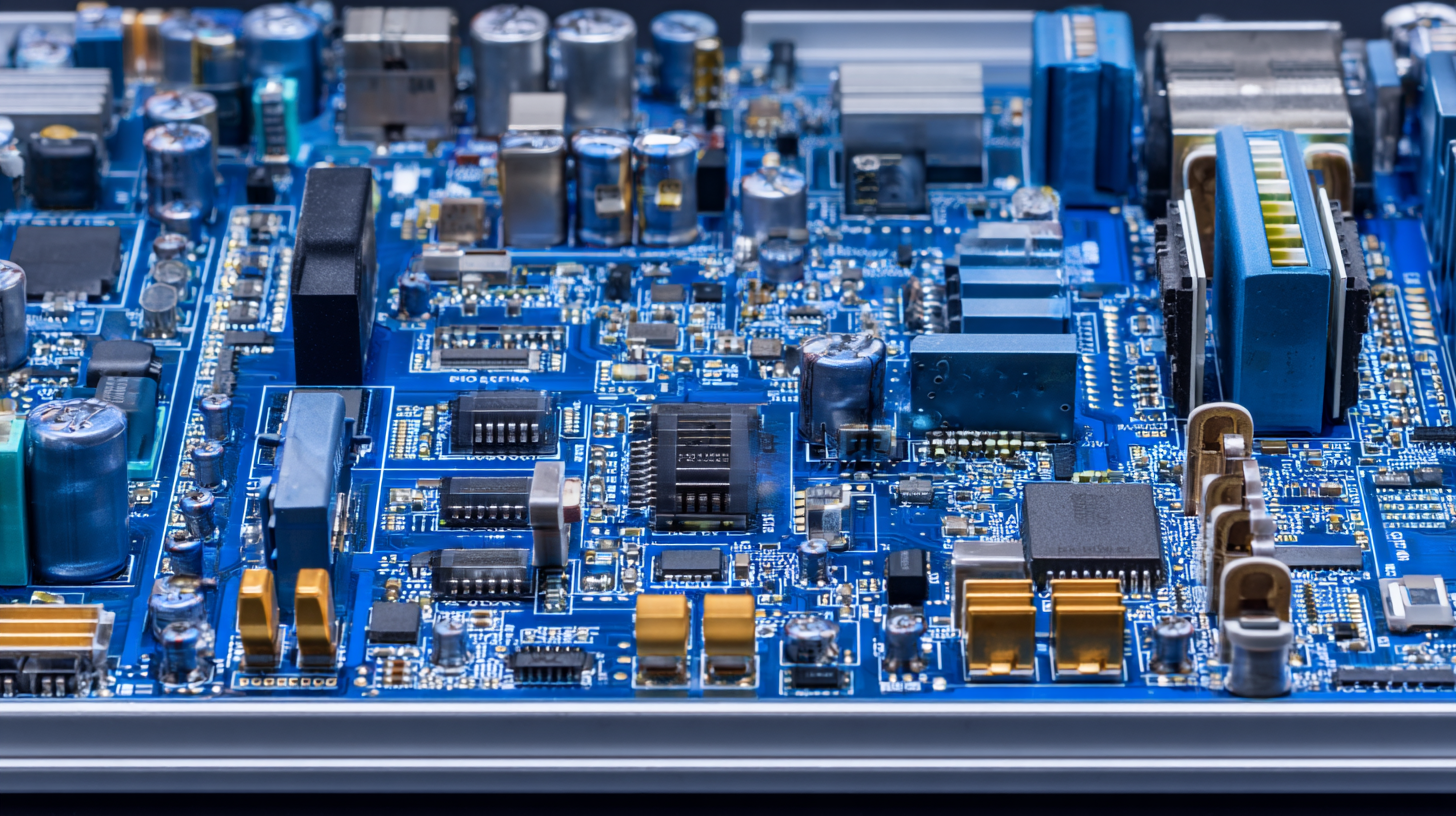
Looking ahead, the future of high-current PCB tech is all about making things more reliable and better at managing heat. We’re seeing the introduction of new materials, like high thermal conductivity substrates and top-notch laminates, which help keep operating temperatures in check and boost power delivery. Plus, as EV designs become more integrated—think multi-layer boards and finer pitch tech—innovative PCB designs are going to be more important than ever. And with tools that simulate thermal performance, engineers can better predict how these boards will behave in real-world conditions, making sure they can handle the demands of next-gen EV powertrains.
The bottom line? Companies that pour resources into cutting-edge PCB tech are gonna be in a really good spot to ride this growing EV wave.
Maximize Your Signal: Exploring the Benefits of Communication Power Amplifier PCB Boards
Maximizing communication efficiency is critical in today's fast-paced technological landscape, and one vital component that plays a key role in this process is the Communication Power Amplifier PCB Board. With the rise of high-frequency applications, the demand for specialized PCBs has surged. According to industry reports, the global market for communication PCBs is expected to grow significantly, as the proliferation of wireless technologies and the Internet of Things (IoT) drive innovation in communication systems.
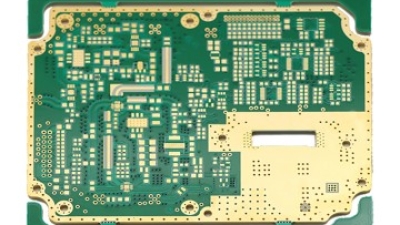
Our High Frequency PCB, made from a hybrid of Rogers 4350 and FR4 materials, is specifically designed to enhance signal performance in communication amplifier modules. This 8-layer PCB boasts a thickness of 2.0mm and incorporates advanced techniques such as metallized blind grooves with a depth of 0.5mm to ensure minimal copper loss. Importantly, the thermal stability of our product surpasses that of standard FR4 materials by more than three times, making it an ideal choice for high-power applications where heat management is critical.
Additionally, the versatility of our PCBs cannot be overlooked. We offer a range of types, including HDI, flexible, and rigid-flex PCBs, tailored to meet varying application needs. Investing in such high-quality circuit boards not only maximizes the performance of communication systems but also enhances reliability and efficiency, ultimately leading to superior overall system performance. As reported by leading industry analysts, the adoption of high-frequency PCBs is poised to redefine the standards of communication technology, paving the way for more robust signal amplification solutions.
FAQS
: High current PCBs (Printed Circuit Boards) are crucial for electric vehicles as they manage the substantial power demands of modern powertrains, contributing to improved efficiency and performance.
The global demand for high current PCBs in the automotive sector is driven by the trend towards high-efficiency electric drives, which require better thermal management and heat dissipation capabilities.
High current PCBs can reduce vehicle weight while maintaining high power density, leading to significant space savings and enhancing the vehicle's range and efficiency.
Materials with excellent electrical conductivity and thermal performance, such as copper-infused substrates, are recommended to optimize the performance and reliability of high current PCBs.
Signal loss is a concern because even a small percentage can significantly impact performance, potentially reducing overall system efficiency by up to 15%.
To minimize signal loss, it is important to use low-loss dielectrics, optimize trace geometries, utilize high-quality copper with a thickness of at least 2 oz, and incorporate via stitching for better current distribution.
Advanced design techniques such as differential signaling and controlled impedance can help minimize crosstalk and enhance the reliability of data transmission in EV powertrains.
Effective thermal management through heat dissipation is essential to prevent potential failures and prolong the longevity of powertrain components in electric vehicles.
Conducting thorough simulations during the design phase is crucial to identify potential signal integrity issues early, ensuring better performance and reliability.
Manufacturers should regularly review and adapt their design standards to stay aligned with the latest industry advancements and maintain competitiveness in a rapidly evolving market.
Conclusion
Hey, you know, as electric vehicles (EVs) keep evolving so quickly, the role of High-Current PCBs in EV powertrains really can’t be overstated. These advanced circuit boards do wonders—they help manage heat better, which is super important for keeping the system running smoothly and avoiding overheating. Plus, they cut down on signal loss, making sure the power flow is as efficient as possible—big deal for boosting the EV’s overall performance.
On top of that, these high-current PCBs are built tough. They’re designed to handle the rough conditions you’d expect in cars—so, you get durability and reliability that last. And with cost savings and easier manufacturing still being key factors, the latest innovations in this tech really set things up for the future of EVs. Companies like Shenzhen Rich Full Joy Electronics Co., Ltd. are pushing the envelope here, helping shape a cleaner, smarter automotive world. It’s pretty exciting stuff, honestly.