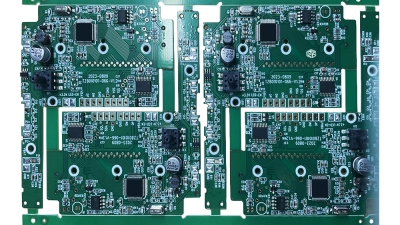
You know, with all the talk about US-China trade tensions and those pesky tariffs, it's pretty interesting to see how the flexible PCB (Printed Circuit Board) manufacturing scene in China is not just hanging in there but really flourishing. I just came across a market analysis that predicts the global flexible PCB market could hit a whopping $25 billion by 2025, growing at over 8% each year! Pretty wild, right? This boom is mainly fueled by our growing appetite for compact and efficient electronic gadgets that need some innovative manufacturing magic. One company really making waves in this bustling industry is Shenzhen Rich Full Joy Electronics Co., Ltd. They’re known as a high-tech innovator, and you can see why! With their knack for flexibility and top-notch expertise, they’re clearly ready to tackle whatever challenges come their way while keeping the momentum going. By teaming up with advanced technologies and smart partnerships, Shenzhen Rich Full Joy Electronics really shows off their resilience and creativity as they navigate the tricky waters of today’s trade game.

As the trade tensions between the US and China keep heating up, businesses are really having to figure out how to navigate this tricky landscape. It’s no walk in the park, especially with all the tariffs and trade barriers popping up. But you know what? The flexible printed circuit board (FPCB) manufacturing sector in China is stepping up its game and coming out stronger than ever. Chinese manufacturers are tapping into their skills and innovative tech to make their production processes more efficient, which helps cut costs and boost their competitive edge.
**First up:** Businesses really need to think about diversifying their supply chains. By getting materials from different suppliers around the world, they can dodge some of the risks tied to tariffs and keep everything flowing smoothly. Building relationships with multiple vendors not only bolsters supply chain resilience but also helps in negotiating better prices.
On top of diversifying their supply chains, Chinese FPCB manufacturers are all in on the latest technology to ramp up efficiency. With automation and AI-driven methods, they can respond much quicker to market demands. This flexibility allows them to pivot their products and designs without a hitch.
**Second tip:** Investing in research and development is super crucial for companies that want to thrive in this environment. By encouraging innovation, manufacturers can come up with unique products that really stand out in the crowded market, drawing in a wider range of clients while boosting profit margins.

With the US-China trade tensions heating up, Chinese flexible PCB manufacturers have really gotten clever about how they handle things. One big move they’ve made is diversifying their supply chains. This means they're sourcing materials and components from all over, not just sticking to a few suppliers. By doing this, they not only cut down on production costs but also become a lot more resilient when tariffs shake things up. It's a smart strategy that helps keep their operations running smoothly while also boosting their competitiveness in the global market.
On top of that, these manufacturers are jumping on board with technological innovation as a core part of their strategy. They’ve been investing in advanced manufacturing processes and automation, which has really helped them step up their efficiency and improve product quality. This focus on innovation is what’s putting Chinese flexible PCB manufacturers ahead of the game, letting them stay agile with changing market demands while keeping a solid grip despite all the external pressures. By mixing up their supply chains and embracing tech advancements, they’re navigating the tricky waters of today's trade landscape like pros.
You know, the trade tiff between the US and China has really shaken things up for manufacturers out there, especially in the flexible PCB (printed circuit board) world. But what's super interesting is that China's PCB industry is proving to be quite resilient and innovative. A lot of companies are diving into advanced technologies and smart manufacturing practices, which really helps them refine their production processes and boost efficiency. This kind of flexibility is super important for dealing with tariffs and keeping prices competitive for clients overseas.
And let me tell you, innovation is a huge part of the growth story in China's PCB scene. These manufacturers are putting a lot of money into research and development to figure out new materials and production methods, which really ramps up the performance and longevity of those flexible PCBs. By nurturing a creative and tech-savvy culture, they're not just keeping up with what the market wants; they’re also establishing themselves as key players in the global supply chain. With the trade barriers changing all the time, their dedication to innovation is what’s really helping China’s PCB manufacturers not just survive but thrive amid all this chaos.
| Year | Growth Rate (%) | Market Size (Billion USD) | Major Export Markets | Key Factors for Growth |
|---|---|---|---|---|
| 2019 | 7.2 | 32.5 | USA, Japan, Europe | Innovation, Demand for Flexible Electronics |
| 2020 | 8.5 | 35.3 | USA, South Korea, Taiwan | Resilience, Supply Chain Adaptation |
| 2021 | 9.1 | 38.6 | USA, Europe, Southeast Asia | Technological Advancement, Increased Automation |
| 2022 | 10.3 | 42.7 | USA, Europe, Latin America | Strategic Partnerships, R&D Investments |
| 2023 | 11.5 | 47.8 | USA, Australia, Middle East | Diversification, Sustainability Initiatives |
You know, it’s pretty fascinating how flexible PCB manufacturing in China has really held strong amidst all the chaos of rising tariffs and trade fights with the U.S. I came across this report from the China Printed Circuit Association that says the flexible PCB market there is set to grow at an impressive rate of 8.4% each year until 2025. That just goes to show how resilient this industry can be, even when things get tough. What's fueling this growth? Well, a lot of it boils down to some smart partnerships that enhance both their manufacturing capabilities and spark innovation.
Take a look at the partnerships happening between local producers and international tech firms—they're really making a difference. These alliances have helped Chinese manufacturers not only improve their production techniques but also boost their capacity. For instance, teaming up with semiconductor companies has allowed them to streamline their supply chains and ramp up product quality. A study by MarketsandMarkets even predicts that the global PCB market will hit a whopping $83 billion by 2025, with flexible PCBs snagging a big chunk of that pie, thanks to their role in new technologies like IoT and wearables. So, by leaning into these collaborative strategies, manufacturers in China aren't just dodging the negative impacts of tariffs; they're actually sharpening their competitive edge in the global market.
With the ongoing ups and downs in US-China trade relations, flexible PCB manufacturers in China are really stepping up their game to grab new market opportunities. A recent report from Market Research Future predicts that the flexible PCB market could hit a whopping $40 billion by 2025, growing at an impressive rate of 10.1% each year from 2020 to 2025. This surge is mainly driven by the rising demand from various sectors like consumer electronics, automotive, and medical devices—all of which are on the lookout for top-notch manufacturing solutions, especially with all the trade uncertainties hanging in the air.
To really thrive in this changing environment, manufacturers need to stay agile and keep pushing for innovation. A solid supply chain strategy is crucial. Companies can spread their wings by diversifying their suppliers and tapping into both local and international partnerships. This approach can help cushion the blow from tariffs and shifting trade policies. Plus, by investing in automated production technologies, they can not only boost efficiency but also cut down on production costs, which is key to staying competitive in the market.
And here’s a little tip: keep an eye on market trends and trade policies. Regularly checking out industry reports and economic forecasts can really help manufacturers anticipate changes in demand and tweak their strategies as needed. Embracing transparency in supply chain management is also a game changer, as it helps businesses spot and tackle potential disruptions head-on.
In the realm of medical technology, precise and reliable tools are paramount for effective patient care. Our focus on designing and assembling medical blood pressure monitor PCBs and PCBA plays a crucial role in ensuring that healthcare professionals can accurately monitor and assess patients' cardiovascular health. With our advanced engineering techniques, we provide comprehensive solutions tailored to the unique demands of sphygmomanometry, facilitating improved diagnosis and treatment in hospitals, clinics, and home healthcare settings.
Our medical blood pressure monitors are built with exceptional accuracy, allowing for consistent readings that can be trusted by both practitioners and patients. The durability of our products ensures they withstand the rigors of everyday use, thereby offering healthcare providers a reliable tool for monitoring patients over time. Additionally, our commitment to comfort means that the design of our devices considers the patient experience, making essential health assessments less intrusive and more accessible. By integrating innovative technology with user-centered design, we strive to enhance patient care and improve health outcomes in various medical environments.
: The main challenges include tariffs and trade barriers that complicate supply chains, impacting production costs and efficiency.
Companies can prioritize supply chain diversification by sourcing materials from various suppliers globally and establishing relationships with multiple vendors to ensure resilience and facilitate cost negotiations.
Manufacturers are embracing automation and AI-driven production methods, which enable quicker response times to market demands and allow for seamless product and design pivots.
Investing in R&D fosters innovation, helping manufacturers create unique product offerings that stand out in a competitive market, attract a broader range of clients, and increase profit margins.
The flexible PCB market in China is projected to grow at a compound annual growth rate (CAGR) of 8.4% through 2025.
Strategic collaborations between local manufacturers and international technology firms enhance production techniques, expand capacity, and improve product quality, which helps mitigate tariffs' impact and strengthen competitive edge.
The demand for flexible PCBs is increasing in consumer electronics, automotive, and medical devices sectors, all of which require advanced manufacturing solutions.
Manufacturers should focus on agility and innovation, diversify their supplier base, leverage local and international partnerships, and invest in automated production technologies to enhance efficiency and reduce costs.
Regularly analyzing market trends and trade policies, monitoring industry reports and economic forecasts, and embracing transparency in supply chain management can help manufacturers anticipate shifts in demand and address potential disruptions effectively.