Leave Your Message
0%

You know, the electric vehicle (EV) scene is really exploding right now, with sales expected to jump from 3 million back in 2020 to over 30 million by 2025, according to the International Energy Agency. Pretty wild, right? One of the key pieces in any EV is the On-Board Charger PCB—or OBC PCB, for short. That tiny but mighty component is responsible for converting and managing the power needed to charge the battery. A good OBC PCB doesn’t just speed up charging — it also helps make sure energy gets used efficiently. No surprise that EV makers are paying close attention to it if they want to boost performance and deliver a better experience for us drivers.

As more and more folks jump on the electric bandwagon, the tech behind these cars needs to step up as well. Picking the right OBC PCB is pretty crucial if manufacturers want to meet our expectations around how fast cars charge and how reliable they are. Honestly, recent studies show that the efficiency of this little board can make a real difference in how well the whole vehicle performs. This means manufacturers are now more than ever scrutinizing their choices, trying to find that sweet spot between cost, dependability, and top-notch performance. If they get it right, they’re better positioned to stay competitive in this fast-changing industry.
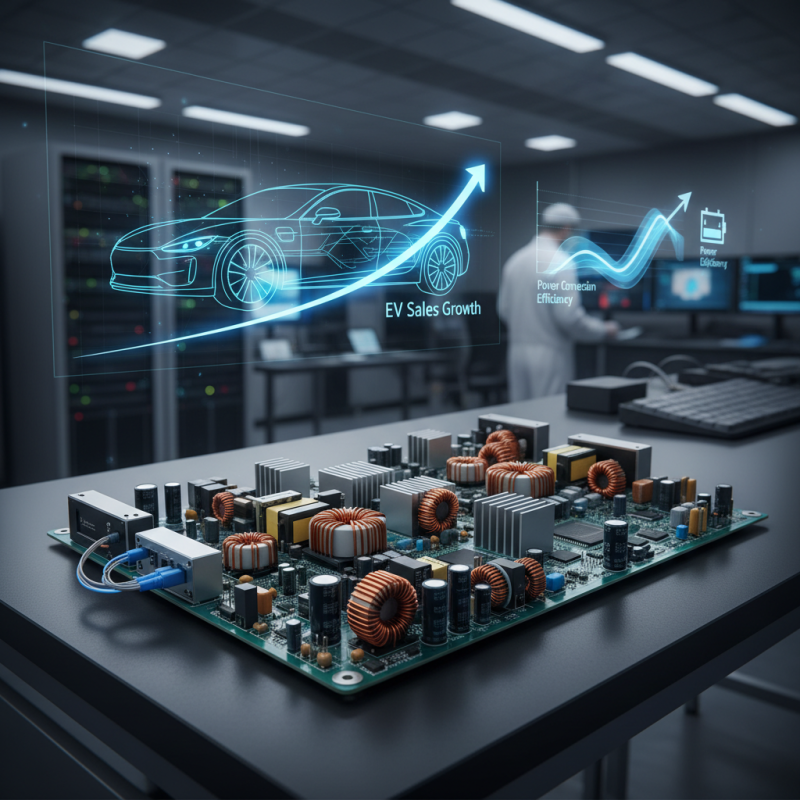
How to Choose the Best On-Board Charger PCB for Your Electric Vehicle

Understanding the Role of On-Board Chargers in Electric Vehicles

On-board chargers (OBCs) play a crucial role in the functionality and efficiency of electric vehicles (EVs). They are responsible for converting the alternating current (AC) supply from the grid into the direct current (DC) needed to charge the vehicle's battery. This conversion is vital because it ensures that the power delivered to the battery is optimized for its specific charging requirements. As electric vehicles continue to evolve, the design and efficiency of these chargers become increasingly important, directly impacting the vehicle's overall performance and charging speed.

Furthermore, the integration of advanced technology in on-board chargers enhances their ability to manage energy flow and maintain battery health. Modern OBCs feature smart charging capabilities, allowing them to communicate with both the vehicle and the grid. This communication facilitates functions such as load management and optimization of charging times, which can lead to reduced energy costs and increased convenience for the user. In addition, with the rise of renewable energy sources, sophisticated OBCs can adapt to varying input conditions, ensuring that electric vehicles can be charged efficiently regardless of the power source used.

Key Specifications to Consider for On-Board Charger PCBs

When choosing the best on-board charger PCB for your electric vehicle, it is crucial to focus on key specifications that ensure optimal performance and reliability. One of the primary aspects to consider is the charging power capacity. The PCB should support the required wattage to charge the battery efficiently, taking into account the vehicle's design and battery management system. Additionally, the voltage range must align with the battery specifications to prevent damage and ensure safe operation.

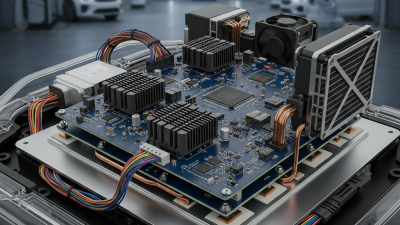
Thermal management is another vital specification. Effective heat dissipation is essential to maintain the operational integrity of the charger during prolonged use. A well-designed on-board charger PCB should incorporate sufficient thermal vias and heat sinks to manage component temperatures, thereby enhancing longevity and performance. Furthermore, size and layout are significant factors; the PCB should be compact enough to fit within the vehicle's design while providing adequate space for components without compromising connectivity or efficiency.

Lastly, integration with communication protocols is essential for modern electric vehicles. The PCB should support various communication standards to facilitate seamless interaction with the vehicle's battery management system, improving charging efficiency and safety. By carefully examining these specifications, you can select an on-board charger PCB that meets the demands of your electric vehicle effectively.

Evaluating Charging Speed and Efficiency in On-Board Chargers

When evaluating on-board chargers for electric vehicles, charging speed and efficiency are critical factors to consider. The charging speed is primarily determined by the charger's power output, which is usually measured in kilowatts (kW). A higher power output translates to faster charging times, enabling electric vehicle owners to spend less time plugged in and more time on the road. It is essential to assess the compatibility of the on-board charger with the vehicle's battery capacity and the charging infrastructure available, as these elements collectively influence the overall charging experience.

Efficiency is another vital aspect, as it determines how much of the energy drawn from the power source is effectively transferred to the vehicle’s battery. An efficient charger minimizes energy losses during the conversion and transfer processes, which is crucial not only for reducing operational costs but also for enhancing the vehicle's range. Various factors, including the charger's design, components used, and thermal management systems, can significantly affect efficiency levels. Therefore, thorough evaluation of these features is crucial for selecting an on-board charger that optimizes both charging speed and energy use, ultimately supporting the performance and sustainability of electric vehicles.

Material Selection for Durable and Effective Charger PCBs

When selecting the best on-board charger PCB for electric vehicles (EVs), material selection is crucial for ensuring durability, efficiency, and longevity. The performance of a charger PCB is significantly influenced by the materials used in its construction. Commonly, materials such as FR-4 (a fiberglass-reinforced epoxy laminate) and high-frequency laminates like PTFE are favored for their thermal and electrical insulation properties. Research indicates that using high-quality materials can reduce thermal expansion, enhance signal integrity, and ultimately improve the lifecycle of the PCB by 30% or more.

To optimize performance, consider investing in PCBs that utilize advanced thermal management materials. These materials can dissipate heat more effectively, thereby preventing premature failure of the charging systems. A study by the International Electronics Manufacturing Initiative (iNEMI) highlighted that PCBs with superior thermal conductivity can improve charging efficiency by up to 20%. This not only enhances performance but also supports sustainable practices by prolonging the operational lifespan of the vehicle’s electrical components.

**Tips:** Always evaluate the material specifications provided by manufacturers and consider how they align with the environmental conditions your EV will operate in. For example, if your vehicle is intended for high-temperature environments, opt for PCBs that offer better thermal performance. Furthermore, utilizing halogen-free and lead-free materials can ensure compliance with environmental regulations and promote a greener approach to manufacturing.

How to Choose the Best On-Board Charger PCB for Your Electric Vehicle - Material Selection for Durable and Effective Charger PCBs

Material Type Thermal Conductivity (W/m·K) Dielectric Strength (kV/mm) Copper Thickness (oz) Cost ($/m²) Application Suitability
FR-4 0.25 25 1-2 20 General Purpose
Polyimide 0.3 30 1 50 High-Temperature Applications
Ceramic 1.5 40 4 100 High-Power/High-Frequency
Aluminum 200 10 2 40 Thermal Management Solutions

Assessing Thermal Management Solutions for On-Board Chargers

Effective thermal management is crucial when selecting an on-board charger PCB for electric vehicles (EVs). The operation of these chargers generates significant heat, which can affect performance and durability. An efficient thermal management solution ensures that temperatures remain within optimal ranges, preventing overheating that could lead to malfunctions or reduced lifespan of the charger. Designers can employ a variety of strategies such as heat sinks, thermal pads, and efficient airflow design to dissipate heat effectively.

In addition to passive cooling methods, active thermal management solutions can enhance the overall performance of on-board chargers. These might include integrated fans or liquid cooling systems that can provide targeted cooling to critical areas. It’s also important to consider the PCB materials used; those with better thermal conductivity can help distribute heat more evenly and reduce hotspots. Ultimately, a well-designed thermal management system not only improves efficiency and reliability but also contributes significantly to the safety and performance of electric vehicles. Making informed choices in this area can lead to more robust and efficient EV systems.

Compatibility Considerations for Electric Vehicle Models

When selecting an on-board charger PCB for electric vehicles (EVs), compatibility with different vehicle models is paramount. Each EV model has specific requirements concerning voltage, current, and communication protocols. Understanding these parameters will help ensure that the charger integrates seamlessly with the vehicle's existing electrical system. It is crucial to analyze the vehicle's operational specifications, as mismatches can lead to suboptimal charging performance or even damage to the vehicle components.

Additionally, the functionality of the on-board charger PCB must align with the vehicle's design and intended use. For instance, fleet vehicles may require rapid charging capabilities, while consumer models might prioritize efficiency and battery longevity. Manufacturers often provide documentation detailing the compatibility of their PCBs with various EV models, which can serve as a reliable reference during the selection process. Ultimately, a thorough assessment of compatibility factors is essential to ensure safe and efficient charging solutions for diverse electric vehicle applications.

On-Board Charger PCB Compatibility for Electric Vehicle Models

Cost-Benefit Analysis of Different On-Board Charger Options

How to Choose the Best On-Board Charger PCB for Your Electric Vehicle

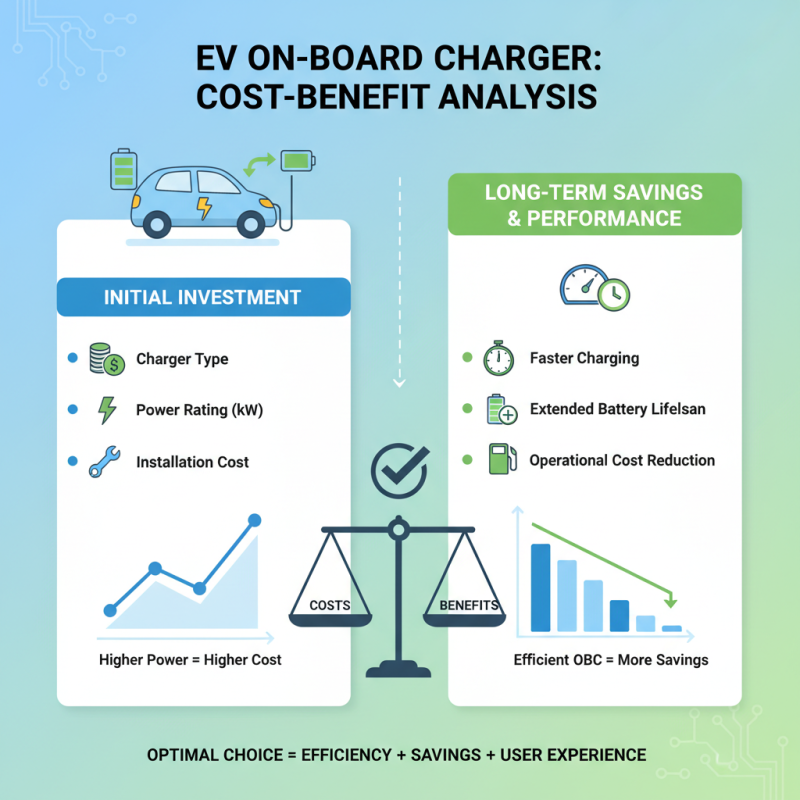
When selecting an on-board charger (OBC) for electric vehicles, a thorough cost-benefit analysis is essential. Different charging options come with varying price tags and performance capabilities, impacting the overall efficiency and usability of the vehicle. It is crucial to evaluate the initial investment required for each charger type against the long-term savings achieved through features such as faster charging times and extended battery lifespan. This analysis helps determine which option offers the most advantageous trade-offs, ultimately influencing the vehicle's operational costs and user experience.

Additionally, considering the maintenance and operational expenses associated with different on-board chargers is vital. Some chargers may have lower upfront costs but incur higher maintenance fees or require specific infrastructure to function optimally. Furthermore, analyzing the compatibility of the charger with existing systems and future upgrades can provide significant insights into its long-term viability. By weighing these factors, manufacturers and consumers alike can make informed decisions that not only optimize performance but also ensure cost-efficiency throughout the vehicle's lifecycle.

FAQS

: What materials are commonly used for on-board charger PCBs in electric vehicles?

: Common materials include FR-4, which is a fiberglass-reinforced epoxy laminate, and high-frequency laminates like PTFE, valued for their thermal and electrical insulation properties.

How does material selection impact the performance of charger PCBs?

The choice of materials significantly affects durability, efficiency, and longevity, potentially improving the lifecycle of the PCB by 30% or more when high-quality materials are used.

What role does thermal management play in the performance of charger PCBs?

Advanced thermal management materials can dissipate heat more effectively, which helps prevent premature failure of charging systems and improves charging efficiency by up to 20%.

Why is compatibility important when selecting an on-board charger PCB for electric vehicles?

Compatibility is crucial to ensure that the charger meets the specific voltage, current, and communication protocols required by different vehicle models, preventing suboptimal performance or damage.

What considerations should be made regarding environmental conditions when choosing a charger PCB?

It's important to evaluate the material specifications against the environmental conditions where the EV will operate, opting for PCBs with enhanced thermal performance for high-temperature environments.

How can manufacturers help in determining the compatibility of charger PCBs with electric vehicles?

Manufacturers typically provide documentation detailing their PCBs' compatibility with various EV models, which can serve as a reliable reference during the selection process.

What benefits do halogen-free and lead-free materials offer in PCB manufacturing?

Utilizing halogen-free and lead-free materials ensures compliance with environmental regulations and promotes a more sustainable manufacturing approach.

What is the impact of efficient charging capabilities on fleet vehicles versus consumer models?

Fleet vehicles may require rapid charging capabilities, while consumer models generally prioritize efficiency and battery longevity, reflecting different operational needs.

How does signal integrity relate to the materials used in charger PCBs?

High-quality materials can enhance signal integrity, which contributes to improved performance and reliability of the charging system.

What is the overall benefit of investing in high-quality materials for charger PCBs?

Investing in high-quality materials not only boosts performance and reliability but also supports sustainability by extending the lifespan of the vehicle's electrical components.

Conclusion

Choosing the right On-Board Charger PCB (OBC PCB) for your electric vehicle is crucial for optimal charging performance and longevity. This article delves into the essential role OBC PCBs play in EVs, highlighting key specifications such as voltage ratings, current capacity, and integration capabilities. It emphasizes evaluating charging speed and efficiency, alongside selecting durable materials that ensure effective performance.

Moreover, it addresses the importance of thermal management solutions in mitigating overheating during operation. Compatibility with various electric vehicle models must also be considered to ensure seamless integration. Finally, a comprehensive cost-benefit analysis of different OBC PCB options helps stakeholders make informed decisions, balancing performance, durability, and cost.
Liam

Liam

Liam is a dedicated marketing professional at Shenzhen Ruizhixinfeng Electronics Co., Ltd., where he leverages his extensive expertise in the electronics industry to drive the company's communication strategy. With a deep understanding of the latest technological advancements and market trends,......
Previous Future Trends in High Frequency Pcb Technology for Global Buyers