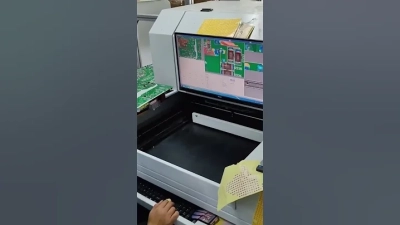
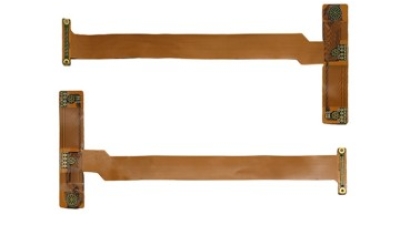
In today's fast-changing world of automobiles, adding advanced tech to vehicles isn’t just a trend anymore—it’s pretty much essential. One of the main players in this innovation game? The Car Camera PCB. A recent report from Technavio points out that global demand for automotive camera systems is expected to shoot up by over 27% between 2021 and 2025. That really shows just how much these high-quality camera systems are becoming crucial for boosting safety and helping drivers out.
Companies like Shenzhen Rich Full Joy Electronics Co., Ltd.—a high-tech enterprise that’s really pushing the envelope—are leading the charge with smart solutions tailored for all kinds of vehicles. As more folks, both consumers and manufacturers, realize how vital a well-designed Car Camera PCB is for the performance and dependability of these camera systems, picking the right PCB is more important than ever if you want the best safety and function on the road.
Understanding Different Types of Car Camera PCBs Available in the Market
So, if you’re trying to pick out the right car camera PCB for your ride, it really helps to understand what’s out there in the market. The automotive PCB world has been growing super quickly lately. In fact, the global market was estimated to be around $9.79 billion in 2023, and experts expect it to hit about $14.09 billion by 2030. A big reason for this boom is the rising demand for fancy driver-assistance features and better safety tech — which, of course, rely heavily on top-notch camera PCBs.
There are a bunch of different types of car camera PCBs designed for all sorts of uses — like rearview cameras, dash cams, and those cool 360-degree panoramic setups. Each kind has its own specs and jobs. For example, rearview camera PCBs tend to be pretty simple and sturdy, while those made for advanced driver-assistance systems are built to handle fast processing and work seamlessly with other car systems. When you’re choosing one, it’s smart to think about what your specific needs are — like the resolution you want, how fast it needs to process data, and whether it can handle tough conditions.
A quick tip: always make sure the PCB fits your particular vehicle model. Also, look for ones that are really waterproof — that way, you’re covered come rain or shine. And if you go for a PCB with advanced image processing features, it can seriously up the overall performance of your camera system. So, keep these things in mind, and you’ll be on the right track!
Car Camera PCB Types Comparison
Key Features to Look for When Choosing a Car Camera PCB
When you're on the hunt for the right car camera PCB for your vehicle,
it's super important to get a good handle on the must-have features. Trust me, knowing what to look for
can make a big difference in both safety and performance. For starters, one of the biggies is
resolution—basically, how clear the footage will be.
Did you know that a recent report by the Automotive Video Surveillance Market shows a whopping
40% jump in demand for high-def cameras (720p and above)
over the past couple of years? That's because folks really want sharp, detailed images when monitoring
their rides. The higher the resolution, the better the footage—you get clearer pictures and can catch
those tiny details that might matter when something happens.
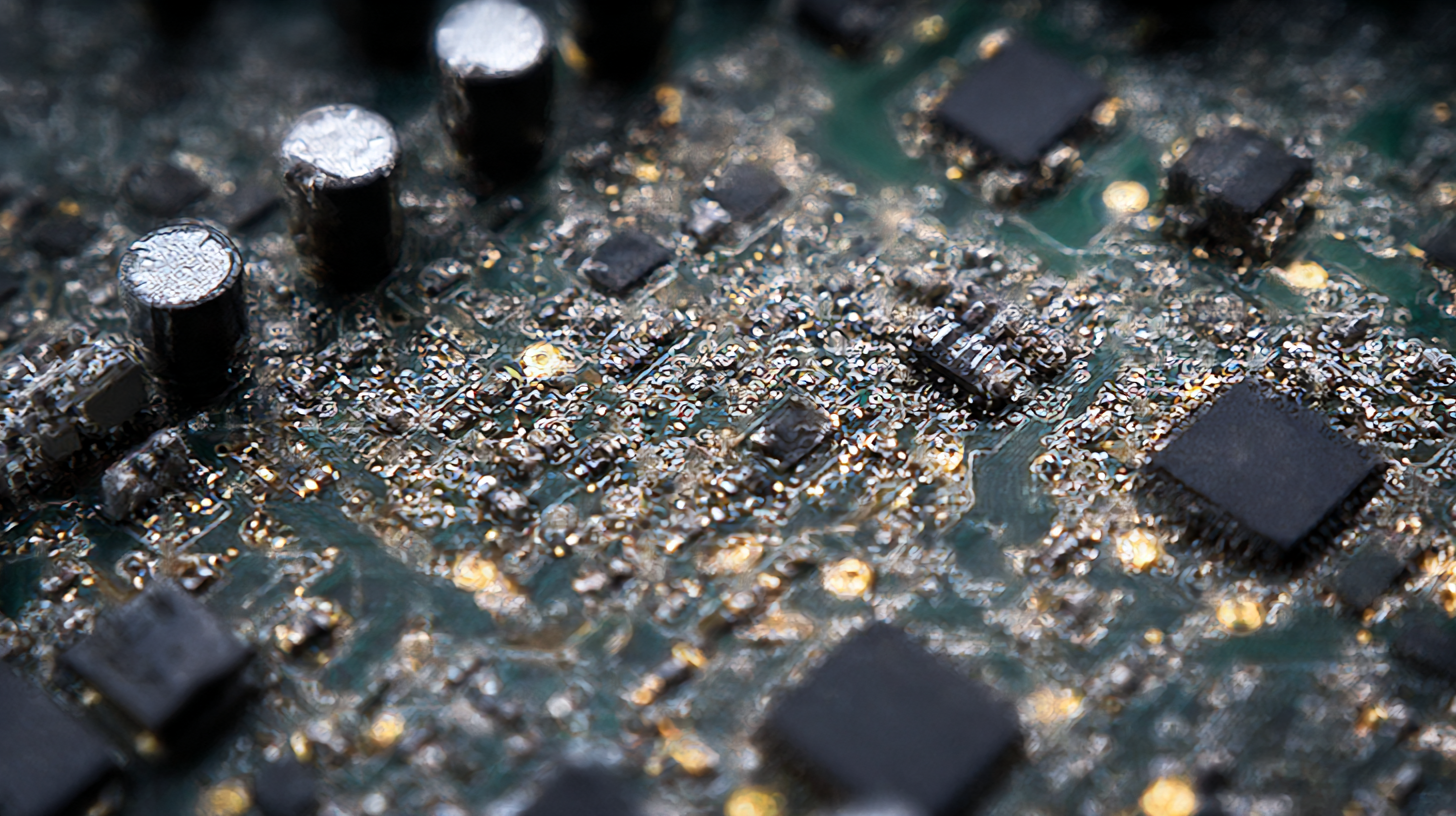
And then, don’t forget about the field of view—
FOV, if you're into the tech lingo. A wide-angle lens, usually
between 120 and 180 degrees, is pretty much a no-brainer for covering more ground around your car.
It helps cut down on those annoying blind spots. In fact, studies have shown vehicles equipped
with such wide FOV cameras can reduce accidents by up to
30%. Pretty impressive, right? Also, since a lot of
accidents happen when lighting's not so great, pay attention to the camera's low-light or night vision
capabilities. Cameras that perform well even in the dark are a real lifesaver,
ensuring you get footage when it matters most. All in all, choosing a PCB with these key features
isn’t just about tech specs; it's about making sure your ride is as safe and protected as possible.
Assessing Compatibility of Car Camera PCBs with Your Vehicle Model
When you're picking out a car camera PCB for your ride, it's pretty important to make sure it actually works with your specific vehicle model. Lately, automotive tech has gotten way more advanced, and that means understanding how different systems and their parts play together is more crucial than ever. For example, many manufacturers are rolling out cool new features that depend on more complex circuit boards. If the PCB isn’t the right match, you could run into system glitches—stuff that’s actually been a problem enough to trigger recalls because of damaged boards in some cars.
Plus, with all the new hardware options and retrofit possibilities popping up, you really want to make sure that the PCB isn’t just a tight fit physically but also matches what your car actually needs to run smoothly. This is especially true if you've got an older model, and tech keeps changing. Take those extra camera modules in newer versions as an example—it's part of a bigger push to boost safety and navigation. Upgrading your vehicle with the right camera PCB can make a real difference in performance, but if it’s not compatible with your current system, you might end up facing some headaches down the line.
How to Choose the Right Car Camera PCB for Your Vehicle Needs - Assessing Compatibility of Car Camera PCBs with Your Vehicle Model
| Vehicle Model |
Supported Camera Types |
Resolution |
Connectivity Options |
Power Supply |
| Toyota Camry 2021 |
Rearview, Dashcam |
1080p |
Wi-Fi, Wired |
12V |
| Honda Civic 2020 |
Dashcam, Parking |
4K |
Bluetooth, Wired |
12V |
| Ford F-150 2022 |
Rearview, Dashcam |
720p |
Wired |
12V |
| Chevrolet Malibu 2019 |
Dashcam, Parking |
1080p |
Wi-Fi, Bluetooth |
12V |
| Nissan Altima 2020 |
Rearview, Dashcam |
1080p |
Wi-Fi |
12V |
Evaluating Image Quality and Resolution in Car Camera PCBs
When you're choosing the right car camera PCB for your ride, pay close attention to the
image quality and
resolution—that stuff really matters. A
high-res camera can capture sharper images, making it way easier to spot details like license plates and road signs.
Honestly, I’d recommend going for at least
1080p resolution if you want clear visuals, even when the lighting isn't perfect.
Here's a quick tip: always check out the sensor specs. A
bigger sensor usually means better performance in low-light situations—super helpful when driving at night or in bad weather like rain or fog. So, if you want your camera to perform well in tricky conditions, look for one with a
good quality image sensor. It really makes a difference.
Another thing to consider is the
frame rate. The higher it is, the smoother your video will look—crucial on fast-paced roads. For most normal driving,
30fps works just fine, but if you’re behind the wheel of a performance car or you tend to do some aggressive driving, bump it up to
60fps. That'll give you even crisper footage during quick maneuvers.
Oh, and don’t forget about features like Wide Dynamic Range (WDR). This one's a game changer because it helps balance lighting, so your footage looks good whether it’s sunny outside or there are shadows everywhere. Basically, it makes sure your camera captures clear images in all kinds of lighting situations, which is pretty awesome if you want reliable footage all the time.
Budget Considerations: Finding the Right Price Point for Your Needs
When you're shopping for a car camera PCB, keeping an eye on your budget is super important. From what I've seen in industry reports, decent quality PCBs usually run anywhere from about $50 to $200, depending on the features you want—like better specs or added functionalities. With the automotive electronic market growing so fast—it's expected to hit around $350 billion by 2028—it's a good idea to think carefully about what you really need versus what you can afford. Sure, if you go for a camera with fancy features like night vision or built-in GPS, you're gonna pay a bit more, but those extras can really boost safety and convenience.
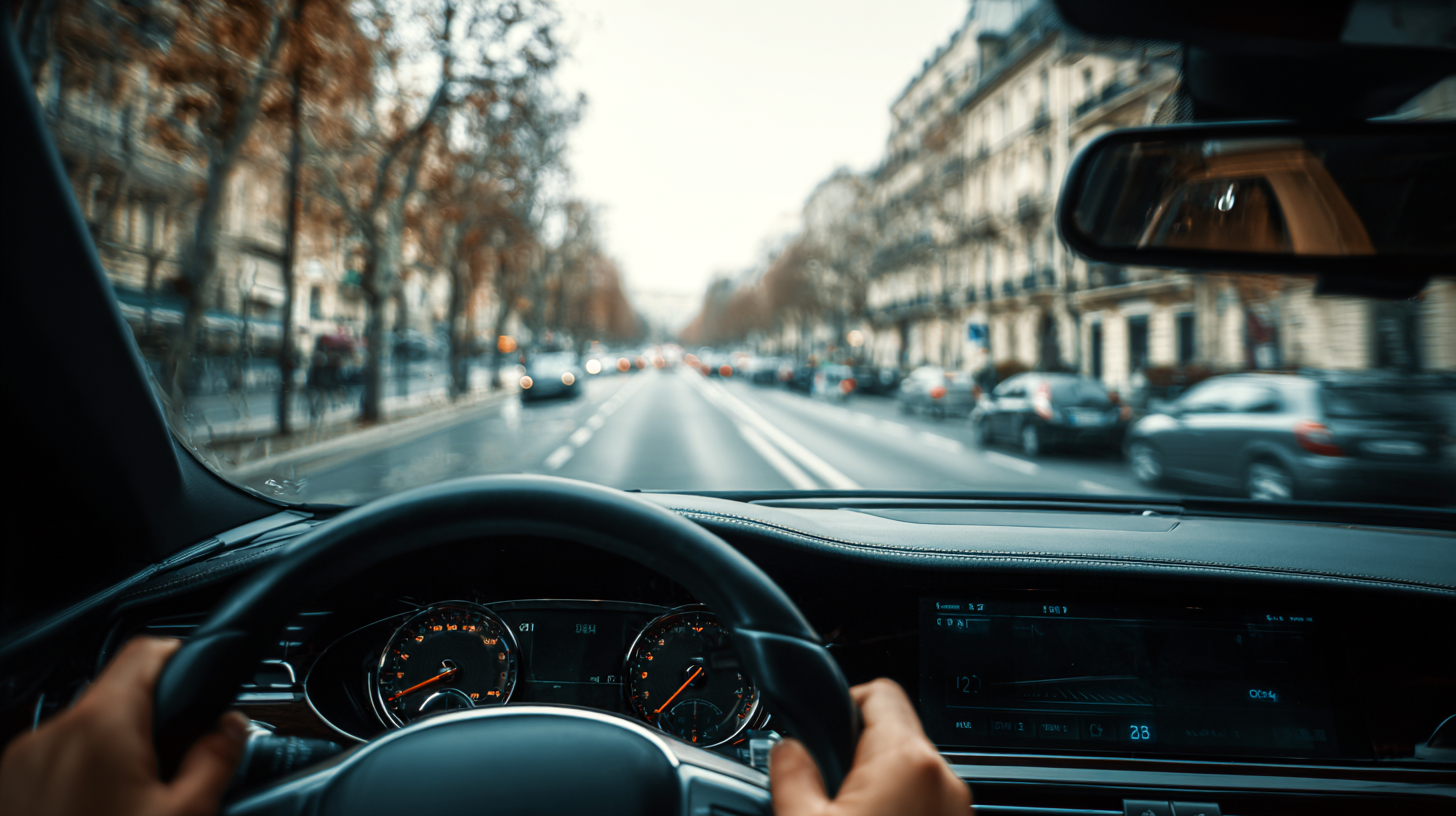
Here at Shenzhen Rich Full Joy Electronics Co., Ltd., we totally get that you want good quality without breaking the bank. We're a national high-tech enterprise focused on creating top-notch car camera PCBs for all sorts of automotive needs. Our goal is to offer competitive prices without sacrificing quality. Thanks to our expertise and commitment to innovation, we can help you find a car camera solution that fits your budget—and your car's needs—perfectly.
Installation and Maintenance Tips for Car Camera PCBs
When you're installing a car camera PCB, it’s really important to follow a step-by-step approach to get the best results. First off, make sure you check the manufacturer's instructions for your specific vehicle model—that way, you'll avoid any compatibility hiccups. Before diving in, gather all the tools you'll need and take a moment to get familiar with your car's wiring layout. Having a tidy workspace makes a huge difference—it keeps things flowing smoothly and helps prevent mistakes during the install.
Taking care of your car camera PCB over time is key if you want it to last and work well. Regularly inspect the connections and give the camera lens a quick clean so the footage stays clear. After some heavy use, it’s a good idea to look over the hardware for any signs of wear or damage—stuff like environmental factors can really take a toll. Also, don’t forget to keep your firmware updated whenever updates come out from the manufacturer. It’s a simple step that can boost features and keep everything running smoothly. Keeping your PCB in tip-top shape isn’t just about longevity; it also ensures your vehicle always has a reliable security system on board.
Unlocking Innovation: Why Panasonic's 2-Layer FPC Flexible Boards are Essential for High-Precision PCB Designs
In the rapidly evolving landscape of electronics, innovation is the cornerstone of success, and Panasonic's 2-layer FPC flexible boards are pivotal for achieving high-precision PCB designs. Constructed from Panasonic R-F775 polyimide material and featuring TG320 non-adhesive rolled copper, these boards meet the stringent demands of modern applications. Designed for high density, they support a minuscule line width and spacing of 4/4mil, alongside a minimum via diameter of 0.25mm. Such specifications place them at the forefront of flexible circuit technology, facilitating exceptional performance in high-density electronic applications.
According to a recent report by Markets and Markets, the flexible printed circuit market is projected to reach $30 billion by 2026, growing at a CAGR of 10.4%. This growth is driven primarily by the demand for advanced electronics in sectors like 5G communication, smart devices, and automotive applications. Our unique offerings, including gold immersion surface treatment, impedance control, and solder-mask-plug-hole processes, are tailored to ensure stable high-speed signal transmission—an essential feature for cutting-edge technologies. As a leading FPC flexible board manufacturer, we are committed to delivering custom solutions that meet the diverse and evolving needs of the industry, reinforcing the critical role of innovation in securing a competitive edge.
FAQS
: A resolution of at least 1080p is recommended for optimal clarity, ensuring sharp and detailed visuals even in challenging lighting conditions.
A wide FOV, typically ranging from 120 to 180 degrees, is vital for comprehensive coverage around the vehicle, minimizing blind spots and potentially reducing accident rates by up to 30%.
Low-light performance is crucial as many incidents occur in poor lighting conditions. Cameras with advanced night vision capabilities ensure that critical footage is captured in all environmental settings.
Larger image sensors typically perform better in low-light situations, significantly enhancing the overall performance of the car camera PCB, especially during nighttime driving or adverse weather conditions.
A frame rate of 30fps or higher is generally sufficient for most applications, but for performance vehicles or aggressive driving conditions, 60fps is recommended for sharper footage during quick maneuvers.
WDR support improves visibility in both bright and dark areas of the frame, providing balanced lighting for clearer footage, which is invaluable during sunny days or in shaded areas.
High-definition cameras (720p and above) enhance image quality and improve the ability to capture vital information during incidents, reflecting the growing demand for clarity and detail.
In addition to resolution and field of view, consider features like low-light performance, frame rate, and the presence of WDR support for improved overall functionality and safety.
Conclusion
When you're picking out a car camera PCB for your ride, it’s pretty important to get a good sense of the different types out there and what they’re really capable of. Think about whether it’s a good match for your specific vehicle, and don’t forget to check the image quality and resolution — 'cause clear footage can make all the difference when it counts. Plus, your budget matters too. You wanna find something that ticks all your boxes without breaking the bank, right?
And hey, installing and taking care of your car camera system properly can really make it last longer. That way, you get the most out of all its features. By the way, Shenzhen Rich Full Joy Electronics Co., Ltd. is pretty solid when it comes to crafting high-quality Car Camera PCBs. They focus on giving you both reliable performance and top-notch quality, so your driving experience stays smooth and safe.