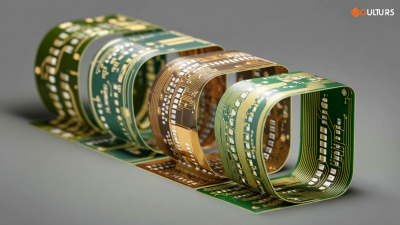
You know, in today's super quick-paced world of electronics, finding innovative solutions is more important than ever. That's why flexible circuit manufacturers are really gaining attention. I came across a recent report from MarketsandMarkets that says the flexible printed circuit market is expected to hit around 28.8 billion USD by 2025, growing at about 10.3% annually since 2020. Quite a leap, right? This massive growth is mainly because devices are getting smaller and sleeker, and the demand for better connectivity options is booming. With all this hustle and bustle, choosing the right manufacturer becomes a pretty big deal — you want someone who can deliver top-notch flexible circuits tailored just for your needs. That’s where
Shenzhen Rich Full Joy Electronics really shines. They’re a high-tech company in China, dedicated to crafting really specialized designs and production of flexible circuits. Being one of the key enterprise incubation centers in the country, they use the latest tech and focus on quality, making sure their clients stay ahead of the game in this fast-changing industry.
Understanding the Different Types of Flexible Circuits Available
When you're picking out flexible circuit manufacturers, it’s super helpful to really understand the different types of flexible circuits out there so you can find the best fit for your project. Basically, flexible circuits fall into a few main categories: single-sided, double-sided, and multi-layer.
Single-sided ones are pretty straightforward and often found in everyday gadgets—you know, things like smartphones or wearables. Double-sided circuits add more connectivity, which makes them better suited for a bit more complex stuff. Then, you've got multi-layer circuits, which are made up of several flexible layers stacked together. These are perfect if you’ve got high-density designs or need top-tier performance—they make complex, feature-rich products possible.
At Shenzhen Rich Full Joy Electronics Co., Ltd., we’re really proud of staying ahead when it comes to flexible circuit tech. We offer a bunch of options to suit different industries and needs. Being a national high-tech innovative company, we put a lot of know-how into creating flexible circuits that deliver both reliability and top performance.
Whether you need something simple like a single-sided circuit or a more complicated multi-layer design, our team is here to help you figure out what’s best for your project, matching your goals and manufacturing plans. We’re all about making sure you get the best solution without the hassle.
Key Factors to Consider When Selecting a Flexible Circuit Manufacturer
So, when you're trying to pick the right flexible circuit manufacturer, there are a few key things you really want to keep in mind — these can make or break your whole project, honestly. First off, look at their experience and know-how with flexible printed circuits, or FPCs. A good, reputable manufacturer should have a solid track record of delivering high-quality circuits for all sorts of uses — stuff like
wearable tech or bendable screens. That kind of experience really matters because it means they get the unique challenges and details that come with making flexible circuits, which in turn helps ensure things turn out pretty great for your specific project.
Another thing to consider is the kind of tech and materials they’re using. As innovation keeps pushing forward, manufacturers that work with advanced materials like polyimide films can offer better durability and performance, which is a huge plus. Also, don’t forget to check if they can scale up production if your needs grow — because, let’s be honest, the flexible circuit market is expected to keep booming. Finding a manufacturer who can handle your current needs and also roll with the punches as new tech and demands come in? That’s really important if you want to stay ahead in this game.
Evaluating Quality Standards in Flexible Circuit Production
When you're on the hunt for a flexible circuit manufacturer, really paying attention to their quality standards is a must. After all, the quality assurance measures they have in place not only affect how reliable the final product is but also impact how well the entire device performs. A good, reputable manufacturer should follow industry benchmarks like IPC-A-610 for electronic assemblies—this ensures their processes and results are consistently top-notch. It’s definitely worth digging into their certifications and asking about the methods they use to keep quality in check throughout production.
Also, it’s pretty important to get a handle on what materials they’re using for their flexible circuits. Top-quality polymers and substrates really make a difference when it comes to durability and overall performance. Manufacturers should be open about where they’re sourcing their materials and how they test them. Plus, checking out their testing procedures can tell you a lot about how serious they are about quality. Regular inspections, electrical tests, and environmental compliance checks? Those are solid signs they care about making reliable, long-lasting products. Picking a partner who really values these quality standards isn’t just about better product performance — it’s about building trust and setting the stage for a good, long-term collaboration.
Cost vs. Value: Making Sense of Flexible Circuit Pricing
When you're looking into flexible circuit manufacturers, one of the biggest things to consider is balancing cost with the value you'll get. I read a pretty interesting report by IPC the other day—that the global market for flexible printed circuits is projected to hit around $21 billion by 2025. That just shows how much demand there’s for these flexible, versatile parts. It’s really important to understand how pricing works, because it can vary a lot depending on things like how complex the design is, what materials are used, and how much you’re ordering. For example, going for higher-quality materials might bump up your initial costs, but it could pay off in the long run with fewer failures and a longer lifespan for your products—so you’re actually getting more bang for your buck.

Tip: When you're comparing manufacturers, make sure to ask for a detailed breakdown of all the costs. It’s super helpful because then you can see exactly where your money is going and compare similar options more easily.
To really get the best value out of your investment, it’s a good idea to think long-term. According to a study from Smithers Pira, flexible circuits can save you up to 30% compared to old-school circuit boards, mainly because they’re lighter and easier to integrate into different systems. So, investing in good manufacturing processes and quality can save you money down the road.
Tip: Don’t just look at the sticker price—that’s only part of the story. Think about the total cost of ownership, including how reliable and durable the circuits are, and what it might cost if something goes wrong or fails later on.
The Importance of Customization in Flexible Circuit Design
When you're choosing a flexible circuit manufacturer, customization really becomes the key to making sure your project turns out just right. Whether you're working on consumer gadgets, cars, or medical devices, one-size-fits-all solutions rarely hit the mark. Being able to tweak things like materials, circuit layouts, and thicknesses not only helps things perform better but can also save you some serious cash down the line. Getting a clear handle on what your design needs will help you find a manufacturer that's up for making those precise, personalized changes.
On top of that, custom flexible circuits can seriously boost your product’s efficiency and longevity. Partnering with a manufacturer who values design flexibility means you can create some pretty complex shapes—think saving space and making things work smoother. Whether it’s using special substrates or diving into advanced manufacturing techniques, these personalized touches can hold up to the tough demands of your application. So, taking the time to pick the right manufacturer—one that’s good at customization—is pretty much a must if you want your product to be both successful and durable in the long run.
Sustainability Practices in Flexible Circuit Manufacturing to Look For
In today’s ever-changing world of flexible circuit manufacturing, sustainability is more important than ever when it comes to choosing the right partners. Let’s face it, the electronics industry has a pretty heavy footprint—it's one of the biggest polluters out there. So, manufacturers are really starting to get creative, finding new ways to cut down emissions and reduce waste. For example, using biodegradable substrates for both rigid and flexible circuit boards is a pretty cool step toward a greener future for electronics. It’s like everyone’s suddenly waking up to the fact that we need to be more eco-conscious.
When you're looking at potential manufacturers, it’s a good idea to see if they genuinely care about sustainability. Do they use biodegradable materials? Are they serious about eco-friendly production methods? And don't forget to ask how they’re powering their facilities—if they’re using renewable energy sources like solar power, that’s a strong plus. These kinds of innovations don’t just make production more efficient—they’re part of a growing movement to decarbonize the electronics world.
Also, keep an eye out for new manufacturing techniques that boost sustainability. The best companies are willing to tweak their processes—whether it’s changing soldering methods or redesigning circuit boards—to make a real difference environmentally. Small changes like these can really add up and help lead the charge toward greener electronics. So, if you focus on these factors, you'll find partners who aren’t just top players in the field but are also genuinely committed to protecting our planet.
Enhancing Smart Grid Efficiency with Millimeter-Wave Power Line Communication Technology
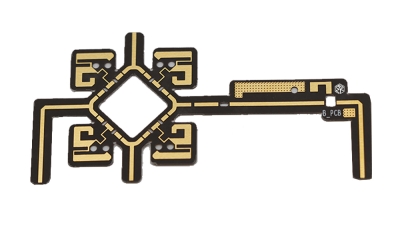
As the landscape of energy distribution evolves, the integration of advanced technologies into smart grid systems becomes increasingly essential. One such innovation is the millimeter-wave power line communication (PLC) technology, designed to significantly boost efficiency in data transmission across power line networks. Our cutting-edge millimeter-wave power line communication circuit board exemplifies this shift, expertly crafted by a leading high-frequency PCB manufacturer in China. This technology enables high-speed, low-latency communication, which is crucial for real-time monitoring and control, addressing a core requirement within smart grid applications.
Research indicates that by utilizing millimeter-wave frequencies, power line communication can achieve data rates exceeding 1 Gbps, a substantial improvement over traditional PLC methods. The advanced manufacturing techniques, including high-precision etching and multi-layer circuit integration, ensure optimal signal integrity and power management. These capabilities minimize signal interference and reduce power consumption, positioning our circuit board as a prime solution for smart meter communications, grid-connected device interoperability, and overall power distribution system optimization.
Moreover, the materials utilized in the fabrication of our boards are chosen specifically for their performance in millimeter-wave applications. With high thermal conductivity and excellent resistance to electromagnetic interference, they are rigorously tested to ensure reliability in demanding environments. Reports indicate that the implementation of advanced PLC technologies can result in operational costs reductions of up to 30% while enhancing grid resilience. As the smart grid continues to develop, our millimeter-wave PLC solution stands out as a dependable means to meet the increasingly complex challenges faced by energy providers.
FAQS
: A flexible circuit manufacturer should have a proven track record in the FPC industry, particularly in producing high-quality circuits for various applications such as wearable devices and bendable displays.
The technology and materials, such as polyimide films, play a crucial role in enhancing the durability and performance of flexible circuits, which are essential for meeting innovative market demands.
You should look for adherence to industry standards like IPC-A-610, investigate their certifications, and understand their methodologies for maintaining quality control throughout the production process.
High-quality polymers and substrates contribute significantly to the durability and performance of flexible circuits, making it essential for manufacturers to be transparent about their material sourcing and testing.
A reputable manufacturer should conduct regular inspections, electrical testing, and environmental compliance checks to ensure the reliability and longevity of their products.
As the flexible circuit market is projected to grow significantly, it is essential to partner with a manufacturer that can adapt to increasing market demands and technological advancements.
A manufacturer with extensive experience understands the unique challenges and requirements of flexible circuits, leading to better outcomes tailored to your specific project needs.
You should seek information on how the manufacturer sources their materials, their testing processes, and their commitment to using high-quality components.
A manufacturer’s emphasis on quality standards not only enhances product performance but also fosters trust and the potential for long-term collaboration between partners.
Conclusion
When you're trying to find the right flexible circuit manufacturer, it’s really important to get a good understanding of the different types out there and what factors should influence your choice. You’ll want to check their quality standards to make sure they can meet your specific needs—because, let’s be honest, not all manufacturers are equal. Of course, it’s also worth weighing the costs against the value they offer; sometimes a slightly higher price can mean better reliability and customization. Speaking of which, flexibility in design is a big deal because it allows manufacturers to really tailor their products to what you need. And, these days, sustainability’s becoming more and more important. It’s a smart move to look for companies that are serious about eco-friendly practices in their production processes.
At Shenzhen Rich Full Joy Electronics Co., Ltd., we take pride in embodying all these qualities. As a high-tech innovative business, we focus on craftsmanship and quality, making sure we don’t just meet our clients’ expectations but also work toward advancing flexible circuit technology in a way that’s good for the planet.