Hey there! You know how quickly the electronics field is changing these days? Well, picking the right components for your project is super important. That’s where Flexible PCBs come into play—they’re really shaking things up! In fact, the market for flexible printed circuit boards is expected to hit about USD 26.8 billion by 2025. Pretty crazy, right? This boom is mainly thanks to the rising demand for smaller and lighter electronic devices.
Now, if you’re looking for a leader in this tech space, look no further than Shenzhen Rich Full Joy Electronics Co., Ltd. We’ve got some serious know-how when it comes to producing Flexible PCBs that work for a bunch of different industries. Plus, as a major enterprise incubation hub in China, we’re all about providing top-notch solutions that not only boost the performance and reliability of your electronic projects but also keep sustainability in mind.
So, if you understand why choosing the right Flexible PCB is key for your next project, you'll be on the path to creating designs that are not just cutting-edge but also in tune with what the market and tech trends are calling for.
Benefits of Flexibility: Why Flexible PCBs Adapt to Your Design Needs
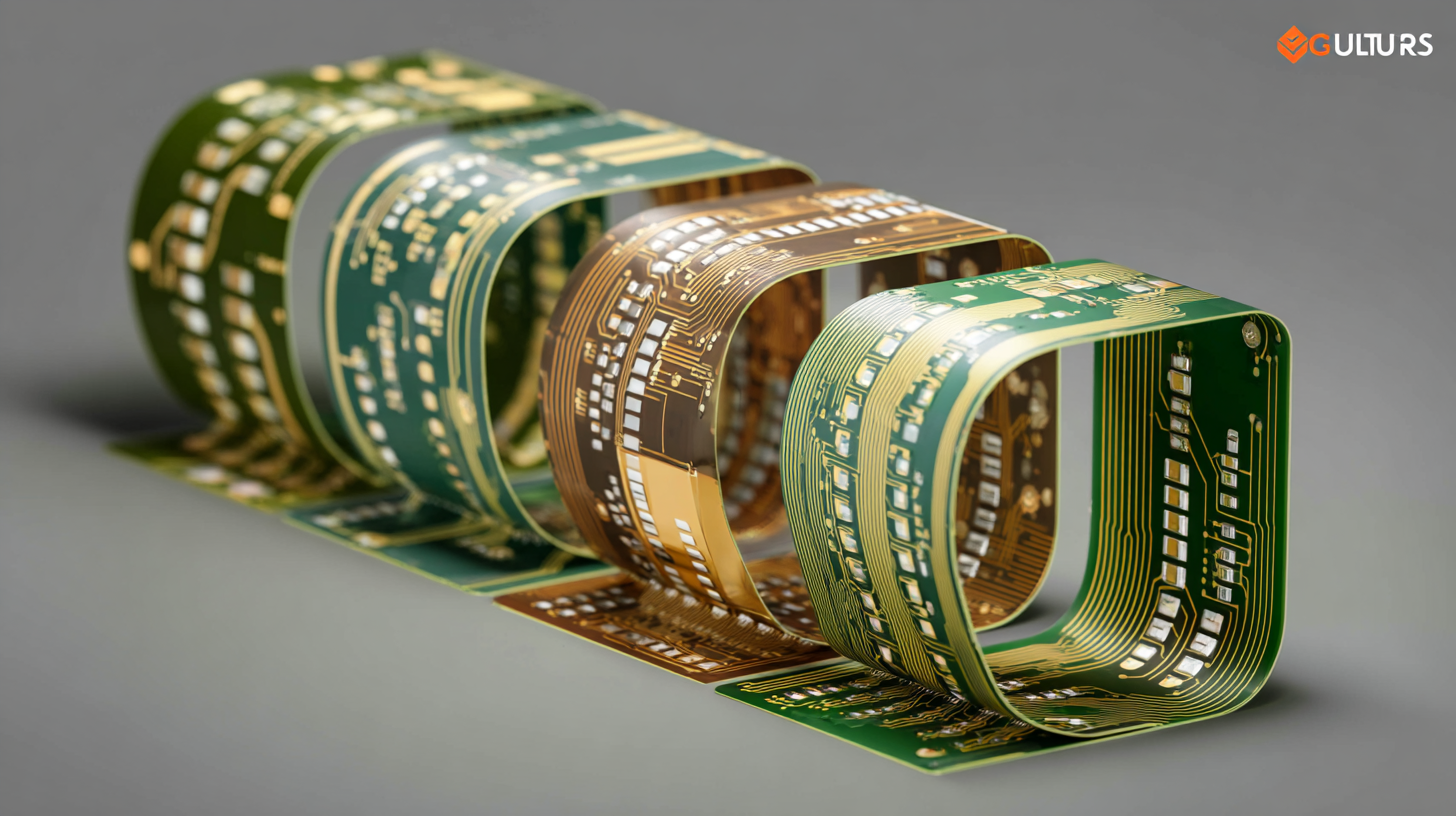
You know, flexible printed circuit boards (PCBs) are pretty amazing when you think about it. They offer a level of adaptability that those old-school rigid boards just can't compete with. Seriously, their ability to bend, twist, and fold makes it so much easier for designers to fit them into tight and intricate spaces. This kind of flexibility is a game-changer, especially in areas like medical devices, where every bit of space counts and creativity is key. By opting for flexible PCBs, engineers can whip up more user-friendly products that cater to people's needs without sacrificing any functionality.
And here's the kicker: flexible PCBs also boost durability and reliability, even in tough environments. They handle stress and vibrations way better than rigid options, which is super important in fields like automotive and aerospace, where parts really need to hold up under extreme conditions. Plus, the lightweight nature of these boards really helps improve overall system efficiency. When you're designing something where every single gram matters, flexible PCBs become the go-to choice. So, using these boards doesn’t just tackle the design challenges of today; it sets up projects for better adaptability and longevity down the road.
7 Compelling Reasons to Choose Best Flexible Pcb for Your Next Project - Benefits of Flexibility: Why Flexible PCBs Adapt to Your Design Needs
| Reason |
Description |
Benefits |
| Space-saving Design |
Flexible PCBs can be shaped and curved to fit into tight spaces. |
Optimizes design layout and reduces space requirements. |
| Weight Reduction |
Lighter than traditional rigid boards, contributing to overall weight savings. |
Improves portability and efficiency of devices. |
| Durability |
Flexible PCBs are typically more resistant to vibrations and shocks. |
Increases lifespan of devices and reduces maintenance costs. |
| Design Adaptability |
Can be easily adjusted to fit complex 3D shapes and designs. |
Enhances design freedom and innovation. |
| Thermal Management |
Better heat dissipation properties than rigid boards. |
Improves performance and reliability in high-temperature applications. |
| Reduced Assembly Complexity |
Simplifies the assembly process by reducing the number of components. |
Decreases production time and costs. |
| Cost-effectiveness in Volume Production |
Production of flexible PCBs can be more economical in larger quantities. |
May lower overall production costs for large-scale projects. |
Cost-Effectiveness: How Flexible PCBs Reduce Overall Project Expenses
So, when you’re diving into a new project, picking the right components can really make a difference in how well things perform and, of course, your budget. You know, flexible PCBs are pretty neat because they can actually save you money by cutting down on extra hardware and assembly costs. Unlike those traditional rigid boards, flexible PCBs can be shaped to squeeze into tight spaces and still hold up even when they’re bent or twisted. This flexibility not only keeps production smooth but also helps slash costs related to having to do multiple design changes and those custom housings.
Here at Shenzhen Rich Full Joy Electronics Co., Ltd., we’re really proud to be a national high-tech innovative enterprise. We’re all about creating cutting-edge flexible PCB solutions. Our team knows how to whip up designs that not only hit the industry standards but are also perfectly tailored to what our clients really need. When you choose our flexible PCBs, you're tapping into some awesome benefits like lower material costs and less labor, which means you can save some bucks to invest in other parts of your project. With our strong focus on innovation and quality, we’re genuinely excited to back you up with our versatile PCB solutions in your next endeavor!
Space Efficiency: Leveraging Compact Designs with Flexible PCB Solutions
You know, flexible PCBs are really taking off in today’s electronics scene. I mean, their ability to save space and have a compact design is super important for new projects we’re seeing pop up everywhere. With technology moving at lightning speed, the demand for smaller, lighter, and more efficient components is higher than ever. Take the automotive PCB market, for example; it’s set to hit around USD 18.14 billion by 2034! That’s a clear sign that there’s a huge need for innovative solutions that can squeeze into tight spots while still performing like a champ.
This whole shift towards compact designs is also affecting PCB design software. Thanks to rapid hardware innovation and AI-powered design tools, there's a big push for flexibility in how we design and use these circuits.
And let’s not forget about the game-changing solutions for energy harvesting and storage in wearables. Here, being compact and efficient is key. With flexible organic photovoltaics in the mix, we can create energy systems that fit just about any shape. It’s like realizing that making things smaller isn’t just about cramming them into tiny spaces—it's about boosting functionality too.
These advancements really highlight how flexible PCBs not only save space but also open the door to some cool applications, like advanced camera systems. There, the need for better image quality really pushes us to develop sophisticated circuitry that keeps noise down while fitting into smaller housings. In a nutshell, the growth of flexible PCB technology shows us how compact design and high performance can work hand in hand, allowing manufacturers to really stretch the limits of what’s possible in modern electronics.
Advantages of Flexible PCBs in Space-Efficient Designs
This chart illustrates the various impacts of using flexible PCBs in modern electronic designs, emphasizing benefits like space saving, weight reduction, and design flexibility, which are crucial for compact and efficient projects.
Enhanced Performance: Examining Reliability in Extreme Environments
You know, with how fast technology is changing these days, having reliable printed circuit boards (PCBs) that can handle extreme conditions is more important than ever. That’s where flexible PCBs really shine—they're lightweight and super resilient, making them perfect for applications that need to perform under tough circumstances. Research from IPC International even shows that these flexible PCBs can handle temperatures from -40°C all the way up to +130°C! That’s a game changer for industries like automotive and aerospace where things can get pretty rough.
Now, when you’re picking out a flexible PCB, it’s really worth considering the materials used. High-quality polyimide films do a fantastic job because they offer great thermal stability and resist chemicals well, so they keep performing even in harsh environments. A couple of tips to boost reliability? Make sure you're managing heat properly and give those prototypes a good stress test to ensure they hold up over time.
And let’s not forget about design—it’s super crucial for how the PCB handles tough conditions. A study by Frost & Sullivan mentioned that using advanced design software can really cut down on failure rates. It allows for spot-on simulations of flexural stresses, which is pretty cool. So, by following these strategies and choosing the right flexible PCBs, engineers can create solutions that are tough and reliable, standing strong even in the harshest settings.
Eco-Friendly Manufacturing: Sustainable Practices in Flexible PCB Production
So, if you're thinking about flexible PCBs for your next project, let’s talk about sustainability—it's a big deal, right? The cool thing about how flexible PCBs are made today is that they’re way more eco-friendly. The manufacturing process not only slashes waste but also cuts down on that pesky carbon footprint. More and more manufacturers are jumping on board with cutting-edge tech that lets them recycle materials and even use biodegradable stuff. I mean, who wouldn't want to jump on a greener bandwagon for their projects, right?
Here's a tip: when you’re vetting manufacturers, look for those that are open about how they do things. It really helps to know their eco-friendly practices so that your project can stick to those sustainable goals. Oh, and it’s a bonus if they’re using renewable energy to power their production—definitely cranks up the environmental perks for your flexible PCB project.
Now, let’s not forget another super important point about eco-friendly PCB production: we gotta ditch those harmful chemicals. A lot of traditional PCB methods use nasty toxins that can be harmful to people and the planet alike. But thankfully, the newer methods are pivoting to safer alternatives, which means the whole production life cycle can be much cleaner. This change not only shields manufacturers and consumers from harm but also helps keep our planet in better shape.
Another tidbit: when you're picking your flexible PCB provider, it’s smart to ask them about how they follow environmental rules and what certifications they have. Knowing they’re committed to sustainable practices really puts your mind at ease and helps pave the way for a greener future in the world of electronics.

Industry Trends: Growth and Innovations in Flexible PCB Technologies
You know, the flexible PCB industry has really taken off lately! I mean, we've seen some pretty cool advancements, especially with tech pushing for smaller and lighter electronics. In fact, a recent report from MarketsandMarkets says that the global flexible PCB market could hit around USD 32.85 billion by 2026, which is quite impressive, right? That’s a projected growth rate of 10.1% from 2021! It seems like everyone wants these flexible PCBs for everything from consumer electronics to automotive applications and even medical devices. They’re just great at fitting into those tight spaces while still doing their job well.
As different industries keep changing, we’re seeing more flexible PCBs popping up in fresh areas like wearable tech and IoT devices. It really shows how crucial flexibility and durability have become. Plus, with new materials like polyimide and polyester substrates coming into play, manufacturers are whipping up PCBs that not only hold up under pressure but are reliable for everyday use. Oh, and here’s a quick tip: when you’re picking a flexible PCB for your project, definitely think about the environment it’ll face, like temperature and humidity, so you can get the best performance and lifespan out of it.
To stay on top in this fast-evolving field, it's really important to keep an eye on new tech trends, like automated assembly and innovative fabrication techniques. These advancements can help ramp up production efficiency and save some bucks too! For your next project, make sure to check out suppliers who aren’t just experienced but are also all-in on the latest technologies. This way, you can be sure that your choice in flexible PCBs is in line with the best practices in the industry.
Unlocking the Potential of High-Frequency Hybrid Pressing PCBs: Exploring 14L Impedance Technology
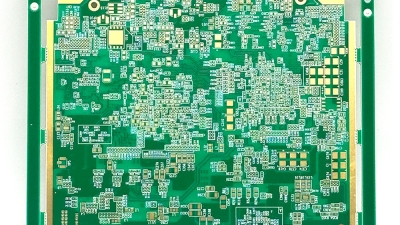
High-frequency hybrid pressing PCBs have emerged as a game-changer in the world of high-speed electronics, especially with the introduction of 14-layer impedance technology. This innovative design not only enhances signal integrity but also caters to the rising demand for compact and efficient circuit boards. Utilizing advanced materials like Rogers RO4350B, along with regular substrates such as S1000-2M and FR-4, these high-frequency boards effectively manage the complexities of modern electronic applications.
The unique resin plug hole via treatment coupled with precision specifications—such as a board thickness of 2.0mm and a minimum via size of just 0.2mm—ensures that manufacturers can produce PCBs that satisfy stringent performance requirements without compromising on quality. With a single size of 111.5*127mm, these hybrid PCBs are optimized for compact designs, allowing engineers to innovate without facing the traditional limitations of board size and thickness. The combination of ENIG surface finishing and a vibrant green solder mask further enhances both functionality and aesthetics, making them suitable for a diverse range of applications.
Overall, the potential unlocked by 14-layer impedance technology in high-frequency hybrid pressing PCBs positions them as an essential component in the development of advanced electronic systems. By focusing on precision and functionality, manufacturers can meet the evolving needs of the industry, paving the way for future innovations in high-speed digital communication and electronic design.
FAQS
: Flexible PCBs are printed circuit boards designed to bend and operate in compact spaces. They are crucial for modern electronics due to their space efficiency, allowing for smaller, lighter, and more efficient components in next-generation projects.
The flexible PCB market is driven by advancements in consumer electronics, automotive applications, and medical devices, projected to reach USD 32.85 billion by 2026, growing at a CAGR of 10.1%.
Flexible PCBs can reduce waste and minimize carbon footprints through sustainable manufacturing processes, including material recycling and the use of biodegradable substances, making them a better choice for environmentally conscious projects.
Look for manufacturers that provide transparency about their production processes, use renewable energy sources, and adhere to environmental regulations and certifications.
Innovations in materials like polyimide and polyester substrates, along with automated assembly and new fabrication techniques, are driving reliability, flexibility, and performance improvements in flexible PCBs.
Space efficiency is critical as electronic components are increasingly being miniaturized for applications like wearables and IoT devices, where compact and efficient design is essential to meet performance demands.
Consider the environmental conditions such as temperature and humidity the PCB will face to ensure optimal performance, as well as the manufacturer’s experience and investment in the latest technologies.
Eco-friendly practices in flexible PCB production minimize harmful chemicals, reduce waste, and help protect health and the environment, contributing to more sustainable electronic manufacturing.
Flexible PCBs enable the development of ultra-flexible energy harvesting solutions, allowing wearables to integrate energy systems that conform to various shapes, enhancing both efficiency and functionality.
Flexible organic photovoltaics allow energy systems to conform to different shapes, which significantly enhances functionality while promoting space efficiency in various electronic applications.