Hey there! If you’ve been keeping an eye on the automotive world, you probably know just how quickly things are changing. One thing that really stands out is the importance of top-quality components — especially when it comes to Automotive LED PCBs. Recent reports from the global LED market reveal some pretty exciting news: the automotive segment is expected to explode, reaching around $5 billion by 2025. This growth is mainly fueled by the rising demand for energy-efficient lighting solutions. Companies like Shenzhen Rich Full Joy Electronics Co., Ltd., are really leading the charge here. They’re a top-tier, innovative tech company focused on making advanced LED PCBs that push the envelope. As more car manufacturers jump on the LED bandwagon because of their killer performance and long lifespan, knowing how to pick the right Automotive LED PCB is more important than ever if you want to stay ahead of the game. This guide’s here to help you navigate the often confusing world of choosing the best LED PCB for vehicles — to boost safety, style, and efficiency all at once. Sounds good? Let’s dive in!
Understanding the Importance of LED PCB in the Automotive Industry
You know, the automotive world is changing fast, and LED PCB tech is right at the heart of it all—really boosting vehicle safety and performance. As more cars come with all these fancy new lighting features, the demand for top-notch LED PCBs is soaring. Industry folks are saying the market for these in cars is about to grow a ton in the next few years, mainly because everyone’s looking for energy-efficient lighting and smarter design options. Regions like North America and Asia-Pacific? They’re gonna lead the charge, with growth rates topping 12% annually through 2030—impressive, huh?
But it’s not just about cars. LED PCBs are popping up all over—think home appliances, food processing, and a bunch of other areas. The fact that LED tech is so versatile is a big part of why it's expanding so quickly. For example, in things like liquid cooling devices or thermal pads, which are pretty much essential for keeping systems running smoothly in different environments. As vehicles get smarter and more connected, managing heat properly becomes even more critical. The market’s also seeing a surge in thermal management products—like heat spreaders and dissipaters—which just shows how vital this tech is not only in the automotive field but across lots of industries. All in all, good thermal management really can make or break how reliable and efficient these systems are, so it’s a pretty big deal.
Key Features to Consider When Selecting Automotive LED PCBs
When you're picking out automotive LED PCBs, there are a few key things you really shouldn’t overlook if you want things to run smoothly and reliably. First off, thermal management is a big deal. If the heat isn’t managed well, especially in high-power setups like electric vehicles, performance can really suffer. It’s kind of like trying to keep cool yourself—if the heat builds up, everything gets messy. Given that the global market for automotive PCBs is expected to jump from about $9.15 billion in 2023 to over $15 billion by 2032, with a pretty steady growth rate, it’s clear that better heat dissipation solutions will be more in demand than ever.
Another thing to keep in mind is whether the PCB meets all the relevant automotive standards and regulations. With tech moving so fast—think autonomous driving and new propulsion systems—staying compliant isn’t just a good idea, it’s essential. You want a design that’s flexible enough to handle different electronic needs, making it easier to incorporate new tech as it comes along. As the EV market keeps pushing demand for high-quality PCBs, choosing the right one can really make or break a manufacturer’s chance to stay competitive out there.

Comparing Manufacturing Standards: China vs Global Competitors
When you look at how manufacturing standards stack up, it's pretty clear that the competition between China and other global players is getting really intense, especially in the automotive world. China’s focus on government backing and its bold industrial policies have actually helped it become a leader in areas like electric cars and printed circuit board (PCB) manufacturing. Companies like Shenzhen Rich Full Joy Electronics Co., Ltd. are really making use of their hi-tech skills to come up with innovative products that can compete worldwide.
**Heads up:** If you're choosing an automotive LED PCB, it’s smart to go with manufacturers who stick to strict international standards. That way, you're more likely to get quality stuff that’s reliable, which helps avoid headaches down the road caused by subpar components.
Plus, the whole game is shifting — US-China relations are becoming more complex, and that’s something companies really need to think about when it comes to sourcing and production. As the US pushes to boost its economy through new policies, understanding what all these changes mean is super important if you’re playing in a competitive market.
**Pro tip:** It’s a good idea to diversify your supply chain a bit. Working with suppliers from different regions can help reduce your reliance on one single market and make your business more resilient, especially with all the geopolitical stuff going on these days.
Comparison of Automotive LED PCB Manufacturing Standards: China vs Global Competitors
Analyzing Cost-Effectiveness: Investment in High-Quality LED PCBs
When you're thinking about investing in top-quality automotive LED PCBs, it’s really important to look at how cost-effective they are, especially with the electronic manufacturing services market exploding right now. I mean, we're talking about it possibly growing from around $648 billion in 2025 to over $1 trillion by 2032—big numbers, right? So, understanding how this market moves can definitely help you make smarter choices. Putting your money into durable, energy-efficient LED PCBs can save you a pretty penny in the long run—less maintenance, lower energy bills—making it a smart move financially.
Here’s a couple of tips I’d toss out: First, think about the long-term returns compared to the initial investment. Sure, high-quality PCBs might cost more upfront, but they tend to last longer and perform better, which means fewer replacements down the line. Second, it’s worth considering suppliers who focus on sustainable manufacturing. Not only does that help the environment, but it can also boost your reputation with customers who really care about eco-conscious brands. And finally, keep an eye on the latest tech in PCB manufacturing. New innovations can make your products more efficient and higher quality, which is totally worth considering when weighing your investment options.
Evaluating Thermal Management Solutions in Automotive LED PCBs
Lately, there's been a big spike in demand for high-performance LED PCBs in cars. People are really looking for better lighting, longer-lasting components, and safer rides, you know? One of the key things that affects how well these PCBs work is thermal management—that's just a fancy way of saying how we handle the heat they generate. I came across a report from MarketsandMarkets that predicts the automotive LED lighting market will hit around $30.4 billion by 2025. That just shows how crucial it is to have good thermal solutions in place if you want your LEDs to last and perform well.
To keep things cool, engineers are using smarter copper layouts, thermal vias, and high-tech heat sinks—stuff that's all about shooting the heat away from those high-power LED chips. Believe it or not, if thermal management isn’t up to snuff, LED efficiency can drop by as much as 30%. Crazy, right? Plus, using materials like aluminum or special resin composites with higher thermal conductivity can really help with heat dissipation, which means better performance and more reliability overall. As the automotive world shifts towards electric and autonomous vehicles, having solid thermal management in LED PCBs becomes even more critical. Honestly, paying attention to these details will make the products more reliable and keep customers happy in this super competitive market.
Future Trends in Automotive LED Technology and PCB Development
The world of automotive LED technology is moving at a breakneck pace right now, mainly fueled by the rise of electrification, smarter systems, and better vehicle connectivity. This wave of change isn’t just about brighter, more efficient lighting — it’s also pushing what automotive electronics can do to new heights. For instance, the global market for automotive PCBs (printed circuit boards) is expected to grow big time, jumping from around $9.15 billion in 2023 to roughly $15.1 billion by 2032, with a solid average growth rate of about 5.9%. And let’s not forget those exciting new lighting tech breakthroughs like Adaptive Driving Beams (ADB) and Digital Light Processing (DLP). These innovations are transforming headlights into smarter, more adaptable tech – basically, cars are becoming more high-tech than ever before.
**A Few Tips When Picking LED PCBs:**
When you're choosing an LED PCB for your vehicle, it’s super important to think about how scalable it is and how well it handles heat. As automotive electronics get more complex, having a PCB that can effectively dissipate heat not only helps your stuff run smoothly but also makes it last longer. Oh, and make sure it’s compatible with different light sources because tech keeps advancing so fast. Being in the loop with industry trends will definitely help you make smarter choices that fit future tech developments.
And as cars start packing more advanced sensors — especially for autonomous driving — the importance of top-notch, reliable PCBs will only grow. This means innovation in semiconductor packaging is going to be key to meet the demands of these connected, high-tech vehicles. Keeping an eye on these trends will help you stay ahead in the rapidly changing automotive LED and PCB scene.
Ultimate Guide to Choosing the Best Automotive LED PCB
| Feature |
LED Type |
Efficiency (lm/W) |
Lifespan (Hours) |
Operating Temperature (°C) |
Cost ($) |
| Standard Brightness |
SMD LED |
100 |
50,000 |
-20 to 60 |
3.00 |
| High Brightness |
COB LED |
150 |
60,000 |
-30 to 70 |
5.00 |
| RGB Color Change |
RGB LED |
90 |
40,000 |
-20 to 60 |
4.50 |
| Ultra High Efficiency |
High Power LED |
200 |
80,000 |
-40 to 80 |
6.50 |
Unlocking Performance with 6-Layer High-Frequency PCBs: The Advantages of Rogers RO4350B and Metal Edge Shielding
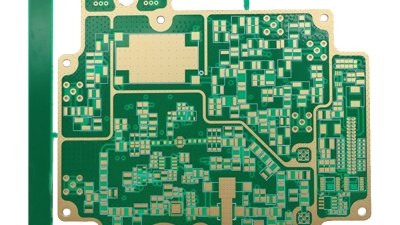
The advent of 6-layer high-frequency PCBs represents a significant leap forward in electronic design. Utilizing Rogers RO4350B as a core material, these PCBs integrate superior electrical and mechanical properties, making them ideal for modern applications like 5G infrastructure and aerospace electronics. The combination of Rogers RO4350B with S1000-2M, FR-4, and TG170 enhances the PCB's performance by providing excellent thermal management and signal integrity. Recent studies suggest that PCBs designed with high-frequency materials achieve up to 30% better signal loss performance compared to traditional FR-4 boards, underscoring their importance in high-frequency applications.
Equipped with metal edging and resin-plugged holes, our 6-layer PCB offers exceptional durability and reliability. The inner and outer copper thickness of 35um ensures robust power and signal processing capabilities, which is critical in high-demand environments. The ENIG surface treatment further enhances corrosion resistance and solderability, ensuring long-lasting connections. With a precision manufacturing capability allowing for a minimum line width/space of 8/5 mils and via sizes as small as 0.2 mm, this technology facilitates the integration of more components within a compact space, making it a preferred choice for high-end medical devices and advanced electronic systems.
Data from the IPC (Institute for Printed Circuits) indicates that the market for high-frequency PCBs is expected to grow at a CAGR of 8.3% through 2025, driven by increasing demand in telecommunications and consumer electronics. The innovative design and materials of our 6-layer PCBs not only meet but exceed the current industry standards, positioning them as the premier option for engineers seeking reliable, high-performance circuit solutions.
FAQS
: LED PCB technology is essential in the automotive industry as it enhances vehicle performance and safety, with a rising demand for high-quality LED PCBs driven by advanced lighting systems.
The market for LED PCBs in automotive applications is expected to grow significantly, showcasing a compounded annual growth rate (CAGR) exceeding 12% through 2030.
Key features include thermal management capabilities, compatibility with automotive standards, and flexible designs to accommodate diverse electronic requirements.
Efficient heat dissipation is crucial for maintaining performance in high-power applications like EVs, ensuring reliability and optimal operation.
Companies should prioritize manufacturers who adhere to rigorous international standards to ensure quality and reliability, minimizing risks associated with low-quality components.
China has established dominance in LED PCB manufacturing through state support and industrial policy, making its manufacturers competitive on a global scale.
Companies should consider diversifying their supply chain by engaging with suppliers from different geographical locations to reduce dependency and enhance resilience against geopolitical tensions.
The increasing integration of smart technologies in vehicles makes thermal management aspects of LED PCBs crucial for ensuring overall system reliability and performance.
The global automotive PCB market is projected to expand from $9.15 billion in 2023 to $15.10 billion by 2032, with a CAGR of 5.9%.
Adaptability is vital as vehicles increasingly incorporate advancements like autonomous driving and new propulsion systems, requiring PCBs that can accommodate diverse electronic needs.