Leave Your Message
-
E-mail
-
Whatsapp
-
Message
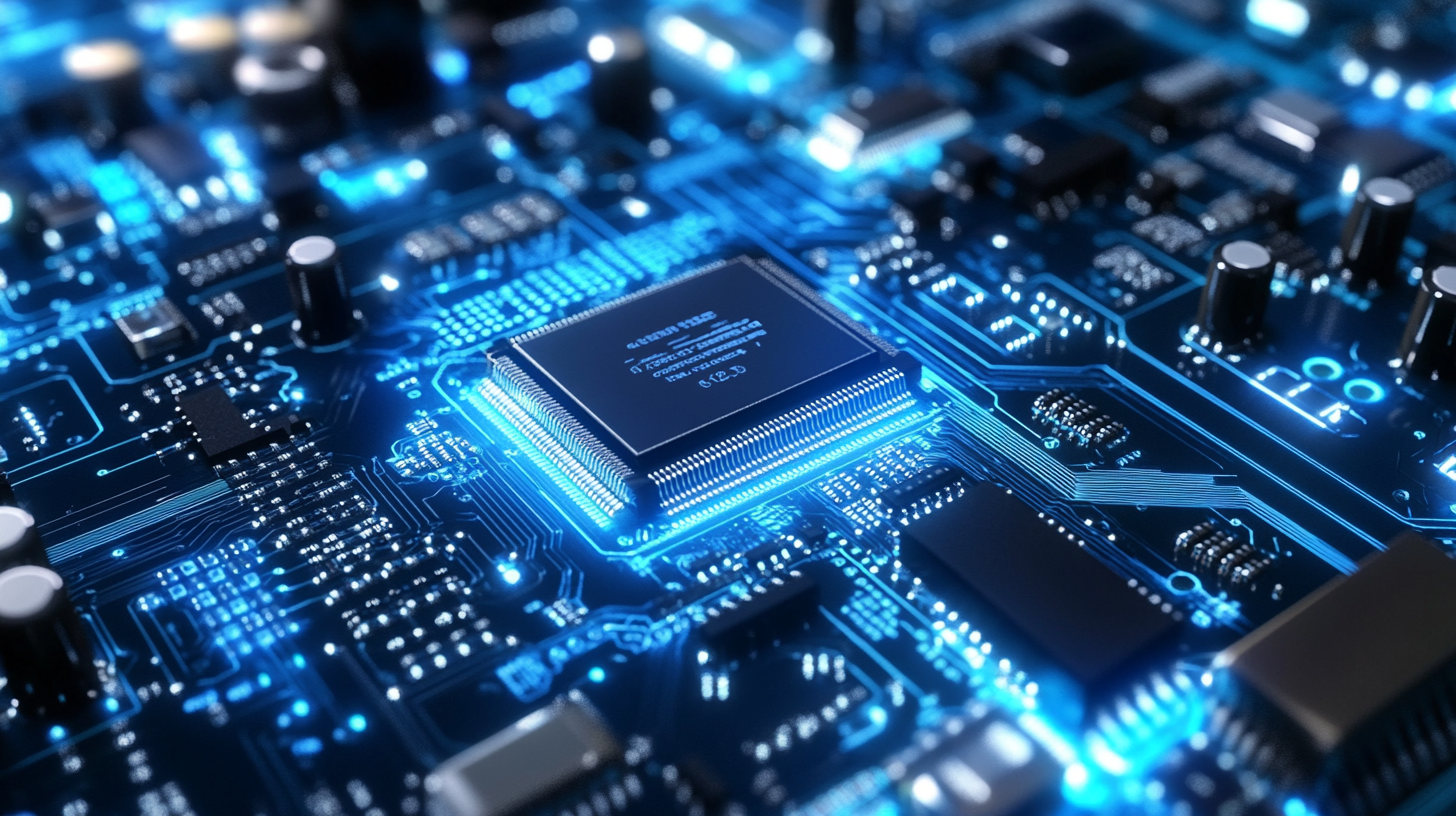 You know, as more and more people are on the hunt for advanced electronic devices, the importance of
High Frequency PCB technology really stands out.
In fact, a recent report from MarketsandMarkets predicts that the global PCB market will hit a whopping
USD 80.88 billion by 2025! And guess what?
High-frequency PCBs are going to be a key player in this growth, especially with their use in fields like
telecommunications, automotive, and medicine.
You know, as more and more people are on the hunt for advanced electronic devices, the importance of
High Frequency PCB technology really stands out.
In fact, a recent report from MarketsandMarkets predicts that the global PCB market will hit a whopping
USD 80.88 billion by 2025! And guess what?
High-frequency PCBs are going to be a key player in this growth, especially with their use in fields like
telecommunications, automotive, and medicine.
Over at Shenzhen Rich Full Joy Electronics Co., Ltd., we're right in the midst of this evolution as a national high-tech enterprise that’s all about excellence in PCB production. We’ve got some serious expertise in high-frequency solutions, and we're proud to play a part in boosting China’s status as a hotbed for innovative enterprises. This procurement guide we're sharing is designed to help global buyers like you get a clear understanding of the different features and applications out there for high-frequency PCB products. Our goal? To make sure you feel confident when making decisions in this fast-paced market!
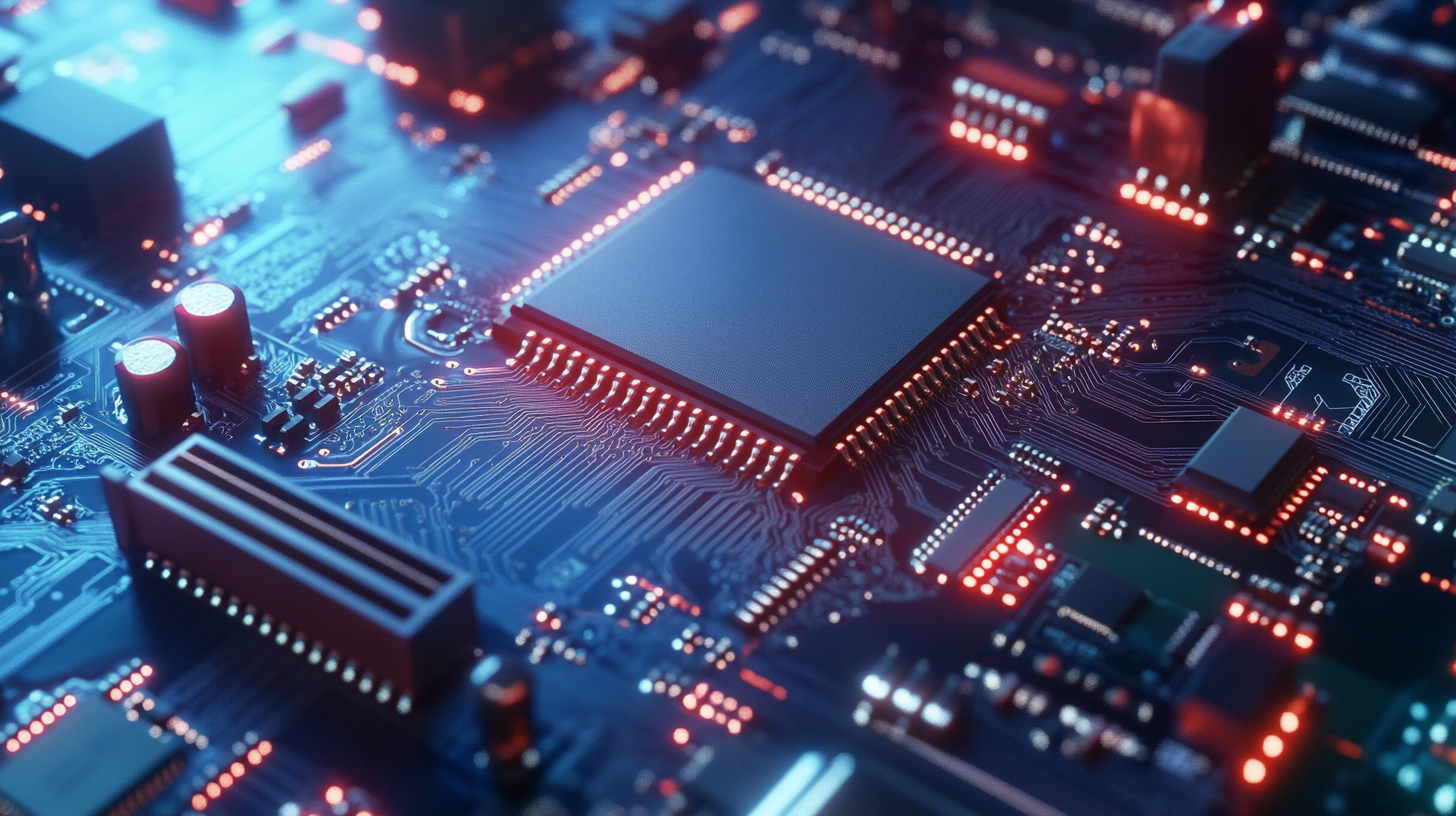 Hey there! So, it turns out that the demand for high-frequency printed circuit boards (PCBs) is shooting up like nobody's business! Industry experts are predicting a compound annual growth rate (CAGR) of around 7.5% all the way through 2025. This boom is largely thanks to more folks embracing 5G technology and the explosion of Internet of Things (IoT) devices. A recent market report from ResearchAndMarkets even suggests that the high-frequency PCB market could hit over $3.5 billion by 2025. Pretty wild, right? The driving force? Well, it’s really about the growing need for faster communication systems and speedy data transfer.
If you're looking to hop on this trend, it’s super important for global buyers to get a handle on what high-frequency PCBs really require. When you’re out there sourcing these specialized boards, you’ll want to think about things like the types of materials used, dielectric properties, and the design capabilities that cater specifically to high-frequency tasks. Plus, teaming up with suppliers who have good certifications and a solid reputation can really help boost reliability.
Here’s a tip: before you make any buying decisions, take some time to really assess what your project needs now and what it might need down the line. Chatting early with potential suppliers can make a world of difference in helping you find the best materials and technologies for high-frequency applications. This way, you’ll not only keep pace but also gain a competitive edge in this rapidly growing market. And don’t forget to watch out for new technologies that are bound to shake up PCB manufacturing in the next few years!
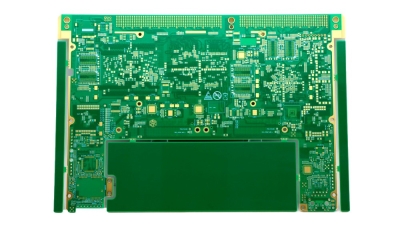
In the world of high-performance applications, the choice of printed circuit boards (PCBs) can significantly impact overall efficiency and functionality. One prime example is the 20-layer gold-plated high-frequency PCB designed specifically for demanding operations. With a thickness of 2.4mm and dimensions of 160233.35mm, this PCB not only meets but exceeds the rigorous demands of high-frequency applications.
Crafted from high-TG material sourced from Shengyi S7136H, this PCB incorporates advanced features such as through-hole design and thick copper layers. The utilization of pure high-frequency board technology enhances signal integrity, while precise impedance control ensures optimal performance. The gold plating, measuring 2μm in thickness, provides excellent conductivity, contributing to improved thermal and electrical performance, which is crucial for high-speed applications.
Additionally, the PCB's unique beveled edge design and a precise 0.2mm drilling with a 12:1 aspect ratio reflect a commitment to advanced manufacturing processes. This careful engineering, combined with a single drilling and lamination process, streamlines production while maintaining the integrity of the PCB. The result is a high-performance solution that not only enhances application efficiency but also stands the test of durability over time.
: The key technologies include advanced dielectric materials with low loss tangent characteristics, additive manufacturing processes, and the integration of AI and machine learning in the design process.
Advanced dielectric materials enhance signal integrity and enable efficient high-frequency signal transmission, which is crucial for applications in telecommunications and high-speed computing.
Additive manufacturing allows for more complex geometries and finer features, providing greater design flexibility, reducing production costs and time, and improving overall performance.
AI and machine learning facilitate optimized layouts that minimize interference and improve thermal management, ensuring reliability and performance even in demanding environments.
PTFE offers excellent electrical performance but is often more expensive and challenging to process compared to other materials like glass fiber-reinforced composites.
Innovative methods for material handling and waste reduction are essential for sustainability in the PCB industry, especially as the market value is projected to rise significantly.
The choice of material influences the performance, reliability, and cost-effectiveness of high-frequency PCBs, making it crucial for buyers to evaluate options based on both immediate and long-term factors.
Common materials include PTFE, ceramic-filled composites, and traditional FR-4, each with distinct advantages and disadvantages.
Understanding long-term implications like environmental impact and cost-efficiency helps empower procurement decisions in the rapidly evolving landscape of high-frequency PCB technologies.
The increasing demand for high-speed communication drives the relevance of high-frequency PCBs, propelling innovations in materials and manufacturing techniques.





 Looking ahead to 2025, it's pretty exciting to see a few key technologies gearing up to shake things up in the world of high-frequency PCB (Printed Circuit Board) design and manufacturing. One standout development has been the creation of these advanced dielectric materials with low loss tangent properties. They really help boost signal integrity, making it way easier for high-frequency signals to fly through—super important for stuff like telecommunications and high-speed computing.