Pcb Assembly is pretty much a cornerstone of the electronics world. Basically, it’s all about putting together those tiny electronic components onto printed circuit boards — and if this step isn’t done right, your gadgets might not work as smoothly as they should. Without quality assembly, electronic devices could end up flaky or unreliable, which nobody wants.
In today’s tech scene, the importance of Pcb Assembly really can’t be overstated. Big names like Jabil and Foxconn depend on it for their manufacturing lines. That’s why quality control is such a big deal. If you cut corners or rush through the process, you risk product failures that can set you back big time. Finding that sweet spot between being quick and being precise is key.
Of course, there are some bumps along the way. Common issues like soldering mistakes or parts not lining up are pretty typical. Sure, automation has boosted things a lot, but it doesn’t mean mistakes are totally eliminated. You’ve gotta keep reviewing and tweaking the process to get better. Companies that recognize these challenges and work to improve will be the ones delivering top-notch products in the end.
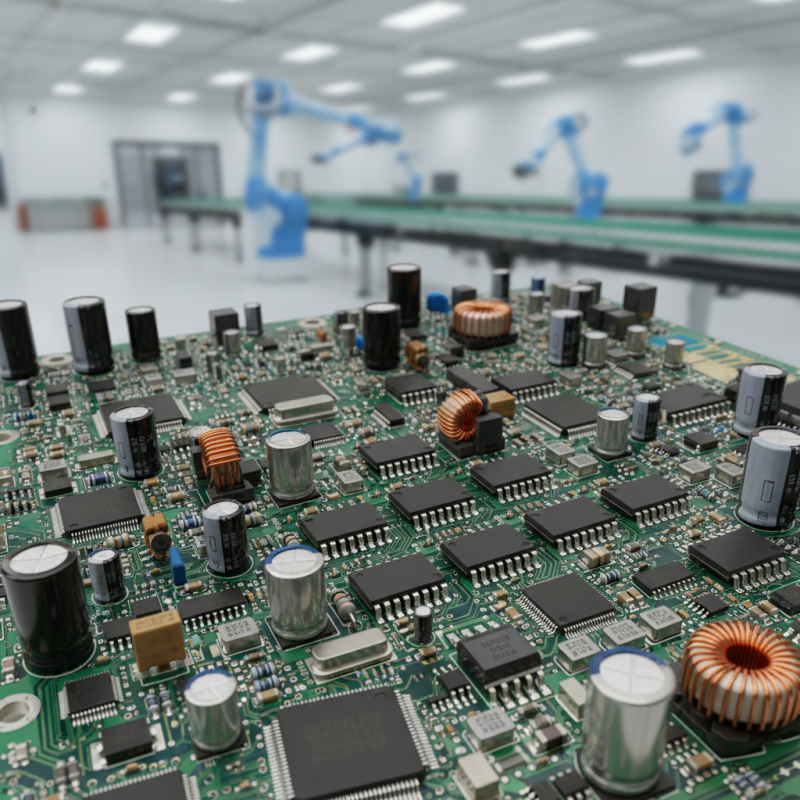
PCB assembly is a crucial step in electronics manufacturing. It involves mounting components on a printed circuit board (PCB) to create functional devices. Understanding PCB assembly helps manufacturers meet quality standards and improve production efficiency.
When starting with PCB assembly, focus on the basics. Make sure the PCB design is correct. A small design flaw can lead to significant issues later. Check every component placement and ensuring proper alignment. This attention to detail can save time and prevent costly mistakes.
Tips for better assembly include organizing components before beginning. Keep everything in labeled trays. This makes it easier to find parts quickly. Also, consider the use of automated assembly machines. They can enhance speed and accuracy. However, human oversight is still essential. Regularly review the assembly process to catch any errors early. A collaborative atmosphere can lead to more innovative solutions for common challenges in assembly.
| Parameter | Description | Importance |
|---|---|---|
| Layer Count | Refers to the number of conductive layers in a PCB design. | Determines the complexity and functionality of the PCB. |
| Surface Finish | The coating applied to the PCB to protect it from corrosion. | Essential for ensuring solderability and longevity of the product. |
| PCB Fabrication | The process of creating a PCB from a design file. | Critical for the quality and reliability of the final product. |
| Assembly Process | The process of placing and soldering components onto the PCB. | Directly affects the functionality and performance of the device. |
| Testing | Procedures to ensure that the PCB is functioning correctly. | Ensures reliability and identifies defects before mass production. |
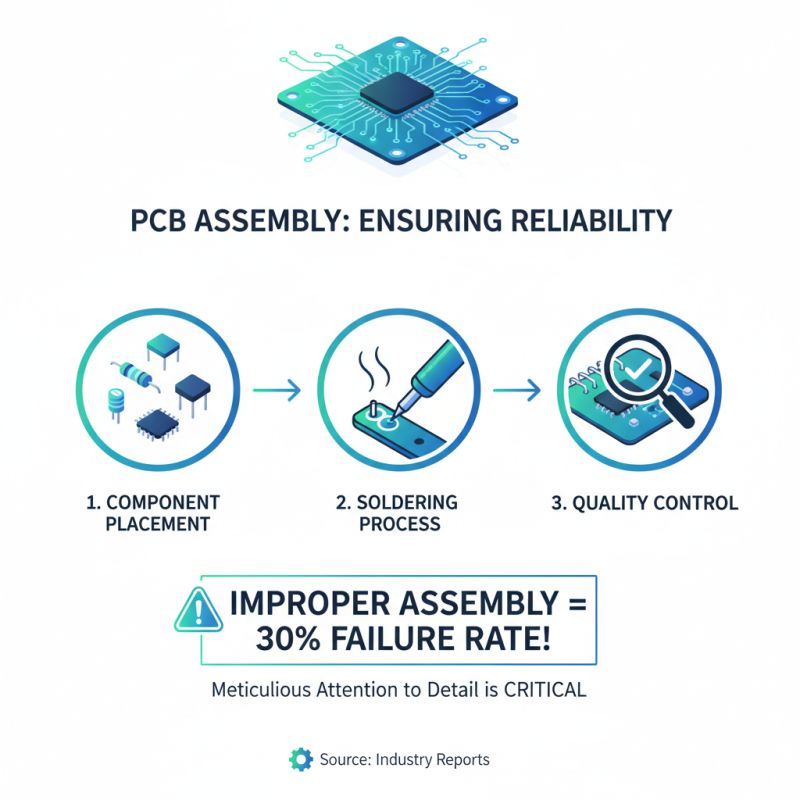
PCB assembly is a critical process that involves connecting electronic components on a printed circuit board (PCB). This process comprises several key elements that ensure functionality and reliability. Components such as resistors, capacitors, and microchips must be precisely placed and soldered. According to industry reports, improper assembly can lead to a staggering 30% failure rate in electronic devices. This highlights the significance of meticulous attention to detail within the assembly process.
The assembly involves multiple steps: surface mount technology (SMT) and through-hole mounting are two primary techniques. SMT is often preferred for its efficiency, allowing for higher density component placement. The IPC-A-610 standard outlines criteria for acceptability, emphasizing the need for cleanliness and precision. There’s a common misconception that one can overlook minor defects. However, even small soldering errors can escalate into major issues in the final product’s performance.
Furthermore, material selection plays a pivotal role. The use of inferior quality components can undermine the assembly's integrity. Data indicates that over 25% of electronic failures stem from component sourcing issues. This not only affects performance but also extends the product's lifecycle. A commitment to quality control in PCB assembly can’t be overstated, yet it remains a constant area for improvement within the industry.
The PCB assembly process involves several critical steps. It begins with designing the printed circuit board. Engineers create a schematic that outlines connections and components. A well-thought-out design saves time later.
After design, the next step is fabrication. This phase includes making the PCB from raw materials. Manufacturers use various methods to produce boards. Despite advanced technology, small errors can still occur during this stage. A minor flaw can cause significant issues down the line.
Assembly is the next phase. This is where components are placed on the PCB. Automated machines often handle this task, ensuring accuracy and speed. However, human oversight remains crucial. An operator should check for misplaced components. Small mistakes can lead to operational failures.
**Tip:** Always double-check component placement. A simple wrong part can halt production.
Once assembled, the boards undergo testing. This step ensures everything functions correctly. Testing can reveal hidden problems that design might miss.
**Tip:** Incorporate feedback from test results. This approach helps improve future designs.
Final inspection is the last stage. It examines the assembled PCBs before shipping. Attention to detail is vital, as defects here could impact performance. Regular audits can enhance quality control processes.
PCB assembly is a critical step in electronics manufacturing. It involves the process of connecting electronic components to a printed circuit board (PCB). Several techniques are commonly used in this process that contribute to the efficiency and reliability of finished electronic products.
One prevalent technique is Surface Mount Technology (SMT). In SMT, components are mounted directly onto the surface of PCBs. This method allows for a more compact design and is cost-effective. However, it requires precise placement. Errors in alignment can lead to functionality issues. Another technique is Through-Hole Technology (THT), where components are inserted into holes drilled in the PCB. This method provides robust connections but can be more time-consuming.
Other methods like mixed technologies combine SMT and THT, enabling a versatile approach to assembly. Each technique has specific advantages and challenges. For example, while SMT allows for faster production, it often requires advanced equipment. Concerns over fragility should also be noted. Careful consideration of these factors is essential for optimal PCB assembly.
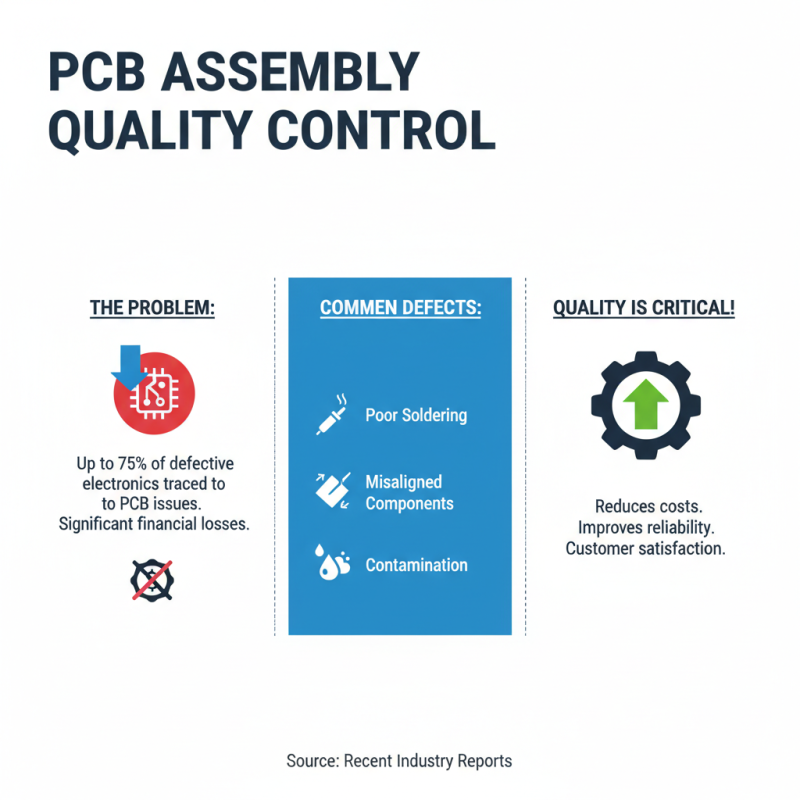
Quality control is critical in PCB assembly. According to recent industry reports, up to 75% of defective electronics can be traced back to PCB issues. These defects can lead to significant financial losses. Assembly errors often arise from poor soldering, misaligned components, or contamination.
Implementing strict quality control measures mitigates these risks. Inspections should occur at various stages. In-process checks can detect issues early, saving time and resources. Automated optical inspection (AOI) systems have improved defect detection rates. Reports show that AOI can catch 90% of potential defects before final assembly.
Yet, many companies overlook the human element. Training staff properly is key to ensuring quality. A skilled worker can spot potential problems a machine may miss. Poorly trained staff can lead to costly mistakes. Industry studies suggest that continuing education for assembly teams can reduce defect rates by as much as 30%. Quality control is not just about machines; it relies on the balance of technology and skilled labor.
PCB assembly plays a crucial role in various industries. Electronics manufacturing is one of the largest sectors utilizing PCB assembly. According to market reports, the global PCB market size could reach $78.73 billion by 2024. This growth highlights the increasing demand for electronic devices in consumer markets.
Medical devices also benefit significantly from PCB assembly. These devices require precision and reliability. A report by BCC Research indicates that the global medical device market will exceed $500 billion by 2024. The trend reflects a growing need for efficient and accurate manufacturing processes in healthcare.
Automotive industry applications are rising too. As technology evolves, cars now feature numerous electronic components. The automotive PCB market is projected to grow to $24.62 billion by 2025. However, manufacturers face challenges. Quality control issues and high costs can disrupt production timelines. Addressing these setbacks ensures quality meets industry standards. Balancing speed and precision is key to success in PCB assembly across diverse sectors.
The landscape of PCB assembly technology is evolving rapidly. Automation is becoming more prevalent. Machines are now completing tasks once done by skilled labor. This shift is enhancing efficiency, but it also raises concerns. What happens to manual jobs? The balance between tech and human skills is delicate.
As innovations arise, eco-friendly materials gain traction. Manufacturers are exploring recyclable PCB materials. This move could mitigate environmental impacts. However, there are challenges. New materials might require re-engineering current processes. The industry must adapt without sacrificing quality.
Tips: Consider how automation could affect your workflow. Embrace new materials but stay informed about their performance. Experimentation can lead to vital breakthroughs. Ensure your team is trained for this changing environment. A blend of skills may yield better results in the long run.
High-frequency hybrid pressing PCBs have emerged as a crucial advancement in the realm of electronics, particularly for applications that demand exceptional performance and reliability. By integrating high-frequency materials with robust FR-4 substrates, these PCBs offer an ideal solution for complex systems requiring precise impedance control and thermal management. The use of Rogers RO4350B materials ensures that signal integrity remains uncompromised, making them suitable for high-speed environments like 5G communications, automotive radar, and aerospace applications.
One of the standout features of high-frequency hybrid pressing PCBs is the implementation of resin plug hole technology coupled with a sophisticated 6-layer immersion gold design. This innovative approach not only enhances mechanical strength but also facilitates optimal heat dissipation, which is pivotal in maintaining performance during rigorous operational conditions. With advanced manufacturing capabilities and stringent quality control protocols in place, these PCBs are tailored to meet the unique demands of each project, thereby providing a customized solution that ultimately boosts efficiency and reduces costs in high-frequency applications.
: This product aims to enhance daily convenience. It simplifies tasks and saves time.
Anyone seeking efficiency can find value. Busy professionals and students may benefit most.
It operates with simple controls. Users easily learn to manage it within minutes.
Users should follow guidelines. Misuse can lead to minor risks or damage.
Yes, it adapts well indoors and outdoors. However, conditions may affect performance.
Reflect on the usage and adjustment strategies. Improvement may take time and practice.
Regular cleaning is essential. Neglect could limit effectiveness and lead to problems.
Compatibility varies. Check specifications to ensure connections align properly.
Troubleshoot basic issues first. Seeking professional assistance could be necessary later.
Many sellers provide return options. Review policies carefully before purchase.
PCB Assembly is a critical process in the manufacturing of electronic devices, involving the assembly of components onto a printed circuit board (PCB). This overview delves into the key elements of PCB Assembly, including the essential components and the step-by-step process that facilitates efficient production. Various techniques are employed to enhance the assembly, ensuring that quality control measures are integral to maintain reliability and performance.
The significance of PCB Assembly extends across multiple industries, with applications ranging from consumer electronics to medical devices. As technology evolves, future trends indicate advancements in automation and innovation within PCB Assembly, propelling its importance in global manufacturing. Understanding these facets underscores why PCB Assembly is vital to the development and functionality of modern electronic solutions.