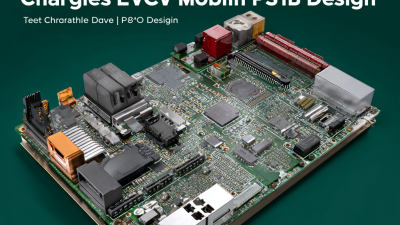
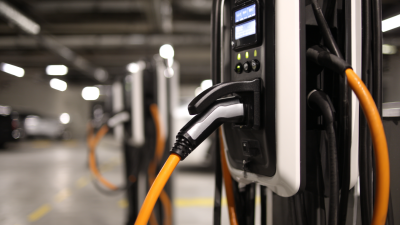
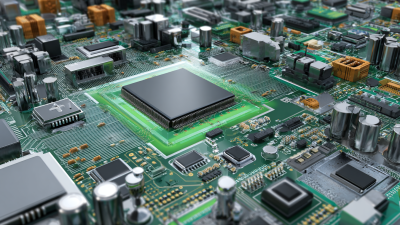
In the fast-moving world of electric vehicles, getting a grip on how important PCBs are for DC Fast Chargers is more than just technical jargon—it’s pretty much essential. These Printed Circuit Boards, or PCBs, are like the backbone of fast chargers, making sure power flows smoothly and devices stay connected. Big names like Flex and Jabil are really placing a spotlight on high-quality PCBs because, honestly, they’re key to keeping these chargers reliable and performing at their best.
But it’s not just about making the connections work. These PCBs have to handle pretty intense voltages and currents, so durability is a big deal. Lots of manufacturers are trying to strike a balance between keeping costs down and maintaining quality, but sometimes that means they cut corners—like using cheaper materials or rougher designs. And yep, that can lead to slower charging or even more frequent failures. That’s where OEM services for quick PCB production come into play—they help solve these issues by offering customized solutions that boost quality and performance.
As more folks jump into electric vehicles, the need for super reliable PCB designs only grows. Companies are always pushing the envelope, coming up with new ways to improve manufacturing processes. Still, if you overlook small details in design or materials, it can seriously hurt efficiency. Taking a thoughtful, detailed approach to understanding these factors will definitely help build a future where electric vehicle charging just works—no headaches, no fuss.
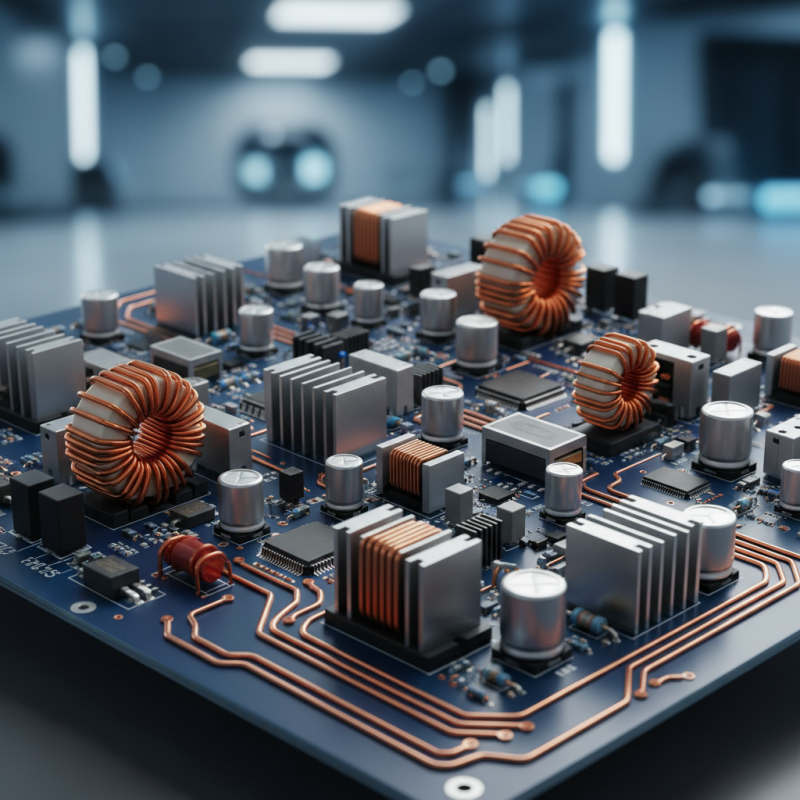
What is a PCB in the Context of DC Fast Chargers?
In the context of DC fast chargers, a PCB (Printed Circuit Board) plays a vital role. It acts as the backbone of the charger’s electrical connections. The PCB ensures that power flows efficiently and safely between components. A well-designed PCB can significantly impact the overall performance and reliability of the charging station.
Not all PCBs are created equal. For instance, an Fr4 PCB or Rigid PCB is often used in these applications because of its thermal stability. This material helps to manage heat dissipation, which is crucial during fast charging. Poor thermal management can lead to failures or reduced lifespan of both the PCB and the connected components. Choosing the right material ensures longevity and reliability.
Tip: Always consider the thermal characteristics when selecting materials for PCBs. It can prevent overheating and increase efficiency.
Many users overlook the significance of component placement on the PCB. Proper layout can minimize electromagnetic interference. This contributes to stable operation. On the other hand, careless designs may result in unexpected shutdowns or malfunctions. Prioritizing thoughtful design can lead to better performance in real-world conditions.
Tip: Regularly review and update your PCB designs. Improvements in technology can offer better materials and methods. Adapting to new advancements can enhance efficiency and reliability.
Key Functions of PCB in DC Fast Charging Systems
In DC fast charging systems, PCBs play a crucial role. These Printed Circuit Boards manage the flow of electricity from the charger to the vehicle. They ensure efficient energy transfer, reducing charging time significantly. Rf Pcb (Radio Frequency Pcb) technology enhances communication between the charger and the vehicle. This allows for optimal performance and safety during the charging process.
The functionality of PCBs extends to thermal management as well. They help dissipate heat generated during high power transfer. A well-designed PCB can prevent overheating, which is critical for safety. Additionally, PCBs provide fault detection capabilities. They can identify electrical issues quickly, preventing potential damage to both the charger and the vehicle.
While PCBs are vital, their design is not without challenges. Engineers must consider size, material, and layout carefully. A poor design can lead to inefficiencies and increased costs. Innovations in Rf Pcb are helping to address these issues, but room for improvement remains. Continuous advancements in PCB technology will only enhance the future of DC fast charging systems.
Key Functions of PCB in DC Fast Charging Systems
Components and Materials Used in PCB for DC Fast Chargers
The printed circuit board (PCB) plays a crucial role in DC fast chargers. It serves as the backbone for connecting various electronic components, ensuring efficient power management.
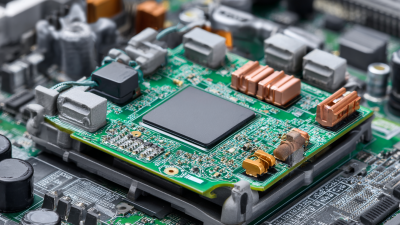
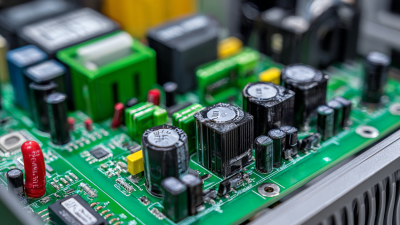
A typical PCB for a DC fast charger includes high-frequency capacitors, power transistors, and specialized connectors. These components must endure high-stress conditions due to rapid charging cycles.
Materials used in PCBs for DC fast chargers are critical. Commonly, FR-4 substrates are employed for their durability and thermal stability. However, these can sometimes limit performance at high frequencies.
Alternatives like Rogers laminates may provide better insulation properties. These materials contribute to the efficient thermal management essential for reliable charger operation.
According to a report by MarketsandMarkets, the PCB market for electric vehicles, including fast chargers, is projected to grow at a CAGR of 18.4% from 2021 to 2026, highlighting the increasing demand for efficient designs.
Designers face challenges when choosing the right components. Optimal performance depends on balancing cost, efficiency, and reliability. A poorly designed PCB can lead to overheating or signal integrity issues.
Thus, constant refinement and testing are necessary to match evolving industry standards. The rapid pace of technology demands continuous updates to components and materials used in PCBs for DC fast chargers.
The Role of PCB in Ensuring Safety and Reliability
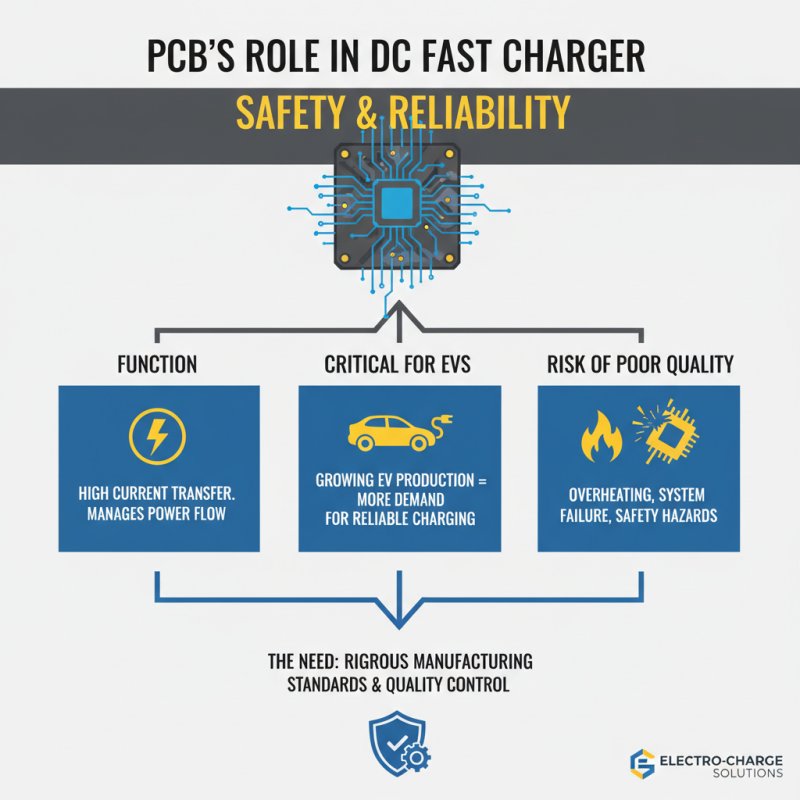
Printed Circuit Boards (PCBs) play a crucial role in the development of DC fast chargers. They ensure the safe transfer of high currents involved in fast-charging processes. With the increase in electric vehicle production, the reliability of these components becomes paramount. Low-quality or poorly designed PCBs can lead to safety hazards, such as overheating or failure. This reflects the pressing need for rigorous standards in PCB manufacturing.
The design of a PCB for fast chargers must accommodate high-frequency signals. What Is The Difference Between A High-Frequency Pcb And A Regular Pcb? A high-frequency PCB manages signals effectively, reducing electromagnetic interference. This capability is essential for maintaining the safety and operational integrity of the charger. Engineers must balance component placement and trace width to optimize performance. Even minor miscalculations can lead to significant issues in a charger’s operation, making professional expertise vital in the design process.
Safety protocols must be prioritized during PCB design. High thermal loads can cause a PCB to fail, resulting in dangerous situations. Continuous testing and refinement are essential. It's evident that while PCBs are small components, their role in ensuring the safety and reliability of DC fast chargers is substantial.
Impact of PCB Design on Charging Efficiency and Performance
The design of the PCB (Printed Circuit Board) is crucial for DC fast chargers. This is not just about aesthetics; it directly influences charging efficiency. Well-designed PCBs ensure optimal current flow and thermal management. High-quality materials and strategic layouts minimize energy loss. When components are placed thoughtfully, it reduces interference and boosts performance.
However, achieving the ideal PCB layout is challenging. Engineers must consider multiple factors, such as space constraints and heat dissipation. Compromises often lead to inefficiencies. For instance, a densely packed PCB may save space but can cause overheating. This can dangerously affect the performance of the charger.
Moreover, the materials used in PCB manufacturing play a role too. Using subpar materials may decrease longevity and reliability. It's imperative that designers regularly revisit their choices. Continuous evaluation of PCB design leads to better performance and enhanced charging efficiency. This reflection on design choices helps in creating systems that truly meet the demands of fast charging technology.
Trends in PCB Technology for Future DC Fast Chargers
The evolving landscape of PCB technology significantly impacts the efficiency of DC fast chargers. As electric vehicles gain traction, the need for adaptable and high-performance PCBs becomes critical. Hf PCB (High-Frequency PCB) offers promising solutions by enabling fast signal transmission and minimizing energy loss. This is essential for the quick charging capabilities that consumers demand.
Recent trends highlight the growing focus on miniaturization and integration in PCB design. Smaller components can lead to lighter chargers that are easier to install. Enhanced thermal management features are also emerging. These advancements ensure that PCBs can handle higher power densities without overheating. However, integrating these technologies can be challenging. Manufacturers must balance performance with cost and reliability.
Another trend to observe is the shift towards environmentally friendly materials. Sustainability in PCB manufacturing is becoming a priority. Companies are exploring biodegradable options to reduce waste. Yet, finding a balance between performance and environmental impact remains an ongoing challenge. These developments underscore the need for continuous innovation in PCB technology for future DC fast chargers.
What is PCB for DC Fast Chargers and Why is it Important? - Trends in PCB Technology for Future DC Fast Chargers
| Dimension |
Description |
Importance |
| Material |
High-frequency laminates |
Improves thermal conductivity and reduces signal loss |
| Layer Count |
Multi-layer PCB designs |
Supports complex circuit designs and increases available space |
| Thickness |
Standard: 1.6 mm; Thinner options available |
Affects weight, cost, and thermal management |
| Copper Weight |
Ranges from 1 oz to 5 oz per square foot |
Enhances current capacity and heat dissipation |
| Surface Finish |
ENIG (Electroless Nickel Immersion Gold) and HASL |
Improves solderability and extends shelf life |
| Design Complexity |
High-density interconnect (HDI) technology |
Facilitates compact designs suitable for fast charging environments |
Challenges and Solutions in PCB Manufacturing for DC Fast Chargers
The manufacture of printed circuit boards (PCBs) for DC fast chargers presents significant challenges. High power demand and rapid charging capabilities require robust designs. According to industry reports, up to 80% of the total charging time depends on the efficiency of the PCB. This makes reliability a key factor.
Thermal management is a critical challenge. PCBs in fast chargers generate heat, risking performance and longevity. A study indicates that improper heat dissipation can reduce component lifespan by 30%. Solutions include advanced materials and improved thermal vias. These innovations enhance conductivity and help manage heat more effectively.
Moreover, the integration of components on PCBs can lead to design complexity. Multi-layered designs can introduce issues such as signal integrity and electromagnetic interference. A report published by a leading electronics institute states that 45% of PCB failures in fast chargers stem from design flaws. Addressing these requires thorough testing and simulation, alongside a skilled workforce familiar with best practices in PCB design.
Innovative Custom PCB & PCBA Designs to Enhance Advanced Camera Image Processing Capabilities
In today's rapidly evolving technological landscape, the demand for high-performance camera systems has surged, particularly in sectors such as industrial automation, security, and automotive imaging. Innovative custom PCB and PCBA designs play a pivotal role in enhancing advanced camera image processing capabilities. By integrating cutting-edge FPGA technologies, these solutions facilitate real-time processing, enabling high-speed and high-resolution imaging that meets the rigorous demands of modern applications.
According to industry reports, the global market for image processing in cameras is projected to grow at a CAGR of 10.2% through 2025, driven by the increasing requirement for sophisticated surveillance systems and autonomous vehicles. Our tailored PCB and PCBA solutions are designed with this growth in mind, ensuring seamless integration with existing camera systems and providing the performance and reliability necessary for delivering crystal-clear images under various conditions.
The versatility of our designs allows them to support a wide array of applications, from high-resolution imaging in medical technology to real-time monitoring in security systems. As industries continue to adopt advanced imaging technologies, leveraging our custom PCB and PCBA integration becomes essential for organizations aiming to enhance their camera systems' capabilities. With a focus on performance and engineering excellence, our solutions stand ready to meet the anticipated demands of the next generation of imaging technology.
FAQS
: The PCB connects components and manages power efficiently. It is essential for DC fast charger functionality.
FR-4 substrates are popular due to their durability. Alternatives like Rogers laminates improve thermal management.
A well-designed PCB enhances current flow and minimizes energy loss. Design affects overall performance significantly.
Engineers must balance space constraints and heat dissipation. Poor layouts can lead to overheating issues.
Using low-quality materials can reduce reliability and lifespan. Regular evaluation of materials is crucial.
Inefficient designs can lead to overheating and signal integrity problems. Continuous testing is necessary for improvement.
Designers should frequently revisit and refine designs. Staying updated with industry standards is essential for performance.
Yes, densely packed designs may save space, but can lead to overheating and reduced efficiency.
The demand for efficient designs in electric vehicles is increasing, contributing to market growth.
Strategic placement minimizes interference and improves thermal management, enhancing overall charging performance.
Conclusion
PCBs, or printed circuit boards, play a vital role in the functionality and efficiency of DC fast chargers. Serving as the backbone of charging systems, a PCB for DC Fast Chargers is responsible for managing power distribution, signal processing, and thermal management. The design and materials used in these PCBs significantly influence the charging performance and reliability, ensuring the safety of both the device and the user.
As technology advances, PCB design trends are evolving to enhance charging efficiency while addressing manufacturing challenges. The continuous innovation in PCB technology promises improved performance and safety features, solidifying their importance in the fast-evolving landscape of electric vehicle charging infrastructure. Understanding the integral functions and innovations related to PCB for DC Fast Chargers is crucial for optimizing charging solutions in the future.