Leave Your Message
0%

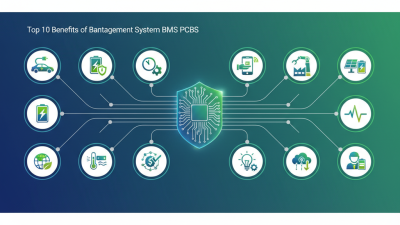
In today’s fast-paced tech world, paying attention to your Battery Management System PCB (or BMS PCB for short) is more important than ever. As electric vehicles and renewable energy solutions become more popular, making sure your BMS PCB is efficient can really make or break performance. Skimp on design, and you might run into some pretty serious issues down the line.

Every little component on that PCB matters—miss one, and it could impact the entire system. Choosing high-quality materials isn’t just a good idea, it’s kinda essential. And don’t forget about thermal management; ignoring it can lead to system failures that could’ve been avoided. A lot of designers underestimate just how complex it is to get advanced circuitry integrated smoothly. Finding that sweet spot between cost and performance also isn’t a walk in the park—it’s a constant balancing act.

While nobody’s perfect and there’s always room for improvement, it’s super helpful to look back on past mistakes. Have you checked if your design has any redundancy? Is your layout as compact and efficient as it could be? Giving yourself room for iterations and tweaks can really lead to more solid, reliable solutions. Bottom line: Improving your Battery Management System isn’t just about tech—it’s about delivering real value to users and pushing the boundaries of what’s possible today.
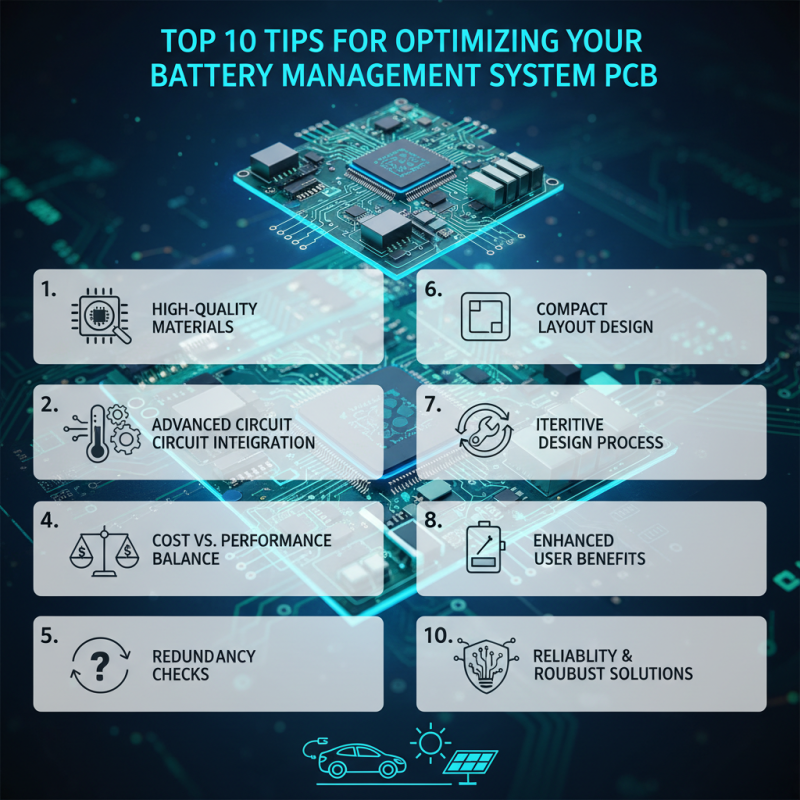
Top 10 Tips for Optimizing Your Battery Management System PCB

Understanding Battery Management Systems and Their Importance

Top 10 Tips for Optimizing Your Battery Management System PCB

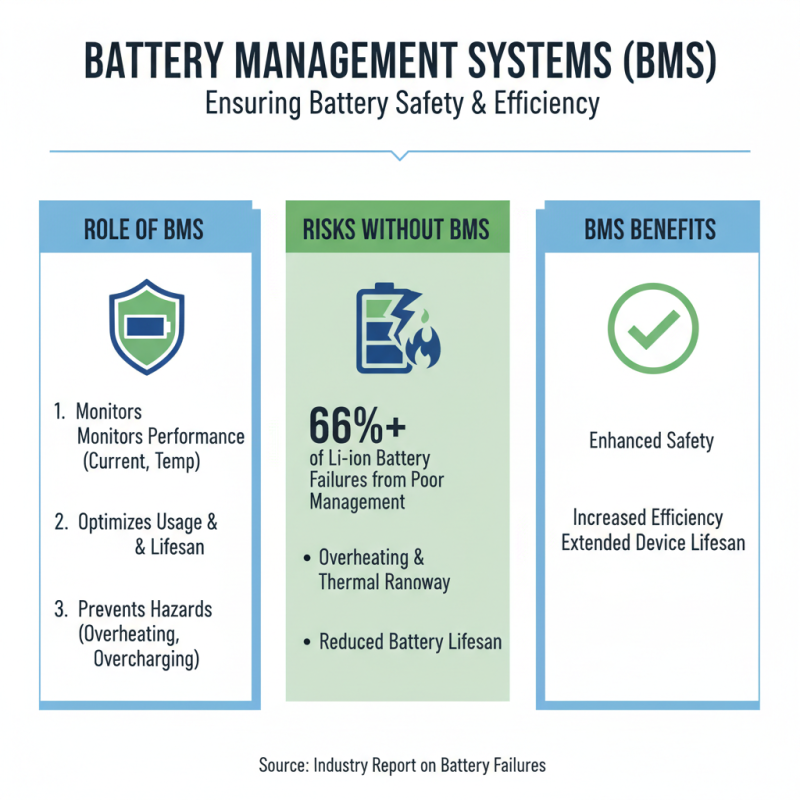
Battery Management Systems (BMS) play a crucial role in the safety and efficiency of battery-operated devices. They monitor battery performance, ensuring optimal usage and safety. According to a recent industry report, over 66% of lithium-ion battery failures stem from poor management systems. Without a reliable BMS, batteries can overheat, leading to potential hazards.

Optimizing your BMS PCB is essential. One key tip is to use high-quality components. This can prevent failures caused by subpar parts. Also, maintain a robust thermal management system. Efficient heat dissipation helps prolong battery life. Moreover, consider implementing advanced algorithms for better fault detection. Such algorithms can drastically reduce risks and improve overall efficiency.

Another important aspect is circuit layout. Design should minimize noise and interference. Poor layout can affect system performance, leading to inconsistencies in power delivery. Additionally, ensure that your BMS can handle varying conditions. Environmental factors often alter battery behavior. Adapting to these changes is necessary for long-term reliability. An effective BMS isn’t just about monitoring; it’s about understanding battery needs and limitations.

Key Components of Battery Management System PCBs

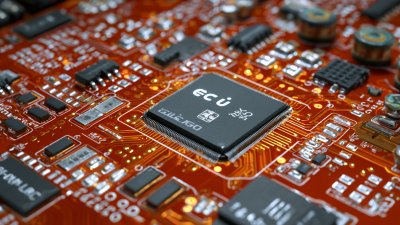
When designing a battery management system (BMS) PCB, choosing the right components is crucial. Key elements include microcontrollers, voltage and current sensors, and protection circuits. Microcontrollers process data from battery cells. They ensure optimal performance and safety. Voltage and current sensors monitor the battery's status. They help prevent overcharging or deep discharging. Protection circuits are vital too; they safeguard against faults that could lead to failure.

Thermal management is often overlooked. It plays a significant role in battery life and efficiency. Therefore, invest in proper heat sinks or thermal pads. Using adequate materials can help manage heat effectively. Additionally, consider layout challenges. Poor component placement can hinder heat dissipation. Reflect on how that might impact performance over time.

Capacitors and resistors also demand attention. They affect signal integrity and power loss. Using high-quality capacitors can minimize noise. However, it's easy to underestimate their importance. PCB traces should be wide enough to handle required currents. This minimizes resistance and enhances durability. Sketching out these designs carefully can prevent future issues. Balancing quality and costs may lead to compromises. Reflect on where one can prioritize better components to elevate performance.

Design Considerations for Efficient PCB Layouts

When designing a PCB for a battery management system, layout efficiency is crucial. A compact design can significantly improve performance. However, it’s easy to overlook small details. Keep the traces as short as possible, especially those involved in current flow. This helps reduce resistance and potential heat issues.

Consider the placement of components carefully. High-frequency parts should be grouped together. It minimizes interference. But be wary of thermal issues. Components generating heat need proper spacing. Use thermal vias where necessary. Also, ensure sufficient copper area for heat dissipation.

Power and signal integrity are essential for OEM PCBA Production for Battery Management Systems. A poor layout can introduce noise. Ground planes play a vital role in this aspect. Always provide a solid ground connection to avoid potential issues. Reflections might occur if not addressed properly. A thoughtful design can save time in testing and debugging later. These nuances can make a big difference in functionality and reliability.

Thermal Management Techniques for Battery Safety

Thermal management is vital for battery safety. Overheating can lead to thermal runaway, risking damage and injury. According to a report from the National Renewable Energy Laboratory, 50% of battery failures are related to overheating issues. It’s crucial to implement effective thermal management techniques in your Battery Management System (BMS) PCB design.

One effective technique is using thermal vias. These are small holes that connect the copper layers of the PCB to dissipate heat. Ensuring proper placement can reduce hotspots. Using heat sinks around hot components can also mitigate temperature rises. This can enhance the longevity and safety of battery packs.

Another tip involves selecting the right materials. Use low thermal resistance materials to aid heat dissipation. Keep the layout simple to minimize thermal pathways. Proper component spacing helps prevent localized heating. Always ensure routing is efficient, keeping traces short. Regularly review and test for thermal performance; flaws can lead to critical failures.

Selecting the Right Components for Battery Management Systems

Top 10 Tips for Optimizing Your Battery Management System PCB

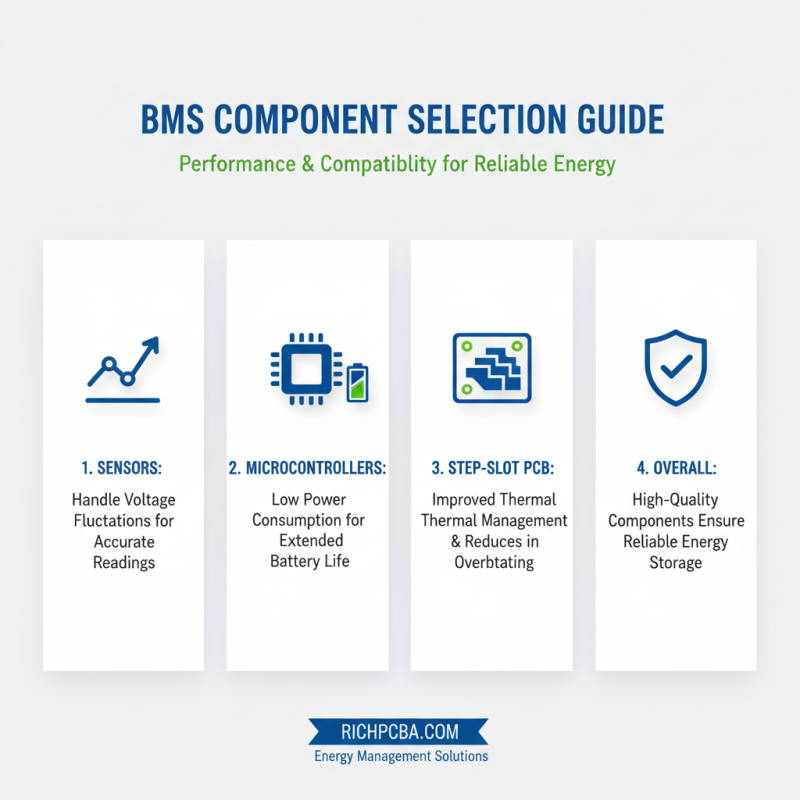
When selecting components for Battery Management Systems (BMS), consider both performance and compatibility. The right components ensure reliable energy storage and management. Pick sensors that can handle voltage fluctuations. This is key for accurate readings. Opt for microcontrollers with low power consumption. They enhance battery life. A high-quality Step Slot PCB for Energy Management Supplier can significantly improve performance. It allows for better thermal management and reduces the risk of overheating.

Another crucial aspect is the choice of power MOSFETs. They must support your system's current ratings. Inadequate MOSFETs may lead to inefficiencies. Keep an eye on the passive components too. Capacitors should handle various temperature ranges. Resistors should be the right size for your applications. Sometimes, sourcing components from multiple suppliers leads to mismatched qualities. That can result in circuit failures or increased costs.

Design and layout are essential. An ideal PCB will reduce electromagnetic interference. Poor placement of components can disrupt signals. Testing is vital. Create prototypes, and run stress tests. Observing how your components perform under load can reveal weaknesses. Continuous improvement in component selection and design will lead to a robust and reliable BMS.

Testing and Validation Procedures for PCB Designs

Testing and validation procedures are crucial for ensuring the reliability of your Battery Management System PCB. Start with a comprehensive setup. Use real-life scenarios to assess your design. This helps catch potential issues early. For instance, measure current flow and voltage levels during peak loads. Look for unexpected behavior. Those signs indicate where improvements are needed.

Incorporating feedback is essential. Set up a protocol for iterative testing. Continuously refine your designs based on test results. It may also help to integrate Circuit Protection/Power Management features early in the design phase. Just remember, don’t assume your initial design will work perfectly.

Additionally, stress testing can reveal weaknesses. Use thermal and electrical stress tests to simulate extreme conditions. Document everything. Keep a record of failures and successes. That database will guide your optimization process. Reflect on the data. Some tests might yield surprising results. Approach these with a critical mindset to strengthen your PCB designs for better performance and safety.

Future Trends in Battery Management System Technology

Battery Management Systems (BMS) are evolving rapidly. Future trends point towards enhanced integration and efficiency. One key area is the development of Power Management Integrated Circuits (PMICs). These circuits play a crucial role in optimizing the performance of BMS. They help monitor voltage, current, and temperature. This precise control can prevent battery damage and prolong lifespan.

Another emerging trend is the use of advanced algorithms. Machine learning can predict battery behavior under various conditions. This insight allows for improved energy management and efficiency. However, the implementation of these technologies faces challenges. Not every system is compatible with new advances. Manufacturers must continually assess their designs. They need to think about future-proofing their BMS.

Moreover, safety remains a top priority. Innovative materials and design will enhance protection against thermal runaway or short circuits. The integration of sensors will also provide real-time data. This allows users to react quickly to anomalies. However, as we integrate new solutions, we must remain vigilant. An oversight in design could lead to significant safety risks. Continuous reflection on these technologies is essential to ensure their effective deployment.

Top 10 Tips for Optimizing Your Battery Management System PCB

Tip No. Optimization Tip Expected Benefit Future Trend
1 Utilize Thermal Management Solutions Improved Battery Life Advanced Cooling Technologies
2 Implement Smart Charging Algorithms Faster Charging Times AI-Driven Optimization
3 Optimize PCB Layout Enhanced Signal Integrity 3D PCB Design Techniques
4 Incorporate Battery State Monitoring Increased Safety and Performance IoT Integration
5 Reduce Component Count Lower Production Costs Modular Battery Designs
6 Utilize High-Efficiency Components Lower Energy Loss Emerging Semiconductor Technologies
7 Enhance Protection Circuits Improved Safety Standards Regulatory Compliance
8 Consider Multi-Cell Configurations Increased Capacity Configurable Battery Packs
9 Use of High-Quality Capacitors Enhanced Longevity and Reliability Sustainable Materials
10 Regularly Update Firmware Continual Performance Improvements OTA Updates

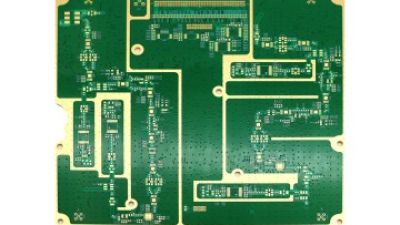
Optimizing High-Frequency Performance with 8-Layer Rogers 4350B Hybrid Microwave RFID PCBs

The optimization of high-frequency performance in RFID systems is crucial for ensuring efficient communication and data transfer. By employing an 8-layer hybrid design that integrates Rogers RO4350B and S1000-2M FR-4 substrates, this PCB achieves exceptional signal integrity across a wide frequency range. The combination of high-frequency Rogers material and standard FR-4 not only enhances performance but also provides cost-effective manufacturing solutions. The careful selection of materials is pivotal in minimizing losses and improving overall operational efficiency in applications such as RFID readers and microwave tags.

The rigorous design specifications of the PCB include strict impedance control of ±5%, ensuring minimal signal distortion and maximum efficiency. The implementation of ENIG surface finish guarantees superior solderability, which is essential in high-performance applications. Furthermore, the PCB demonstrates impressive electromagnetic interference (EMI) shielding capabilities, maintaining a Voltage Standing Wave Ratio (VSWR) of less than 1.5 across frequencies from 915MHz to 5.8GHz. This enhances the reliability and stability of signal transmission in both industrial and medical environments, where robustness against extreme conditions is a requirement.

Additionally, the PCB has been thoroughly tested for thermal cycling, humidity aging, and vibration resistance, ensuring it can withstand the demanding conditions typical in military and industrial scenarios. With a temperature range from -40℃ to 125℃, this design is capable of maintaining operational integrity, making it a reliable choice for diverse applications where performance and durability are paramount.

FAQS

: What is the main purpose of the article?

: The article aims to provide information on a specific topic. It addresses common questions and concerns.

How can I benefit from this information?

You can gain insights and useful tips. This can help in making informed decisions.

Are there any specific requirements to follow?

Yes, certain guidelines must be adhered to. These include safety measures and ethical considerations.

What should I do if I have more questions?

You can reach out to the provided contact. It’s important to seek clarification when needed.

Is there a risk involved in following the advice given?

There is always some level of risk. It's essential to assess your personal situation.

How frequently is the information updated?

The information is periodically reviewed. However, you should verify facts independently.

Can I share this information with others?

Yes, sharing can help others. Just ensure you provide accurate details.

Are there limitations to the advice provided?

Yes, the advice may not apply to everyone. Individual circumstances vary.

What if the information doesn’t work for me?

This can happen, and it’s okay. Reflecting on your situation may lead to better solutions.

Is there a way to provide feedback on the content?

Yes, feedback is welcome. It helps improve future information.

Conclusion

The article "Top 10 Tips for Optimizing Your Battery Management System PCB" provides essential insights into the design and implementation of Battery Management System PCBs (BMS PCBs). It begins by explaining the critical role of battery management systems in ensuring safety, performance, and longevity of battery packs. The article outlines key components of BMS PCBs, such as voltage and temperature sensors, and emphasizes the importance of efficient PCB layouts to minimize electrical noise and ensure reliable operation.

Additionally, it delves into thermal management techniques necessary for maintaining battery safety, as well as best practices for selecting appropriate components that contribute to overall system efficiency. The article highlights the significance of rigorous testing and validation procedures to ensure that designs meet safety and performance standards. Lastly, it addresses emerging trends in BMS technology, underscoring the continuous evolution in this field to enhance the capabilities and efficacy of BMS PCBs.

Mason

Mason

Mason is a dedicated marketing professional at Shenzhen Ruizhixinfeng Electronics Co., Ltd., where he has established himself as an expert in the company's innovative product offerings. With a deep understanding of electronics and a keen eye for market trends, Mason plays a crucial role in shaping......
Previous Future Trends in High Frequency Pcb Technology for Global Buyers