In today’s fast-changing tech world, picking the right Industrial Control Pcba supplier is more important than ever. The printed circuit board assembly (or PCBA for short) is such a key player when it comes to how well industrial control systems perform and stay reliable. If you know which suppliers are truly top-notch, it can really help engineers make smarter choices.
Honestly, a lot of organizations hit some bumps when trying to decide on PCBAs for their projects. Things like quality, cost, and how quickly they can get the parts—these factors can really make or break a project. That’s why it’s so critical to go with companies that have a good reputation and real expertise in making Industrial Control PCBAs.
But, let’s be real — not all suppliers are created equal. Some might be great in certain areas but lag behind in others. For example, sure, a cheaper solution might seem super tempting, but it could end up sacrificing quality. That kind of price versus quality dilemma often makes companies pause and think about what really matters most to them.
To help you out, this guide actually breaks down the top ten suppliers who consistently deliver dependable Industrial Control PCBA solutions. It’s all about helping you navigate this tricky market without pulling your hair out!
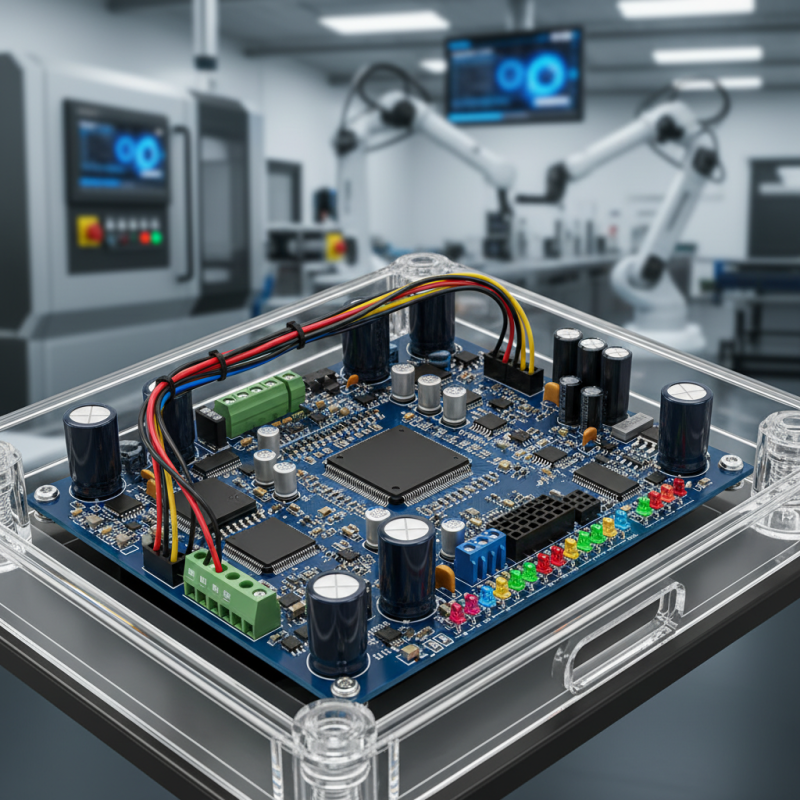
Overview of Industrial Control PCBA and Its Importance
Industrial control PCBA plays a crucial role in modern manufacturing and automation. These circuit boards are essential for controlling machinery and processes in various industries. They serve as the nerve center of operations, helping to ensure efficiency and reliability. Without a robust Industrial Control PCBA, systems may fail, leading to costly downtime.
The importance of industrial control PCBA cannot be overstated. These boards must be designed to withstand harsh environments, including high temperatures and vibrations. Each component plays a vital role in functionality. Engineers often face challenges in selecting the right materials and technologies. They need to balance quality and cost-effectiveness. This complexity can lead to design flaws if not carefully managed.
In recent years, the demand for specialized industrial control PCBA has grown. As industries evolve, so do their requirements. There’s a push for more integrated solutions and smarter technology. However, not all suppliers can keep pace with these innovations. A critical assessment of safety and reliability must guide partnerships. Each design iteration offers an opportunity for improvement and learning, pushing the boundaries of what is possible.
Key Factors to Consider When Choosing a PCBA Supplier
Choosing the right PCBA supplier is crucial for your project's success. When evaluating potential partners, consider their experience in the industry. A supplier with a strong background in Industrial Control System PCB Assembly can provide valuable insights and reliable solutions. Look for suppliers who have handled similar projects before; this experience can significantly reduce risks.
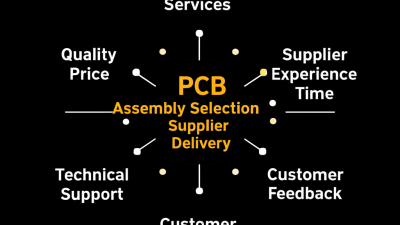
Quality assurance is another key factor. Ensure the supplier maintains high standards throughout the manufacturing process. Certifications can indicate reliable quality control measures in place. Communication is vital too. A responsive and transparent supplier will address your needs and concerns quickly.
Lastly, consider their capacity to scale. Your requirements may change over time. A flexible supplier can adapt to your evolving demands. Reflecting on these aspects can help in making informed choices. Not all suppliers will meet these criteria. It's essential to weigh your options carefully.
Top Quality Control Standards in the PCBA Industry
In the PCBA industry, quality control is essential for successful industrial automation. Standards such as IPC-A-610 and IPC-J-STD-001 dictate the acceptable levels of quality in manufacturing. These standards create benchmarks for soldering, assembly, and inspection processes. A recent report indicates that companies adhering to these standards experience up to 25% fewer defects in their products.
Another critical point is the implementation of continuous improvement methodologies like Six Sigma in PCBA manufacturing. According to industry data, these approaches can lead to a 30% reduction in production costs. Yet, many manufacturers still struggle to fully integrate these practices into their processes. Without embracing data-driven strategies, some companies find it difficult to maintain consistent quality, risking customer dissatisfaction.
Reliability in the supply chain is another challenge faced by PCBA suppliers. Diversifying sources for components can mitigate risks associated with single suppliers. However, this often complicates relationships and quality assurance. Some manufacturers still rely on outdated practices that can compromise the integrity of the Industrial Automation Control Board PCBAPCBA. Investing in advanced quality control measures is crucial for long-term success in this competitive landscape.
Leading Suppliers of Industrial Control PCBA in the Market
The industrial control PCBA market is evolving rapidly. According to a recent market report, the demand for these assemblies is expected to grow by over 8% annually through 2028. This growth is driven by advancements in automation and smart manufacturing technologies. Industrial PCBAs play a crucial role in various applications, including robotics, process control, and power management.
Leading suppliers in this field continuously innovate. They focus on quality, reliability, and flexibility to meet different industrial needs. A survey revealed that around 70% of manufacturers prioritize suppliers based on these qualities. Assemblies must withstand tough operating conditions. This requires robust testing and quality assurance measures throughout the production process.
Tips: When selecting a supplier, assess their industry certifications. Look for suppliers that adhere to ISO 9001 standards. This reflects their commitment to quality management. Additionally, try to evaluate previous project case studies. This can provide insight into their experience and expertise in your specific application. Remember, having reliable partners can enhance your product's success in a competitive market.
Top 10 Industrial Control PCBA Suppliers - Market Share
Innovative Technologies Used by Top PCBA Suppliers
Innovative technologies are transforming the landscape of PCBA (Printed Circuit Board Assembly) for industrial control. Companies are increasingly integrating advanced solutions like AI and IoT into their manufacturing processes. According to a recent industry report, nearly 52% of PCBA suppliers have adopted AI-based quality control systems. This shift not only enhances accuracy but also reduces production time.
Moreover, automation is a game-changer. Automated handling systems improve efficiency on production lines. They minimize human error while speeding up assembly. Research indicates that 68% of manufacturers are investing in automated technologies to stay competitive. However, this shift raises questions about workforce adaptation. It’s essential to consider training and reskilling as automation becomes more prevalent.
Another notable trend is the use of advanced materials. Flexible PCBs and high-density interconnect (HDI) boards are gaining traction. These materials allow for more compact designs, catering to the miniaturization demands of modern devices. Despite these advances, challenges remain in material sourcing and sustainability. Ensuring eco-friendly practices while leveraging cutting-edge technology is critical for the future of the industry.
Customer Service and Support in PCBA Supply Partnerships
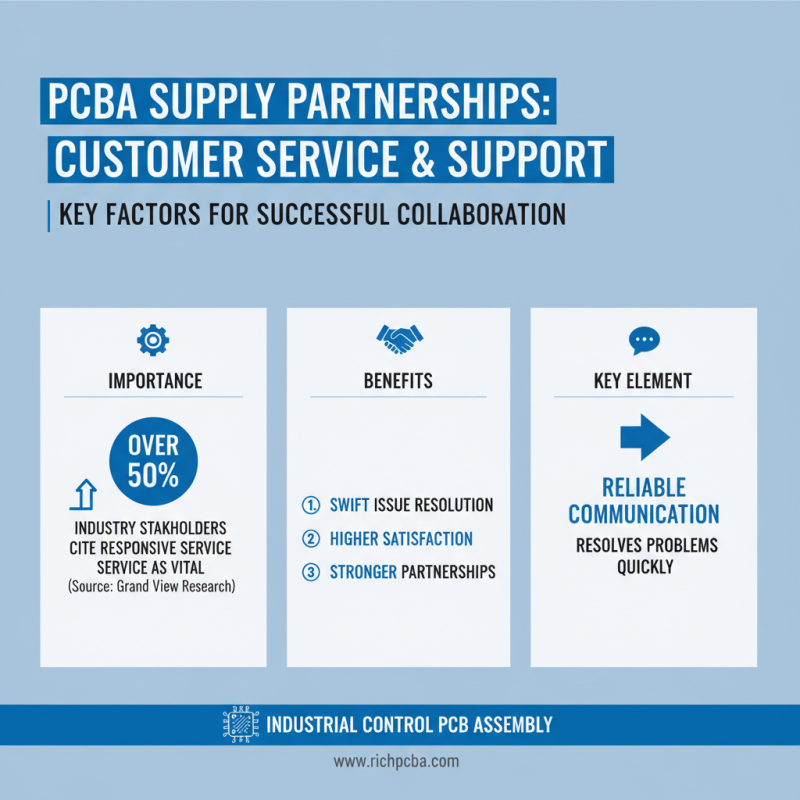
In the realm of industrial control PCB assembly, effective customer service and support significantly influence supplier relationships. According to a market report by Grand View Research, over 50% of industry stakeholders consider responsive customer service vital. Reliable communication helps resolve issues swiftly, leading to higher satisfaction and stronger partnerships.
Key performance indicators, such as response time and support availability, can reflect a supplier's commitment to their clients. A recent survey indicated that 70% of companies prefer suppliers who offer 24/7 support. However, many suppliers still fall short. Insufficient resources can lead to extended wait times, frustrating clients and compromising project timelines. Effective training of support staff remains a challenge for many firms.
Additionally, fostering collaboration during the design and production phases adds value. Suppliers who actively engage with clients can enhance the outcomes of industrial control PCB assembly projects. Yet, some companies neglect this crucial aspect, focusing solely on delivery metrics. Emphasizing teamwork can mitigate misunderstandings and promote shared success in complex projects.
Future Trends in the Industrial Control PCBA Supply Landscape
The landscape of industrial control PCBAs is evolving rapidly. Emerging technologies and increased demand are shaping the future. Automation and IoT integration are significant trends. Key industries are adopting smarter systems. This shift necessitates more robust and flexible PCBAs that can support complex applications.
Suppliers are adapting by investing in advanced manufacturing processes. This includes using AI and machine learning for quality control. However, reliability remains a concern. Some suppliers struggle to keep pace with technological advancements. This creates potential risks for customers relying on their expertise. Companies must also focus on sustainability practices. Eco-friendly materials and processes are becoming essential for compliance and market appeal.
As the market matures, the quest for specialization intensifies. Niche suppliers may offer tailored solutions but could lack scalability. Larger firms bring experience but may prioritize broad solutions. Each approach has merits and drawbacks. Clients will need to carefully evaluate their partners to find the right balance. Challenges will persist, necessitating ongoing reflection and adjustment in strategies to stay competitive.
Innovative Advances in PCBA for Medical Electronics: Enhancing Control Boards for Efficient Medical Equipment Performance
Innovative advances in PCBA (Printed Circuit Board Assembly) for medical electronics are revolutionizing the way control boards are developed for efficient medical equipment performance. These advancements are critical in enabling medical devices, from intricate imaging machines to simple health monitoring tools, to operate with utmost precision and reliability. The core of these devices is the PCBA, which not only ensures the operational functionality but also facilitates seamless data processing and communication with other systems, thereby enhancing overall performance.
The significance of accuracy and reliability in PCBA for medical equipment cannot be overstated. Medical devices are required to deliver precise measurements and diagnoses, where even the slightest defect in a circuit board can lead to device malfunctions and potentially jeopardize patient safety. Furthermore, given that these devices often operate continuously, their circuit boards must exhibit exceptional reliability to avoid failures that could disrupt critical medical procedures or lead to data loss.
In addition, safety considerations are paramount in the production of PCBA for medical applications. These circuit boards must adhere to strict safety standards, including electromagnetic compatibility and overheating protection, to safeguard patient health. Lastly, the ongoing trend toward miniaturization in medical electronics demands innovative circuit board designs that allow for compact assembly and tighter component connections without compromising performance. This evolution not only paves the way for more sophisticated medical devices but also improves patient outcomes through enhanced technology integration.
FAQS
PCBA must withstand harsh conditions. High temperatures and vibrations can affect functionality.
Engineers must choose materials wisely. Balancing quality and cost can lead to design flaws.
Advances in automation and smart manufacturing technologies are increasing demand. The market is growing over 8% annually.
Look for industry certifications and adherence to quality standards. Previous project case studies can provide valuable insights.
Automation and IoT integration are key trends. They require more robust and flexible PCBA designs.
Reliability remains a major concern. Some suppliers struggle to keep pace with technological changes.
Eco-friendly materials and processes are increasingly essential. They help ensure compliance and market competitiveness.
Niche suppliers may offer specialized solutions but could lack scalability. This poses a risk for larger-scale needs.
Continuous reflection and strategy adjustments are necessary. Companies must evaluate partnerships carefully to succeed.
Conclusion
Industrial Control PCBA (Printed Circuit Board Assembly) plays a crucial role in modern manufacturing and automation processes. Selecting the right PCBA supplier involves considering key factors such as quality control standards, innovative technologies, and customer service. High-quality PCBA manufacturers adhere to stringent industry standards, ensuring reliability and performance in industrial applications.
As the market evolves, leading suppliers of Industrial Control PCBA are increasingly adopting cutting-edge technologies to enhance efficiency and reduce costs. Strong customer support and effective supply partnerships are essential for successful collaboration in this competitive landscape. With ongoing advancements and shifts in demand, understanding future trends will be vital for businesses looking to optimize their operations and maintain a competitive edge in the Industrial Control PCBA sector.