Leave Your Message
-
E-mail
-
Whatsapp
-
Message
Precision-engineered circuit boards powering the next generation of EV charging stations and automotive electronics.
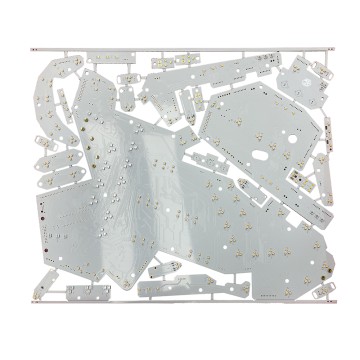
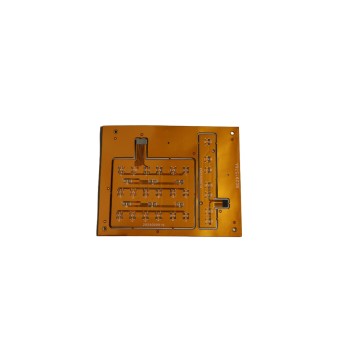
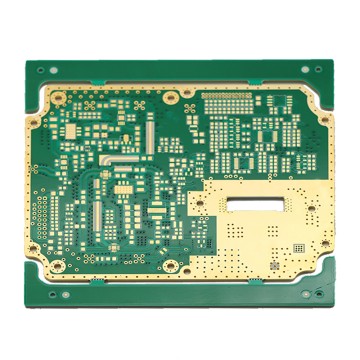
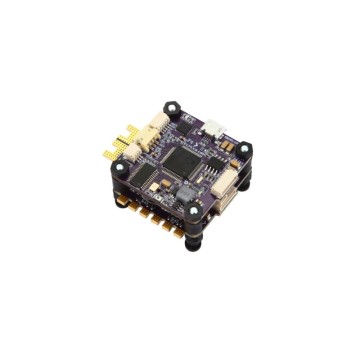
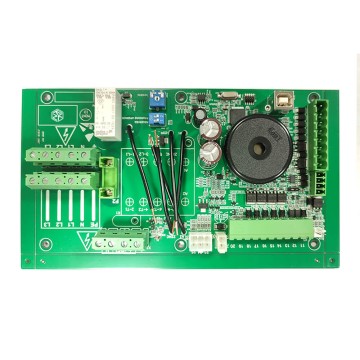
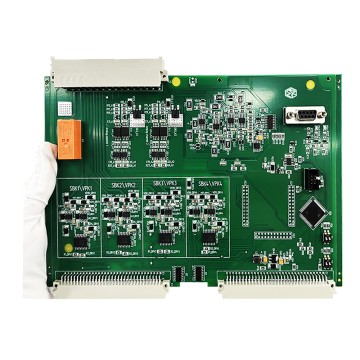
As the global electric vehicle (EV) market accelerates toward mass adoption, the backbone of reliable charging infrastructure lies in one critical component: the automotive circuit board. These precision-engineered PCBs are the nerve center of every EV charging station, managing power conversion, safety monitoring, communication protocols, and thermal regulation simultaneously.
From Level 1 home chargers to ultra-fast 350kW DC fast chargers deployed along highways, automotive-grade circuit boards must operate flawlessly under extreme conditions — wide temperature swings, high voltage surges, electromagnetic interference, and continuous duty cycles that can span years without maintenance.
🔋 The global EV charging infrastructure market is projected to surpass $140 billion by 2030, with automotive circuit boards representing one of the fastest-growing PCB application segments worldwide.
Unlike consumer electronics PCBs, automotive circuit boards for charging infrastructure must comply with stringent international standards including AEC-Q100, ISO 26262 (functional safety), IEC 61851, and UL 2202 — demanding the highest levels of design precision, material selection, and manufacturing quality.
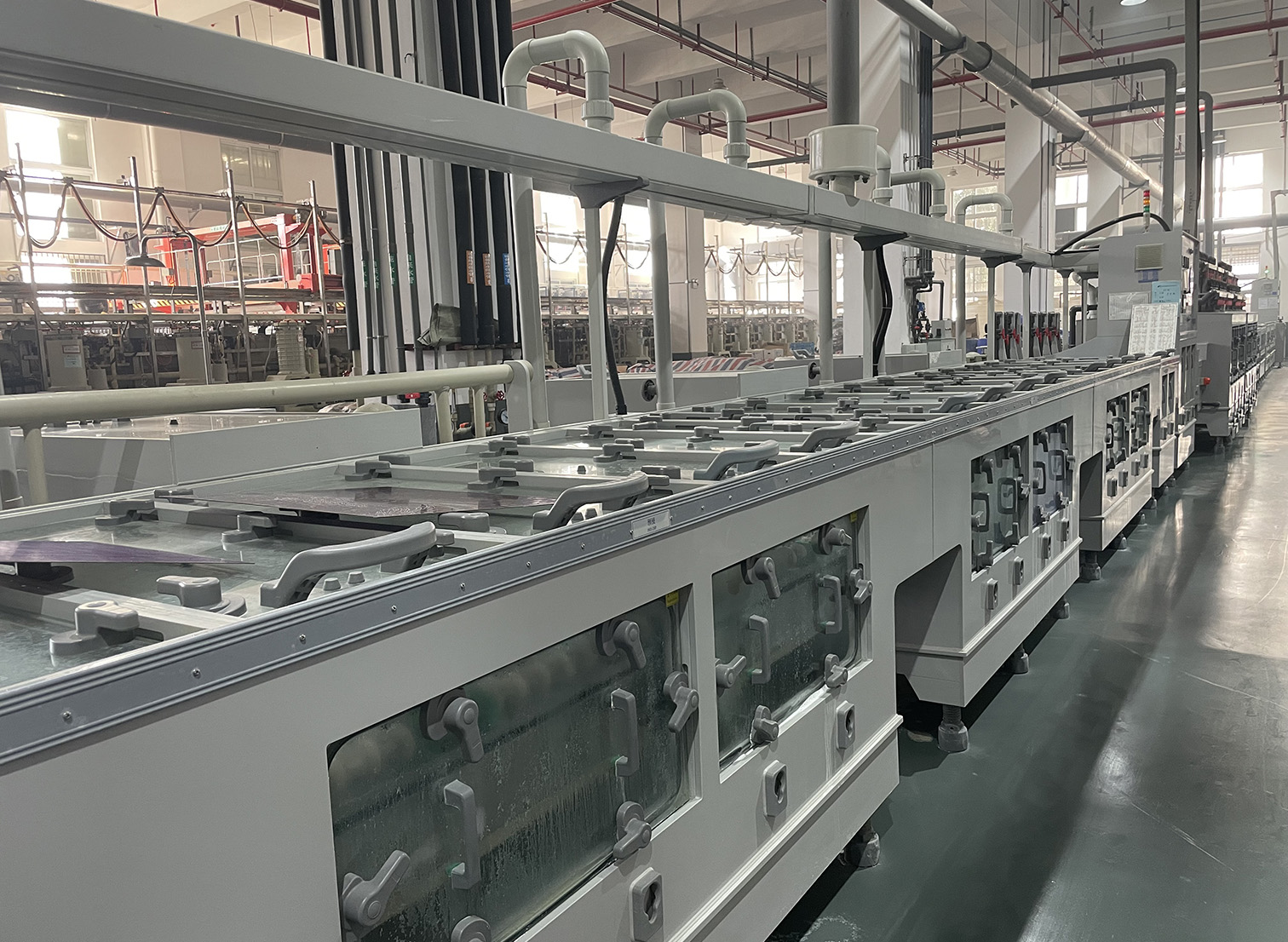
Key figures driving the automotive circuit board charging infrastructure sector in 2024–2030.
Emerging technologies and market forces are transforming how circuit boards are designed and deployed in EV charging ecosystems.
Next-generation DC fast chargers demand PCBs capable of handling extreme power densities. High-voltage, high-current circuit boards with advanced thermal management, wide-bandgap semiconductor (SiC/GaN) support, and multi-layer copper planes are essential to achieve sub-15-minute charge times for commercial EVs.
Vehicle-to-Grid (V2G) technology requires bidirectional power flow management at the circuit board level. Automotive PCBs now incorporate sophisticated communication modules (OCPP 2.0, ISO 15118), power electronics control, and real-time energy management algorithms — all on a single integrated board architecture.
Embedded AI processors on charging station circuit boards enable real-time fault detection, predictive maintenance scheduling, and adaptive power output optimization. These intelligent PCBs reduce downtime by up to 60% and extend station service life significantly.
Wireless charging systems and high-frequency communication modules require specialized RF PCB materials such as Rogers RO4350B. These substrates offer superior dielectric stability, low signal loss, and thermal resistance — critical for 5G-connected charging infrastructure and inductive charging pads.
As charging stations become networked IoT endpoints, hardware-level security is increasingly embedded at the PCB design stage. Secure element chips, hardware encryption modules, and tamper-evident circuit layouts are now standard requirements for public charging infrastructure deployments.
Environmental regulations are pushing automotive PCB manufacturers toward halogen-free laminates, lead-free soldering, and recyclable substrate materials. Sustainable PCB manufacturing practices are becoming a competitive differentiator in the global EV supply chain.
From residential Level 2 chargers to highway megawatt charging systems — here's how specialized PCBs enable each deployment scenario.
Home EV chargers require compact, cost-effective PCBs with reliable GFCI protection, WiFi/Bluetooth connectivity modules, and smart scheduling interfaces. The circuit board manages AC-to-DC conversion, load balancing with home energy systems, and over-the-air (OTA) firmware updates — all within a compact, moisture-resistant enclosure design.
Multi-port commercial chargers demand PCBs with dynamic load management capabilities, user authentication (RFID/NFC), billing system integration, and network management (OCPP protocol). High-density multilayer PCBs coordinate power distribution across 20–100+ simultaneous charging sessions in fleet depot environments.
Highway fast chargers operating at 50–350kW require automotive-grade PCBs with SiC MOSFET gate driver circuits, precision current sensing, multi-protocol communication (CCS, CHAdeMO, GB/T), and robust EMI shielding. These boards must maintain functional safety ratings (ISO 26262 ASIL-D) and operate reliably from -40°C to +85°C ambient temperatures.
Megawatt Charging System (MCS) for electric trucks and buses pushes PCB design to its limits — 1MW+ power levels demand heavy copper PCBs (up to 20oz copper), advanced thermal interface materials, and multi-phase power factor correction circuits. The circuit board architecture must handle bidirectional energy flow for depot-scale V2G applications.
Charging stations paired with on-site battery storage require specialized PCBs for battery management systems (BMS), bidirectional DC-DC converters, and energy arbitrage control algorithms. These circuit boards enable peak shaving, demand charge reduction, and resilient off-grid charging capability — critical for remote location deployments.
Wireless EV charging systems operating at 11–22kW require high-frequency PCBs built on Rogers or PTFE substrates to minimize dielectric losses at 85kHz operating frequencies. The resonant tank circuit board controls precise impedance matching, foreign object detection, and thermal management for embedded in-road or parking bay wireless charging applications.
As a company involved in the development and design of multiple scientific research products, our products are widely applied in various fields such as aviation, aerospace, automotive electronics, medical devices, industrial control, mobile terminal devices, servers, smart homes, AI applications, new energy, mini LED and testing instruments, etc.
We have a high-quality and highly capable technology R&D team, adhering to the development concept of high-end brands and products, and serving global customers. Our products are exported to various regions of the world.
We continue to lead in the production of small batches, multiple varieties, high difficulty and high-precision products in differentiated market competition. We have complete sets of advanced automatic production and testing equipment, strictly control every process, and are committed to the meticulous and perfect quality of products.
✅ All products strictly adopt international IPC standards for production and inspection, with 24-hour high quality one-on-one service — ensuring your charging infrastructure circuit boards meet the most demanding automotive-grade specifications.
Over 20 years of PCB R&D, design and production, with a team of over 800 design engineers, striving for excellence. Our service network has spread all over the world — making us a trusted partner for automotive circuit board solutions in EV charging infrastructure globally.
We uphold the spirit of craftsmanship to build intelligent manufacturing, leading the industry with technology and driven by technological innovation. We'll strive for excellence and become a leader in the industry, continuously strengthening our core competitiveness and establishing a leading position in various fields.
In the context of automotive circuit boards for charging infrastructure, this means delivering PCB solutions that not only meet today's EV charging requirements but are engineered to scale with tomorrow's megawatt charging demands, V2G ecosystems, and AI-integrated energy management platforms.
AEC-Q100, ISO 26262, IEC 61851, UL 2202 compliant PCBs designed and tested to meet the most stringent global automotive and charging infrastructure standards.
Up to 68-layer HDI PCBs, 25Gbps high-speed signal integrity, heavy copper designs up to 20oz, and Rogers RF substrates — all under one roof with 800+ expert engineers.
With 20+ years of export experience and a worldwide service network, we ensure on-time delivery and consistent quality for EV charging infrastructure projects at any scale.
Partner with a proven automotive circuit board manufacturer trusted by global EV charging leaders. Get a custom PCB solution engineered for your specific charging infrastructure requirements.
Request a Custom Quote →Explore our full range of high-performance circuit board solutions engineered for EV charging and automotive electronics applications.