
Leave Your Message
-
E-mail
-
Whatsapp
-
Message
Click to explore each product in detail
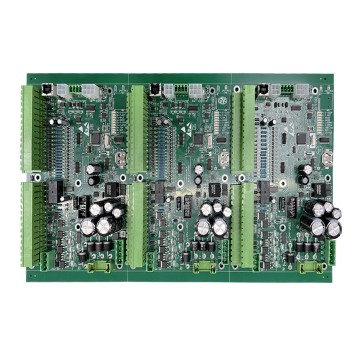
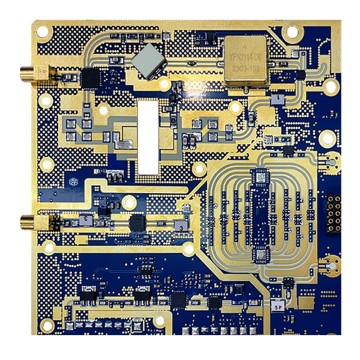
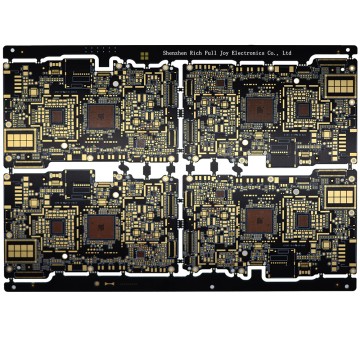
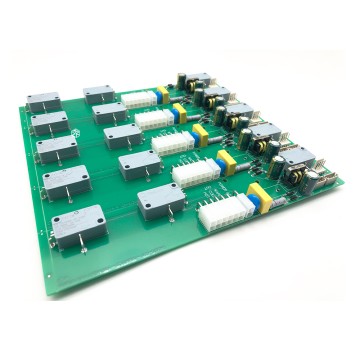
Automotive telematics PCBs are the electronic backbone of modern connected and autonomous vehicles. These specialized printed circuit boards enable real-time data communication between vehicle sensors, onboard computers, cloud platforms, and external infrastructure — forming the neural network of autonomous driving systems.
In the context of autonomous driving sensors, telematics PCBs serve as the critical interface layer between perception hardware (LiDAR, radar, cameras, ultrasonic sensors) and the vehicle's central processing unit. They must simultaneously handle high-frequency RF signals, manage power distribution, ensure EMI shielding, and maintain signal integrity across multiple data channels under extreme temperature, vibration, and humidity conditions.
A single Level 4 autonomous vehicle may incorporate over 30 distinct sensor modules, each requiring dedicated telematics PCB support capable of operating at frequencies from 24 GHz to 77 GHz for millimeter-wave radar applications, with signal loss below 0.5 dB/inch.
The convergence of 5G-V2X (Vehicle-to-Everything) communication, AI-powered edge computing, and multi-sensor fusion has dramatically elevated the performance demands placed on automotive telematics PCBs — making material selection, layer stack design, and manufacturing precision more critical than ever before.
The automotive telematics PCB market is experiencing explosive growth driven by autonomous driving and EV adoption.
Understanding where the automotive telematics PCB industry stands today — and where it's headed tomorrow.
The global shift to electric vehicles (EVs) has fundamentally changed the PCB landscape. Each EV requires 2–3× more PCB area than a traditional ICE vehicle, with telematics and sensor PCBs accounting for the fastest-growing segment. OEMs from Tesla to BYD are demanding PCB partners capable of high-volume, zero-defect production.
Modern ADAS platforms integrate data from radar, LiDAR, cameras, and ultrasonic sensors simultaneously. The telematics PCB must route high-speed differential signals (often exceeding 10 Gbps), maintain strict impedance control (±5%), and operate across automotive temperature grades (-40°C to +125°C) — all on increasingly compact form factors.
5G-V2X (Vehicle-to-Everything) technology requires PCBs capable of handling millimeter-wave frequencies (24–77 GHz). Automotive telematics PCBs now incorporate dedicated RF zones with Rogers or Taconic high-frequency laminates, enabling vehicles to communicate with infrastructure, other vehicles, and cloud AI platforms in real time.
Post-pandemic supply chain disruptions have accelerated the trend toward regional PCB manufacturing hubs. Chinese manufacturers with full in-house capabilities — from PCB fabrication to SMT assembly, testing, and box-build — are gaining significant market share as Tier-1 automotive suppliers seek reliable, vertically integrated partners.
Automotive-grade PCBs must meet IATF 16949 quality management standards, AEC-Q200 component qualifications, and increasingly, ISO 26262 functional safety requirements. Manufacturers without full automotive certification chains are being systematically excluded from Tier-1 supplier lists.
AI-assisted PCB layout optimization, automated optical inspection (AOI), and machine learning-based defect prediction are transforming manufacturing quality. Leading factories now deploy AI vision systems capable of detecting sub-10μm defects across high-density automotive telematics PCBs at production speeds exceeding 2,000 boards per shift.
Six transformative trends reshaping automotive telematics PCB technology for autonomous driving sensor applications.
The industry is moving toward hybrid PCB constructions that combine Rogers RO4350B high-frequency layers with standard FR-4 cores — achieving millimeter-wave performance at manageable cost. This approach enables 77 GHz automotive radar PCBs with Dk stability of ±0.05 across temperature ranges.
As autonomous driving sensors shrink in physical size while increasing in functional complexity, Any-Layer HDI PCBs with laser-drilled microvias (≤0.1mm) are becoming the standard. These enable 20+ layer designs in form factors previously achievable only with 8-layer conventional PCBs.
Embedding passive and active components within PCB layers reduces assembly height, improves thermal management, and enhances signal integrity — critical for the tight packaging requirements of autonomous vehicle sensor modules deployed in bumpers, mirrors, and windshields.
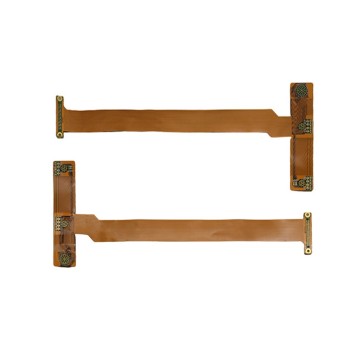
LiDAR arrays and 360° camera systems require PCBs that conform to curved vehicle surfaces. Automotive-grade flexible PCBs (FPCs) and rigid-flex assemblies using Panasonic and DuPont materials are enabling new sensor packaging architectures impossible with rigid PCBs alone.
High-power autonomous driving compute modules (SoCs processing 100+ TOPS) generate significant heat. Next-generation telematics PCBs incorporate embedded copper coin technology, thermally conductive prepregs, and integrated heat spreader structures to manage junction temperatures without external heatsinks.
As autonomous driving systems reach ASIL-D safety integrity levels, PCB designs must incorporate redundant power domains, isolation barriers, and fail-safe routing topologies. This requires close collaboration between PCB manufacturers and system architects from the earliest design phases.
How automotive telematics PCBs power the most demanding sensor applications in autonomous driving systems.
Front-facing long-range radar (LRR) systems operating at 77 GHz require PCBs with ultra-low dielectric loss (Df <0.004), precise impedance control (±5%), and surface roughness below 0.5μm. Rogers RO4350B with ENIG finish provides the signal integrity needed for 250m+ detection range at highway speeds.
Solid-state LiDAR modules require high-current pulsed laser driver PCBs (peak currents >50A, pulse widths <5ns) alongside high-sensitivity photodetector amplifier circuits. The telematics PCB must isolate these high-power and ultra-low-noise domains while maintaining sub-100ps timing accuracy.
8MP+ automotive cameras generating 4K video at 60fps require MIPI CSI-2 or GMSL2 interface PCBs with controlled differential impedance (100Ω ±5%), proper AC coupling, and EMI-compliant routing. Half-hole PCB technology enables compact camera module designs with reliable solder joints.
Centimeter-level positioning for autonomous vehicles requires multi-constellation GNSS (GPS + Beidou + Galileo) with RTK correction. The PCB must provide excellent antenna isolation (>30dB between GNSS and cellular bands), low-noise LNA power supply, and anti-jamming circuit integration.
C-V2X modules operating across sub-6GHz and mmWave 5G bands require multi-layer RF PCBs with band-specific impedance matching networks, integrated diplexers, and SAW filter landing pads. Antenna-in-Package (AiP) designs demand PCB surface flatness below 0.1mm/100mm.
Ultrasonic sensor arrays for low-speed maneuvering and parking assistance require robust PCBs capable of driving 40kHz piezoelectric transducers while simultaneously processing weak echo signals. Conformal coating and IP67-rated enclosure-compatible designs are standard requirements for bumper-mounted deployments.
In autonomous driving systems, a single PCB failure in a sensor module can cascade into a complete loss of environmental perception. This is why automotive telematics PCBs must achieve defect rates below 10 DPPM (defects per million), undergo 100% electrical testing, and pass automotive reliability tests including thermal cycling (-40°C to +125°C, 1000 cycles), vibration (20G random), and humidity exposure (85°C/85% RH, 1000 hours).

Based in China and looking at the global market, Shenzhen Rich Full Joy Electronics Co., Ltd. has been committed to industry development for 20 years. The company is a national high-tech innovative enterprise that combines focus and expertise. It's also an important enterprise incubation base in China. We specialize in providing customers with one-stop intelligent electronic manufacturing services, including scientific research, PCB design, PCB manufacturing, PCB assembly (including SMT, DIP, Programming and testing) and component selection.
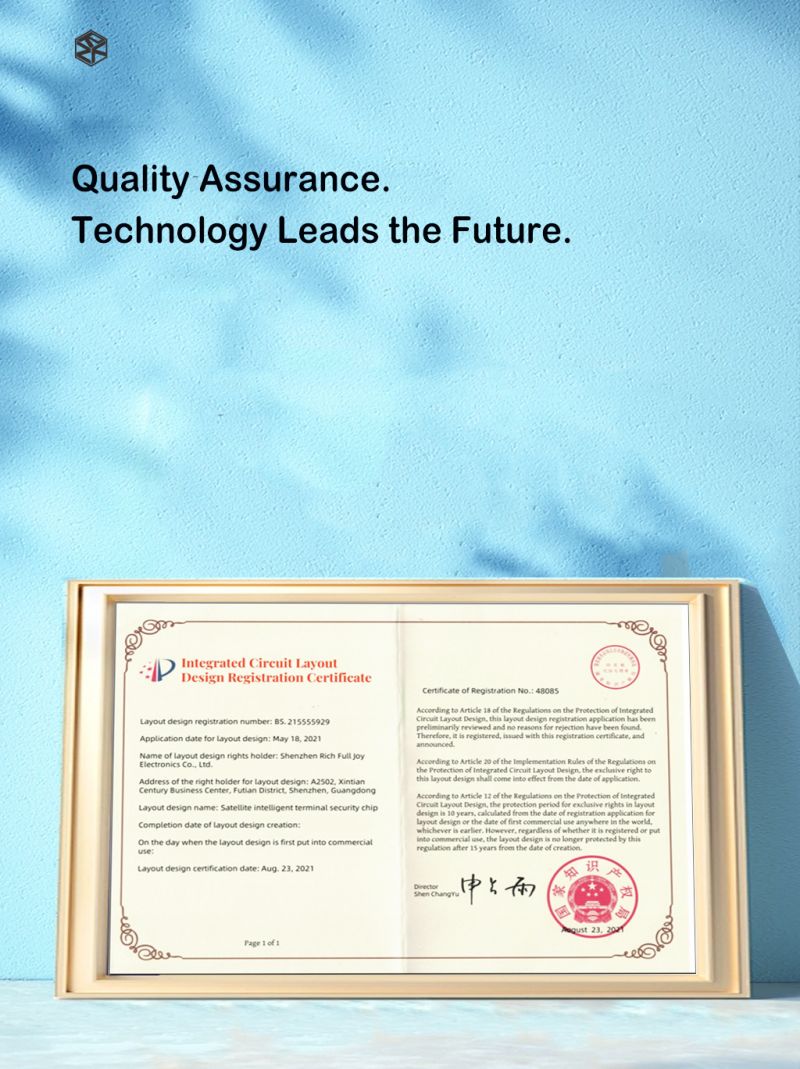
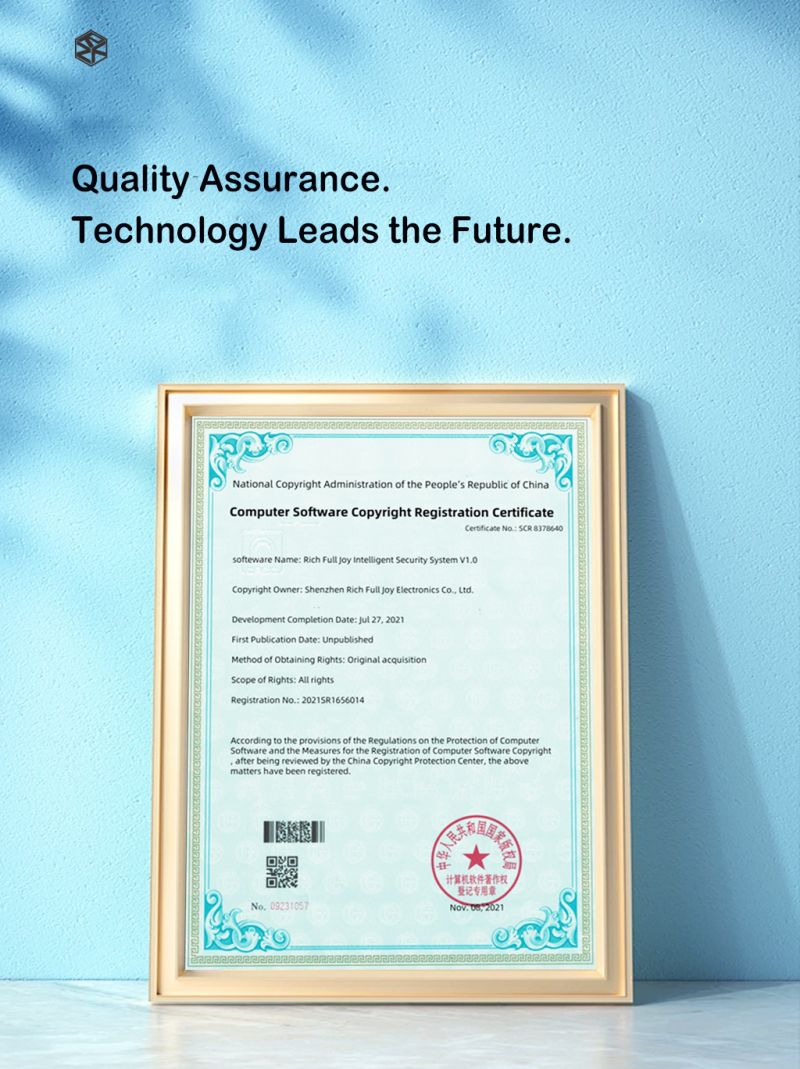
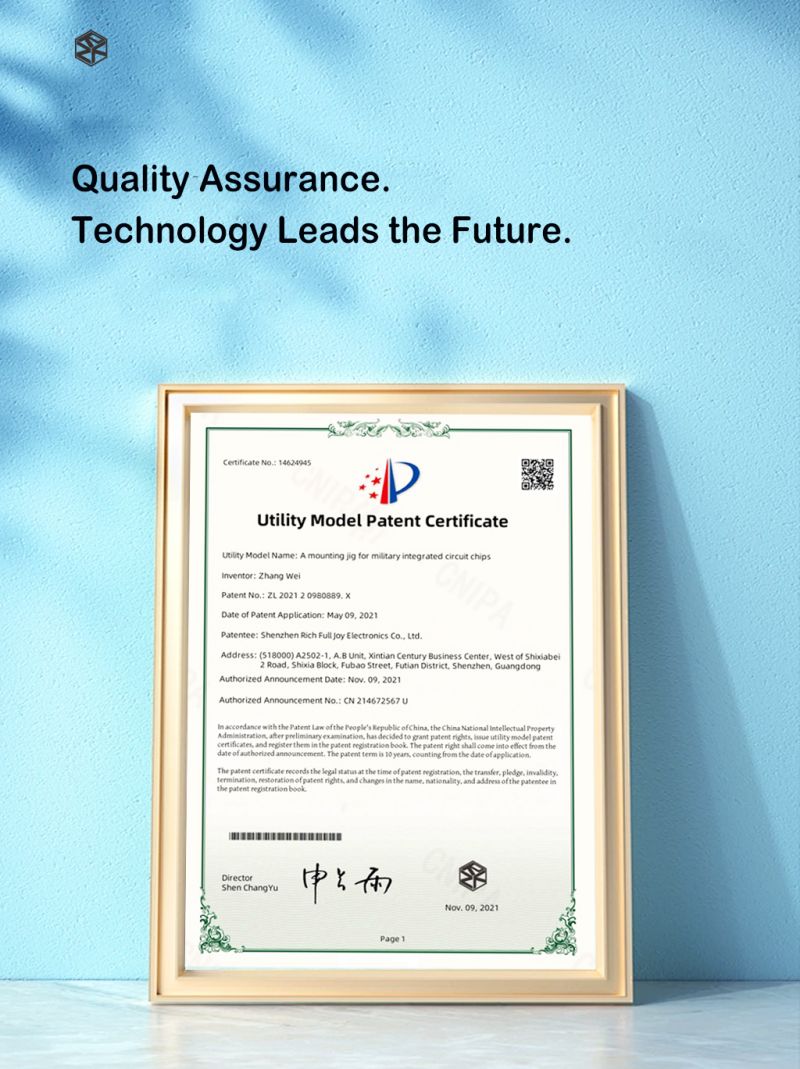
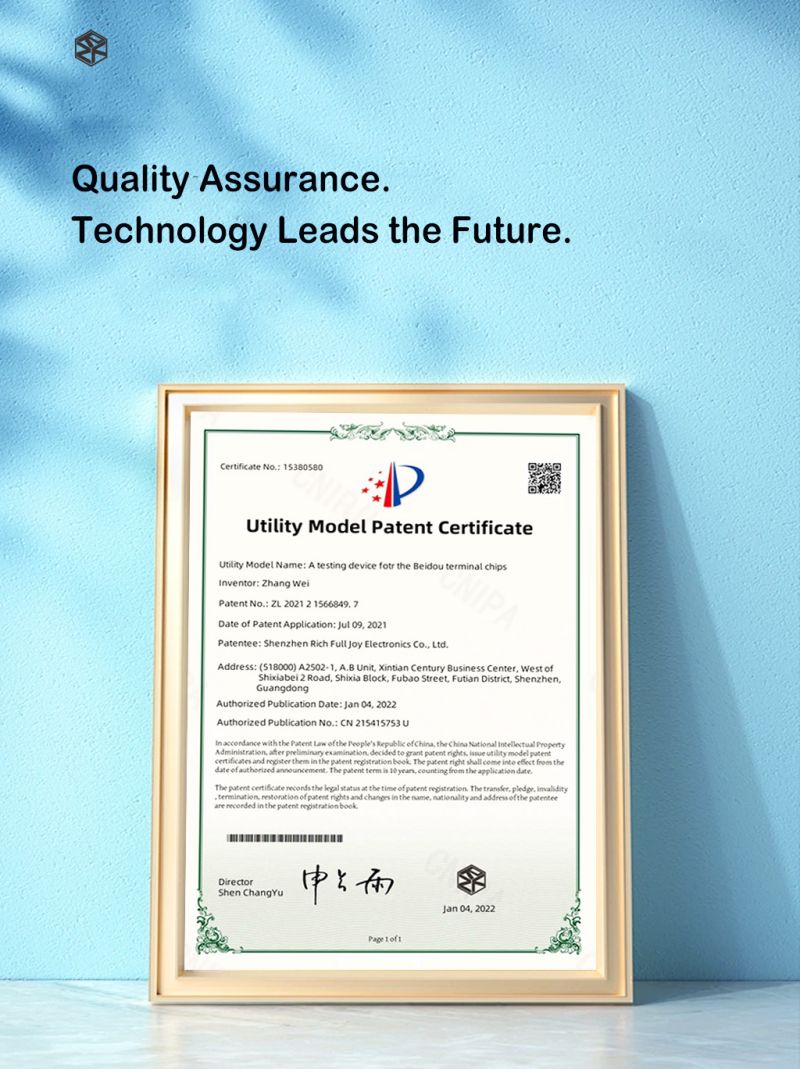
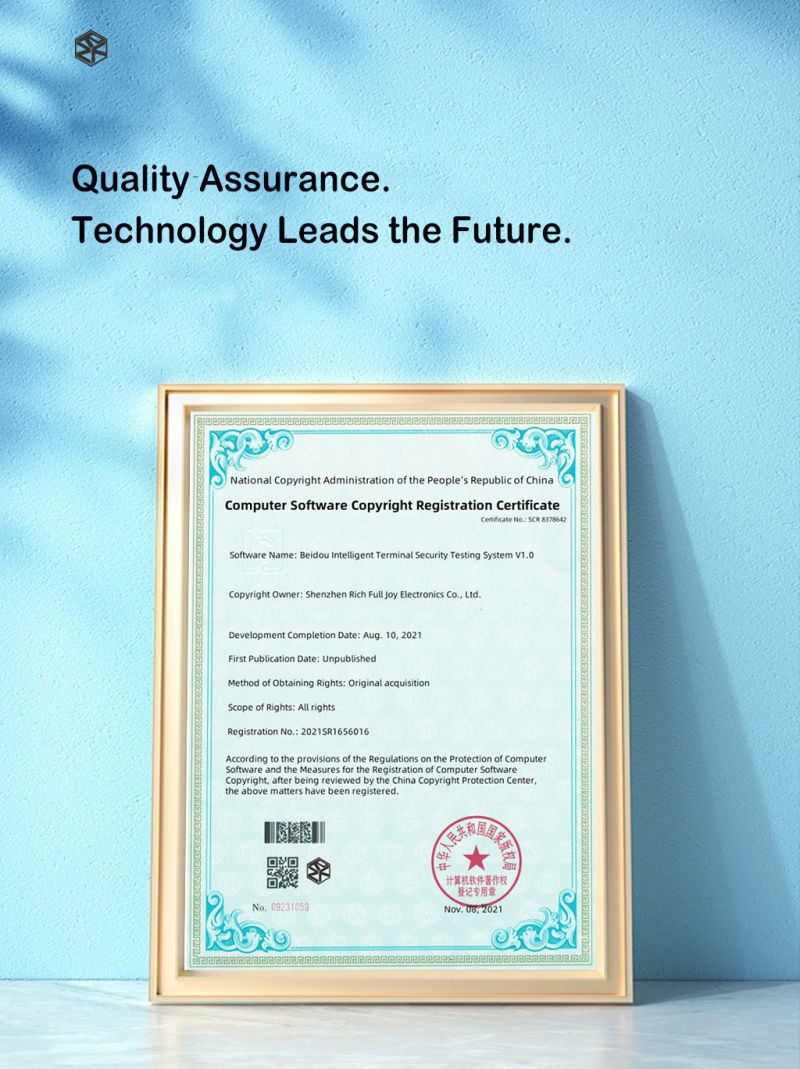
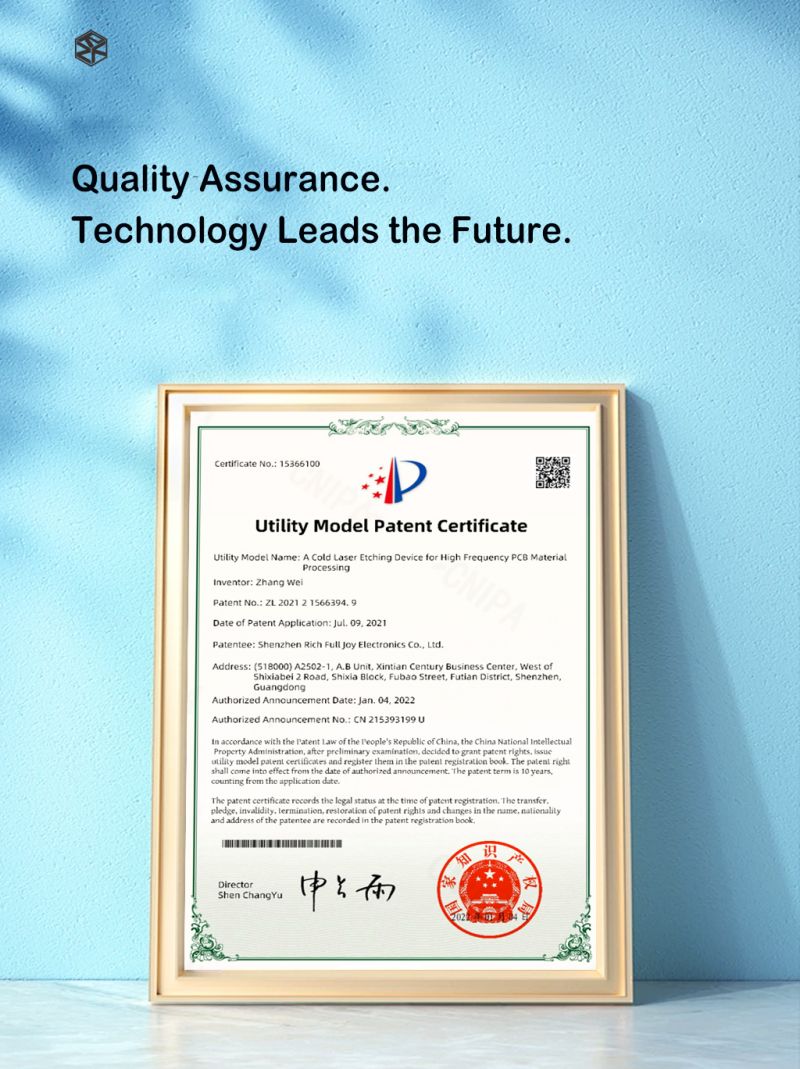
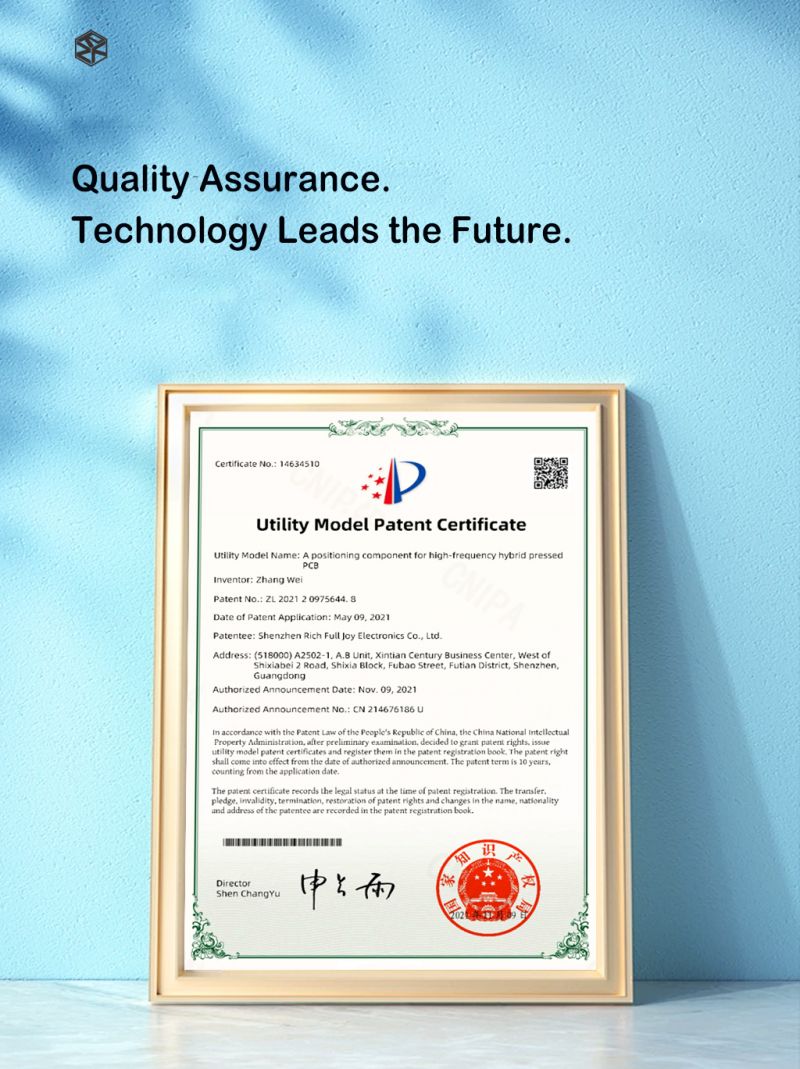
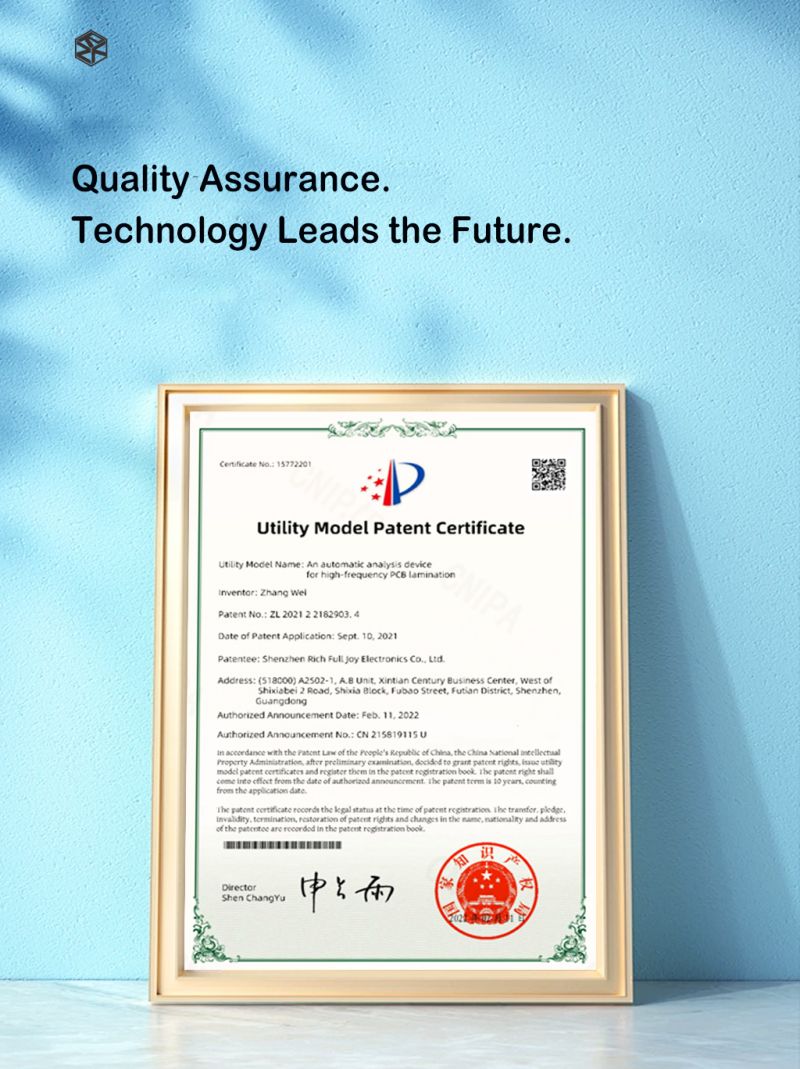
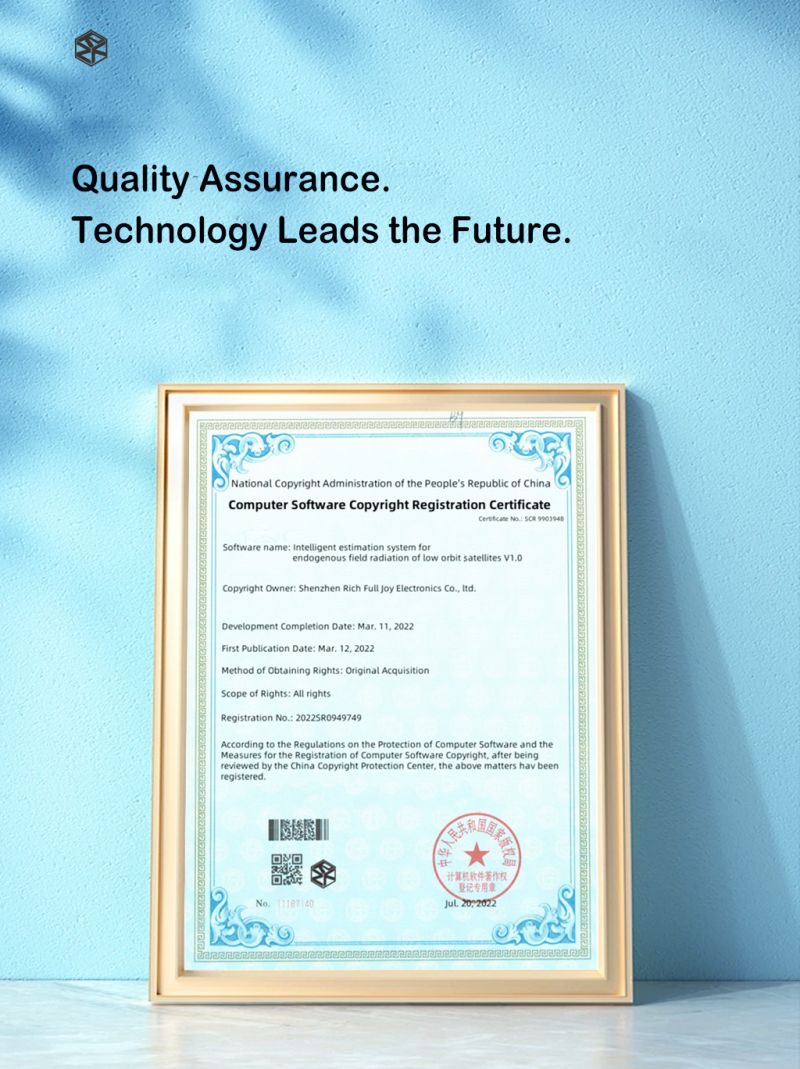
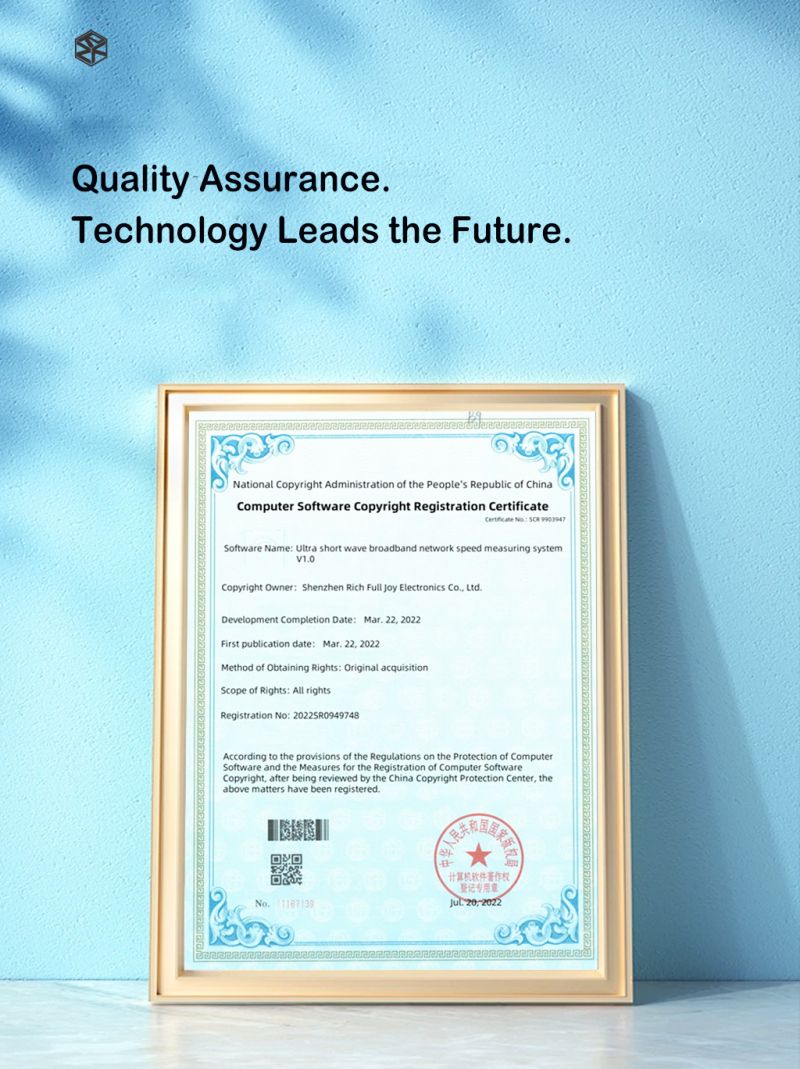
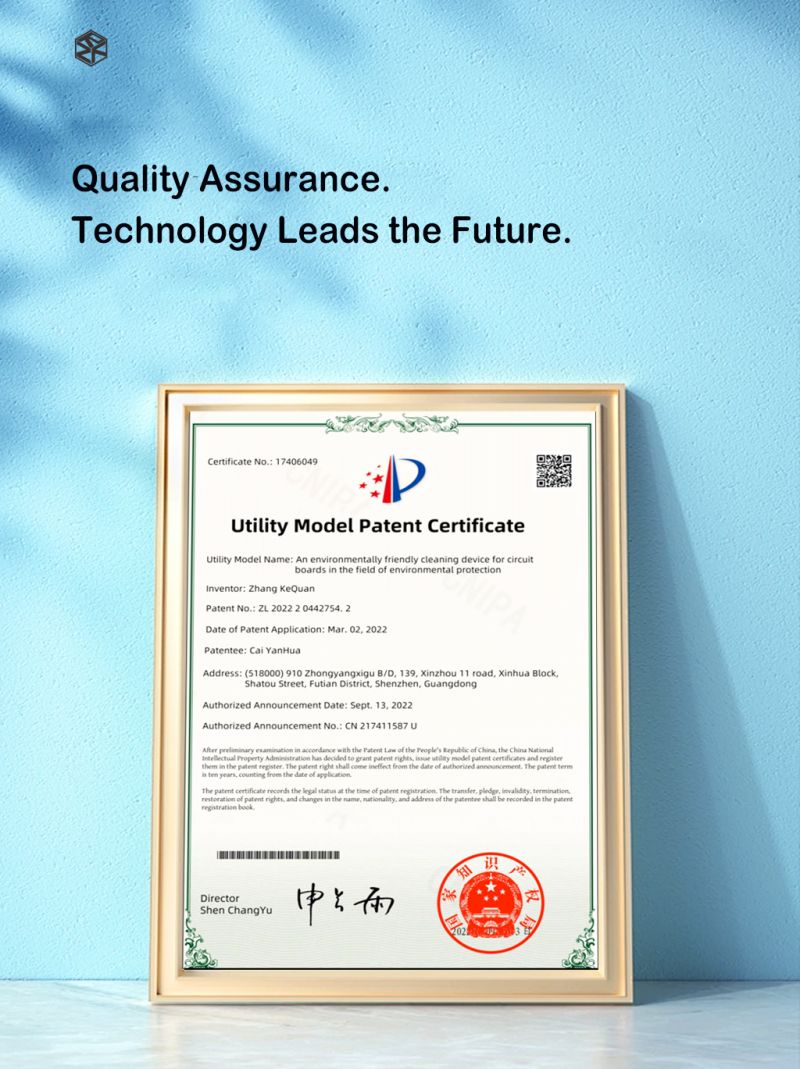
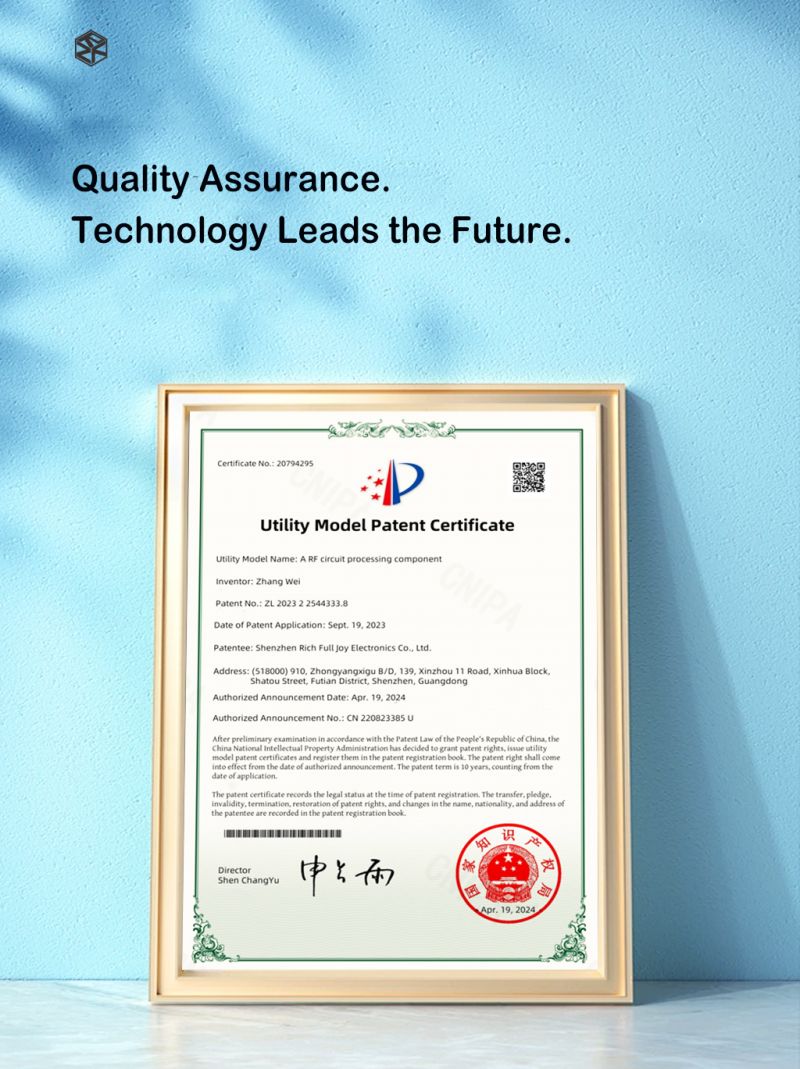
Technological innovation is the core competitiveness of enterprises. We've obtained multiple invention and utility model patents, and has passed various international standard certifications. We've provided high-quality and reliable products to multiple research institutions, universities, and assisted customers in identifying design issues and providing reasonable suggestions and processing parameters. We not only publish technical papers, but also actively participate in domestic and overseas technology exchange conferences to spread academic value and cutting-edge technological innovation. We regularly communicate with customers and strive to provide them with the best solutions.
Our extensive IP portfolio reflects decades of R&D investment in high-frequency PCB, automotive radar, satellite navigation, and intelligent manufacturing technologies.


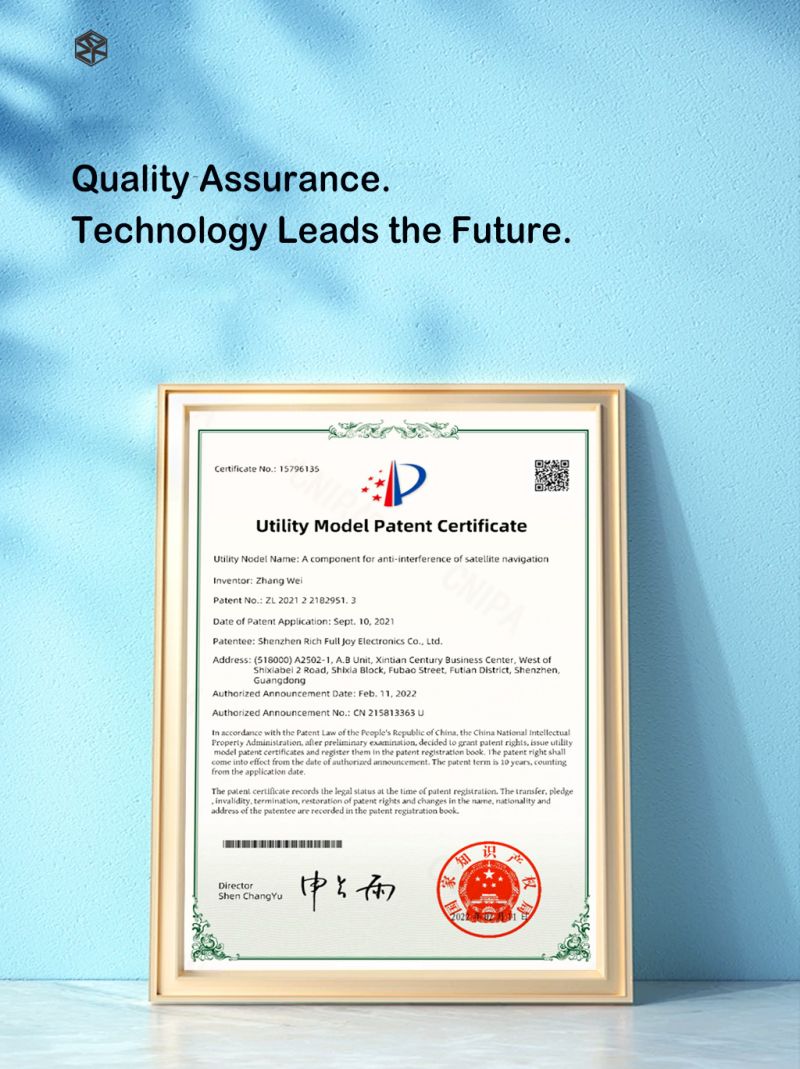
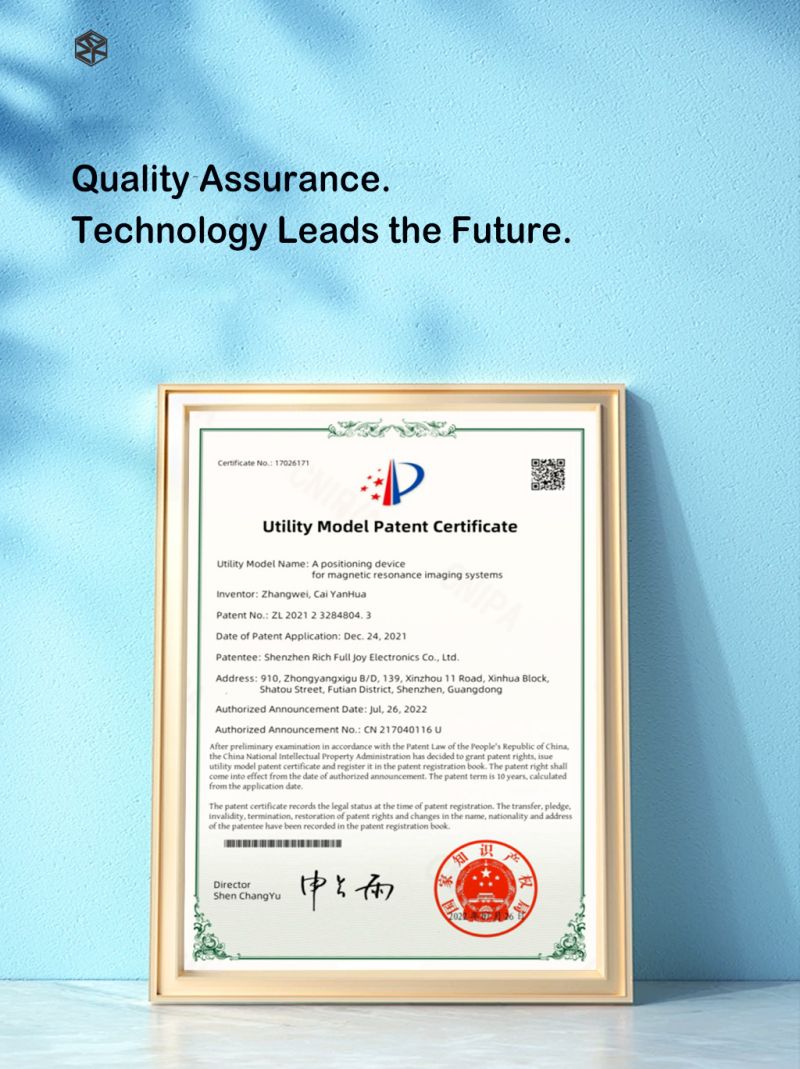
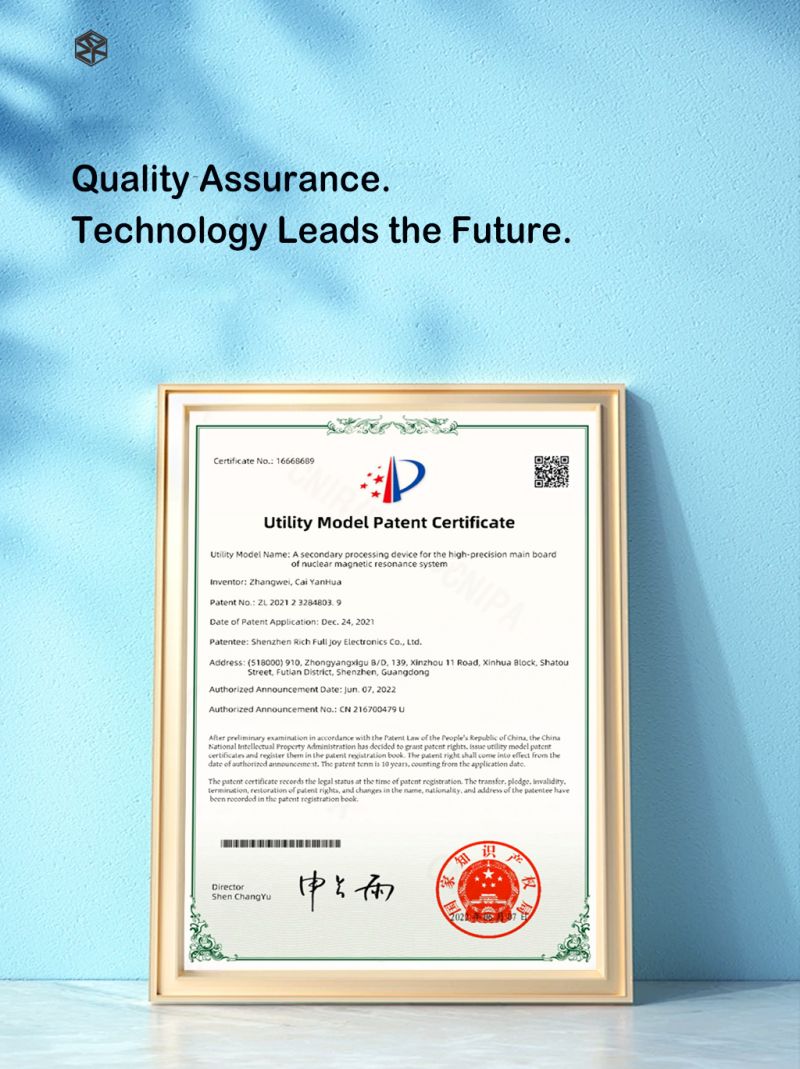
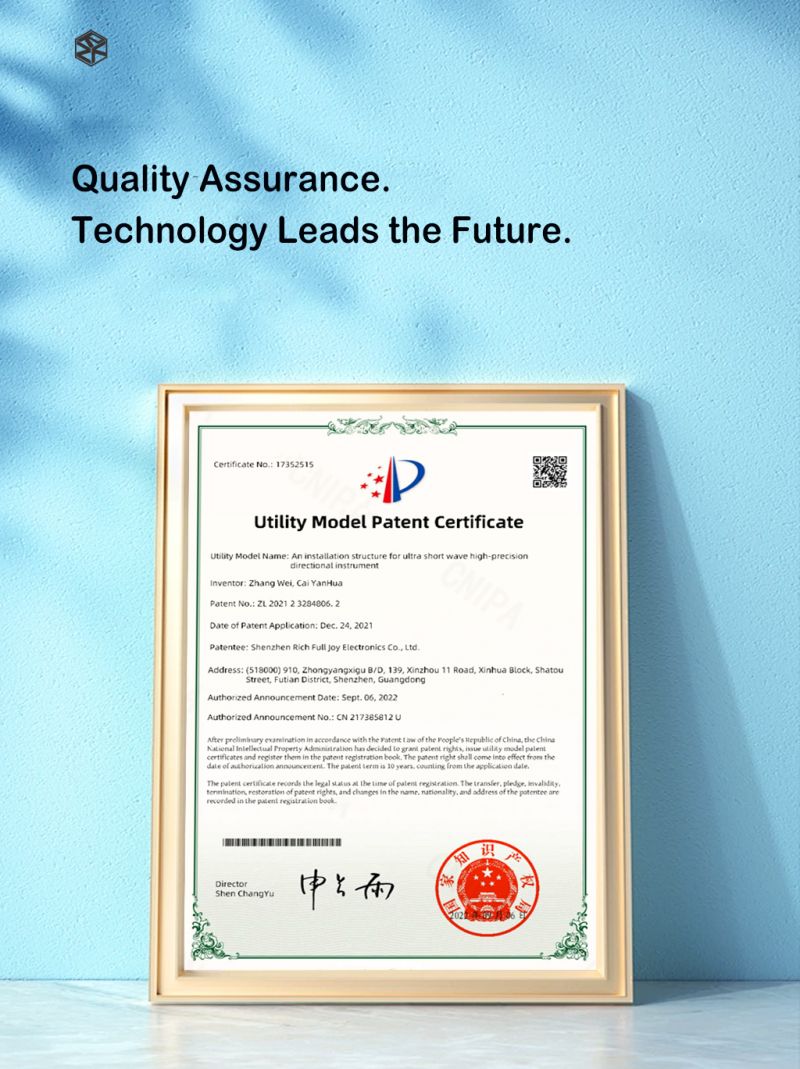
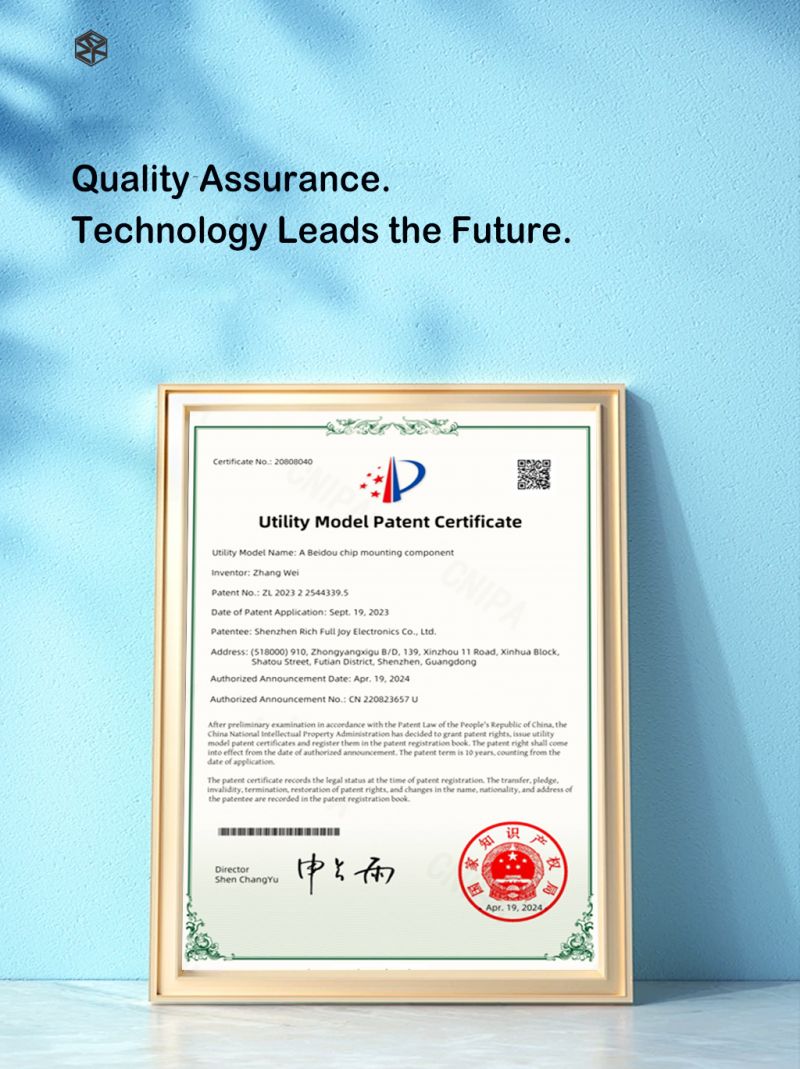



Explore our full portfolio of high-performance PCB solutions engineered for automotive telematics and autonomous driving sensor applications.
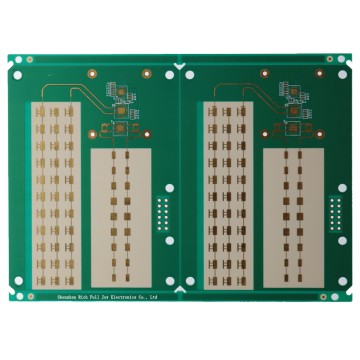
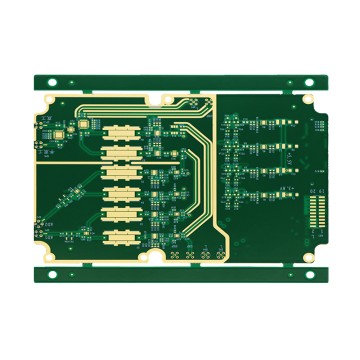
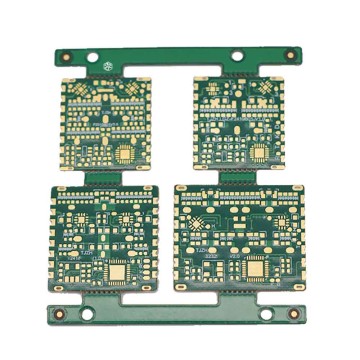
Partner with Shenzhen Rich Full Joy Electronics for automotive-grade telematics PCBs that meet the most demanding ADAS, radar, LiDAR, and V2X sensor requirements. From prototype to high-volume production — one-stop intelligent manufacturing.
Get a Free Quote Today →