

0102030405
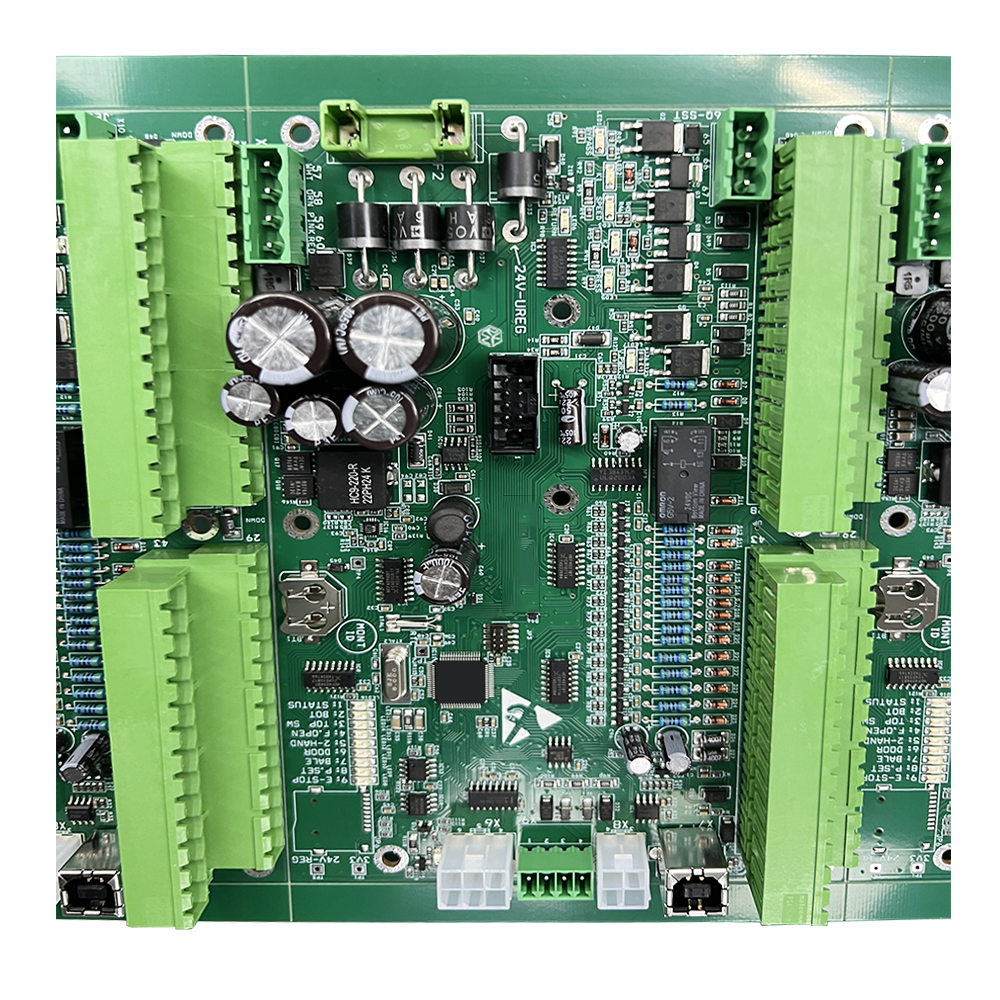
Advanced RF Wireless PCB Assembly for Automotive Electronics: Powering Radar, ADAS & Connected Vehicles


What is PCBA in Automotive Electronics?
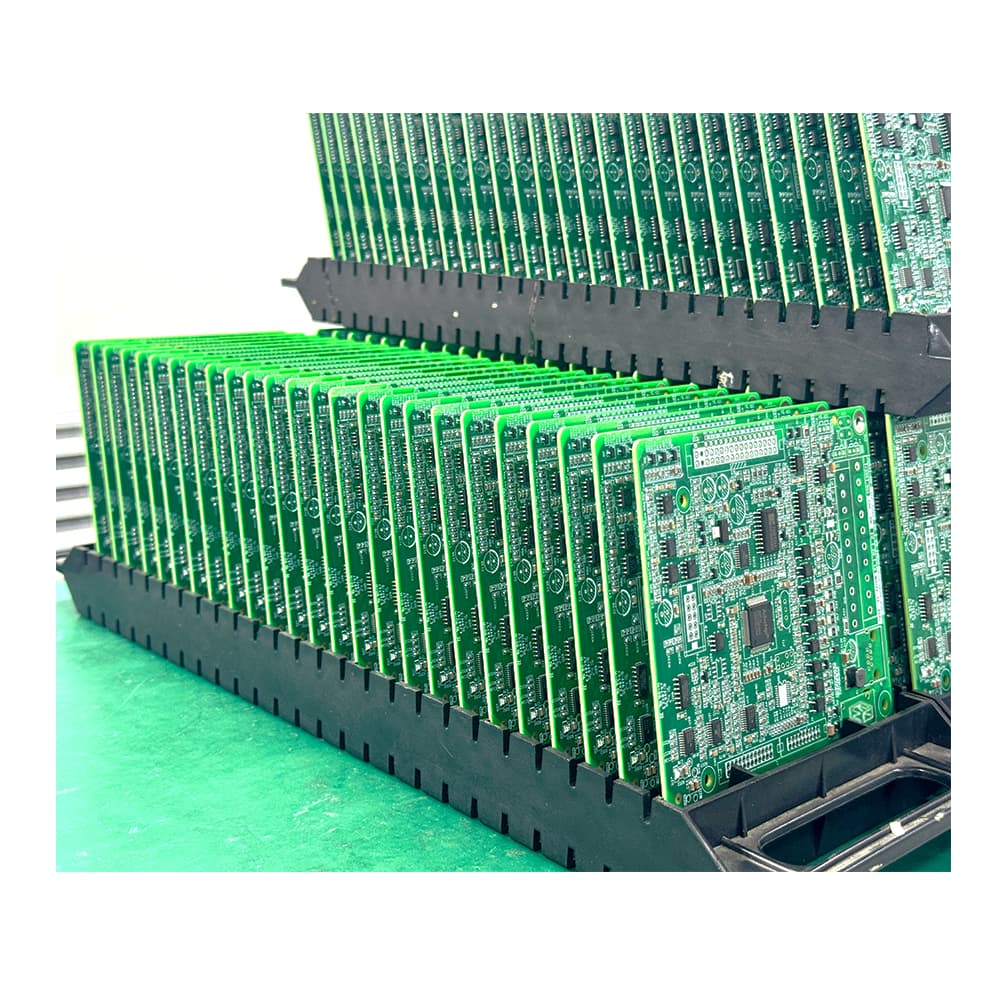
CBA refers to printed circuit boards specifically designed to handle signals without compromising performance. These PCBs are used in applications that demand high-speed data transmission, low loss, and excellent thermal dissipation. In automotive electronics, PCBs enable systems like radar sensors, communication networks, and navigation systems, all of which are essential for modern vehicles, especially in ADAS and autonomous driving technologies.
Key Benefits of PCBA for Automotive Applications
●Improved Signal Integrity
PCBs maintain signal integrity by ensuring that signals are transmitted with minimal distortion. This is crucial for automotive systems where even small interruptions can lead to safety hazards.
●Low Loss and High-Speed Data Transmission
PCBs are designed to handle high-speed signals without significant loss. This ensures that automotive systems can communicate and process data quickly, crucial for real-time applications like radar and communication.
●Thermal Management
Automotive electronics must perform under extreme conditions, including heat. PCBs are engineered with advanced thermal management to prevent overheating and ensure long-term reliability in high-temperature environments.
●Reliability and Durability
Automotive systems must operate reliably under harsh conditions such as vibration, temperature fluctuations, and exposure to moisture. PCBA is built to withstand these challenges, ensuring the longevity and performance of automotive electronics.
Quality Control and Testing for Automotive PCBA
●Quality control is a critical aspect of automotive PCB manufacturing. Our PCBA undergoes rigorous testing to ensure it meets the demanding requirements of automotive applications. Tests include:
●Signal Integrity Testing:To ensure reliable signal transmission and minimize losses.
●Thermal Cycling Tests:To confirm that the PCB can withstand extreme temperature variations in automotive environments.
●Environmental Stress Tests:To ensure the PCB remains reliable under vibrations, moisture, and other harsh conditions.
●These tests ensure that our PCBA will perform flawlessly in your automotive electronics applications
Why Choose Us for Your Automotive PCBA Needs?
●Expertise in Automotive Electronics:With over 20 years of experience in designing and manufacturing PCBs, we specialize in automotive applications. Our team understands the unique challenges faced by automotive systems, and we tailor our solutions to meet these needs.
●Customized Solutions:Every automotive application is different, which is why we offer customized PCB designs tailored to your specific requirements. Whether you need radar PCBs, communication system PCBs, or ADAS PCBs, we provide solutions that deliver optimal performance.
●Superior Quality and Reliability:Our PCBs are built to withstand the toughest automotive conditions. We ensure that each PCB undergoes rigorous testing to guarantee that it meets the highest standards of reliability and durability.
●State-of-the-Art Manufacturing Facilities:We utilize the latest manufacturing technologies and advanced processes to produce PCBs that meet industry standards. Our facilities are equipped with automated production lines and precision testing equipment to ensure top-notch quality.
●Timely Delivery and Global Reach:We understand the importance of timely delivery in the automotive industry. With a well-established supply chain and global distribution network, we ensure that your PCBs arrive on time, wherever you are.
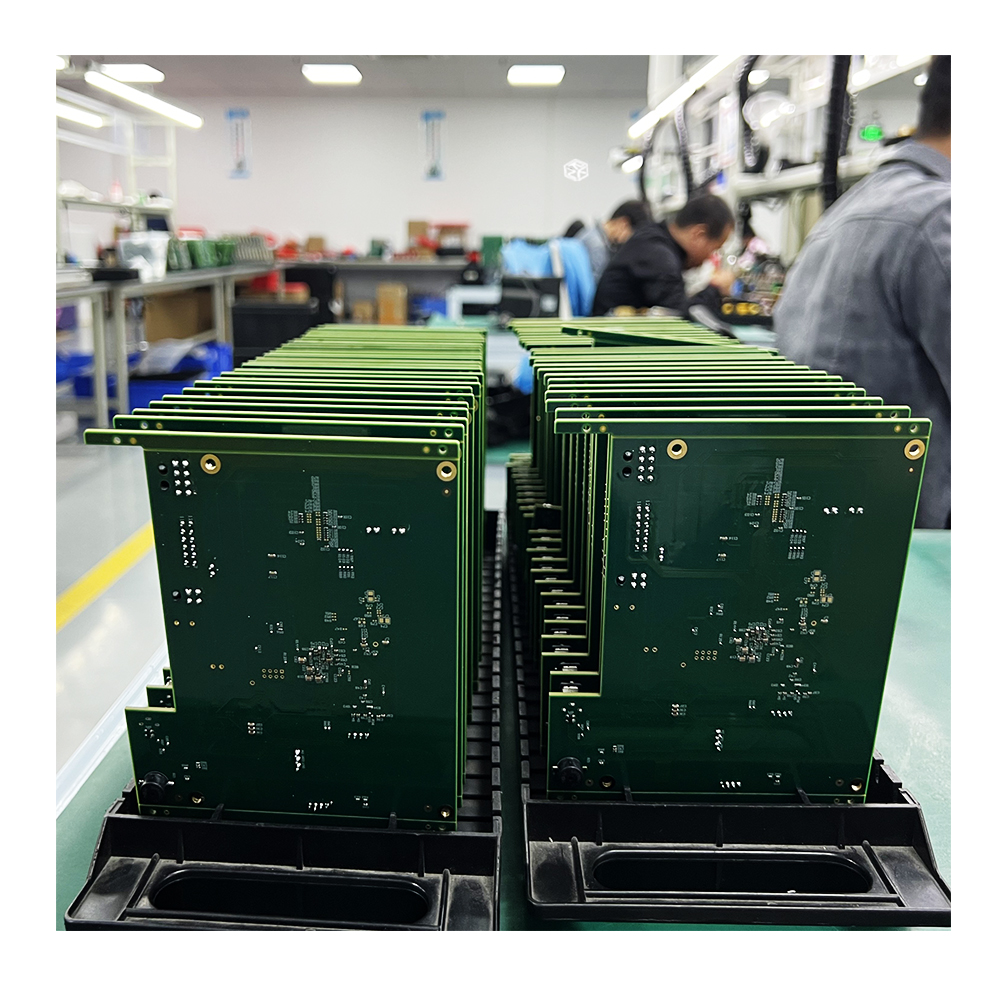
Manufacturing Process for Automotive PCBA
●Material Selection:We use high-performance materials like PTFE (polytetrafluoroethylene), Rogers, and ceramics for our automotive PCBs. These materials are selected for their low dielectric loss, high thermal stability, and superior electrical performance, making them perfect for automotive radar systems, ADAS, and communication devices.
●PCB Fabrication:Our state-of-the-art fabrication process ensures that every PCB is manufactured to precise specifications. Using advanced techniques like laser drilling, precise etching, and multi-layer stacking, we ensure that the PCB delivers optimal performance, signal integrity, and durability.
●Component Assembly:The component assembly process involves placing components on the PCB using automated surface-mount technology (SMT) and through-hole technology. We use advanced techniques such as precise soldering and inspection to ensure that all components are securely placed and function as expected.
●Testing and Quality Control:To guarantee the highest standards of performance and reliability, every PCBA undergoes a rigorous testing process. This includes:
●Signal Integrity Testing:To ensure the PCB maintains accurate and clear signal transmission.
●Thermal Cycling Tests:To confirm the PCB can withstand extreme temperatures.
●Vibration and Stress Testing:To ensure the PCB will perform reliably in automotive environments.
●Environmental Tests:To ensure that the PCB can function properly under varying environmental conditions, including humidity, shock, and electromagnetic interference (EMI).
●Final Inspection and Packaging:Each PCBA undergoes a final inspection to ensure all aspects meet the required specifications. We package the PCBs carefully to prevent any damage during transport, ensuring they reach our clients in pristine condition.
●Design Considerations for PCBA in Automotive Electronics
●Impedance Control:Proper impedance matching is essential for minimizing signal reflection and ensuring that signals pass through without degradation. Our design process includes precise impedance control to guarantee the reliable performance of automotive systems.
●Signal Routing and Layer Stack-Up:For applications such as radar and ADAS, it's crucial to carefully design the signal routing and stack-up. We employ multi-layer designs to manage signal paths, minimizing noise and interference while ensuring high-speed signal integrity.
●Thermal Management:Effective thermal management is crucial in automotive environments. We incorporate features like heat sinks, thermal vias, and materials that dissipate heat efficiently to keep the PCB cool and maintain its performance during long drives and extreme temperatures.
●Miniaturization and Integration:As automotive electronics become more compact, our design solutions focus on miniaturization while maintaining performance. By integrating components and reducing the overall board size, we can accommodate modern automotive systems in smaller spaces.
●PCBA plays a critical role in the advancement of automotive electronics, supporting radar systems, ADAS, and communication technologies. By offering superior performance, reliability, and advanced design capabilities, we provide automotive OEMs and suppliers with the essential PCBs needed to enhance vehicle safety, efficiency, and communication.
●When you choose us for your automotive PCBA needs, you are selecting a partner with the experience, expertise, and resources to deliver innovative and reliable solutions for your next-generation automotive applications.
Frequently Asked Questions (FAQ)
What is the role of PCBA in automotive electronics?
PCBA ensures reliable signal transmission in safety-critical systems like ADAS, radar, and communication systems.
Q1:How does RF wireless PCB assembly improve automotive radar systems?
It enhances the performance and reliability of radar sensors, essential for ADAS and autonomous driving technologies.
Q2:What materials are used in automotive PCBs?
Materials like PTFE, Rogers, and ceramics are used for their low dielectric loss and high thermal stability.
Q3:How is signal integrity maintained in automotive PCBs?
Signal integrity is maintained through precise impedance control and high-quality materials.
Q4:Can PCBs be used for autonomous vehicle applications?
Yes, PCBs are essential for autonomous systems, including radar, LiDAR, and sensor data processing.
Q5:What is the typical frequency range for automotive PCBs?
Automotive PCBs can support a wide range of frequencies depending on the application.
Q6:How do you ensure the durability of PCBs for automotive use?
We conduct rigorous environmental and thermal tests to ensure long-term reliability.
Q7:Are your automotive PCBs RoHS compliant?
Yes, all our PCBs meet RoHS compliance standards.
Q8:What quality control measures do you follow for automotive PCB assembly?
We perform extensive testing, including signal integrity and thermal cycling tests, to ensure high-quality performance.
Q9:How do you handle custom PCB designs for automotive applications?
We offer custom design services, ensuring each PCB meets the unique requirements of your automotive applications.
Applications of PCBA in Automotive Electronics
When discussing the applications of Automotive PCBA (Printed Circuit Board Assembly), we are looking at a range of uses that span across the growing demand for electrification, automation, safety, and user experience in vehicles. The automotive sector is increasingly relying on advanced electronics, which are deeply embedded in various systems and components. Below is a more detailed exploration of automotive PCBA applications:
1. In-Vehicle Infotainment Systems
Modern vehicles come with sophisticated infotainment systems that serve as the heart of entertainment and connectivity within the vehicle. These systems integrate features such as audio and video playback, GPS navigation, Bluetooth connectivity, voice recognition, and advanced driver assistance systems (ADAS). Infotainment systems require high-speed PCBs and HDI PCBs (High-Density Interconnect) to manage the large data transfer rates and complex functionalities.
●Key Requirements:
oHigh-speed data transmission for audio, video, and navigation
oSignal stability for wireless connectivity (Bluetooth, Wi-Fi)
oRobust performance in noisy automotive environments
2. Electric Vehicle (EV) and Hybrid Vehicle (HEV) Battery Management Systems (BMS)
Battery management systems are crucial for monitoring and controlling the battery pack in electric and hybrid vehicles. These systems ensure optimal performance, charge levels, temperature regulation, and safety of the battery. Since BMS operates in high-power environments, thermal management and reliability are essential. Automotive PCBs used in BMS applications must support high voltage and current levels, while maintaining durability under extreme conditions.
●Key Requirements:
oHigh thermal stability to handle temperature fluctuations
oPrecision monitoring of voltage, current, and temperature
oHigh-reliability components to ensure safety over long operational cycles
3. Autonomous Driving Technology and Sensor Systems
Autonomous driving technologies rely heavily on an array of sensors, including LiDAR (Light Detection and Ranging), radar, cameras, and ultrasonic sensors. These sensors continuously collect data to enable real-time decision-making for the vehicle. The PCBA used in these sensor systems must offer high-speed data processing and low-latency signal transmission, as well as be robust to electromagnetic interference (EMI). RF PCBs and HDI PCBs are particularly important for these applications due to their ability to handle high-frequency signals and complex routing.
●Key Requirements:
oPrecision signal processing with high-speed data handling
oReal-time data transmission for collision avoidance, lane-keeping, etc.
oElectromagnetic shielding and interference resistance
4. Vehicle Safety Systems
Safety features like airbags, anti-lock braking systems (ABS), electronic stability control (ESC), collision avoidance, and emergency braking systems rely heavily on PCBA for their operation. These systems require quick response times and high reliability, often in critical situations. Automotive PCBs in these applications must perform under stringent conditions such as extreme temperatures and vibrations.
●Key Requirements:
oHigh-speed processing for real-time reaction in emergencies
oLong-lasting durability and reliability under harsh conditions
oRobustness to environmental stressors such as temperature extremes and vibrations
5. Advanced Driver Assistance Systems (ADAS)
ADAS includes features such as adaptive cruise control, lane departure warning, automatic parking, and pedestrian detection. These systems use a combination of sensors, cameras, and radar to interpret the vehicle’s surroundings and assist the driver. ADAS systems require high-precision signal processing, and their PCB assemblies need to support complex algorithms and handle real-time data from multiple sensors.
●Key Requirements:
oAccurate and fast signal processing for sensor fusion
oLow-latency performance for time-sensitive tasks
oPower efficiency to reduce the load on vehicle systems
6. Electric Power Steering (EPS)
Electric power steering systems are replacing traditional hydraulic steering systems in modern vehicles. These systems use electric motors to assist steering, offering better fuel efficiency and easier control. The PCBAs in EPS systems need to provide precise control over motor functions and feedback from the steering wheel, and they must operate reliably under varying conditions.
●Key Requirements:
oPrecise control and feedback mechanisms
oLow power consumption and high efficiency
oDurable performance under diverse driving conditions
7. Lighting and Lighting Control Systems
Automotive lighting systems, including LED headlights, tail lights, and interior lighting, are becoming increasingly sophisticated with features such as adaptive headlights, ambient lighting, and smart lighting controls. The PCBA for these systems must support precise dimming and color-changing capabilities, as well as quick response times for adaptive systems
8. Infotainment Connectivity and Communication Modules
Automotive PCBs also play a crucial role in vehicle connectivity. Modules that enable Vehicle-to-Everything (V2X) communication, including Vehicle-to-Vehicle (V2V) and Vehicle-to-Infrastructure (V2I), are increasingly vital for intelligent transportation systems. These communication modules often require RF PCBs to manage wireless communication, including 4G/5G, Wi-Fi, and Bluetooth. V2X systems are pivotal for improving traffic flow, reducing accidents, and enabling autonomous vehicles to communicate with their environment.
●Key Requirements:
oHigh-speed wireless data transmission
oAntenna integration for communication
oLow interference and robust signal integrity
9. Climate Control Systems
Modern climate control systems in vehicles offer advanced features like automatic temperature regulation, air quality control, and energy-efficient cooling and heating. These systems rely on sensors, motors, and control units, all of which require PCBs to operate efficiently. Automotive PCBs used in these systems need to handle power electronics for actuators, motors, and thermostats.
●Key Requirements:
oPower management for controlling motors and actuators
oThermal management to handle heating/cooling requirements
oEfficiency and durability in extreme temperatures
10. Telematics Systems
Telematics systems in vehicles provide location tracking, vehicle diagnostics, and real-time communication with service providers. These systems integrate GPS modules, communication modules, and sensor data for both vehicle management and driver safety. Telematics devices are powered by complex PCBAs, which handle communications, data processing, and GPS tracking.
●Key Requirements:
oReal-time GPS data handling
oSecure communication modules for data exchange
oReliable data processing for diagnostics and vehicle health monitoring
Automotive PCBA applications are diverse and evolving as vehicles become more intelligent and automated. From power management in EVs to advanced safety systems, infotainment, and autonomous driving, the role of PCBA in automotive applications is integral to ensuring efficiency, safety, and functionality. As automotive technology advances, PCBs must continue to evolve, offering higher performance, better thermal management, and enhanced signal integrity to support these cutting-edge applications.