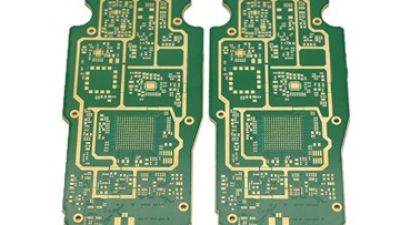
Picking the right Power Electronics PCB for your electric vehicle isn’t just a technical choice—it’s a pretty big deal in terms of overall performance and efficiency. As EVs become more and more popular, it’s no surprise that the demand for high-quality components has really taken off. OEMs and manufacturers are all on the lookout for solutions that not only boost reliability but also cut down on weight and last longer on the road.
When you’re scouting for a wholesale ODM partner, it’s a smart move to check out their experience specifically with Power Electronics PCBs for EVs. Companies that focus on Rigid-Flex PCB for Power Electronics tend to have the know-how and a solid track record. Take a peek at their previous projects and see what past clients are saying—that's a good way to get a feel for whether they’re reliable and capable.
And don’t forget about quality control—it's super important. Find out how they handle manufacturing and testing. You wanna work with a partner who doesn’t cut corners because skipping on quality can lead to major issues when you need things to run smoothly. Take some time to weigh their successes and even the bumps in the road—they’ll tell you a lot about whether they’re the right fit for your needs.
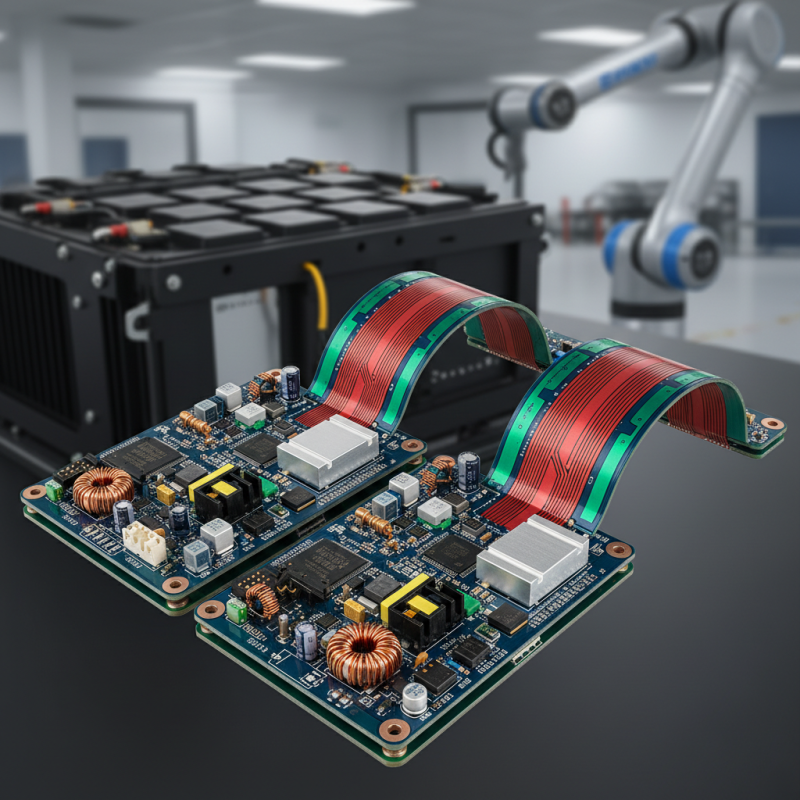
Understanding the Basics of Wholesale ODM Power Electronics PCBs
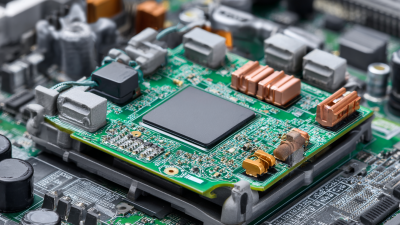
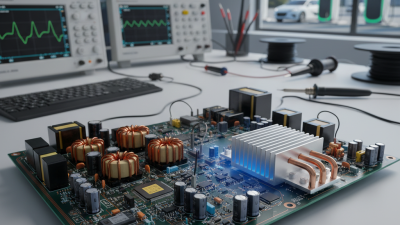
Wholesale ODM power electronics PCBs play a critical role in electric vehicles (EVs). Understanding their basics is crucial for making informed choices. These boards are designed to manage power efficiently, ensuring the smooth operation of EV systems. They must handle high voltages and currents safely. A reliable PCB should feature robust designs and quality materials.
When selecting a PCB, consider its thermal management. Proper heat dissipation prevents failure during operation. Look for designs with multiple layers, allowing for better routing and stability. The layout must be optimized for space and performance. An important aspect is the "Step Slot PCB for Power Electronics." This design helps improve electrical performance by using strategic cutouts.
However, not all boards may meet your specific needs. Testing prototypes can reveal design flaws. Analyze the reliability of manufacturers, ensuring they have experience in power electronics. This is crucial as the EV market evolves rapidly. You might face challenges during the selection process. Reflecting on past choices can provide insights for future decisions. Prioritizing quality over cost can lead to long-term benefits.
Identifying Key Features Required for EV Applications
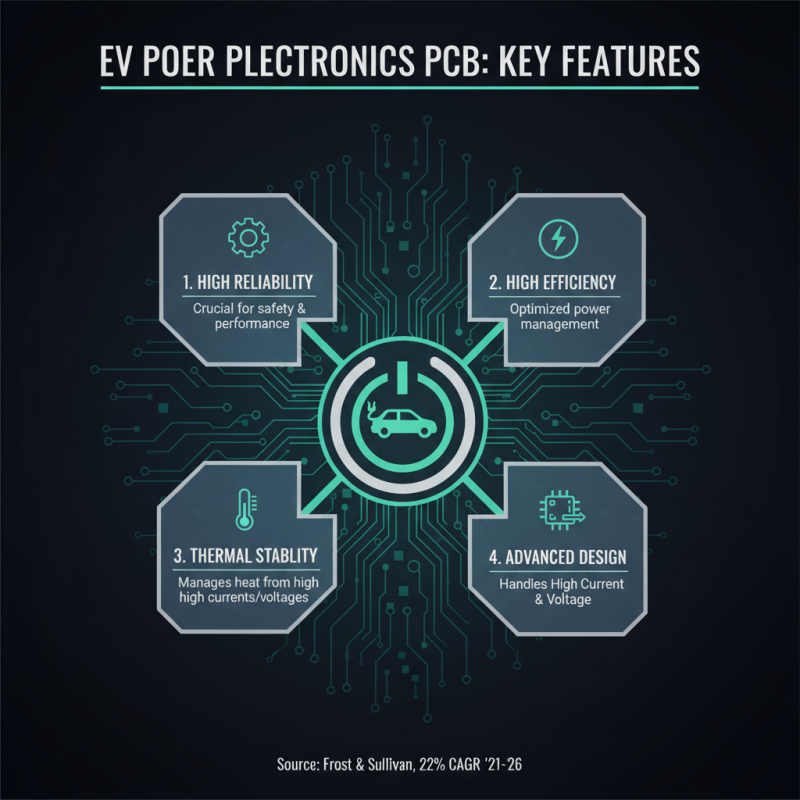
When selecting wholesale ODM power electronics PCBs for electric vehicles (EVs), understanding the specific requirements is crucial. EV applications demand high reliability and efficiency in power management. According to a recent market analysis by Frost & Sullivan, the global EV market is set to grow at a CAGR of 22% from 2021 to 2026. This growth necessitates advanced PCB designs that can handle high currents and voltages while maintaining thermal stability.
In EV applications, key features of PCBs include thermal conductivity, size, and weight. The PCB's ability to dissipate heat effectively directly impacts performance. A study by Yole Développement indicates that higher thermal efficiency in PCBs can lead to a 15% increase in overall system efficiency. Furthermore, compact designs enable easier integration into limited spaces within EVs. Keeping PCB weight to a minimum is vital for enhancing vehicle performance and range.
Tips: Prioritize suppliers who demonstrate experience in high-frequency applications. Look for options using materials like copper or aluminum to improve thermal management. Always request sample PCBs before finalizing orders. Low-cost materials may save money upfront but often result in reliability issues. Evaluate their past projects to gauge their expertise in the EV sector.
Evaluating Manufacturer Experience and Expertise in PCB Production
When selecting a wholesale ODM manufacturer for power electronics PCBs in electric vehicles (EVs), evaluating their experience is crucial. A skilled manufacturer should have a solid track record in PCB production. Reports indicate that the EV market is projected to reach $1.5 trillion by 2027. With such rapid growth, the demand for reliable PCB suppliers also increases. Choosing a manufacturer with years of industry experience can ensure they meet the specific challenges of the EV sector.
Manufacturers that have shaped their expertise should demonstrate proficiency in OEM PCBA Production for Power Electronics. This encompasses understanding thermal management, signal integrity, and layout challenges inherent to EV applications. According to industry surveys, only 30% of manufacturers consistently meet stringent quality control standards. This highlights the need to verify their production capabilities. Engaging in case studies or interviews with past clients can offer insights into their process and reliability.
Having the technical knowledge is not enough. Manufacturers must adapt and innovate as technologies evolve. However, many still struggle with scalability and process optimization. Recognizing these areas of improvement is essential when evaluating potential partners. Careful assessment of a manufacturer’s strengths and weaknesses can drive better decision-making in the dynamic world of EVs.
Evaluation of PCB Manufacturer Experience and Expertise
Comparing Costs: Balancing Quality and Price in Wholesale ODM PCBs
When selecting wholesale ODM power electronics PCBs for electric vehicles (EVs), cost is a pivotal factor. Balancing quality with price is essential. Low-cost options can be tempting, but they often compromise performance. Subpar materials may lead to failures, affecting the vehicle's reliability. It is crucial to assess the long-term impact of initial savings versus potential costs in repairs or replacements.
Tips: Consider the manufacturing process used for the PCBs. Advanced techniques may incur higher costs but result in better performance and durability. Look for detailed specifications that outline the materials and testing methods used. Ensure that the manufacturer adheres to industry standards, as this is an indicator of quality.
When pricing is scrutinized too closely, vital aspects may be overlooked. Quality assurance processes matter significantly. A PCB that passes rigorous testing will likely outperform a cheaper, non-tested alternative. Remember that reliability translates to increased customer satisfaction. The initial investment may be higher, but a robust PCB can enhance overall EV safety and performance.
Tips: Ask for samples before committing to large orders. Evaluate their performance in real-world conditions to understand how they hold up over time. Trustworthy suppliers often provide transparent insights about their production and quality control processes.
Assessing Compliance with Industry Standards and Certifications
When selecting wholesale ODM power electronics PCBs for electric vehicles (EVs), compliance with industry standards is critical. The automotive sector follows strict guidelines to ensure safety and efficiency. According to the International Electrotechnical Commission (IEC), around 70% of electronic failures arise from non-compliance with safety standards. Therefore, verifying certifications like ISO 26262 for functional safety and IEC 61508 is essential.
In terms of performance, adherence to the IPC standards guarantees reliable PCB assembly. For example, IPC-A-610 sets the quality acceptance criteria. Meeting these standards minimizes potential issues. Choosing a partner that provides
Factory Direct SMT Assembly for Power Electronics can streamline the production process. This allows for better oversight and alignment with quality specifications, reinforcing the importance of manufacturing reliability.
It is also worth noting that not all ODM manufacturers prioritize compliance. Research indicates that approximately 30% of companies overlook essential certifications. This negligence can cost more in the long run due to warranty claims and recalls. Conducting thorough due diligence ensures you select a trustworthy partner in an industry where safety cannot be compromised.
Exploring Design Flexibility and Customization Options
When selecting a wholesale ODM power electronics PCB for electric vehicles (EVs), customization is crucial. The design flexibility of a Pcb Board Power Supply can significantly affect performance. Tailored designs allow for adjustments in size, shape, and component placement. This adaptability can lead to notable efficiency gains. Unique requirements often arise from the specific EV model or application. Therefore, understanding these parameters is important.
Customization options extend beyond mere physical dimensions. Engineers can specify particular materials, such as high-temperature tolerances or enhanced conductivity. This detail can influence durability and longevity. Additionally, advanced features like integrated sensors may be necessary for some EVs. These innovations require a creative approach throughout the design process. However, it’s essential to evaluate the trade-offs. A more complex design might incur higher costs or longer lead times.
Designing a PCB requires careful consideration of both functionality and limitations. Not every customization may translate to practical benefits. For instance, adding redundant features could lead to unnecessary complexity. Striking a balance between innovation and simplicity is vital. Every decision should be backed by sound engineering principles. Engaging with experienced professionals can help navigate these challenges effectively. Their expertise will guide the process, ensuring reliable and efficient PCB solutions.
Analyzing Lead Times and Reliability of Suppliers for Timely Delivery
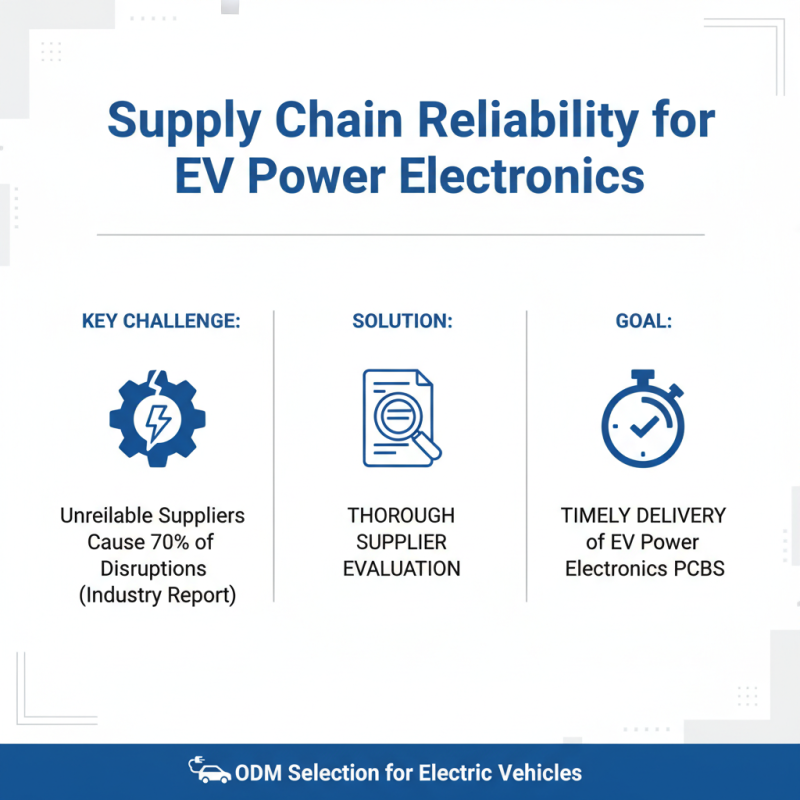
When selecting a wholesale ODM for power electronics PCBs in electric vehicles (EVs), it's crucial to analyze lead times and the reliability of suppliers. A recent industry report indicates that 70% of supply chain disruptions are due to unreliable suppliers. This statistic emphasizes the need for thorough supplier evaluation to ensure timely delivery.
Long lead times can impact vehicle production schedules. The average lead time for electronic components now stands at 20 weeks, according to data from the Semiconductor Industry Association. This extended timeframe can hinder manufacturers from meeting customer demand. In contrast, suppliers with proven track records often maintain shorter lead times, reducing the risk of delays.
Reliability is another cornerstone in supplier selection. A reliable supplier not only ensures on-time delivery but also offers consistency in quality. It's important to assess their production capabilities and quality control measures. Industry reports highlight that 30% of firms experienced quality issues with components from unreliable sources. Engaging with suppliers who have robust quality assurance processes can safeguard against these challenges.
Maximizing Performance in High-frequency Handheld Devices: Insights from Industry Reports on Rogers + FR4 TG170 and Advanced PCB Technologies
In today's rapidly advancing landscape of high-frequency handheld devices, the performance of printed circuit boards (PCBs) stands as a critical determinant of overall device efficiency. The integration of Rogers and FR4 TG170 materials is proving essential for meeting the stringent demands associated with high-frequency applications. According to industry reports, Rogers materials exhibit remarkable low-loss characteristics, making them ideal for maintaining signal integrity under high-frequency conditions. Coupling these materials with FR4 TG170 not only bolsters mechanical strength but also enhances electrical insulation, ensuring robust operation even in challenging environments.
Further enhancing the capabilities of high-frequency handheld devices, the implementation of High-Density Interconnect (HDI) technology is gaining traction. This technology facilitates increased circuit density, allowing for compact designs that do not compromise on performance. Reports indicate that devices utilizing HDI can achieve up to a 50% increase in interconnect density compared to traditional designs, which is particularly beneficial in space-constrained applications. Additionally, the resin plugging process employed alongside HDI ensures that electrical connections remain reliable while supporting efficient heat dissipation, crucial for maintaining optimal operational stability amidst the rising thermal challenges in high-frequency applications.
As the market continues to evolve, the convergence of advanced materials and innovative manufacturing techniques positions high-frequency handheld devices for unprecedented performance levels. Industry insights suggest that ongoing enhancements in PCB technology will be pivotal in meeting future demands, signaling a promising trajectory for developers and manufacturers alike.
FAQS
: They manage power efficiently, ensuring smooth operation of EV systems.
Proper heat dissipation prevents PCB failure during operation.
Testing prototypes helps to reveal design flaws and improve reliability.
Look for their experience, track record, and ability to meet industry challenges.
Low-cost options may lead to failures, affecting vehicle performance and safety.
Prioritize quality over cost to ensure long-term benefits and reliability.
No, only 30% meet stringent quality control standards, highlighting the need for verification.
They may incur higher costs but can provide better performance and durability.
Evaluating performance in real-world conditions helps assess long-term reliability.
Reliable performance translates to increased safety and overall satisfaction with the vehicle.
Conclusion
When choosing wholesale ODM Power Electronics PCB for EVs, it's essential to understand the foundational aspects that underpin these components. The selection process starts with identifying key features that are critical for EV applications, such as efficiency, thermal management, and performance reliability. Evaluating a manufacturer’s experience and expertise in PCB production is vital, as this can significantly impact the quality and longevity of the product.
Cost comparison plays a crucial role; balancing quality with price ensures that you receive the best value. Additionally, assessing compliance with industry standards and certifications is necessary to guarantee the safety and reliability of Power Electronics PCB for EVs. Design flexibility and customization options should be explored to meet specific project requirements. Lastly, analyzing lead times and the reliability of suppliers is essential for timely delivery, ensuring your production schedules are met efficiently.