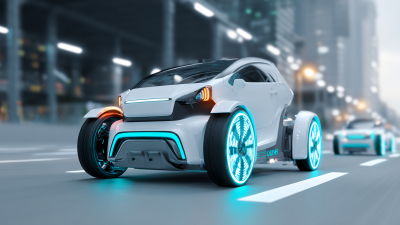
Hey, with the electric vehicle (EV) industry picking up speed and heading towards a greener future, it’s no surprise that demand for top-notch EV PCB boards is skyrocketing. I recently read that the global market for these boards could hit around $13 billion by 2025 — wow, right? That growth is mainly fueled by new tech innovations and everyone’s growing focus on sustainable transportation. Companies like Shenzhen Rich Full Joy Electronics Co., Ltd., which is a major player in high-tech innovation here in China, are really leading the way. They combine deep expertise with cutting-edge technology to keep up with the industry’s changing needs. This guide is designed to give manufacturers all the essential info they need to pick the perfect EV PCB board for their specific projects. It’s all about making sure you get reliable, efficient solutions as the EV market explodes. With the right PCB choices, businesses can really ride this wave of growth and do their part to push us toward a more sustainable future.
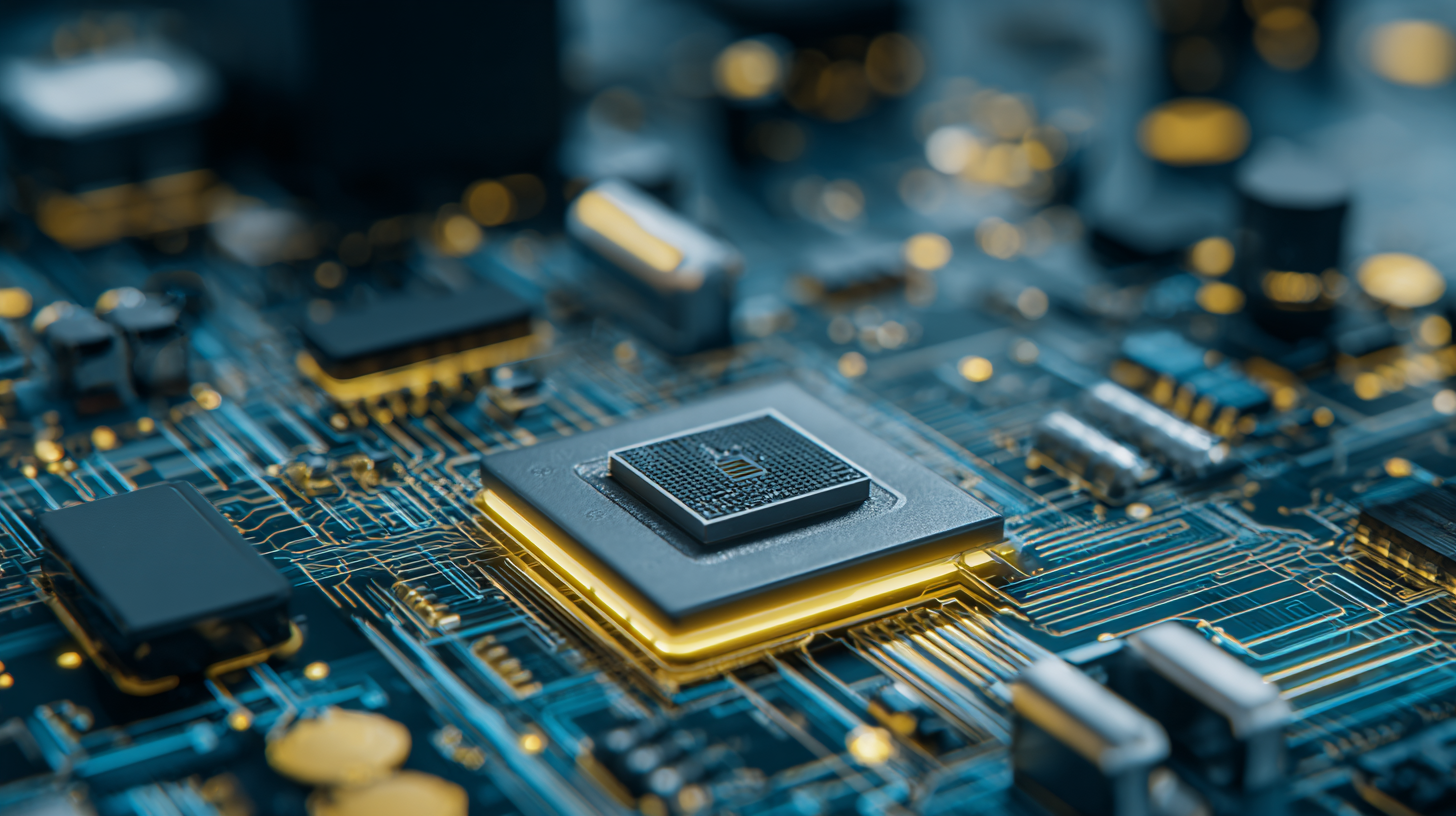
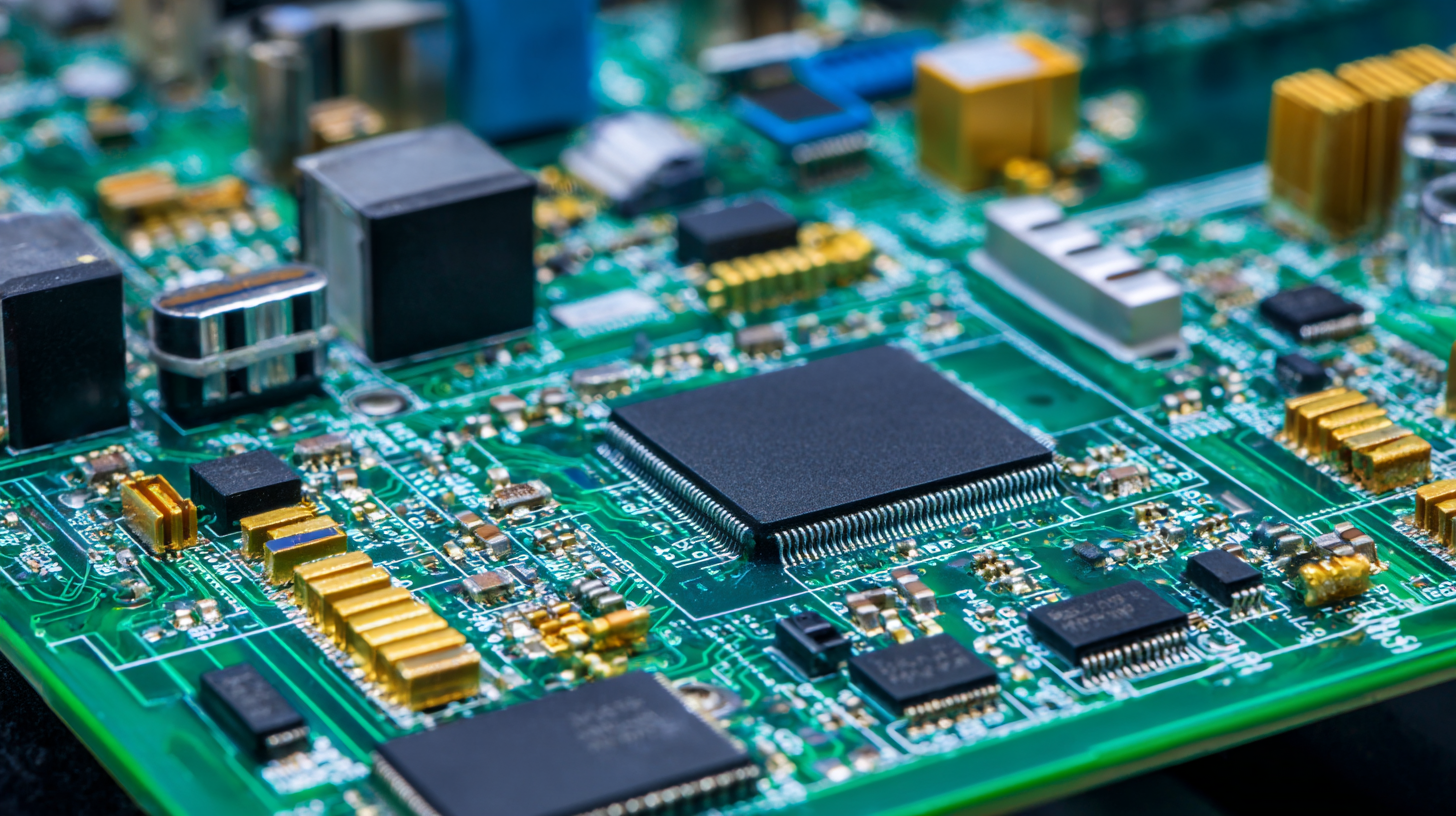
When you're choosing the best EV PCB (that’s the printed circuit board) for your production, it’s super important to get a good grip on the key features and specs. EV PCBs are kinda the backbone of electric vehicles — they handle everything from managing the batteries to distributing power and controlling various systems. So, what should you be looking at? Well, first off, the material matters — things like FR-4 or aluminum substrates are popular choices because they’re tough and help keep things cool, which is a big deal when it comes to performance and longevity in EVs.
Another thing to keep in mind is the number of layers. Multi-layer PCBs are great because they can pack in complex circuitry into a smaller space, making the design more compact and reducing weight — both big pluses for electric vehicles striving for maximum efficiency. Also, don’t forget to check out the soldering methods used; whether it’s traditional through-hole or surface mount tech, this can really influence how easy the assembly is and how reliable the final product turns out to be.
By paying attention to these essential features and specs, manufacturers can pick the perfect EV PCB for their needs. In the end, that means better performance, longer life, and a more reliable vehicle all around.
When you're choosing an EV PCB for your production line, one thing that really shouldn't be overlooked is understanding the different industry certifications for import and export. These certifications aren’t just about ticking boxes—they actually play a huge role in making sure your products meet safety and performance standards. Plus, they can be a real game-changer when it comes to doing business across borders. Knowing what each region requires helps you avoid unnecessary hold-ups and keeps your supply chain running smoothly.
On top of that, having the right certifications can seriously boost your product’s appeal and build trust with customers. Think of each certification as a badge of quality—proof that your EV PCBs are reliable and up to standard. That’s a big deal when clients are deciding what to buy. For example, certificates like UL, RoHS, or IEC can really open doors in different markets, so it’s worth staying on top of the latest rules and certification updates in the PCB world. By focusing on getting these credentials, your business not only stays compliant but also gains an edge in the fast-changing EV scene. It’s all about being prepared and standing out from the competition, right?
When you're picking out the right EV PCB (that's the printed circuit board you need for your production), it's super important to understand the different types out there. The world of EV PCBs is pretty diverse—there are various kinds designed to meet all sorts of operational needs and performance standards. For example, multilayer boards tend to be compact and packed with high-density features, making them perfect for advanced EV systems that need to save space but still pack a punch in functionality. On the other hand, rigid-flex boards are great when you’ve got tight spots to work with—they combine rigid and flexible circuits to fit into all kinds of shapes, which is pretty handy for EV components with unusual geometries.
Also, the materials you choose for manufacturing the PCB can really make a difference in how well your EV performs. High-temperature laminates and specialty substrates are built to handle the tough conditions inside electric vehicles—boosting durability and making sure everything runs reliably. Since demand for EVs is on the rise, manufacturers really need to pay attention to picking the right PCB types. Not only should they be compatible with the latest tech, but they also have to keep safety and efficiency front and center in the production process. Looking into what each type offers can really help companies meet their specific electrical needs and push forward sustainable automotive innovation.
Whenever you're picking out the right EV PCB board for your production needs, it's super important to really understand the specific requirements of your project. Things like what you'll be using it for, the environment where it'll operate, and how complex your circuitry is can make a big difference. Don’t worry though—companies like Shenzhen Rich Full Joy Electronics Co., Ltd. are great at helping you sort through these details. They've got plenty of expertise in high-tech stuff and can guide you in making smarter choices.
Here's a quick tip: start by carefully reviewing your design specs. This will help you figure out what kind of material and thickness you need for both performance and durability. Next, think about how much you're planning to produce—if you're doing a large volume, you want a design that makes manufacturing smoother without sacrificing quality. And don't forget to stay up-to-date with the latest PCB design software. New tools can really speed up your prototyping and make your overall project management way easier.
By really digging into what your production calls for and tapping into expert resources, you'll be in a solid spot to choose the perfect EV PCB board. This not only matches your project goals but also helps you get to finished product faster and with confidence.
This bar chart compares the production costs of various types of EV PCB boards used in electric vehicle manufacturing. Understanding the cost implications of each PCB type is crucial for efficient production planning.
You know, with electric vehicles (EVs) constantly changing and improving, the tech inside their Printed Circuit Boards (PCBs) is more important than ever. One big trend we're seeing is the move toward using smarter, more advanced materials. Manufacturers are now opting for lightweight but heat-conductive materials like aluminum and copper composites—these help with better heat dissipation and make the whole vehicle lighter. Not only does this boost the EV's efficiency, but it also helps the electronic components last longer, which is a big deal since automotive markets are pretty competitive.
Another cool development is the rise of IoT-enabled PCBs—those that can send real-time data. By adding sensors and ways to connect, these smart PCBs let manufacturers keep an eye on how things are running, making maintenance easier and reducing unexpected breakdowns. Plus, there's this move towards modular design in EVs, so upgrades and repairs get way simpler. That keeps production flexible and costs down. As technology keeps evolving, staying in the loop about these trends is super helpful for manufacturers. It means making smarter decisions about PCB production and, in the end, creating electric cars that are not just more efficient but also more connected and reliable on the road.
| Feature | Description | Importance (1-5) | Technology Type |
|---|---|---|---|
| Thermal Management | Effective heat dissipation to maintain performance | 5 | Active Cooling |
| Layer Count | Number of PCB layers affects complexity and size | 4 | Multilayer PCB |
| Material Type | Materials impact performance and durability | 5 | FR-4, Aluminum |
| Signal Integrity | Maintaining clean signal pathways to reduce interference | 4 | High-Speed PCB |
| Cost Efficiency | Balancing quality and production costs | 3 | Budget PCB |
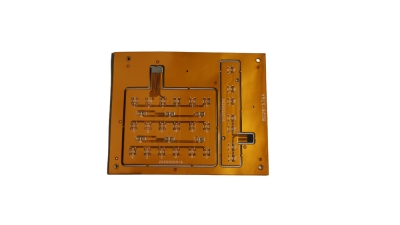
In the realm of gaming and productivity, the tools we choose can significantly impact our experience and outcomes. High-performance immersion gold keyboards, with their advanced features, offer a transformative experience for users seeking not just aesthetics but also enhanced functionality. Our keyboard flexible board utilizes advanced polyimide and FR-4 composite materials, complemented by TG320 adhesive-free rolled copper. This meticulous construction, rooted in Shengyi's SF202 material, ensures remarkable electrical and mechanical properties essential for high-speed performance.
The use of immersion gold surface processing not only elevates the visual appeal of the keyboard but also significantly boosts electrical conductivity and oxidation resistance. According to industry research from TechNavio, the global gaming keyboard market is projected to grow at a CAGR of 12% from 2021 to 2025, highlighting the increasing demand for high-quality equipment that can withstand rigorous use while providing optimum performance.
Further enriching this design is the precise board thickness tolerance of just 0.2 mm, which guarantees consistency and stability, addressing the common challenges of wear and tear in gaming environments. Coupled with a finished copper thickness of 1/1 ounce that fulfills high-current transmission requirements, the yellow cover film featuring via treatment not only safeguards the intricate circuits but also prolongs their lifespan. This attention to detail illustrates a commitment to producing tailored solutions, reflecting the unique needs of users and amplifying both performance and productivity in any gaming or working scenario.
: Key features include material type, layer count, and thermal management capabilities. High-quality materials like FR-4 or aluminum substrates enhance durability and heat dissipation.
A higher layer count allows for complex circuitry, enabling compact designs that save space and reduce weight, which is essential for maximizing efficiency in electric vehicles.
Manufacturers should consider both traditional through-hole and modern surface mount technology, as these can impact the assembly process and overall reliability.
Advanced materials such as aluminum and copper composites enhance heat dissipation and reduce weight, which improves the efficiency and lifespan of the electronic components in EVs.
IoT-enabled PCBs provide real-time data analytics, allowing manufacturers to monitor performance metrics, improve maintenance, and reduce downtime.
Modular design facilitates easier upgrades and repairs, allowing production processes to remain agile and cost-effective in the evolving automotive market.
Effective thermal management is crucial for maintaining optimal performance in electric vehicles, ensuring that components operate within safe temperature ranges.
Lightweight materials contribute to the overall reduction of vehicle weight, which is vital for enhancing energy efficiency and extending the vehicle's range.
The integration of advanced materials and technology not only improves performance but also prolongs the lifespan of electronic components used in electric vehicles.
Manufacturers can stay informed by keeping up with advancements in digital technologies, materials science, and design trends within the automotive industry.