In the fast-changing world of electric vehicles, you can't really talk about EVs without mentioning the importance of Inverter PCB Assembly. It's actually a pretty crucial part—helping to boost how efficiently and smoothly the electric drivetrains work, not to mention it plays a big role in managing the vehicle's overall energy use. Here at Shenzhen Rich Full Joy Electronics Co., Ltd., we're really proud to be leading the way in this tech. We focus on innovation and quality, which helps us deliver top-notch solutions in Inverter PCB Assembly for EVs. Honestly, we're quite passionate about contributing to the progress of electric vehicle tech. In this guide, I’ll walk you through the key aspects of Inverter PCB Assembly—covering the latest advancements and some best practices that are shaping where EVs are headed next.
Innovative Inverter PCB Designs for Enhanced Electric Vehicle Efficiency
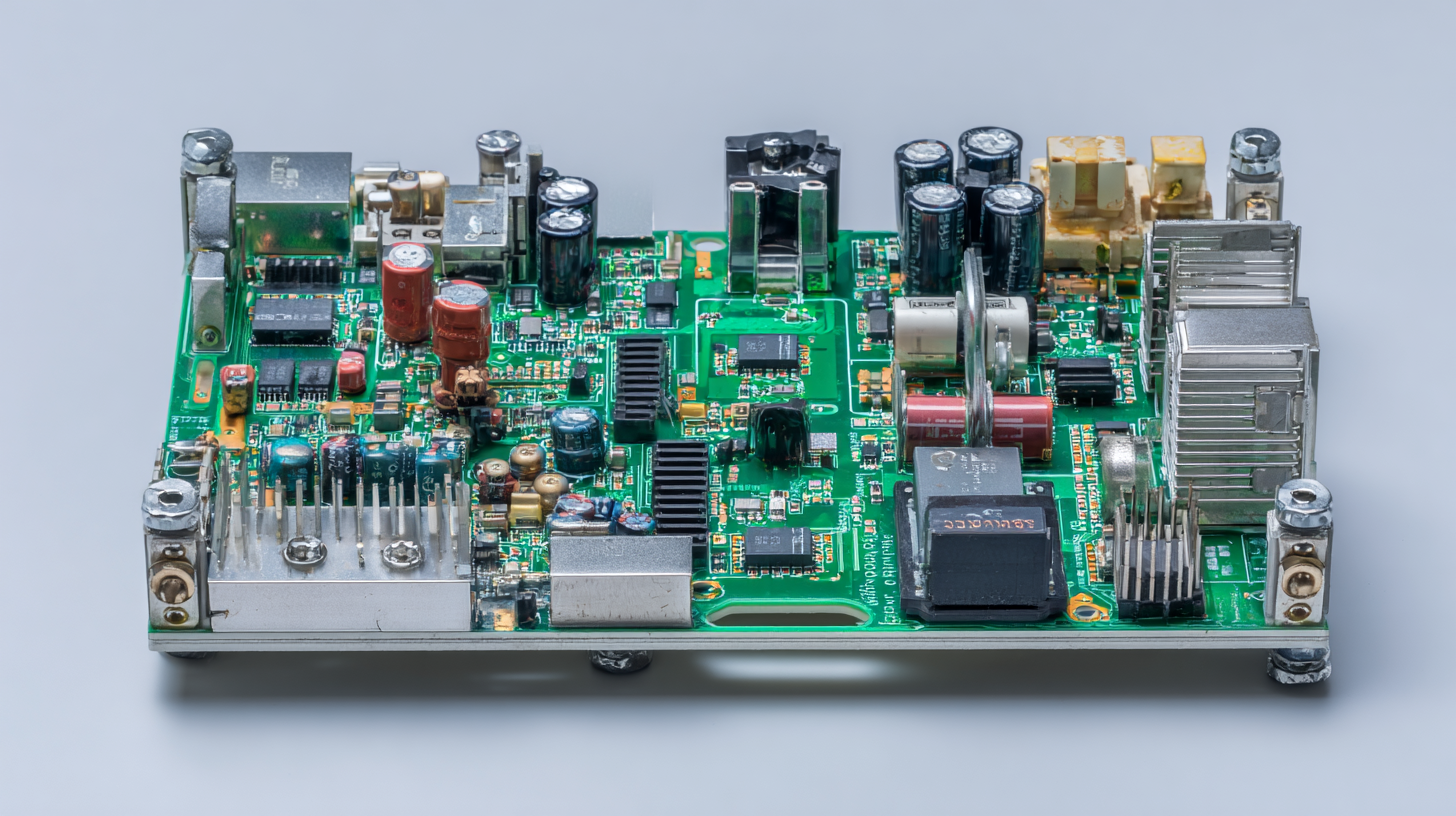
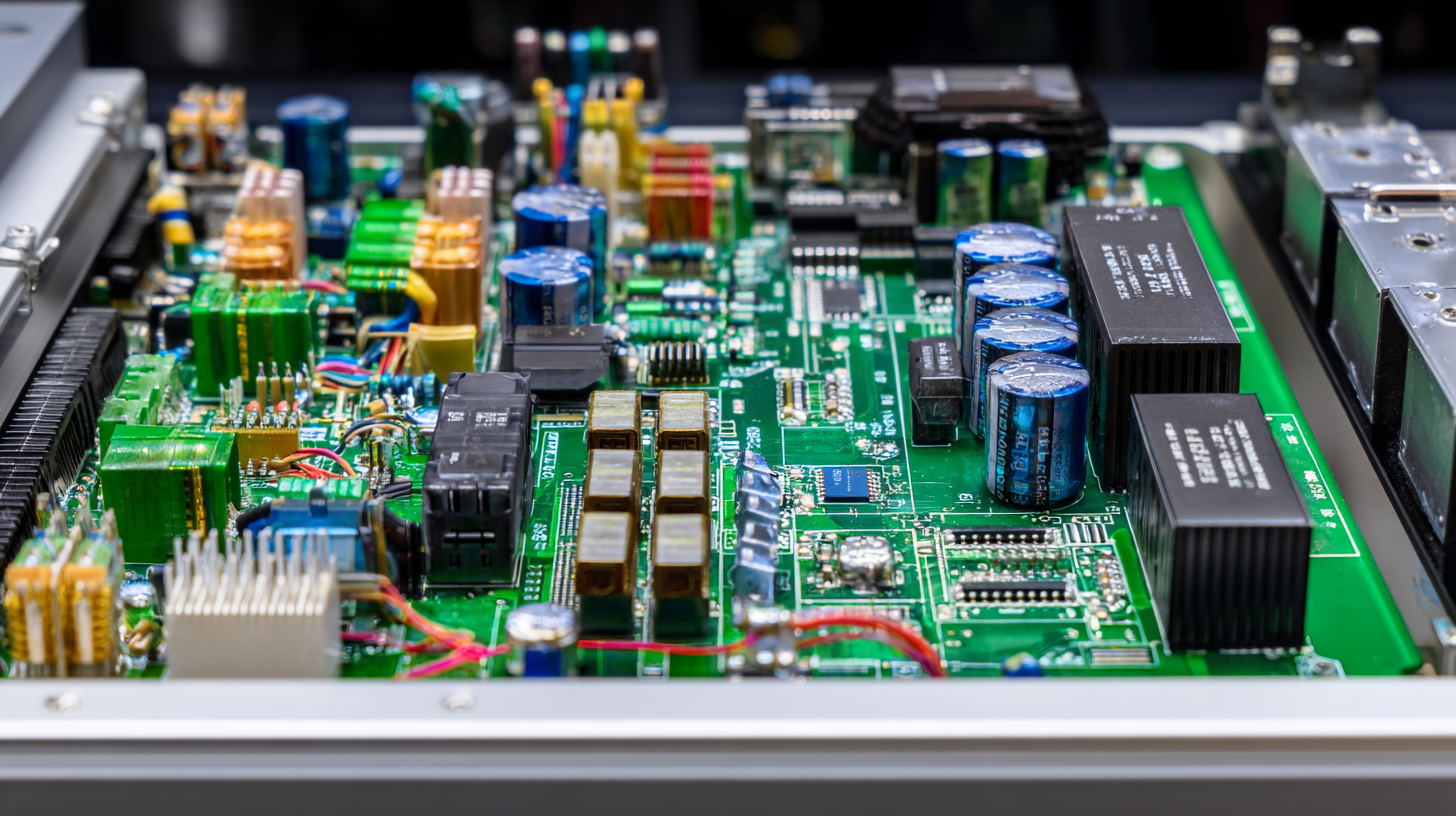
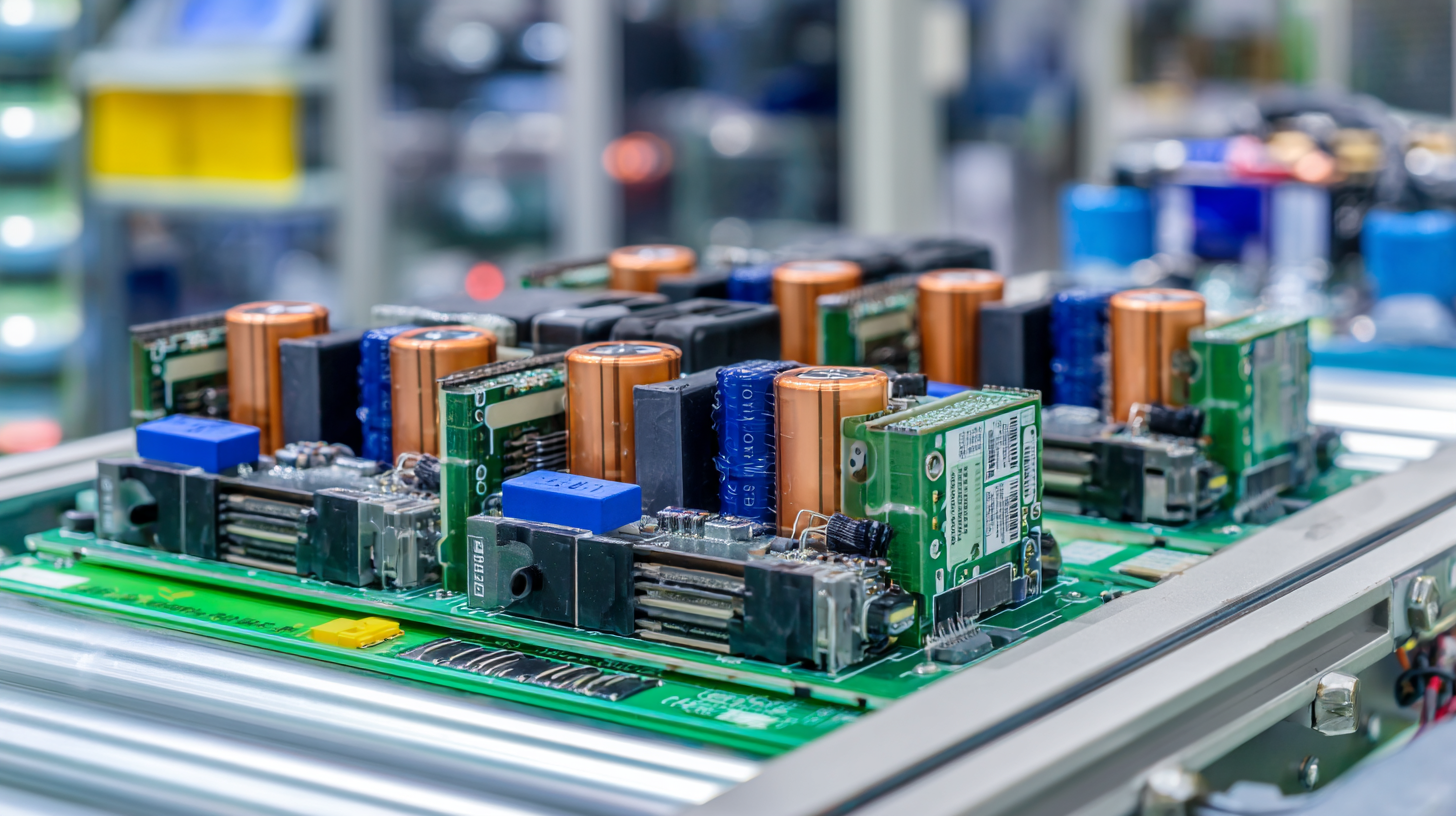 Developing innovative inverter PCB designs is pretty key when it comes to making electric vehicles (EVs) more efficient. As EV tech keeps evolving, it’s clear that optimizing power electronics is more important than ever. These modern inverter systems don’t just turn that battery’s DC power into AC to run the motor; they also have to do it with as little energy loss as possible and keep things cool at the same time. That’s where smarter PCB designs come into play—using lightweight materials and compact setups helps them handle higher power loads while also cutting down on weight. Less weight means better range and overall performance for the vehicle, which is a big deal.
On top of that, using advanced manufacturing tricks like surface mount technology (SMT) and multi-layer PCB layouts really boosts the reliability and functionality of these inverters. These methods allow engineers to pack more components into a smaller space — super helpful given how tight space is inside EVs. Plus, when it comes to keeping everything cool, innovations like thermal vias and heat sinks are total game-changers. They help keep temperatures in check, which not only keeps the inverter running smoothly but also extends its lifespan. So, by focusing on these cutting-edge design ideas, manufacturers can make sure inverter PCBs aren’t just meeting today’s EV performance needs but are also paving the way for future improvements in the automotive world.
Key Materials and Components in Inverter PCB Assembly for EVs
Hey, you know, in this fast-paced world of electric vehicles, getting the inverter PCB assembly just right is actually a big deal. It really makes a difference in how well the car runs and how efficient it is. For example, they use high-quality copper for the traces because it conducts electricity so much better. Fun fact—you might not realize, but worldwide demand for copper for EVs is expected to hit over 1.7 million tons by 2025. That’s a huge shift towards more energy-efficient systems. And then there’s the epoxy resin—they're pretty much the go-to these days since they handle heat and stress really well, which is key because EV parts can get pretty tough on materials.
On top of that, what components you pick totally impacts how effective the whole PCB assembly is. Like, more and more, manufacturers are bringing in advanced power semiconductors—stuff like silicon carbide (SiC) and gallium nitride (GaN). These little guys are a game-changer because they boost switching speeds and help manage heat better. In fact, some studies say SiC devices can bump inverter efficiency up to 98%. That means longer-lasting batteries and a smoother ride overall. As the EV market keeps booming, it’s pretty clear that adding in these high-performance materials and clever tech is going to be a must if brands want to stick to regulations and keep customers happy. Exciting times ahead, right?
Ultimate Guide to Inverter PCB Assembly Solutions for Electric Vehicles - Key Materials and Components in Inverter PCB Assembly for EVs
| Component |
Material |
Function |
Importance in EVs |
| Power Transistor |
Silicon Carbide (SiC) |
Switching and controlling power flow |
High efficiency and thermal performance |
| Capacitor |
Electrolytic / Ceramic |
Energy storage and filtering |
Stabilizes voltage and power supply |
| Inductor |
Ferrite Core |
Energy storage and suppression of spikes |
Improves system efficiency and reliability |
| PCB |
FR-4 / High-frequency laminates |
Supports and connects electronic components |
Critical for functionality and mechanical strength |
| Thermal Interface Material |
Thermal Grease / Pads |
Enhances heat transfer |
Prevents overheating of components |
Understanding Thermal Management in Inverter PCB Solutions
Thermal management really plays a huge role when it comes to inverter PCBs in electric vehicles. You know, keeping things cool isn't just about preventing things from overheating—it's directly tied to how well the components perform, how reliable they are, and how long they'll last. I read somewhere that according to the International Council on Clean Transportation, even a 10°C increase in temperature can cut the lifespan of key parts like power transistors and capacitors by half. Crazy, right? So, making sure heat is dissipated properly isn’t just a nice-to-have—it’s absolutely crucial if you want your EV to run smoothly.
By the way, using some pretty advanced thermal management tricks—like embedding cooling channels or choosing materials that conduct heat really well—can make a real difference in how efficient the inverter PCBs are. I came across a market report that says the global EV cooling system market is expected to grow at over 25% annually between 2021 and 2026. That just goes to show how much companies are focusing on cooling solutions now. If manufacturers adopt these innovative approaches, not only do they boost the reliability and performance of their inverters, but they also tap into the rising demand for more sustainable and efficient EV tech. It’s pretty exciting stuff, really.
Challenges in Inverter PCB Assembly and Their Solutions for EVs
Putting together inverter PCBs for electric vehicles isn’t exactly straightforward – it comes with its own set of pretty tricky challenges that need some creative solutions. One big hurdle? Heat management. Since inverters are responsible for converting DC to AC power, they tend to heat up a lot. So, making sure these components stay cool is super important for their durability and performance. Using high-quality thermal interface materials (TIMs) and cool tech like advanced cooling systems can really make a difference.
Then there’s the circuit design itself, which gets pretty complicated thanks to the high power and efficiency demands of EVs. All that complexity can sometimes lead to more mistakes during manufacturing or reliability hiccups down the line. The trick is to run some smart simulations early on—these can help spot potential failure points and optimize the layout before going all-in on production. Plus, putting in place thorough testing routines, like cyclic temperature tests and vibration checks, really help ensure quality and reliability. By tackling these issues head-on with targeted approaches, manufacturers can streamline inverter PCB assembly and give the electric vehicle industry a real boost.
Best Practices for Quality Control in Inverter PCB Manufacturing
When it comes to making sure inverter PCBs in electric vehicles are up to snuff, quality control is absolutely key. These PCBs are the heart of the system—they turn the battery’s DC power into the AC power the motor needs, so if they’re not up to scratch, everything else can suffer. To keep standards high, manufacturers should really take a layered approach: think thorough design checks, choosing the right materials, and running solid testing routines.
One tip is to do a detailed design review — like, making sure the layout is set up for good heat management and minimal electromagnetic interference. Picking materials that can handle high voltages and temp swings is also super important. Once the parts are made, it’s a good idea to do comprehensive testing, including Automated Optical Inspection (AOI) and functional tests, to catch any little issues before they become big problems. All in all, paying attention to these quality control steps really helps improve the reliability of inverter PCBs, which means better, more dependable EVs out there on the roads.
Quality Control Metrics in Inverter PCB Manufacturing
Future Trends in Inverter PCB Assembly for the Electric Vehicle Industry
The future of inverter PCB assembly in the electric vehicle world is changing pretty quickly, thanks to new tech and the growing popularity of EVs. As more and more electric cars hit the roads, the use of IGBTs and MOSFETs is becoming really important—they help boost efficiency and overall performance. With EV sales on the rise across different types of vehicles, like scooters and passenger cars, more companies are jumping on these innovative tech solutions to meet what customers are expecting.
If you're looking to optimize inverter PCB assembly, a good starting point is picking the right materials—things that handle heat well and last over time. Also, using automation for assembly can really cut down on production time and tighten up quality controls. It’s also smart to stay up-to-date with industry trends, especially with the move towards smaller, more compact designs and multilevel inverters, which can give you an edge against the competition.
Here at Shenzhen Rich Full Joy Electronics Co., Ltd., we’re proud to be a high-tech company dedicated to pushing the boundaries of inverter PCB solutions. With our expertise and the latest tech at our fingertips, we’re confident we can meet the growing demands of the EV market and help create a more sustainable future for transportation.
Maximizing Signal Integrity and Performance: Insights from Industry Reports on Hybrid High-Frequency PCBs with Rogers RO4350B
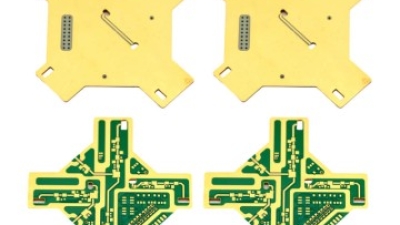
In the realm of advanced RF and microwave applications, maximizing signal integrity and performance is paramount. The hybrid high-frequency PCB made with TG170 Rogers RO4350B material is leading the charge in this pursuit. With a dielectric constant (Dk) of 3.48, it not only provides exceptional signal integrity but also maintains thermal stability under varying operational conditions. This combination is essential for applications where precision and reliability are non-negotiable, such as in the aerospace, automotive, and communication industries.
This innovative PCB design incorporates several key features that enhance its performance. The mechanical blind vias allow for high-density interconnects, which is crucial in minimizing signal loss and maintaining the integrity of high-frequency signals. Moreover, the use of resin-filled vias contributes to the durability of the PCB, ensuring long-lasting performance even in challenging environments. Additionally, selective gold plating offers superior conductivity and corrosion resistance, further enhancing the reliability of the circuit boards. As technology continues to evolve, this hybrid high-frequency PCB stands out as a cutting-edge solution that meets the rigorous demands of modern applications.
FAQS
: The key materials include high-grade copper for trace wiring, which offers superior conductivity, and epoxy resin materials known for their excellent thermal and mechanical properties.
Thermal management is critical because effective temperature regulation directly affects the performance, reliability, and longevity of components. A temperature increase of just 10°C can significantly reduce the lifespan of crucial parts like power transistors and capacitors.
Advanced power semiconductors like silicon carbide (SiC) and gallium nitride (GaN) are being integrated to improve switching speeds and thermal management, leading to higher inverter efficiency.
Research indicates that SiC devices can enhance inverter efficiency by up to 98%, which contributes to extended battery life and improved overall vehicle performance.
Future trends include the increased adoption of IGBTs and MOSFETs, more compact designs, multilevel inverters, and advanced thermal management techniques to meet efficiency and performance expectations.
The global electric vehicle cooling system market is projected to grow at a CAGR of over 25% from 2021 to 2026, highlighting the rising importance of thermal solutions in EV design.
Tips for optimization include selecting appropriate materials for thermal management and durability and implementing automated assembly techniques to reduce production time and enhance quality control.
Shenzhen Rich Full Joy Electronics Co., Ltd. is dedicated to providing cutting-edge solutions in inverter PCB assembly by leveraging expert knowledge and advanced technologies to meet the future demands of the electric vehicle market.
Conclusion
In our 'Ultimate Guide to Inverter PCB Assembly Solutions for Electric Vehicles,' we dive into some pretty innovative designs and the key materials that really boost EV efficiency. We also get into why thermal management is such a big deal when it comes to assembling inverter PCBs for EVs, sharing the best practices and quality control tips you absolutely want to know. Plus, we talk about the common hiccups folks run into during assembly and provide practical solutions to keep everything reliable and performing at its best.
As a cutting-edge tech company based in Shenzhen, Rich Full Joy Electronics is proud to be leading the way in this fast-changing industry. We’re dedicated to pushing the envelope in inverter PCB assembly for EVs and trying to stay ahead of future trends. Our goal? To make a real difference in the electric vehicle world and keep exploring new possibilities in inverter tech and assembly processes.