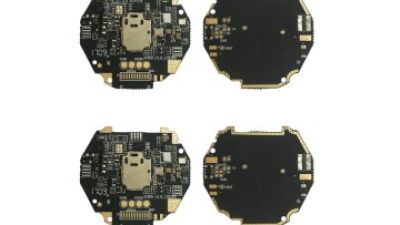
You know, as we move through 2025, the demand for sleek and innovative electronic gadgets is only growing. That means choosing the right flexible PCB (Printed Circuit Board) has become a pretty big deal for engineers and devs alike. These flexible boards are pretty amazing—they can bend, twist, and fit into tight spaces, making them perfect for everything from smart gadgets and medical devices to wearable tech. But here’s the thing: with so many options out there, figuring out which one suits your project can feel kinda overwhelming. So, it’s a good idea to take a step back and approach the selection process thoughtfully.
In this guide, I’ll walk you through some key factors you should keep in mind when picking out flexible PCBs. Things like what materials work best together, how many layers you need, manufacturing methods, and the specs that will keep your device running smoothly. Getting a grip on these elements is super important because it helps ensure your PCB not only fits the bill but also performs reliably. Plus, making the right choice can really boost your device’s overall function, save you some costs, and make scaling up production a lot easier. As we go along, I’ll share some handy tips and insights to help make your decision process a bit simpler—because, let’s face it, the world of flexible PCBs is always changing and can be a bit tricky to navigate!

Understanding Flexible PCB Basics: Types and Applications
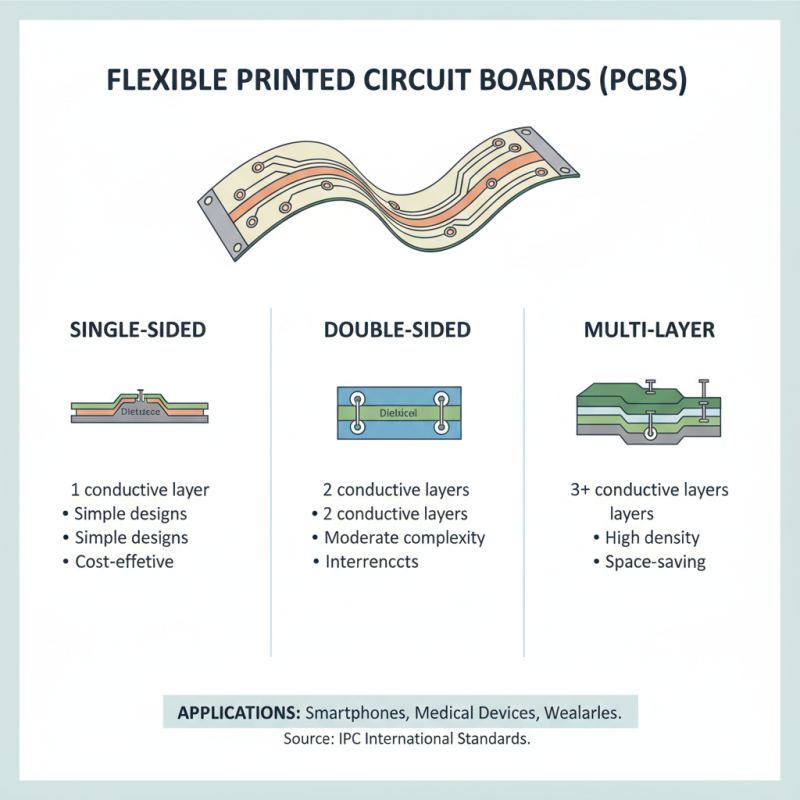
Flexible printed circuit boards (PCBs) have become a cornerstone in modern electronics, enabling intricate designs that meet the requirements of space-constrained applications. These PCBs fall into several categories, including single-sided, double-sided, and multi-layer types. Each type offers distinct advantages depending on the project’s complexity and performance needs. For instance, according to the IPC International Standards, multi-layer flexible PCBs can save on space and weight, making them ideal for sophisticated devices like smartphones and medical equipment, where compactness is crucial.
When selecting the right flexible PCB, understanding its applications is vital. Flexible PCBs are prevalent in industries such as consumer electronics, automotive, and aerospace, as highlighted by the latest market analysis from ResearchAndMarkets, which predicts significant growth in the flexible PCB market, projected to reach $30 billion by 2025. This growth is driven by increasing demand for lightweight, durable circuit solutions that can withstand harsh environmental conditions and provide excellent performance.
Tips:
- Consider the thermal management needs of your application. Flex PCBs can handle heat dissipation better than traditional rigid boards, which can enhance the performance and longevity of your device.
- Always evaluate the bending radius in design. A good rule of thumb is to maintain a radius at least 10 times the thickness of the PCB to prevent damage during installation or operation.
By grasping the fundamental types and their applications, you can make informed decisions when choosing flexible PCBs that align with your electronics projects' specific requirements.
Key Factors Influencing Flexible PCB Selection for 2025 Projects
When selecting a flexible PCB for your electronics projects in 2025, several crucial factors must be considered to ensure optimal performance and compatibility with your design. One of the primary aspects is the material used for the flexible circuit. Advanced polyimide substrates offer excellent heat resistance and mechanical stability, which are essential for high-frequency applications. Additionally, choosing a material that can withstand environmental stressors, such as humidity or temperature fluctuations, will significantly influence the longevity and reliability of your PCB.
Another important consideration is the layer count and complexity of the design. For intricate projects requiring a compact footprint, multi-layer flexible PCBs can provide the necessary routing without sacrificing performance. It's vital to assess the layout and ensure that the design adheres to manufacturing capabilities, as overly complex configurations may lead to increased costs and production challenges. Moreover, understanding the electrical performance requirements, such as impedance control and signal integrity, is essential to select the right PCB design that aligns with your project’s specifications. By carefully evaluating these factors, you can make an informed decision that supports the goals of your 2025 electronics projects.
Evaluating Material Options: Polyimide vs. PET Flexible PCBs
When selecting a flexible PCB for your electronics projects, material choice is a crucial factor that can influence performance, durability, and overall project success.
Two common materials to consider are polyimide and PET (polyethylene terephthalate).
Polyimide is known for its excellent thermal stability and resistance to extreme temperatures, making it ideal for applications where high reliability is essential.
Additionally, polyimide’s flexibility allows it to be bent and shaped without losing integrity, perfect for compact designs or dynamic environments.
On the other hand, PET flexible PCBs are favored for their cost-effectiveness and sufficient performance in less demanding applications.
While PET offers good flexibility and dielectric properties, it does not withstand high temperatures as well as polyimide, which may limit its use in more rigorous settings.
Therefore, your decision should be guided by the specific requirements of your project, including environmental conditions and budget constraints.
Tips: Always assess the maximum operating temperature for your application.
If you're designing for high-temperature conditions, polyimide is often the safer choice.
Conversely, if you are focusing on a more economical solution for low-stress applications, PET could serve your needs well.
Consider the end use of your PCB carefully to make an informed choice between these two materials, ensuring optimal performance and longevity in your projects.
Analyzing Flexibility and Durability: Impact on Electronic Designs
When selecting a flexible printed circuit board (PCB) for electronic designs, flexibility and durability are paramount. The modern electronics landscape demands solutions that not only fit the compact spaces but also endure the rigors of varied applications. According to a 2022 report by MarketsandMarkets, the global flexible PCB market is projected to reach USD 38.2 billion by 2025, driven by advancements in electronic devices requiring more sophisticated designs. This underscores the importance of understanding the balance between flexibility and durability, as these factors significantly influence the performance and lifespan of electronic products.
Flexibility in a PCB relates not only to its ability to bend and twist but also to its thermal stability and mechanical resilience. Research from IPC, an industry association, indicates that flexible circuits can be subject to considerable stress during assembly and operation. Therefore, materials such as polyimide have become standard, offering both flexibility and high thermal resistance. Additionally, they report that the failure rate of components can increase up to 60% in inadequately designed flexible circuits, highlighting the necessity for robust durability specifications. Ultimately, choosing the right specifications for flexibility and durability is critical for ensuring reliability and extending the operational life of electronic devices.
Flexibility and Durability Comparison of Flexible PCBs in Electronics Projects (2025)
Cost Considerations: Budgeting for High-Quality Flexible PCBs
When budgeting for high-quality flexible PCBs, it’s essential to understand the factors that influence their cost. The materials used, the complexity of the design, and the size of the order all play crucial roles. High-quality flexible PCBs often utilize advanced substrates and conductive materials which, while increasing durability and performance, can also elevate the price. It’s vital to assess the necessary specifications of your project against the available budget. Allocating resources wisely will help in striking a balance between quality and cost-effectiveness.
Another consideration is the manufacturing process. Flexible PCBs can be more complicated to produce than their rigid counterparts, and this complexity often translates to higher costs. When obtaining quotes from manufacturers, it's important to consider not just the price per unit, but also the potential for scalability in production. Often, bulk orders can reduce individual prices, making it worthwhile to predict future needs. By thoroughly evaluating these cost parameters, you can make informed decisions that align with your project's financial constraints while still achieving the desired performance standards.
Industry Trends: Innovations Shaping Flexible PCB Technology for 2025
The flexible printed circuit board (PCB) industry is on the cusp of significant innovations that are poised to reshape electronic design in 2025. One of the most notable trends is the integration of advanced materials that enhance the flexibility and durability of PCBs. Innovations in polymer science have led to the development of substrates that maintain structural integrity under extreme conditions, enabling devices to be more robust while still offering the benefits of lightweight and compact designs. As projects increasingly demand versatility in form factors, these improvements are crucial for applications ranging from consumer electronics to medical devices.
Another trend driving the evolution of flexible PCBs is the advent of improved manufacturing techniques, such as additive manufacturing and laser processing. These methods facilitate more intricate designs that were previously difficult or impossible to achieve with traditional manufacturing. The ability to implement fine-line technology and multi-layer configurations allows designers to create more complex circuitry within a smaller footprint. This capability not only enhances functionality but also reduces the weight and volume of electronic assemblies, making flexible PCBs an ideal choice for wearable technology and IoT devices that are becoming increasingly prevalent in the market.
Regulatory Compliance in Flexible PCB Manufacturing and Usage
When selecting a flexible printed circuit board (PCB) for your electronics projects in 2025, understanding the regulatory compliance landscape is crucial. Manufacturers must adhere to various standards that govern the materials, processes, and environmental impacts associated with flexible PCBs.
Compliance with RoHS (Restriction of Hazardous Substances) is essential, as it restricts the use of specific hazardous materials in electrical and electronic equipment. Additionally, certifications like UL (Underwriters Laboratories) validate safety and performance, ensuring the PCB can withstand certain environmental conditions and electrical stresses.
Another important aspect of regulatory compliance is the adherence to REACH (Registration, Evaluation, Authorisation, and Restriction of Chemicals) guidelines in Europe. This regulation focuses on the safe use of chemicals and encourages manufacturers to substitute harmful substances with safer alternatives. It is also vital to consider compliance with IPC standards, which ensure the quality and reliability of PCBs.
Selecting a flexible PCB that meets these regulations not only ensures legal compliance but also enhances the overall reliability and safety of electronic products, ultimately providing consumers with peace of mind regarding the devices they use.
Innovative PCB Assembly Strategies for Smart Wearable Devices: Ensuring Precision and Performance in Modern Technology
The evolution of smart wearable devices has accelerated the demand for innovative PCB assembly strategies that ensure both precision and performance. As these devices continue to integrate advanced functionalities, the PCB assembly processes must adapt to accommodate high-density components and complex designs. With the rapid advancements in technology, manufacturers are increasingly focused on developing custom solutions that optimize space and enhance durability, delivering products such as smartwatches, fitness trackers, and augmented reality glasses.
In this context, employing advanced surface mount technology (SMT) becomes essential. This approach allows for a greater number of components to be integrated into compact designs without compromising on reliability. Additionally, rigorous quality control measures are critical to maintaining the performance standards expected of modern wearables. Manufacturers are leveraging state-of-the-art facilities that comply with international standards to ensure that the assembly processes yield PCBs that are both high-precision and durable, meeting the rigorous demands of today's fast-paced market.
Moreover, the adaptability to produce PCBs with varying layer counts, high-frequency capabilities, and flexible designs is vital for developing lightweight and efficient wearable devices. By providing comprehensive services from prototyping to mass production, manufacturers can guarantee fast turnaround times without sacrificing quality. The focus on innovative PCB assembly strategies is paving the way for the next generation of smart wearables, which promise enhanced functionality and improved user experiences.
FAQS
: Flexible printed circuit boards are crucial in modern electronics, available in single-sided, double-sided, and multi-layer types. Each type serves different project complexities and performance needs.
Multi-layer flexible PCBs save space and weight, making them ideal for sophisticated devices such as smartphones and medical equipment where compactness is essential.
Flexible PCBs are widely used in consumer electronics, automotive, and aerospace industries, driven by the growing demand for lightweight and durable circuit solutions.
Flexible PCBs handle heat dissipation better than rigid boards, which can improve the performance and longevity of devices.
It is advisable to maintain a bending radius that is at least 10 times the thickness of the PCB to prevent damage during installation or operation.
Two common materials are polyimide, known for its thermal stability and flexibility, and PET, which is more cost-effective and suitable for less demanding applications.
Polyimide is ideal for applications requiring high reliability and extreme temperature resistance, making it a safer choice for high-temperature conditions.
The decision should be based on the specific requirements of the project, including environmental conditions, operational temperature, and budget constraints.
PET flexible PCBs offer good flexibility and cost-effectiveness but do not handle high temperatures as well as polyimide, which may limit their use in rigorous settings.
It's important to evaluate the maximum operating temperature to ensure the selected PCB material—either polyimide for high temperatures or PET for economical solutions—matches the application requirements.
Conclusion
In 2025, choosing the right flexible PCB for your electronics projects requires a strong understanding of their fundamentals, including the various types and applications available. Key factors influencing selection include material options, such as polyimide and PET, as well as considerations of flexibility and durability that significantly impact electronic designs. Additionally, careful budgeting is essential to ensure the acquisition of high-quality flexible PCBs.
As the industry evolves, staying informed about the latest trends and innovations is crucial for optimizing designs. Furthermore, compliance with regulatory standards in PCB manufacturing and usage cannot be overlooked. By focusing on these aspects, engineers can make informed decisions that lead to successful outcomes in their electronics projects utilizing flexible PCBs.