Leave Your Message
0%

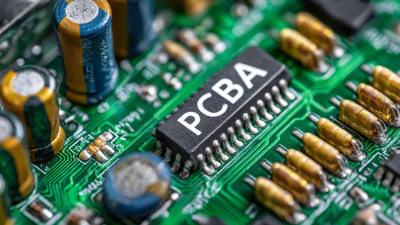
The process of manufacturing EV PCBs is pretty important for the electric vehicle world. Like John Smith from GreenTech Innovations often points out, “Quality really makes a difference when it comes to how well electric vehicles perform.” A top-notch PCB isn’t just about ticking boxes — it’s what ensures the vehicle runs smoothly and reliably. Basically, it’s a key player in the whole design game.

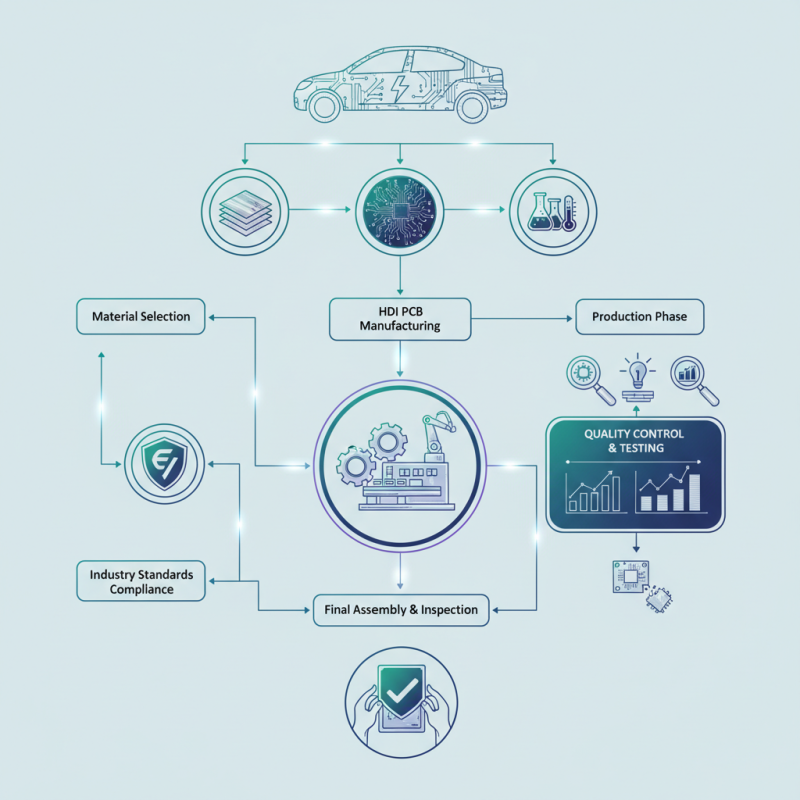
Now, there are quite a few things to keep in mind during this process. The materials you choose definitely matter. For example, Hdi Pcb Manufacturing is trending right now because it’s great for creating those tiny, compact circuits. But here’s the thing — not all manufacturers are on the same level. You can run into inconsistencies or quality issues along the way.

Manufacturers also have to juggle strict industry standards, which isn’t always easy. Skipping thorough testing can lead to defects that mess with the vehicle’s performance. Making sure the whole process is high-quality from the get-go is super important, although honestly, there’s still lots of room for improvement in many practices. Paying close attention to every single detail — right from the start — can really make a big difference. And honestly, quality control shouldn’t be an afterthought; it needs to be built into every step of the process.
What is High Quality Wholesale EV PCB Manufacturing Process?

Overview of EV PCB Manufacturing in the Wholesale Market

What is High Quality Wholesale EV PCB Manufacturing Process?

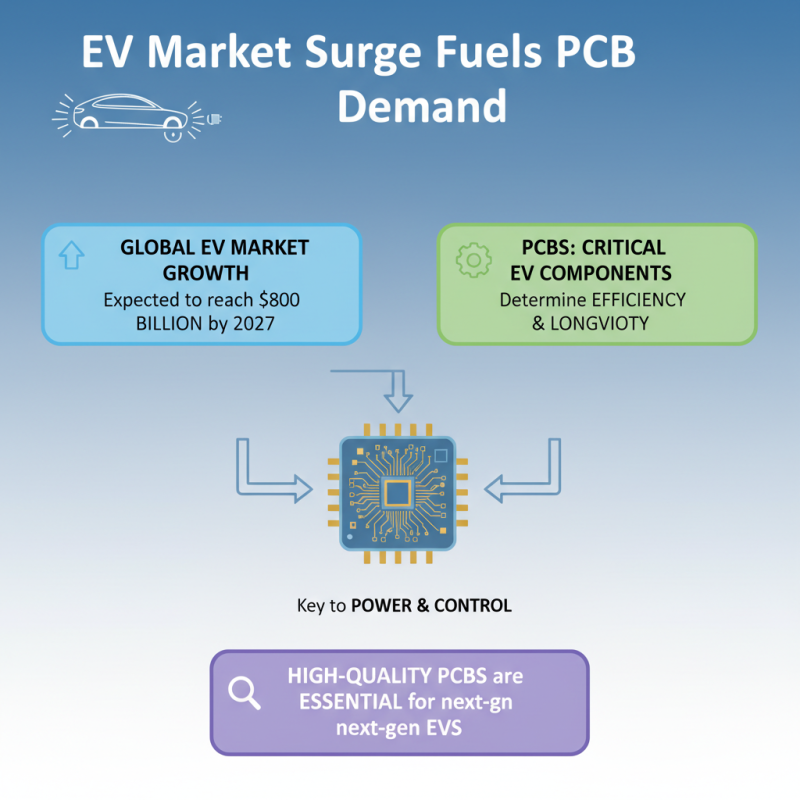
The electric vehicle (EV) market is growing rapidly. A recent report indicates that the global EV market is expected to reach $800 billion by 2027. This surge drives demand for high-quality printed circuit boards (PCBs). PCBs are critical components that determine the efficiency and longevity of EVs.

Wholesale manufacturing of EV PCBs involves several processes. First, raw materials must be sourced responsibly. Often, manufacturers face challenges in acquiring high-quality substrates that can withstand environmental stressors. Additionally, the demand for complex board designs increases production complexity. Many manufacturers struggle with quality control, which can lead to inconsistencies in performance. Data shows that nearly 30% of PCB defects are due to poor manufacturing practices.

The wholesale market also sees variations in pricing based on production volume and design complexities. This can create tension between cost and quality. While some manufacturers prioritize affordability, others focus on durability and innovation. However, finding a balance is still a significant challenge. Suppliers look for ways to implement advanced technologies like automated inspections to reduce errors and improve overall quality. The road ahead for EV PCB manufacturing holds both promise and challenges as the industry strives to meet rising demands.

Key Materials Used in High Quality EV PCBs

High quality electric vehicle (EV) printed circuit boards (PCBs) are essential for optimal performance. Specific materials play a crucial role in this manufacturing process. Insulation materials must withstand high temperatures and maintain reliability. Polyimide, for example, is known for its thermal resistance. According to industry reports, the demand for polyimide in EVs increased by over 30% last year. This trend indicates a shift towards more robust materials.

Copper is another key material. It is vital for effective electrical conductivity in PCBs. High-purity copper reduces power loss and increases overall efficiency. Studies show that PCBs with higher copper content can enhance energy transfer by 15%. However, sourcing quality copper remains a concern. Many suppliers face challenges in maintaining purity standards. This could lead to performance issues, impacting the EV's efficiency.

Lastly, the choice of laminate affects PCB durability. Epoxy glass laminate is popular, but it may not always perform well under stress. A recent analysis highlighted that up to 20% of PCBs failed due to laminate issues. Manufacturers must pay attention to these details. Quality assurance tests can help identify potential weaknesses early. Balancing cost with performance remains an ongoing challenge in PCB production.

The Design Process for Reliable EV Circuit Boards

The design process for reliable electric vehicle (EV) circuit boards focuses on several key factors. Engineers toiled to understand the unique demands of EVs. Heat management, signal integrity, and space efficiency are crucial elements. Crafting a design begins with creating a schematic. This is where the initial ideas materialize. Each component must be meticulously placed to ensure optimal performance.

With the schematic in place, it’s time to move on to PCB layout. This stage requires precision and attention. Designers often face challenges like minimizing interference and ensuring power distribution. Sometimes, compromises must be made. A trace that looks good on paper might be impractical in reality.

In Australia, discerning clients seek high-quality PCB manufacturing. They want products that withstand the rigors of the automotive environment. It’s vital to choose materials wisely. The durability of the chosen components can impact the overall performance. Frequent iterations and testing are part of perfecting the design. Achieving reliability in this industry is not just about following rules, but also learning from failures.

Critical Manufacturing Techniques for EV PCBs

The PCB manufacturing process for electric vehicles (EVs) demands precision and cutting-edge techniques. High-quality PCBs serve as the backbone of EV technology, facilitating effective power management and communication between components. According to a report from Industry Research, the global PCB market for EVs is expected to reach $11 billion by 2025, driven by rising EV adoption.

Key manufacturing techniques include advanced surface mount technology (SMT) and multilayer design. SMT allows for compact layouts, optimizing space on PCBs. Multilayer designs support complex circuitry while maintaining reliability. Reports suggest that multilayer PCBs are crucial as EVs require more functionalities within limited spaces. These designs also help manage thermal dissipation effectively, an essential factor in EV performance.

However, challenges exist in achieving the desired quality. Variations in material properties can lead to defects, affecting product lifespan. Additionally, the intricate nature of multilayered PCBs increases the risk of manufacturing errors. Thus, it's vital to consider stringent quality control measures throughout the manufacturing workflow, especially in Pcb Manufacturing Canada, where technology and craftsmanship play a significant role in meeting EV industry standards.

What is High Quality Wholesale EV PCB Manufacturing Process? - Critical Manufacturing Techniques for EV PCBs

Manufacturing Technique Description Benefits Quality Control Measures
Surface Mount Technology (SMT) Technique for placing electronic components directly onto the surface of a PCB. Improved assembly efficiency and component density. Automated optical inspection (AOI) after soldering.
Through-Hole Technology (THT) Involves inserting component leads through holes on the PCB and soldering them on the opposite side. Better mechanical strength and reliability. Visual inspection and functional testing.
Multilayer PCB Technology Combines multiple layers of circuitry into a single board. Allows for more complex circuitry in a compact form. X-ray inspection of inner layers.
Flexible PCB Manufacturing Creates PCBs that can bend and flex. Increases design versatility and space-saving. Stress testing for durability.
Thermal Management Techniques Methods to manage heat dissipation in PCBs. Prevents overheating and extends component life. Thermal imaging for hot spots.

Quality Control Measures in EV PCB Production

Quality control in EV PCB production is crucial. The process begins with rigorous material selection. High-quality raw materials ensure that the final product meets performance standards. Every component must undergo inspection. Defects in materials can lead to failures. It’s vital to address any inconsistencies early on.

During fabrication, various testing methods are employed. Automated optical inspection is commonly used. It detects surface issues in real-time. This technology helps manufacturers in Europe reduce human error. However, some minor defects can slip through the cracks. Regular audits of the inspection process are necessary to catch these flaws.

Final testing phases should not be overlooked. Functional tests validate the performance of the PCBs. Often, manufacturers encounter challenges with yield rates. A low yield indicates quality issues in earlier stages. Continuous improvement measures are essential to enhance the PCB manufacturing process in Europe. Being open to feedback helps drive better results.

Testing Methods for Ensuring PCB Performance in EVs

Testing methods for ensuring PCB performance in electric vehicles (EVs) are crucial for reliability. The manufacturing process must adhere to strict performance standards. Reports show that failures can arise from thermal stress and vibration challenges in harsh conditions. The Institute of Electrical and Electronics Engineers states that up to 40% of PCB failures occur due to inadequate testing.

Common testing methods include impedance testing and thermal cycling tests. Impedance testing reveals the integrity of connections. It can identify anomalies early in the manufacturing process. Thermal cycling tests simulate environmental conditions. They ensure that PCBs can withstand extreme temperature fluctuations. However, these tests can sometimes overlook real-world scenarios, leading to potential failures.

Advanced methodologies like X-ray inspection help detect hidden defects. Yet, not all manufacturers apply such techniques consistently. The consistency of testing practices varies widely in the industry. An estimated 30% of EV manufacturers admit that their testing phases are often rushed. This raises concerns about long-term performance and safety in the field.

Trends and Innovations in EV PCB Manufacturing Processes

The world of electric vehicles (EVs) is rapidly evolving. Advancements in PCB manufacturing processes are crucial to this growth. Companies are exploring innovative materials and production techniques. These changes aim to improve efficiency and performance.

One significant trend is the use of advanced materials. High-frequency laminates and flexible circuits are gaining popularity. They offer better thermal management and electrical performance. Additionally, automation in the PCB manufacturing process is on the rise. This can reduce human error but raises concerns about job displacement. It's a tough balance to strike.

Pcb Manufacturing Germany showcases some of these innovations. Many manufacturers there are investing in sustainable practices. This shift helps reduce waste, but challenges remain. Companies must consider cost and scalability. Each innovation may not fit every project. The industry must reflect on which trends are truly beneficial and sustainable.

Optimizing Power Management: The Role of Advanced HDI TR Power Control Board PCB in Improving Efficiency and Stability

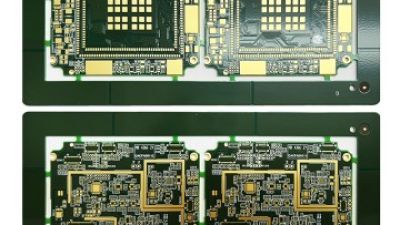
In the landscape of modern power management, the demand for high efficiency and reliability has driven innovation in power control technologies. One of the most significant advancements is the development of High-Density Interconnect (HDI) TR power control board PCBs. These sophisticated boards are engineered to meet the rising requirements for miniaturization and intelligent power systems, making them indispensable in various applications.

For instance, a notable example of such technology is a 10-layer HDI TR power control board PCB, which boasts a thickness of just 1.0mm. Made from high-quality copper-clad laminate, this PCB utilizes ultra-fine circuits to maximize integration without compromising its electrical performance. The incorporation of advanced laser drilling techniques and precise component positioning results in a board that excels in thermal management and signal integrity. This design ensures that reliable power control is maintained across a spectrum of demanding environments, making it an optimal solution for cutting-edge power management applications.

By embracing such advanced HDI TR power control board PCBs, industries can optimize their power systems for enhanced efficiency and stability, ultimately leading to better performance and longer-lasting products. The integration of these technologies heralds a new era in power management, where intelligent and efficient designs are essential for meeting contemporary energy demands.

FAQS

: What are the main benefits of regular exercise?

: Regular exercise improves physical health. It boosts mood and energy levels. It helps manage weight effectively.

How can someone start a new fitness routine?

Begin with simple activities. Walking or stretching can be great options. Set realistic goals that fit your lifestyle.

What should I do if I feel tired after workouts?

Rest is essential. Listen to your body. Adjust workout intensity to avoid exhaustion and enhance recovery.

How important is nutrition in fitness?

Nutrition is crucial for energy and recovery. A balanced diet supports workout performance. Don't skip meals.

Can I lose weight without exercising?

Yes, weight loss can occur through diet alone. However, combining both is often more effective and sustainable.

How do I stay motivated to work out regularly?

Find enjoyable activities. Vary your routine to prevent boredom. Get a workout buddy for support and encouragement.

What are common mistakes beginners make in fitness?

Many start too aggressively. Ignoring form can lead to injuries. It's vital to progress gradually and stay mindful.

How often should I change my workout routine?

Consider changing every 4-6 weeks. It can help prevent plateaus. Reflect on your goals and adapt as needed.

Is it necessary to stretch before exercise?

Stretching can increase flexibility. However, for some, it may not be essential. Warm up first, and see what works for you.

How can I track my fitness progress?

Keeping a journal can be helpful. Track workouts, diets, and feelings. It helps you reflect on successes and challenges.

Conclusion

The article "What is High Quality Wholesale EV PCB Manufacturing Process?" provides a comprehensive look into the complexities of EV PCB manufacturing within the wholesale market. It emphasizes the significance of selecting key materials that ensure durability and performance in electric vehicles. The design process is elaborated on, highlighting the necessity for reliable circuit board architectures that can withstand the demands of EV applications.

Furthermore, the article delves into critical manufacturing techniques that enhance the quality of EV PCBs, alongside stringent quality control measures that ensure products meet industry standards. Testing methods are also discussed, showcasing how they are integral to verifying PCB performance in electric vehicles. Lastly, it touches on emerging trends and innovations that are shaping the future of EV PCB manufacturing, catering to the growing needs of the electric vehicle market.
Mason

Mason

Mason is a dedicated marketing professional at Shenzhen Ruizhixinfeng Electronics Co., Ltd., where he has established himself as an expert in the company's innovative product offerings. With a deep understanding of electronics and a keen eye for market trends, Mason plays a crucial role in shaping......
Previous Future Trends in High Frequency Pcb Technology for Global Buyers