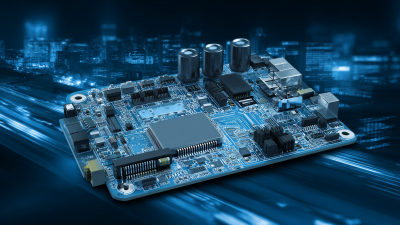
In the fast-moving world of automotive electronics, getting the thermal management right is more important than ever. As cars get smarter and packed with more tech, managing heat becomes a real challenge. I remember speaking with Dr. Michael Chen from AutoTech Innovations—he pointed out that effective Thermal Management PCBs aren’t just a nice-to-have anymore; they’re actually a game-changer when it comes to keeping performance and reliability on point.
These PCBs have to handle all sorts of high-tech components—think sensors, processors, communication modules—all of which produce heat. If this heat isn’t managed well, it can really mess with how long these parts last and how well they perform. Unfortunately, many designers still overlook this crucial aspect. It’s clear that manufacturers need to get creative with new materials and clever techniques, but honestly, it’s not always straightforward. Sometimes it’s a bit of trial and error before finding what works best.
And let’s not forget, with the rise of electric vehicles, new thermal challenges are popping up. Battery packs, for example, generate a lot of heat, so they really need top-notch Thermal Management PCBs. If these aren’t designed properly, it can lead to failures—big safety and performance issues that no one wants. So, companies really need to invest in R&D to stay ahead of the curve in this rapidly changing landscape.
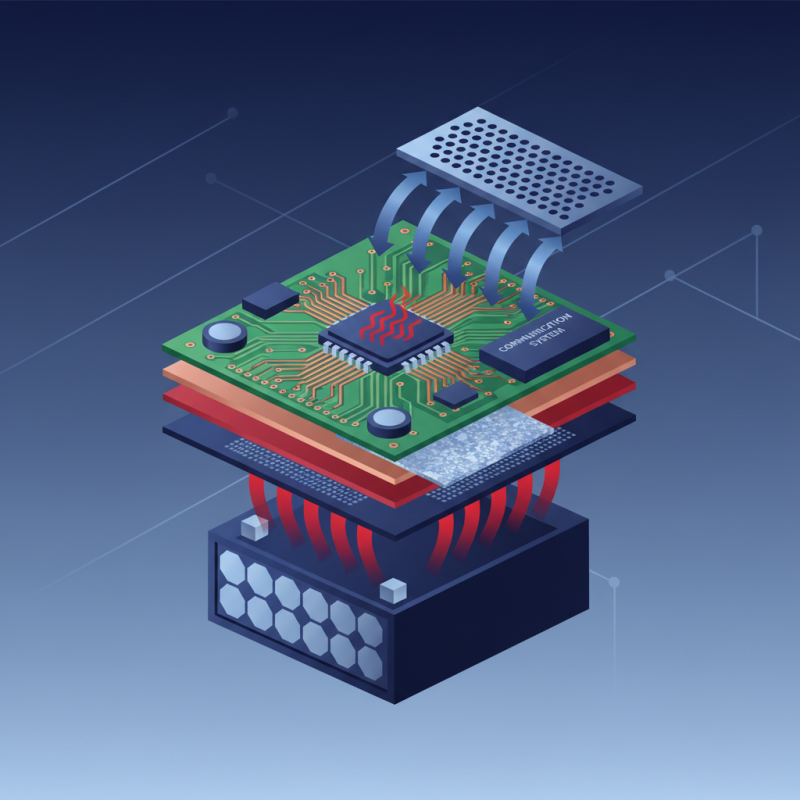
Understanding the Importance of Thermal Management in Automotive PCBs
Effective thermal management is crucial in automotive PCBs. This is because excess heat can lead to failures and reduced performance. Components like microcontrollers and power management chips generate significant heat. If not managed properly, overheating can compromise vehicle safety and reliability.
To optimize thermal management, consider the layout of the PCB. Place high-heat components near heat sinks. This promotes better heat dissipation. Use thermal pads and conductive materials to enhance heat transfer. Additionally, ensure proper air circulation is prioritized in the design.
Tips: Always account for the environment. Vehicles face extreme temperatures. Designing for both high and low heat situations is vital. Testing under different conditions can reveal potential issues. Another tip is to regularly review thermal performance. Data logs can help identify patterns. Keeping track allows for timely improvements and adjustments.
Key Thermal Management Challenges in Automotive Electronics Applications
Thermal management is a critical issue in automotive electronics applications. According to a report by MarketsandMarkets, the automotive thermal management market is expected to reach $36.56 billion by 2025. This surge highlights the significant challenges faced in managing heat within vehicle systems. Effective Thermal Management in PCBs ensures reliable performance but often encounters several hurdles.
One major challenge is the increasing power density of electronic components. Modern vehicles have more complex electronic systems, which generates substantial heat. For instance, electric vehicles can see temperatures rise above 100°C in power electronics. This extreme heat can lead to component failures if not managed properly. Additionally, materials used in PCBs may degrade under high temperatures, affecting the longevity of the circuit boards.
Another concern is the integration of multiple heat sources within limited spaces. Many automotive designs don’t allow adequate airflow or cooling paths. The heat generated by high-performance processors can accumulate rapidly. If these areas are not addressed, it could lead to thermal runaway or even system crashes. Current thermal management solutions may not fully fit the constantly evolving automotive landscape. Identifying the right approaches remains a challenge for engineers and designers striving for optimal thermal management.
Essential Materials for Effective Thermal Management in PCBs
Effective thermal management in automotive electronics is crucial for reliability and performance. Proper materials selection plays a significant role. Traditional FR-4 materials often fail at higher temperatures. A report by Yole Développement indicates that the automotive electronics market is expected to grow by over 5% annually. This growth increases the need for reliable thermal solutions.
Materials like aluminum and copper are common for heat dissipation. Their conductivity rates are significantly better than standard PCB materials. For instance, copper can offer thermal conductivity up to 400 W/mK, vastly outperforming basic substrates. However, integrating these materials into PCB designs can be complex. Designers must balance thermal properties with mechanical strength and weight considerations.
Utilizing thermal interface materials (TIMs) can enhance performance further. These materials fill gaps between components, improving heat transfer. However, choosing the wrong TIM can lead to thermal resistance issues. A study from IPC notes that improper thermal management leads to a 30% increase in failure rates in automotive applications. Understanding these material properties and their implications on PCB design is essential for optimizing thermal management in automotive electronics.
Design Techniques for Improved Thermal Dissipation in Automotive PCBs
Effective thermal management is crucial for automotive electronics. High temperatures can impact performance and longevity. Recent data suggests that approximately 40% of electronic failures in vehicles are related to thermal issues. Therefore, optimizing thermal dissipation in PCBs is vital.
Design techniques must include using thermal vias and copper pours to enhance heat transfer. For instance, strategically placing thermal vias can significantly lower the thermal resistance of the board. Studies reveal that optimizing these placements can improve heat dissipation by up to 30%. Moreover, integrating thermal pads and heat sinks is essential to manage localized hotspots.
A common oversight is neglecting the PCB layout during the design phase. Not considering different thermal expansion coefficients can lead to mechanical stress. This can result in micro-cracking. These flaws highlight the need for careful planning. More manufacturers are now addressing these challenges. It’s essential to reflect on these aspects to improve Thermal management in medical devices as well.
Thermal Analysis Methods for Automotive PCB Optimization
Thermal analysis is crucial in optimizing
Thermal Management for automotive PCBs. Engineers often face challenges in maintaining
temperature limits. High temperatures can lead to performance issues, and they can also shorten the lifespan of automotive components. Using simulations can help visualize heat distribution, revealing hotspots and areas that require better cooling solutions.
Implementing thermal analysis methods is essential.
Finite Element Analysis (FEA) provides a detailed assessment of thermal behavior.
Computational Fluid Dynamics (CFD) shows airflow patterns around components. These methods are not always perfect;
they may require multiple iterations to yield accurate results. Effective thermal management often involves
trial and error, and relying solely on simulations can be misleading.
Thermal management also integrates with the physical design of PCBs. Conductive materials and strategic layout choices enhance heat dissipation. However, designers must gather feedback from real-world testing. Practical insights may uncover overlooked thermal issues. Balancing simulation data and empirical evidence is a constant challenge. Nonetheless, continuous improvement leads to better automotive performance.
Utilizing Heat Sinks and Thermal Pads in PCB Design
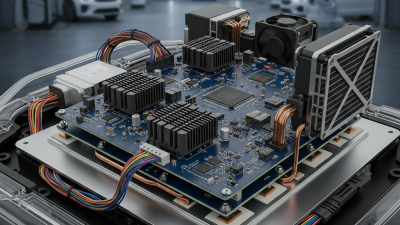
Effective thermal management is crucial in automotive electronics. Heat sinks and thermal pads play significant roles in managing temperature. A heat sink dissipates heat from critical components, enhancing reliability. Thermal pads, made from conductive materials, ensure efficient heat transfer between surfaces.
When designing your PCB, consider the placement of heat sinks. They should be positioned close to heat-generating elements. This decreases the thermal resistance and allows for better cooling. Use thermal pads between the heat sink and components to fill gaps. This ensures maximum contact and heat conduction.
Tips: Always assess the mounting method of heat sinks. Screw-mounting provides stability. Adhesives can be useful but may not withstand high temperatures. Conduct thorough testing. An ODM PCBA Thermal Cycle Test can validate your design and identify weaknesses. Testing helps to ensure your thermal management strategy is effective in real-world conditions.
How to Optimize Thermal Management PCB for Automotive Electronics?
| Component |
Function |
Material |
Thermal Conductivity (W/m·K) |
Thickness (mm) |
Applications |
| Heat Sink |
Dissipate heat from critical components |
Aluminum |
205 |
5 |
Microcontrollers, Power Modules |
| Thermal Pad |
Fill air gaps and enhance thermal coupling |
Silicone |
2.5 |
1 |
Integrated Circuits, LED Drivers |
| Thermal Interface Material |
Improve heat transfer between surfaces |
Graphite |
1,200 |
0.5 |
Power Amplifiers, High-Power LEDs |
| Cooling Fan |
Active cooling to dissipate heat |
Plastic |
N/A |
40 |
High-Performance Computing, Automotive Systems |
Future Trends in Thermal Management for Automotive Electronics
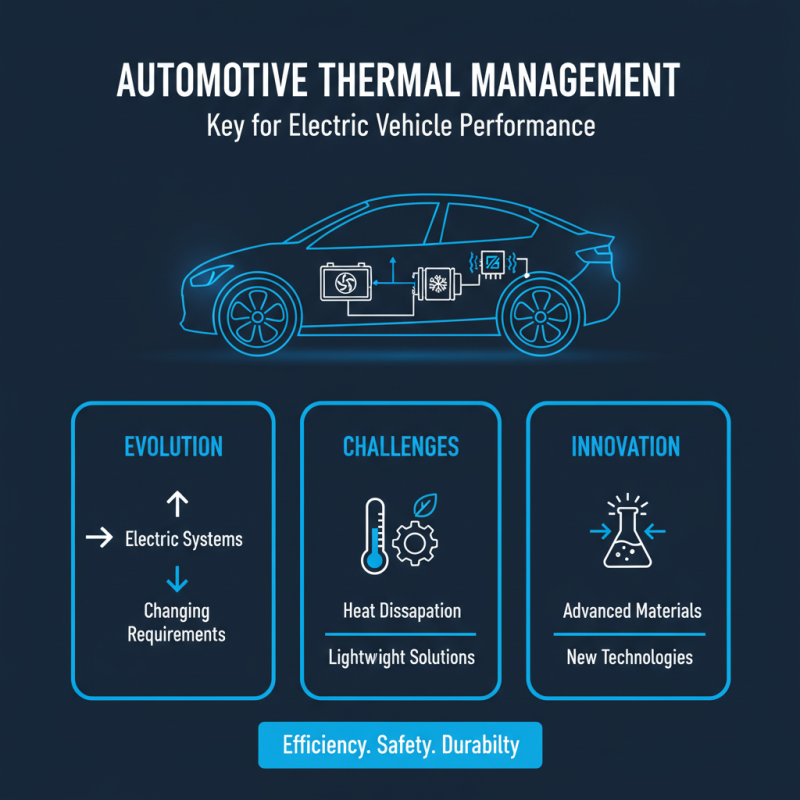
The automotive industry is rapidly evolving. Effective thermal management is key for vehicles powered by electric systems. Designers must adapt to changing requirements and technologies. This involves developing advanced materials and techniques. Lightweight solutions are essential. They ensure proper heat dissipation while maintaining structural integrity.
In the future, we might see innovations like phase change materials and advanced heat sinks. Such technologies could enhance performance but may also present challenges. Not every design will transfer seamlessly to new materials. Engineers need to test thoroughly. Real-world scenarios must guide decisions on thermal solutions. This can sometimes lead to unexpected results.
Ultimately, the path to optimizing thermal management is not linear. Trends may shift, and what works today might not work tomorrow. Continuous learning and adaptation will be crucial. Automotive electronics are vital for reliability and efficiency. Engineers must remain vigilant about these evolving needs in thermal management.
Advancements in 6-Layer High-Frequency Hybrid Pressing PCBs: Insights from Industry Reports on Rogers RO4350B Applications
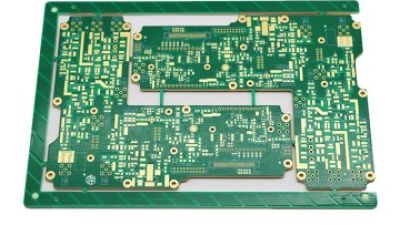
The emergence of 6-layer high-frequency hybrid pressing PCBs marks a significant advancement in the realm of electronic circuit design, particularly with materials like Rogers RO4350B. This technology is vital for applications requiring exceptional performance, such as 5G communication, satellite navigation, and advanced medical equipment. These PCBs are designed with precise impedance control, which is crucial for stable signal transmission. By minimizing distortion and loss, these boards ensure that high-frequency signals can be transmitted efficiently, thereby enhancing the overall functionality of electronic devices.
Furthermore, the advanced hybrid pressing technique employs a combination of high-quality materials that offer superior corrosion resistance and solderability. This is essential for ensuring reliable installation of components within various environments, particularly those that are complex and demanding. The robust construction and advanced via treatment not only enhance the durability of these PCBs but also provide unmatched reliability, making them an ideal choice for high-tech applications where performance is critical. As industries continue to push the boundaries of technology, the role of high-frequency hybrid pressing PCBs will undeniably grow, driving innovation in electronics.
FAQS
: Check the manual for troubleshooting tips. Sometimes, simple solutions are overlooked.
Regularly clean and maintain your device. A neglected item often underperforms.
Yes, many forget to update software. Staying current is crucial for optimal performance.
Look for the support section in the manual. Finding help can be more challenging than expected.
Absolutely! Sharing can help others avoid mistakes you made. Reflection improves future decisions.
Test features individually. Some may seem appealing but do not fit your needs well.
Most items come with a warranty. Read the terms carefully, as they vary significantly.
Consider if they truly enhance your experience. Sometimes, less is more in functionality.
Engage with official tutorials. However, personal experimentation often reveals unexpected insights.
Definitely! Initial impressions may change. Regular reflection can lead to better understanding.
Conclusion
Effective thermal management is crucial in the realm of Automotive PCBs, as it directly impacts the performance, reliability, and longevity of electronic components. Understanding the significance of thermal management helps engineers address key challenges, such as high temperatures due to compact designs and varying environmental conditions. By utilizing essential materials and innovative design techniques, automotive electronics can achieve improved thermal dissipation, ensuring optimal operation.
Thermal analysis methods play a vital role in optimizing Thermal Management PCB for Automotive Electronics, allowing for proactive identification of potential overheating issues. Incorporating heat sinks and thermal pads further enhances the heat dissipation capabilities of PCBs. As technology evolves, emerging trends in thermal management will continue to shape the future of automotive electronics, driving advancements in efficiency and performance. Overall, a comprehensive approach to thermal management is essential for the success and safety of automotive electronic systems.