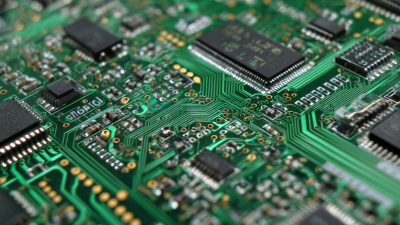
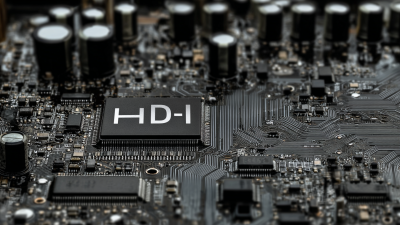
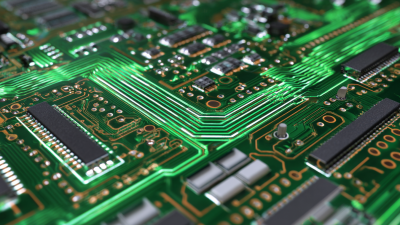
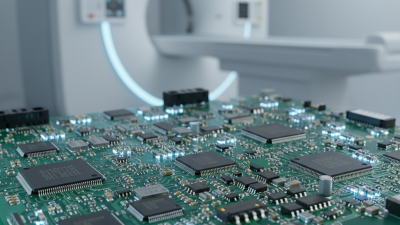
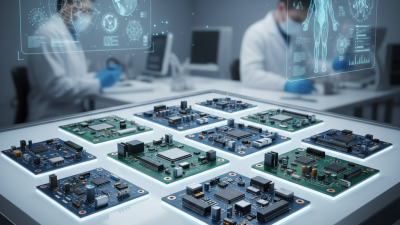
In the fast-changing world of global electronics manufacturing, sourcing high-quality High-Density Interconnect (HDI) PCBs is such a crucial part of the game. Did you know that the worldwide PCB market hit around $75 billion back in 2022? And honestly, it’s still on a pretty steep growth curve. A big reason for this boom? HDI PCBs are really taking center stage because everyone’s craving smaller, more efficient gadgets.
Companies like IPC and Gartner keep highlighting just how vital HDI tech is for making devices even more miniaturized and high-performing. But here’s the thing — finding reliable suppliers for these PCBs isn’t always a walk in the park. Not every manufacturer can meet the super demanding quality standards or keep up with the latest tech. Plus, trying to source these from different countries? That can get pretty tricky and might come with some unexpected risks.
Partnering with well-known players like Jabil or Flex can help boost trust and reliability. But don’t get too comfortable — costs can fluctuate, and regulations are always changing, which can be a real headache. Because of that, it’s super important for companies to do their homework — research, vet suppliers carefully, and build good relationships. In the long run, forging solid partnerships can make sourcing HDI PCBs smoother and help keep the production lines running efficiently.
Understanding HDI PCB and Its Importance in Electronics Manufacturing
High-Density Interconnect (HDI) PCBs play a vital role in modern electronics manufacturing. These advanced circuit boards enable miniaturization while enhancing performance. Reports show that the global HDI PCB market is projected to grow significantly, reaching approximately $26 billion by 2026. This growth highlights the increasing demand for smaller, more efficient devices, particularly in consumer electronics and automotive applications.
To successfully source HDI PCBs, manufacturers must understand their complexities. HDI PCBs feature finer lines and spaces, which increase component density. This allows for more functionality in a limited area. However, due to their intricate design, sourcing HDI PCBs can be challenging. It requires specialized knowledge and reliable partners.
Tips: Assess the technical capabilities of potential suppliers. A robust quality assurance process is crucial. Always check for certifications and previous work experience. Involve your engineering teams early in the sourcing process. Their insights can prevent costly mistakes.
Moreover, understanding the importance of material selection is critical. Different applications may require specific materials to ensure reliability and performance. Failing to choose the right material can impact functionality. Thus, it’s essential to reflect on the long-term implications of these decisions. Sourcing HDI PCBs is not simply a purchasing task; it’s a strategic endeavor that shapes product viability.
Key Criteria for Selecting HDI PCB Suppliers
Selecting the right HDI PCB supplier is crucial for your global electronics manufacturing. Start by assessing the supplier's experience inside the industry. A well-established supplier will have knowledge in producing HDI PCB, which is essential for complex designs. Additionally, consider their track record with high-frequency HDI PCB projects. This experience can make a significant difference in your product's performance.
Another important factor is the supplier’s technology capabilities. Look for suppliers who invest in advanced manufacturing technologies. This includes automation and precision equipment. These can enhance production quality and efficiency. A supplier's ability to provide prototypes quickly shows their commitment to innovation. But, it's worth reflecting on whether they can scale production to meet your growing demand.
Lastly, focus on customer support and responsiveness. A reliable supplier should maintain clear communication throughout the production process. Delays and misunderstandings can be costly. Evaluate their previous customer relationships. While many suppliers present themselves well, some may fall short on support when challenges arise. Be mindful of these aspects and weigh them carefully.
Identifying Reliable Sources for HDI PCB Globally
When sourcing HDI PCBs for global electronics manufacturing, identifying reliable suppliers is crucial. According to a 2022 report by IPC, over 40% of manufacturers struggle to find trustworthy sources. This gap signifies the importance of understanding supplier backgrounds and production capabilities.
One effective method to identify reliable HDI PCB suppliers is to assess their certifications. Look for ISO 9001 and IPC-A-600 standards. Certified manufacturers often demonstrate a commitment to quality and reliability. Visiting manufacturing facilities can provide insights into their processes. Additionally, supplier audits can reveal operational efficiency and adherence to industry standards.
Networking within the industry offers another avenue. Engaging in trade shows or forums can connect manufacturers with verified suppliers. Online platforms also facilitate access to feedback from other businesses. However, not all reviews are reliable; some may reflect biased experiences. Thus, it’s essential to analyze multiple sources before making a decision.
How to Source Hdi Pcb for Global Electronics Manufacturing? - Identifying Reliable Sources for HDI PCB Globally
| Region |
Production Capability |
Quality Standards |
Lead Time |
Cost Estimate (USD) |
| Asia |
High Volume |
ISO 9001, IPC Class 3 |
4-6 Weeks |
$20 - $30 |
| North America |
Medium Volume |
ISO 13485, IPC Class 3 |
3-5 Weeks |
$30 - $50 |
| Europe |
Low to Medium Volume |
ISO 9001, EN 9100 |
6-8 Weeks |
$40 - $70 |
| South America |
Low Volume |
ISO 9001 |
5-7 Weeks |
$25 - $45 |
Evaluating Supplier Capabilities and Quality Standards
When sourcing HDI PCBs for global electronics manufacturing, evaluating supplier capabilities is essential. It’s not enough to just look at prices. One must consider the technical expertise of suppliers. A robust supplier should demonstrate knowledge of advanced manufacturing processes. They should also provide evidence of successful projects. This includes quality control measures and certifications specific to
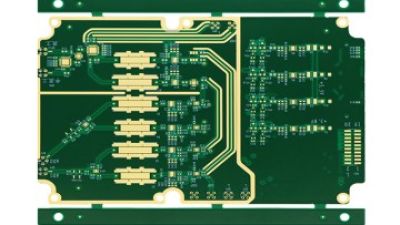
HDI PCB - 5G Communication HDI PCB designs.
Quality standards are equally crucial. Reliable suppliers adhere to international standards. They should have a clear quality assurance framework in place. Regular audits and product testing ensure that their products meet your specifications. Choosing a partner without these practices can lead to subpar performance. It’s disappointing when products fail during critical phases. Trust and accountability are vital here.
Additionally, assess their communication skills. Effective communication reflects a supplier’s professionalism. Misunderstandings can cause delays and increase costs. It is important to ask for references from previous clients. A lack of transparency might indicate underlying issues. Take the extra time to do your homework. This step can save you from future regrets.
Negotiating Terms and Contracts with HDI PCB Suppliers
Negotiating terms and contracts with Hdi Pcb suppliers requires a strategic approach. First, understanding the market dynamics is essential. The global HDI PCB market is projected to reach $17.78 billion by 2025, growing at a CAGR of 10.2%. This growth shows demand but also increased competition among suppliers.
When discussing contracts, clarity is crucial. Define your specifications and quality standards upfront. Misunderstandings can lead to delays and increased costs. Engage potential suppliers in discussions about their manufacturing processes. This helps you assess their capabilities and resources. Not every supplier can meet high-volume demands consistently.
**Tip:** Always inquire about lead times and possible penalties for delays. This ensures that you have a backup plan if things go wrong.
Another aspect to consider is pricing structures. Many suppliers offer volume discounts but may have hidden fees. Review all terms meticulously. Ensure you understand payment schedules and conditions for returns. Transparency in pricing can prevent disputes later on.
**Tip:** Build a good relationship with your supplier. Strong partnerships can lead to better negotiations in the future. Trust can sometimes outweigh mere contractual terms.
Logistics and Supply Chain Considerations for HDI PCB Sourcing
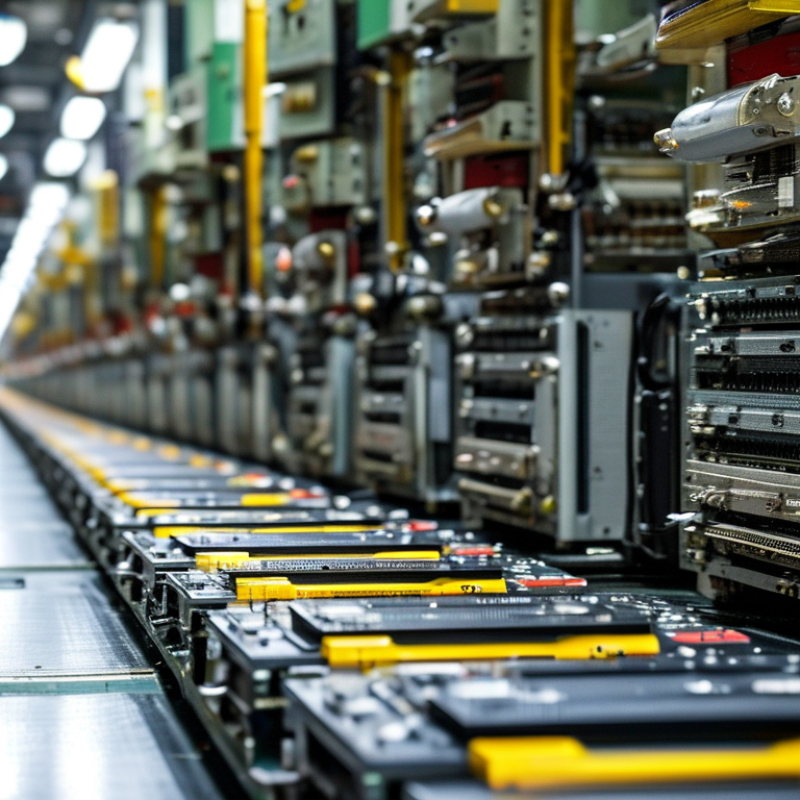
Sourcing HDI PCBs for global electronics manufacturing demands a keen focus on logistics and supply chain management. The world of electronics is complex and ever-evolving. According to a report by the IPC, the market for HDI PCBs is expected to grow by 10% annually. This change necessitates a robust supply chain to support increasing production demands.
When sourcing HDI PCBs, companies should consider local and international supply chain dynamics. Recent studies reveal that over 50% of companies experience delays due to inefficient logistics. These delays often stem from customs, transportation issues, and supplier coordination. Understanding these risks is crucial for maintaining production schedules.
Additionally, geographic location plays a pivotal role. Suppliers in regions with well-established logistics infrastructure can significantly reduce lead times. However, relying solely on one locality can pose risks. Diversification of suppliers across multiple regions may mitigate challenges but can also complicate communication. Balancing these factors requires a strategic approach to supply chain management. It is vital for businesses to continuously evaluate their sourcing strategies.
Trends and Innovations in HDI PCB Technology for Global Markets
As global electronics manufacturing evolves, HDI PCB technology plays a pivotal role. The demand for compact and efficient designs drives innovation. A recent report by the International Data Corporation highlights that the HDI PCB market is expected to grow at a CAGR of 12% from 2023 to 2028. This surge stems from the rise of 5G technology and IoT devices, emphasizing the need for lighter materials and multilayer designs.
New techniques, such as laser drilling and advanced surface finishes, enhance the performance of Hdi Pcb Boards, enabling higher density without sacrificing reliability. However, manufacturers face challenges. The finer features of HDI boards require precise fabrication processes, which can lead to increased production costs. Moreover, sourcing reliable raw materials remains a concern in maintaining quality standards.
Sustainability also emerges as a significant trend. Many manufacturers now prioritize eco-friendly materials while ensuring their HDI PCB boards meet stringent environmental regulations. Yet, balancing performance, cost, and sustainability can be tricky. Continuous research is essential to identify materials that fulfill these criteria without compromising functionality. The future of HDI technology will depend on addressing these complexities while meeting the ever-growing global demand.
Trends in HDI PCB Production Capacity (2023)
Exploring the Advantages of High-Frequency Hybrid Pressing PCBs: A Focus on Rogers RO4350B Technology
High-frequency hybrid pressing PCBs are paving the way for advanced applications, particularly through the innovative use of materials like Rogers RO4350B. This technology combines the benefits of high-performance substrates with the practical advantages of FR-4 materials, making it a superior choice for demanding environments. The precise impedance control ensures that signal integrity is maintained, which is crucial for applications such as 5G communication systems, automotive radar, and aerospace equipment.
Moreover, the integration of resin plug hole technology and a 6-layer immersion gold design enhances both thermal management and mechanical strength. These features collectively contribute to the reliability and durability required in high-speed and high-frequency settings. As the demand for innovative and efficient solutions grows, high-frequency hybrid pressing PCBs stand out as a cost-effective yet powerful option for engineers and manufacturers looking to push the boundaries of technology in various fields. With advanced manufacturing processes and strict quality control measures, these PCBs are engineered to meet the rigorous standards of modern applications.
FAQS
: Look for technical expertise, successful project evidence, and quality control measures.
Quality standards ensure reliable products and adherence to international guidelines.
Effective communication prevents misunderstandings that could lead to delays and increased costs.
References provide insights into a supplier's reliability and transparency in operations.
Inefficient logistics can cause significant delays and disrupt production schedules.
Choose suppliers in regions with strong logistics to reduce lead times, but diversify to mitigate risks.
Techniques like laser drilling enhance performance, but they may raise production costs.
Eco-friendly materials are prioritized, but balancing performance with costs remains challenging.
The rise of 5G and IoT devices drives demand for compact and efficient designs.
Precise fabrication processes are necessary but may increase costs and complicate sourcing materials.
Conclusion
The article "How to Source HDI PCB for Global Electronics Manufacturing" provides a comprehensive guide on the essential aspects of sourcing High-Density Interconnect Printed Circuit Boards (HDI PCB). It begins by explaining the significance of HDI PCBs in modern electronics manufacturing, emphasizing their role in enabling complex and compact designs. The article outlines key criteria for selecting reliable HDI PCB suppliers, which include assessing their technological capabilities, quality standards, and overall reputation in the industry.
Further, the article discusses methods for identifying trusted global sources for HDI PCBs and the importance of evaluating supplier capabilities to ensure consistent quality. It also covers critical aspects of negotiating terms and contracts, along with logistics and supply chain considerations essential for effective sourcing. Additionally, it highlights emerging trends and innovations in HDI PCB technology, providing valuable insights for manufacturers looking to stay competitive in the evolving global market.