Leave Your Message
-
E-mail
-
Whatsapp
-
Message
Discover our cutting-edge printed circuit boards engineered specifically for the rigorous demands of modern electric vehicle lighting systems.
The global transition towards electric mobility has fundamentally altered the automotive supply chain, placing unprecedented demands on electronic components. At the heart of this revolution is the Automotive-Grade PCB For EV Lighting. Unlike traditional internal combustion engine (ICE) vehicles, where lighting was primarily a basic safety and visibility feature, modern Electric Vehicles (EVs) utilize lighting as a core component of vehicle aesthetics, aerodynamics, energy efficiency, and even vehicle-to-everything (V2X) communication. This paradigm shift has elevated the commercial value and technical complexity of automotive printed circuit boards (PCBs).
Industrially, manufacturing an automotive-grade PCB is vastly different from producing standard consumer electronics. The automotive sector operates under the stringent IATF 16949 quality management standards and AEC-Q100 reliability testing protocols. An EV lighting PCB must endure extreme temperature fluctuations, high-intensity vibrations, and harsh chemical environments over a vehicle lifespan that often exceeds 15 years. Commercially, the market for EV lighting PCBs is experiencing exponential growth. As automakers integrate more advanced driver-assistance systems (ADAS), the lighting modules are becoming highly intelligent, requiring multi-layered, high-density interconnect (HDI) PCBs capable of rapid data transmission and exceptional thermal management.
The supply chain for these specialized circuit boards is highly consolidated among top-tier manufacturers who possess the advanced automated optical inspection (AOI) equipment, X-ray testing facilities, and high-precision drilling machines required to meet zero-defect mandates. As EV manufacturers push for longer driving ranges, the weight and energy consumption of lighting systems have come under scrutiny. Consequently, the industry is witnessing a massive transition towards lightweight, highly integrated metal-core PCBs (MCPCB) and rigid-flex designs that conform to the aerodynamic contours of modern EVs without compromising structural integrity.
Matrix LED systems utilize hundreds of individually controlled micro-LEDs. The PCBs powering these must feature ultra-fine pitch routing and exceptional thermal dissipation to prevent diode degradation.
OLED technology allows for 3D light signatures. Flexible and rigid-flex PCBs are critical here, allowing the circuitry to bend seamlessly around the vehicle's rear geometric designs.
Interior lighting now syncs with ADAS alerts and infotainment. High-density PCBs manage RGB color mixing and sensor integration in incredibly compact spaces within the dashboard and doors.
The application of an Automotive-Grade PCB For EV Lighting extends far beyond simple illumination. Let us examine the Smart Matrix LED Headlight system. These systems dynamically adjust the high beam to avoid blinding oncoming traffic while keeping the rest of the road brightly lit. This requires a PCB that not only houses the high-power LEDs but also integrates microcontrollers and CAN/LIN bus communication interfaces. The thermal density in these compact headlight housings is immense. Therefore, manufacturers employ heavy copper layers (often 2oz to 4oz) and strategically placed thermal vias to draw heat away from the LED junctions, ensuring longevity and consistent lumen output.
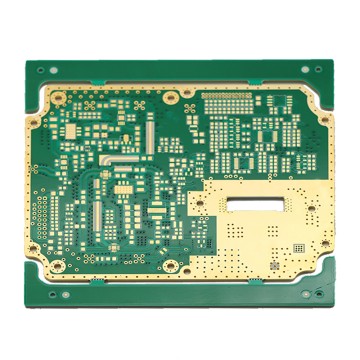
Another critical application scenario is the integration of LiDAR and optical sensors directly into the lighting clusters. As EVs move closer to autonomous driving, the headlamp assembly is becoming a sensor hub. The PCBs within these hubs must be hybrid boards—combining standard FR4 materials for power and logic with high-frequency materials (such as Rogers or Taconic) for radar and LiDAR signal processing. This mixed-material pressing technology is highly complex and represents the pinnacle of current PCB manufacturing capabilities.
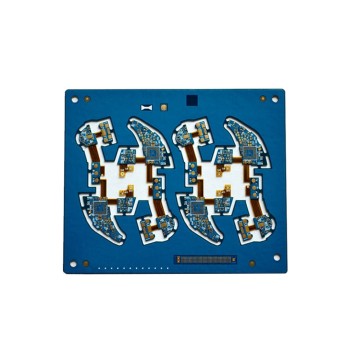
Furthermore, dynamic taillights are now being used to communicate intent to pedestrians and other drivers—displaying warning symbols or battery charge status. This requires extensive arrays of LEDs mounted on large-format PCBs. To fit these into the sweeping, aerodynamic curves of an EV's rear end, engineers increasingly rely on rigid-flex PCBs. These boards provide the rigid stability needed for component mounting while offering the flexibility to fold and conform to tight, non-planar housing spaces, drastically reducing assembly time and the need for vulnerable wiring harnesses.
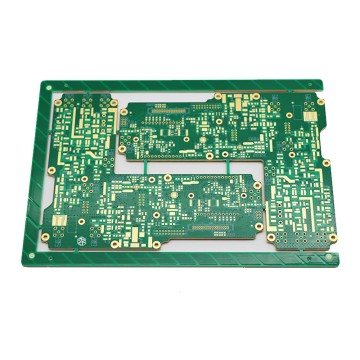
The technological trajectory of the Automotive-Grade PCB For EV Lighting is driven by three main factors: miniaturization, thermal management, and smart integration. As automotive designers demand sleeker, narrower headlamp profiles to improve aerodynamics and EV range, the internal circuit boards must shrink while handling more power. This is driving the adoption of High-Density Interconnect (HDI) technology in automotive lighting. HDI boards utilize micro-vias, blind vias, and buried vias to dramatically increase component density, allowing complex control matrices to fit within millimeter-thin profiles.
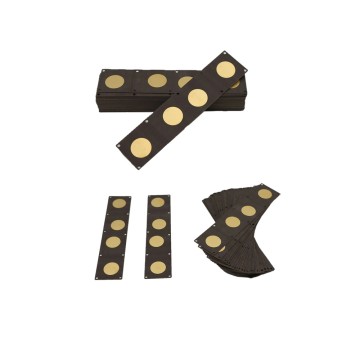
Thermal management remains the most critical engineering challenge. High-power LEDs generate significant localized heat. The industry is moving beyond standard metal-core PCBs (MCPCBs) towards advanced solutions like Direct Bond Copper (DBC) and thermoelectric cooling integration directly on the board level. Additionally, the use of High-TG (Glass Transition Temperature) FR4 materials, such as TG170 and above, is becoming standard. These materials prevent the PCB from warping or delaminating under the severe thermal cycling experienced in an automotive environment.
Another profound trend is the shift towards Mini-LED and Micro-LED technologies for automotive displays and lighting. These technologies require PCBs with incredibly precise surface finishes. Immersion Gold (ENIG) and Electroless Palladium Immersion Gold (ENEPIG) are becoming the preferred surface treatments, offering perfectly flat pads for the microscopic soldering required by Mini-LEDs, while also providing superior resistance to oxidation and corrosion over the vehicle's lifespan. AI-driven manufacturing and automated optical inspection are now mandatory to ensure the zero-defect reliability expected in these next-generation EV lighting systems.
Delivering flawless automotive-grade solutions requires world-class facilities and an uncompromising commitment to quality.
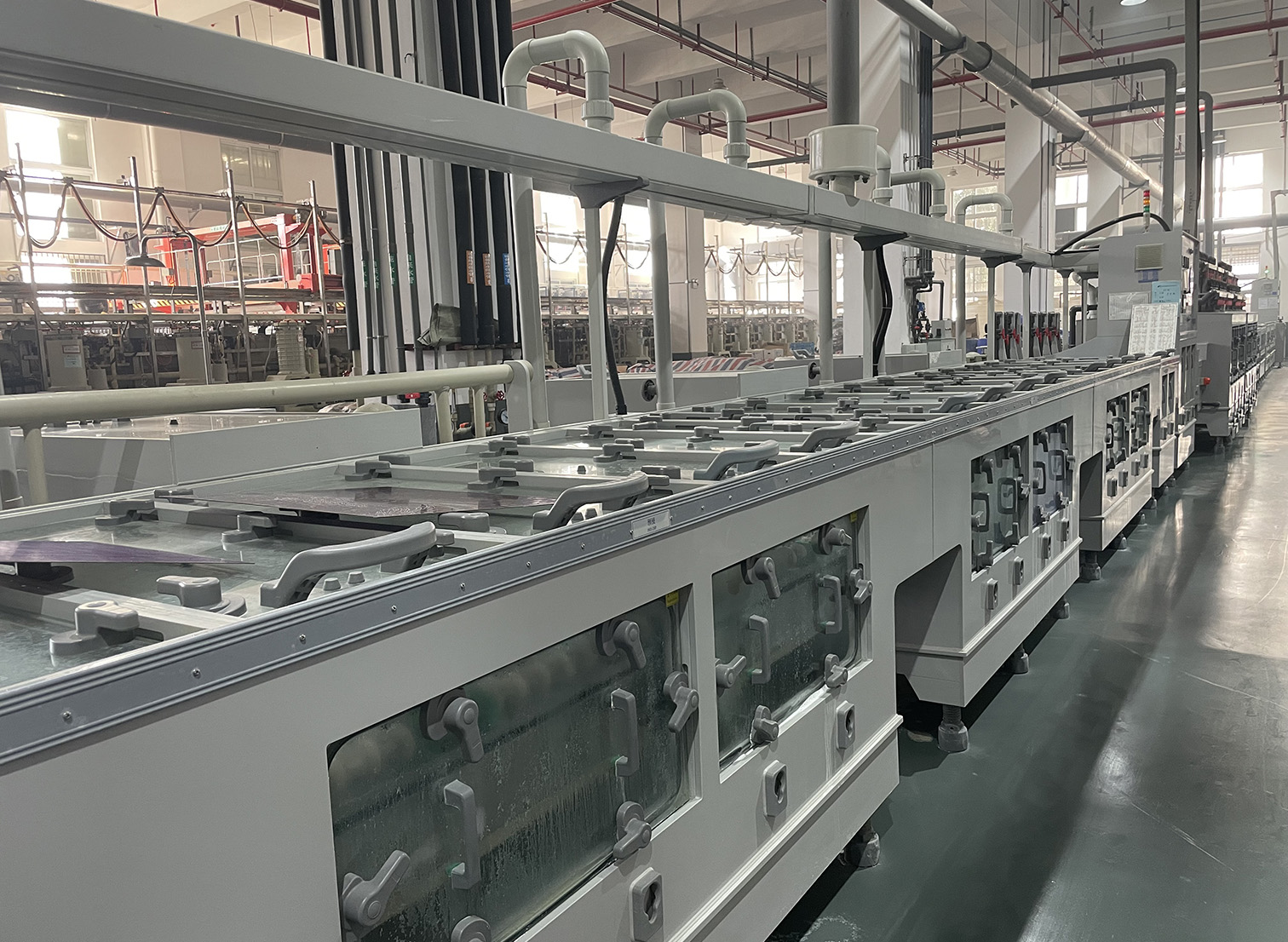
As a company involved in the development and design of multiple scientific research products, our products are widely applied in various fields such as aviation, aerospace, automotive electronics, medical devices, industrial control, mobile terminal devices, servers, smart homes, AI applications, new energy, mini LED and testing instruments, etc.
We have a high-quality and highly capable technology R&D team, adhering to the development concept of high-end brands and products, and serving global customers. Our products are exported to various regions of the world. We continue to lead in the production of small batches, multiple varieties, high difficulty and high-precision products in differentiated market competition.
We have complete sets of advanced automatic production and testing equipment, strictly control every process, and are committed to the meticulous and perfect quality of products. All products strictly adopt international IPC standards for production and inspection, with 24-hour high quality one-on-one service.
Over 20 years of PCB R&D, design and production. With a team of over 800 design engineers, striving for excellence, our service network has spread all over the world.

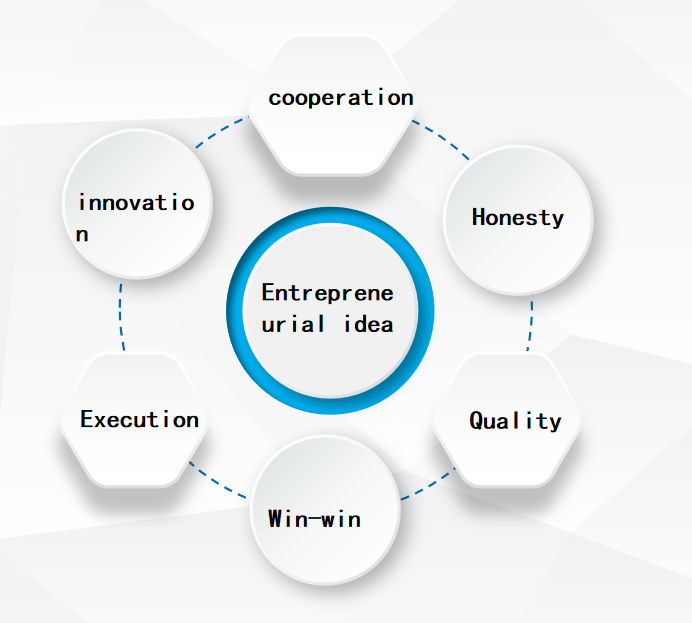
We uphold the spirit of craftsmanship to build intelligent manufacturing, leading the industry with technology and driven by technological innovation. We'll strive for excellence and become a leader in the industry, continuously strengthening our core competitiveness and establishing a leading position in various fields.
Explore our full range of advanced circuit boards, engineered to support the complex ecosystems of modern electric vehicles, from lighting to power management.