Leave Your Message
-
E-mail
-
Whatsapp
-
Message
High-performance substrates engineered to survive extreme outdoor environments and deliver uninterrupted user interfaces.
The global transition toward electric vehicles (EVs) has triggered an unprecedented expansion of EV charging infrastructure. Modern charging stations are no longer merely passive power outlets; they have evolved into interactive, smart nodes of the urban energy grid. At the heart of this evolution is the human-machine interface (HMI) and diagnostic signaling systems, heavily powered by specialized Automotive LED PCBs for Charging Infrastructure. These circuit boards must deliver relentless durability, high-brightness signaling, and superior thermal management under extreme weather conditions.
From simple residential AC wallboxes to ultra-fast 350 kW DC charging hubs, clear visual communication is critical. High-brightness LED indicators, status rings, and backlit displays guide drivers through the authentication, charging, and payment processes. However, integrating high-power LEDs into outdoor charging enclosures presents severe engineering challenges. These include continuous solar load, rapid thermal cycling, moisture ingress, and high electrical noise. Consequently, automotive-grade LED PCBs have become the industry standard to ensure system longevity and prevent costly field failures.
Aluminum and ceramic substrates dissipate heat rapidly, protecting high-power LEDs from degradation and maintaining constant brightness.
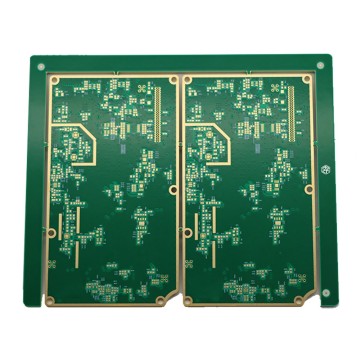
Designed with High TG170 materials and metal edges to withstand moisture, thermal shock, and UV exposure in public spaces.
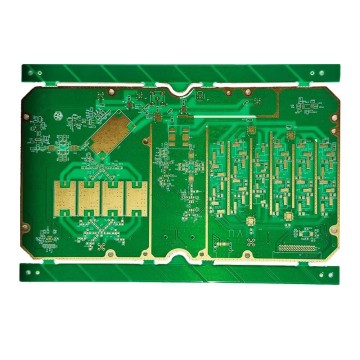
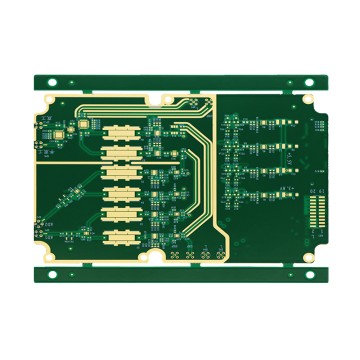
Combines RF communication, NFC payment interfaces, and LED signaling onto hybrid multi-layer high-frequency substrates.
Commercial operators of EV charging networks, such as ChargePoint, Ionity, and Tesla, prioritize uptime above all else. A dark screen or a non-functioning LED status ring can lead to user frustration and lost revenue. As a result, procurement strategies have shifted from general-purpose FR4 boards to high-reliability automotive-grade LED PCBs. These boards utilize advanced metal core (MCPCB), ceramic substrate, or hybrid high-TG epoxy technologies. Furthermore, the integration of smart ambient lighting and interactive LED indicators is projected to grow at a CAGR of over 18% through 2030, driven by the global deployment of public DC fast chargers.
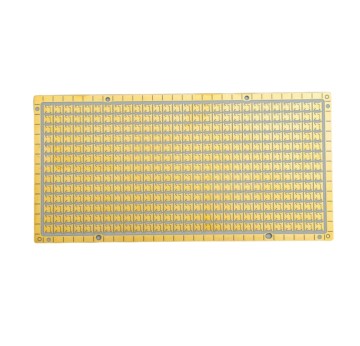
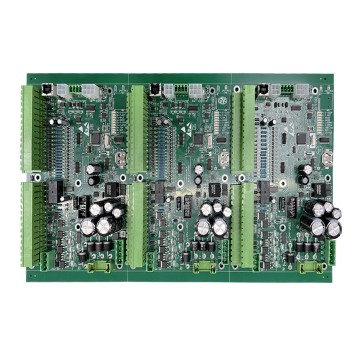
One of the most prominent uses of Automotive LED PCBs in charging infrastructure is the implementation of dynamic, multi-color LED rings or light bars. Located at the top of the charging pile, these indicators provide distant visibility of the station's status (green for available, pulsing blue for charging, red for fault, and solid blue for fully charged). These systems require high-power LEDs driven at constant currents. To prevent the LEDs from overheating and losing color accuracy, we utilize specialized metal-clad PCBs (MCPCBs) or ceramic substrates that channel heat away from the light source, ensuring a service life exceeding 100,000 hours.
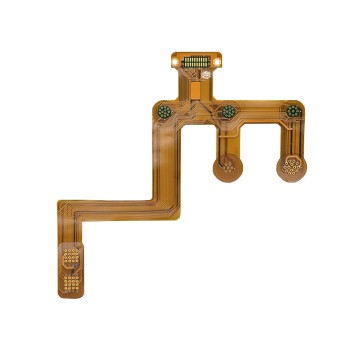
Modern fast chargers feature high-resolution touchscreens and backlit physical buttons. The backlighting systems rely on high-density LED arrays mounted on flexible or ultra-thin rigid-flex PCBs. These boards must conform to the tight physical constraints of the display module while providing uniform illumination across wide temperature ranges (-40°C to +85°C). By utilizing advanced flexible PCB solutions, designers can create thinner, more ergonomic charging housings without compromising on structural integrity or thermal performance.
Public charging stations must be safe and well-lit at night. Many commercial chargers incorporate high-power LED floodlights directly into the chassis. These lighting systems are powered by high-voltage, high-power LED PCBs that operate directly from the station's auxiliary power supply. These boards feature thick copper layers and metal edge plating to handle high currents and provide structural grounding, ensuring safe operation even during lightning surges or grid fluctuations.
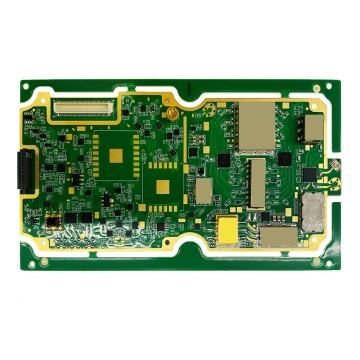
As charging stations integrate with smart city grids, the LED PCB is no longer just a display board—it is part of a communication system. High-frequency hybrid pressing PCBs, combining Rogers materials with standard FR4, are used to integrate NFC/RFID antennas, Wi-Fi modules, and status LEDs onto a single board. This reduces component count, minimizes signal interference, and simplifies assembly, driving down the total cost of ownership for charging network operators.
With over 20 years of dedicated PCB R&D, design, and production experience, we stand at the forefront of the electronic manufacturing services (EMS) industry. Supported by a global network and a powerhouse team of over 800 design engineers, we strive for excellence in translating complex client requirements into high-yielding physical products.
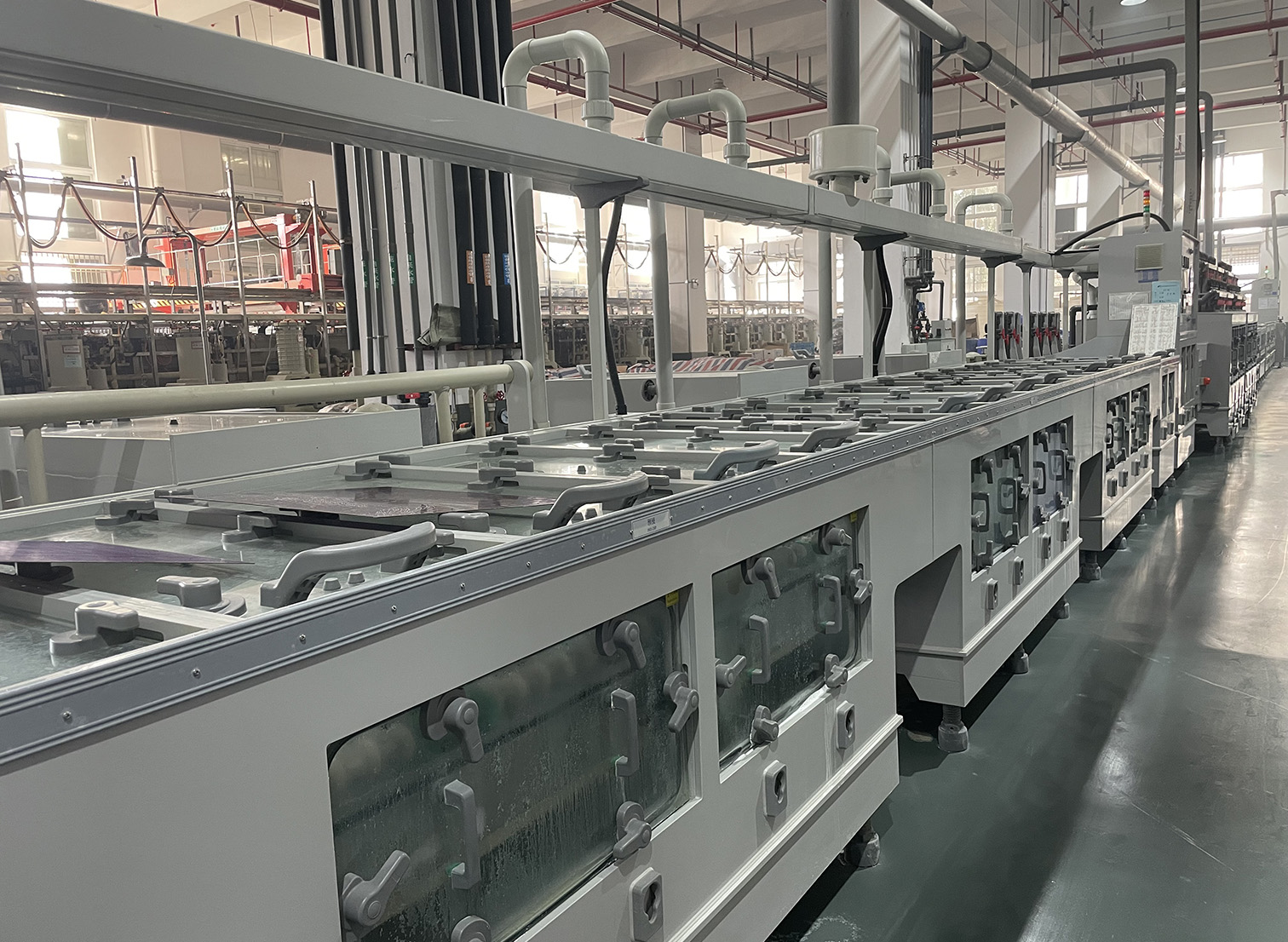
As a leading developer and manufacturer of high-reliability scientific research and industrial products, our solutions are widely applied in demanding sectors including aviation, aerospace, medical devices, industrial control, smart homes, AI applications, mini LEDs, and EV charging infrastructure. We have built a high-quality technology R&D team committed to serving premium global brands.
We continue to lead in the production of small batches, high-mix, high-difficulty, and high-precision circuit boards. Equipped with state-of-the-art automatic production lines and rigorous testing equipment, we strictly control every step of the fabrication process. All products strictly adopt international IPC standards for production and inspection, backed by 24-hour high-quality, one-on-one technical support.

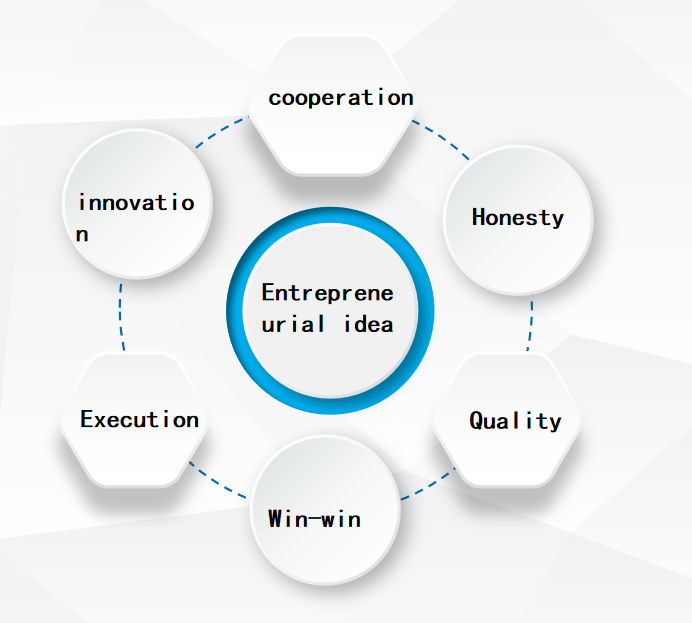
Our Value: We uphold the spirit of craftsmanship to build intelligent manufacturing, leading the industry with technology and driven by technological innovation. We strive for excellence and aim to remain a leader in the industry, continuously strengthening our core competitiveness and establishing a leading position in EV infrastructure and automotive electronics fields.
Corporate Culture:
Explore our full range of high-frequency, high-power, and flexible circuit boards customized for next-generation charging infrastructure.