3.Thermal Management for Efficient Performance
oHigh-frequency systems generate significant heat, especially in high-speed, high-power applications like radar and satellite communication. Our PCBs are designed to manage heat effectively, using materials with high thermal conductivity to dissipate heat efficiently, ensuring the stability and reliability of your mmWave systems over time.
4.High-Density Interconnect (HDI) Capabilities
oMillimeter-wave applications often require compact and precise PCB designs. Our HDI PCB solutions enable the creation of small-form-factor boards with dense interconnects, reducing space while maintaining the required performance. This is crucial in applications where the device size and layout are critical, such as in 5G small cells and radar sensors.
5.Excellent Mechanical and Environmental Stability
oOur high-frequency PCBs are designed to withstand harsh environments and extreme conditions. With low moisture absorption, high dimensional stability, and excellent mechanical properties, our PCBs maintain consistent performance even under temperature fluctuations and environmental stress.
6.RoHS Compliance for Sustainable Manufacturing
oAll of our high-frequency PCB solutions are RoHS compliant, ensuring they meet the environmental standards required in today’s electronics manufacturing. Our commitment to sustainability means that our products are free from harmful substances, making them suitable for environmentally conscious and regulatory-compliant applications.
High-Frequency PCBA Manufacturing and Design for Millimeter-Wave Applications
As the demand for high-speed data transmission continues to rise, millimeter-wave (mmWave) technology has become a critical enabler for applications such as 5G, autonomous vehicles, and advanced radar systems. High-frequency PCBAs (Printed Circuit Board Assemblies play a pivotal role in achieving the performance required for mmWave systems. This article delves into the essential aspects of high-frequency PCBA design and manufacturing, focusing on the unique challenges and solutions that make them suitable for mmWave applications.
What is High-Frequency PCBA?
High-frequency PCBA refers to the integration of circuit board assemblies that operate at radio frequencies (RF) higher than standard, typically exceeding 1 GHz. These PCBs are specifically designed to handle the unique electrical characteristics of high-frequency signals, such as low signal loss, minimal crosstalk, and optimal impedance matching.
For millimeter-wave applications, PCBs must maintain signal integrity, reduce losses, and minimize distortion. Materials and manufacturing processes used in these PCBAs are critical for optimizing performance and ensuring long-term reliability.
Key Features of High-Frequency PCBA Design for Millimeter-Wave Applications
1.Low Dielectric Loss (Df)
One of the primary challenges in high-frequency PCBA design is minimizing signal loss. The low dielectric loss of the materials used ensures minimal attenuation of high-frequency signals, a key requirement for mmWave communication, which operates in the 30 GHz to 300 GHz range.
2.Stable Dielectric Constant (Dk)
A stable Dk across the frequency spectrum is essential for ensuring consistent signal transmission. This stability helps in reducing phase distortion, which is critical in high-speed data applications like 5G.
3.High-Speed Performance
High-speed data transmission requires that the PCB design supports fast switching times and high-bandwidth signals. The materials used must not only have low loss but also support ultra-fast data transmission with minimal impedance variation.
4.Thermal Management
High-frequency circuits generate significant heat. Effective thermal management is vital to prevent overheating and maintain performance integrity. Advanced materials with high thermal conductivity, such as copper-clad laminates, are often used to ensure heat dissipation in mmWave PCBs.
5.Environmental Resilience
Millimeter-wave systems are often used in harsh environments, such as in defense applications or outdoor 5G infrastructure. Therefore, high-frequency PCBs need to withstand extreme temperatures, humidity, and mechanical stress, maintaining their performance in diverse conditions.High-Frequency PCBA Manufacturing and Design for Millimeter-Wave Applications
As the demand for high-speed data transmission continues to rise, millimeter-wave (mmWave) technology has become a critical enabler for applications such as 5G, autonomous vehicles, and advanced radar systems. High-frequency PCBAs (Printed Circuit Board Assemblies play a pivotal role in achieving the performance required for mmWave systems. This article delves into the essential aspects of high-frequency PCBA design and manufacturing, focusing on the unique challenges and solutions that make them suitable for mmWave applications.
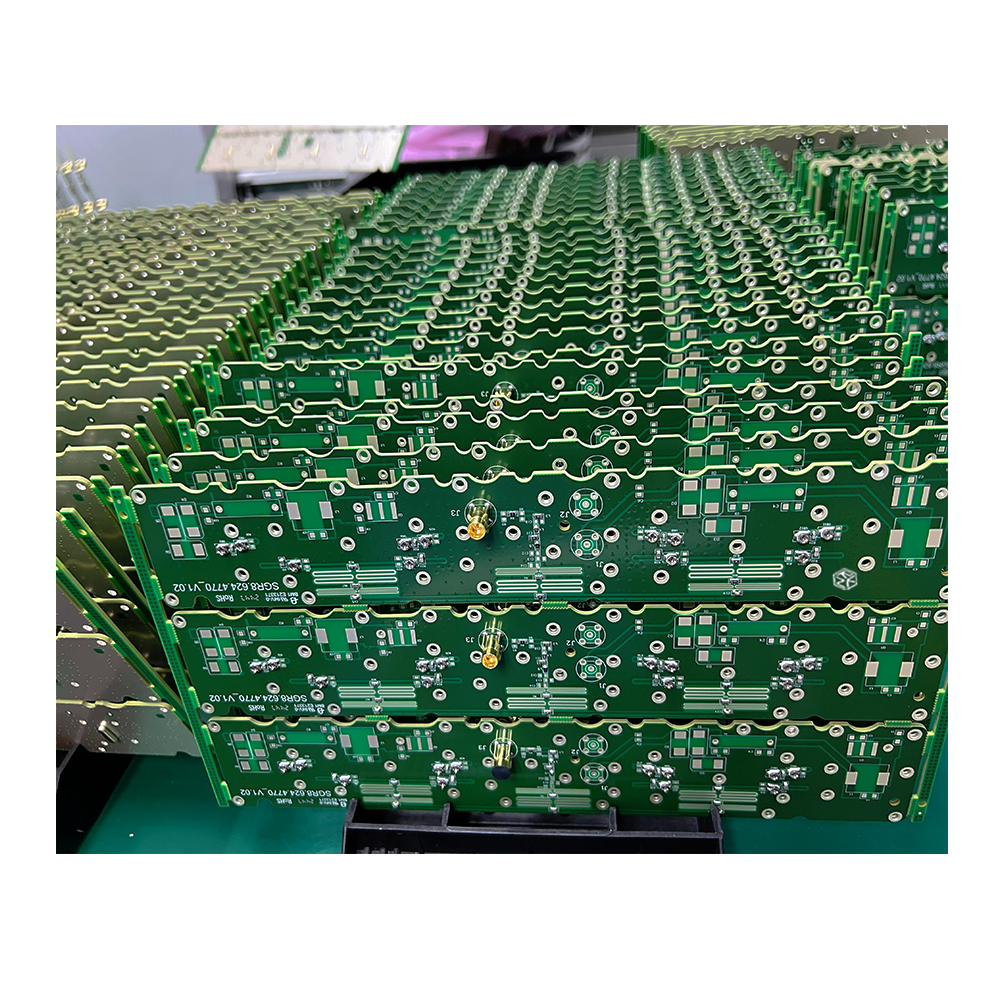
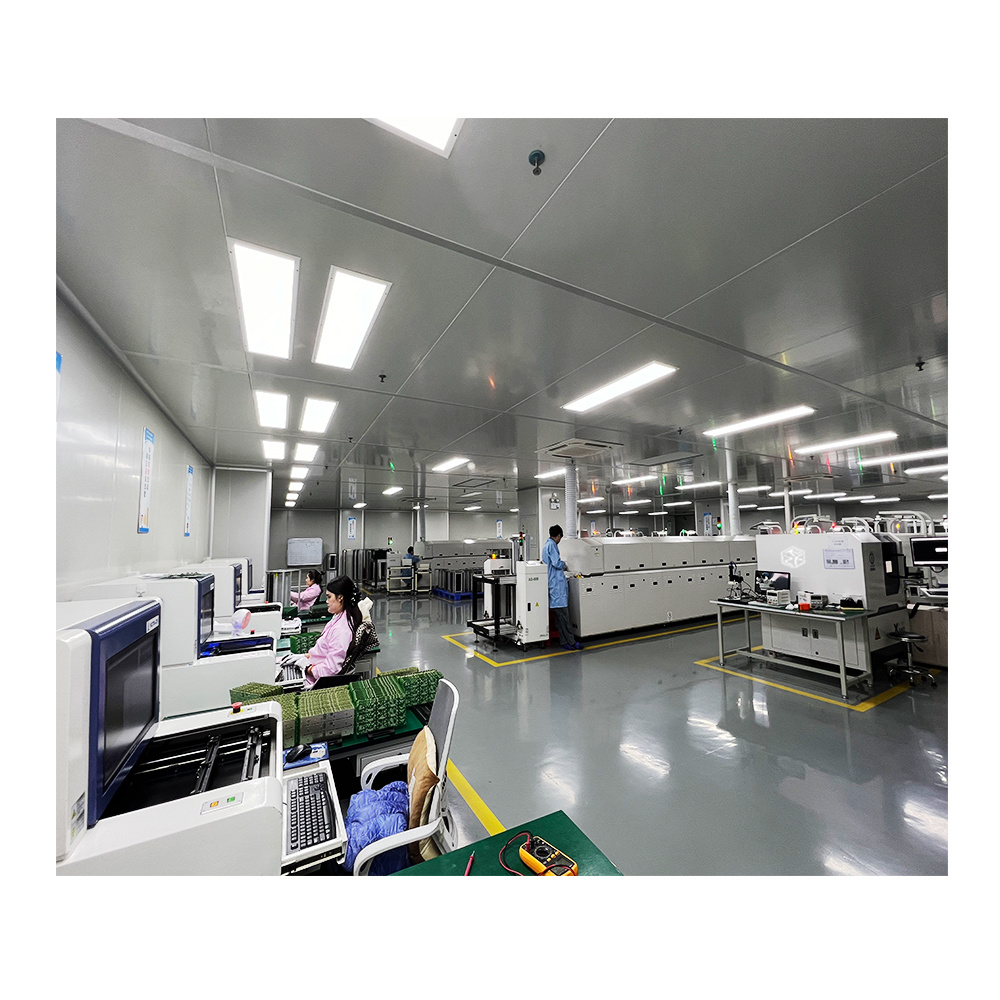
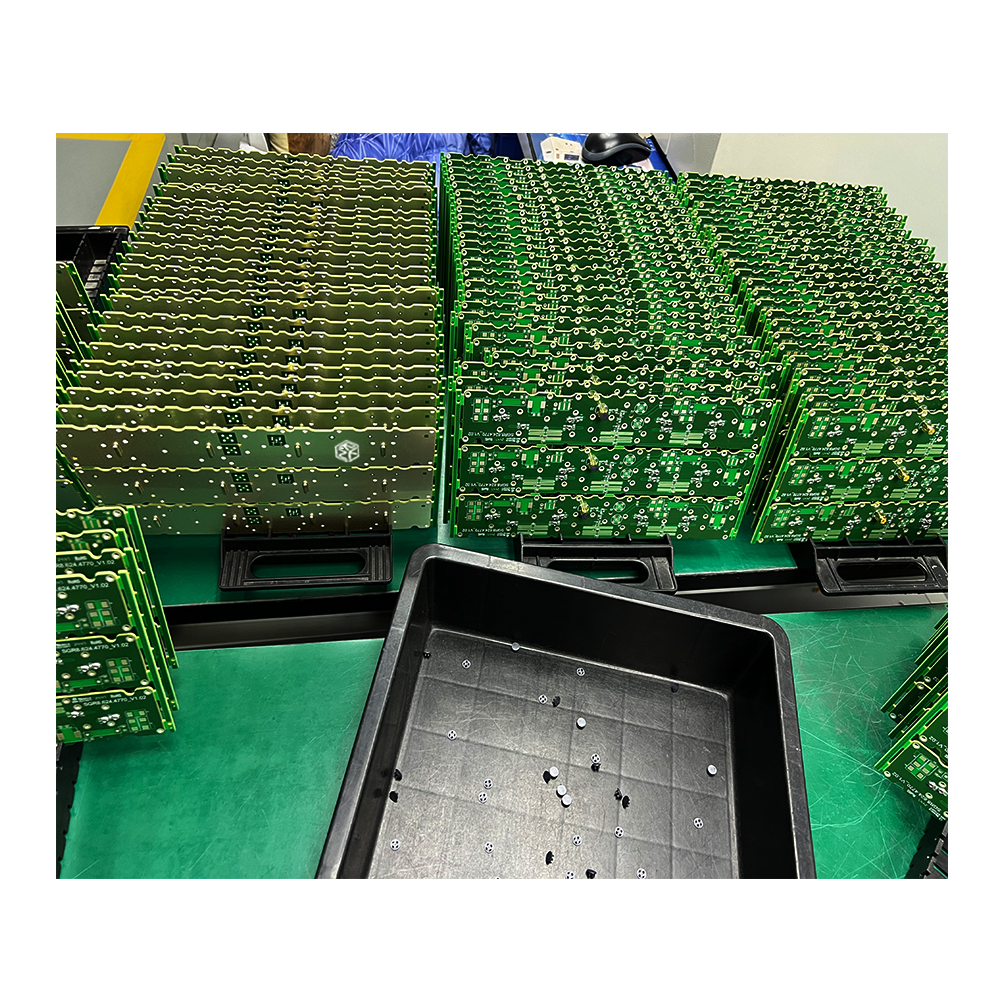
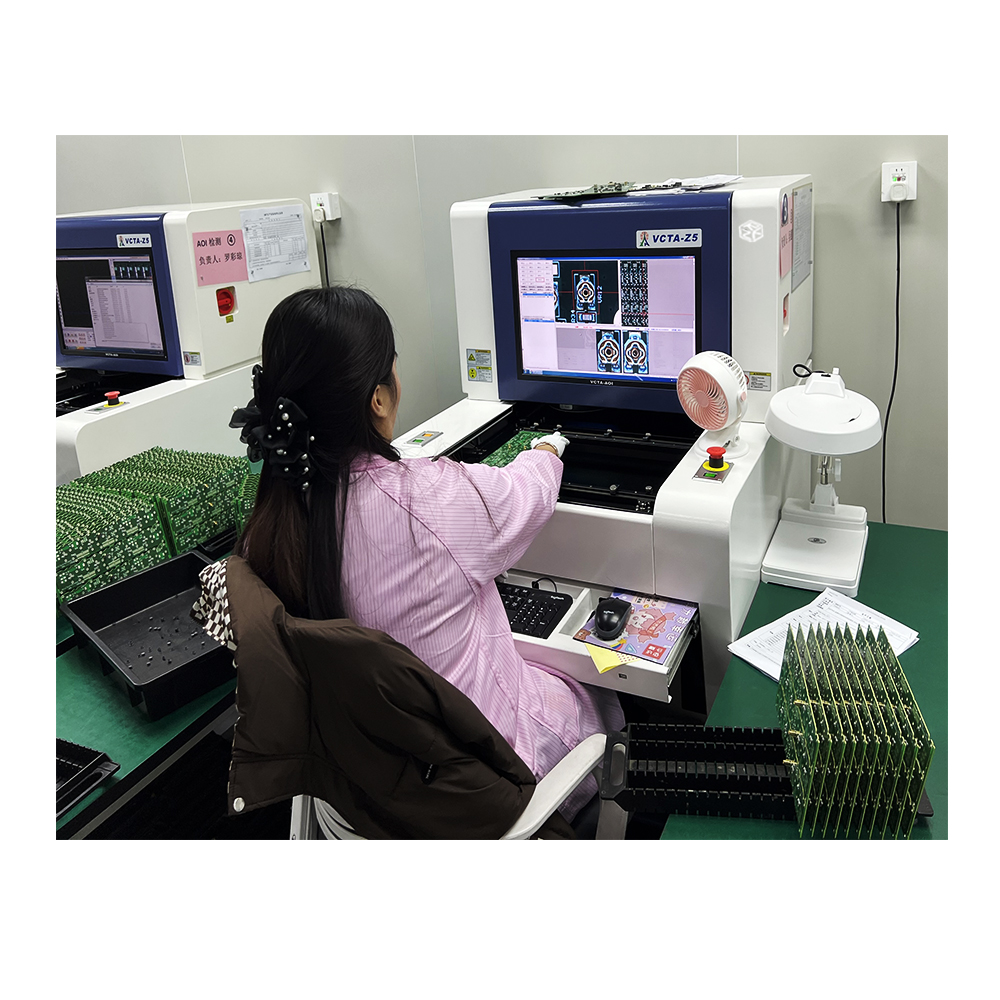
5.Quality Control and TestingoEvery high-frequency PCB we produce undergoes rigorous testing to ensure it meets the highest standards. Our testing includes impedance testing, signal integrity testing, and thermal cycling, among others, to ensure that each PCB performs reliably in real-world conditions.
Product Features and Quality Control
1.Low Dielectric Loss (Df) for Enhanced Performance
oOur PCBs are made with advanced materials that feature minimal dielectric loss (Df), which is critical for maintaining the integrity of high-frequency signals. This ensures that the signal remains strong and clear, even at mmWave frequencies.
2.High-Speed Signal Transmission
oOur high-frequency solutions are designed for ultra-fast data transfer, making them ideal for 5G, radar, and satellite communication systems. By minimizing impedance variations and maintaining stable transmission speeds, we ensure seamless communication in demanding environments.
3.Superior Thermal Management
oEfficient thermal management is vital for high-frequency systems, and our PCBs are designed with materials that offer excellent thermal conductivity. This ensures that heat is dissipated effectively, preventing thermal issues that could impact system performance.
4.Environmentally Safe Manufacturing
oOur products are RoHS-compliant, ensuring that they meet environmental standards and are free from harmful substances. This commitment to sustainability ensures that our solutions are not only high-performing but also eco-friendly.
5.Quality Control and Testing Standards
oOur rigorous quality control process includes:
●Impedance Testing: Ensures the integrity of signal transmission by verifying the consistency of impedance across the PCB.
●Signal Integrity Testing: We test the PCBs for signal degradation to ensure high fidelity and low loss.
●Thermal Cycling and Reliability Testing: We simulate real-world conditions to test the stability of our PCBs under extreme temperatures and environmental stress.
1.What is the role of PCB Assembly in millimeter-wave applications?
PCB Assembly (PCBA) is crucial in millimeter-wave applications as it ensures the proper integration of components onto the RF board. Proper assembly minimizes signal loss, improves reliability, and optimizes overall system performance, especially for demanding technologies like 5G and radar.
2.Why is low-loss performance important for RF boards?
Low-loss materials in PCBA circuit boards are essential to minimize signal degradation, especially in mmWave applications. These materials ensure high-speed data transmission without compromising signal integrity, which is vital for applications such as 5G networks and radar systems.
3.What are the key advantages of using high-frequency PCBs for millimeter-wave applications?
High-frequency PCBs provide improved signal integrity, minimal loss, and exceptional thermal management. These features are particularly beneficial in 5G infrastructure, radar, and satellite communication systems, where performance is critical for high-speed, low-latency operations.
4.How does PCB Assembly contribute to the performance of high-frequency systems?
PCB Assembly plays a vital role in ensuring high-frequency systems' performance. It ensures that each component is placed accurately on the RF board, reducing impedance variations and signal loss, which can impact the system’s overall efficiency, especially in mmWave technology.
5.Can your high-frequency PCB solutions be used for 5G applications?
Yes, our high-frequency PCBs are optimized for 5G applications, providing low-loss performance and high-speed signal transmission required for 5G base stations, small cells, and backhaul infrastructure.
6.What materials are commonly used for PCBA circuit boards in high-frequency applications?
Materials such as PTFE (Polytetrafluoroethylene), ceramic-filled FR4, and other low-loss substrates are used in PCBA circuit boards for mmWave and RF board applications to ensure high-speed transmission and minimal signal degradation.
7.How do you ensure the quality of your RF board in high-frequency applications?
We ensure the quality of our RF board solutions through rigorous quality control processes, including impedance testing, signal integrity testing, and thermal management analysis. Every PCB assembly undergoes detailed inspection to meet high-performance standards for millimeter-wave applications.
8.Why are low-loss materials essential for mmWave PCB designs?
Low-loss materials in mmWave PCB designs ensure efficient signal transmission by reducing signal attenuation, which is critical for high-frequency applications where preserving signal strength is crucial. These materials are carefully selected for their ability to maintain high integrity at GHz frequencies.
9.How do you handle heat management in high-frequency PCBs for mmWave applications?
Our high-frequency PCBs are designed with advanced materials that provide excellent thermal conductivity. This allows for efficient heat dissipation, preventing thermal issues that could affect the reliability of the RF board in power-intensive applications like radar and satellite systems.
10.What makes your PCBA circuit boards ideal for 5G radar systems?
Our PCBA circuit boards are optimized for 5G radar systems, offering low-loss signal transmission, superior impedance control, and excellent thermal management. These features ensure that RF boards operate at peak performance, enabling accurate, real-time data transmission for autonomous vehicles and defense applications.
Our high-frequency PCB solutions are engineered to meet the demanding requirements of millimeter-wave applications, offering exceptional performance in 5G, radar, satellite communication, and more. With low-loss materials, high-speed performance, and superior thermal management, our PCBs are the perfect choice for next-generation systems that rely on mmWave technology.
If you’re looking for high-performance PCBs for your millimeter-wave applications, contact us today to learn more about how our solutions can elevate your technology to the next level.