

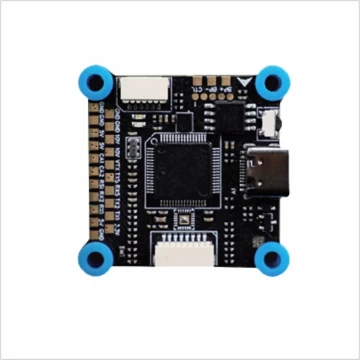
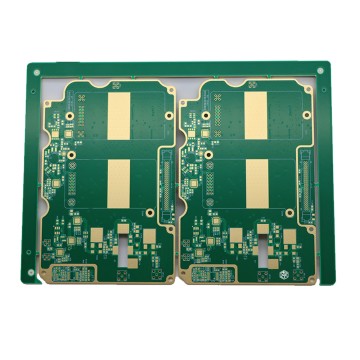
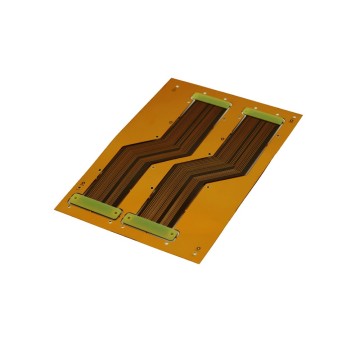
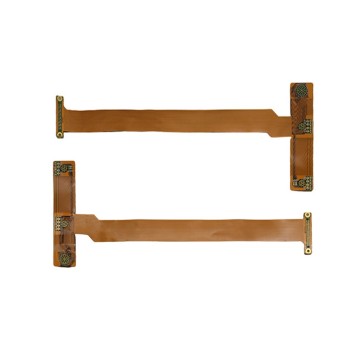
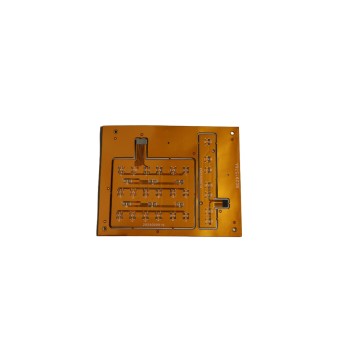
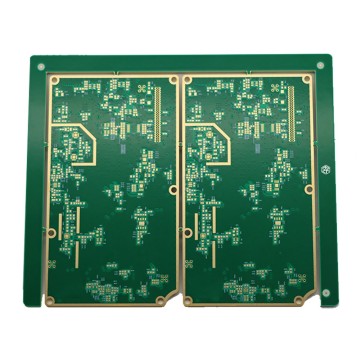
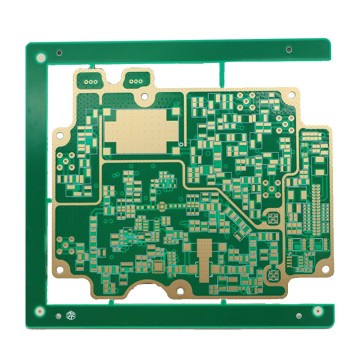
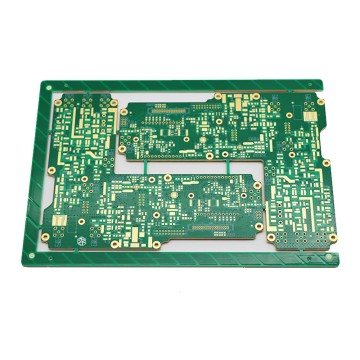
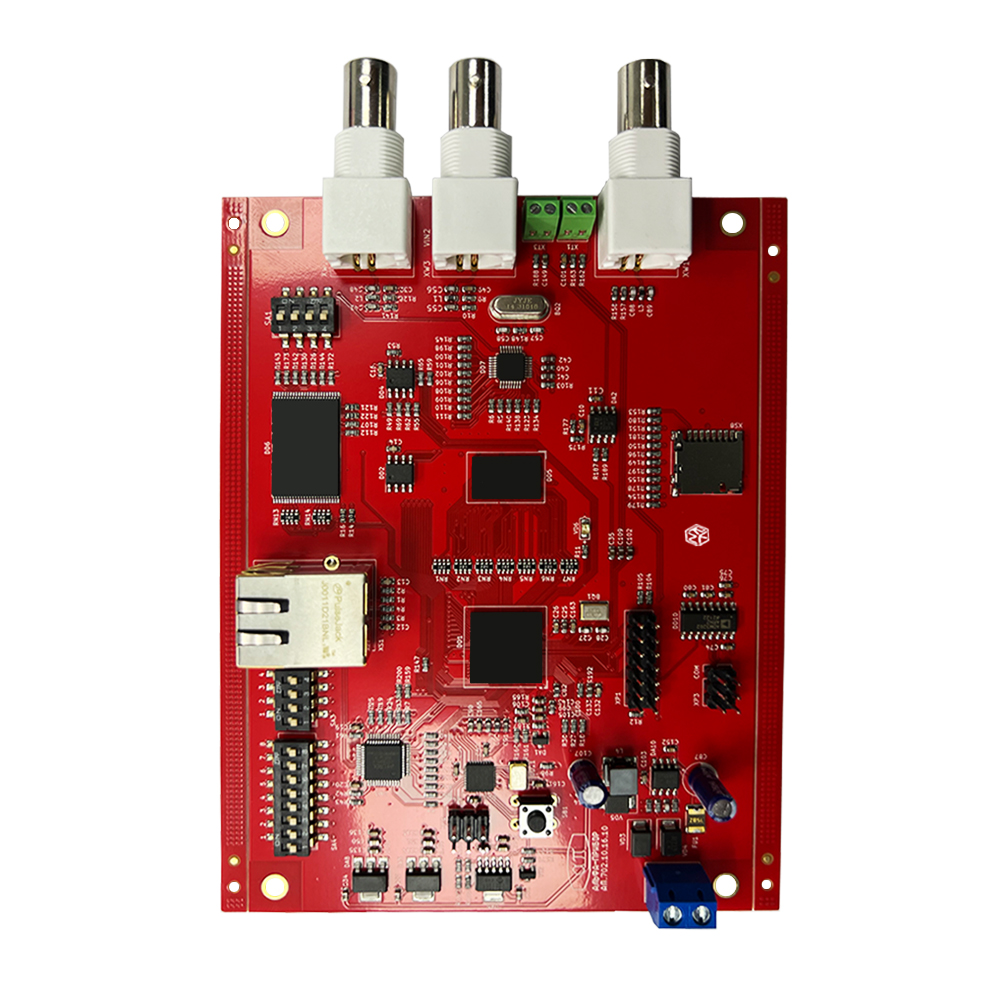
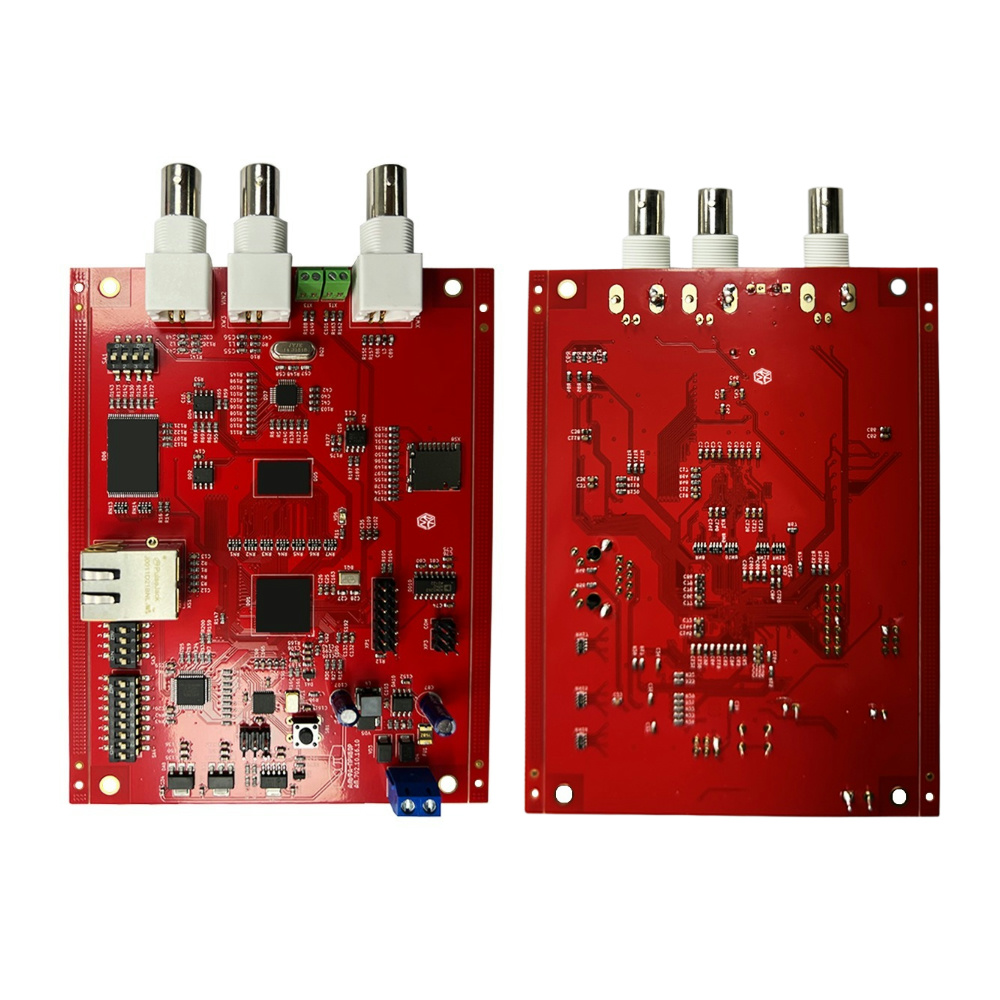
Elevator Control PCBA: Leveraging SMT Technology for Enhanced Performance and Reliability


Elevator Control PCBA: Key Features and Applications in Elevator Systems
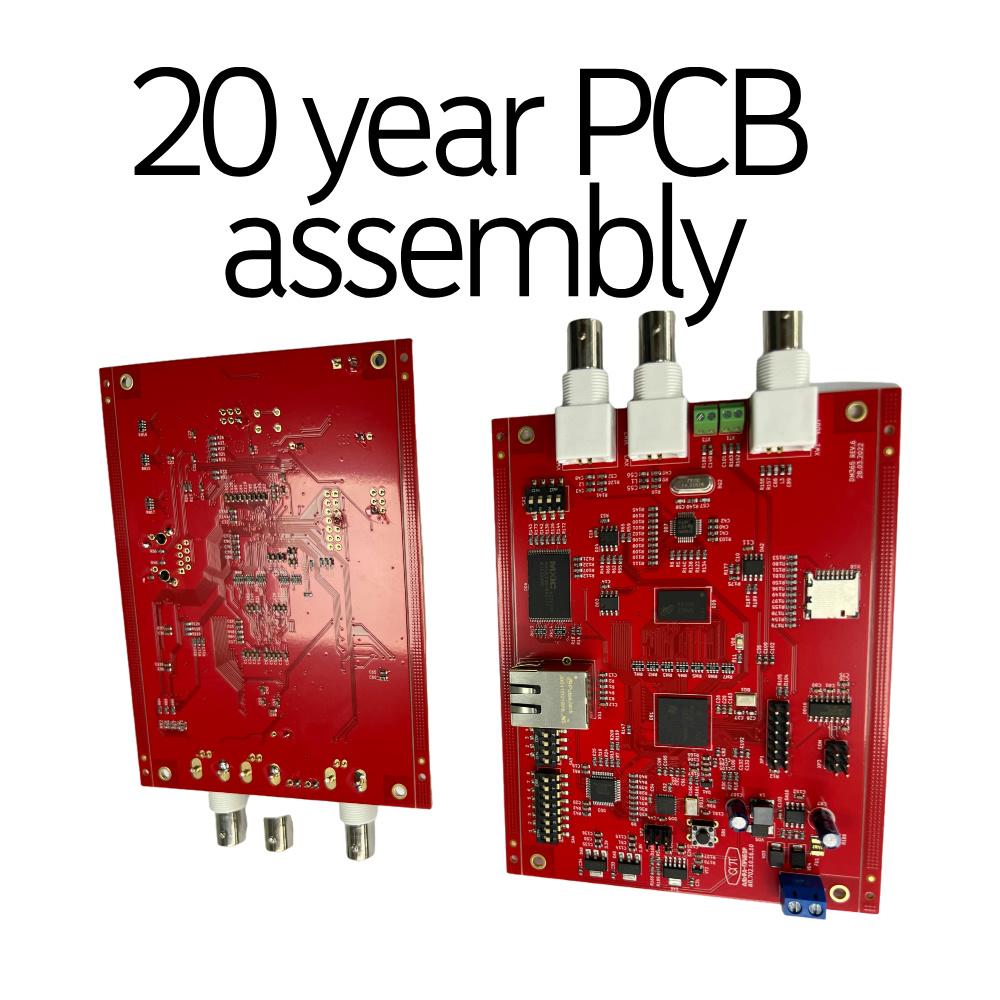
Production Advantages of Elevator Control PCBA with SMT Technology
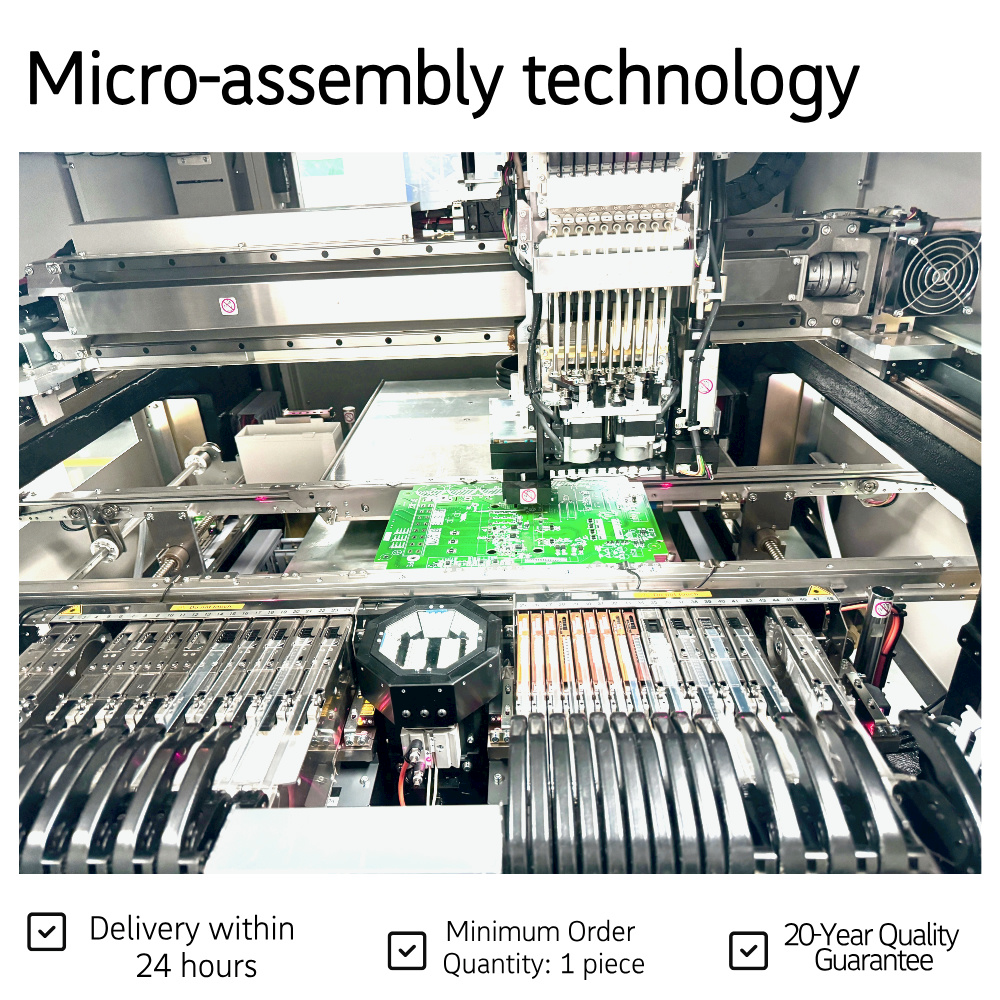
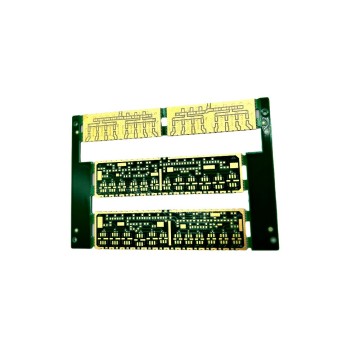
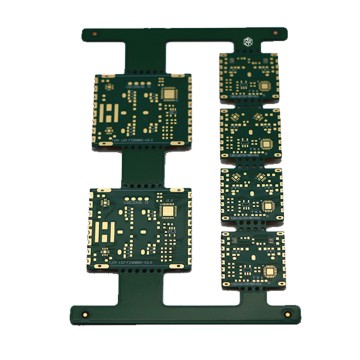
HDI TR Power Control Board PCB: The Core Force in Diverse Applications
The automotive industry is developing rapidly towards intelligence and electrification, and the HDI TR power control board PCB plays an indispensable role in it. In electric vehicles, the battery management system (BMS) is crucial for the charging and discharging control and safety monitoring of batteries. The HDI TR power control board PCB can accurately collect various parameters of the battery, achieve precise management of the battery, and improve the battery's usage efficiency and safety. In advanced driver - assistance systems (ADAS), sensors such as radars and cameras require a stable and reliable power supply to ensure the accurate collection and transmission of data. The excellent electrical performance and stable power output of the HDI TR power control board PCB provide strong support for the normal operation of ADAS, contributing to enhancing driving safety and comfort.
Medical devices have extremely high requirements for reliability and stability, and the characteristics of the HDI TR power control board PCB make it an ideal choice in the medical field. In large - scale medical equipment such as magnetic resonance imaging (MRI) machines and computed tomography (CT) devices, it provides stable power for complex circuit systems, ensuring that the equipment can operate stably for a long time and guaranteeing the accuracy of test results. In wearable medical devices, such as smart bracelets and smart patches, the miniaturization and low - power consumption characteristics of the HDI TR power control board PCB enable it to meet the strict requirements for the volume and battery life of the devices, realizing continuous monitoring of human physiological data and providing key support for telemedicine and personal health management.
The aerospace field faces extreme environmental conditions and stringent requirements for equipment performance. The HDI TR power control board PCB shines in this field with its excellent performance. In satellite systems, it needs to work stably in harsh environments such as high radiation and microgravity, providing reliable power for various electronic devices on the satellite. Its outstanding thermal management ability can effectively deal with the heat generated during the satellite's operation in space, ensuring the normal operation of the equipment. In the avionics systems of aircraft, the high precision and high reliability of the HDI TR power control board PCB ensure the stable operation of key systems such as flight control and communication navigation, providing an important guarantee for the smooth progress of aerospace missions.
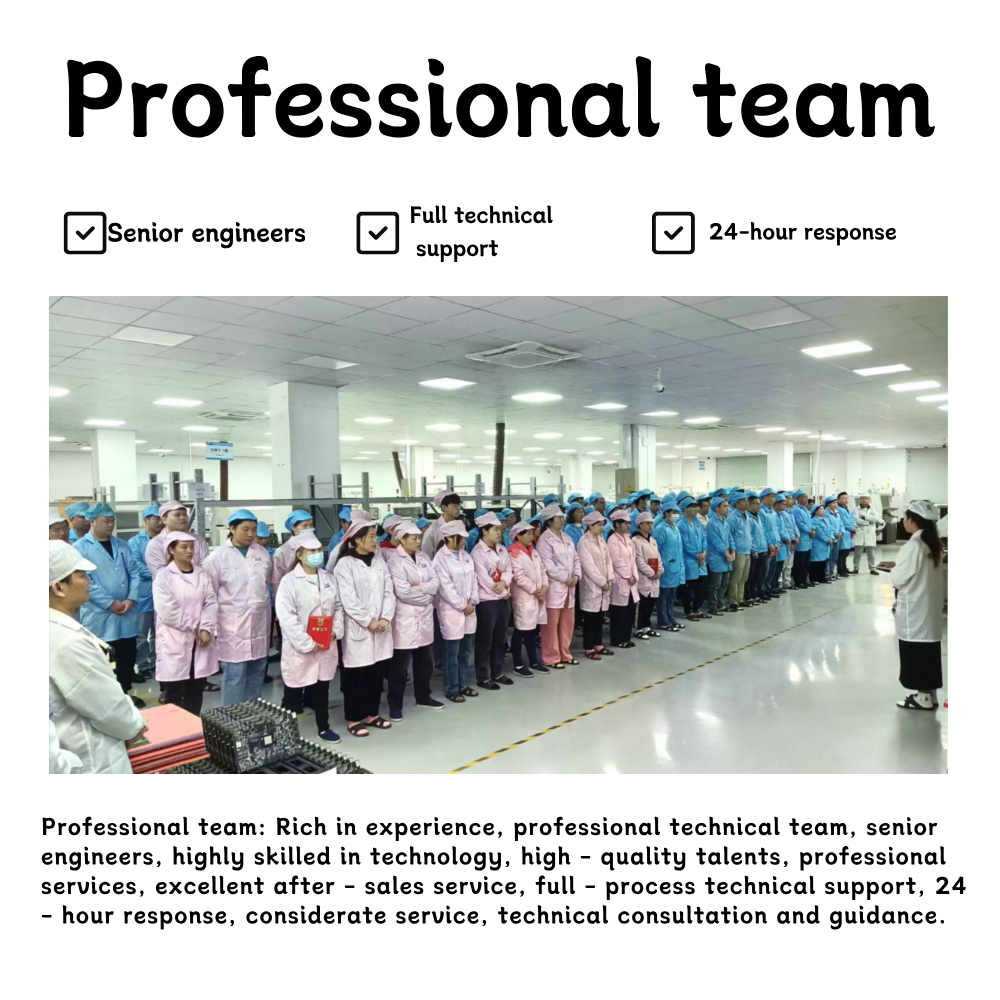
Rich Full Joy, as a leader in the industry, has significant advantages in the production and manufacturing of HDI TR power control board PCBs. Rich Full Joy has an experienced and highly professional team, including electrical engineers, circuit designers, material experts, and other professionals from multiple fields. They have a keen insight into the development trends of the industry, can deeply understand customer needs, and provide customized solutions to meet the special requirements of different customers in different application scenarios.
In the production process, Rich Full Joy adopts advanced manufacturing technologies and equipment, strictly controlling the quality of every link from material selection to the final product. In terms of material selection, high - performance raw materials are carefully selected, such as high - purity copper foil and high - quality FR - 4 materials, to ensure the electrical performance and mechanical strength of the product. Advanced laser drilling technology can produce high - precision micro - holes to meet the requirements of high - density interconnection of HDI boards. Automated surface - mount technology (SMT) and strict quality inspection processes ensure the assembly accuracy of components and the reliability of products. Rich Full Joy has a complete quality control system, comprehensively testing each HDI TR power control board PCB, including electrical performance testing, thermal performance testing, mechanical strength testing, and environmental stress testing, etc., to ensure that the products meet high - quality standards and can operate stably in various complex environments.
Rich Full Joy also pays attention to production efficiency and delivery speed. By optimizing the production process and supply chain management, it can ensure the timely delivery of products to customers. Its efficient production management system and good logistics and distribution system can meet the strict requirements of customers for product delivery time. With its advantages in technology, quality, and service, Rich Full Joy has become a trusted partner for many customers, established a good reputation in the field of HDI TR power control board PCBs, and made positive contributions to promoting the development of the industry.
Design Challenges of Arbitrary Interconnect PCBs
Designing arbitrary interconnect PCBs presents several challenges:
Signal Integrity
Complex routing can lead to signal issues like interference and delay. Precise signal path management is crucial, especially in high-frequency applications, to ensure signal clarity and stability.
Electromagnetic Compatibility (EMC)
Dense routing can cause electromagnetic interference (EMI). Effective shielding, grounding, and filtering are essential to meet EMC standards and minimize interference with other devices.
Thermal Management
High-density designs may lead to heat buildup between components. Proper thermal distribution and cooling solutions, such as heat sinks, are necessary to prevent overheating and ensure circuit performance.
Routing Complexity
Managing intricate connections and layer crossings adds difficulty to design and manufacturing. Clear and reliable routing is needed to avoid short circuits and production issues.
Layer Stack-Up Design
Multi-layer PCBs require precise control of layer insulation, copper thickness, and alignment to ensure proper electrical isolation and mechanical stability.
Manufacturing Tolerances
High-density PCBs demand strict manufacturing tolerances. Any minor deviations can affect functionality, so design must account for production capabilities and tolerances.
Cost Control
Complex designs often increase material, processing, and testing costs. Balancing performance requirements with budget constraints is crucial.
Testing and Debugging
Complex routing complicates testing and debugging. Design-for-testability (DFT) techniques help simplify these processes.
These challenges require experienced designers and advanced tools to ensure high-performance and reliable arbitrary interconnect PCBs.
Unveiling the Power of High-Density Interconnect PCB Technology
In the rapidly advancing world of electronics, High-Density Interconnect PCB (HDI PCB) technology stands out as a game-changer. HDI PCB Manufacturing has revolutionized how complex electronic systems are designed and produced, offering unparalleled benefits in terms of performance and efficiency.
Understanding HDI Technology
HDI Board Design focuses on enhancing the interconnectivity of electronic components. The HDI Technology involves advanced techniques like microvias and blind/buried vias, which allow for more complex circuit designs and improved signal integrity. This technology supports High-Density Interconnect Technology, enabling the creation of compact, high-performance circuit boards.
Key Features and Benefits
HDI PCB Features include increased component density, improved electrical performance, and reduced board size. The Advanced HDI PCB design integrates these features, providing significant HDI PCB Benefits such as enhanced reliability and better thermal management. HDI Circuit Boards are designed to handle high-speed signals with minimal interference, making them ideal for cutting-edge applications.
Manufacturing and Process
The HDI PCB Process involves several critical steps, including precision drilling for microvias and meticulous layer stacking. HDI PCB Fabrication requires advanced equipment and expertise to ensure high-quality results. Microvias in HDI PCBs play a crucial role in connecting different layers within the PCB, contributing to the overall functionality and reliability of the board.
Applications and Capabilities
HDI PCB Applications span various industries, including telecommunications, automotive, and medical devices. The HDI PCB Capabilities allow for the integration of complex circuits in smaller form factors, making them suitable for modern electronic devices that demand high performance and compact size.
In summary, HDI PCB technology represents a significant leap forward in the field of electronics, offering superior performance, reliability, and design flexibility. As HDI PCB Manufacturing continues to evolve, it paves the way for more advanced and efficient electronic solutions.