

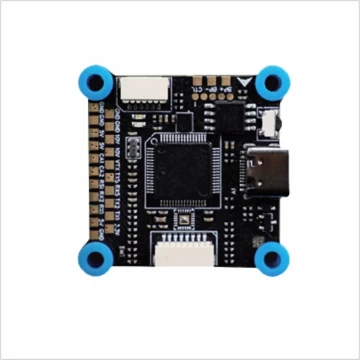
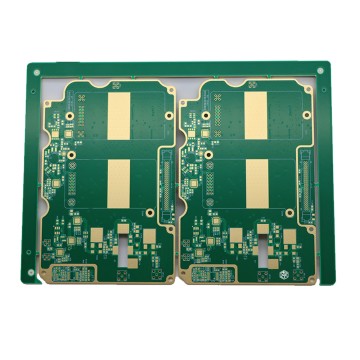
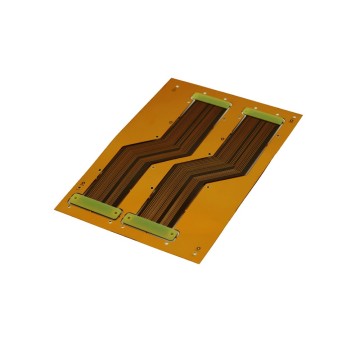
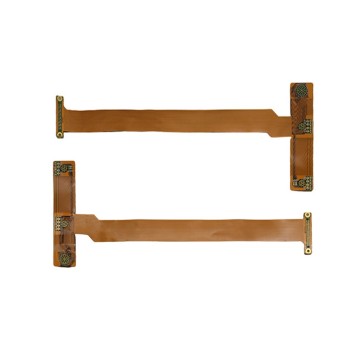
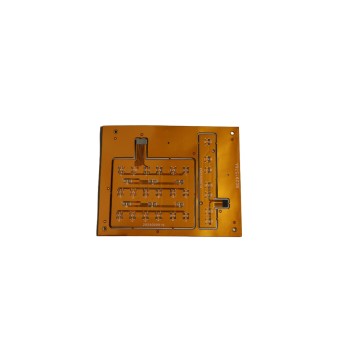
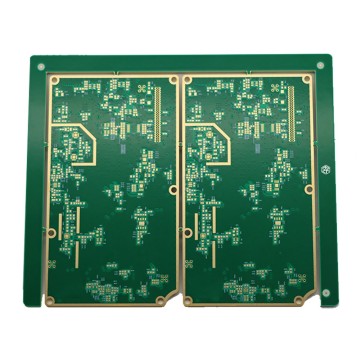
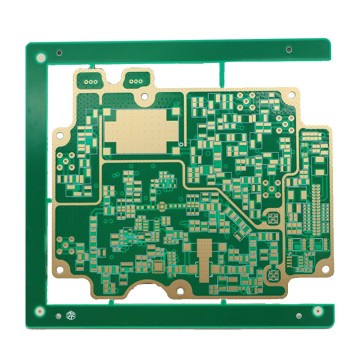
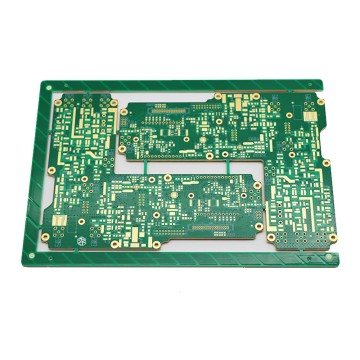
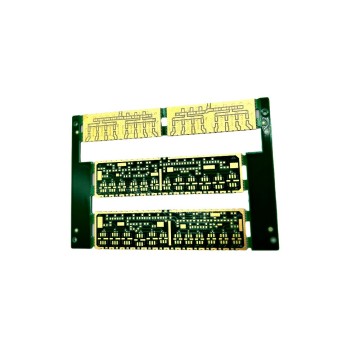
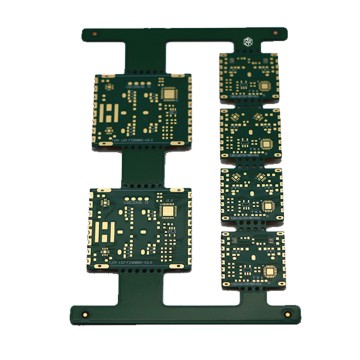
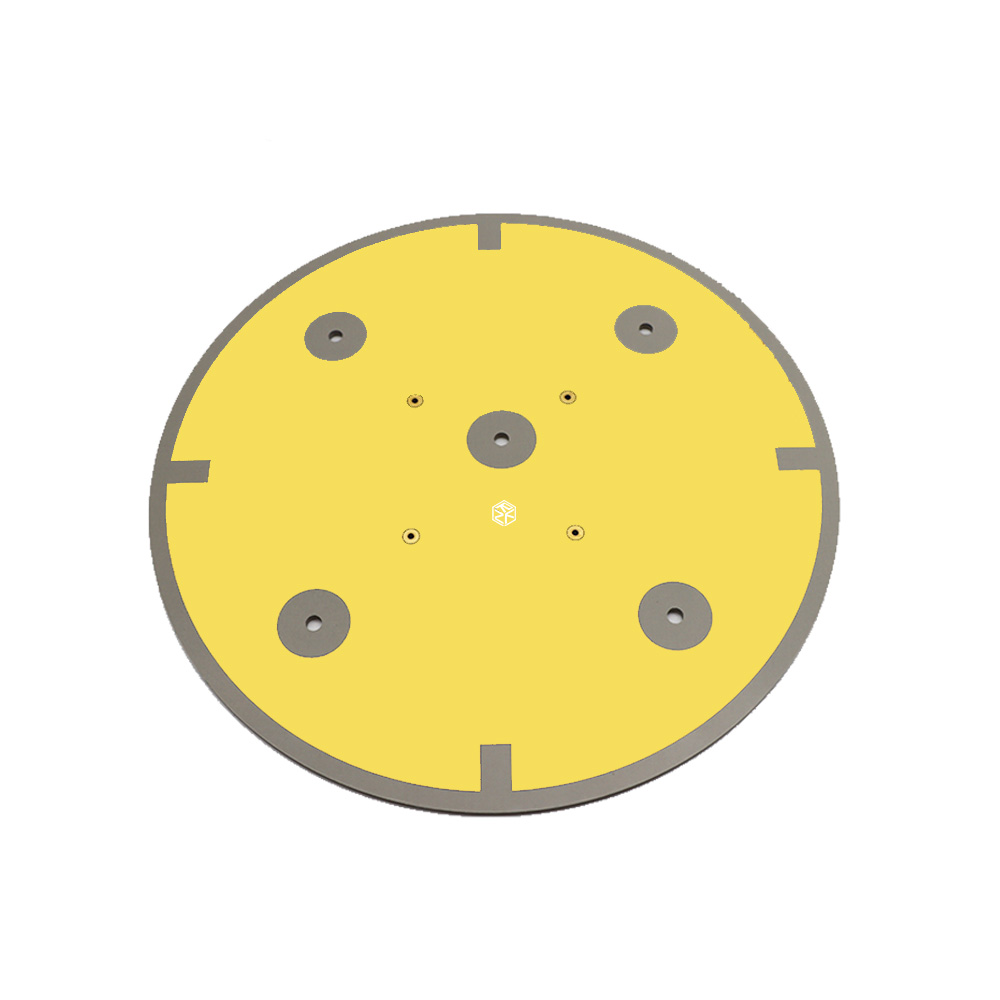
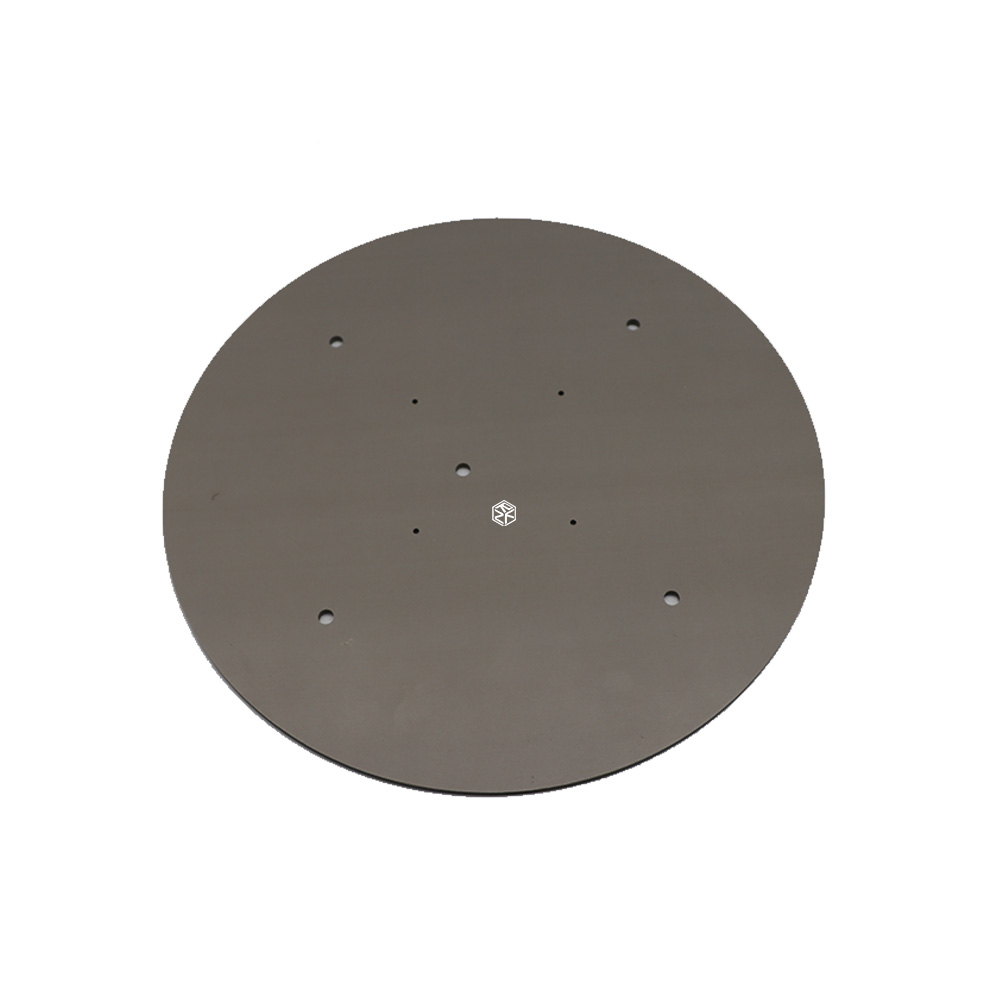
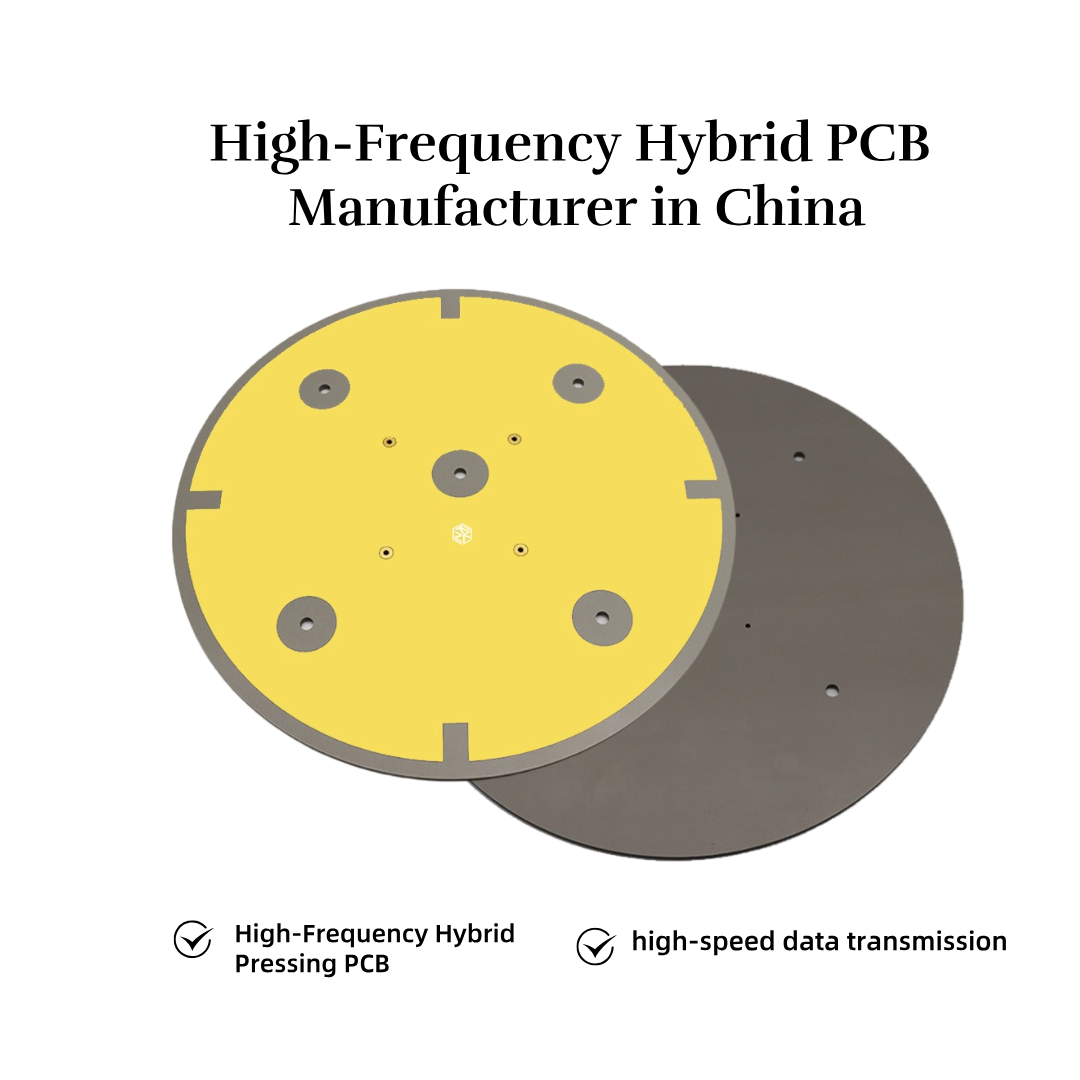
Circular Military Radar PCB: 100% China-Made, Low-Dielectric & Military-Grade Reliability


Product manufacturing instructions
| Type | Double-sided FPC |
| Materia | High-frequency、High-frequency seires FSD350N 3.0mm 1/1OZ、TG380 |
| Number of layer | 1L |
| Board Thickness | 3.0mm |
| Single size | 248*248mm/1PCS |
| Surface finish | ENIG |
| Inner copper thickness | / |
| Outer copper thickness | 35um |
| Color of solder mask | / |
| Silkscreen color | / |
| Via treatment | / |
| Density of mechanical drilling hole | 1W/㎡ |
| Density of laser drilling hole | / |
| Min via size | 5.5mm |
| Min line width/space | / |
| Aperture ratio | / |
| Pressing times | / |
| Drilling times | 1 time |
| PN | B0100584A |
Design and Product Features
Military - Grade Performance
Excellent Anti-interference Ability: Relying on the low dielectric constant material and special electromagnetic shielding design, this PCB can effectively resist complex external electromagnetic interference, ensuring the accuracy and stability of radar signals during transmission and processing. It ensures the accurate detection and tracking of targets by the radar, providing reliable information support for military operations.
High Reliability: Through a series of reliability tests, including strict high and low temperature cycle tests, humidity tests, vibration tests, and salt spray tests, it can work stably for a long time in extreme temperature environments ranging from -55°C to 125°C, as well as in harsh conditions such as high humidity, strong vibrations, and high salt spray, meeting the stringent requirements of military equipment for reliability.
High-precision Signal Transmission: Benefiting from the low dielectric constant material and precise manufacturing process, it achieves high-speed and high-precision signal transmission, ensuring the rapid response and accurate identification of targets by the radar system. It enables the radar to capture weak signals in a timely manner, enhancing the timeliness and effectiveness of military defense.
Why Choose Rich Full Joy's Military Radar PCB?
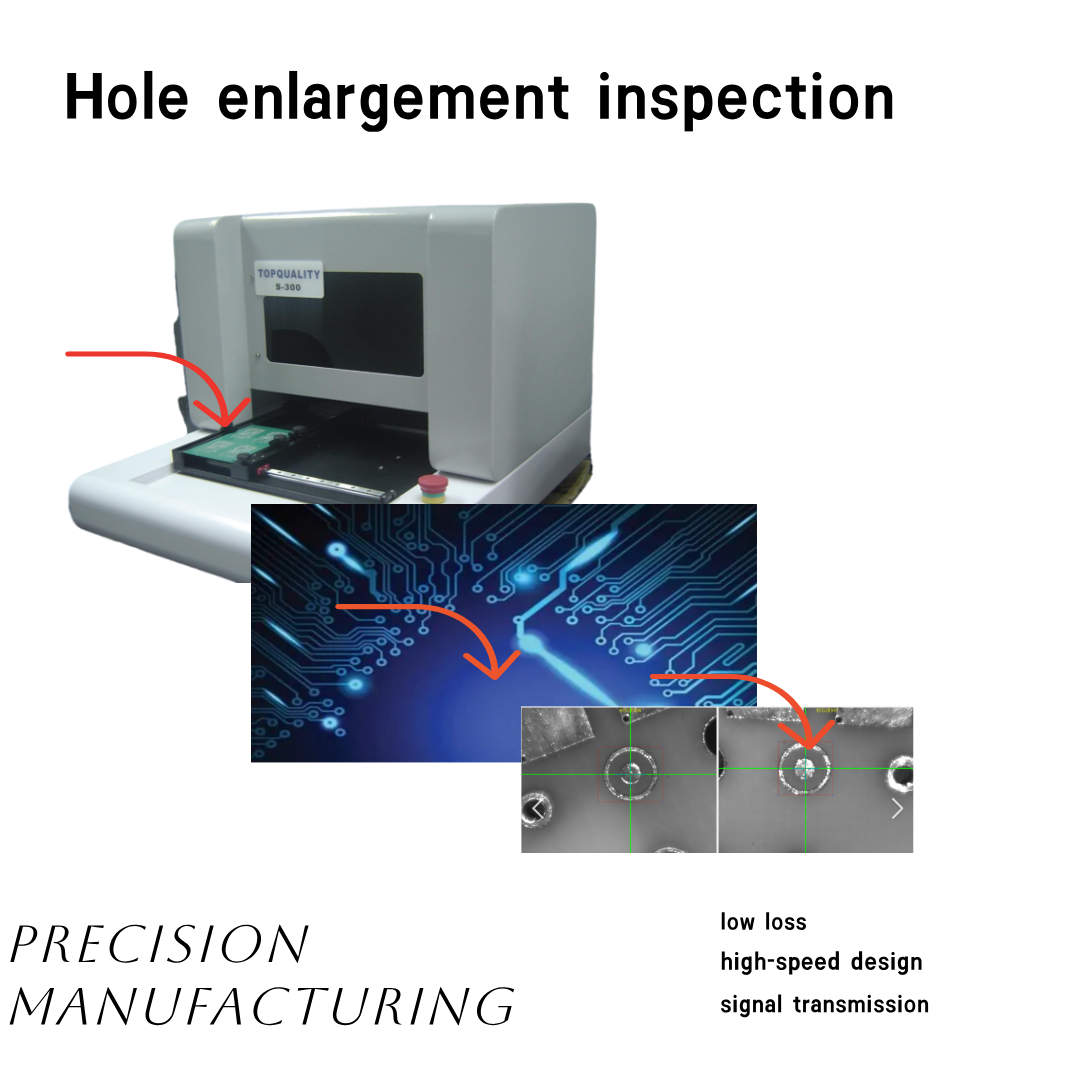
Quality Assurance
More Knowledge about Radar PCBs
1.What is the difference between a radar PCB and a common PCB?
The radar PCB is mainly used in radar systems. Compared with common PCBs, it has extremely high requirements for the transmission performance of high-frequency signals. It needs to have a lower dielectric constant and dielectric loss to reduce the attenuation and distortion of signals during transmission, ensuring that the radar can accurately detect targets. At the same time, the radar PCB must be able to withstand a more complex electromagnetic environment and harsh working conditions, such as high temperatures and strong vibrations, and is more stringent in material selection and design processes.
2.What are the advantages of the low dielectric constant of this radar PCB?
The low dielectric constant can significantly reduce the loss during signal transmission, making the signals transmitted and received by the radar more stable and accurate, and greatly improving the detection range and accuracy of the radar. At the same time, it can effectively reduce the crosstalk between signals, ensuring that the signals between various functional modules of the radar system do not interfere with each other and operate stably in a complex electromagnetic environment, improving the reliability and anti-interference ability of the system.
3.How is the performance of the radar PCB ensured in a high-temperature environment?
The fully domestic high-frequency 4.0 copper clad laminate we selected has good heat resistance and a relatively high glass transition temperature (Tg), which can maintain stable physical and chemical properties at high temperatures. In the manufacturing process, special heat dissipation designs are adopted, such as adding heat dissipation copper foils and optimizing the circuit layout to facilitate heat conduction. Moreover, strict high-temperature aging tests are carried out during the production process to simulate the actual high-temperature working environment, ensuring that each PCB can operate stably for a long time under high-temperature conditions without affecting its performance.
4.What are the considerations for the circular design of this radar PCB?
The internal structure of the radar is usually relatively complex. The circular design is to better fit the circular cavity of the radar or a specific internal layout, making full use of the space and reducing the space waste and signal interference caused by irregular shapes. The symmetrical structure of the circle helps to optimize the signal transmission path, making the signal propagation on the PCB more uniform and stable, and improving the overall performance of the radar system.
5.How to ensure that the radar PCB does not break the circuit or get damaged in a strong vibration environment?
In terms of materials, the selected copper clad laminate and electronic components have high mechanical strength and good toughness, and can withstand a certain degree of vibration impact. In the design, by reasonably arranging the circuits and components, the stress concentration points are reduced; reinforcement designs are adopted, such as reinforcing the key soldering points and adding fixed support points. During the manufacturing process, strict vibration tests are carried out to simulate various strong vibration environments, ensuring that the product will not have problems such as broken circuits, component detachment, or damage due to vibration during actual use.
6.Can the signal transmission speed of the radar PCB meet the requirements of modern radars?
Completely. The fully domestic high-frequency 4.0 copper clad laminate used in this radar PCB has excellent electrical performance, with the characteristics of low dielectric constant and low dielectric loss, providing a good foundation for high-speed signal transmission. Combined with advanced manufacturing processes, it can effectively control signal transmission delay and distortion, meeting the strict requirements of modern radars for high-speed and high-precision signal transmission. Whether it is a pulse signal or a continuous wave signal, it can be transmitted quickly and accurately, ensuring the efficient operation of the radar system.
7.What is the approximate service life of this radar PCB?
Under normal use and maintenance conditions, its service life can reach 10 - 15 years. In the process of material selection, design, and manufacturing, we have fully considered the long-term reliability of the product. Through strict quality inspection and environmental simulation tests, we ensure that the product can work stably for a long time in various complex environments. Of course, the actual service life will also be affected by factors such as the use environment and working frequency. Regular maintenance and upkeep can help extend its service life.
8.If I have special performance requirements, can you provide customized services?
Certainly. We have a professional R&D team and rich industry experience. We can provide customized design and production services according to your special performance requirements, such as higher frequency adaptability, special electromagnetic shielding requirements, specific size specifications, etc. From the scheme design, sample production to mass production, we will communicate closely with you throughout the process to ensure that the final product fully meets your needs.
Applications
Military Radar Systems
As the core component of military radar, this PCB is widely used in various radar systems, including air defense early-warning radar, fire control radar, shipborne radar, and airborne radar. In complex and dynamic battlefield environments, its low dielectric constant and high-frequency signal processing capabilities ensure efficient radar system operation. For instance, in air defense early-warning radar, it can quickly capture and process weak signals from long-range targets, providing precise early warning information. In fire control radar, it supports high-speed data transmission and real-time target tracking, ensuring accurate strikes by weapon systems. In shipborne and airborne radars, its vibration and shock resistance ensures stable operation in harsh environments, providing reliable support for naval and aerial combat.
Military Communication Equipment
In military communication equipment, this PCB plays a crucial role as a key component in signal transmission, owing to its low dielectric constant and high reliability. It ensures the stability and integrity of high-frequency signals during long-distance transmission, minimizing signal attenuation and distortion. For example, in tactical communication systems, it supports high-speed data transmission and real-time voice communication, ensuring smooth battlefield command. In satellite communication devices, its anti-jamming capability effectively shields communication links from interference in complex electromagnetic environments, ensuring reliability. Additionally, its domestically sourced materials and manufacturing processes reduce supply chain risks, enhancing the security and autonomy of military communication equipment.
Electronic Warfare Equipment
Electronic warfare (EW) equipment is a critical aspect of modern warfare, and this PCB plays a pivotal role. With its high-frequency signal processing capabilities and anti-jamming design, it can accurately identify and disrupt enemy radar and communication signals. In electronic jamming devices, it can rapidly generate and transmit high-frequency jamming signals to disrupt enemy radar and communication systems. In electronic reconnaissance equipment, its high-sensitivity signal reception ability can capture weak enemy signals, providing battlefield situational awareness. Its low dielectric constant materials ensure efficient signal transmission in complex electromagnetic environments, improving overall performance in electronic warfare systems.
Unmanned Aerial Systems (UAS)
With the widespread use of unmanned aerial vehicles (UAVs) and unmanned combat systems, this PCB showcases its unique advantages in this domain. In UAV radar systems, its lightweight design and vibration resistance enable it to withstand high-speed flight and complex maneuvers. In unmanned combat system communication modules, its high-frequency signal transmission capabilities ensure real-time remote control and stable data transfer. For example, in reconnaissance UAVs, it supports the real-time transmission of high-definition images and video data, aiding battlefield intelligence collection. In strike UAVs, its high reliability ensures precise control and effective execution of weapon systems.
Missile Guidance Systems
In missile guidance systems, this PCB’s high-precision signal processing and anti-jamming design make it a critical component. It ensures that missiles receive and process guidance signals in real time during flight, ensuring accurate target hits. For example, in radar-guided missiles, its high-frequency signal processing supports target detection and tracking. In infrared-guided missiles, its low dielectric constant materials reduce signal transmission loss, enhancing guidance precision. Additionally, its high-reliability design enables stable operation under extreme temperatures and vibrations, ensuring missile system reliability and precision.
Ground Reconnaissance and Monitoring Systems
In ground reconnaissance and monitoring systems, this PCB’s high-performance signal processing capabilities provide strong support for various devices. For example, in border surveillance radar systems, it can detect and track moving targets in real time, ensuring border security. In battlefield reconnaissance devices, its anti-jamming design guarantees stable signal transmission in complex electromagnetic environments, supporting battlefield situational awareness. Additionally, its domestically sourced materials and manufacturing processes reduce supply chain risks, providing greater security and autonomy for ground surveillance systems.
Aerospace Testing Equipment
In aerospace testing equipment, this PCB’s high-precision signal transmission and anti-jamming design make it a key component. For example, in radar test equipment, its high-frequency signal processing supports accurate radar performance testing. In communication testing devices, its low dielectric constant materials ensure stable and accurate signal transmission. Moreover, its high-reliability design ensures stable operation in extreme environments, providing essential support for efficient operation of aerospace testing equipment.
In conclusion, the application of high-performance PCBs in military systems is essential for ensuring reliability and efficiency across a wide range of critical defense technologies. From advanced radar systems and military communications to electronic warfare and unmanned aerial vehicles, these PCBs enable precision, resilience, and superior functionality under the most demanding conditions. As military technology continues to evolve, the role of these specialized PCBs will only grow more significant, providing the backbone for cutting-edge systems that safeguard national security and operational effectiveness. By leveraging the latest advancements in PCB design and manufacturing, the defense sector can ensure its systems remain at the forefront of innovation, providing unmatched capabilities in the field.