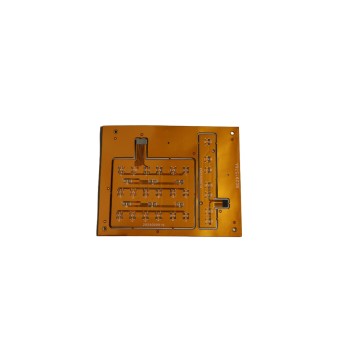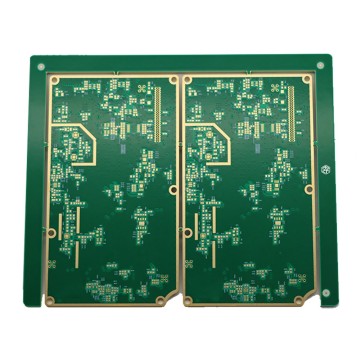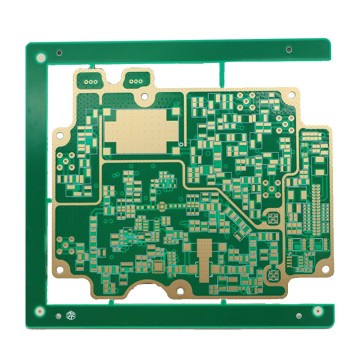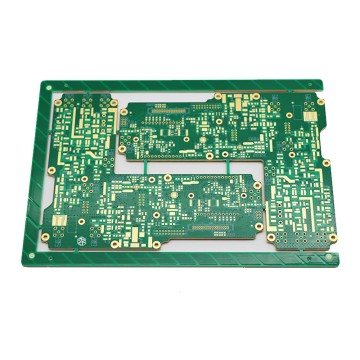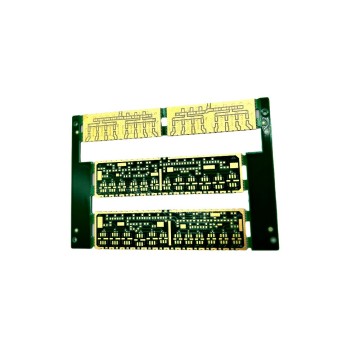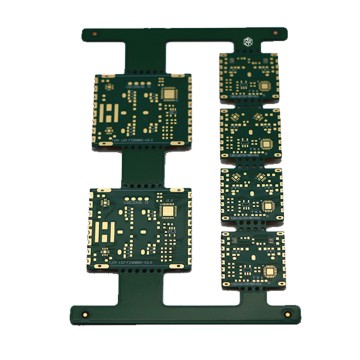

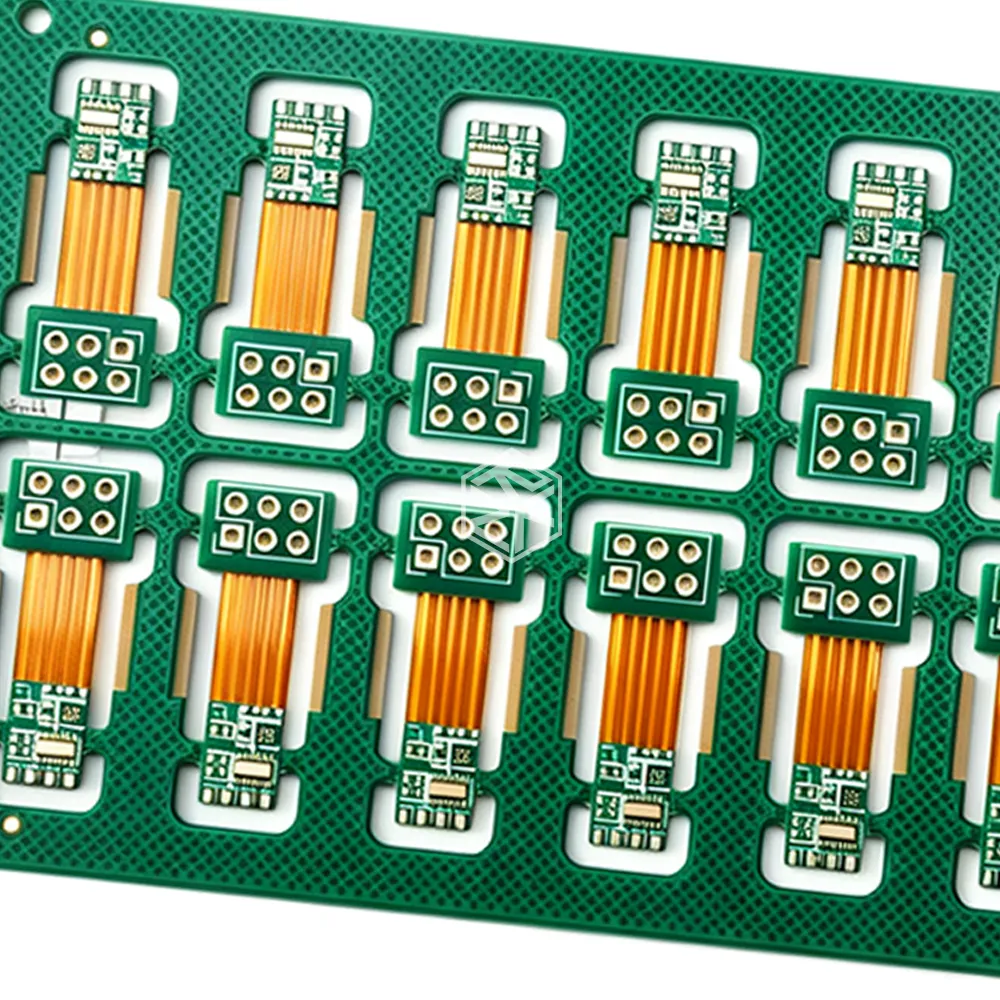
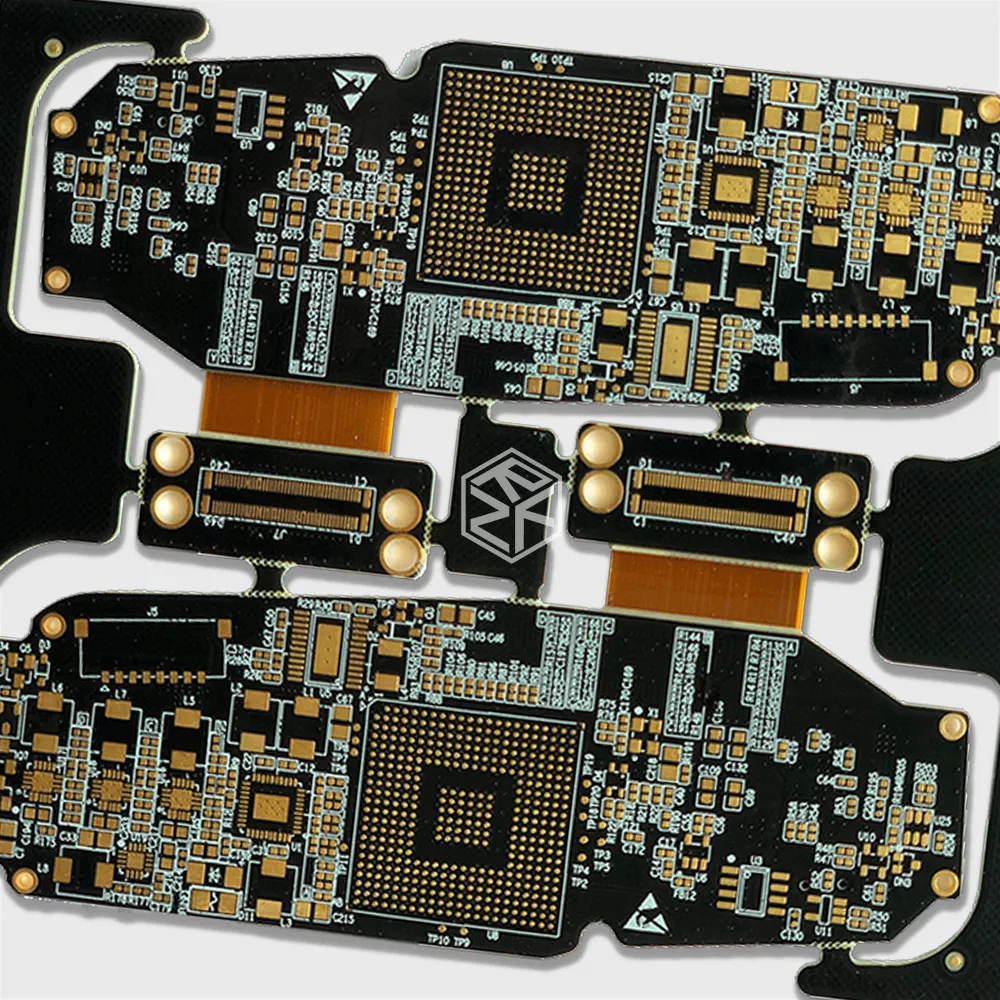
Protruding-Type 10-Layer Medical Imaging Probe PCB — An RF-Centric Engineering Platform
Protruding-Type 10-Layer Medical Imaging Probe PCB — An RF-Centric Engineering Platform
1. From PCB to RF-Centric Engineering Platform
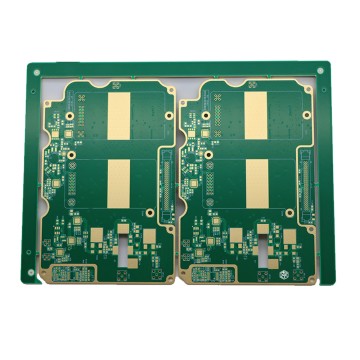
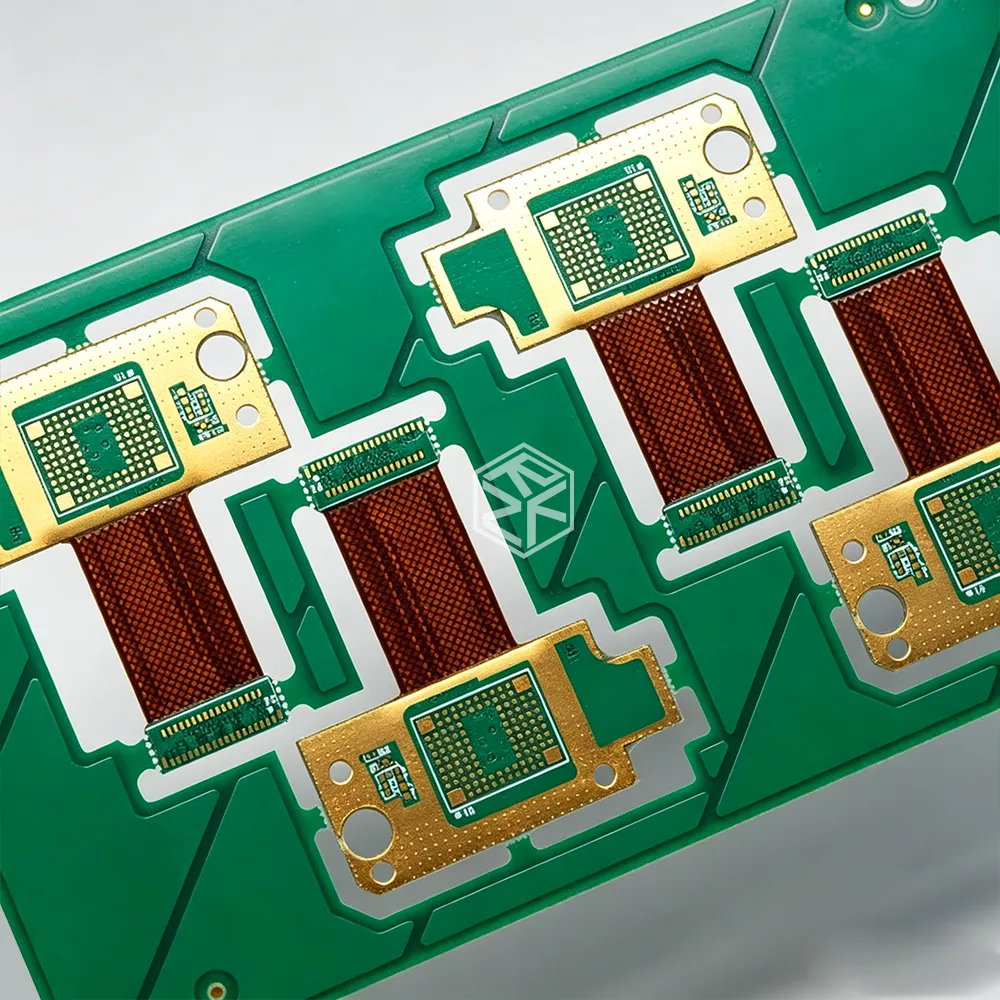
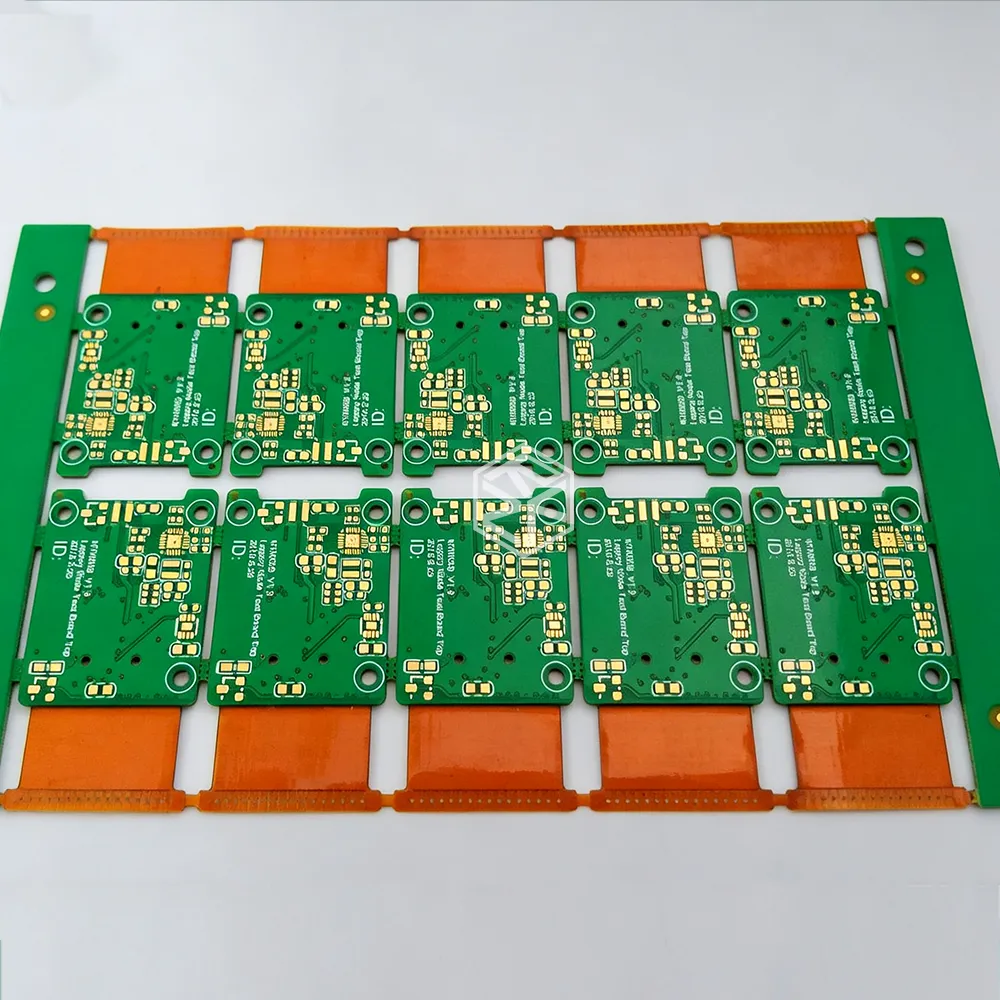
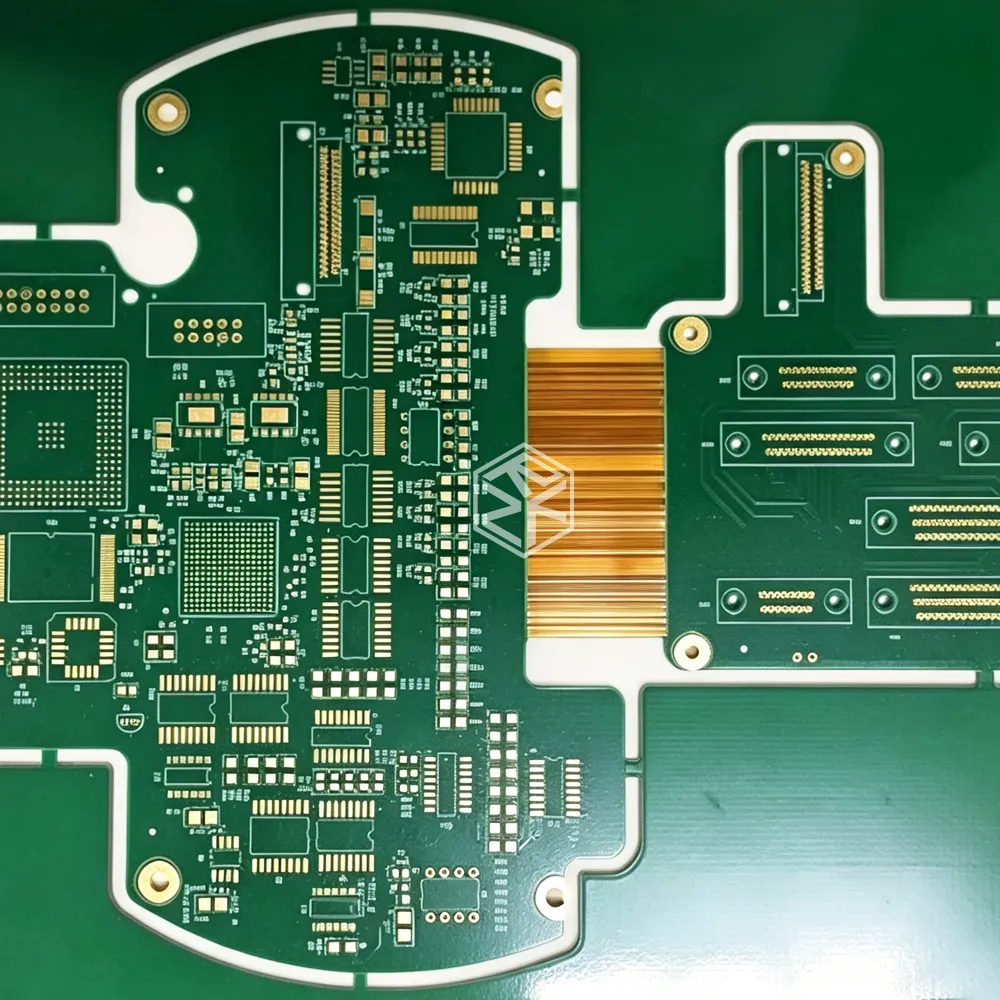
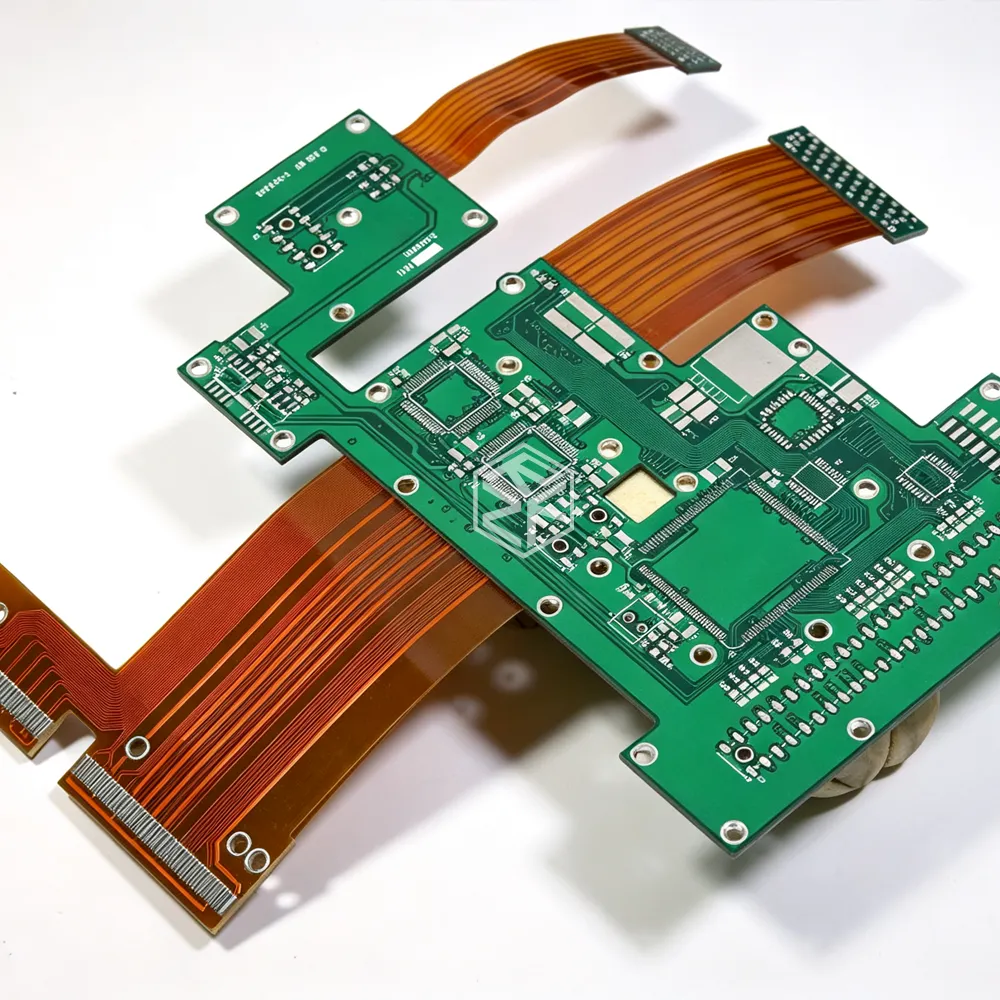
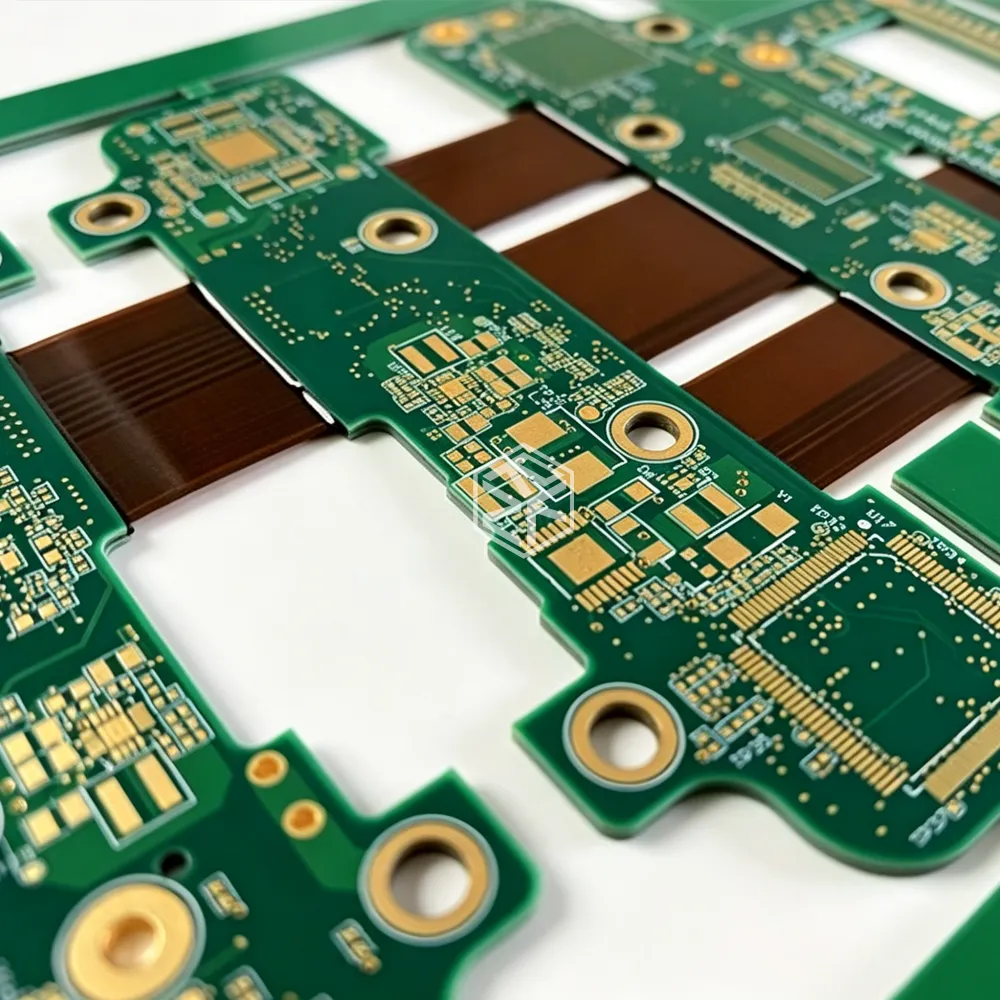
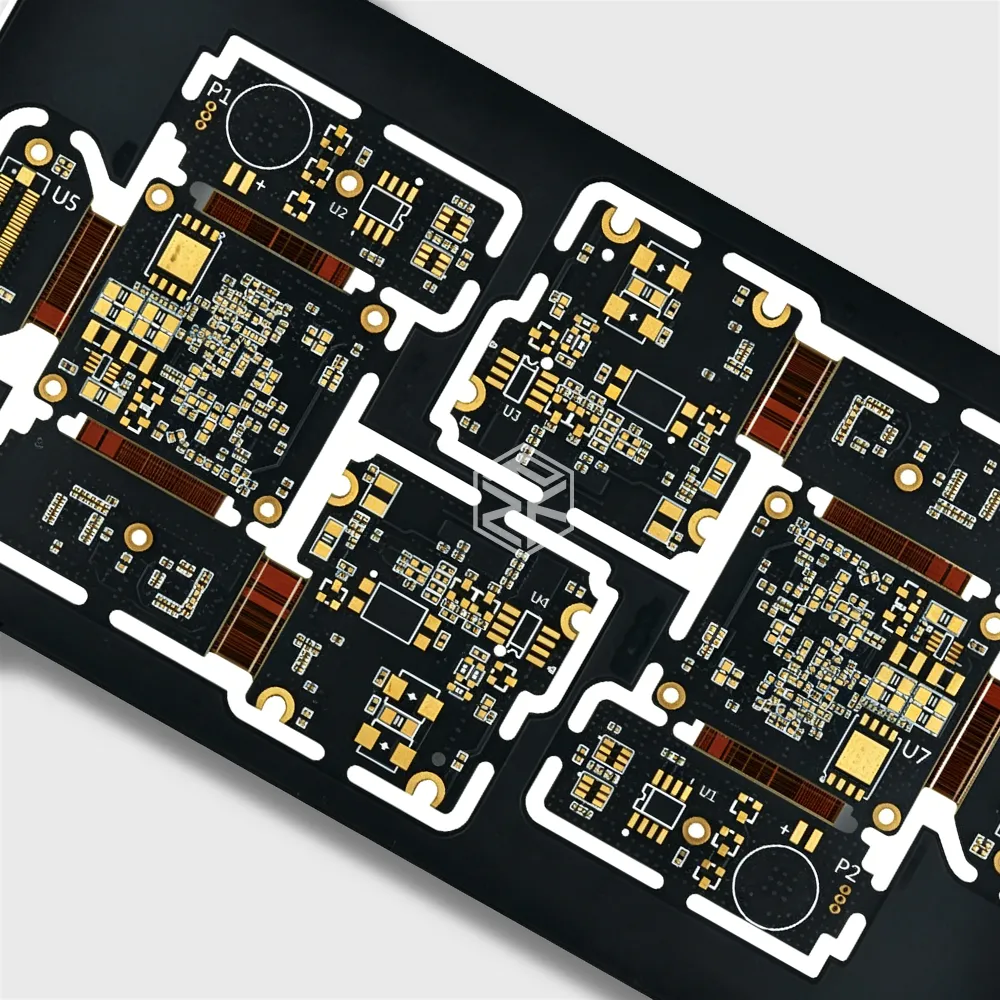
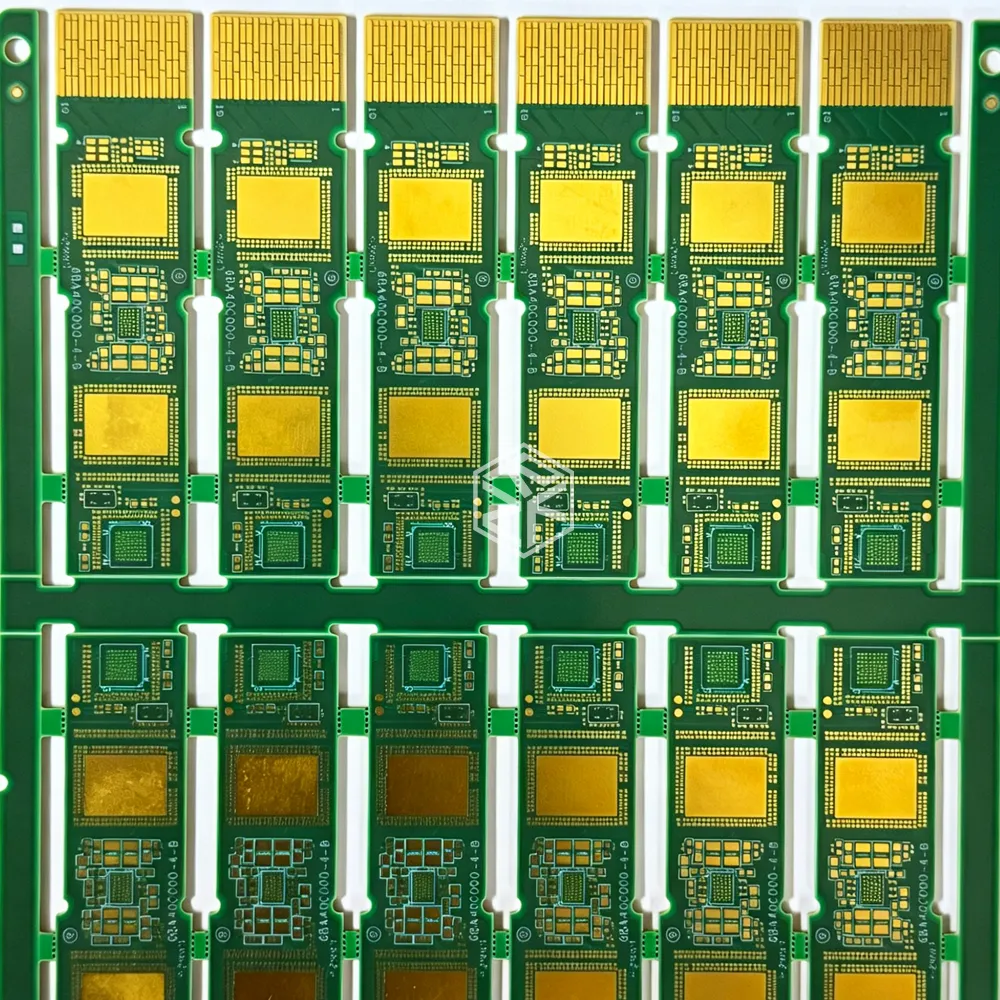
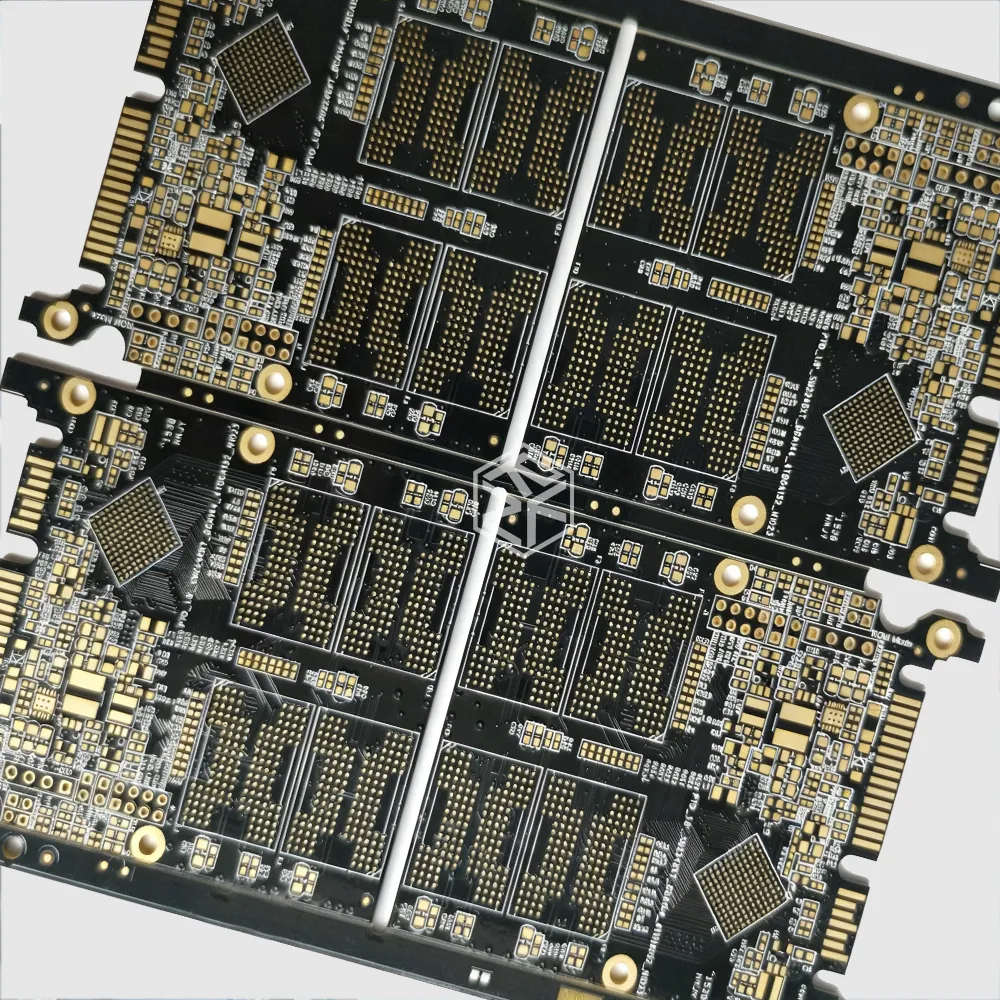
The Protruding-Type 10-Layer Medical Imaging Probe PCB is not a conventional multilayer board. It is an RF-centric engineering platform, purpose-built for advanced medical imaging probes where signal fidelity, electromagnetic isolation, and structural reliability must be achieved simultaneously.
In this architecture, part of the PCB physically protrudes from the main device housing and operates in close proximity to the imaging interface. This exposes the board to a combination of high-frequency RF behavior, external EMI, and mechanical stress, elevating the design difficulty well beyond standard medical PCBs.
At this level, PCB design is no longer about routing density—it is about controlling electromagnetic behavior across a three-dimensional structure.
2. Why Medical Imaging Probes Demand a 10-Layer RF Architecture
Advanced medical imaging probes depend on high-frequency RF signals for excitation, reception, and signal conditioning. These signals are extremely sensitive to:
- Impedance discontinuities
- Ground reference instability
- Crosstalk and EMI coupling
- Structural deformation at protruding regions
A 10-layer architecture is required to establish strict functional separation:
- Dedicated RF signal layers
- Multiple continuous RF ground reference planes
- Embedded shielding layers between functional domains
- Independent analog and digital power planes
Lower layer counts lack sufficient shielding depth and reference-plane redundancy, especially in protruding probe geometries.
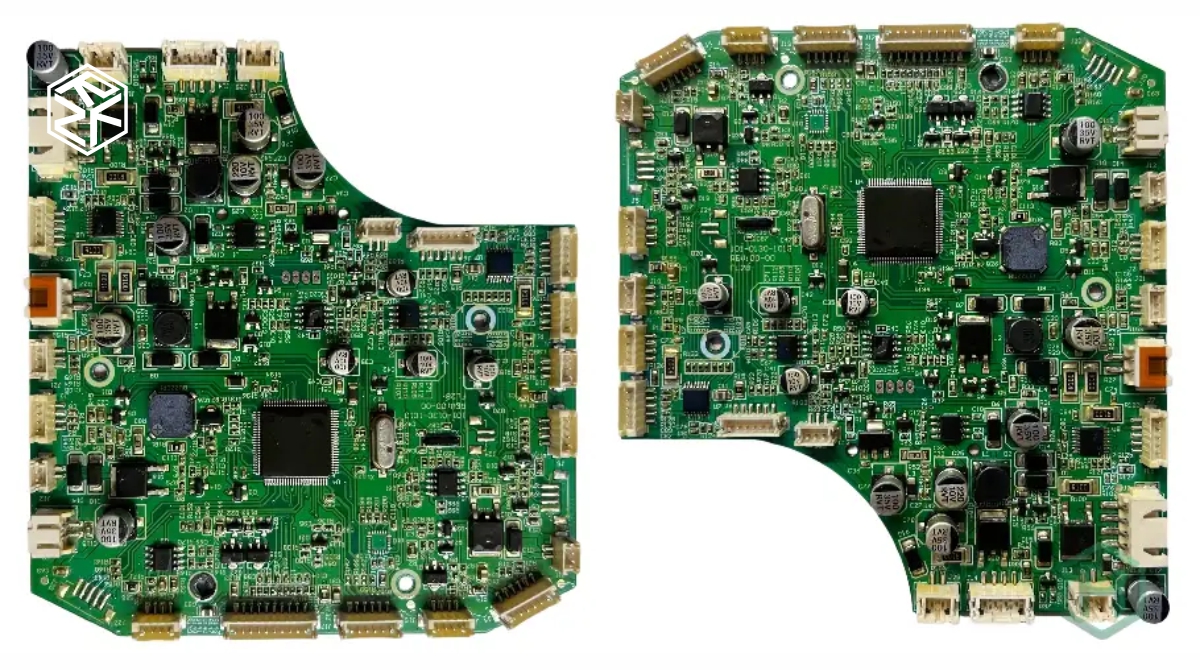
3. RF-Optimized 10-Layer Stack-Up Concept
A typical Protruding-Type Medical Imaging Probe PCB adopts a highly disciplined RF stack-up:
- Layer L1: RF Signal (Microstrip)
- Layer L2: Primary RF Ground Plane
- Layer L3: Shielding Ground Layer
- Layer L4: High-Speed Digital / Control
- Layer L5: Analog Power Plane
- Layer L6: Digital / Isolated Power Plane
- Layer L7: Digital Signal Layer
- Layer L8: Shielding Ground Layer
- Layer L9: Secondary RF Ground Plane
- Layer L10: RF Signal / Probe Interface
Key RF principles embedded in the stack-up:
- RF signal layers are tightly coupled to solid ground planes
- Shielding layers form electromagnetic cavities
- Digital domains are buried to reduce RF interaction
- Power integrity is preserved without disturbing RF references
This configuration supports both microstrip and stripline RF routing, depending on probe geometry and operating frequency.
4. Multilayer Shielding as a System-Level Design Discipline
Multilayer shielding is the core engineering challenge of this PCB type.
In protruding medical probes, shielding must remain effective across:
- PCB surfaces
- Inner layers
- Board edges
- Mechanical transition zones
Key shielding techniques include:
- Dual-ground-plane confinement of RF signal layers
- Dedicated internal shielding layers
- Dense via-fence structures around RF paths
- Continuous ground stitching across the protruding boundary
The result is a three-dimensional electromagnetic containment structure that minimizes radiation, suppresses EMI, and preserves signal integrity under real clinical conditions.
5. RF Signal Integrity in Protruding Structures
The protruding geometry introduces unique RF risks:
- Local impedance variation
- Increased susceptibility to ambient electromagnetic fields
- Potential reference-plane discontinuity under mechanical stress
Mitigation strategies include:
- Full transmission-line modeling across protruding zones
- RF trace setback from PCB edges
- Stripline routing for the most sensitive RF paths
- High-density ground stitching through structural transitions
At this level, every RF trace is treated as a controlled transmission line, not a simple conductor.
6. Materials and Manufacturing Complexity
RF performance in medical imaging probes is inseparable from materials and process control.
Typical construction involves:
- Low-loss FR-4 or hybrid RF laminates
- Controlled dielectric constant (Dk) and dissipation factor (Df)
- Medical-grade solder mask with low ionic contamination
- ENIG or hard gold surface finishes for probe interfaces
Manufacturing complexity includes:
- Tight 10-layer lamination tolerance
- Mixed-material stack control
- Laser-drilled blind and buried vias
- Controlled-impedance verification
- AOI and X-ray inspection
Even small deviations in dielectric thickness or copper roughness can directly impact imaging resolution.
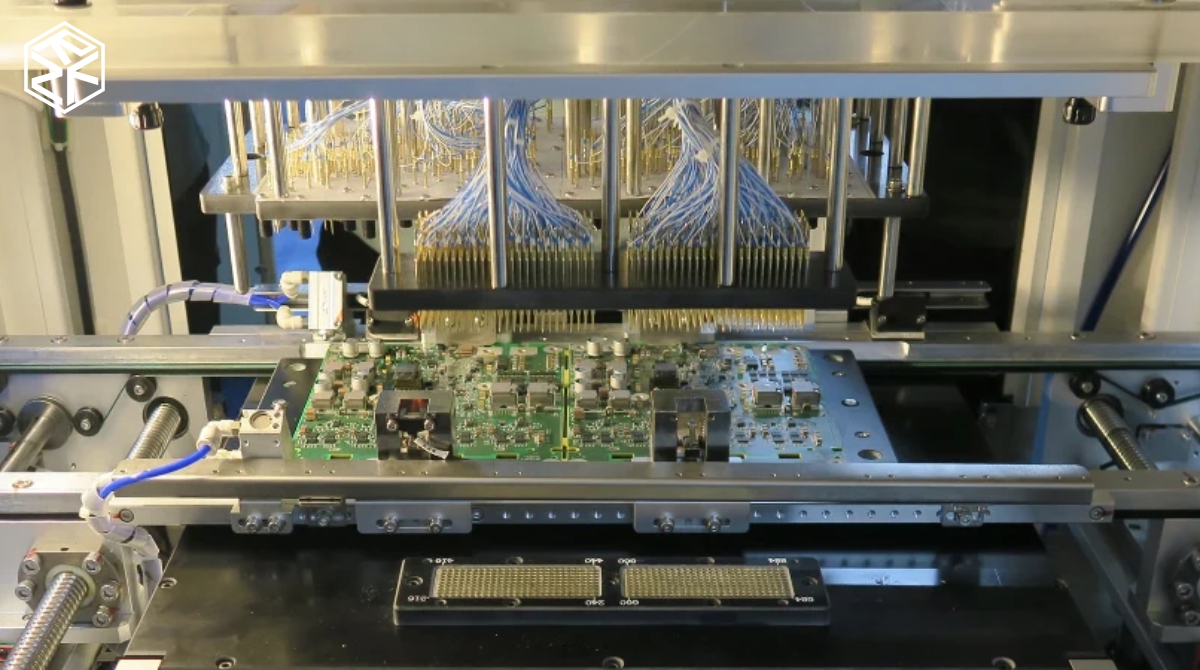
7. RICH FULL JOY: Engineering Advantage in RF-Centric Medical PCBs
In the domain of Protruding-Type 10-Layer Medical Imaging Probe PCBs, true capability requires both RF engineering insight and manufacturing discipline.
RICH FULL JOY distinguishes itself by treating these boards as RF systems, not just multilayer products.
Key Advantages
- System-level understanding of RF behavior in multilayer medical PCBs
- Proven multilayer shielding implementation, not just layer count
- Experience maintaining RF integrity across protruding structures
- Consistent 10-layer manufacturing with verified impedance control
- Batch-to-batch RF performance stability for medical-grade reliability
This combination allows RICH FULL JOY to deliver repeatable, field-stable performance, not just first-article success.
8. Engineering Value Summary
The Protruding-Type 10-Layer Medical Imaging Probe PCB represents one of the highest technical thresholds in medical electronics. When properly engineered, it provides:
- High signal-to-noise ratio
- Stable high-frequency RF transmission
- Robust EMI resistance
- Long-term mechanical and electrical reliability
As an RF-centric engineering platform, it demands deep RF expertise, disciplined multilayer shielding, and precision manufacturing control.
The Protruding-Type 10-Layer Medical Imaging Probe PCB is not merely a PCB—it is a foundational RF platform at the heart of advanced medical imaging systems.
Success depends on:
- RF-first architectural thinking
- Sophisticated multilayer shielding
- Structural control in protruding geometries
- Proven high-difficulty manufacturing consistency
By integrating these elements, RICH FULL JOY positions itself as a trusted technical partner for next-generation medical imaging probe PCB solutions.