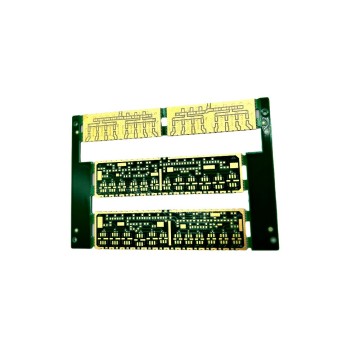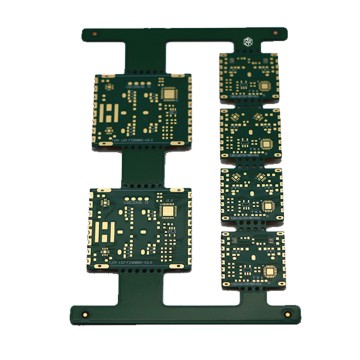

Boosting HDI Capability: From Design to Production — Integrating Technology, Application, and Reliability
Boosting HDI Capability: From Design to Production — Integrating Technology, Application, and Reliability
1、Positioning the Capability: More Than a Manufacturer
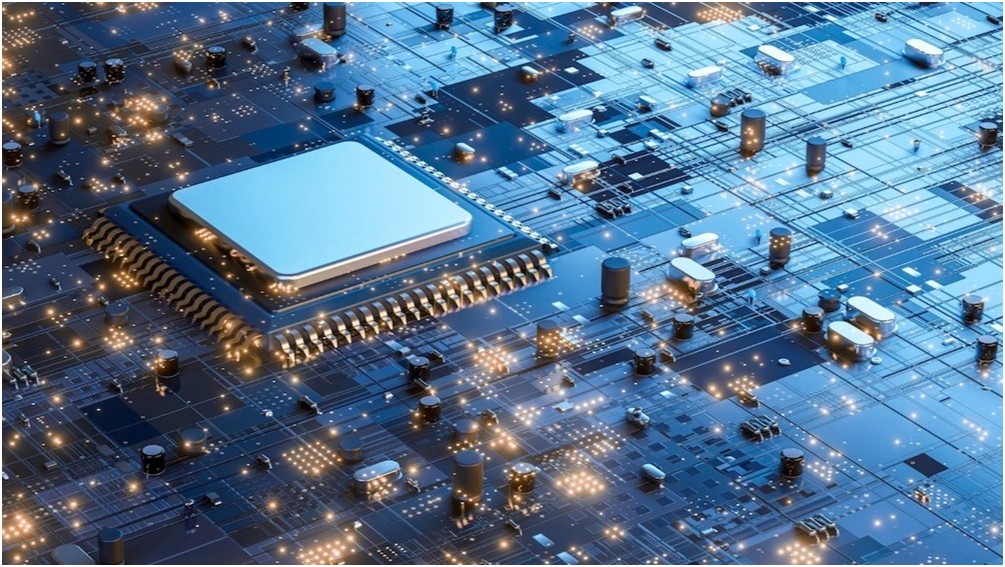
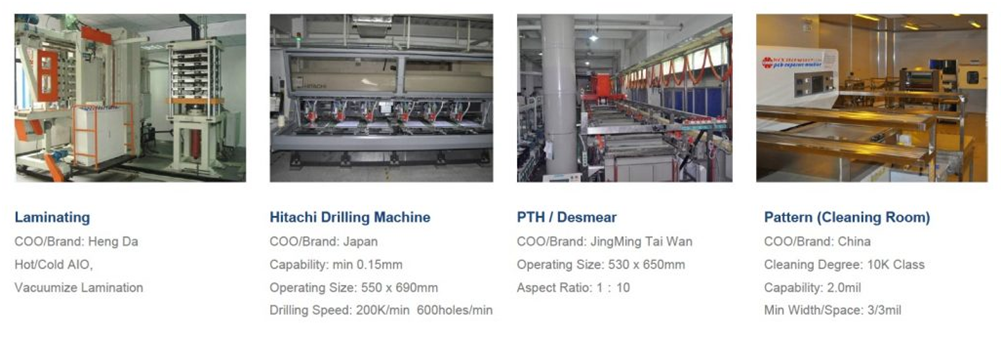
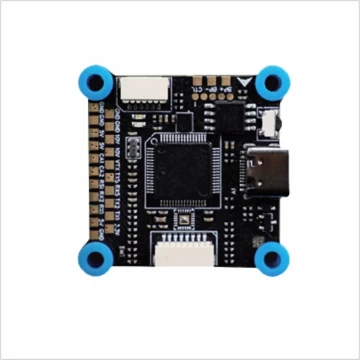
As a HDI PCB Manufacturer China with strong production infrastructure, the real differentiation is not only scale, but engineering depth.
Positioning as a Tier 1 HDI PCB Supplier requires more than volume capability—it requires the ability to translate advanced designs into stable, repeatable manufacturing outcomes across multiple industries.
2、Engineering Capability: Turning Specifications into Reality
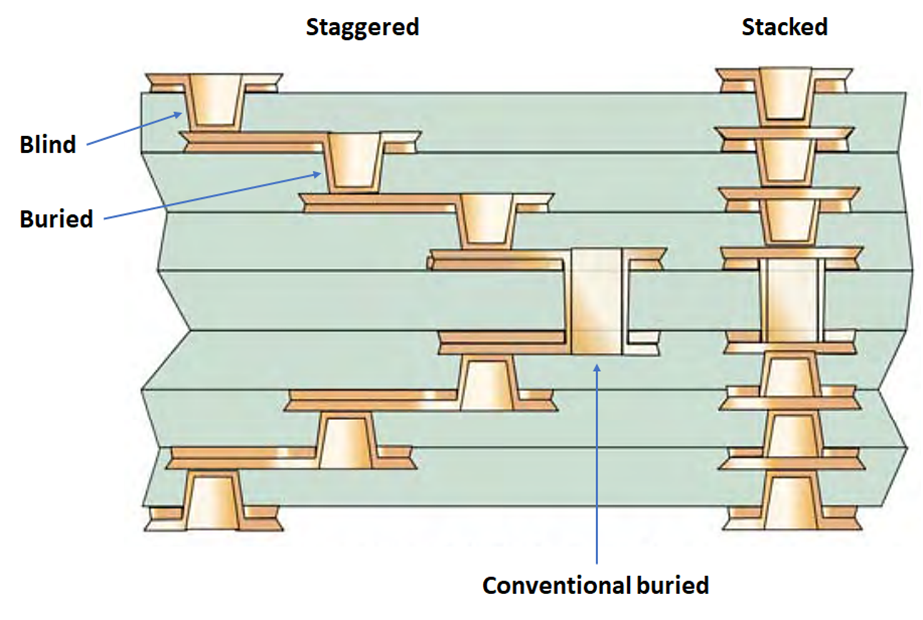
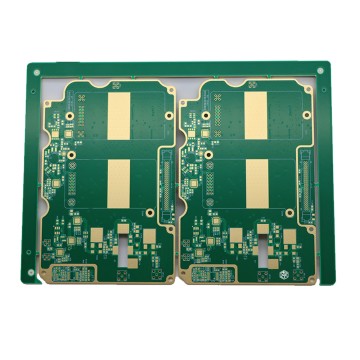
Modern HDI designs increasingly rely on advanced structures such as Any-Layer HDI and precise interconnect systems.
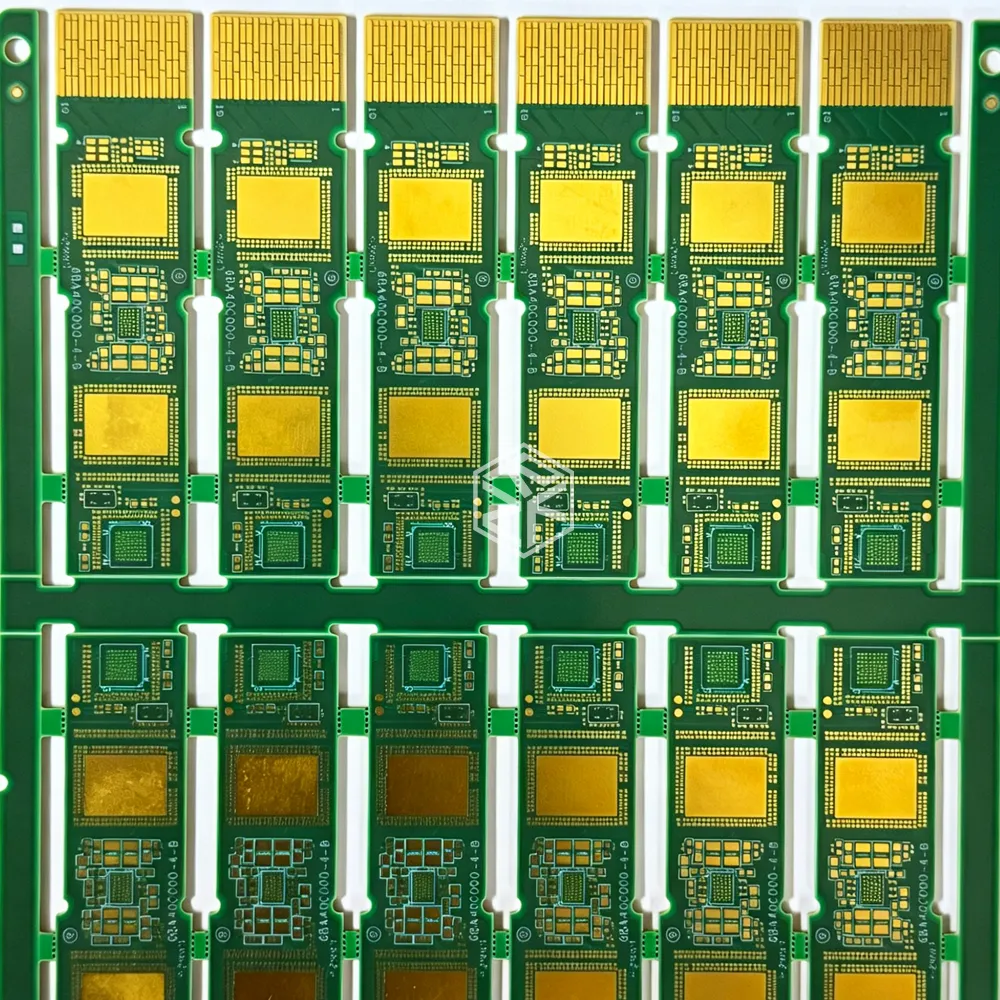
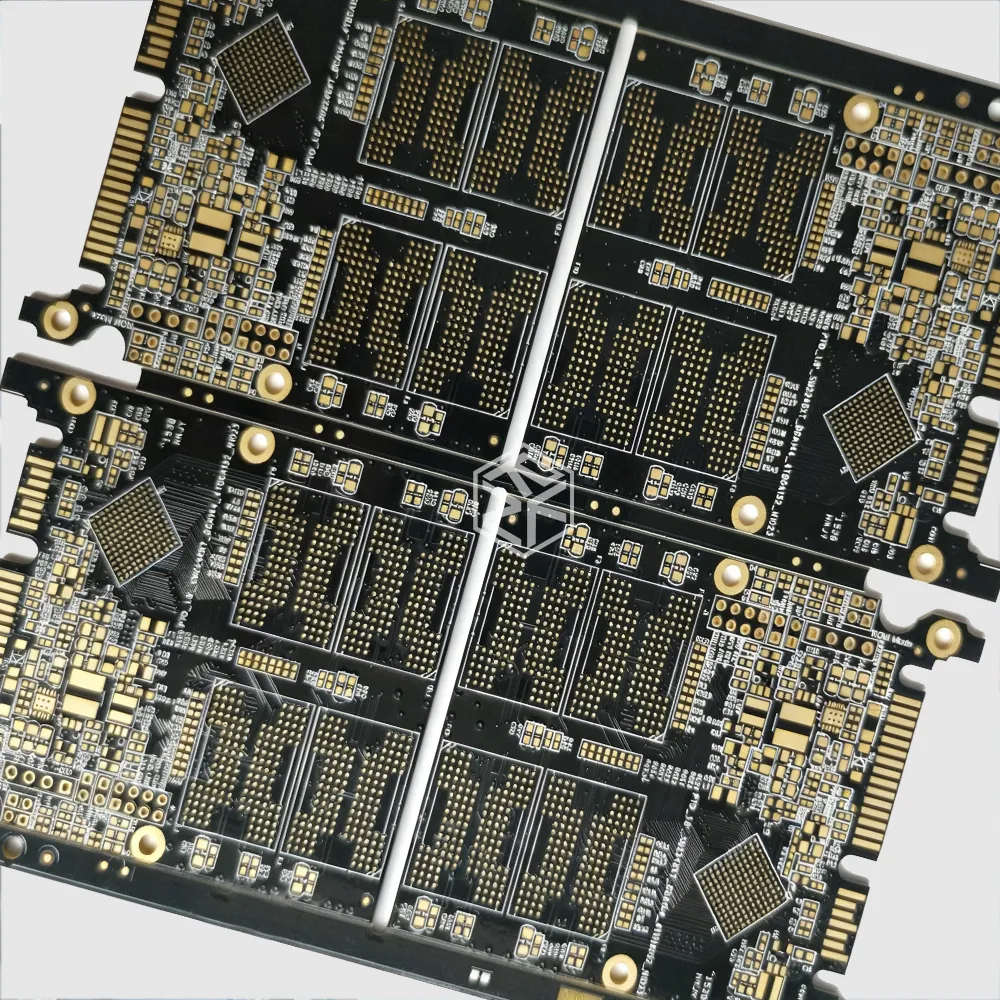
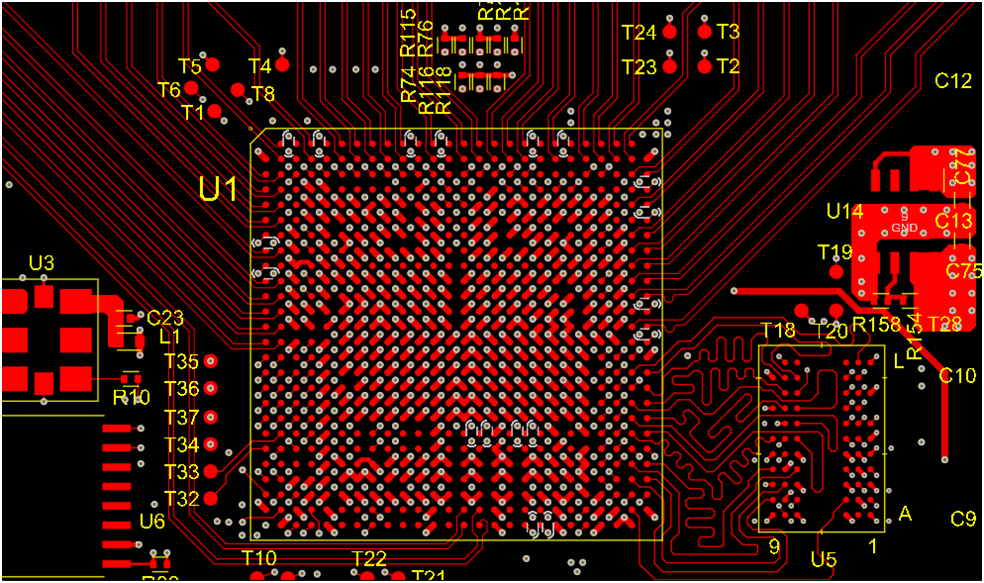
Supporting Fine Pitch BGA Support at 0.4 mm and below requires coordinated control of routing density, via design, and impedance behavior—especially in high-speed and RF-driven systems.
3、Process Technology: Precision Manufacturing as a System
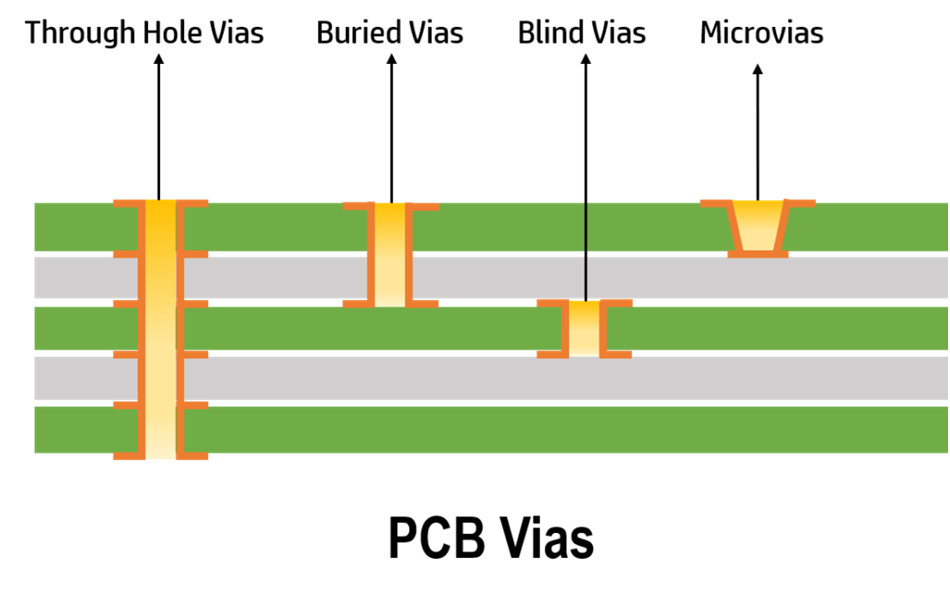
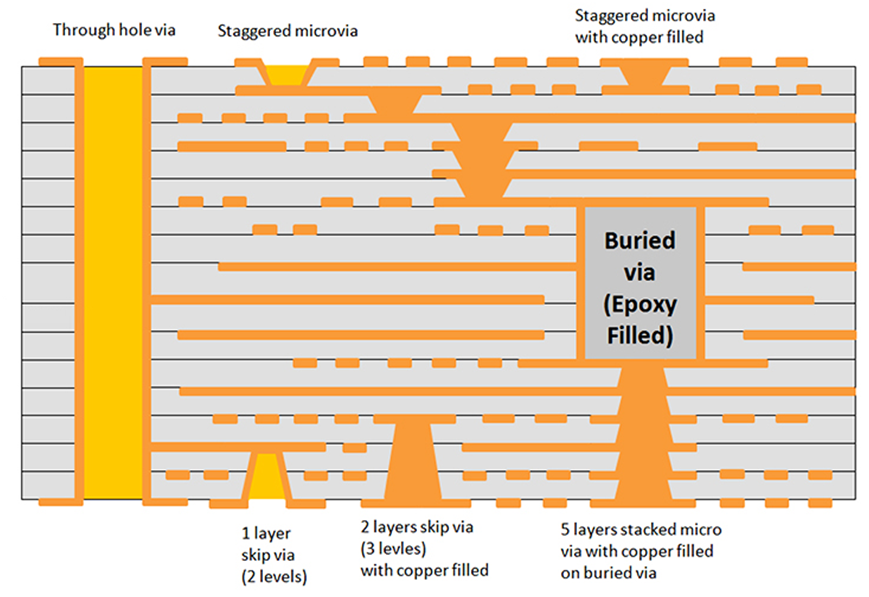
Advanced HDI manufacturing depends on tightly integrated processes such as Laser Direct Imaging (LDI) and Sequential Lamination Process.
These technologies enable accurate layer registration, fine-feature imaging, and reliable formation of stacked or staggered microvia structures—critical for ultra-dense interconnect architectures.
4、Application Alignment: From IoT to RF Systems
HDI capability must align with real application requirements.
Providing IoT Device PCB Solutions and High-Frequency RF PCBs requires not only density, but also electrical performance stability—especially for compact GPS trackers, wireless modules, and RF front-end systems.
5、Automotive and High-Reliability Applications
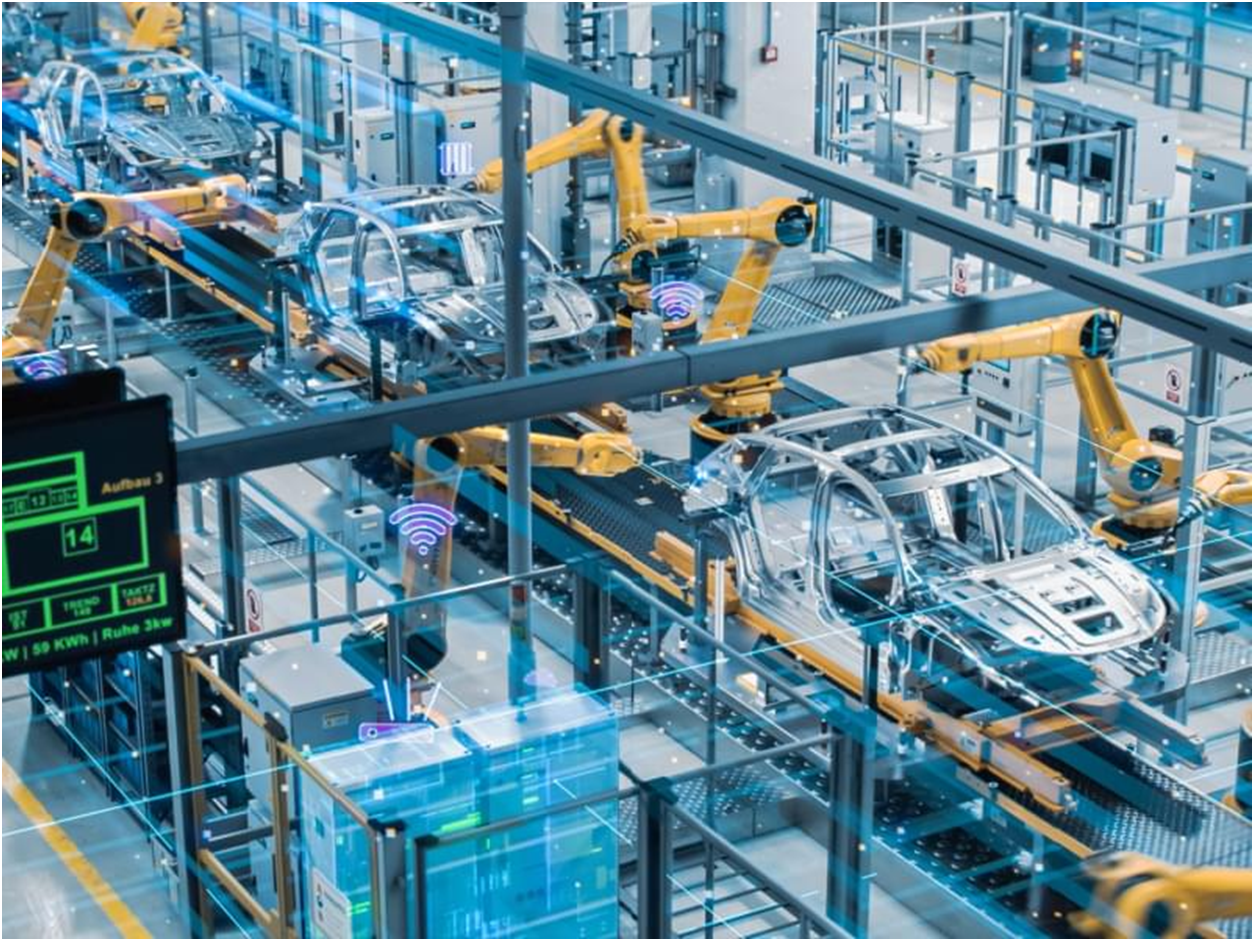
For automotive and mission-critical systems, HDI must meet higher standards.
Supporting Automotive Grade PCB (IATF 16949) and Consumer Electronics HDI requires consistent process control, stable materials, and proven reliability under thermal and mechanical stress conditions.
6、Quality System: Eliminating Uncertainty in Production
In high-density designs, quality is not just inspection—it is system control.
Through Zero-Defect Quality Control and Full Traceability PCB Manufacturing, every stage from material to finished board is monitored and recorded to ensure consistency across production cycles.
7、Engineering Focus: Signal Integrity and Manufacturability
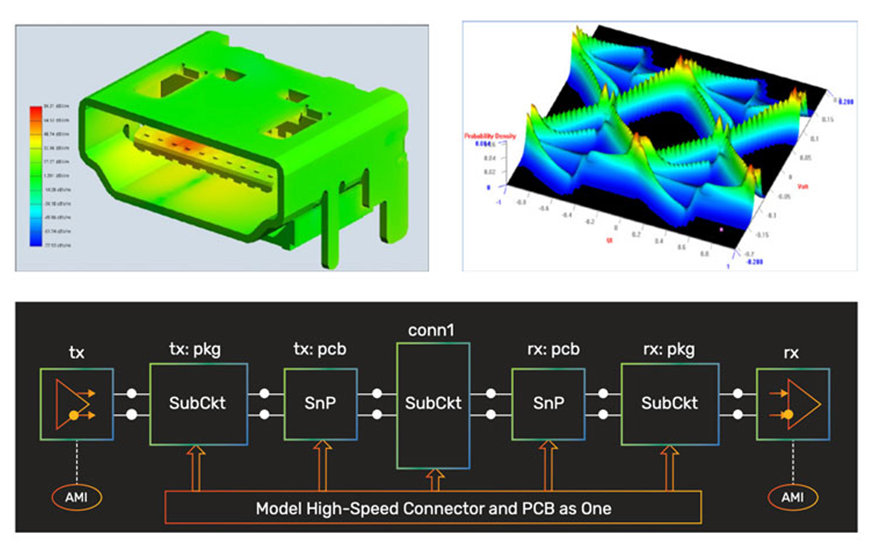
Advanced HDI is not only about geometry—it is about performance.
A Signal Integrity Focused PCB approach ensures stable electrical behavior, while DFM-Optimized PCB Fabrication ensures that designs are aligned with real manufacturing capability from the beginning.
8、Integrated Capability: From Structure to System
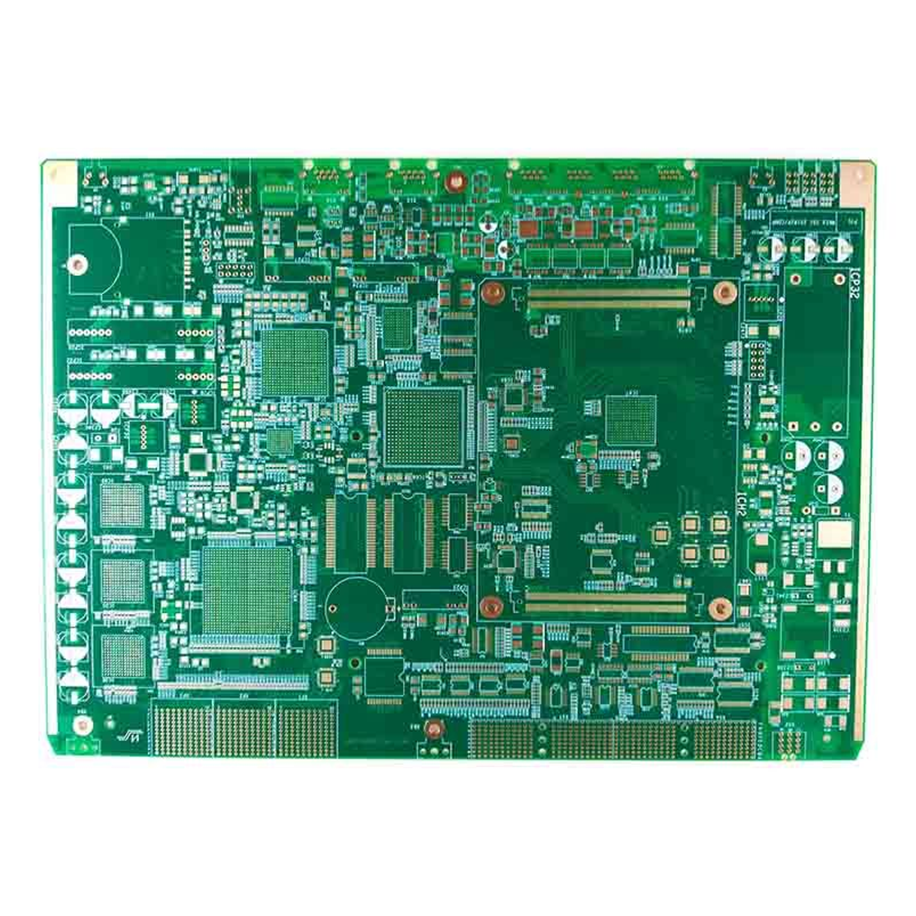
Delivering Advanced Interconnect Solutions requires integration across design, materials, and process control.
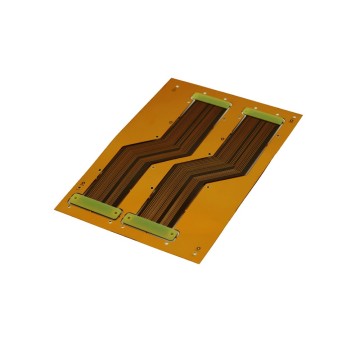
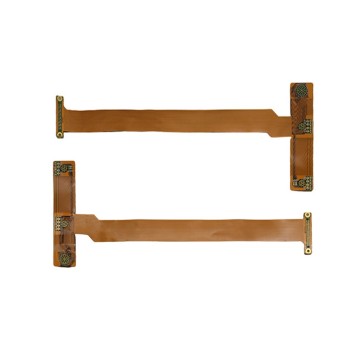
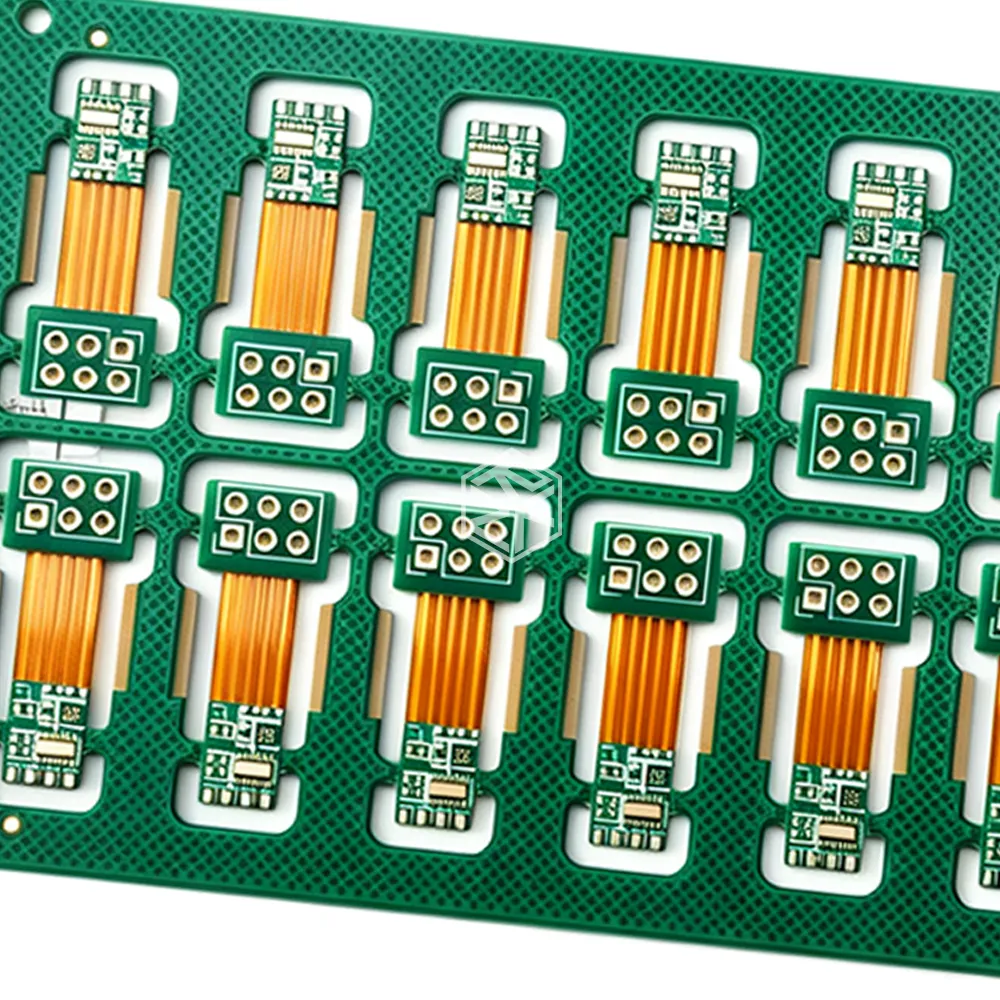
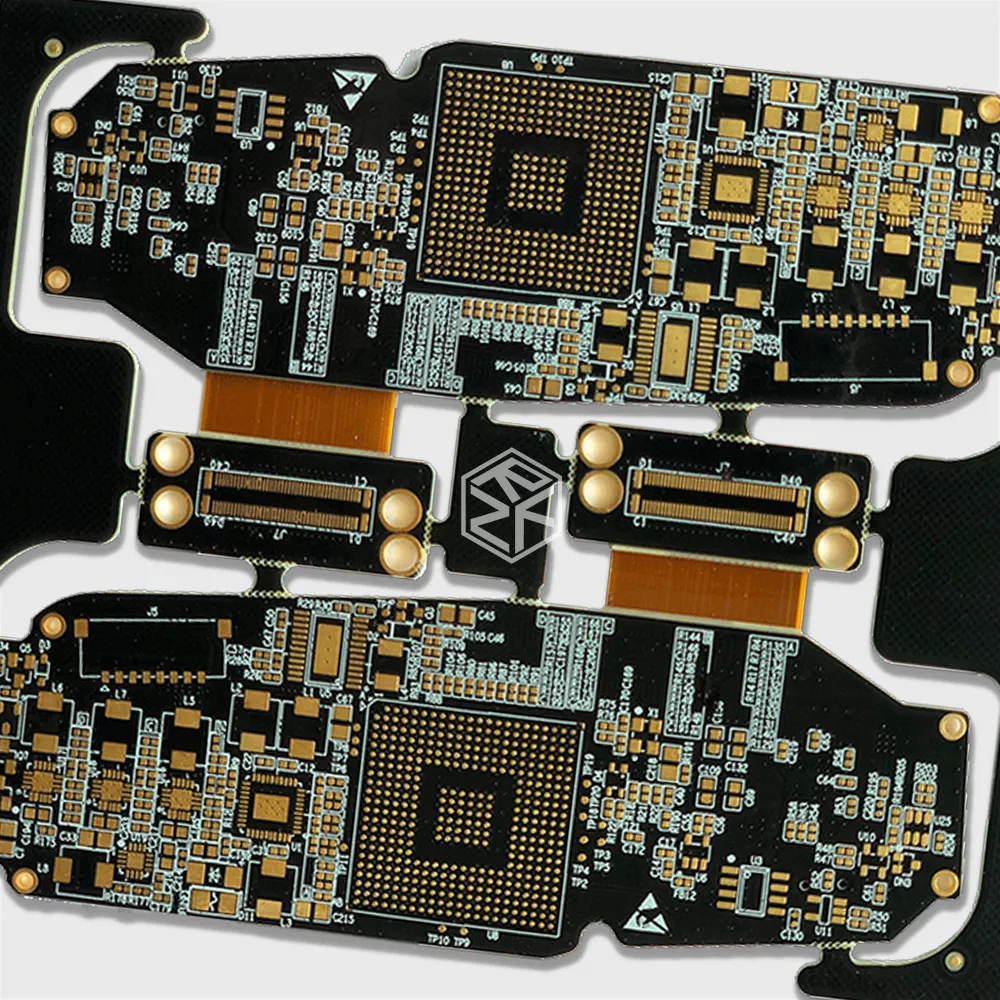
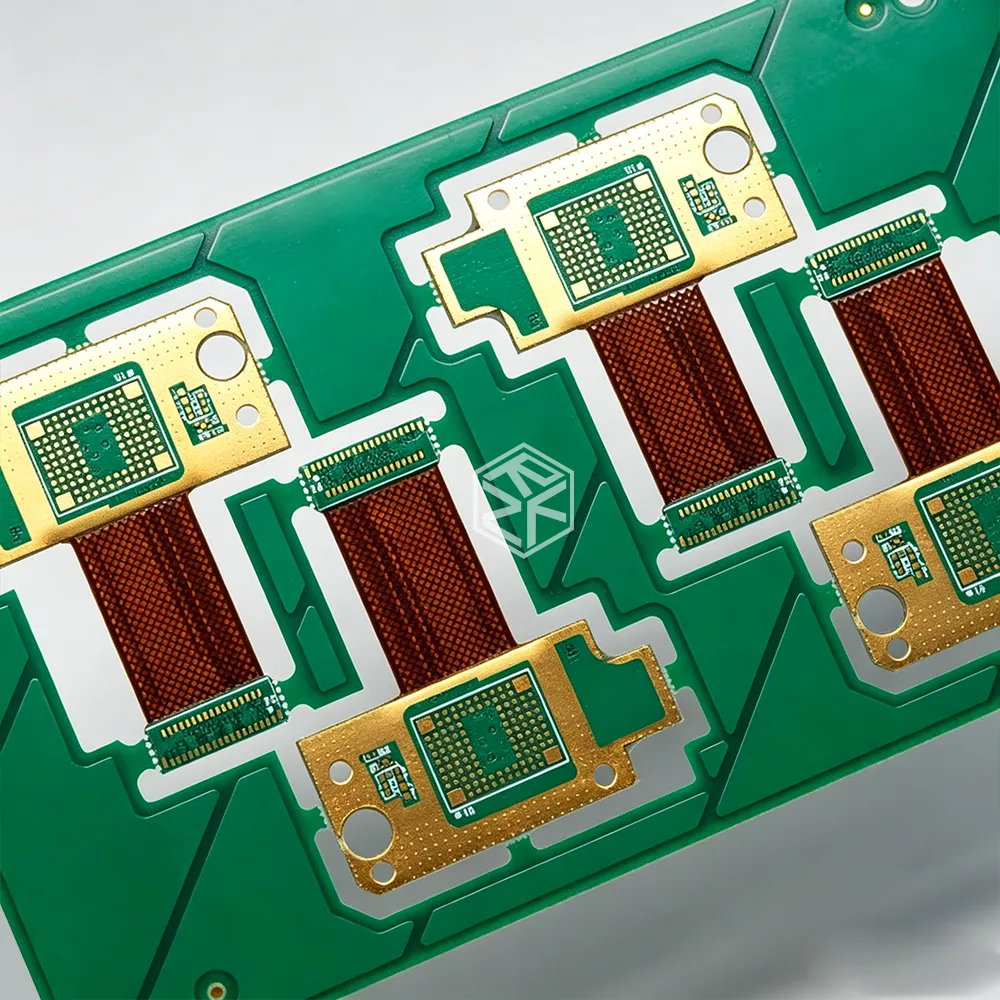
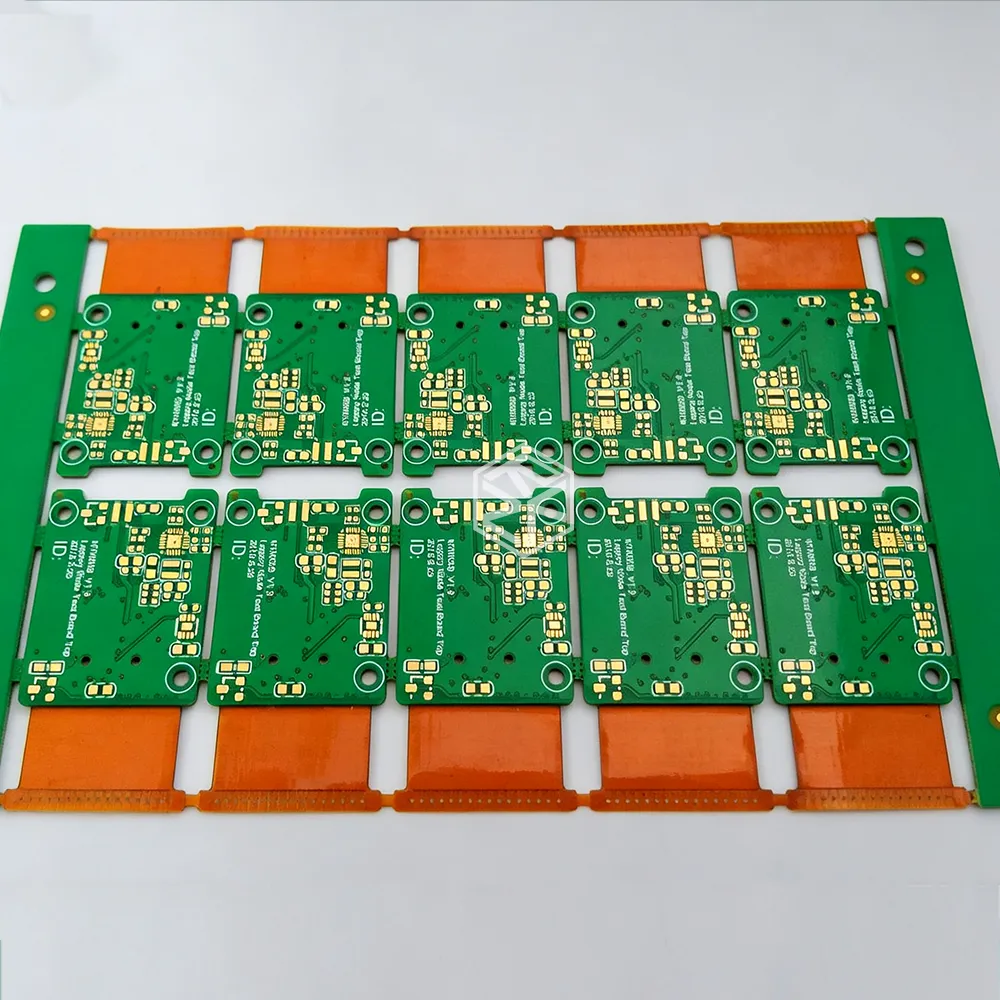
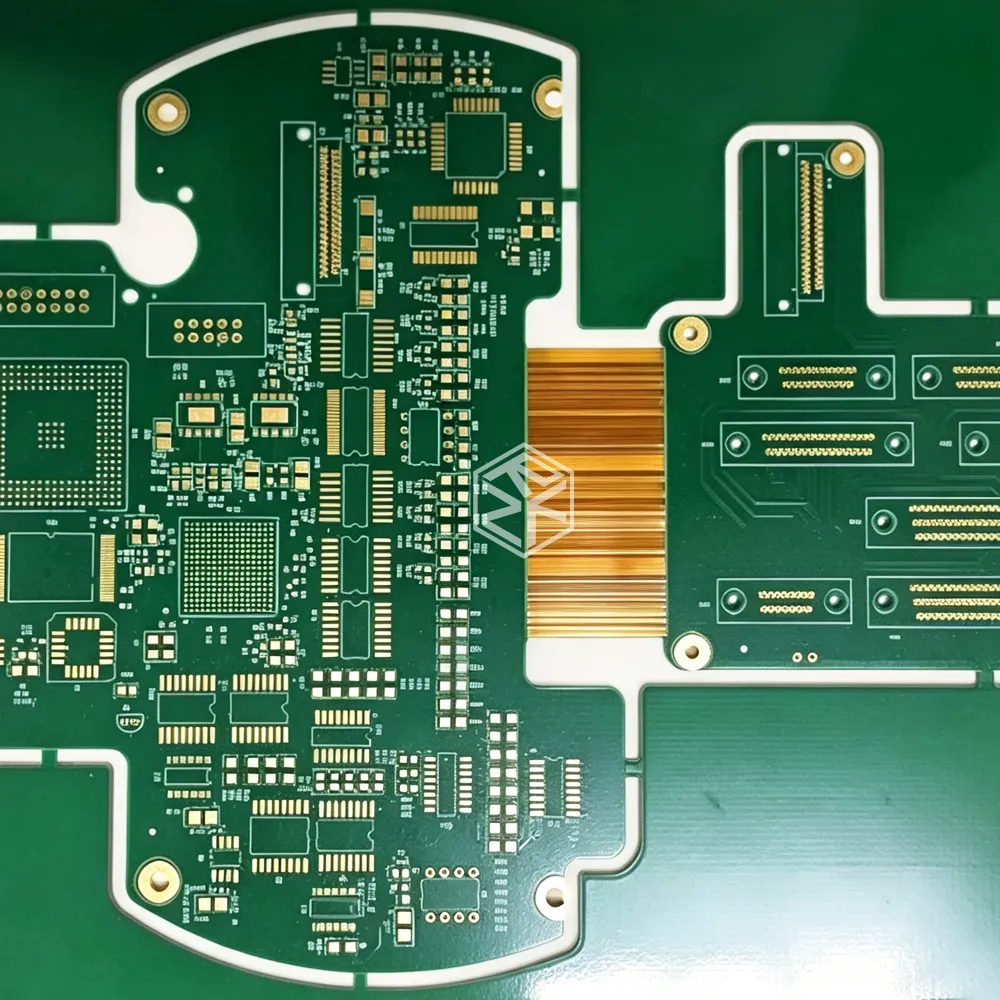
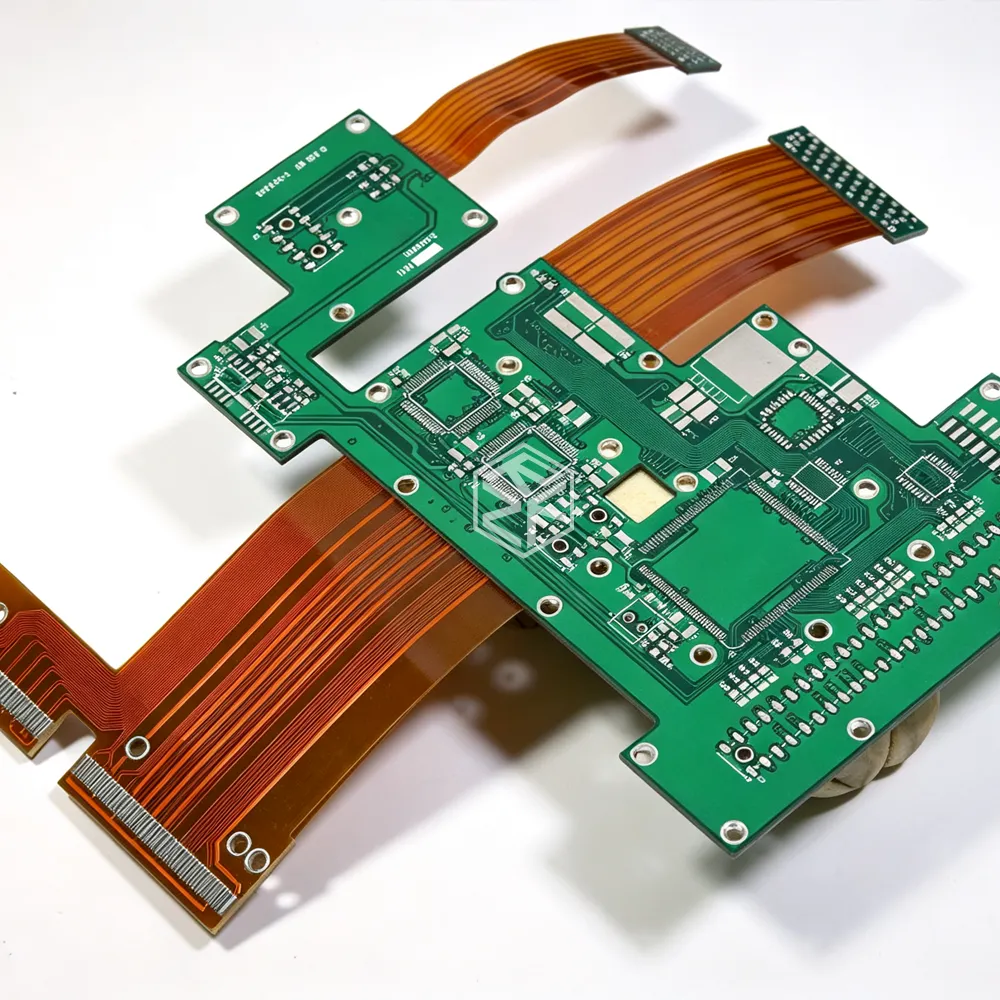
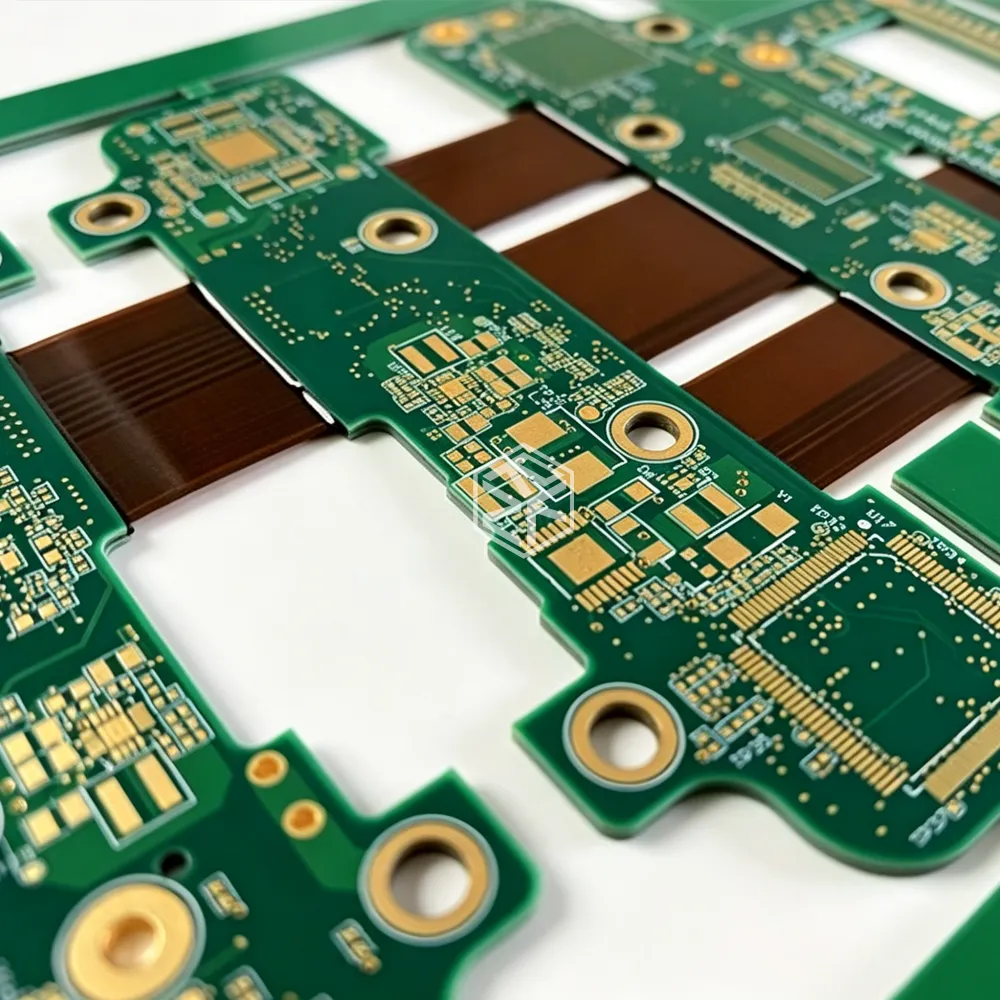
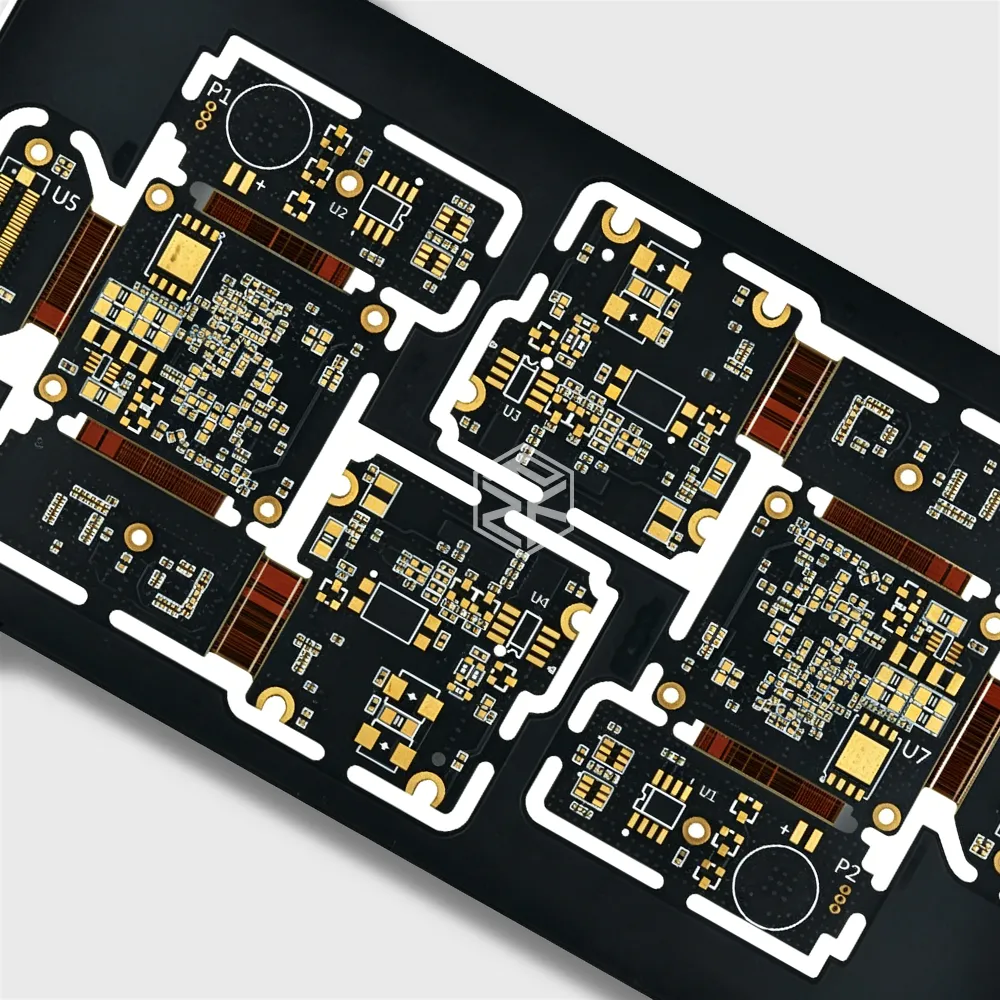
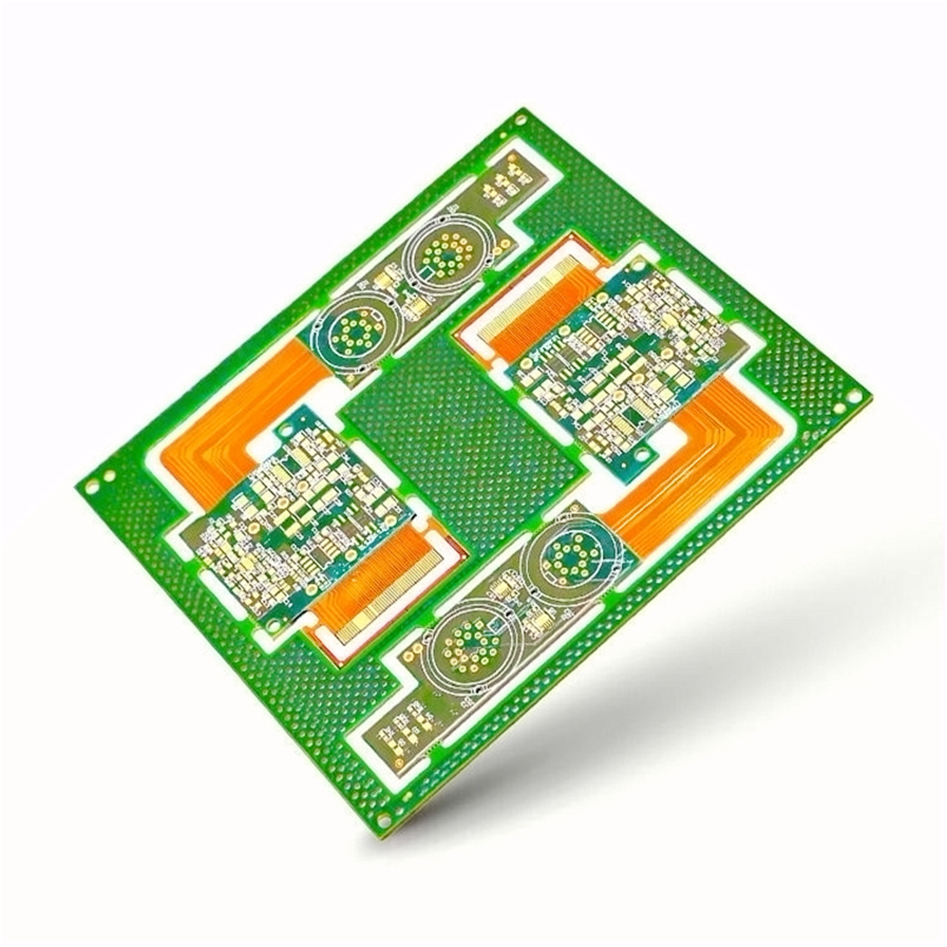
For applications requiring flexibility and compact integration, working as a Rigid-Flex HDI Specialist enables more efficient system-level packaging and space optimization.
9、Final Insight: Capability Is Defined by Integration
The future of HDI is not defined by a single technology.
It is defined by how well:
• manufacturing capability
• process precision
• application understanding
• quality systems
are integrated into one coherent platform.
Because in advanced electronics, performance, density, and reliability are no longer separate goals—they are engineered together.