
High-Speed PCB Drilling Challenges & Solutions: ICD Prevention & Tool Optimization
Table of Contents
- Introduction
- Key Challenges in High-Speed PCB Drilling
- Drill Bit Design and Coating Optimization
- Process Parameter Optimization
- Conclusion
With the widespread adoption of high-speed materials in 5G communications, automotive electronics, and high-performance computing, PCB manufacturers face increasing demands for drilling precision, efficiency, and reliability. The unique properties of high-speed materials—low transmission loss, high thermal resistance, and mechanical strength—significantly enhance PCB performance but also introduce major challenges for drilling processes. Among these, ICD (Inner Connection Defects) has become a critical factor affecting PCB yield and reliability.
Key Challenges in High-Speed PCB Drilling
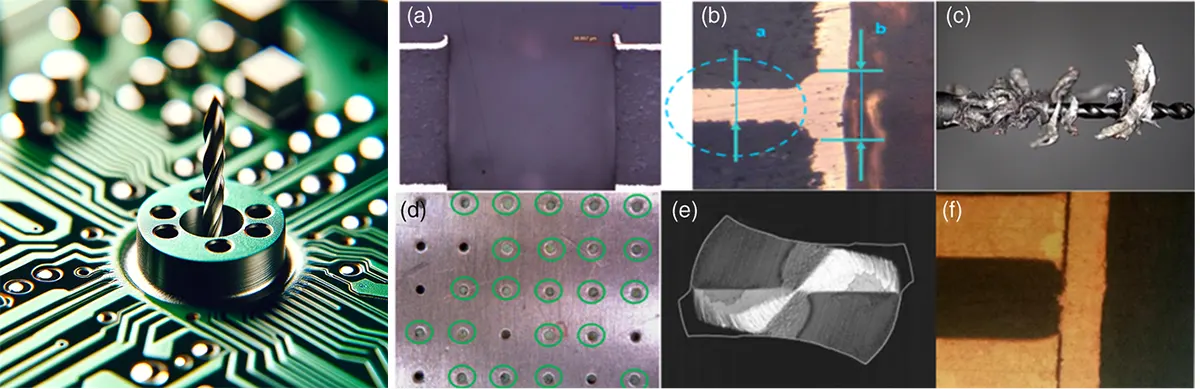
- ICD Defects: During SMT assembly and high-temperature reflow, resin separation or cracks may occur, leading to poor inner-layer connections.
- Reduced Drill Bit Life: High friction and thermal stress during drilling accelerate tool wear, reducing drill life by more than 50%.
- Low Processing Efficiency: Conventional drill bits require a speed reduction of more than 20% when processing high-speed materials, limiting overall productivity.
Drill Bit Design and Coating Optimization
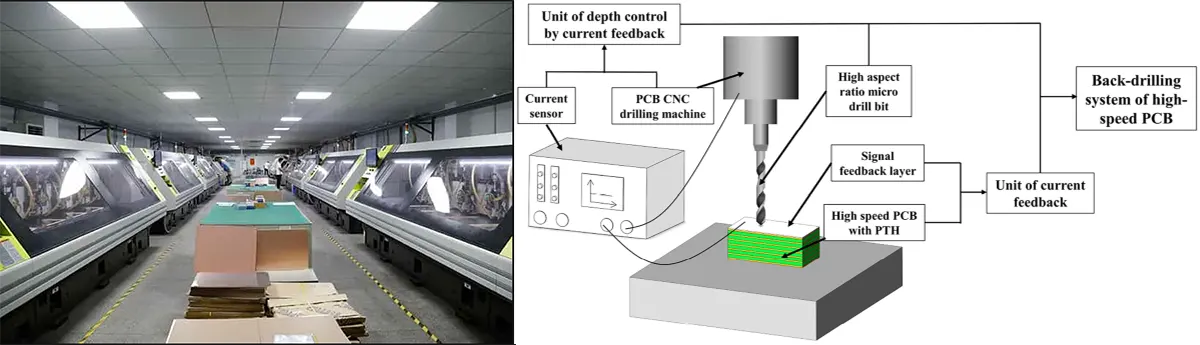
- Drill Bit Design: Studies show that USF double-edge single-flute drills and SHC-coated drills deliver the best performance in high-speed material drilling. The USF design helps reduce ICD formation, while SHC coatings enhance wear resistance and tool life.
- Coating Benefits: Compared to standard drills, SHC-coated tools extend tool life by more than 30% while maintaining consistent hole quality, making them ideal for high-volume, high-speed PCB manufacturing.
Process Parameter Optimization
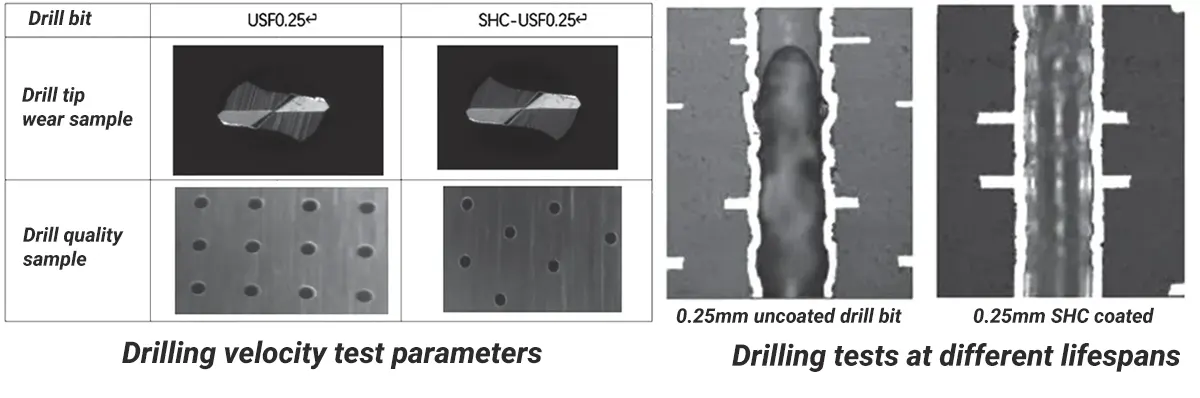
Comparative testing demonstrates that:
- Proper adjustment of feed rate and cutting speed significantly reduces burr formation and hole wall damage.
- On 0.25 mm high-speed substrates, SHC-coated drills maintained stable quality for more than 600 hits, whereas standard drills showed significant degradation after 400 hits.
To address the challenges of high-speed material PCB drilling, optimized drill design, advanced coating technologies, and fine-tuned process parameters are essential. As a professional PCB and PCBA manufacturer, we not only deliver high-precision drilling capabilities but also provide reliable and efficient process optimization solutions tailored to our clients' needs.