
AI Computing Power and the Future of PCB Manufacturing
AI Computing Power and the Future of PCB Manufacturing
Table of Contents
- Introduction: The Symbiosis of AI and PCBs
- The Rising Demand for AI Computing Power
- The Role of PCB Manufacturing in AI Hardware
- Emerging PCB Technologies for AI Applications
- AI-Driven Innovations in PCB Manufacturing
- Environmental and Sustainability Considerations
- Future Trends in AI and PCB Integration
- FAQs on AI Computing Power and PCB Manufacturing
- Conclusion: Building the Future Together
Introduction: The Symbiosis of AI and PCBs
Artificial intelligence (AI) is redefining the technological landscape, from self-driving cars to natural language processing. But behind every AI model lies a vast amount of computing power, which relies heavily on advanced hardware. At the heart of this hardware ecosystem are printed circuit boards (PCBs). As AI workloads grow more complex, PCB manufacturing must evolve to support higher performance, greater density, and improved reliability.
The Rising Demand for AI Computing Power
Growth of AI Servers and Data Centers
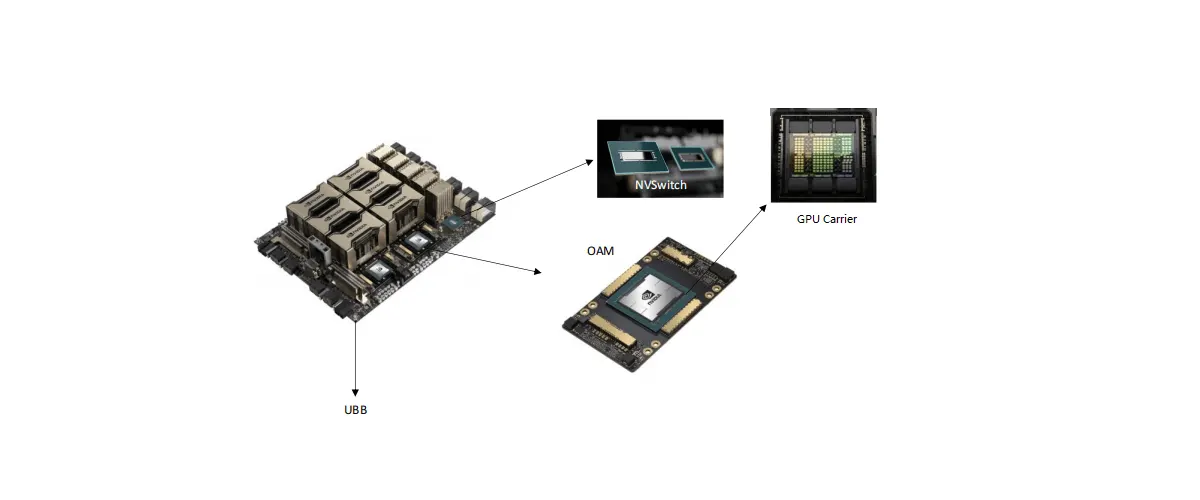
The global demand for AI servers is skyrocketing. Data centers are expanding at an unprecedented rate, hosting thousands of AI accelerators such as GPUs and TPUs. These components require PCBs that can handle ultra-fast data transfers while maintaining signal integrity.
AI Workloads: From Training to Inference
AI training involves massive parallel computations, while inference focuses on real-time decision-making. Both processes demand robust PCB architectures capable of supporting high-frequency signals and advanced thermal management.
The Role of PCB Manufacturing in AI Hardware
High-Speed Signal Integrity
AI accelerators process terabytes of data per second. Any signal loss or crosstalk can compromise performance. Advanced PCBs must ensure consistent impedance and low dielectric losses.
Thermal Management in Dense Architectures
With GPUs and processors packed tightly together, heat dissipation becomes a critical challenge. PCB materials must deliver excellent thermal conductivity to maintain system stability.
Reliability and Longevity of AI Systems
AI workloads often run continuously, 24/7. Long-term reliability depends on using durable PCB materials that withstand thermal cycling and electrical stress.
Emerging PCB Technologies for AI Applications
Advanced Substrates: Rogers, Megtron, and Beyond
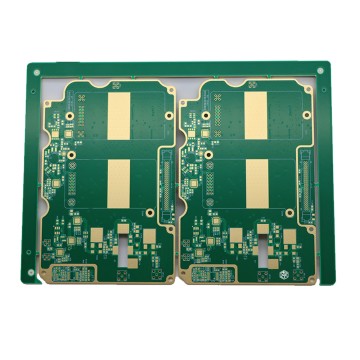
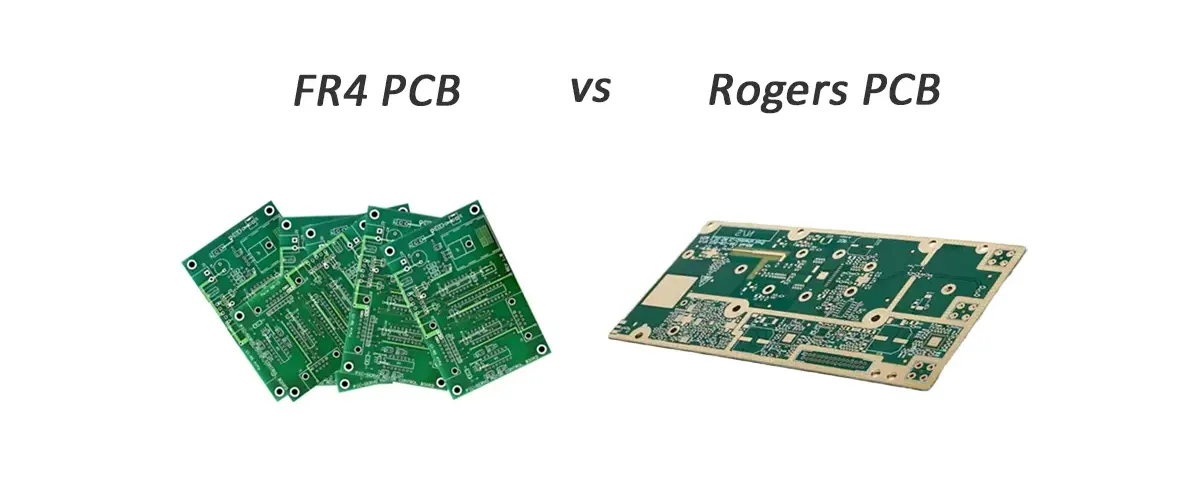
Traditional FR4 materials are insufficient for high-performance AI systems. Advanced substrates like Rogers and Megtron offer lower dielectric constants and superior frequency response, essential for AI servers.
HDI (High Density Interconnect) PCBs
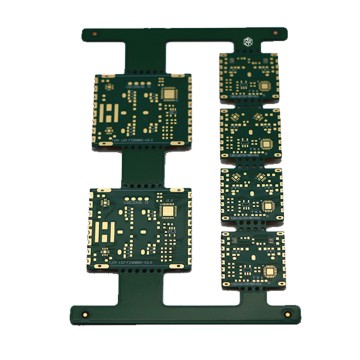
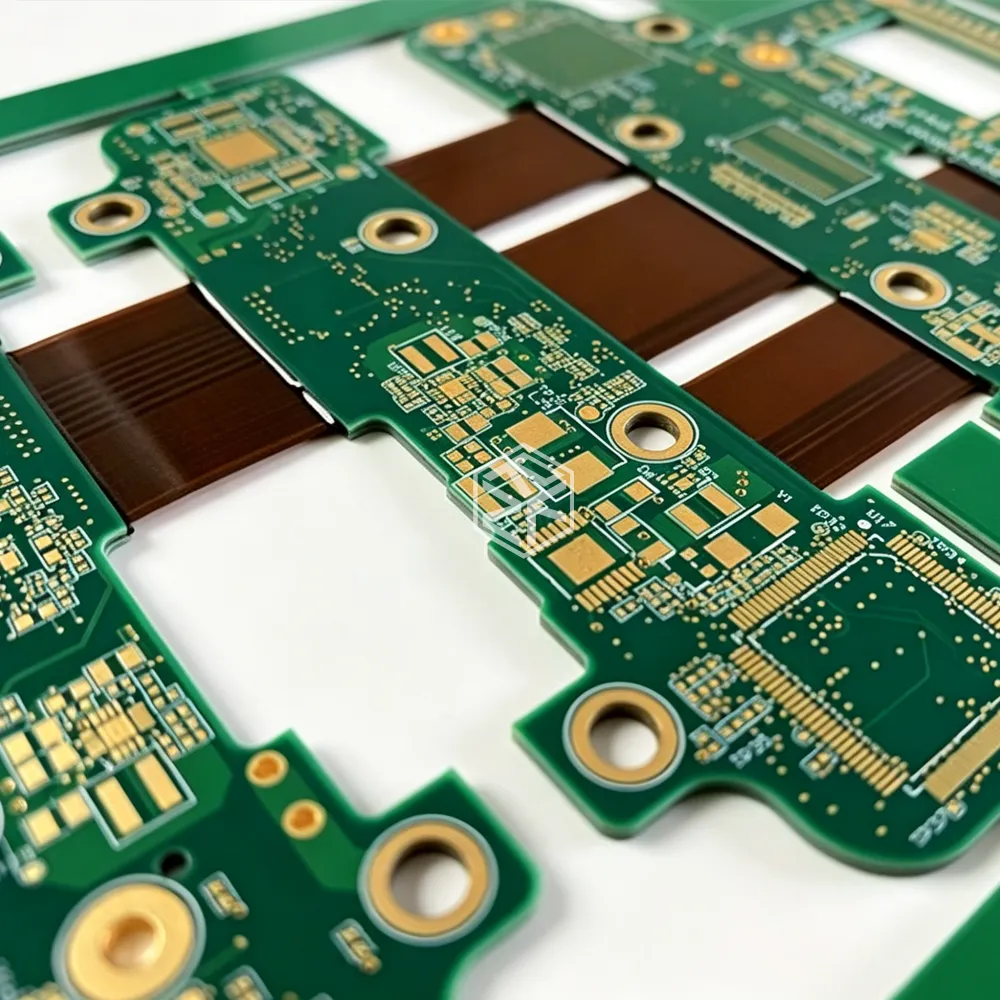
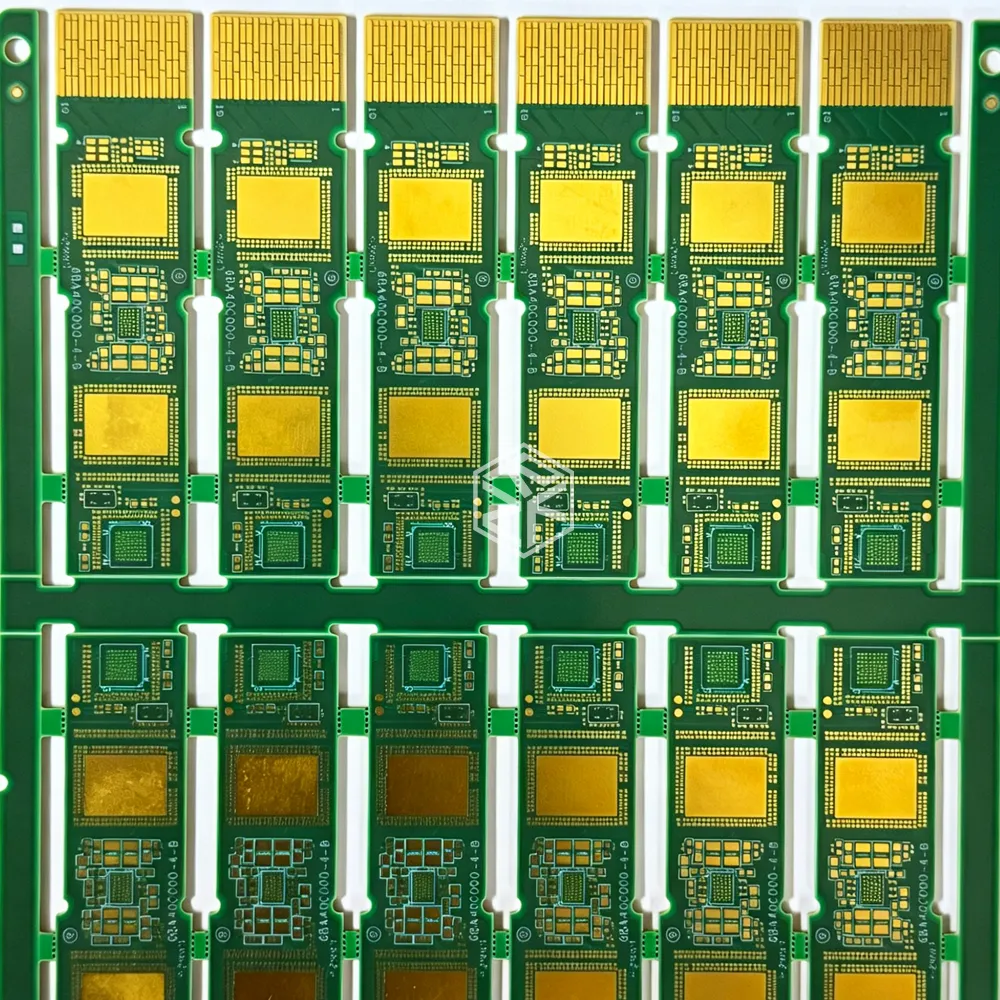
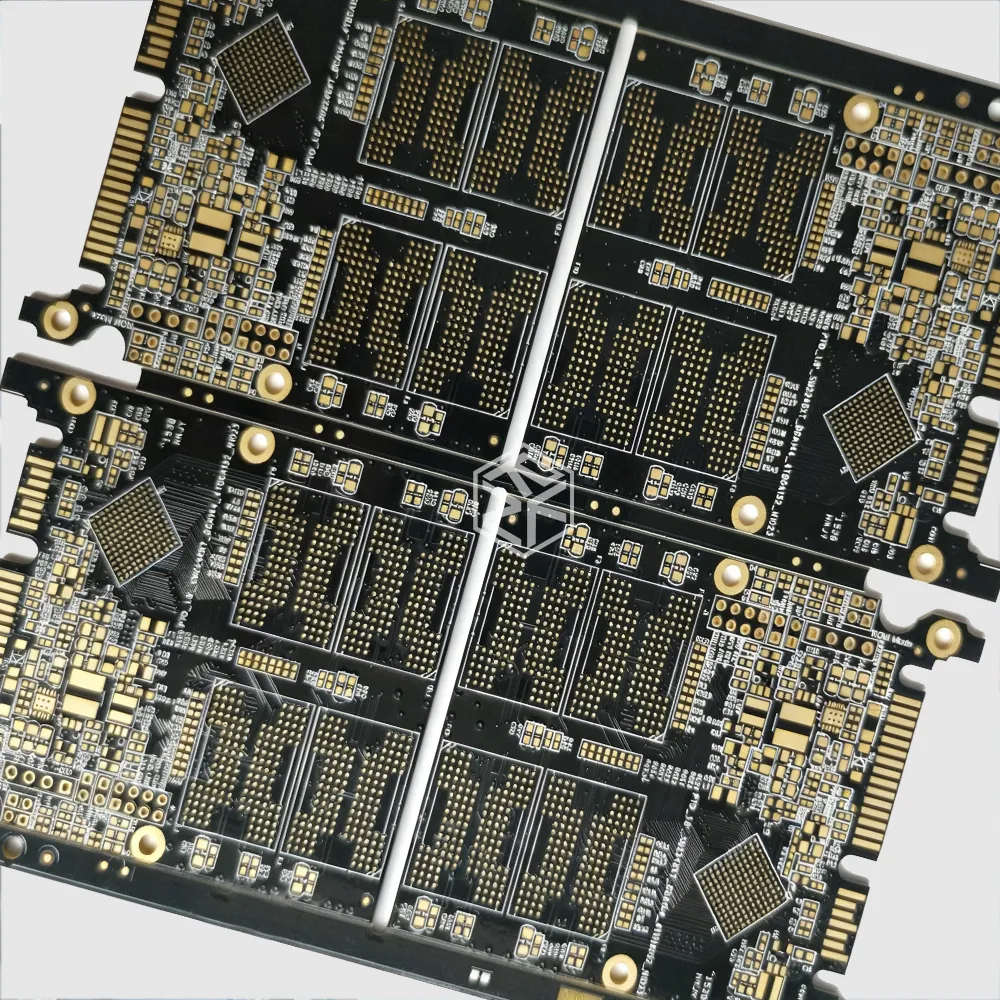
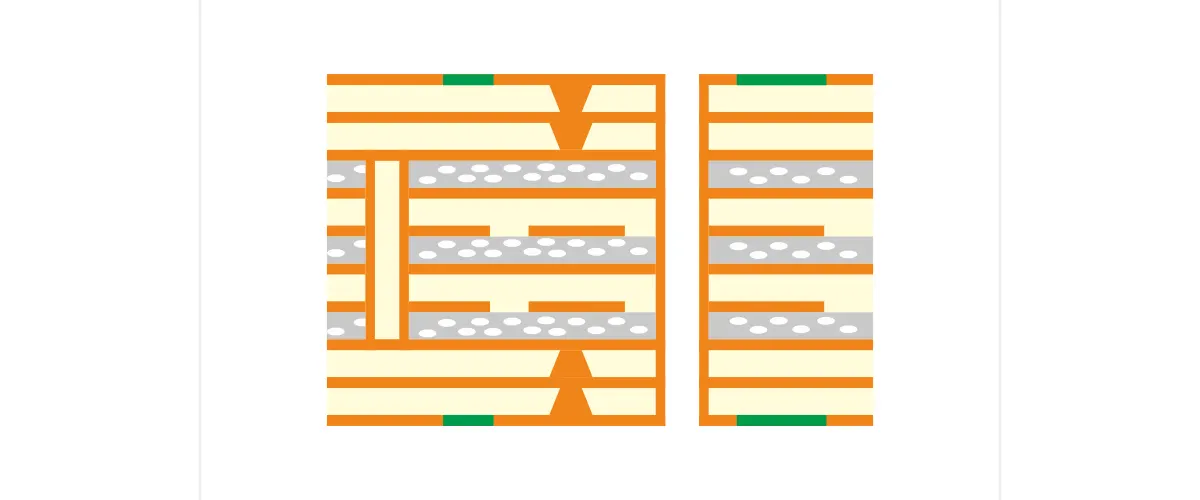
HDI PCBs allow denser interconnections with microvias and multiple layers, enabling compact yet powerful AI hardware designs.
Hybrid PCB Structures
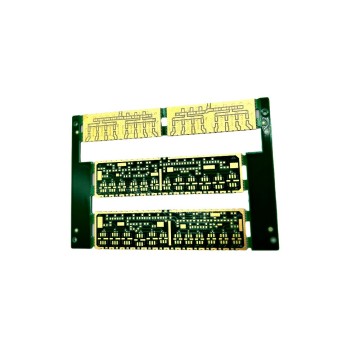
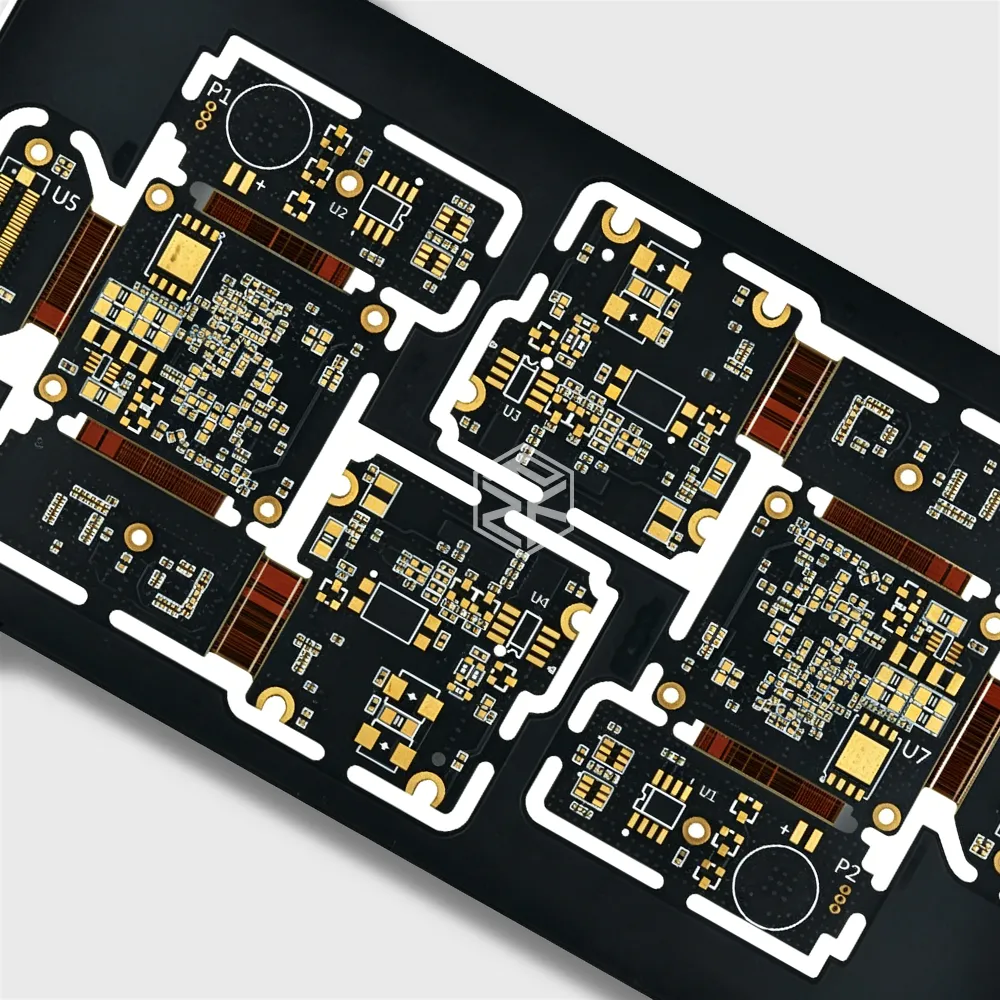
Combining different materials, such as Rogers with FR4, balances cost and performance, making hybrid PCBs an increasingly popular choice for AI computing.
AI-Driven Innovations in PCB Manufacturing
AI in PCB Design Optimization
AI algorithms are now used to optimize PCB layouts, reducing signal interference and improving routing efficiency.
Predictive Maintenance in PCB Fabrication
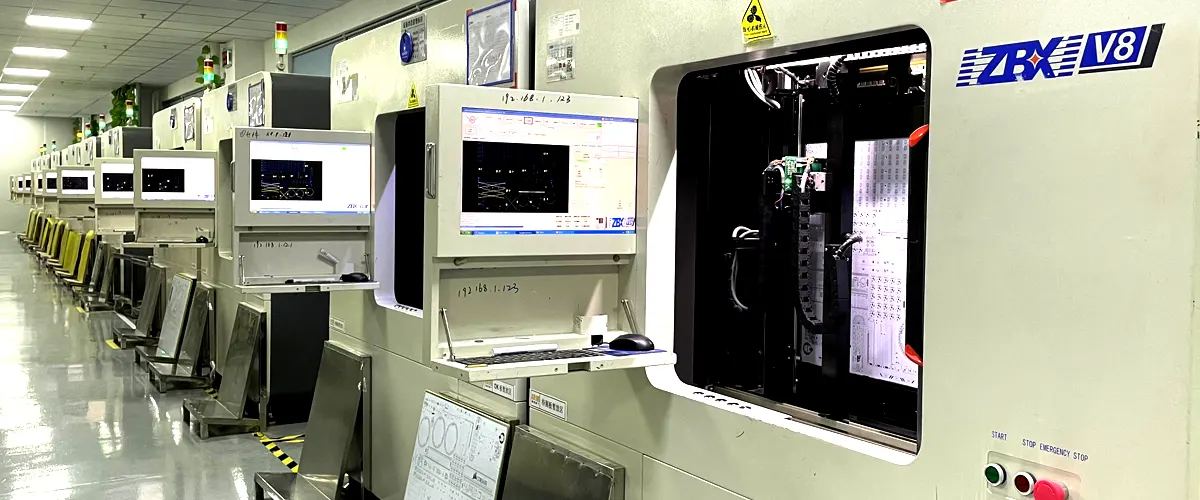
By analyzing manufacturing data, AI predicts potential machine failures, reducing downtime and improving production yield.
AI for Supply Chain and Yield Management
AI-powered analytics enhance supply chain resilience and improve yield rates by identifying defects early in the process.
Environmental and Sustainability Considerations
Reducing Carbon Footprint in PCB Manufacturing
As data centers consume vast amounts of energy, the PCB industry is adopting greener processes to minimize environmental impact.
Recycling and Material Efficiency
Efforts are underway to recycle copper and improve material utilization, reducing waste and lowering overall production costs.
Future Trends in AI and PCB Integration
Quantum Computing and Next-Gen Materials
Quantum hardware will require entirely new PCB substrates with ultra-low signal loss and cryogenic stability.
3D Printed PCBs and Additive Manufacturing
Additive manufacturing allows rapid prototyping and custom PCB designs, speeding up AI hardware innovation cycles.
AI-Optimized PCB Ecosystems
Future PCB ecosystems will be designed with AI at their core—self-optimizing, adaptive, and deeply integrated into AI infrastructure.
FAQs on AI Computing Power and PCB Manufacturing
Why are PCBs critical for AI computing power?
Because they provide the physical backbone for high-speed connections, power distribution, and thermal management.
Which PCB materials are best for AI servers?
Rogers, Megtron, and hybrid substrates outperform FR4 in high-frequency, high-density AI applications.
How is AI used in PCB manufacturing?
AI improves design optimization, predictive maintenance, and supply chain efficiency.
Will 3D printing replace traditional PCB manufacturing?
Not entirely—it will complement it, especially in prototyping and specialized applications.
What sustainability challenges does PCB manufacturing face?
High energy use, material waste, and chemical processes. AI helps mitigate these challenges.
What's the future of PCBs in AI hardware?
More advanced, hybrid, and AI-optimized designs tailored for next-gen computing.
Conclusion: Building the Future Together
AI computing power and PCB manufacturing are tightly intertwined. As AI reshapes industries, PCB technology must keep pace, evolving into more advanced, reliable, and sustainable solutions. The future belongs to those who integrate AI with next-generation PCB innovations, building a foundation for smarter, greener, and more powerful computing systems.