
Exploring the Future of HDI: When System-in-Package (SiP) Meets mSAP and Advanced HDI Substrates
Exploring the Future of HDI: When System-in-Package (SiP) Meets mSAP and Advanced HDI Substrates
1、The Convergence of Packaging and PCB Technologies
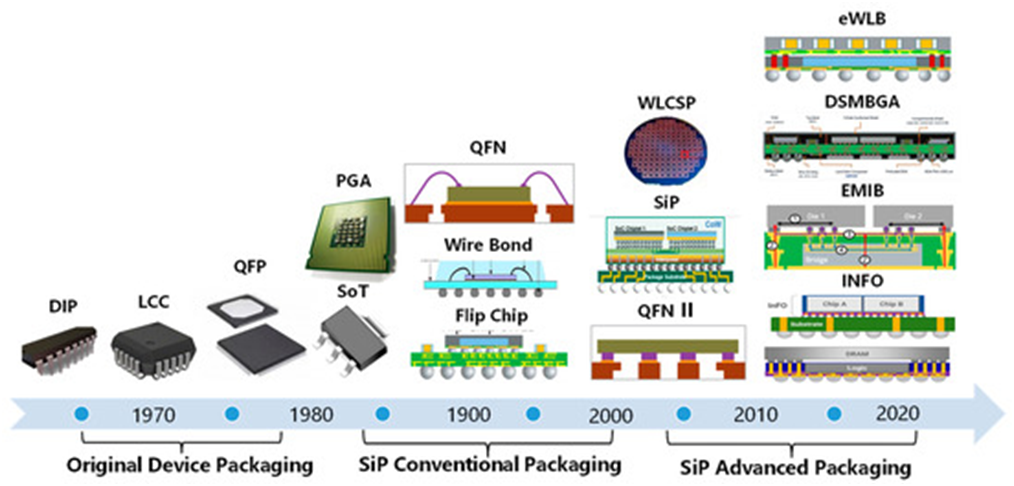
The boundary between semiconductor packaging and PCB technology is rapidly disappearing.
System-in-Package (SiP) integrates multiple functional components—processors, memory, RF modules, and passive devices—into a single compact module. This shifts complexity from board-level integration to package-level architecture.
As this transition accelerates, traditional PCB technology alone is no longer sufficient. Instead, the industry is moving toward a hybrid domain where advanced HDI substrates bridge the gap between chip packaging and system-level interconnects.
2、Why SiP Is Driving a New Interconnect Paradigm
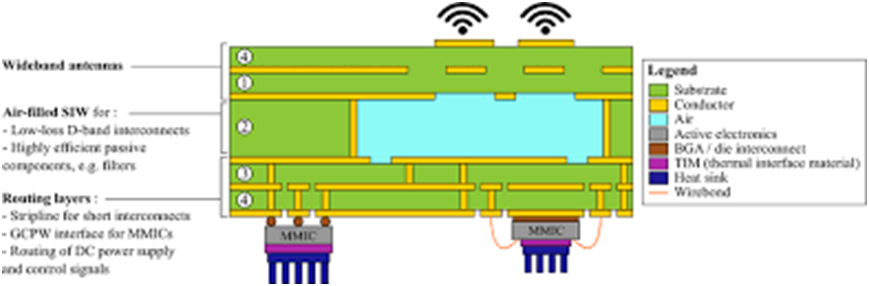
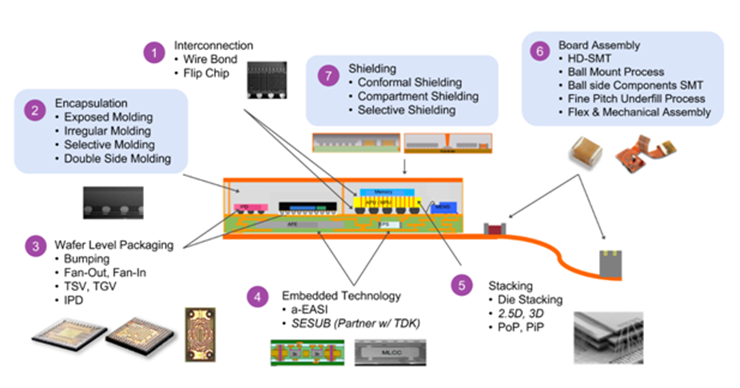
SiP is driven by the need for extreme miniaturization and functional integration.
Applications such as:
- wearable electronics
- IoT modules
- RF communication systems
- AI edge devices
require higher performance within smaller footprints.
To achieve this, interconnect structures must support:
- ultra-fine routing
- high I/O density
- short signal paths
- minimal parasitic effects
This demand pushes PCB technology into territory traditionally reserved for semiconductor substrates.
3、Advanced HDI Substrates: The Bridge Between PCB and IC Packaging
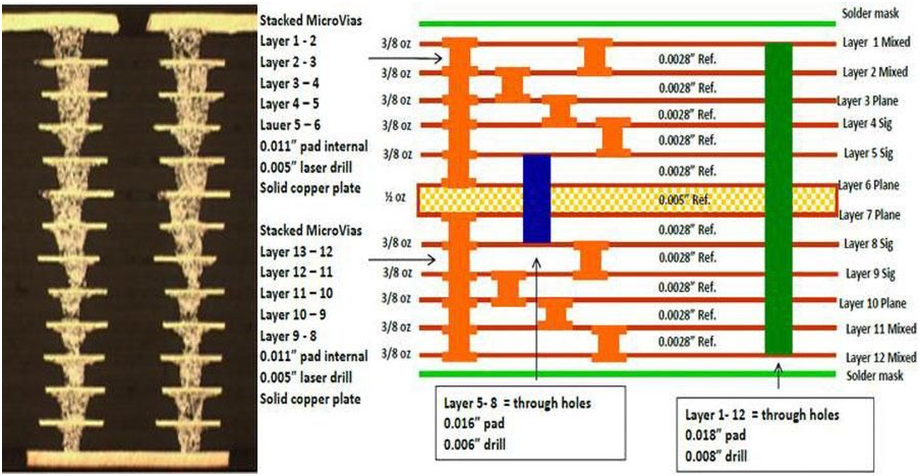
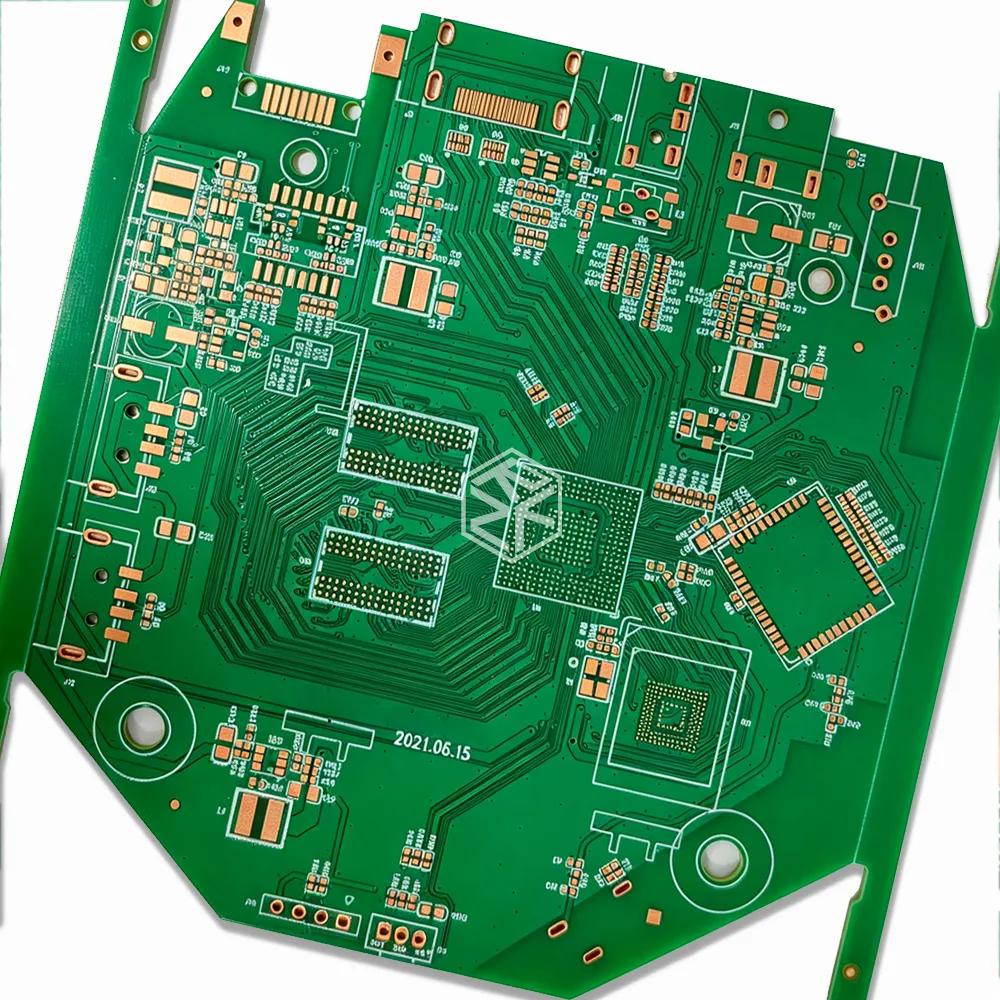
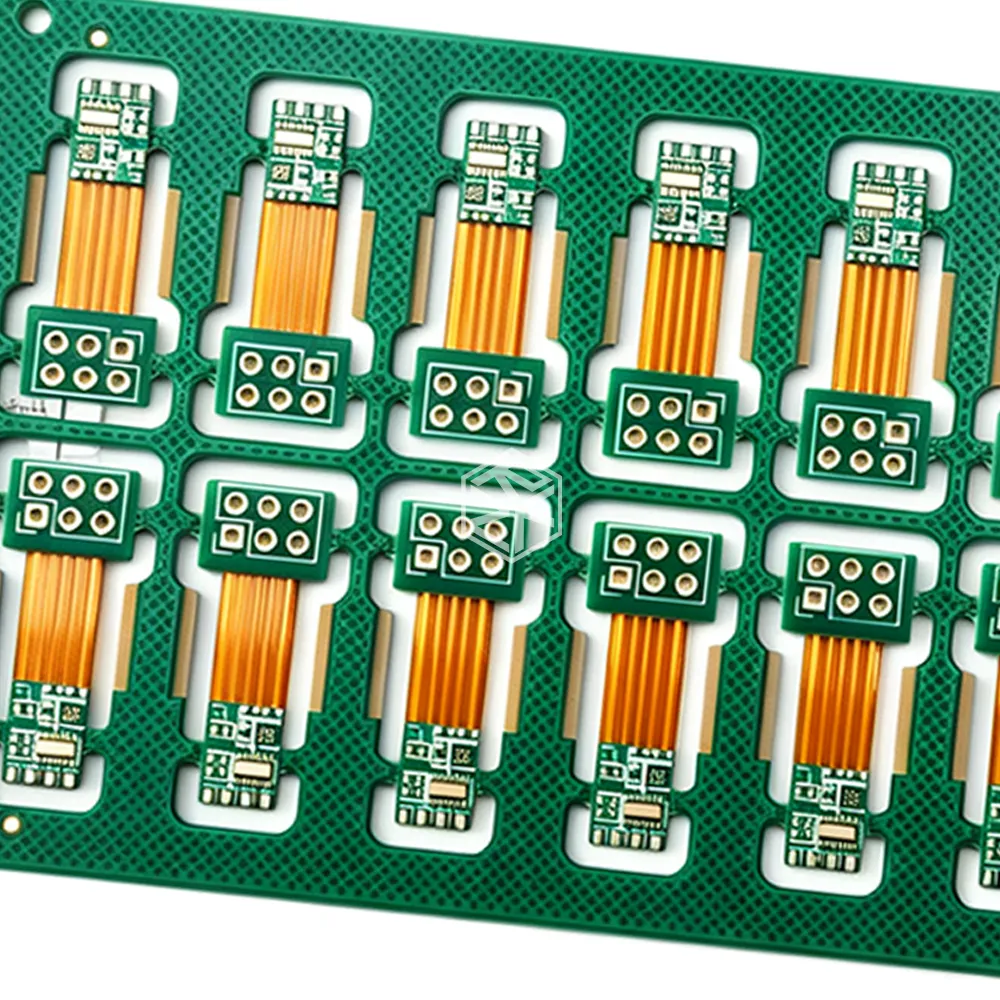
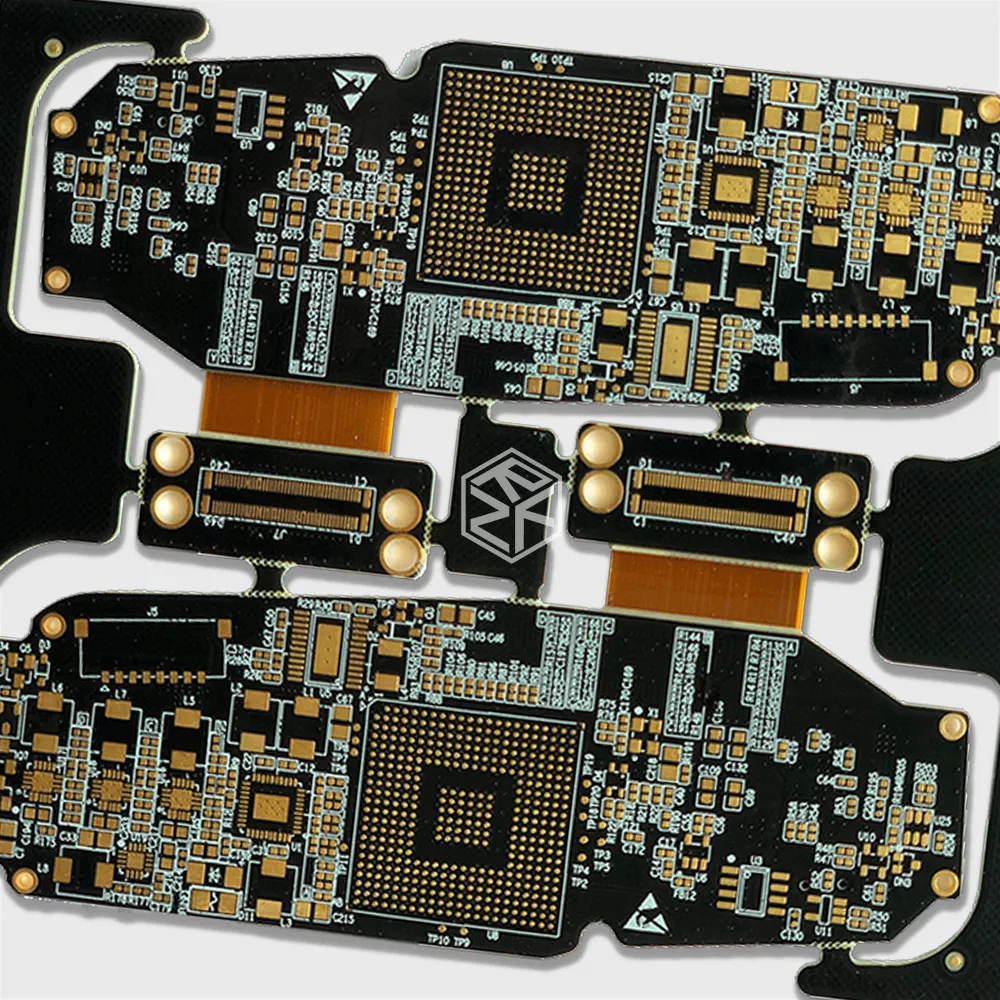
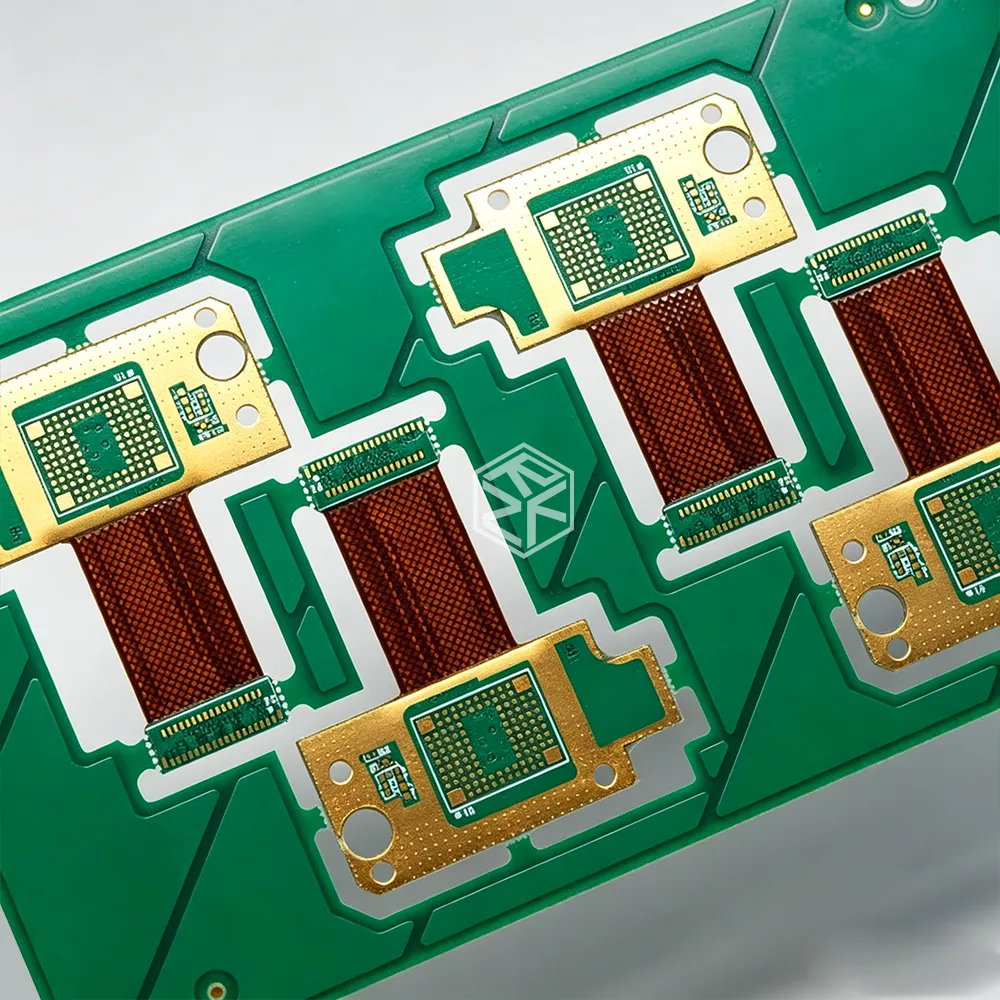
Advanced HDI substrates—often referred to as substrate-like PCBs (SLP)—represent a critical evolution.
These structures offer:
- line/space approaching substrate-level geometry
- ultra-small microvias
- multilayer build-up capability
- high dimensional precision
They serve as an intermediate platform:
- more scalable than semiconductor substrates
- more precise than traditional PCBs
This makes them ideal for supporting SiP integration.
4、mSAP: Enabling Substrate-Level Geometry on PCB Platforms
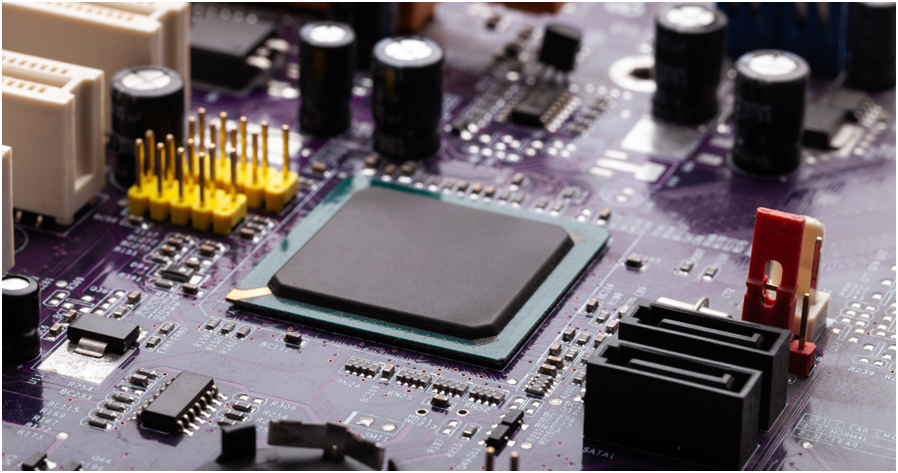
mSAP is a key enabler in this transition.
By shifting from subtractive etching to additive copper build-up, mSAP enables:
- ultra-fine line/space (≤15 μm and beyond)
- highly uniform conductor profiles
- reduced edge roughness
- improved impedance control
This allows PCB platforms to approach the precision traditionally associated with IC substrates.
In the context of SiP, this is essential—because interconnect density must match the integration level inside the package.
5、Ultra-Small Microvias: The Vertical Scaling Mechanism
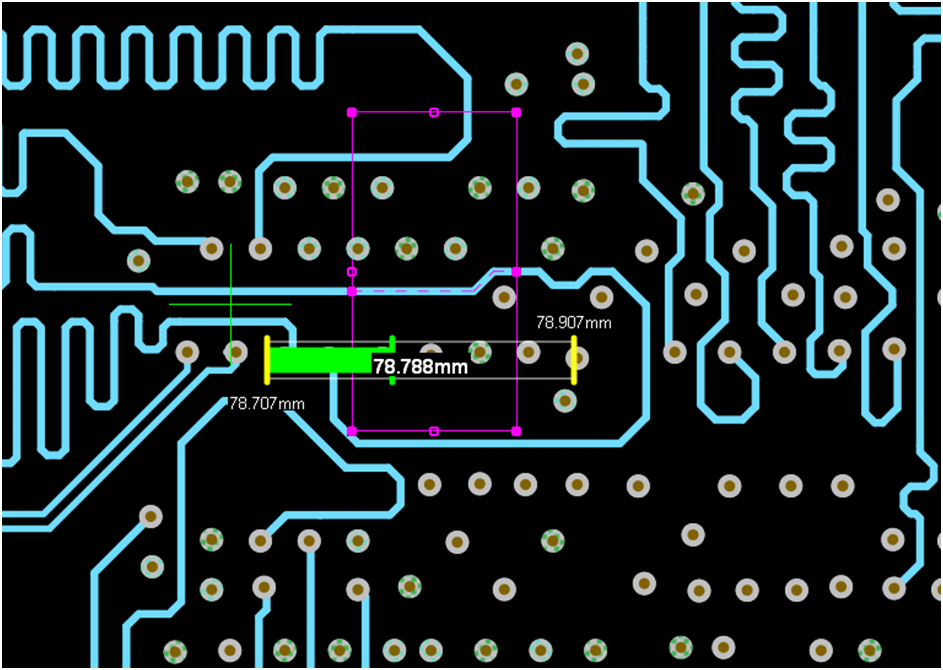
While mSAP enables horizontal scaling, microvias enable vertical scaling.
Ultra-small vias provide:
- high-density layer transitions
- reduced via footprint
- shorter electrical paths
- improved signal integrity
Stacked microvia architectures are especially important in SiP environments, where vertical interconnect density must match the compact packaging structure.
6、Signal Integrity at the Package-Board Interface
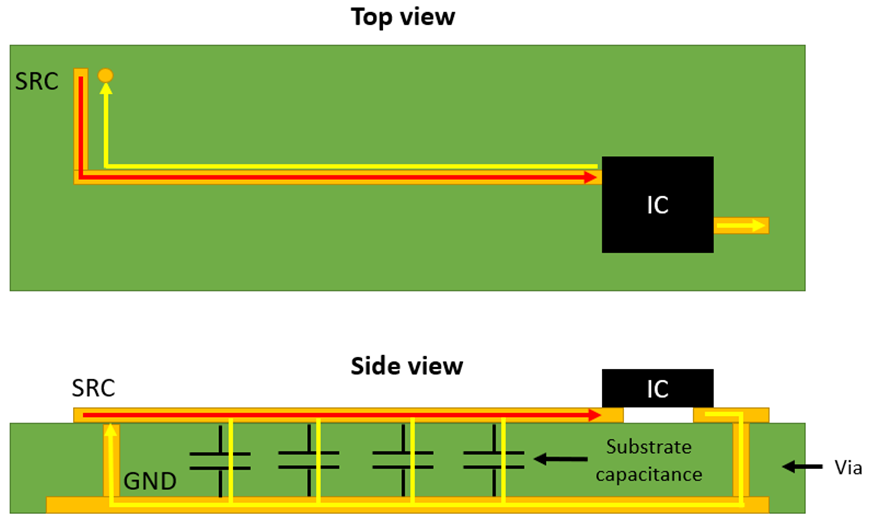
As SiP modules interface with HDI substrates, signal integrity becomes a critical challenge.
Key concerns include:
- impedance discontinuity at package transitions
- high-frequency signal loss
- return path disruption
- crosstalk in dense interconnect regions
Because SiP modules often operate at high frequencies, the PCB substrate must behave as an extension of the package—not as a separate electrical domain.
This requires precise control over geometry, materials, and interconnect design.
7、Thermal and Mechanical Constraints in SiP + HDI Systems
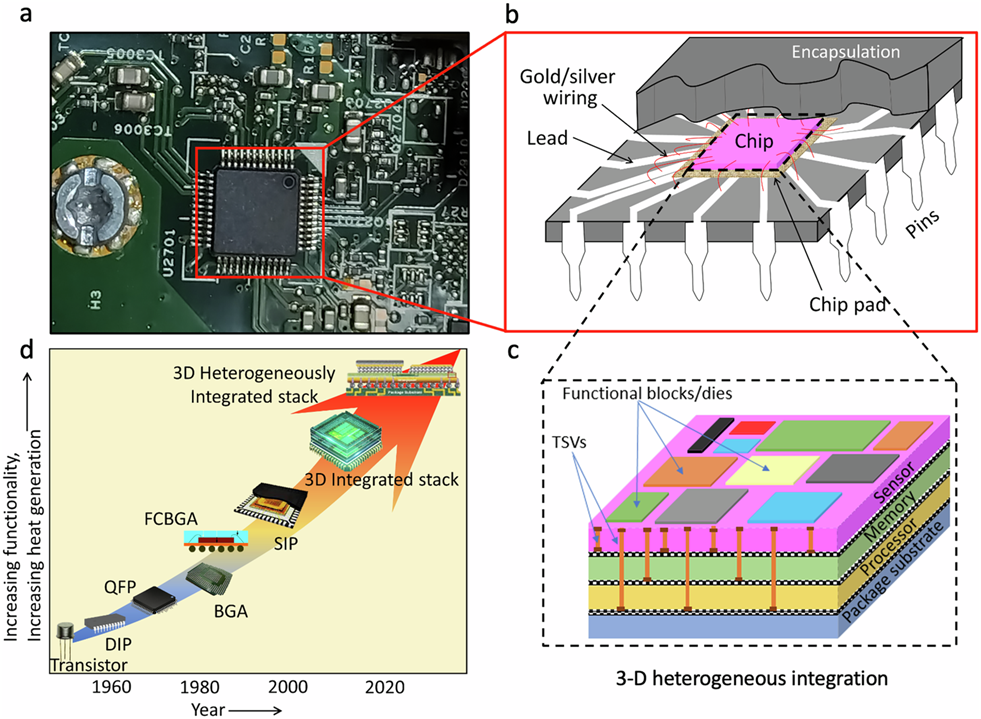
SiP integration increases power density, which introduces thermal challenges.
At the same time, ultra-thin HDI substrates reduce mechanical margin.
This combination creates complex constraints:
- heat dissipation in confined space
- thermal expansion mismatch
- mechanical stress on microvias
- reliability under thermal cycling
Designing for SiP + HDI systems requires balancing electrical performance with thermal and structural stability.
8、Manufacturing Complexity: Where Capability Becomes Critical
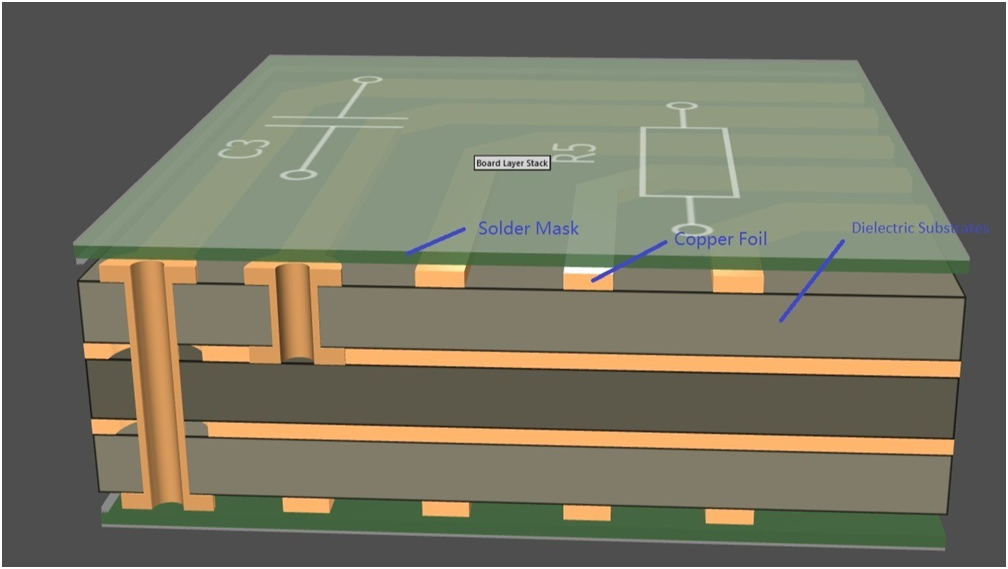
As HDI approaches substrate-level precision, manufacturing becomes significantly more complex.
Critical capabilities include:
- ultra-fine imaging (LDI)
- high-precision laser drilling
- controlled plating for microvias
- tight layer registration
- stable material processing
At this level, process control defines feasibility.
Not all manufacturers can support the transition from standard HDI to substrate-like HDI required for SiP integration.
9、The Strategic Shift: From PCB Manufacturing to Interconnect Engineering
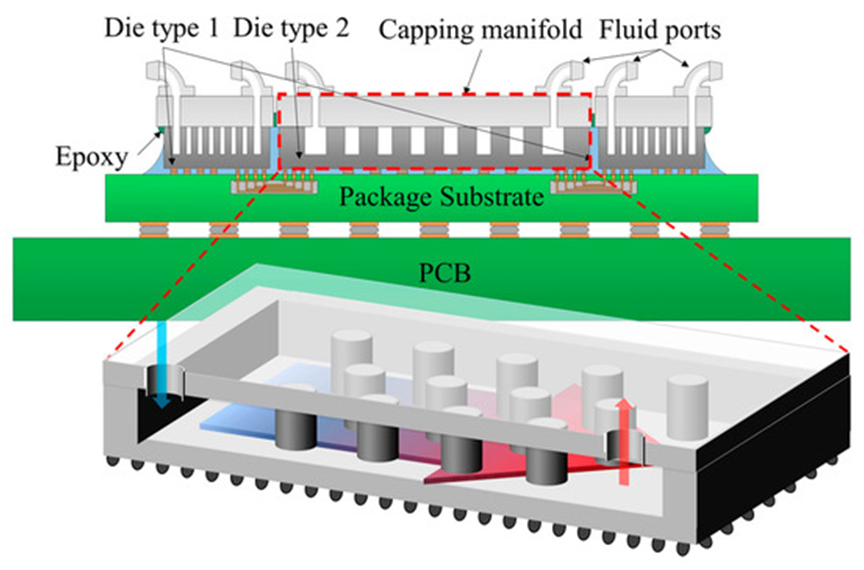
The evolution toward SiP + mSAP + advanced HDI is not just a technology upgrade.
It represents a shift in mindset:
- from PCB fabrication → to interconnect engineering
- from board-level thinking → to system-level integration
- from component connection → to architecture optimization
In this new paradigm, the PCB is no longer just a carrier.
It becomes an active part of system performance.
10、Final Insight: The Future Is Integrated, Not Layered
The future of HDI lies at the intersection of packaging and interconnect technology.
SiP drives integration.
mSAP enables precision.
Advanced HDI substrates provide the platform.
Together, they redefine what a PCB can be.
In next-generation electronics, performance will not come from individual components alone.
It will come from how efficiently the entire interconnect system—package, substrate, and board—works as one unified structure.