
PCIe 5.0 vs PCIe 6.0 Explained: Key Challenges for AI Data Center PCB Manufacturing
Table of Contents
- Introduction: PCIe Evolution and AI Data Center Demands
- What is PCIe 5.0
- What is PCIe 6.0
- Why AI Data Centers Need PCIe 5.0 and 6.0
- Signal Integrity Challenges: PCIe 5.0 vs 6.0
- High-Speed PCB Material and Process Selection
- How to Implement PCIe 6.0 PAM4 Signaling in PCBs
- Testing and Validation Methods
- Factory Case Study and Capability Showcase
- Conclusion and Recommendations
- Frequently Asked Questions (FAQ)
PCIe Evolution and AI Data Center Demands
PCI Express (PCIe) is one of the most critical high-speed interconnect standards in servers and GPU clusters.
What is PCIe 5.0
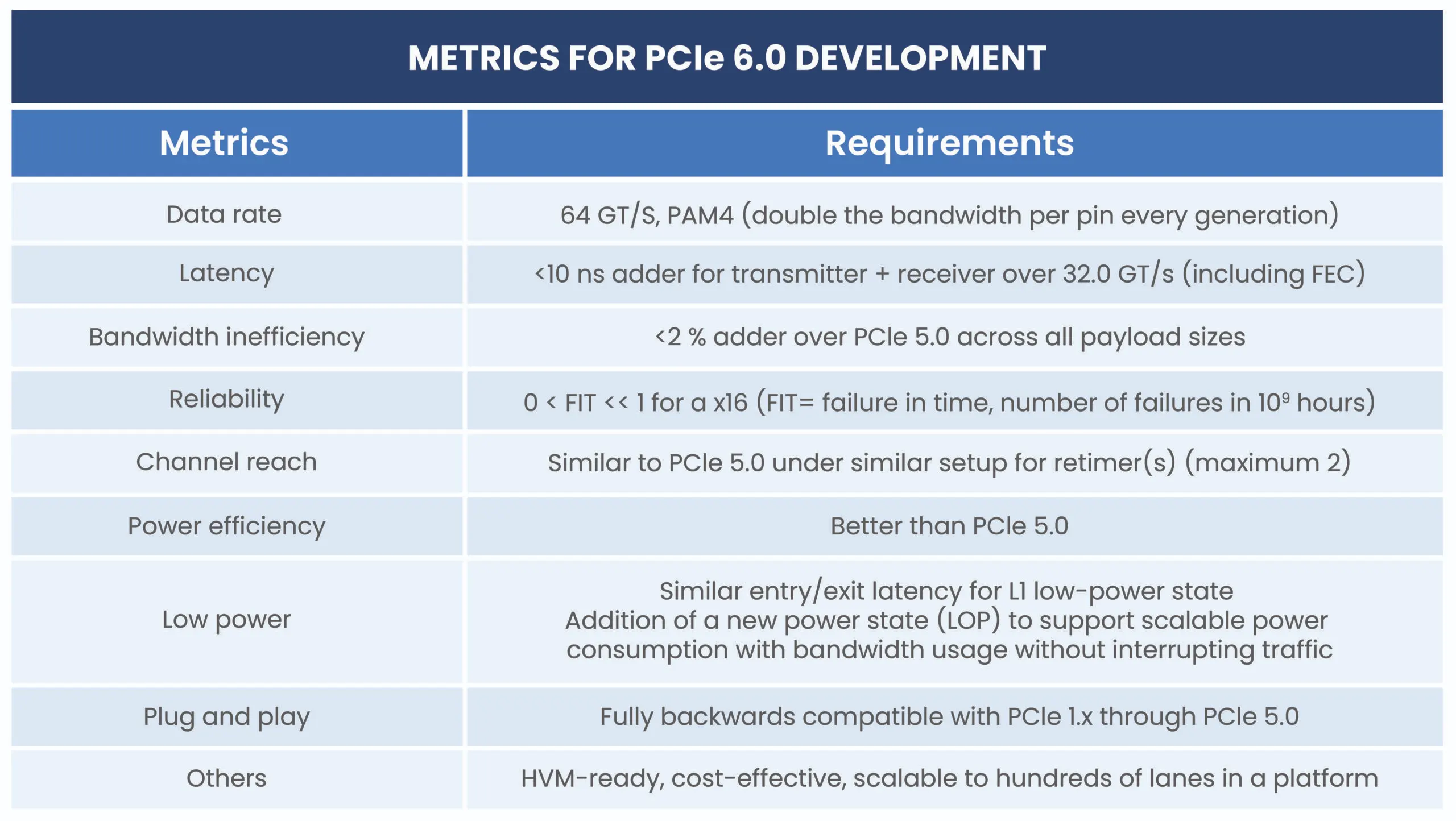
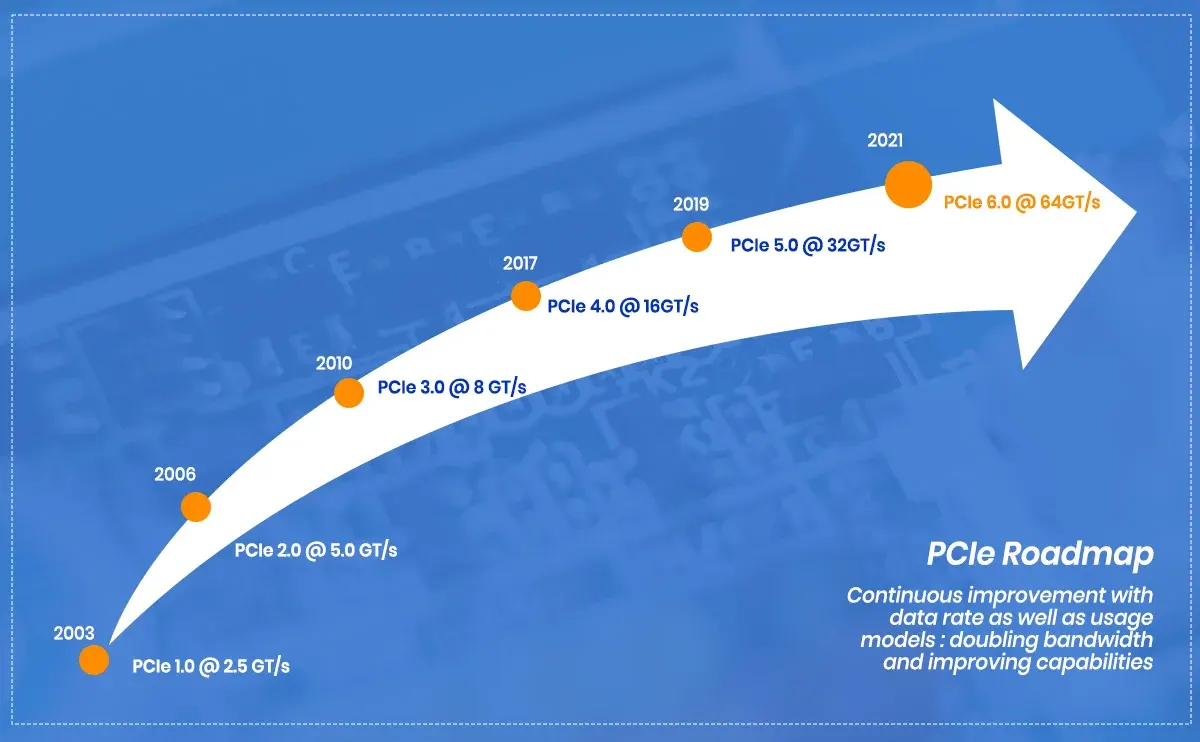
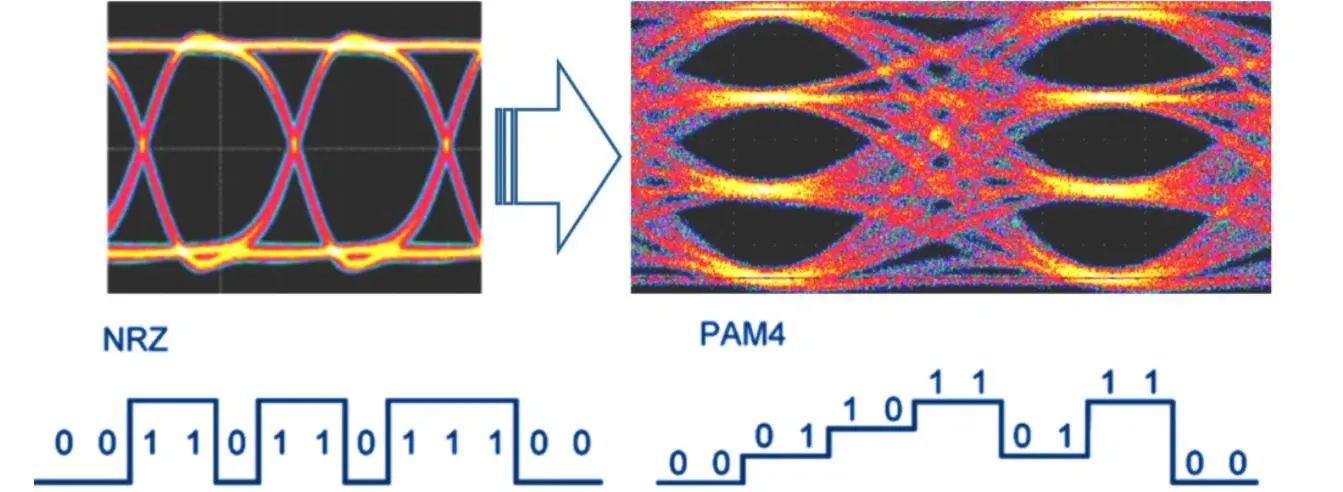
PCIe 5.0, introduced in 2019, raised data rates to 32 GT/s, providing about 4 GB/s per lane and up to 64 GB/s for a full x16 slot. It still uses NRZ (Non-Return-to-Zero) signaling, maintaining backward compatibility.
What is PCIe 6.0
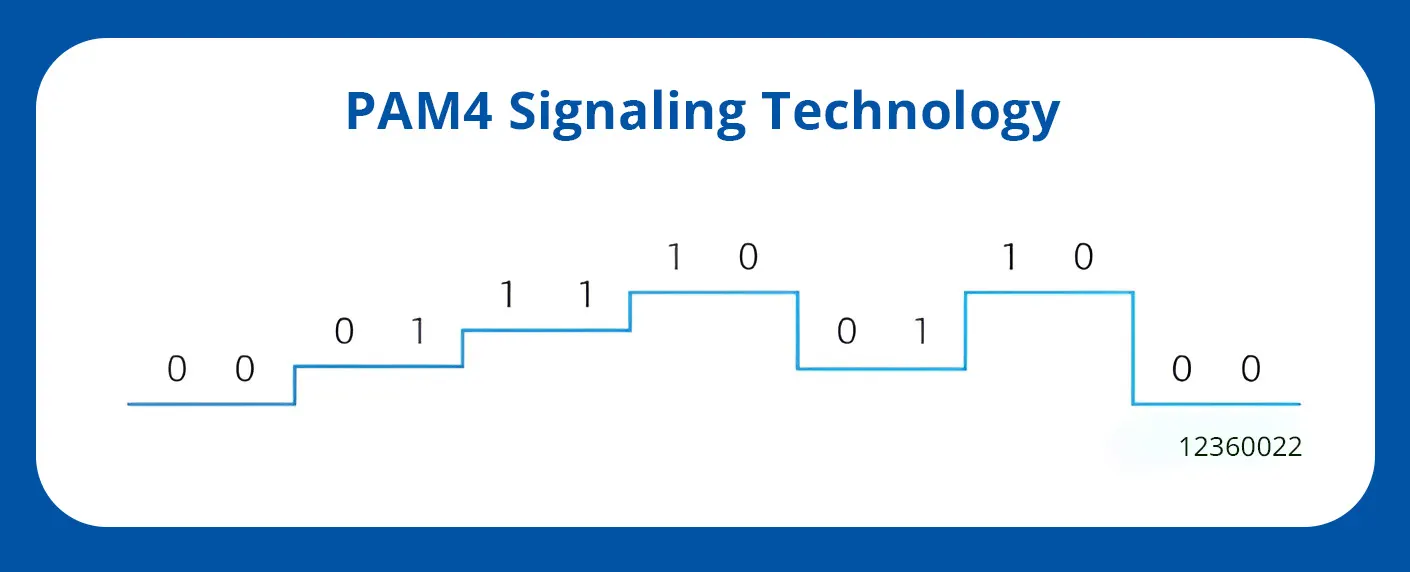
PCIe 6.0, released in 2022, doubles the speed to 64 GT/s, offering a massive 128 GB/s for x16 lanes. The key innovation is the shift to PAM4 (Pulse-Amplitude Modulation with 4 levels) and the integration of FEC (Forward Error Correction) to mitigate bit errors. This transition significantly increases PCB design complexity, especially for signal integrity.
Why AI Data Centers Need PCIe 5.0 and 6.0
AI training and inference demand ultra-fast interconnects between GPUs and CPUs. PCIe 5.0 and PCIe 6.0 deliver the bandwidth that AI data centers rely on. As GPU density increases, PCB signal integrity challenges multiply, making advanced manufacturing essential.
Signal Integrity Challenges: PCIe 5.0 vs 6.0
Insertion Loss
For PCIe 5.0, insertion loss tolerance is around 28-30 dB, but PCIe 6.0 requires much stricter limits, often below 20 dB. The dielectric loss (Df) of PCB materials and trace length directly impact whether signals remain stable.
Crosstalk and Impedance Control
With PAM4 signaling, amplitude is halved, making crosstalk and reflections more problematic. PCB manufacturing must maintain differential impedance within 85 ± 5 Ω, requiring tighter spacing rules and shielding strategies.
Differential Routing and Layout Challenges
Trace lengths in PCIe 6.0 must be minimized. Any trace longer than 10 inches requires ultra-low-loss materials or the addition of retimers to preserve signal integrity.
High-Speed PCB Material and Process Selection
FR4 vs High-Frequency/High-Speed Materials
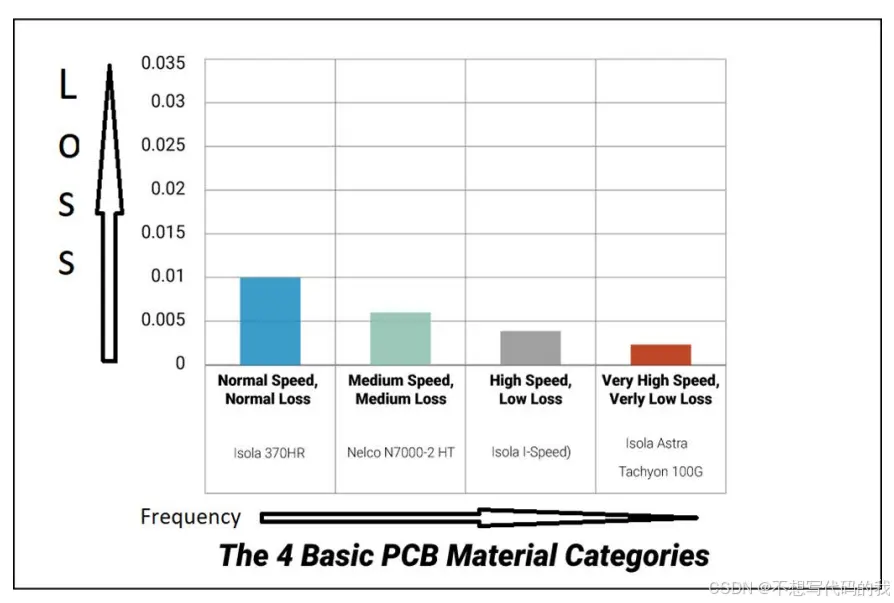
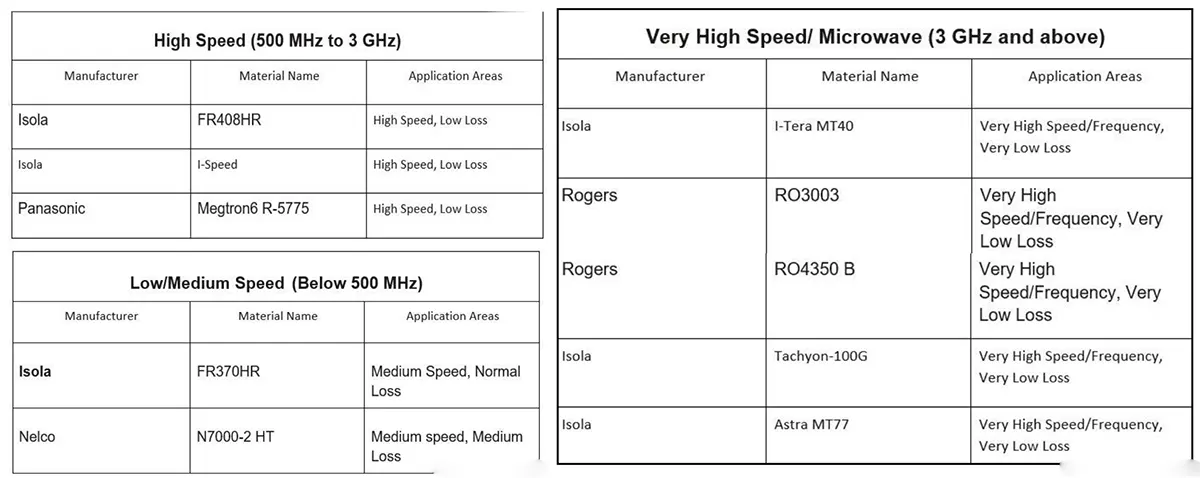
Conventional FR4 struggles with PCIe 6.0. Advanced materials such as Megtron 6, Tachyon 100G, and Isola I-Tera MT40 offer lower Dk/Df, making them suitable for PAM4 signaling.
High-Speed PCB Plating Thickness and Copper Foil Selection
Excessive copper thickness increases insertion loss. High-speed PCB plating thickness is typically 1 oz or thinner, with smooth copper foil used to reduce surface roughness and improve signal performance.
How to Implement PCIe 6.0 PAM4 Signaling in PCBs
Implementing PAM4 requires comprehensive optimization across materials, routing, and connectors. Eye-Diagram simulations validate performance, while careful via management minimizes discontinuities.
Testing and Validation Methods
- Compliance testing ensures PCIe 6.0 channel compliance
- Eye-Diagram analysis checks signal eye openings
- TX/RX calibration with FEC reduces bit error rates
- CEM testing validates system-level interoperability
Factory Case Study and Capability Showcase
Our expertise in AI data center PCB manufacturing includes:
- Mass production with ultra-low-loss laminates
- High-speed routing and impedance control capabilities
- Case studies showing 40% reduction in BER and 12% latency improvement in GPU interconnects
Recommendations
PCIe 5.0 and PCIe 6.0 are redefining PCB manufacturing for AI data centers. Design engineers should prioritize high-speed materials, optimized routing, and robust simulations. Procurement leaders must partner with PCB manufacturers experienced in high-frequency, high-speed designs.
Frequently Asked Questions (FAQ)
Q1: What are the main differences between PCIe 5.0 and PCIe 6.0?
A1: Speed increases from 32 GT/s to 64 GT/s, with adoption of PAM4 and FEC.
Q2: Why do AI data centers have higher requirements for PCB manufacturing?
A2: GPU cluster scale is large, interconnect channels are long, and signal integrity challenges are significant.
Q3: What are common choices for high-speed PCB materials?
A3: Megtron 6, Tachyon 100G, I-Tera MT40.
Q4: How to reduce signal loss in PCIe 6.0?
A4: Choose low-loss materials, control trace length, use retimers.
Q5: Does high-speed PCB plating thickness affect signals?
A5: Yes, excessive copper thickness increases loss. Use smooth copper with appropriate thickness.
Q6: How to validate PCIe channel performance in AI data center motherboards?
A6: Through compliance testing, Eye-Diagram analysis, and FEC calibration.